In the modern digital economy, expertise is no longer just a service—it is a product. For years, consultants, coaches, and strategists have sold their time, trading hours for dollars while attempting to scale their wisdom through static digital courses. However, a significant paradigm shift is underway. As AI commoditizes generic information, the true value for high-level experts lies in embedding their proprietary frameworks into interactive, automated systems.
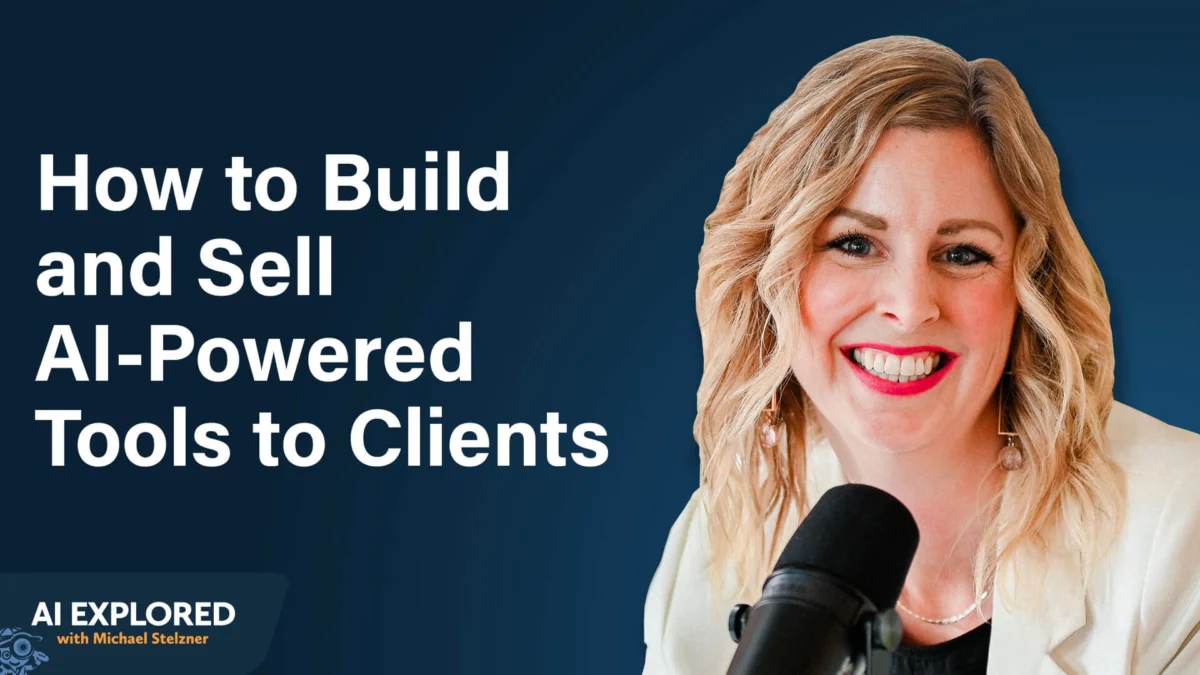
By transforming "hard-won expertise" into what industry experts Kelly Sinclair and Michael Stelzner call "Bot Squads," professionals can transition from selling information to selling implementation. This evolution, as explored on the AI Explored podcast, promises to revolutionize how knowledge businesses operate, increasing customer success rates from the dismal 10–20% seen in traditional courses to an impressive 70–80%.
The Core Shift: Why Expert-Backed AI Matters
The fundamental problem with the current era of generative AI is that it is fundamentally generic. While a user can ask ChatGPT to draft a marketing strategy, the output lacks the nuanced "lens" of a practitioner who has spent decades in the field.
The Implementation Gap
Generic AI provides a starting point, but it fails to validate the outcome. Expert-backed AI bridges this gap by hardcoding an expert’s specific decision-making patterns, methodologies, and tested frameworks into the tool itself. This shift changes the value proposition entirely: you are no longer teaching a client how to think; you are giving them the tools to execute using your proven thinking process.
Research from Thinkific in 2025 underscores why this is essential. The "perceived heaviness" of implementation is the primary reason clients abandon digital courses. By deploying AI-powered tool suites, experts remove the friction of the "blank page," allowing clients to gain momentum and achieve tangible results with guided, expert-aligned support.
Chronology: From Strategy to Execution
The journey to building an AI-powered business ecosystem follows a distinct, logical progression that moves from identifying pain points to deploying sophisticated software.
1. Diagnostic Phase: Where is the Friction?
Before a single line of code or a custom prompt is written, experts must identify where their clients suffer most. Four key indicators serve as a roadmap:
- Repetition: Identify the questions you answer repeatedly. These are prime candidates for automation.
- Implementation Gaps: Focus on the stage where clients receive a strategy but fail to act.
- Skip Zones: Identify the "heavy lift" tasks that clients avoid because they feel intimidated.
- Confidence Gaps: Recognize where clients know the "what" but lack the conviction to execute.
2. The IPO Framework (Input, Process, Output)
To ensure these tools remain consistent, developers utilize the IPO framework. This ensures that even as different users provide varying inputs, the "process" (the expert’s methodology) remains constant.
- Input: The variable data provided by the user (business data, goals, or intake answers).
- Process: The "expert brain." This includes the core goal, the specific instructions, and the training resources (transcripts, frameworks, or past successful outputs) that dictate how the AI thinks.
- Output: The defined deliverable, whether it be a pitch deck, a marketing audit, or a customized content plan.
3. Build and Deploy
Once the framework is set, the expert chooses a delivery vehicle, ranging from simple Custom GPTs for proof-of-concept to full-scale, bespoke software platforms designed for multi-tenant security and user management.
Supporting Data: The Case for Bot Squads
The success of this methodology is not merely theoretical. Consider the following real-world applications of "Bot Squads":
- The Research Accelerator: Michelle, a messaging strategist, developed "Moxie." By allowing clients to upload their own voice-of-customer research, the tool applies her proprietary analysis framework to generate marketing messaging. This effectively reduced a months-long consulting process to a matter of hours.
- The Strategic Auditor: Kelly Sinclair’s "Valerie the Visibility Auditor" helps clients track their weekly activities against an ROI framework. It serves as an automated accountability partner, redirecting clients away from low-value busywork toward high-impact strategic actions.
- The PR Workflow: PR coach Nicole created a three-stage bot squad. The first bot handles intake, the second researches relevant media opportunities, and the third drafts pitches in the client’s voice. This system allows the expert to scale her service delivery while maintaining the high quality of her unique methodology.
Official Perspectives: The Expert’s View
Kelly Sinclair emphasizes that the goal is not to replace the human consultant. Instead, the AI handles the "implementation layer," while the human expert focuses on higher-order strategy, coaching, and personalized office hours.
"The AI tools give clients momentum between touchpoints," Sinclair notes. This creates a sustainable subscription revenue model. Clients are far more likely to retain a subscription to a tool that actively produces work for them than they are to retain access to a static video library.
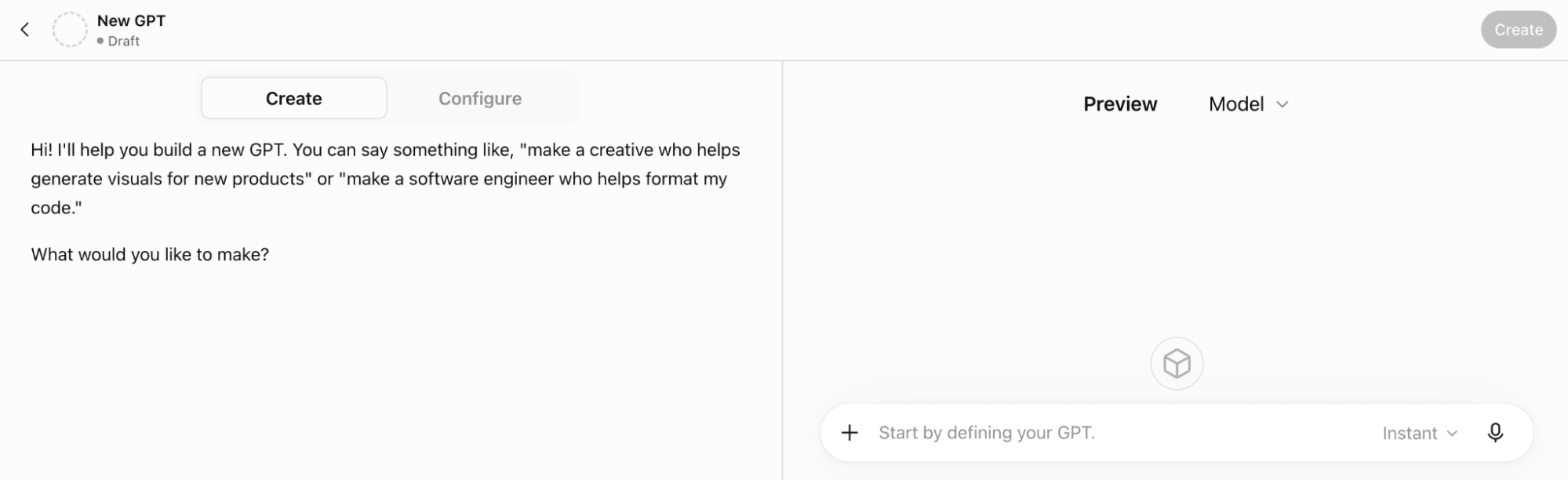
Furthermore, the integration of AI allows experts to "vibe code"—using natural language to instruct AI to build functional applications. This democratization of software development means that non-technical experts can now build, host, and manage their own proprietary tools without needing a background in computer science.
Implications for the Future of Knowledge Businesses
The rise of expert-backed AI signals a profound transition in the consulting and coaching industry.
From Content to Capability
The era of selling "information" is coming to a close. Information is free and abundant. The future belongs to those who package their unique process into capability. When an expert creates a tool, they are essentially digitizing their own experience. This creates an "intellectual moat" that is difficult for competitors to cross.
Intellectual Property Risks
As experts move toward building these tools, they must weigh the implications of intellectual property exposure. Distributing a "Claude Skill" or a custom software tool effectively shares your methodology with the user. While this creates immense value for the client, experts must be prepared to protect their frameworks through thoughtful design and, if necessary, legal structures.

The Technical Threshold
For the expert, the primary barrier is no longer technical skill—it is organizational clarity. Being able to document one’s own process into discrete, sequential steps is the most valuable skill in the AI-enabled economy. If an expert cannot clearly articulate their methodology to an AI, they cannot automate it for a client.
Scalability and Maintenance
The transition to a software-based business model requires a shift in mindset regarding maintenance. Unlike a course that can remain static for years, AI tools require ongoing refinement. As the underlying models (like GPT-4 or Claude 3.5) evolve, the tools must be updated. This creates a "long-tail" relationship with clients, where the expert is constantly refining the "process" based on new data and user feedback.
Final Thoughts
The path forward is clear: the most successful experts of the next decade will be those who stop treating their knowledge as a lecture and start treating it as a system. By moving from the role of "teacher" to "architect," professionals can build ecosystems that do the heavy lifting for their clients, foster higher completion rates, and create consistent, high-value recurring revenue.
As Sinclair suggests, the "bot squad" is not just a technological trend; it is the natural, inevitable evolution of expertise in an age of artificial intelligence. Those who start building today will define the next generation of the knowledge economy.