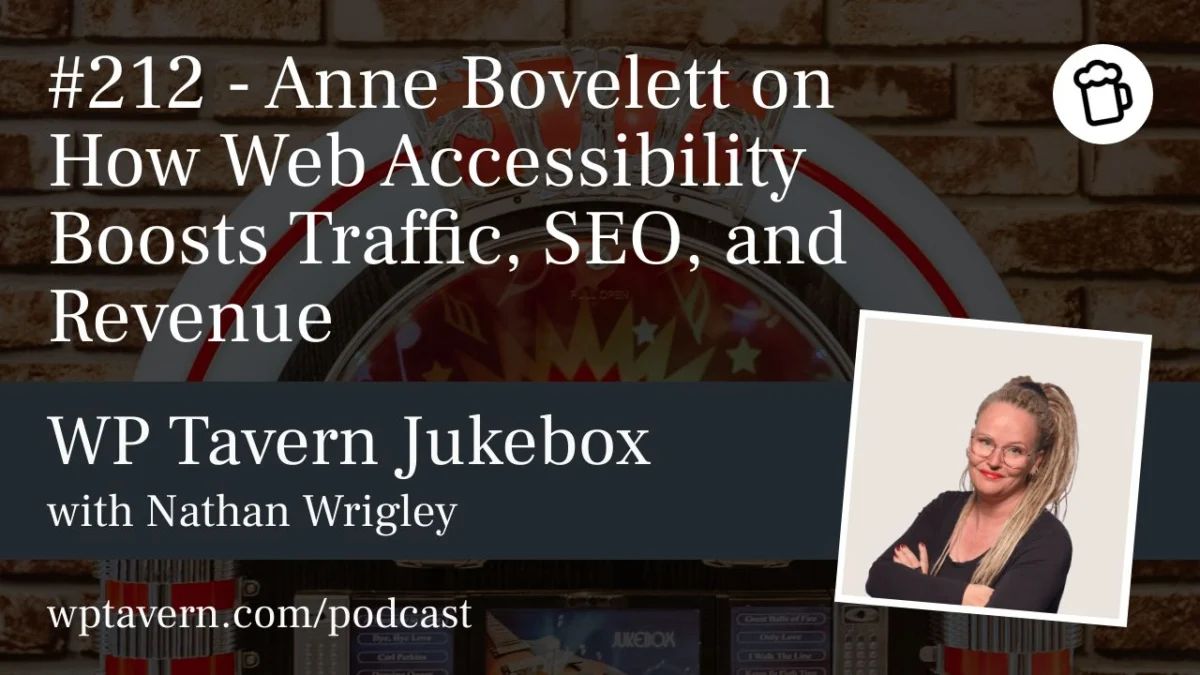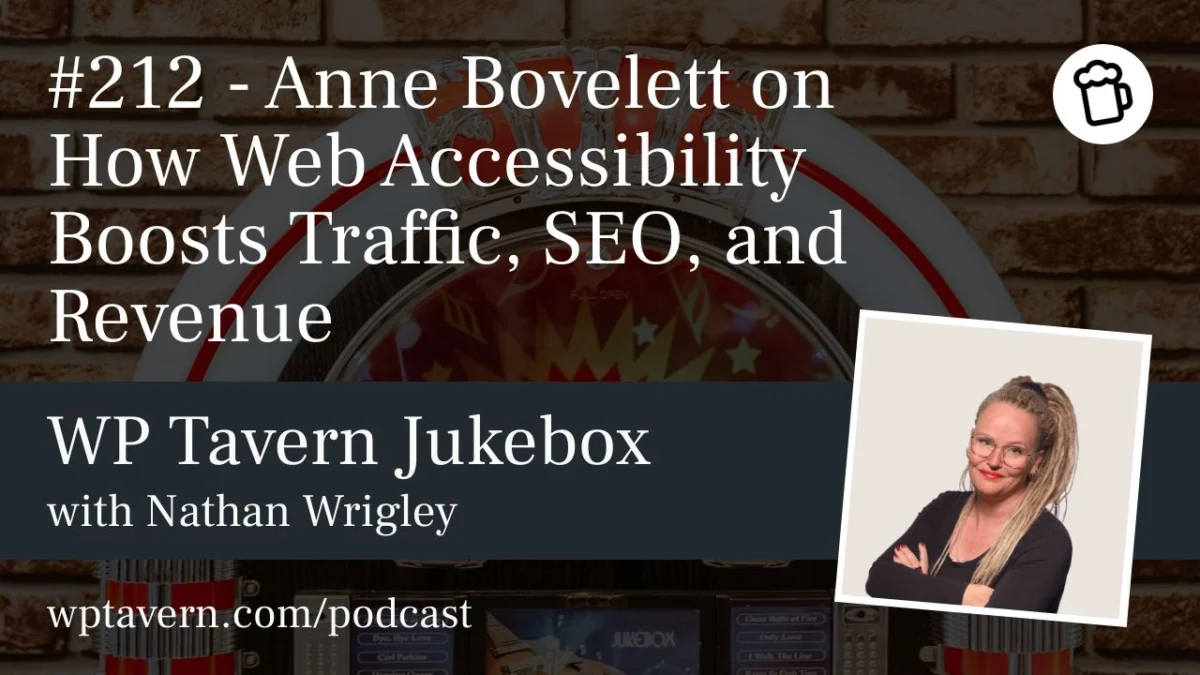
For decades, web accessibility has been framed primarily as a moral imperative—a "nice-to-have" feature that serves a niche audience. In the early days of the internet, developers focused on creating colorful, interactive spaces, often sacrificing the semantic structure of the web for the sake of aesthetic experimentation. As the digital landscape matured, that "good intention" frequently led to over-engineering, resulting in a web that is increasingly difficult to navigate for millions of users.
However, a paradigm shift is underway. Accessibility is shedding its reputation as a purely social obligation and is emerging as a critical, high-ROI business strategy. New data suggests that companies neglecting accessibility are leaving billions of dollars on the table, while those that prioritize inclusive design are reaping the rewards of increased traffic, improved search engine rankings, and enhanced brand authority.
The Evolution of the Digital Divide
In the early days of the web, developers built with semantic HTML. While the sites were often rudimentary, they were naturally compatible with early assistive technologies like screen readers. As frameworks evolved, the industry moved toward "div-and-span" soup—a method of building that prioritizes visual layout over machine-readable structure.
Anne Bovelett, a veteran accessibility strategist, notes that this transition represents a form of "over-engineering" that arguably degraded the internet for many. "Semantic HTML is like the skeleton of the web," Bovelett explains. "When we moved to non-semantic, JavaScript-heavy frameworks, we created ‘useless chameleons’—elements that look like buttons but lack the underlying code to behave like buttons."
This shift, often driven by the desire for rapid development and aesthetic perfection, ignored the human-centric nature of the internet. While physical infrastructure in many parts of the world—like the UK or the Netherlands—underwent legislative changes to mandate ramps and accessibility for public buildings, the digital world remained a "Wild West." Because browsing occurs in the privacy of the home, failures in accessibility are rarely witnessed by business owners, leading to a persistent, invisible disconnect.
Supporting Data: The Case for Compliance
The argument for accessibility is no longer based solely on ethics; it is now backed by hard, empirical data. A landmark study conducted by Semrush in collaboration with AccessibilityChecker.org analyzed 10,000 websites, revealing a clear correlation between compliance and performance metrics.
The findings are stark:
- Organic Traffic Growth: Websites with higher accessibility compliance scores saw an average organic traffic increase of 23%.
- Keyword Rankings: Compliant sites ranked for 27% more organic keywords compared to their less accessible counterparts.
- Authority Scores: There was a 90% boost in authority scores for sites that prioritized accessibility.
These statistics suggest that search engines, which ultimately aim to provide the best possible experience for their users, favor websites that are structurally sound and human-centric. When a site is accessible, it is not just easier for a person with a disability to navigate; it is also easier for search engine crawlers to parse and index, leading to improved visibility across the board.
The "Click Away" Cost: Economic Implications
The financial cost of non-compliance is staggering. The "Click Away Pound" report, which measures the revenue lost by e-commerce sites that are inaccessible, highlighted that in 2019 alone, businesses lost an estimated £17 billion in the UK because potential customers could not complete their purchases.
Bovelett points out that this is not just a rounding error; it is a fundamental failure in sales strategy. "Seventy-five percent of disabled customers have willingly paid more for a product from an accessible website rather than struggle with a cheaper, inaccessible one," she notes. "When you make the user journey frictionless, you are not just being kind; you are capturing market share that your competitors are actively pushing away."
This economic reality extends beyond lost sales into the realm of operational costs. Organizations that redesign their digital interfaces for accessibility often report a significant decrease in support tickets. When users are empowered to solve problems independently—whether it is finding a product, filling out a form, or understanding a service—the burden on customer service teams is drastically reduced.
The Human-Centric Challenge: Why Businesses Hesitate
Despite the clear financial incentives, many organizations struggle to implement accessibility consistently. This often stems from a lack of internal communication. In many large enterprises, design, development, and content teams operate in silos. Designers create visually stunning layouts without considering the code, developers build features based on those designs, and the resulting product is often inaccessible.
"We need a new role in the industry," Bovelett argues. "We need strategists who can bridge the gap between the C-suite, the designers, and the developers. Someone who can professionally challenge leadership on their priorities while simultaneously fostering a culture where a developer feels empowered to go to a designer and say, ‘I see an accessibility issue here, how can we solve this together?’"
Furthermore, the "compliance trap" remains a hurdle. Many companies rely on automated tools that provide a "score," giving them a false sense of security. A site might pass a automated test but still be practically unusable for a person with a disability. True accessibility requires a human-centric approach that looks at the actual user journey, not just a checkbox of technical requirements.
Implications for the Future of WordPress and Beyond
As the internet continues to evolve, the demand for accessibility will only grow. The rise of AI, which is often trained on existing, inaccessible code, poses a new challenge. If we continue to feed AI models data that lacks semantic structure, we risk entrenching these accessibility barriers for the next generation of digital tools.
For website owners, particularly those using platforms like WordPress, the message is clear: accessibility is a competitive advantage.
- Audit Your Content: Ensure that links are descriptively named (avoid "click here") and that media is fully captioned.
- Audit Your Code: Use semantic HTML elements wherever possible. Avoid relying on JavaScript to handle basic interactions that could be managed by standard HTML.
- Invest in Strategy: View accessibility as a long-term investment, similar to SEO or high-quality copywriting.
- Listen to Users: Actively solicit feedback from users with disabilities. Their experience is the ultimate metric of your success.
Conclusion: A Shift in Perspective
The conversation around accessibility is changing. By framing it as a "billion-pound opportunity" rather than a "social chore," advocates like Anne Bovelett are beginning to capture the attention of business leaders who previously ignored the topic.
The data confirms that the web, when built for everyone, works better for everyone. Whether it is through improved SEO, higher conversion rates, or reduced customer support overhead, the business case for accessibility is unassailable. In 2026 and beyond, the companies that thrive will be those that understand that accessibility is not a tax on innovation—it is the foundation of a modern, inclusive, and highly profitable digital economy.
As Bovelett concludes, "People do not have common sense, but they do have wallets. If we can show them that accessibility fills those wallets, we can change the way the entire internet is built."