In the hyper-competitive digital landscape of 2025, a business’s visual identity is its digital storefront. First impressions are no longer measured in minutes, but in milliseconds. For small business owners, startups, and solo entrepreneurs, the pressure to produce high-quality, professional-grade marketing collateral has never been higher. Yet, for many, the technical barrier to entry—mastering complex software like Adobe Creative Cloud—remains a daunting obstacle.
Enter Canva, the design platform that has fundamentally democratized visual communication. By stripping away the complexity of traditional graphic design software and replacing it with an intuitive, drag-and-drop ecosystem, Canva has become the go-to tool for businesses that need to move fast without sacrificing quality.
The Core Concept: What is Canva?
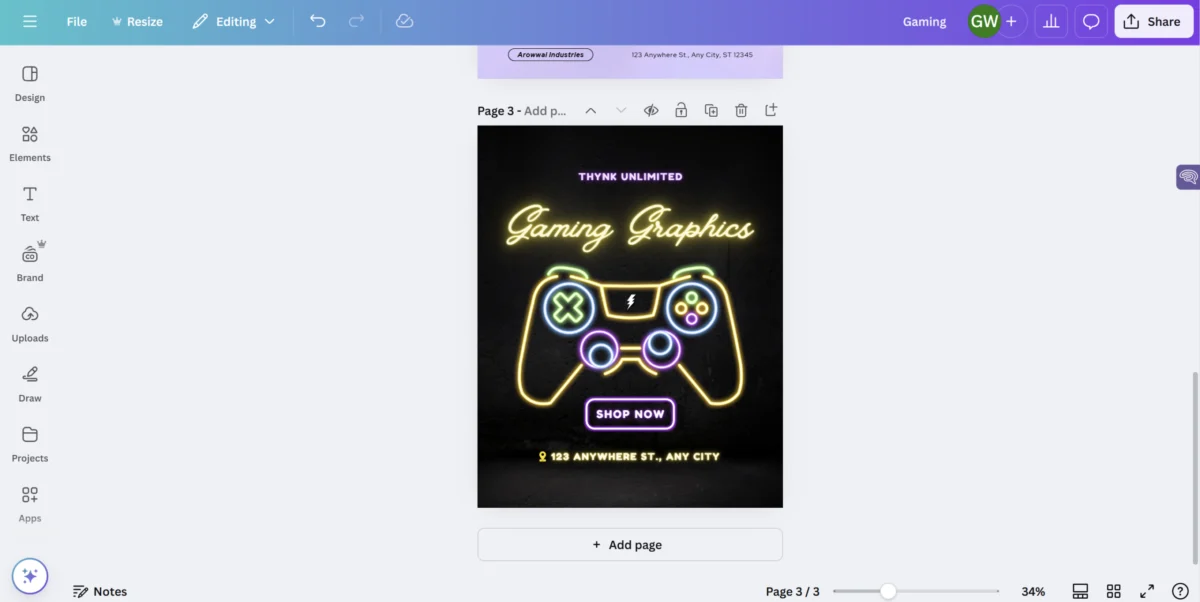
At its simplest, Canva is a cloud-based graphic design platform that allows users to create social media graphics, presentations, posters, documents, and other visual content. Unlike professional-grade software that requires extensive training in vector paths, layer management, and color theory, Canva is built for the non-designer.
The platform operates on a "freemium" model. The free version provides an expansive library of templates, stock images, and design elements that are sufficient for most small businesses. For those requiring advanced features—such as brand kits, magic resizing tools, and AI-powered editing—Canva Pro and Canva Teams offer a scalable solution that grows with the business.
A Brief Chronology of a Design Revolution
- 2013: Canva is launched in Perth, Australia, by Melanie Perkins, Cliff Obrecht, and Cameron Adams. The goal: to make design accessible to everyone.
- 2014-2016: Rapid adoption among non-profits and small businesses. The platform introduces "Canva for Work" to facilitate team collaboration.
- 2018-2020: Canva reaches "unicorn" status, expanding its library to include video editing, animation, and print-on-demand services.
- 2023-2024: The integration of "Magic Studio," a suite of generative AI tools, transforms Canva from a static design tool into a creative engine.
- 2025 and Beyond: Canva is now an industry standard, deeply integrated into workflows for everything from enterprise presentations to high-frequency social media marketing.
Supporting Data: The Efficiency Gap
Why are businesses flocking to Canva in such high numbers? The answer lies in the intersection of time and cost. According to recent industry surveys, the average small business owner spends upwards of 15 hours per week on marketing tasks. When that time is split between strategy, execution, and content creation, design often becomes a bottleneck.
- Time Efficiency: Utilizing Canva’s pre-built templates can reduce design time by an estimated 60–80% compared to building assets from scratch.
- Cost Savings: While a dedicated graphic designer might charge hundreds of dollars for a single suite of social media assets, a Canva Pro subscription costs a fraction of that per month, granting unlimited access to professional assets.
- Collaboration Metrics: For larger firms, the transition to "Canva for Teams" has reported a 40% increase in cross-departmental creative output, as marketing, sales, and HR teams can now collaborate on branded documents without needing design software expertise.
Strategic Implementation: 6 Ways to Use Canva in 2025
For the business owner looking to scale, Canva is not just a tool for making pretty pictures; it is a strategic asset for brand consistency and audience engagement.
1. Establishing Brand Identity
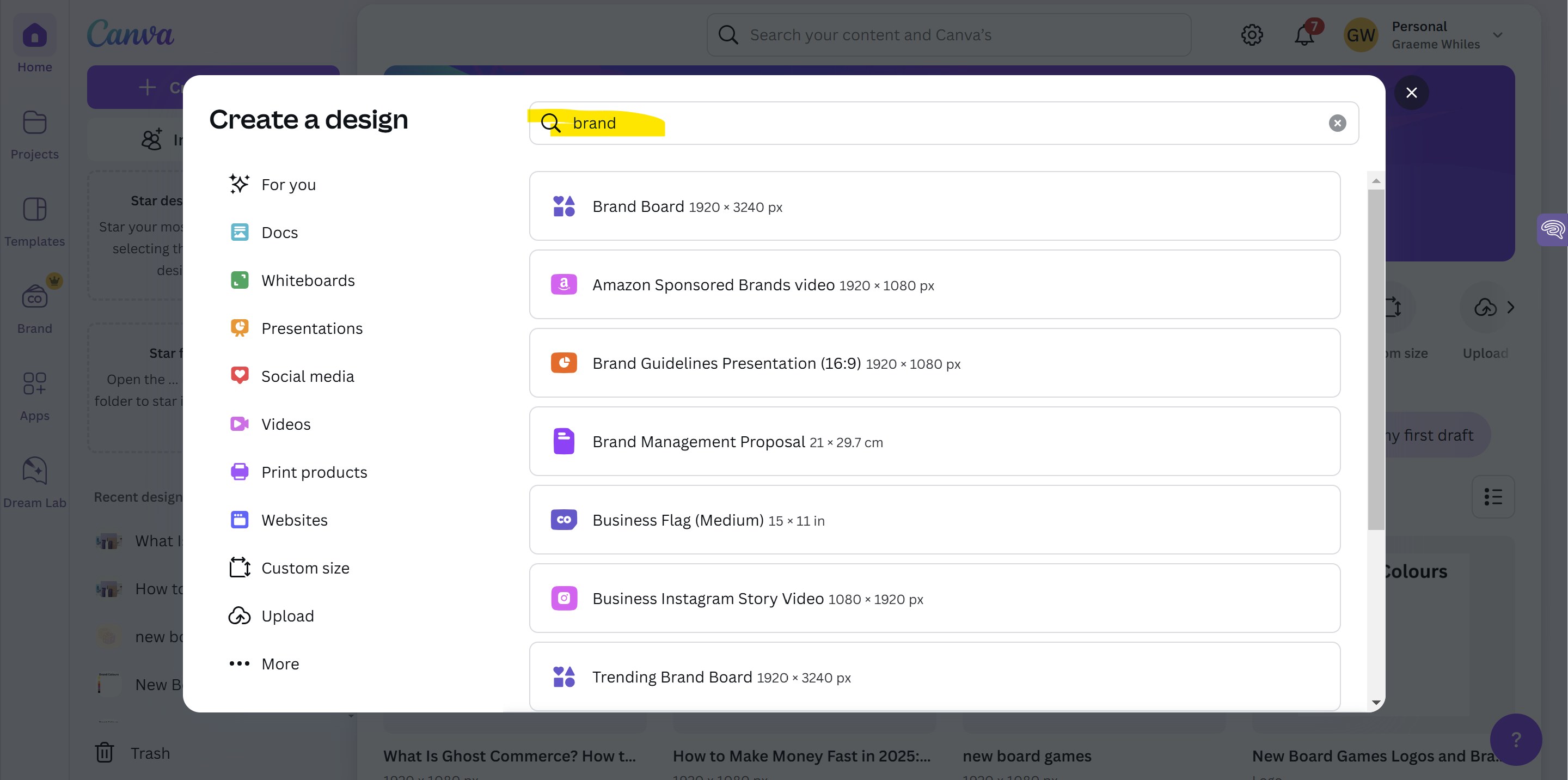
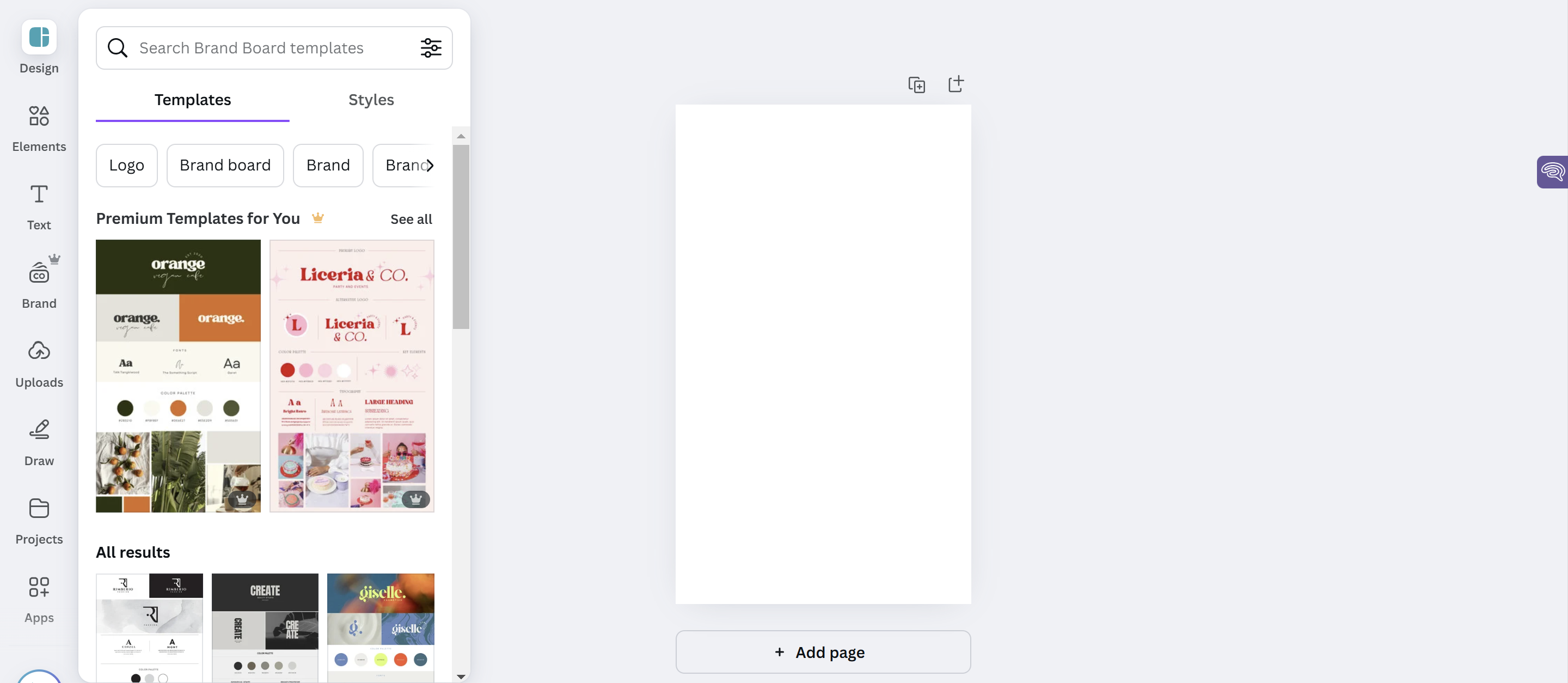
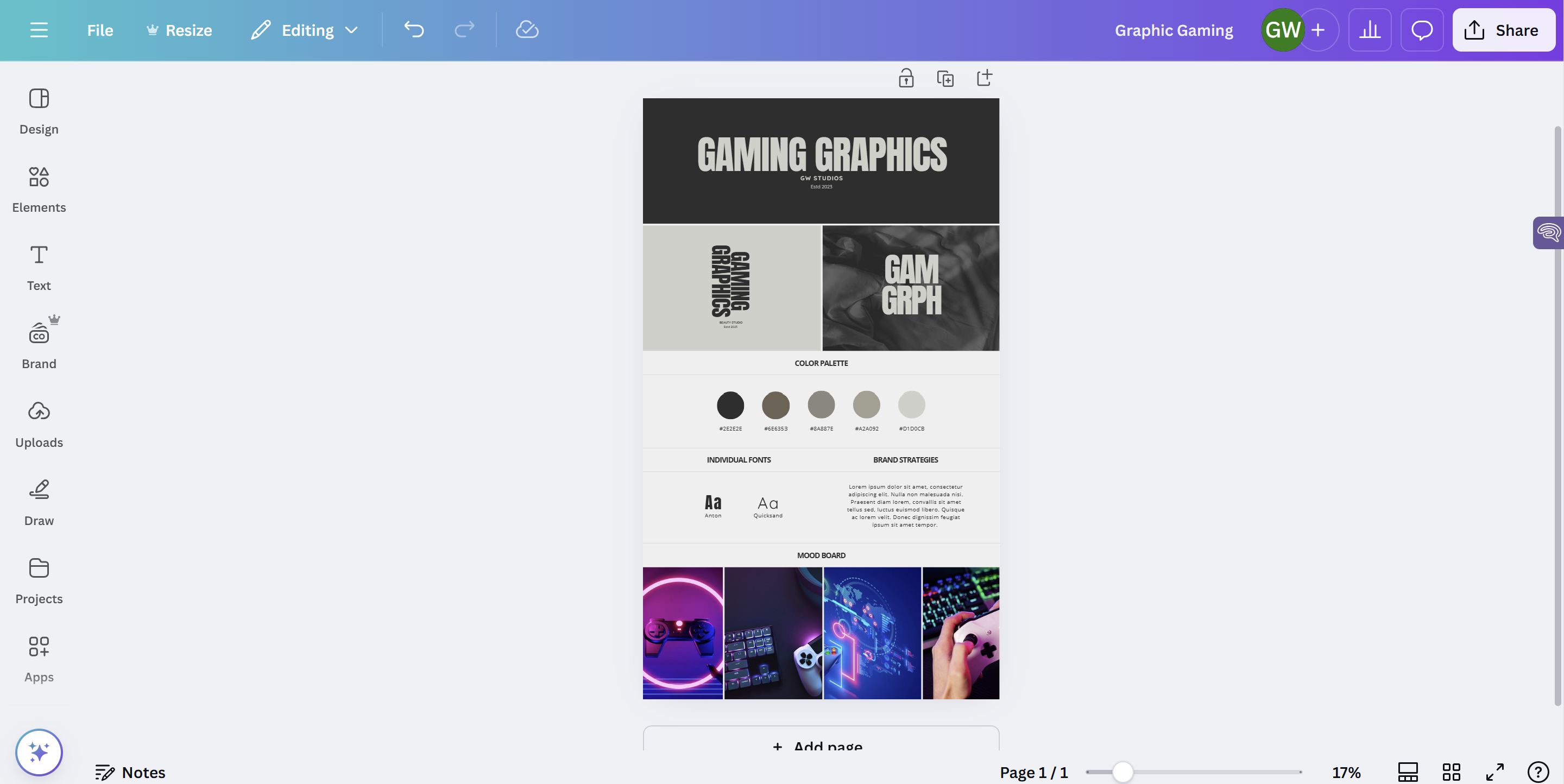
Consistency is the bedrock of brand recognition. Through the "Brand Kit" feature, businesses can upload their specific logos, color palettes, and fonts. This ensures that every piece of content—whether a business card or a LinkedIn post—feels like it belongs to the same parent company.
2. Streamlining Social Media Workflows
With templates tailored to every platform—from vertical 9:16 TikTok videos to high-resolution Twitter headers—Canva removes the guesswork of dimensions. By using the "Content Planner" feature, users can design and schedule their posts directly from the platform, creating a seamless "create-to-publish" cycle.
3. Elevating Blog and SEO Visuals
Text-heavy blog posts often suffer from high bounce rates. Incorporating infographics, custom headers, and data visualizations created in Canva not only improves user engagement but also provides structural cues that search engines appreciate. High-quality visuals increase the likelihood of "dwell time," an essential metric for SEO success.
4. Creating High-Conversion Lead Magnets
A professional eBook or whitepaper is a powerful tool for lead generation. Canva’s document-editing templates allow users to create sophisticated PDFs that look like they were produced by a top-tier design firm. This adds a layer of authority and trustworthiness that can significantly increase opt-in rates.
5. Professional-Grade Presentations
The era of the "boring slide deck" is over. Canva’s presentation tools offer interactive elements, animations, and seamless transitions that rival PowerPoint or Keynote. For the entrepreneur pitching to investors, these visual aids provide a competitive edge in clarity and impact.
6. Scaling with Teams
As a business grows, maintaining quality control becomes difficult. Canva’s team features allow for shared folders, real-time comments, and approval workflows. This ensures that the founder can maintain oversight on the brand while delegating the actual creation to marketing assistants or freelance contractors.
Official Perspective: The Human-AI Hybrid Model
In recent statements, Canva’s leadership has emphasized that the platform’s future lies in "Magic Design"—the integration of AI to assist, rather than replace, human creativity. By automating the tedious parts of design—such as background removal, image upscaling, and text generation—Canva allows business owners to focus on their unique value proposition.
Critics sometimes argue that reliance on templates leads to a "cookie-cutter" aesthetic. However, the official response from Canva’s design team suggests that templates are merely a "starting block." The platform’s robust customization tools allow users to modify every element, ensuring that while the process is fast, the result remains unique to the brand.
The Implications for Business Growth
The shift toward accessible, high-velocity design is a permanent change in the entrepreneurial landscape. As we look at the requirements for success in 2025, the ability to communicate visually is no longer a luxury; it is a necessity.
For the solo entrepreneur, this means that the "gig economy" of graphic design is evolving. While there will always be a place for specialized, high-end branding agencies, the day-to-day visual needs of a business are now firmly in the hands of the business owner. By mastering a tool like Canva, you are essentially reclaiming hours of your work week and thousands of dollars in overhead costs.
The Path Forward
To truly harness this potential, business owners must move beyond basic usage. Success in 2025 requires:
- Systematization: Creating "Master Templates" for recurring tasks.
- Brand Discipline: Strictly adhering to established color and font guidelines to build long-term recognition.
- Continuous Learning: Staying updated with the platform’s frequent feature drops, particularly in AI-assisted video editing.
Final Thoughts: Invest in Your Potential
The transition from a "do-it-all" entrepreneur to a scalable business leader is paved with the right tools. Canva serves as the backbone of your visual communication, but your growth strategy must be equally robust.
If you are looking to refine your entire business strategy—from marketing and branding to eCommerce and beyond—you need more than just a design tool. You need a comprehensive ecosystem of knowledge. For those ready to take their venture to the next level, platforms like Foundr+ provide the expert-led guidance required to turn a small business into a market leader.
With over 30 expert-led courses and 1,000+ lessons at your fingertips, you can learn the systems that scale. The barrier to entry for professional branding has been removed; now, it is up to you to build the vision.
Are you ready to elevate your business in 2025? Start by mastering your visual brand, then bridge the gap between creative execution and business growth. The tools are ready—are you?