In the high-stakes world of digital marketing, the "average conversion rate" is perhaps the most cited—and most misunderstood—metric in the industry. For years, marketers have chased a singular, mythical number, hoping to find a benchmark that dictates whether their campaigns are succeeding or failing. However, according to the 2024 Conversion Benchmark Report, which synthesized data from over 57 million conversions, 41,000 landing pages, and 464 million pageviews, the truth is far more nuanced.
"Not all conversions are created equal," says Josh Gallant, founder of the organic growth firm Backstage SEO. "The number that counts as ‘good’ isn’t one-size-fits-all. It depends on your industry, your audience, and the specific path that brought them to your page."

The Myth of the Universal Average
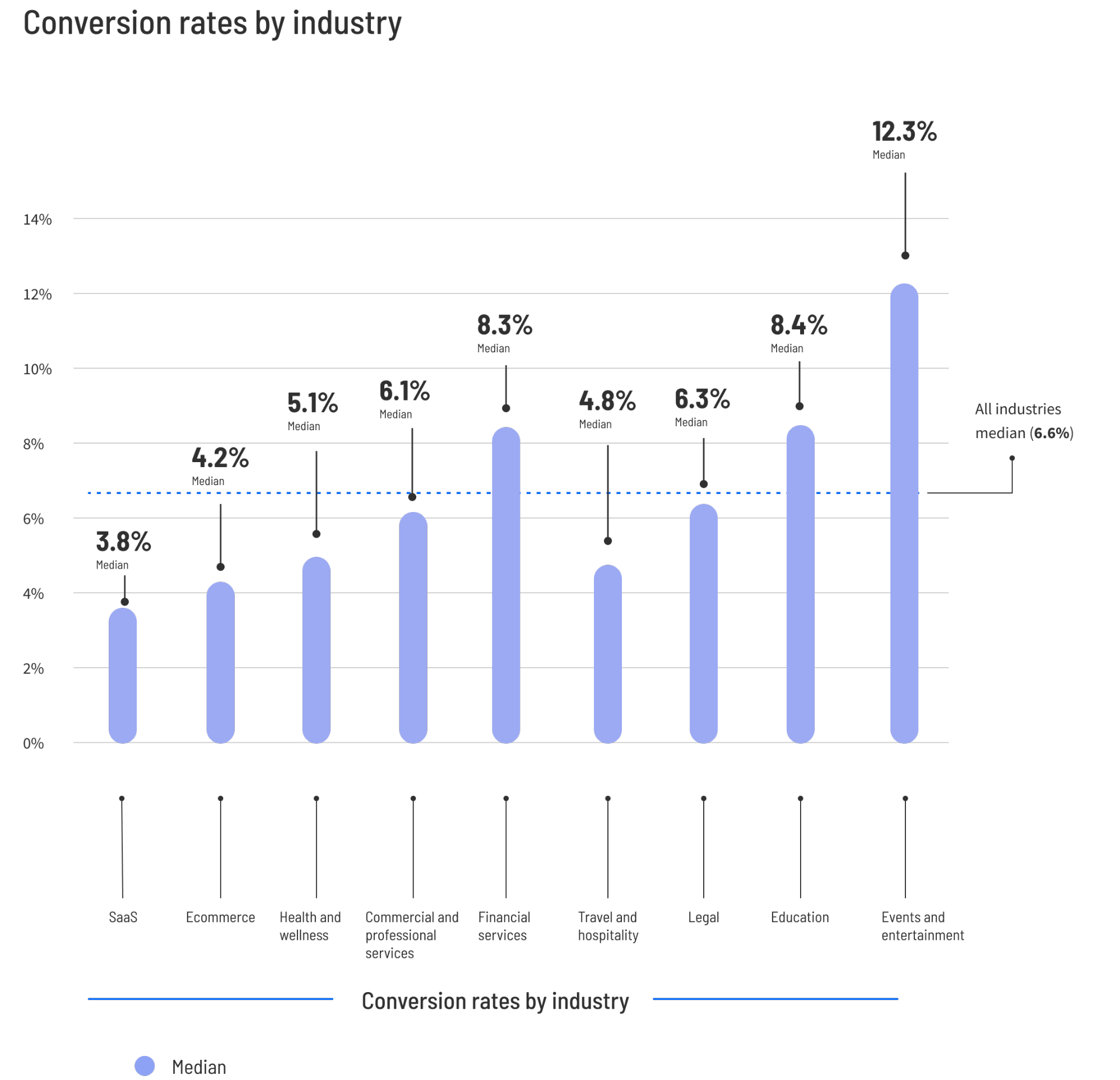
The 2024 report establishes a median landing page conversion rate of 6.6% across all industries. While this serves as a useful, high-level reference point, experts warn against using it as a target. Much like the average height of a human being, a universal conversion rate provides a data point but fails to offer actionable insight for a specific niche.
A SaaS company offering a free software trial operates in a different reality than an ecommerce brand running a high-urgency flash sale. Consequently, the "average" is merely a starting point. To truly gauge success, marketers must look at the 75th percentile—the "good" threshold—where the top 25% of performers reside. In many industries, this benchmark starts at 11.4% and can soar as high as 40.8%.

Why Medians Matter More Than Averages
The 2024 report utilizes median values rather than arithmetic averages to avoid the "Jeff Bezos Effect." In any dataset, a few "unicorn" pages with 90% conversion rates could artificially inflate an average, while underperforming pages could skew it downward. By using the median, the report provides a realistic middle-ground, representing the true "typical" experience for a professional marketer.
Industry-Specific Performance Landscapes
To understand where your performance stands, it is essential to look at the competitive standards of your specific sector.
Ecommerce: The Power of Volume
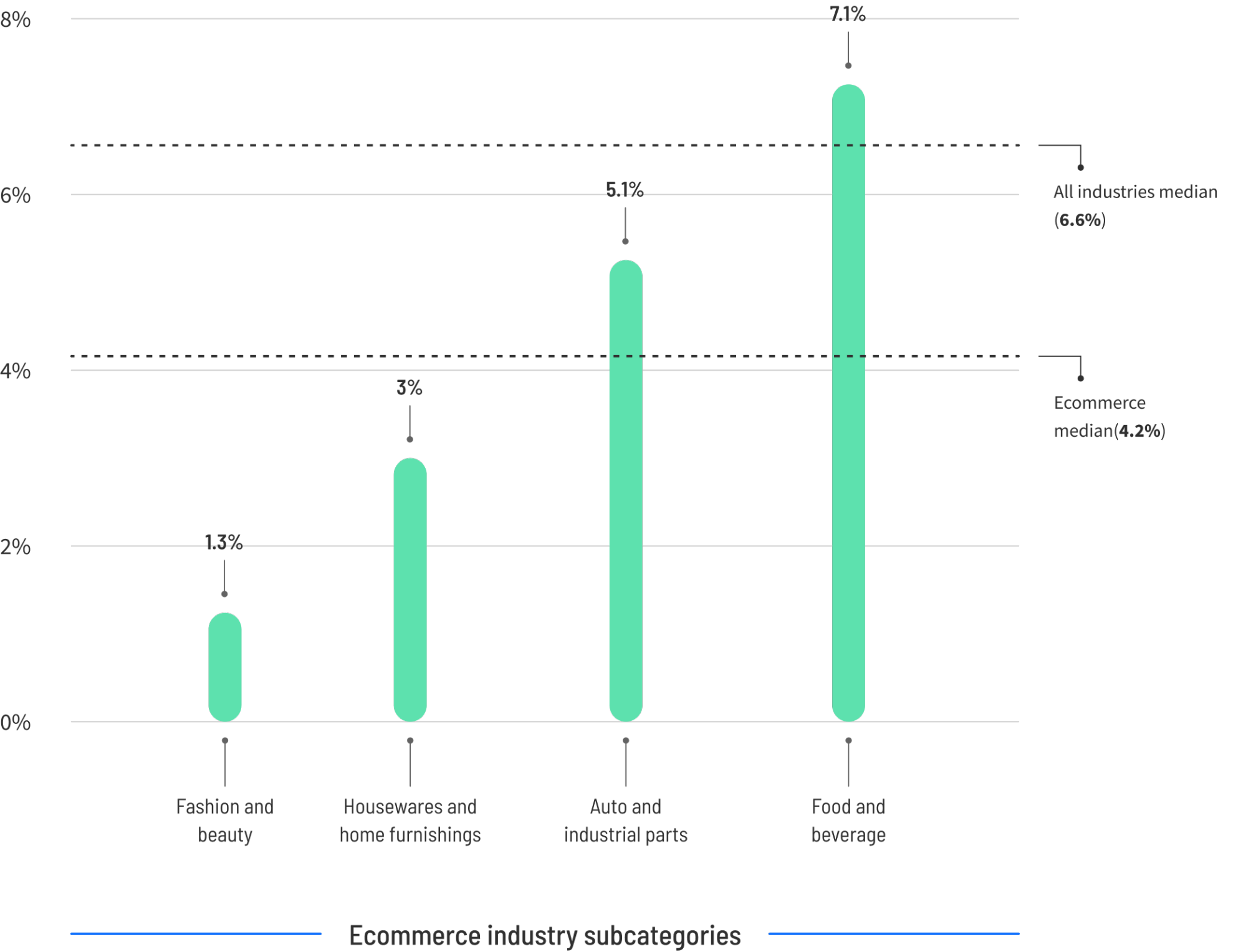
Ecommerce sits at a median conversion rate of 4.2%. However, the top-tier performers in this space are achieving rates of 11.4% or higher. For a store receiving 10,000 visitors monthly, the gap between the median and the top quartile is not just a statistical curiosity—it is a massive revenue opportunity. Improving from 4.2% to 11.4% could translate to an additional 720 conversions per month, potentially adding over $50,000 in monthly revenue depending on the average order value.
SaaS: Navigating Complexity
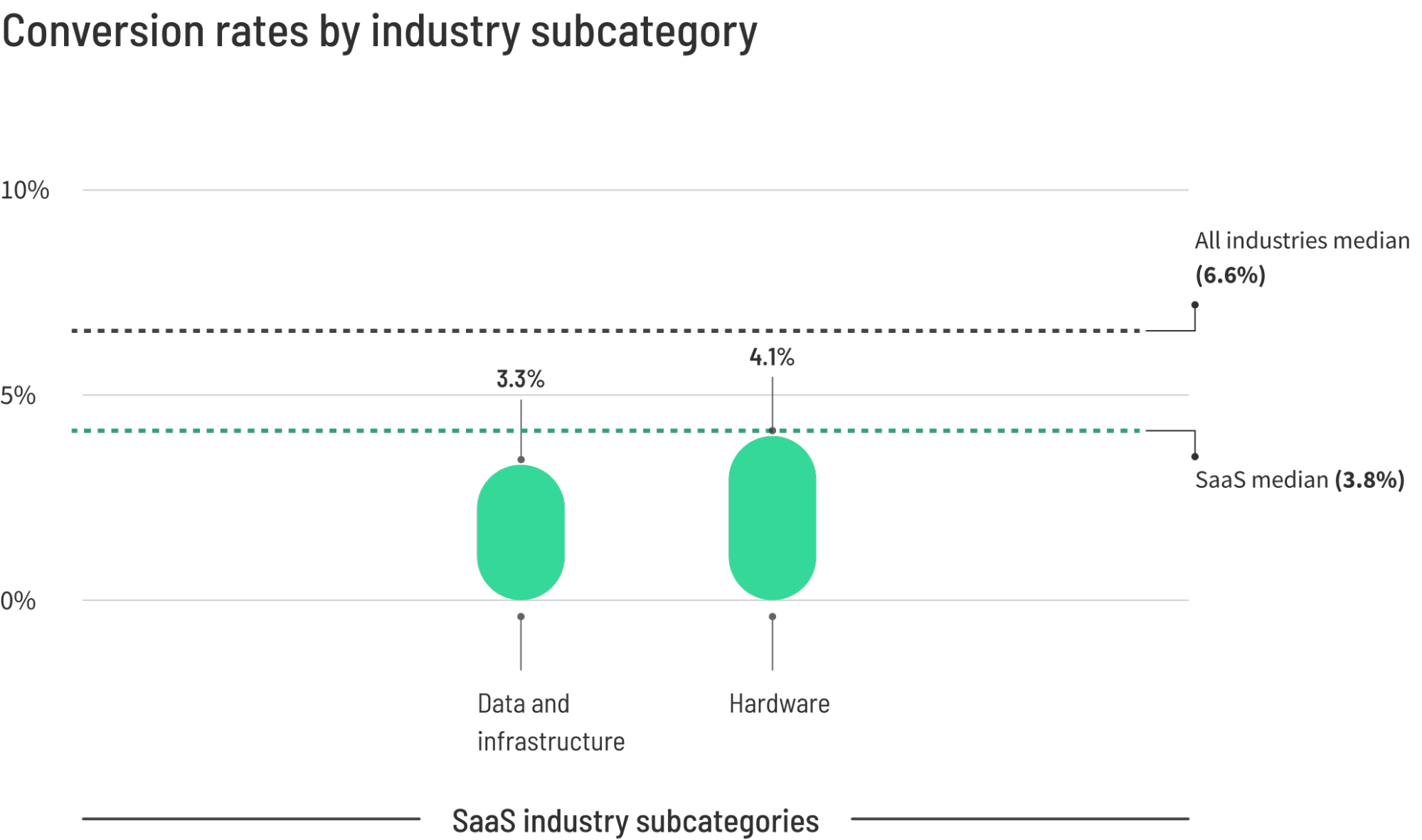
SaaS companies face a unique hurdle: their products are often complex, requiring a longer consideration phase. With a median conversion rate of 3.8%, SaaS brands often struggle with varying levels of user intent. High-performing SaaS pages, which achieve rates of 11.6% or better, differentiate themselves by simplifying the "perceived risk"—using strategies like no-credit-card trials and clear, pain-point-driven messaging.
Financial Services: High Intent, High Stakes
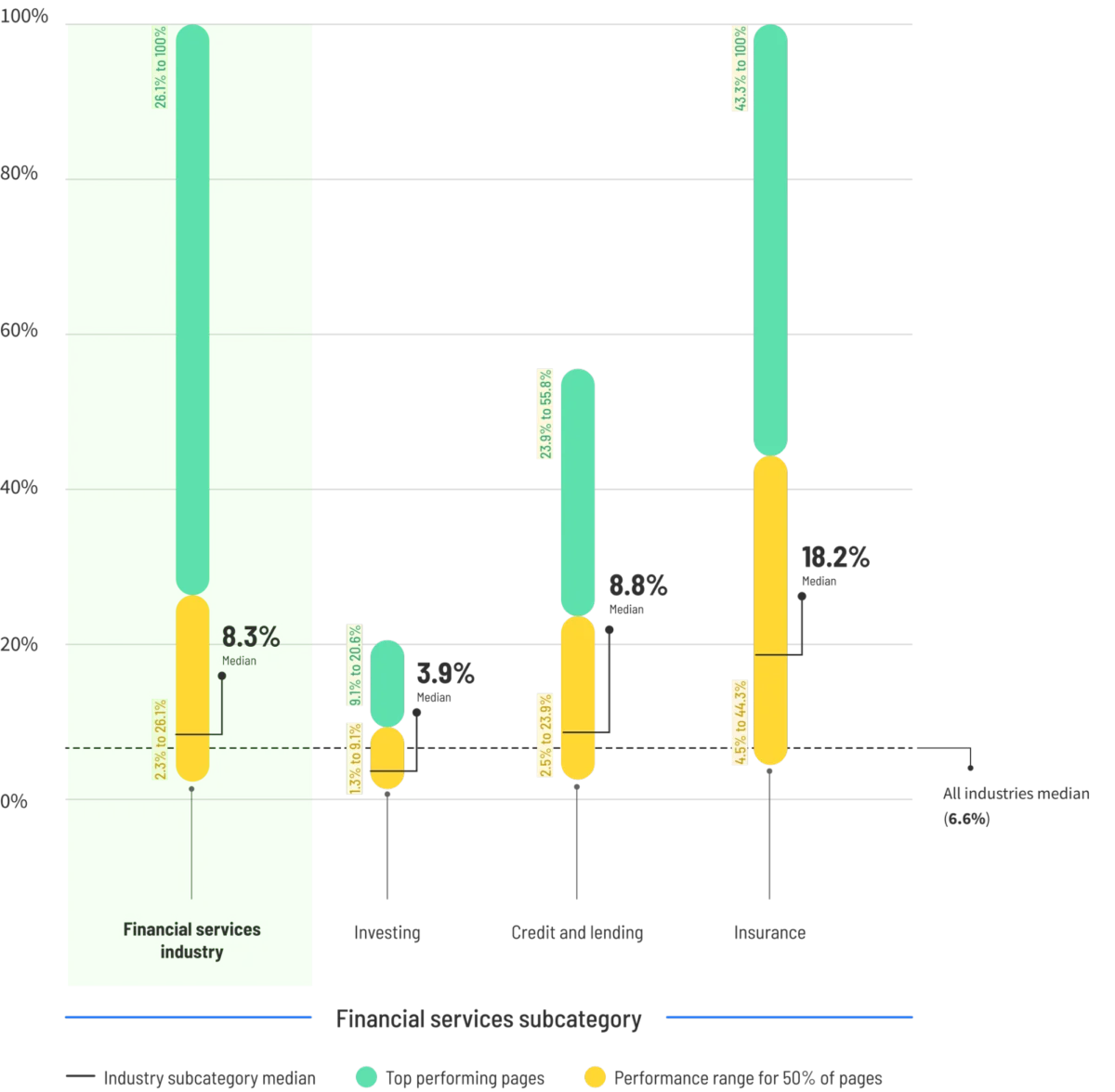
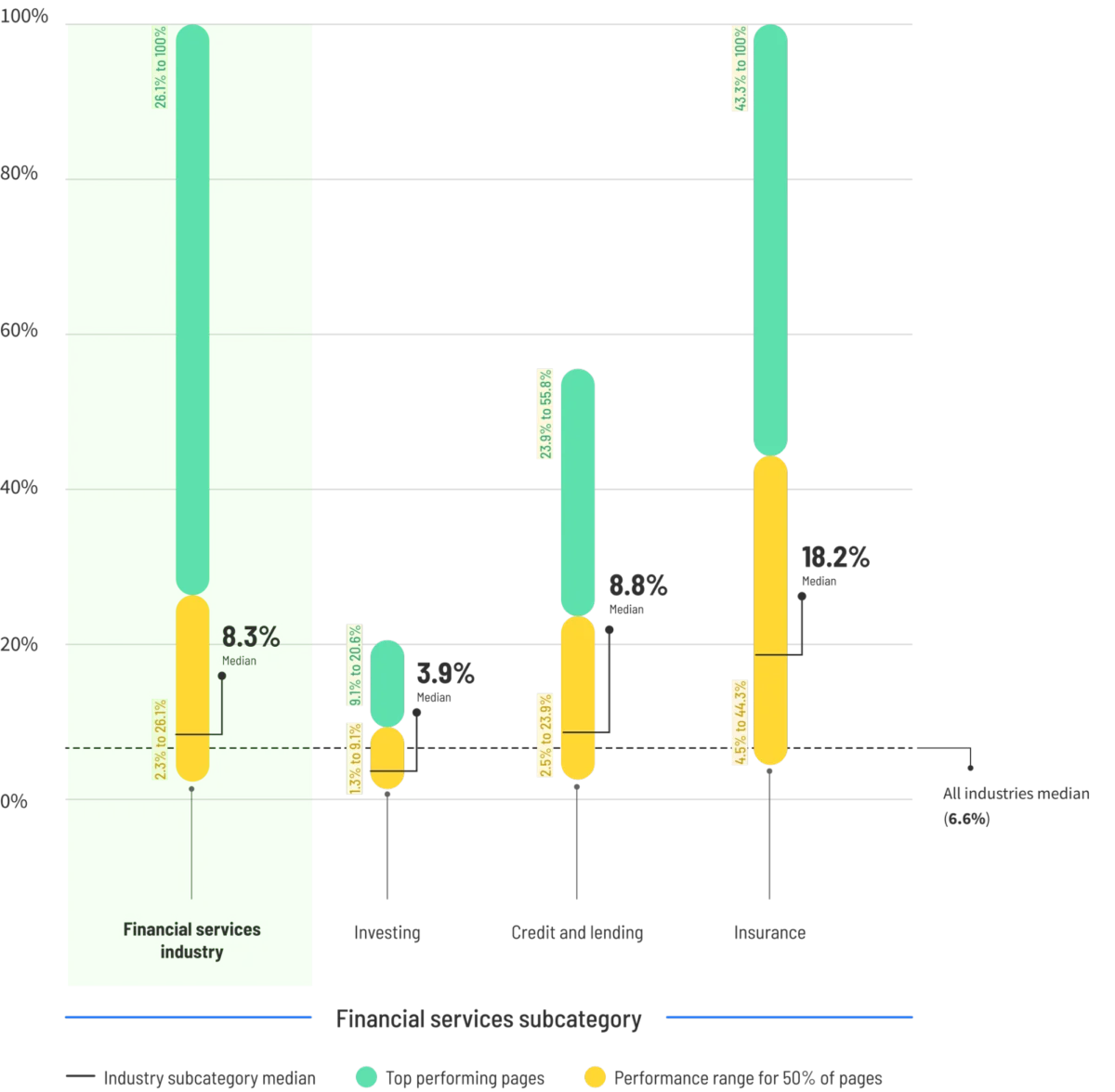
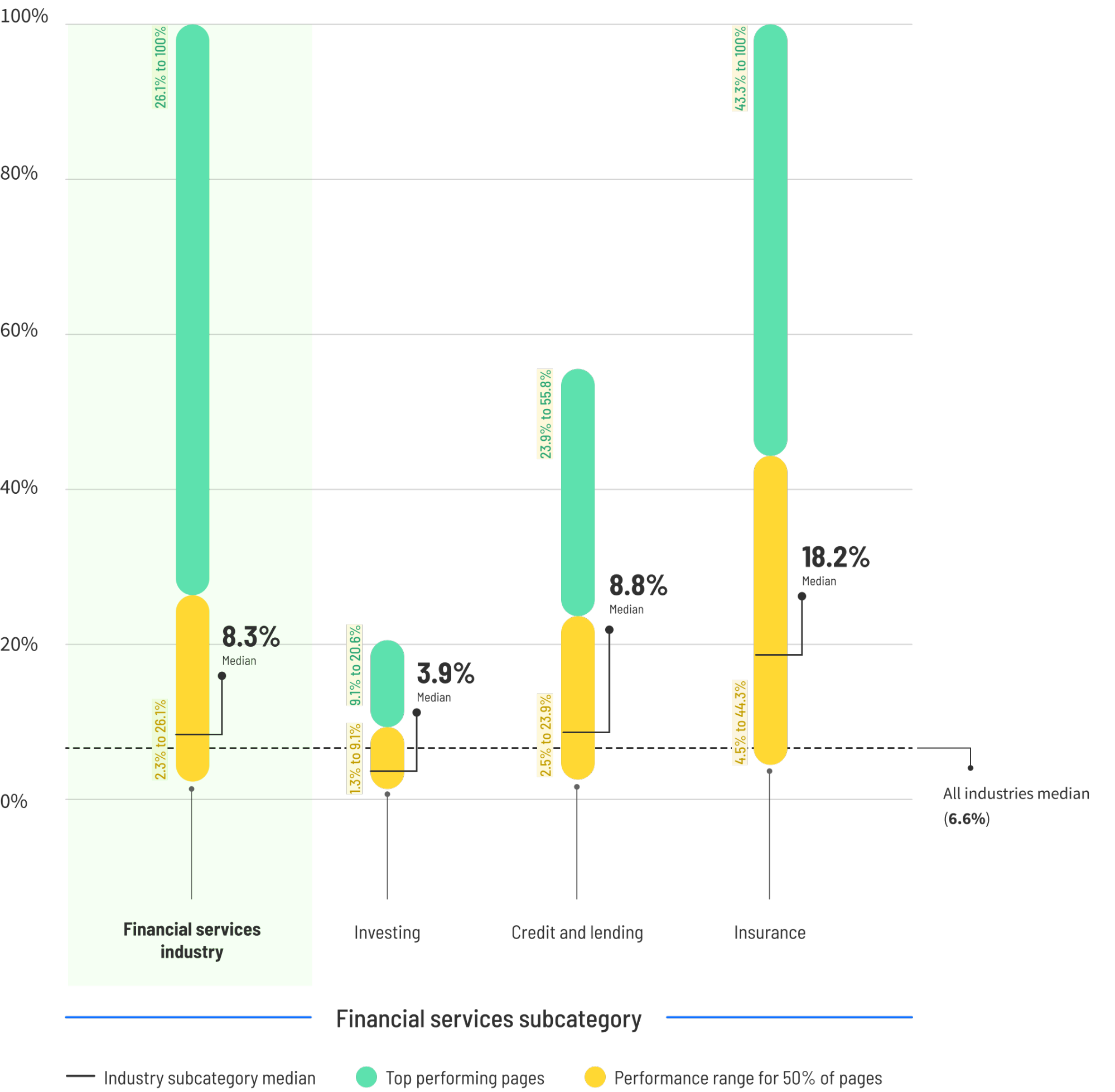
Financial services maintain a robust median conversion rate of 8.3%. This is largely driven by the high-intent nature of the audience; people rarely "window shop" for insurance or investment portfolios. Interestingly, the sector defies traditional mobile-vs-desktop trends. In financial services, mobile traffic converts 27.8% better than desktop, suggesting that consumers are increasingly comfortable handling sensitive financial decisions on their smartphones.
Professional Services: The Trust Factor
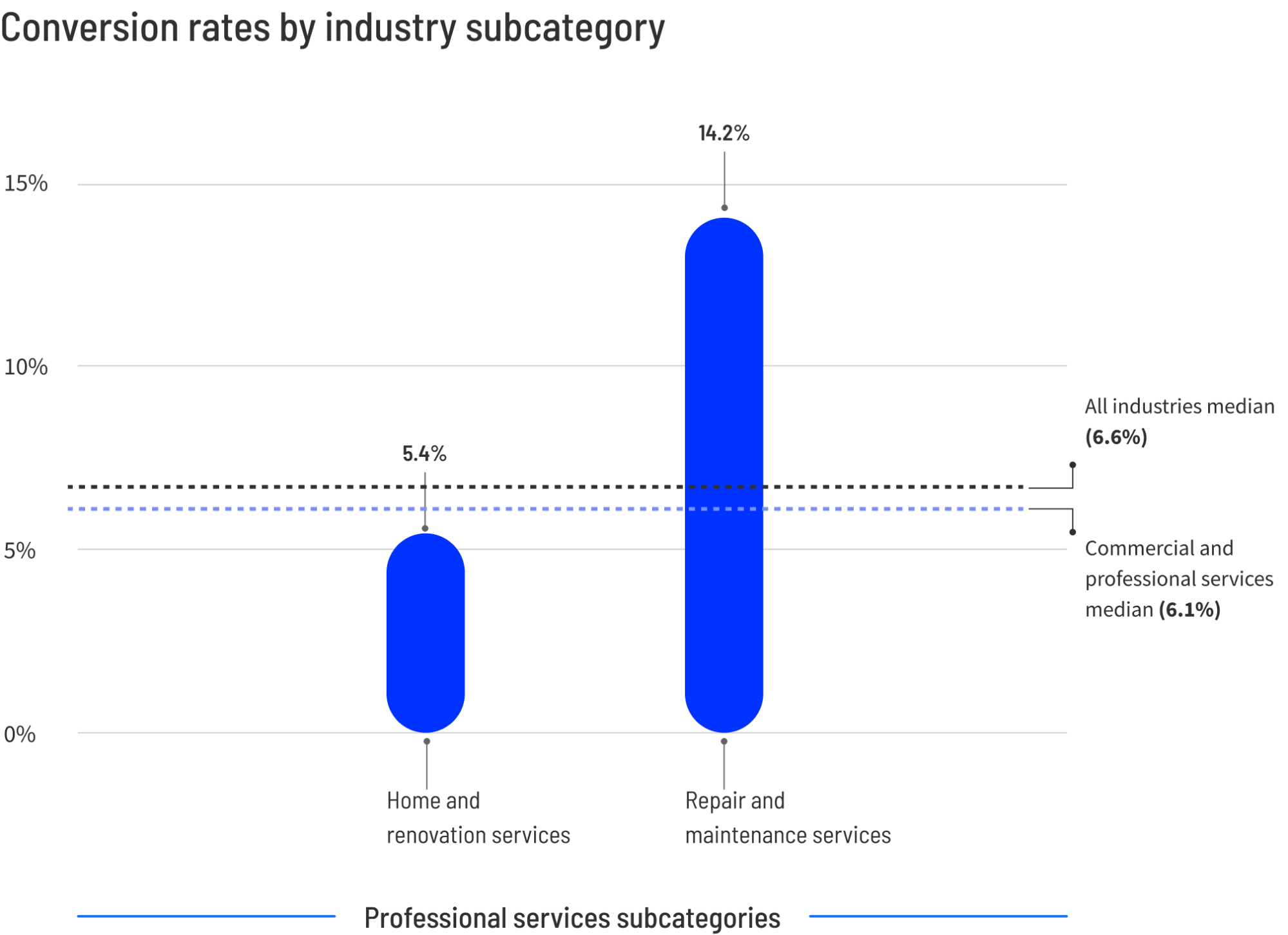
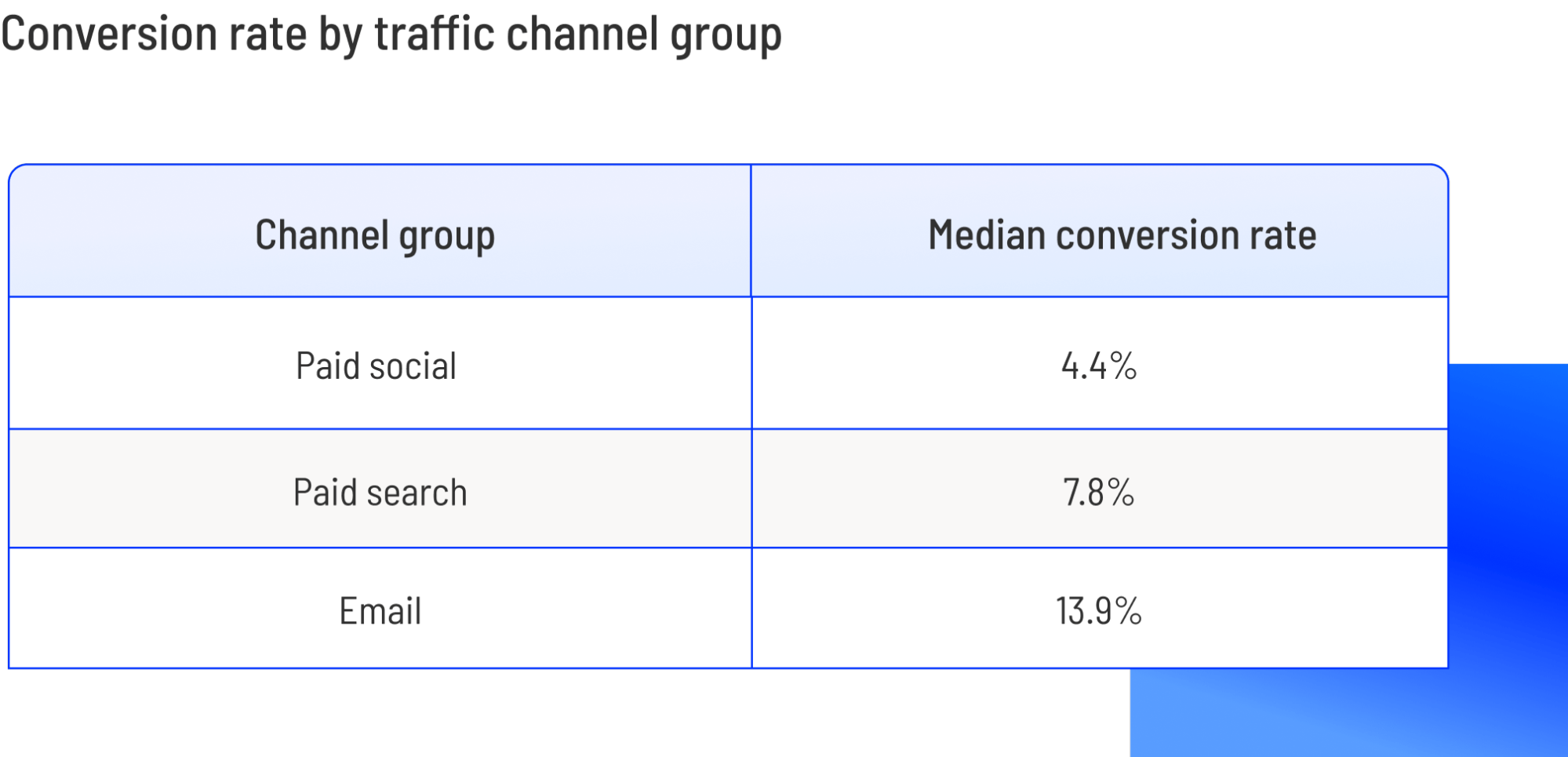
For law firms, consultancies, and maintenance services, the median conversion rate is 6.1%, but top performers reach 14.1%. A critical takeaway for this sector is the reliance on nurturing. Email traffic in professional services converts at a staggering 14%, nearly triple the performance of paid social traffic. This highlights that trust, often built through email communication, is a primary driver for high-ticket service engagements.
Chronology of Conversion: The Evolution of User Behavior
The way users interact with landing pages has shifted significantly over the last few years. Previously, the "desktop-first" philosophy dominated design. Today, that is a legacy approach.
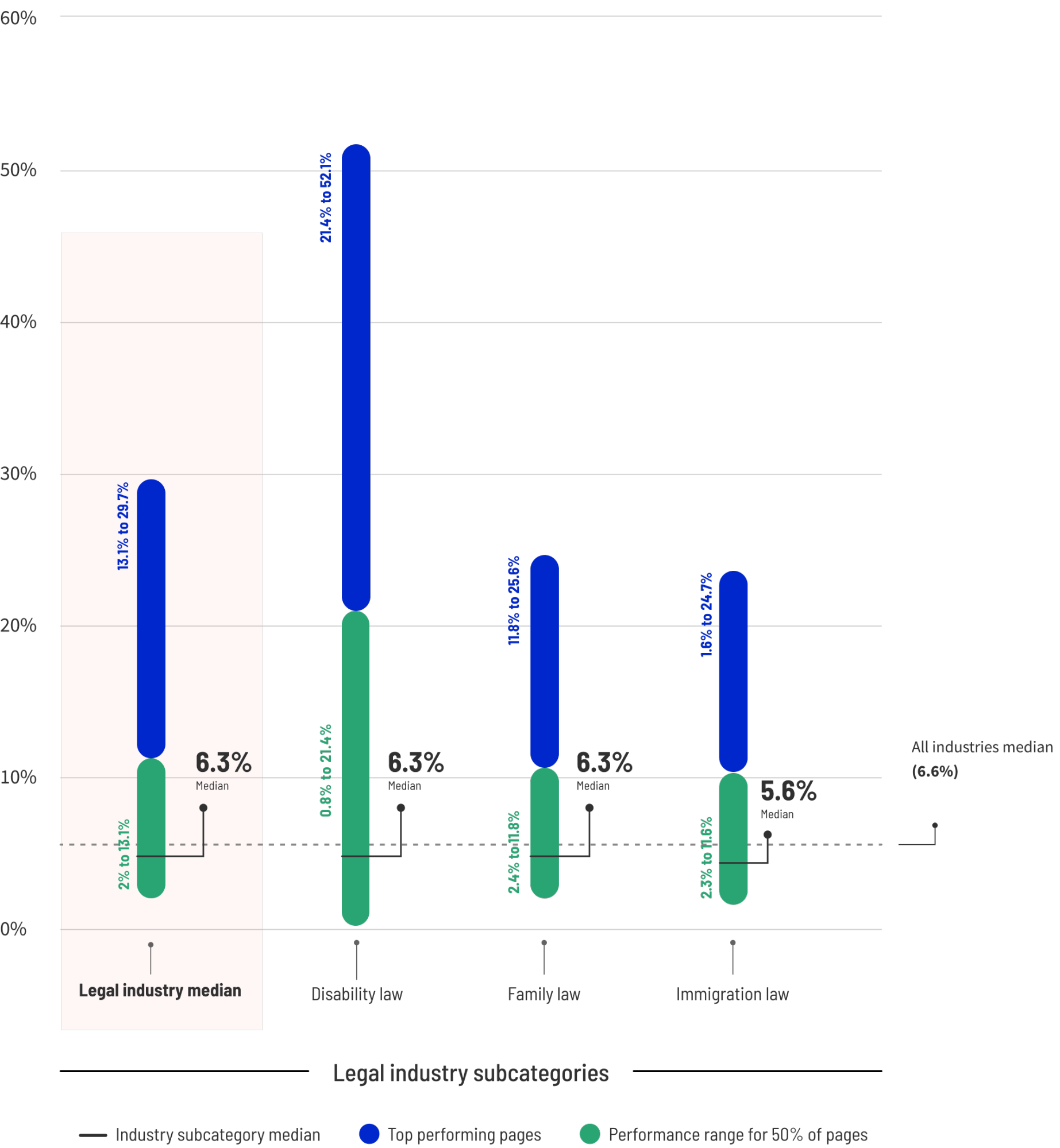
In the legal industry, mobile traffic is now the primary conversion engine, converting at 21% compared to 15.9% on desktop. This trend is tied to urgency: a person searching for an immigration lawyer or emergency legal counsel is often doing so under duress, likely from a mobile device during a time of crisis.
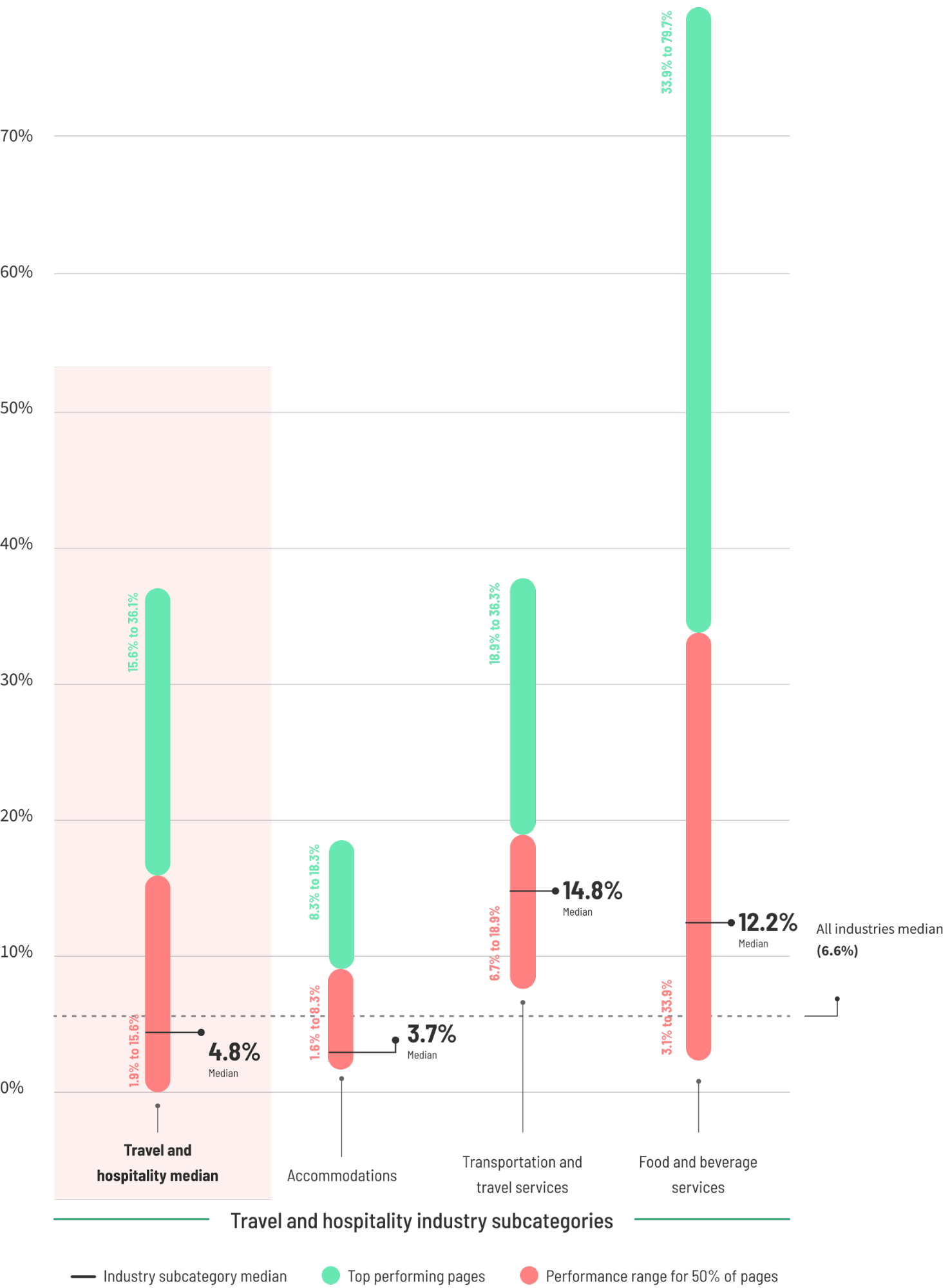
Conversely, in the travel and hospitality sector, the "research-on-mobile, book-on-desktop" phenomenon remains prevalent. Desktop traffic in travel still outperforms mobile by 10.4%, illustrating that even as mobile usability improves, high-consideration purchases—like booking a week-long vacation—are still completed on devices that offer a more comprehensive view of the itinerary.
Strategic Implications: How to Move the Needle
If benchmarks are the map, optimization is the journey. Based on the 2024 data, five key tactics emerge as the most effective ways to bridge the gap between "average" and "excellent."
1. Linguistic Accessibility
The data suggests a surprising correlation between reading level and conversion. Pages written at a 5th-to-7th grade reading level convert at 11.1%—a 56% improvement over content written at an 8th-to-9th grade level. The implication is clear: jargon-heavy, overly "professional" copy creates friction. Clarity is the ultimate form of persuasion.
2. The Power of Strategic Social Proof
Trust is the currency of the internet. High-performing pages do not hide their social proof in the footer. They place testimonials, review counts, and client logos directly adjacent to the call-to-action (CTA). By placing evidence of credibility near the point of conversion, marketers can neutralize the natural hesitation a prospect feels before taking action.
3. Ruthless Elimination of Distractions
A landing page is not a website. It should have one purpose and one purpose only. By removing navigation menus, social media links, and footer clutter, marketers force the visitor to focus entirely on the value proposition. Every outbound link on a landing page is a potential exit route.
4. Continuous Testing (The A/B Standard)
The most successful marketers treat conversion rate optimization (CRO) as a scientific process, not a creative hunch. By testing one variable at a time—such as button color, headline syntax, or form length—marketers can isolate which changes drive actual growth.
5. Embracing AI and Smart Traffic
The modern landscape has introduced "Smart Traffic" tools that automatically route visitors to the page variant that best matches their behavior. This level of personalization, once reserved for enterprise-level budgets, is now becoming a standard for growth-focused organizations.
Conclusion: The Path Forward
The gap between the "average" 6.6% conversion rate and the elite benchmarks is not a matter of luck or branding size; it is a matter of systematic discipline. The companies that dominate their industries are those that stop chasing generic internet averages and start focusing on the unique intent of their specific audience.
As the digital ecosystem continues to evolve, the most successful marketers will be those who remain agile, test frequently, and prioritize the user’s need for clarity over the brand’s desire for complexity. The benchmarks are set, but they are designed to be broken. The question for every marketer is no longer "What is the average?" but rather, "How can we be better than we were yesterday?"