In the modern digital economy, digital entrepreneurs and service-based businesses face a relentless platform dilemma: where should they focus their time, and how do they turn casual readers into high-paying clients? Relying on a single traffic source or social media channel has become a high-risk strategy, given algorithm updates and shifting user behaviors.
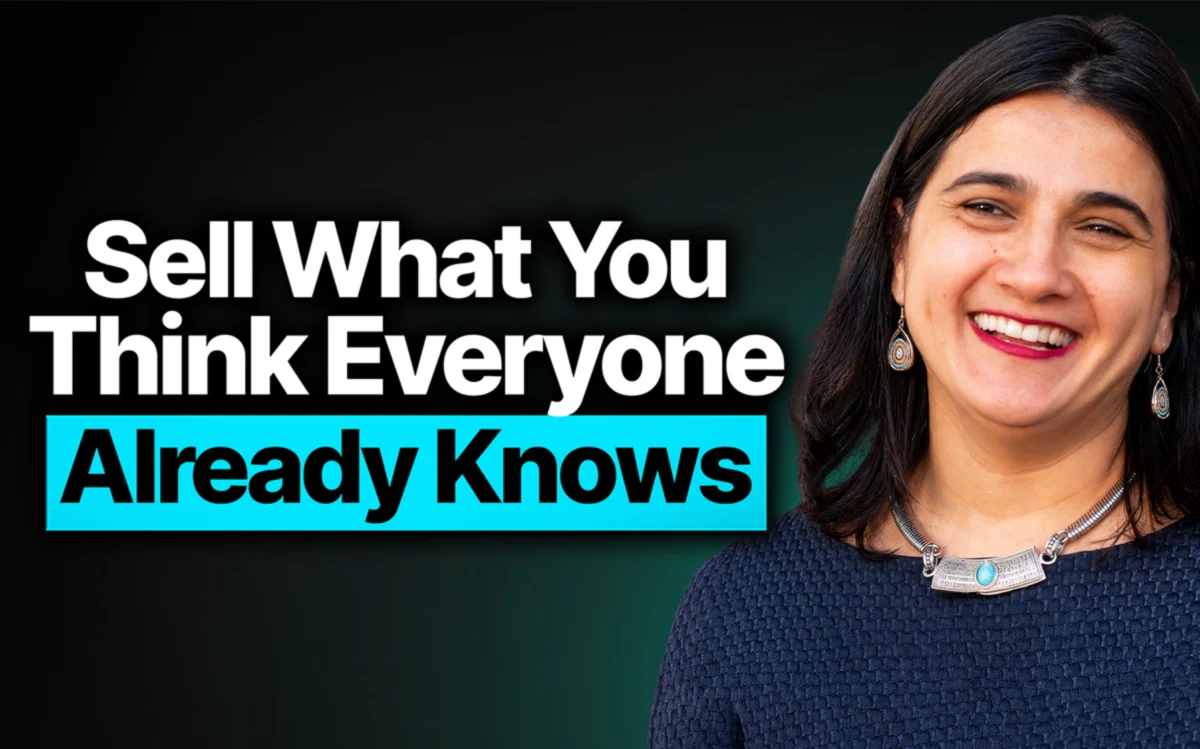
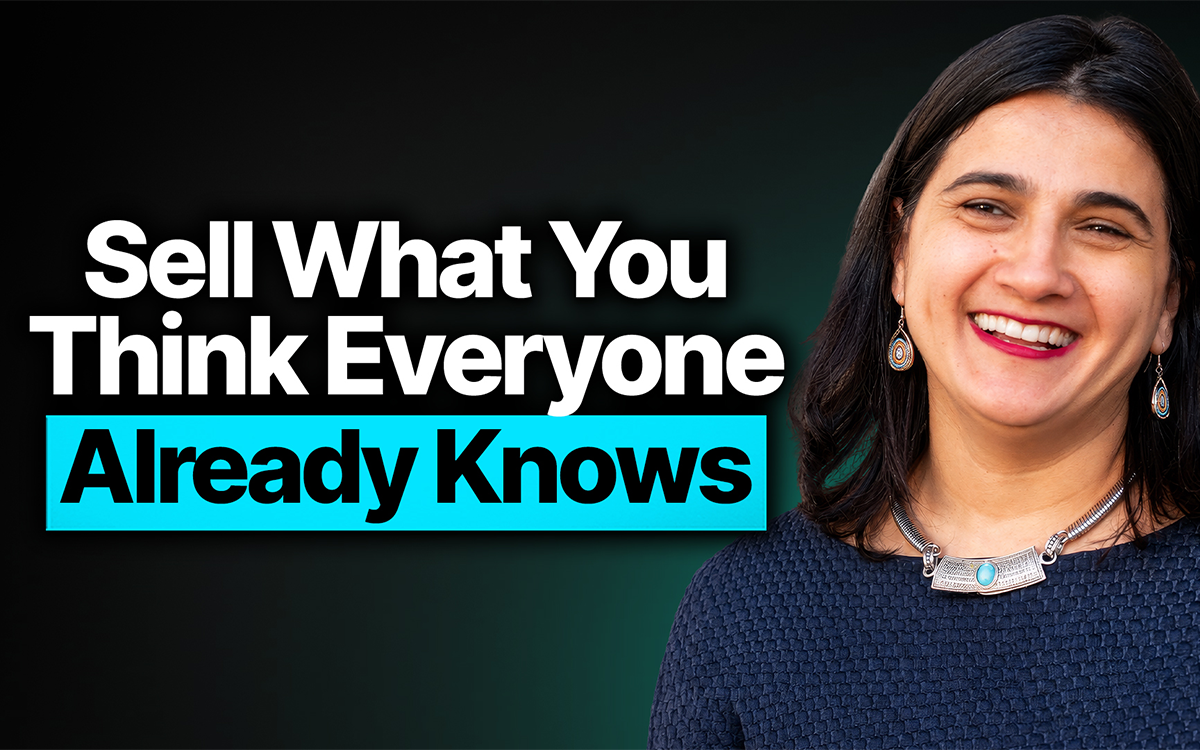
In a recent episode of the Niche Pursuits podcast, veteran journalist, writer, and media entrepreneur Natasha Tynes sat down to break down how she sidesteps this trap. Drawing on approximately 25 years of extensive journalism and writing experience, Tynes has engineered a sophisticated, multi-channel ecosystem. Rather than spreading herself thin chasing vanity metrics, she orchestrates a synchronized system—spanning Substack, LinkedIn, YouTube, and an upcoming paid community—that naturally filters curiosity into high-ticket coaching, ghostwriting, and media consulting.
Main Facts
- The Entrepreneur: Natasha Tynes, a media professional with roughly 25 years of journalism and publishing background.
- The Core Strategy: A diversified, multi-channel lead-generation ecosystem that connects Substack, LinkedIn, YouTube, and a paid community to funnel prospects into high-ticket service offerings.
- Audience Scale: An organically grown email list of approximately 3,000 subscribers, built entirely without paid acquisition or ad spend.
- The Single-Platform Choice: If forced to choose only one platform to market her business, Tynes identified LinkedIn as her primary engine due to its direct proximity to decision-makers and revenue.
- The Business Model: A high-ticket service pipeline (coaching, ghostwriting, and media work) supported by tiered content offerings, ranging from free articles to paid newsletters and communities.
Chronology of an Editorial Evolution
Tynes’ journey to building a multi-channel lead system did not happen overnight; it is the culmination of a traditional media career adapting to the creator economy.
Phase 1: Foundation in Traditional Journalism
For two and a half decades, Tynes honed her craft in journalism, writing, and editorial management. This deep foundational experience provided her with a rare asset in the creator space: authoritative subject-matter expertise and an instinctive understanding of how to capture and hold audience attention through the written word.
Phase 2: Embracing Digital Publishing and Substack
As the media landscape shifted away from traditional publishing houses, Tynes transitioned her skill set to independent digital platforms. She established a Substack newsletter, capitalizing on the direct-to-inbox relationship that email provides. Instead of placing all content behind a paywall, she adopted a hybrid model—offering free content to build top-of-funnel awareness while retaining specialized insights for paid subscribers. Over time, this organic strategy scaled her email audience to roughly 3,000 engaged subscribers.
Phase 3: Expanding Discovery via LinkedIn and YouTube
Recognizing that email alone relies on people finding her website or newsletter first, Tynes expanded outward. She leveraged LinkedIn to tap into a professional network actively seeking writing, journalism, and media expertise. Simultaneously, she integrated YouTube into her mix to give prospective clients a dynamic way to evaluate her communication style and authority through video.
Phase 4: Closing the Loop with Community and High-Ticket Services
Today, Tynes is rounding out her ecosystem by introducing a paid community tier. This layer bridges the gap between passive newsletter reading and hiring her for exclusive, individual services. By mapping out a multi-step journey, she ensures that leads have multiple ways to enter her ecosystem and engage at their own comfort level.
Supporting Data and System Architecture
Tynes’ business model relies on a carefully calibrated architecture where every digital asset serves a distinct, measurable purpose.
The Funnel Mechanics: Free vs. Paid Content
A cornerstone of Tynes’ success is the intentional separation of content tiers:
- The Free Tier: Acts as a low-friction entry point. It expands the pool of people familiar with her work, demonstrating her writing capability without requiring an upfront financial commitment.
- The Paid Tier & Community: Serves dedicated followers who want deeper access, advanced insights, and a more interactive environment. This creates secondary revenue streams while warming up potential coaching or ghostwriting clients.
Channel Specialization Matrix
| Channel | Primary Function | Audience Intent | Conversion Impact |
|---|---|---|---|
| Professional discovery & immediate networking | High intent (business professionals, hiring managers) | Shortens the distance between content discovery and a direct sales conversation. | |
| Substack | Relationship nurturing & direct email access | Moderate-to-high intent (engaged readers) | Acts as the primary engine feeding the coaching and ghostwriting pipeline over weeks or months. |
| YouTube | Long-form discovery & personal connection | Top-of-funnel (browsing, educational) | Builds deep trust and familiarity through audio-visual communication. |
| Paid Community | Mid-tier engagement & peer interaction | Dedicated followers | Bridges the gap between passive reading and high-ticket individualized consulting. |
Strategic Implications for Service Providers and Creators
Tynes’ multi-channel system offers vital lessons for modern entrepreneurs, particularly those selling services rather than digital products.
1. Quality Over Quantity in Audience Metrics
Many digital creators fall into the trap of chasing massive follower counts across every available social media platform. Tynes’ approach flips this script. With an email list of around 3,000 subscribers, she demonstrates that a hyper-targeted audience consisting of the right prospective clients far outweighs millions of passive views that never convert. For service providers, a single high-ticket client relationship can easily outpace the ad revenue generated by a massive, unengaged audience.
2. The Power of Repeated Exposure
Service-based sales cycles are rarely instantaneous. A prospective client might read a newsletter or view a LinkedIn post for months before realizing they need help with a book, an article, or a media campaign. By maintaining a consistent publishing cadence across multiple channels, Tynes ensures her brand remains top-of-mind. When a need finally arises, she is the natural choice.
3. Non-Linear Customer Journeys
Traditional marketing funnels often assume a rigid, step-by-step progression. Tynes’ business model acknowledges that real-world buyers behave unpredictably. A client might discover her video on YouTube, follow her on LinkedIn, subscribe to her Substack for three months, and finally reach out via a direct message on LinkedIn. Because her channels are interconnected rather than isolated, every platform contributes to the final conversion—even if attribution is difficult to track to a single source.
Conclusion
Natasha Tynes’ transition from a 25-year journalism career to running a modern, multi-channel digital business highlights the power of structured content ecosystems. By intelligently combining Substack, LinkedIn, YouTube, and community-building, she has removed the vulnerability of depending on a single traffic source.
For creators and service providers looking to scale their businesses, her playbook offers a clear roadmap: you do not need to be everywhere equally, but you must define the precise purpose of every channel you use. Prioritize the platforms that place you closest to potential buyers, create multiple entry points for your audience, and let consistent, high-value publishing do the heavy lifting of turning attention into revenue.