
By Stanislav Khrustalev

While Quick Response (QR) codes have firmly planted themselves into the daily operational fabric of modern business—spurring everything from e-menus in upscale eateries to virtual business cards and parcel tracking—they remain merely one tool in a vast arsenal of technologies designed to elevate the customer journey. Yet, when deployed thoughtlessly, they can transform a promising digital touchpoint into a frustrating user barrier.

As consumer familiarity with code-scanning surged in the wake of the pandemic and the widespread integration of native smartphone cameras, businesses rushed to adopt the technology. However, execution gaps continue to plague enterprise implementations.

To bridge the gap between theoretical convenience and actual usability, business owners must approach QR codes not as an afterthought, but as a critical path in the consumer lifecycle. Below is a comprehensive operational framework—broken down chronologically across the customer journey—highlighting essential best practices, real-world retail missteps, and strategic takeaways.

1. Main Facts: The Anatomy of a Successful QR Code Strategy
The fundamental premise of a QR code is friction reduction. By replacing long, cumbersome URLs that require manual typing with a simple scan, brands can instantly connect offline consumers to digital ecosystems. However, achieving high scan rates requires meticulous attention to physical placement, visual hierarchy, and post-click environments.

According to retail analytics and usability observations from major metropolitan case studies:
- Visibility and Context: Codes placed outside of natural eye-levels or surrounded by visual clutter suffer from abysmal conversion rates.
- The Value Exchange: Consumers rarely scan a code blindly; explicit Calls to Action (CTAs) paired with clear value propositions dramatically increase engagement.
- Technical Resilience: Poor color contrast, transparent backdrops, and physical wear-and-tear on contact surfaces are the leading silent killers of QR code campaigns.
2. Chronology of the Customer Journey: A Step-by-Step Implementation Framework
To design a truly frictionless experience, businesses must analyze how a customer encounters, interacts with, scans, and navigates a QR code in real-time.
Phase One: Environmental Placement and Visibility
The journey begins long before a consumer pulls out their smartphone. It starts with physical exposure.

- Strategic Usage: Deploy codes only when they genuinely save time. For instance, shipping companies like Gruzovichkof often paint delivery vans with app store call-outs but fail to provide direct links. Conversely, retailer Technopark smartly embeds scannable QR codes directly onto the sides of its delivery fleet, allowing pedestrians and nearby motorists (when safely parked) to instantly access app downloads.
- Code Visibility and Free Space: Ensure codes are positioned at eye level and given sufficient "breathing room." Avoid crowding codes with aggressive graphic design elements. Interestingly, while IKEA places feedback-collection QR codes low to the ground beneath feedback terminals, this counter-intuitive placement intentionally accommodates wheelchair users, turning an accessibility hurdle into an inclusive design win.
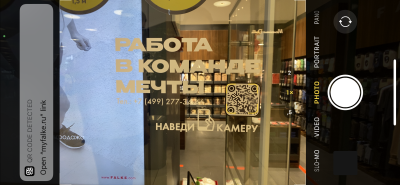
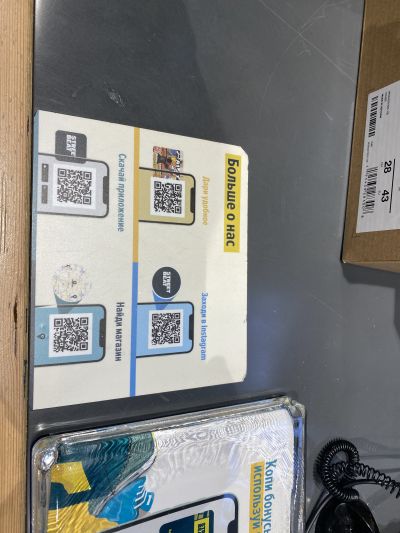
- Protecting Contact Surfaces: Retailers like sports apparel chain Street Beat frequently place QR code stickers on high-traffic checkout counters. While conceptually sound, these contact surfaces lead to rapid wear, peeling, and an untidy aesthetic that eventually halts scanning entirely. Whenever possible, utilize non-contact surfaces—such as affixing window stickers to the inside of a glass storefront rather than the outside.
Phase Two: Examining the Code (Design & Psychology)
Once the customer spots the code, psychological triggers and graphic design choices dictate whether they will take out their phone.
- Clear Calls to Action (CTAs): Never present a naked QR code. Accompany every code with an explicit directive, such as "Scan here to view the menu" or "Scan to download our app."
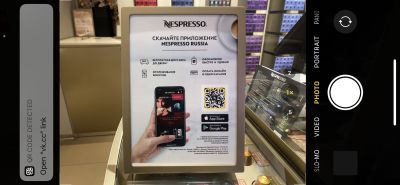
- Explaining the Value: Manage user expectations proactively. Nespresso boutiques excel by pairing app-download QR codes with clean infographics detailing the exact benefits users will receive upon registering.
- Branding and Aesthetics: Modern generators allow businesses to inject corporate logos into the center of the code and adapt brand color palettes. However, brands must never sacrifice scannability for style. Always maintain a stark dark-on-light contrast (e.g., a dark code on a light background), as erratic color combinations can fail on older smartphone models. Furthermore, verify that the resolution is crisp enough to prevent pixelation on printed media.
Phase Three: The Scanning Experience
The physical act of scanning must be as effortless as pointing a camera.

- Environmental Factors: Outdoor placements must account for lighting and weather. A poorly lit billboard at night renders a code useless, just as a layer of mud on a delivery van obliterates its scannability.
- Native Camera Compatibility: Avoid proprietary systems that force consumers to download specialized third-party apps. When retail giant Auchan launched its "Scan & Pay" system, hundreds of shoppers tried scanning store codes with their native iPhone or Android cameras, only to encounter system errors because the codes required the proprietary Auchan app. This created widespread friction.
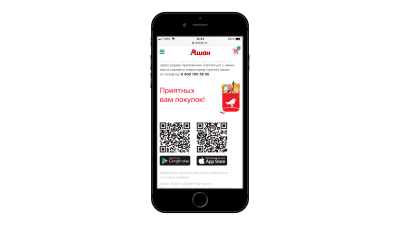
- Platform-Specific Context: Consider where the code lives. Desktop websites are prime locations for QR codes—allowing users browsing on a computer to effortlessly scan a code with their phone to download an app. Conversely, mobile websites rarely warrant a QR code; asking a smartphone user to scan a code displayed on their own mobile screen is practically impossible. (An exception includes verifiable credentials, such as COVID-19 vaccination passes meant to be shown to third parties).
Phase Four: Post-Scan Navigation and Link Execution
The journey does not end when the shutter clicks; the digital destination must fulfill the promise made in the physical world.

- Active Link Hygiene: It sounds elementary, but broken links waste marketing budgets. Regularly audit active print campaigns to ensure destination URLs remain live and error-free.
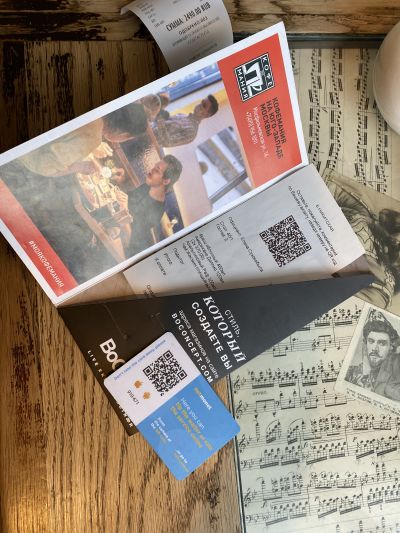
- Landing Page vs. Multiple Codes: Avoid overwhelming consumers with a cluster of multiple codes. Fitness club Persona Sport famously printed multiple distinct codes for various map services (Google My Business, Yandex, 2GIS) right next to each other, creating visual overload. A superior approach is utilizing a single, clean QR code that opens a dedicated landing page housing all directional options. Similarly, restaurants like Coffeemania previously split review submissions and tip portals into separate codes before streamlining.
- Deep Linking and Personalization: Leverage deep linking to automatically direct iPhone users to the Apple App Store and Android users to Google Play from a single QR code—a seamless technique utilized masterfully by brands like Uniqlo. Furthermore, utilize UTM parameters for both analytics (tracking which city banner performs best) and personalization (embedding a server’s ID into a tipping or review link to display their specific name on the mobile interface).
3. Supporting Data & Comparative Analysis
An analysis of enterprise QR deployments reveals distinct divides between efficient customer experience (CX) execution and operational oversight:

| Company / Brand | Implementation Type | Pitfall / Success Factor | Strategic Impact |
|---|---|---|---|
| Technopark | Delivery Fleet Ads | Success: Placed scannable app-download codes on delivery trucks. | High convenience for mobile-first urban shoppers. |
| Auchan | In-Store Scan & Pay | Pitfall: Required a proprietary app instead of native smartphone cameras. | Resulted in widespread user error and customer frustration. |
| Persona Sport | Gym/Wellness Signage | Pitfall: Clustered multiple separate QR codes for different map apps. | Created visual clutter and decision fatigue for members. |
| Uniqlo | Elevator Posters | Success: Deployed universal deep links routing to correct app stores automatically. | Streamlined app acquisition without forcing user platform choice. |
4. Official Responses and Industry Consensus
User experience architects and retail strategists universally agree that the barrier to entry for QR technology is lower than ever, yet the stakes for maintaining brand trust are higher.
Industry analysts point out that businesses frequently treat QR codes as static print elements rather than dynamic digital gateways. "A QR code is a handshake between the physical and digital worlds," notes customer journey consultants. "If your hand is dirty, broken, or leads to a cluttered room, the customer will simply walk away."

Official guidance from accessibility and mobile-first advocates stresses that every digital landing page reached via a physical scan must be rigorously optimized for mobile responsiveness. Directing a customer from a high-end physical boutique display to a non-responsive desktop web page instantly shatters the illusion of premium service.

5. Implications for Enterprise Strategy
The improper implementation of QR codes carries direct financial and brand equity consequences:
- Wasted Marketing Spend: Billboards, vehicle wraps, and printed menus represent sunk capital. If a code is printed at too low a resolution, placed on a transparent window without an opaque backing (as seen in poorly executed boutique window displays), or exposed to heavy physical friction, the campaign’s return on investment (ROI) drops precipitously.
- Customer Churn and Abandonment: Modern consumers expect instant gratification. Encountering a 404 error, a slow-loading non-mobile-optimized page, or an unexpected app download requirement trains customers to ignore future QR codes from that brand.
- Data Blindness: Failing to utilize UTM parameters and unique tracking identifiers means marketing teams fly blind, unable to discern whether an offline campaign generated real foot traffic or online engagement.
Conclusion
QR codes possess the extraordinary power to simplify and enrich the customer journey, bridging the physical and digital divides with effortless elegance. However, their ultimate effectiveness relies entirely on operational execution. By keeping a vigilant eye on the pitfalls along the way—maintaining strict contrast, ensuring robust mobile optimization, respecting the user’s time with single-landing-page solutions, and rigorously auditing active links—businesses can transform simple black-and-white squares into powerful engines of customer loyalty.