
In the saturated landscape of modern content creation, technical proficiency is no longer a competitive advantage—it is merely the baseline. Thousands of bloggers optimize their sites for search engines, maintain impeccable editorial calendars, and master the technical nuances of content management systems. Yet, many find themselves trapped in a plateau of stagnant traffic and low reader engagement.
The missing variable in this equation is rarely technical; it is human. Personality is the distinct fingerprint of a successful digital brand. It is the transformative element that separates a transient, forgettable URL from a destination that builds community, fosters trust, and drives sustainable growth. To understand how to bridge this gap, we must examine the strategies of ten industry leaders who have turned their digital presence into a reflection of their own unique identity.
The Anatomy of Connection: Why Personality Drives Retention
For years, the blogging industry prioritized “evergreen content” and SEO-centric writing. While these remain vital, the rise of AI-generated content has devalued generic information. Readers are increasingly seeking voices, perspectives, and authentic human experiences.

When a blogger infuses their platform with personality, they shift from being an information provider to a community leader. This transition creates an emotional tether that keeps readers returning regardless of whether they arrived via a Google search or a direct bookmark. Below, we analyze how ten top bloggers have operationalized their individuality to achieve long-term success.
1. The Visual Storyteller: YTravel’s Commitment to Authenticity
Blog: YTravel
Caz and Craig of YTravel understand that travel is a visceral, visual medium. Their blog does not just list travel tips; it documents the human experience of exploration. By utilizing candid, high-quality photography, they bridge the gap between a travel guide and a family memoir.

- The Strategy: Whether it is a candid shot of their children or a carefully composed portrait of their life on the road, their imagery acts as a visual anchor.
- Implications: When readers see the faces behind the tips, the advice becomes credible. They are no longer reading anonymous instructions; they are learning from a trusted family unit.
2. The Multi-Dimensional Persona: Pat Flynn’s Branding
Blog: Smart Passive Income
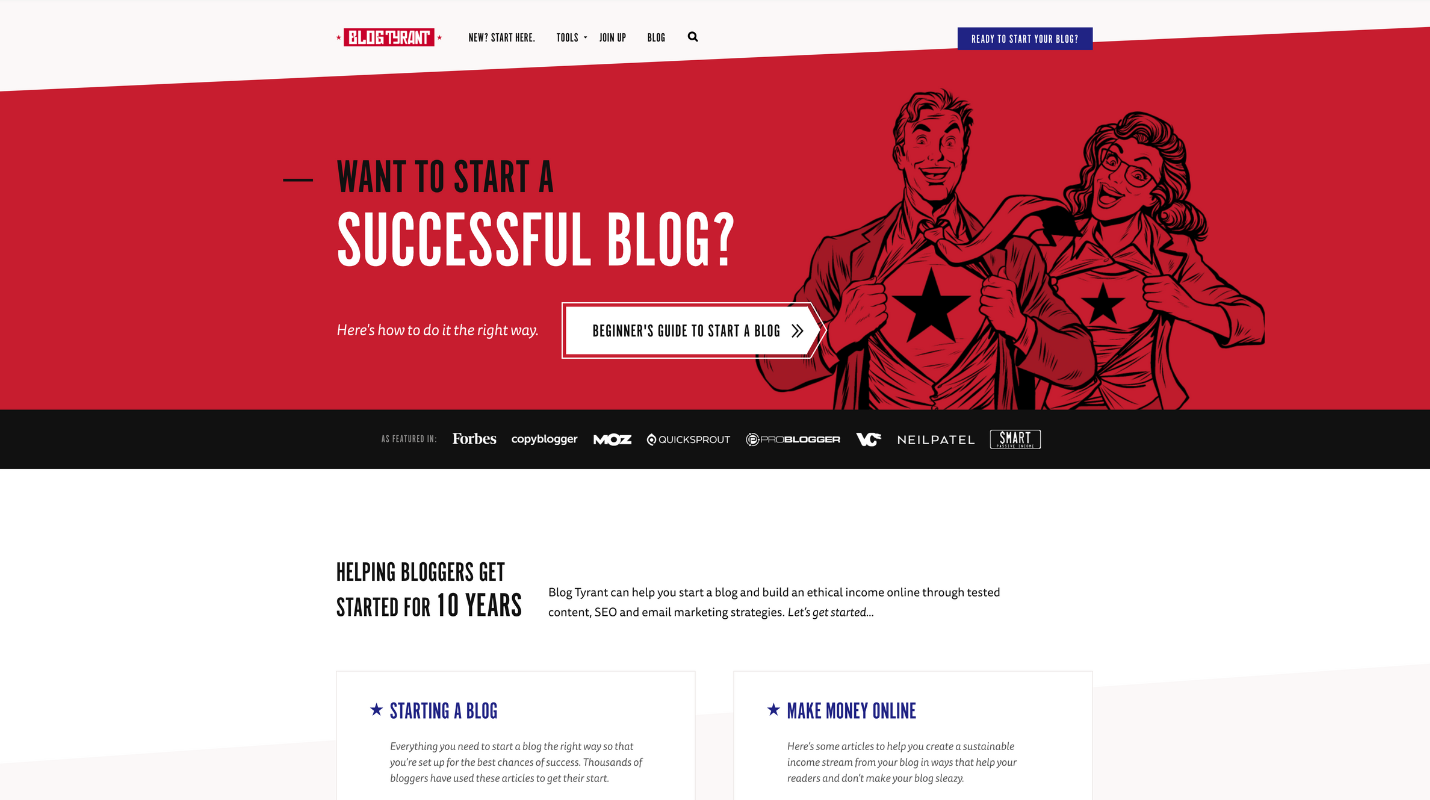
Pat Flynn, a titan in the online business space, utilizes his homepage as a masterclass in personal branding. He does not just present himself as a business expert; he presents himself as a whole human being.
- The Strategy: His site immediately establishes his identity—father, husband, serial entrepreneur—and balances that authority with levity, such as his self-proclaimed title, "Protector of Baby Yoda."
- Supporting Data: By blending professional credentials with personal interests, Flynn humanizes his brand. This prevents his audience from viewing him as an unapproachable "guru," making his business advice feel more accessible and grounded.
3. The Unapologetic Voice: Shannon Kelly White
Blog: Shannon Kelly White
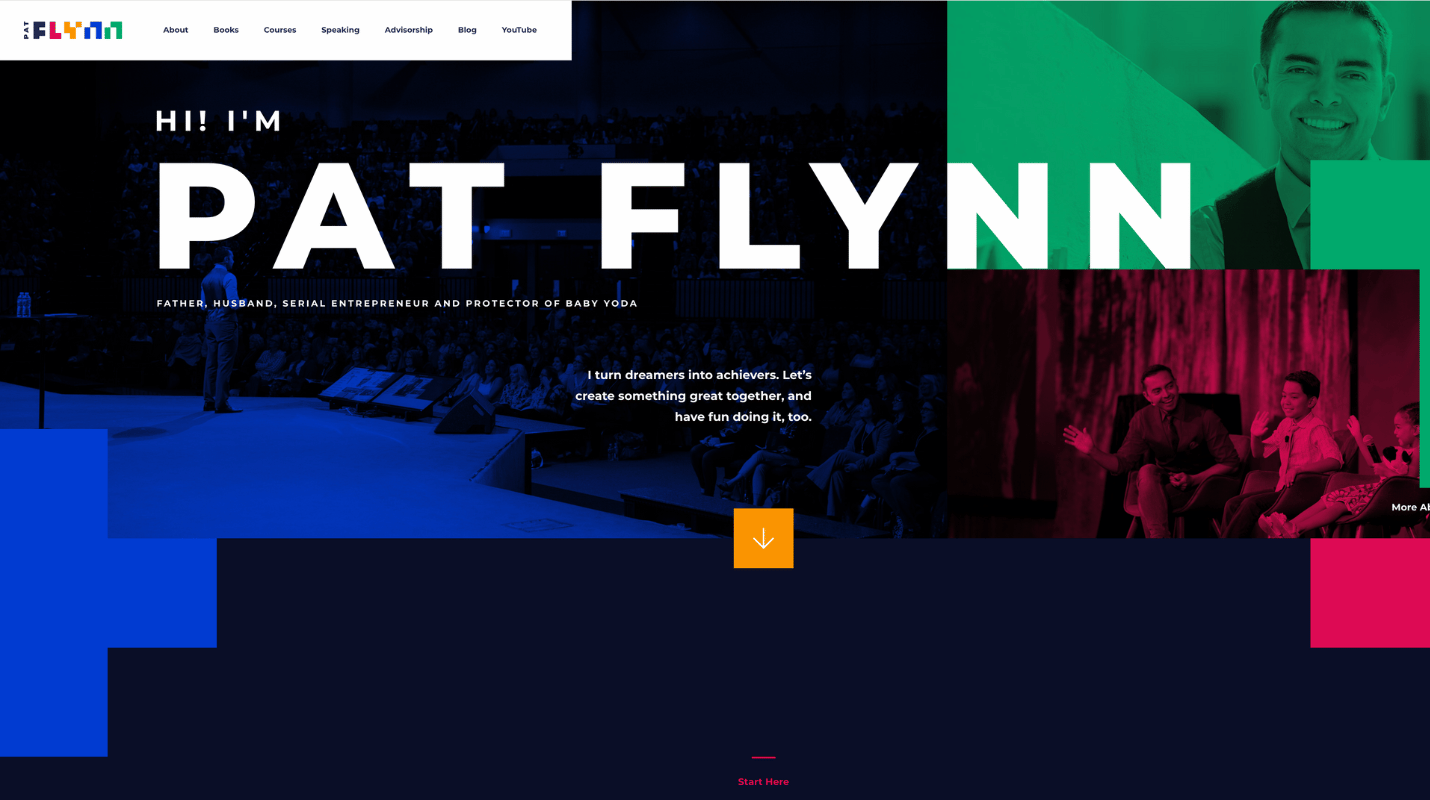
One of the most effective ways to build a loyal audience is to be polarising. Shannon Kelly White thrives on a distinct, unfiltered tone that includes, at times, colorful language.
- The Strategy: By refusing to soften her voice for the masses, she attracts a highly specific, fiercely loyal readership that resonates with her authenticity.
- Implications: While this strategy may alienate some, it creates a "tribe." In digital marketing, a small, highly engaged, and aligned audience is significantly more valuable than a massive, lukewarm one.
4. The Iconic Avatar: Blog Tyrant’s Visual Branding
Blog: Blog Tyrant
Ramsey, the mind behind Blog Tyrant, uses custom illustrations to create a memorable brand identity. His red-shirted "blogging superhero" serves as a mascot that appears consistently across his site, social media, and digital reports.
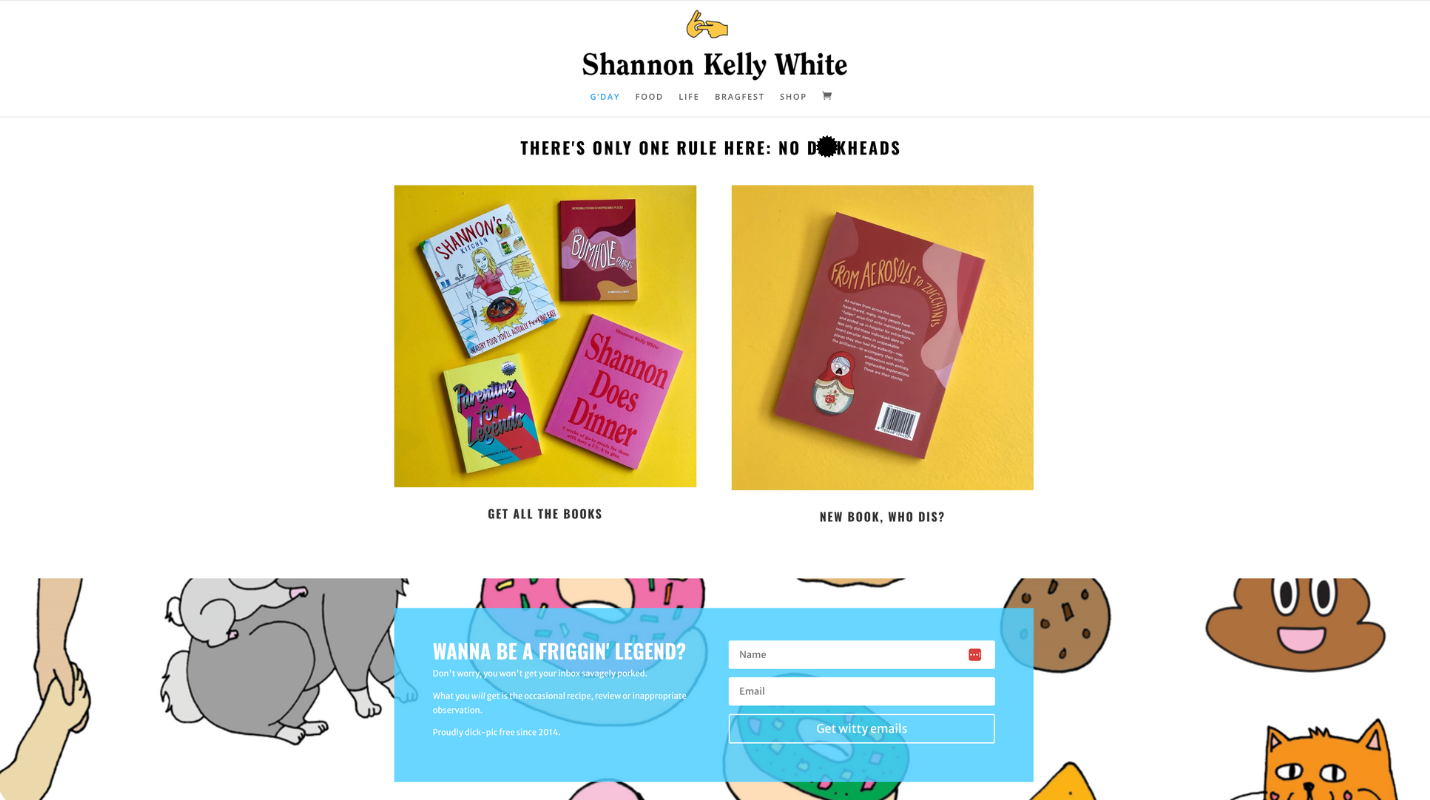
- The Strategy: This avatar simplifies the brand into a visual shorthand. It acts as a recognizable icon that establishes authority while maintaining a sense of playfulness.
- Implications: A consistent visual character reduces cognitive load for the reader. They associate the illustration with high-quality, actionable advice, building a subconscious association that strengthens brand loyalty over time.
5. The Relatable Narrative: A Beautiful Mess
Blog: A Beautiful Mess
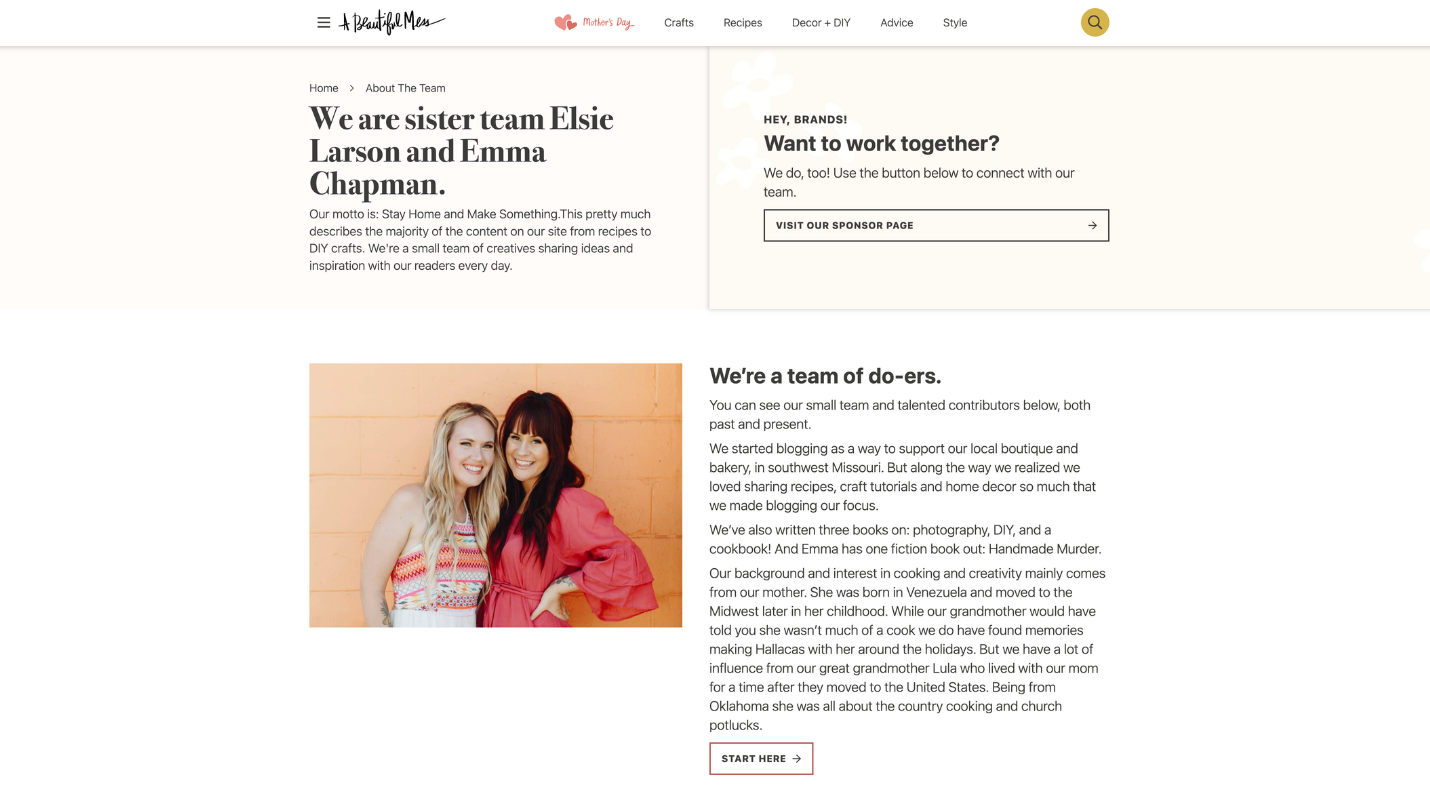
Sisters Elsie and Emma have turned their personal lives into a lifestyle brand. Their "About" page is a masterclass in transparency, serving as a primary touchpoint for new readers who want to understand the people behind the content.
- The Strategy: They use bright, high-energy photography and concise, conversational bios. They understand that when a reader enjoys a post, the immediate next step is to ask, "Who is this person?"
- The Lesson: Never bury your story. A compelling, human-centric About page can convert a casual visitor into a lifetime fan.
6. The Omnichannel Consistency: Chris Ducker
Blog: Chris Ducker
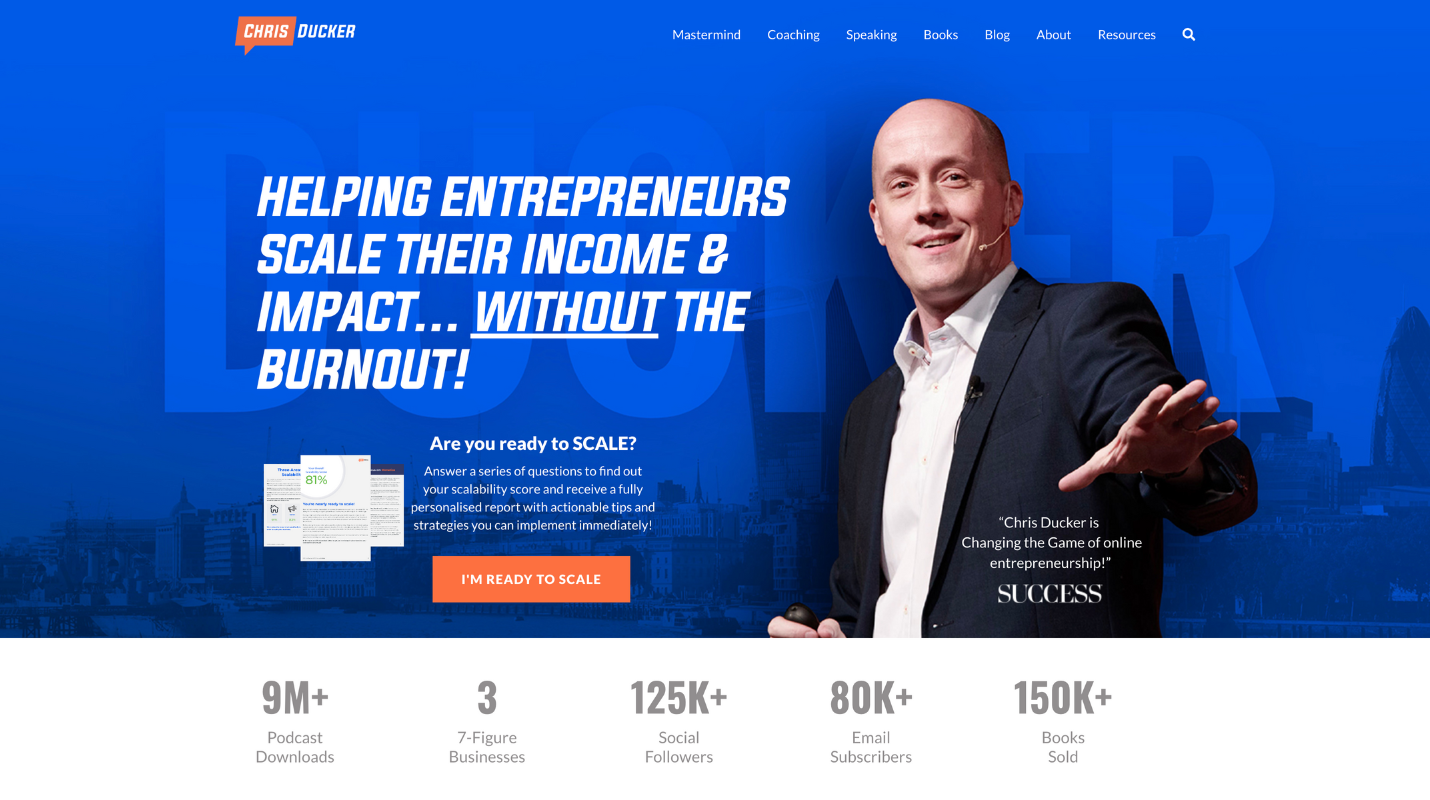
Consistency is the bedrock of professional branding. Chris Ducker employs a strategy of visual uniformity across every platform he touches.
- The Strategy: Whether on his blog, LinkedIn, or Twitter, the same welcoming, professional headshot is used.
- Implications: This creates "brand recognition" in the digital sphere. When a reader encounters Ducker in different digital environments, the cognitive recognition is instantaneous, building a sense of omnipresence and reliability.
7. The Color Psychology of Branding: Jadah Sellner
Blog: Jadah Sellner
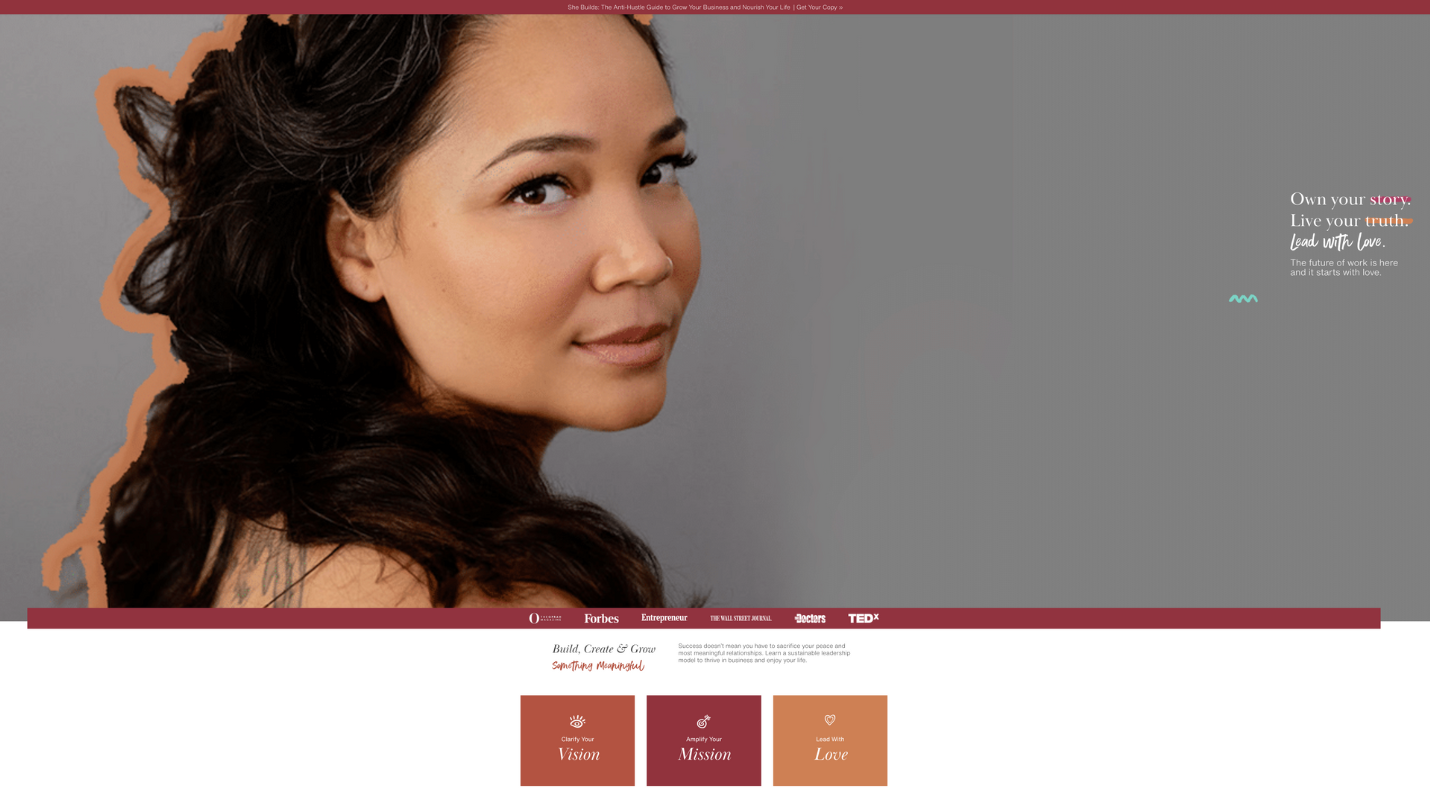
Visual aesthetics are not merely decorative; they are communicative. Jadah Sellner utilizes a deliberate color palette that extends from her website design to her own clothing in her promotional photos.
- The Strategy: By harmonizing her personal brand with her site’s color scheme, she creates an immersive experience. The result is a cohesive, warm, and inviting environment that feels professional yet deeply personal.
- Lessons Learned: A well-curated visual palette tells the reader exactly what to expect from the brand’s energy and professionalism before they have even read a word.
8. The Directive Value Proposition: SuperFastBusiness
Blog: SuperFastBusiness
James Schramko utilizes a bold brand statement that leaves no room for ambiguity. He immediately identifies who he is, what he does, and, most importantly, whom he serves.
- The Strategy: By calling out his specific audience, he effectively filters his visitors. Those who are not his ideal clients self-select out, while those who are feel immediately addressed.
- Implications: Clarity is a form of respect. By stating your purpose clearly, you save your reader time and establish yourself as an authority who knows exactly who they are helping.
9. The High-Conversion Call to Action: Kelly Exeter
Blog: Kelly Exeter
Kelly Exeter proves that a strong call to action (CTA) does not need to be hidden behind complex funnels or aggressive pop-ups.
- The Strategy: She uses a simple, direct formula—"[Name] is a [role] who helps [audience] do [value]"—followed by a clear, one-click button.
- Implications: In an era of digital fatigue, simplicity is a competitive advantage. If your reader knows exactly how to engage further, the friction to conversion is significantly lowered.
10. The Identity-Driven Community: Puttylike
Blog: Puttylike
Emily Wapnick of Puttylike took the bold step of defining her audience through a specific term: "Multipotentialite."
- The Strategy: By giving her audience a name, she transformed them from individual readers into a community. Her lead-magnet quiz further cements this identity, turning passive visitors into active participants.
- The Lesson: When you help your readers define themselves, you create a shared identity. People are naturally drawn to groups that articulate their internal experiences.
Implications: The Future of Personal Blogging
The evolution of the internet has moved away from the "search engine first" model toward a "human connection first" model. As the barriers to entry for publishing content lower, the premium on personality will only increase.
Strategic Takeaways for the Modern Blogger:
- Transparency is Currency: Don’t hide behind professional jargon. Share your story, your challenges, and your identity.
- Visual Cohesion: Treat your blog as a physical space. Use photography, color, and design to reflect the personality of the writer.
- Define Your Audience: Don’t try to speak to everyone. Use language and positioning to speak directly to your "tribe."
- Consistency Matters: Your brand should be recognizable across every platform, from your blog’s sidebar to your Twitter bio.
The bloggers highlighted above have not succeeded in spite of their personalities; they have succeeded because of them. As you look at your own site, ask yourself: Is your blog a digital billboard, or is it a conversation? The answer to that question will determine the trajectory of your growth.
Personalization is not a one-time setup; it is an ongoing commitment to being yourself in a digital world that often rewards conformity. By choosing to stand out, you invite your audience to do the same, creating a community that is as resilient as it is loyal.