The WordPress ecosystem stands at a critical historical crossroads. Following a recent surge in open-source submissions—largely catalyzed by the rapid democratization of code generation via artificial intelligence—community leaders are sounding the alarm. To address mounting directory congestion, discoverability hurdles, and shifting generational attitudes toward AI, veterans of the space are calling for radical upgrades to directory standards, monetization models, and project governance.
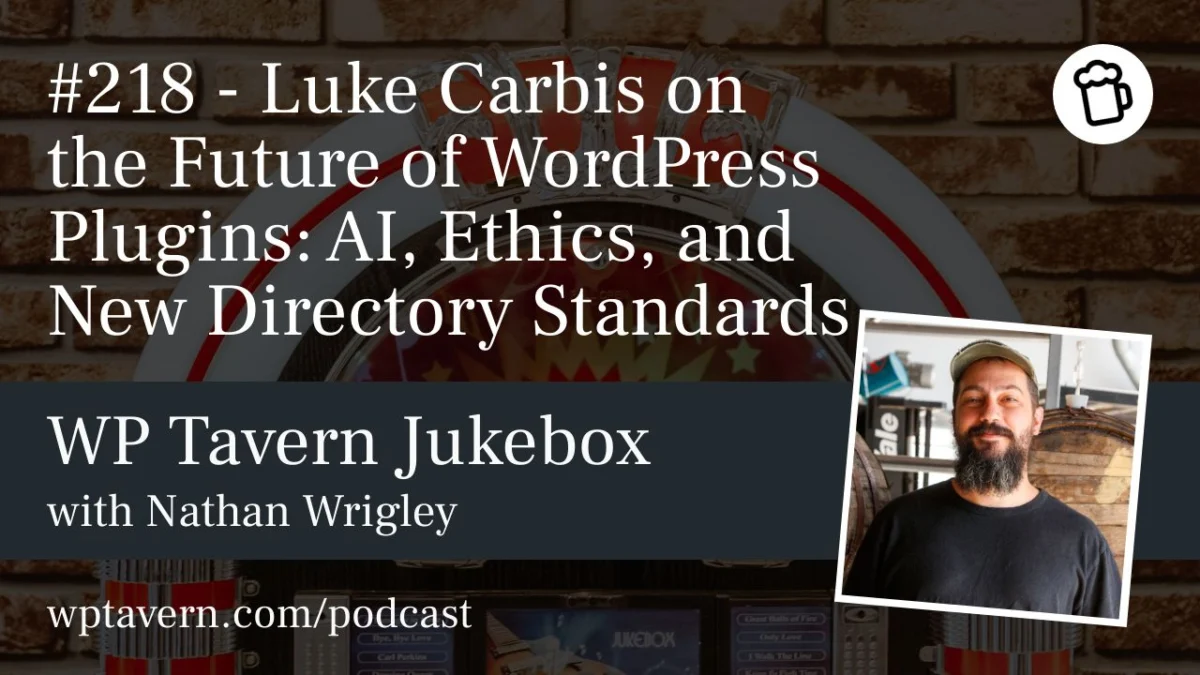
In a recent episode of the WP Tavern Jukebox podcast, host Nathan Wrigley sat down with Luke Carbis—a 20-year WordPress veteran, core contributor, and member of the Plugin Review Team—to unpack his recent WordCamp Asia presentation. Titled "Beyond the Guidelines: It’s Time to Evolve Our Standards for a Safer Plugin Ecosystem," the conversation offers a candid look at the friction points defining modern WordPress development.
Main Facts
The core challenge facing the WordPress.org plugin directory today is not merely technical stability, but sheer volume. Over the past year, submission rates have quadrupled compared to historical averages, driven heavily by AI-generated plugins. While backend triage and tool improvements by the Plugin Review Team have successfully kept average wait times down to roughly one week, the downstream effects of this deluge are creating profound friction for both developers and end users.
- The Discoverability Crisis: With thousands of near-identical plugins flooding the repository, truly innovative tools are struggling to stand out.
- Algorithmic Limitations: The open-source search and ranking algorithm relies heavily on keyword matching and active installs, which can struggle to surface nuanced or newly launched solutions fairly.
- The AI Influx: The lowering barrier to entry has sparked a massive influx of "vibe-coded" or AI-generated plugins, changing the qualitative baseline of directory submissions.
- Calls for Structural Evolution: Proposals include connecting WordPress.org profiles directly to installations, creating curated "untrusted" external Git repositories, and even rethinking commercial integration within the directory.
Chronology of a Shift: From Coasting to Crisis
The Pre-AI Era and Directory Congestion
Historically, the WordPress plugin repository experienced periods of heavy backlogs. However, teams gradually streamlined the review process down to near-zero wait times. Developers could rely on traditional community pipelines to launch products, gather initial feedback through support forums, and slowly build an active install base.
The AI Inflection Point
Within the last 12 to 18 months, generative AI tools fundamentally transformed the development landscape. Code that once took weeks to architect can now be spun up in minutes. This democratization led to an unprecedented quadrupling of plugin submissions. Although the Plugin Review Team adapted by welcoming new reviewers and deploying automated screening tools to maintain a manageable one-week review turnaround, the repository’s front-end user experience began to buckle under the weight of the inventory.
Re-centering Leadership and Direction
Simultaneously, project co-founder Matt Mullenweg re-engaged deeply with core development and community governance, issuing direct mandates and accountability frameworks via Slack. While this assertive leadership style initially rattled some open-source traditionalists accustomed to slow-moving committee consensus, veterans like Carbis have begun to view it as a necessary shock to the system to prevent long-term project atrophy.
Supporting Data & Metrics
- 4x Increase: Plugin submission rates over the last 12 months compared to previous years, directly linked to generative AI capabilities.
- 1 Week: The current average wait time for a plugin to clear the WordPress.org review queue, maintained through expanded team capacity and tooling.
- 8% Proposed Cut: A theoretical monetization model where 3% covers payment processing and 5% funds the WordPress Foundation (aligned with "Five for the Future" principles).
- Generation Z Sentiment: Emerging demographic trends—anecdotally and through recent studies by outlets like The Verge—demonstrate significant skepticism and resistance toward unchecked AI integration among younger cohorts.
Official Responses and Community Perspectives
The debate surrounding the future of WordPress touches on deeply held open-source philosophies. Two distinct perspectives are shaping the current discourse:
The Pragmatist View: Strong Leadership and Commercial Evolution
Carbis argues that clinging strictly to legacy models risks rendering WordPress obsolete in a rapidly shifting tech landscape. He suggests that the community must seriously consider modernizing how commercial plugins interact with the repository.
By allowing the directory to handle premium license validation, native updates, and secure third-party (Git-based) sources, WordPress could revitalize a stagnant product launch market. Furthermore, directing a percentage of commercial proceeds back to the WordPress Foundation could sustainably fund core contributors, WordCamps, and volunteer review teams.
The Traditionalist View: Purity of Open Source and Anti-Commercialism
Conversely, a vocal segment of the community remains fiercely protective of the foundational ethos that "code is poetry" and that core infrastructure should remain entirely free from direct commercial entanglements. Critics worry that introducing financial transactions to WordPress.org would inevitably bias rankings, create corporate favoritism, and compromise the egalitarian spirit that built the platform.
The Generational Divide on Artificial Intelligence
Another layer of tension involves the integration of AI into both core contributions and product development. While enterprise leadership pushes for AI-driven efficiencies in writing code and managing repositories, younger developers (Gen Z) frequently express ideological and environmental concerns regarding generative technologies. Carbis warns that failing to respect this generational hesitation could alienate the very demographic WordPress needs to secure its future.
Implications for the Future of WordPress
As WordPress navigates this pivotal era, the decisions made today will dictate whether the platform remains the dominant content management system for the next decade.
- Rethinking Directory UX: The interface for discovering plugins must evolve beyond simple keyword matching and active install counts. Features like account connectivity and personalized repository curation will likely become mandatory to combat information overload.
- Standardizing AI Disclosure: To restore trust and transparency, proposals like Carbis’s multi-tiered AI disclosure headers (ranging from zero AI usage to fully automated code generation) offer a pragmatic framework for the market to regulate itself.
- Balancing Velocity with Community Values: Project leadership faces the delicate task of balancing the rapid innovation required to compete with modern proprietary platforms against the deeply collaborative, accessible, and human-centric values that define the WordPress community.
Ultimately, whether the community embraces commercial restructuring or doubles down on pure open-source traditions, one reality remains clear: the status quo is no longer tenable. Navigating this seismic shift will require clear vision, rigorous debate, and a steadfast commitment to keeping the human element at the heart of the world’s most popular open-source CMS.