Beyond Keywords: Why Brand Mentions Drive Modern Search Engine Rankings and AI Visibility
In the contemporary digital landscape, businesses face a stark reality: having an impeccably designed website, top-tier content, and a frictionless user experience is no longer a guarantee of online visibility. Even the most robust technical setups can remain entirely invisible to the algorithms powering modern search engines and artificial intelligence tools.
The fundamental shift lies in how platforms like Google and ChatGPT evaluate entities. These systems do not evaluate a domain in isolation. Instead, they look outward, analyzing what third-party authorities, credible publications, industry experts, and peer communities say about a brand to understand its true identity, authority, and value. Every time a trusted source references a brand, it builds the cumulative credibility required to secure top-tier rankings and algorithmic recommendations.
The Evolution of Brand Mentions: Definitions and Typology
A brand mention encompasses any third-party reference to a business, its executives, or its products across the digital ecosystem. These references can manifest in traditional news articles, community discussion threads, YouTube videos, podcast transcripts, or social media platforms.
Digital marketing strategists categorize brand references into two primary subsets:
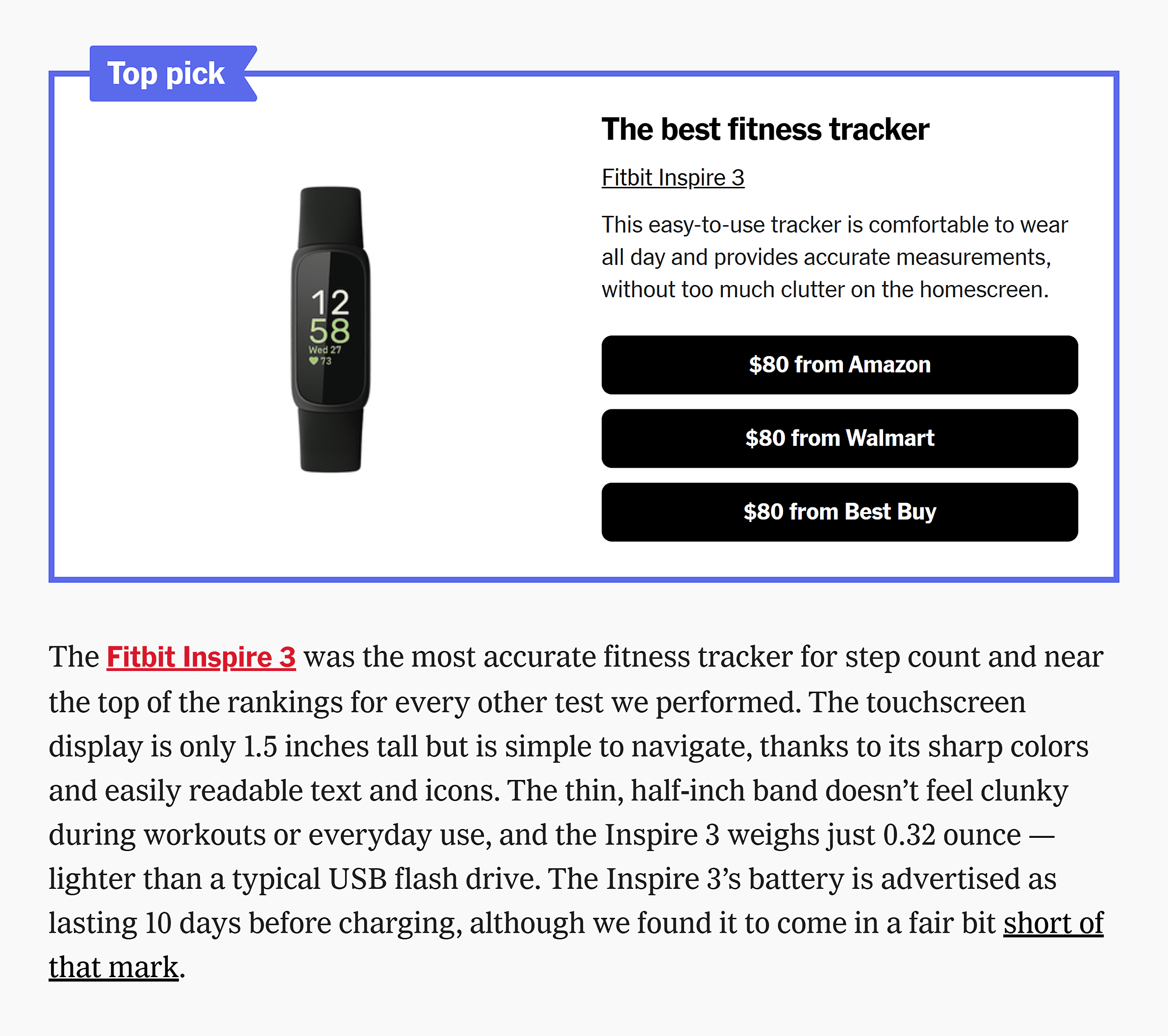
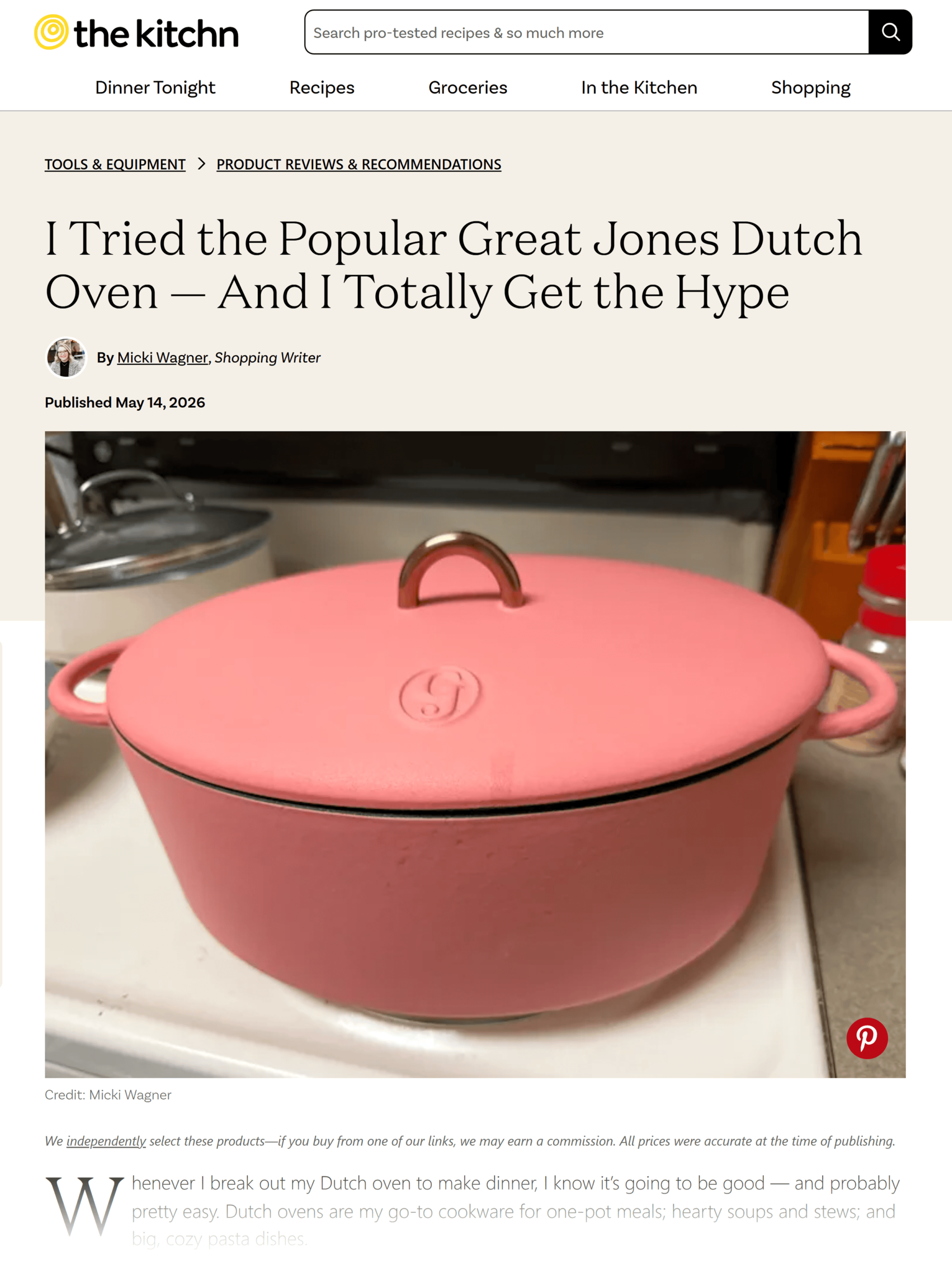
Linked Mentions: These occurrences include both the brand name and a direct, clickable hyperlink leading to the company’s website. For example, a consumer publication publishing a "Best Fitness Trackers" guide that references and links directly to a product page. These are traditionally prized because they pass direct "link equity" (authority) and referral traffic.
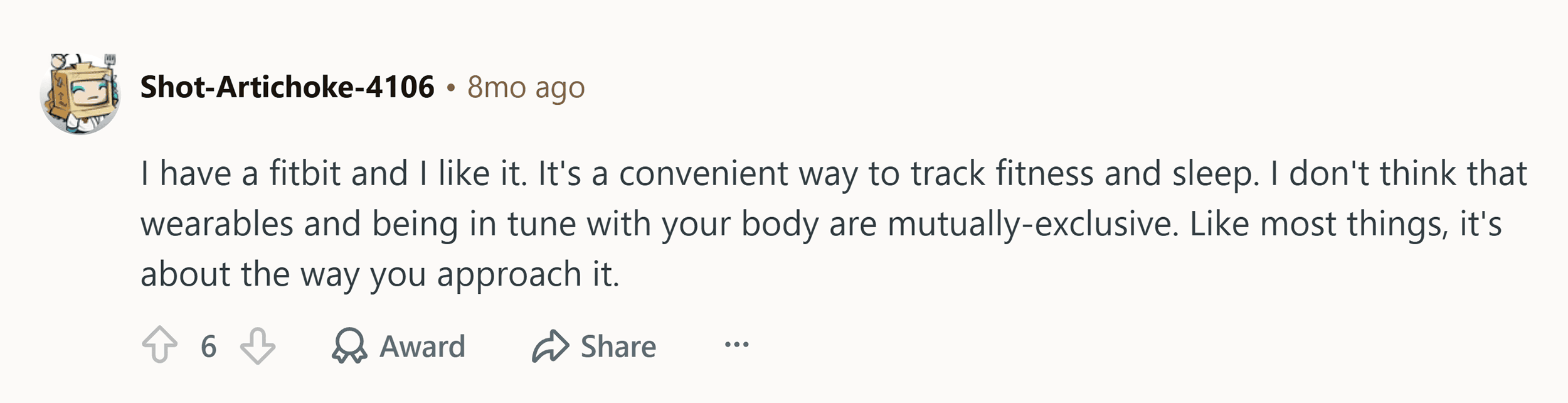
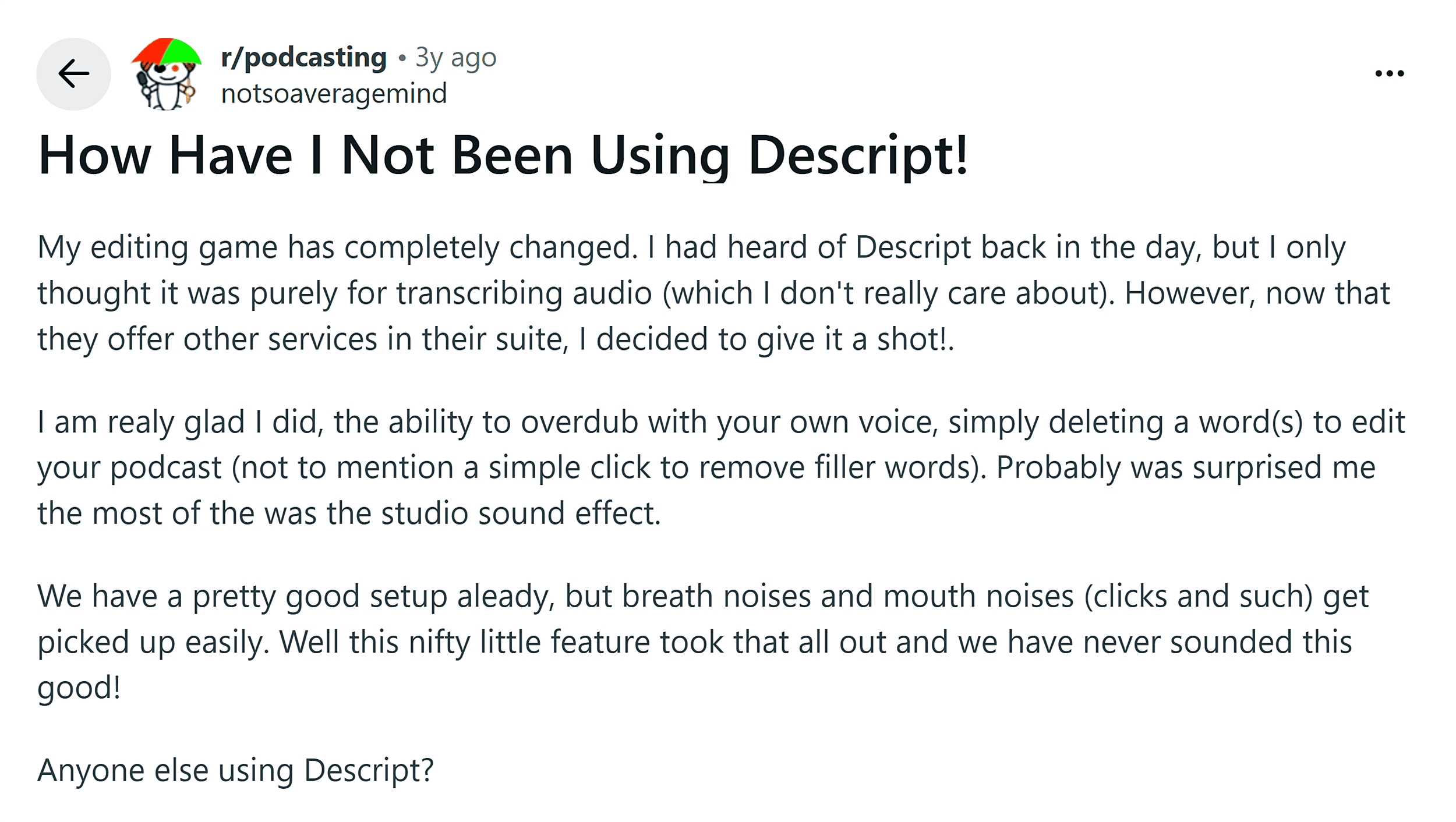
Unlinked Mentions: These references feature the brand name without an accompanying hyperlink—such as a user discussing a product on a Reddit community thread. While these references do not pass direct referral traffic, they provide vital contextual signals to search engines and Large Language Models (LLMs), establishing real-world brand presence and sentiment.
Web Mentions vs. LLM Mentions
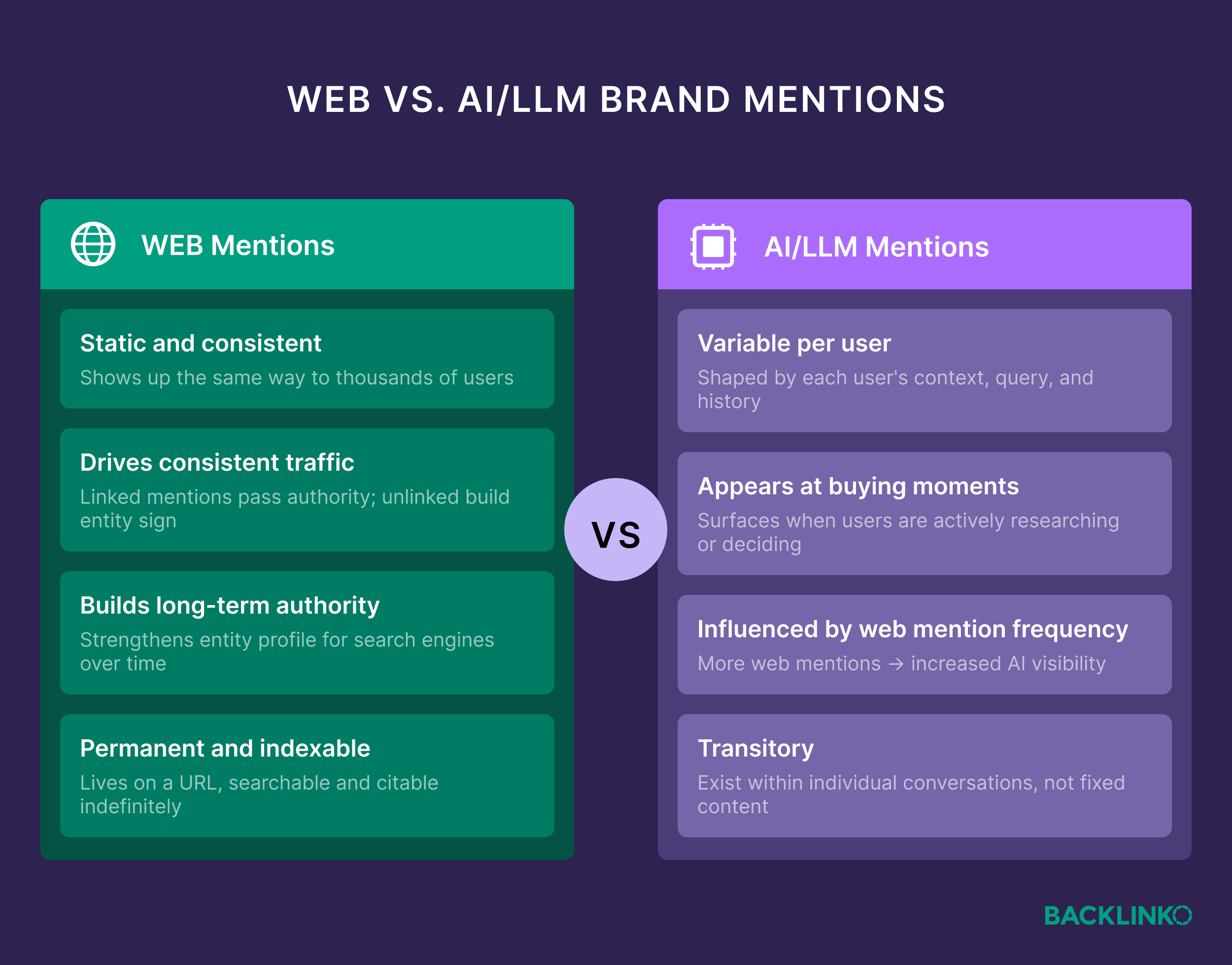
A critical distinction exists between a static web mention and a dynamic AI search mention. Traditional web mentions (such as a blog post or news article) are permanent, public, and uniform; thousands of users searching the web see the exact same citation.
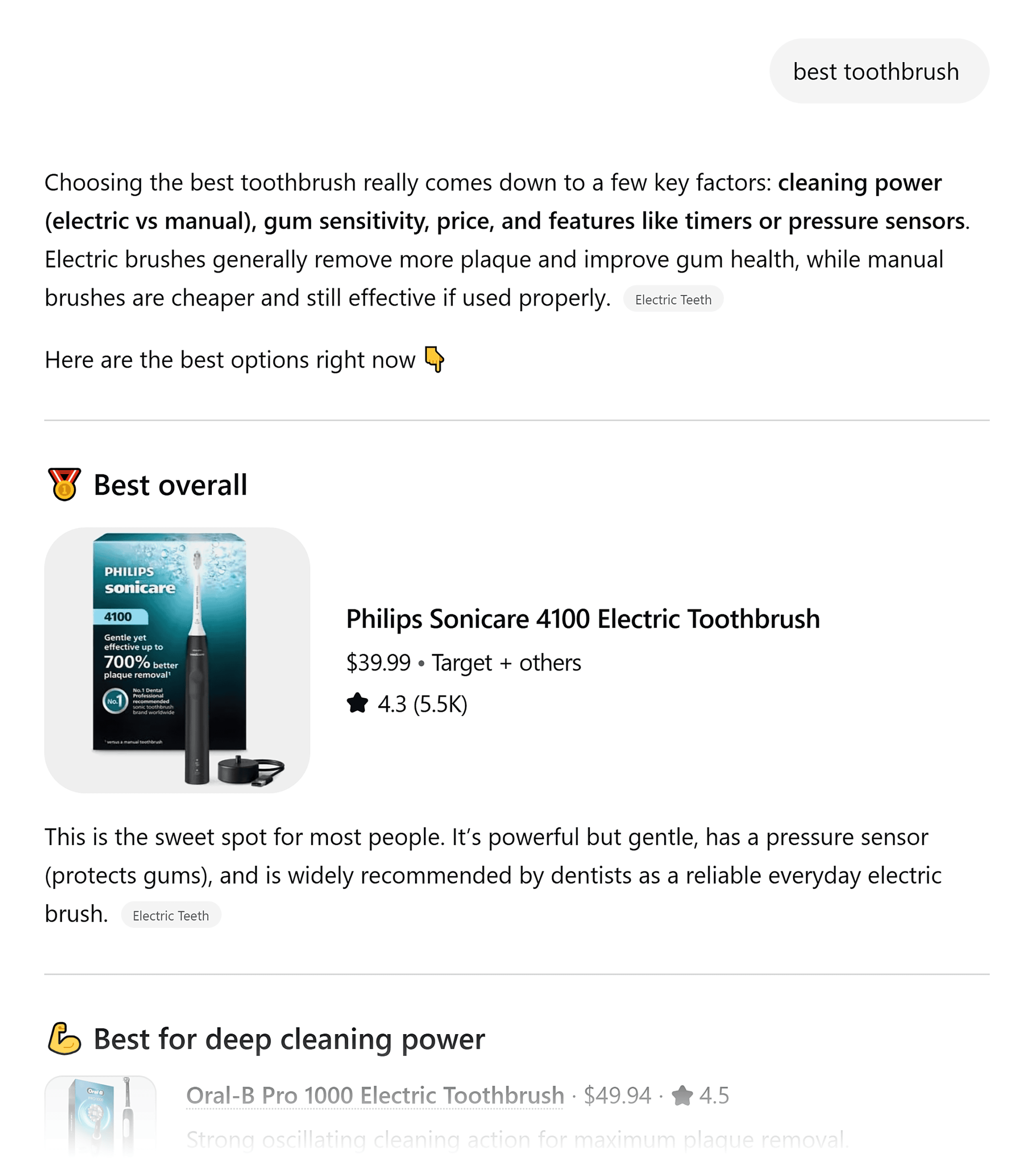
Conversely, LLM brand mentions—such as ChatGPT or Claude recommending a tool during an interactive chat—are fluid and personalized. They vary based on user context, query framing, and chat history, remaining confined to individual sessions rather than acting as static web pages. However, getting cited consistently in traditional web sources serves as the foundational training data and retrieval-augmented generation (RAG) source pool that convinces AI engines to recommend a brand.
Why Brand Mentions Matter More Than Ever
The modern search ecosystem relies heavily on entity-based indexing. As traditional keyword matching takes a back seat to semantic search and generative AI, brand mentions have assumed unprecedented importance for three core reasons.
1. Signaling Authority and Entity Understanding to Search Engines
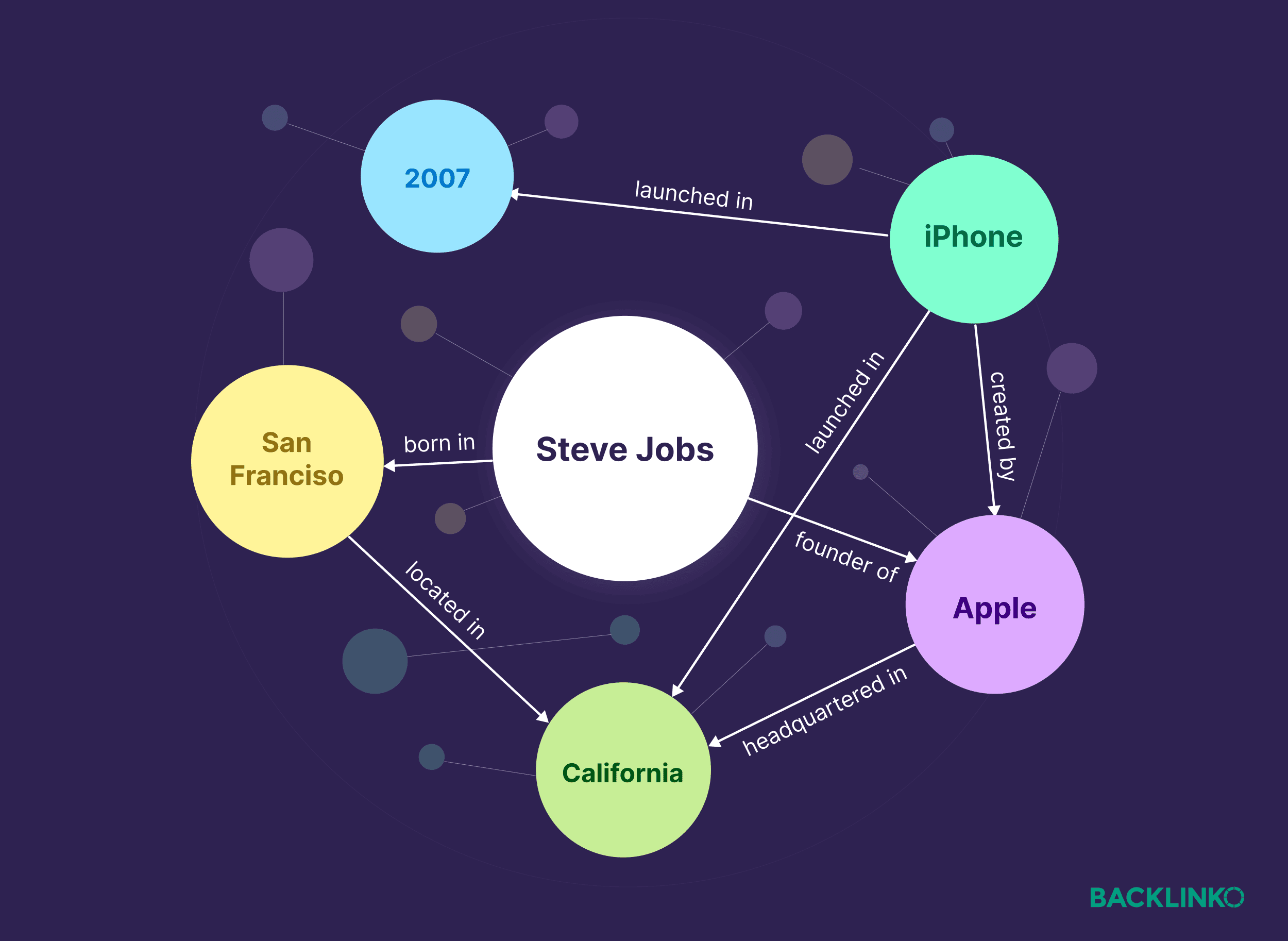
Search engines construct comprehensive digital maps of industries and entities. Google’s Knowledge Graph, for instance, maintains a massive database mapping relationships between people, companies, concepts, and topics. Brand mentions are primary data streams used by Google to build and refine its entity-level understanding. Search engines evaluate who is talking about a brand, the context of the discussion, and the consistency of these citations over time to determine trustworthiness.
2. Expanding Visibility to Untapped Audiences
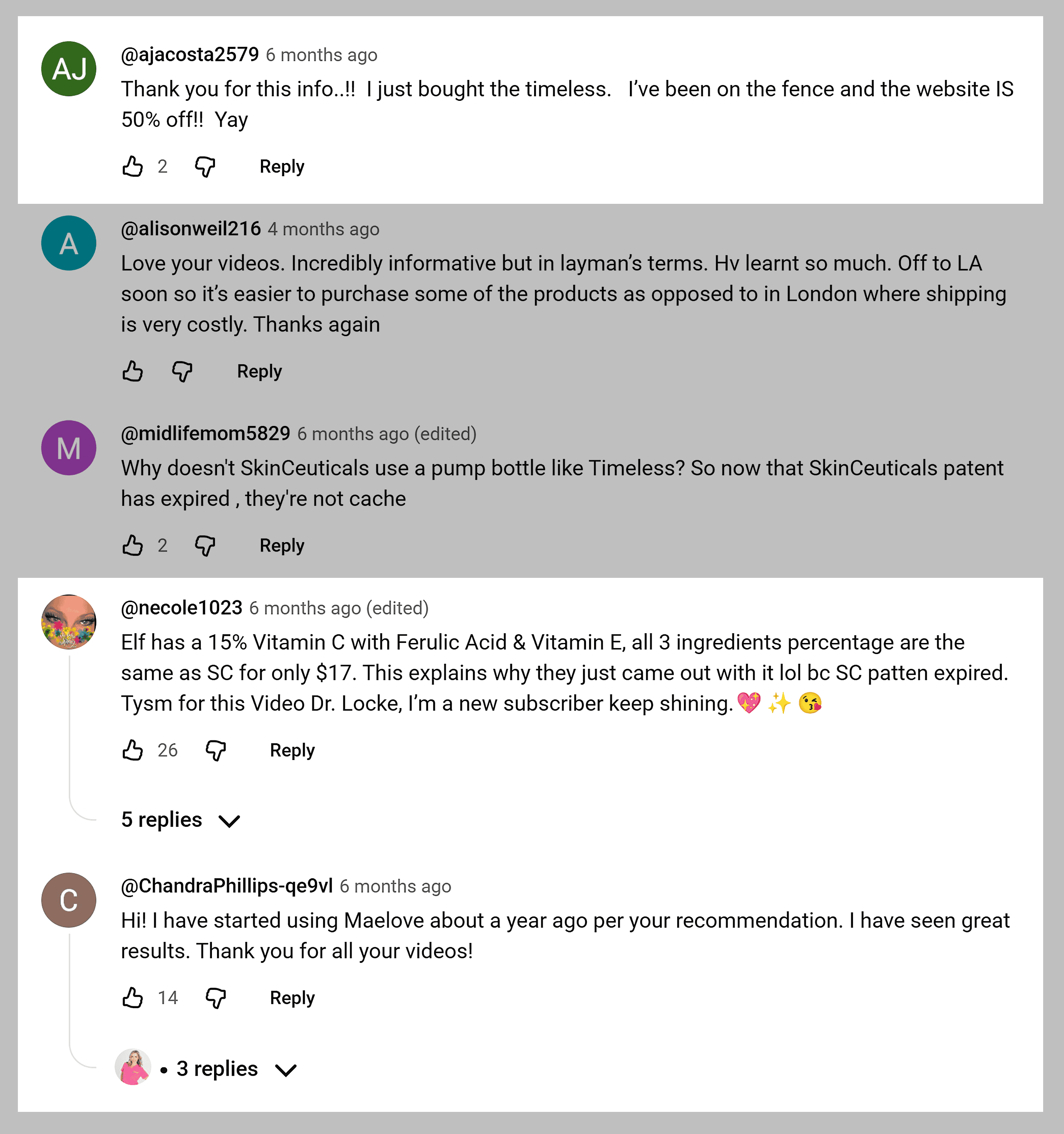
Mentions on external podcasts, YouTube channels, and niche forums expose a brand to target demographics that may not be actively searching for the company’s specific product category. For example, a consumer skincare brand gaining traction via a trusted dermatologist’s YouTube breakdown of budget alternatives introduces the brand to an entirely new audience, frequently driving direct conversions from viewers who discover the product organically.
3. Training LLMs to Feature Your Business
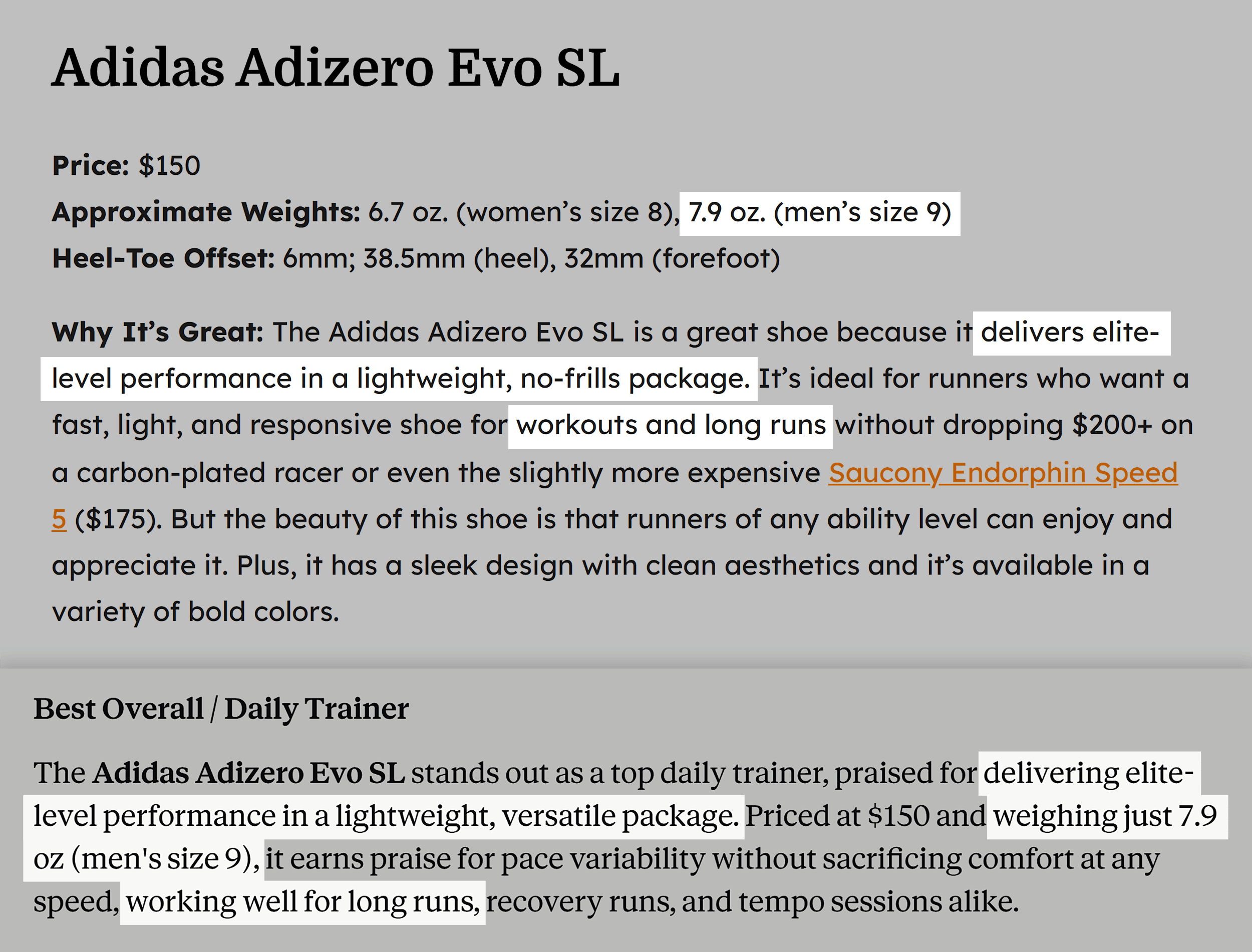
When generative AI models formulate recommendations, they draw heavily on consensus language established across trusted web sources. If independent reviews, trade journals, and community discussions describe a product using specific adjectives—such as "elite-level performance in a lightweight, no-frills package"—AI tools like Claude and ChatGPT will absorb that exact phrasing, mirroring those sentiments when responding to user queries.
Anatomy of a High-Value Brand Mention
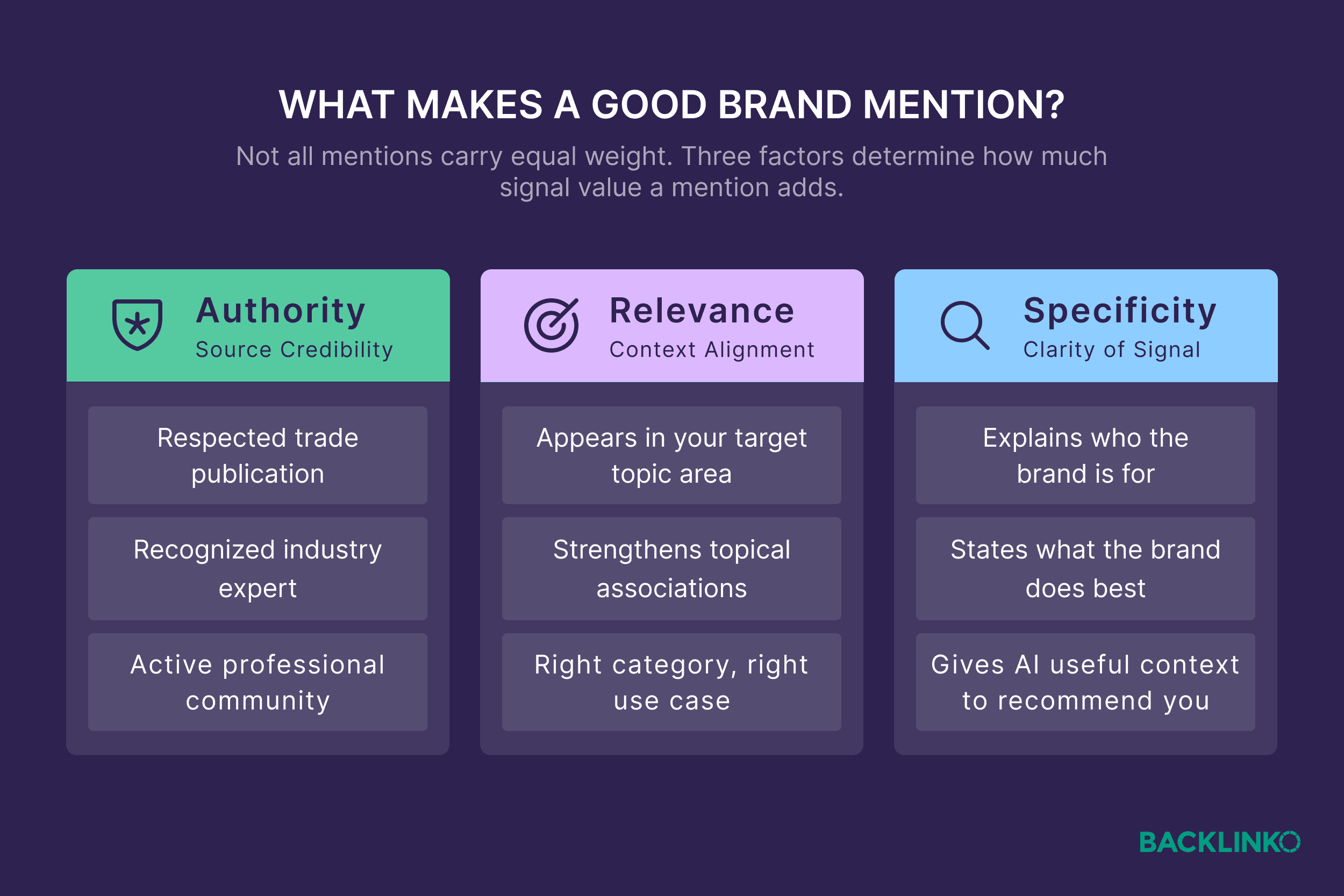
Not all brand citations carry equal weight. Search algorithms and AI models evaluate mentions through three distinct lenses:
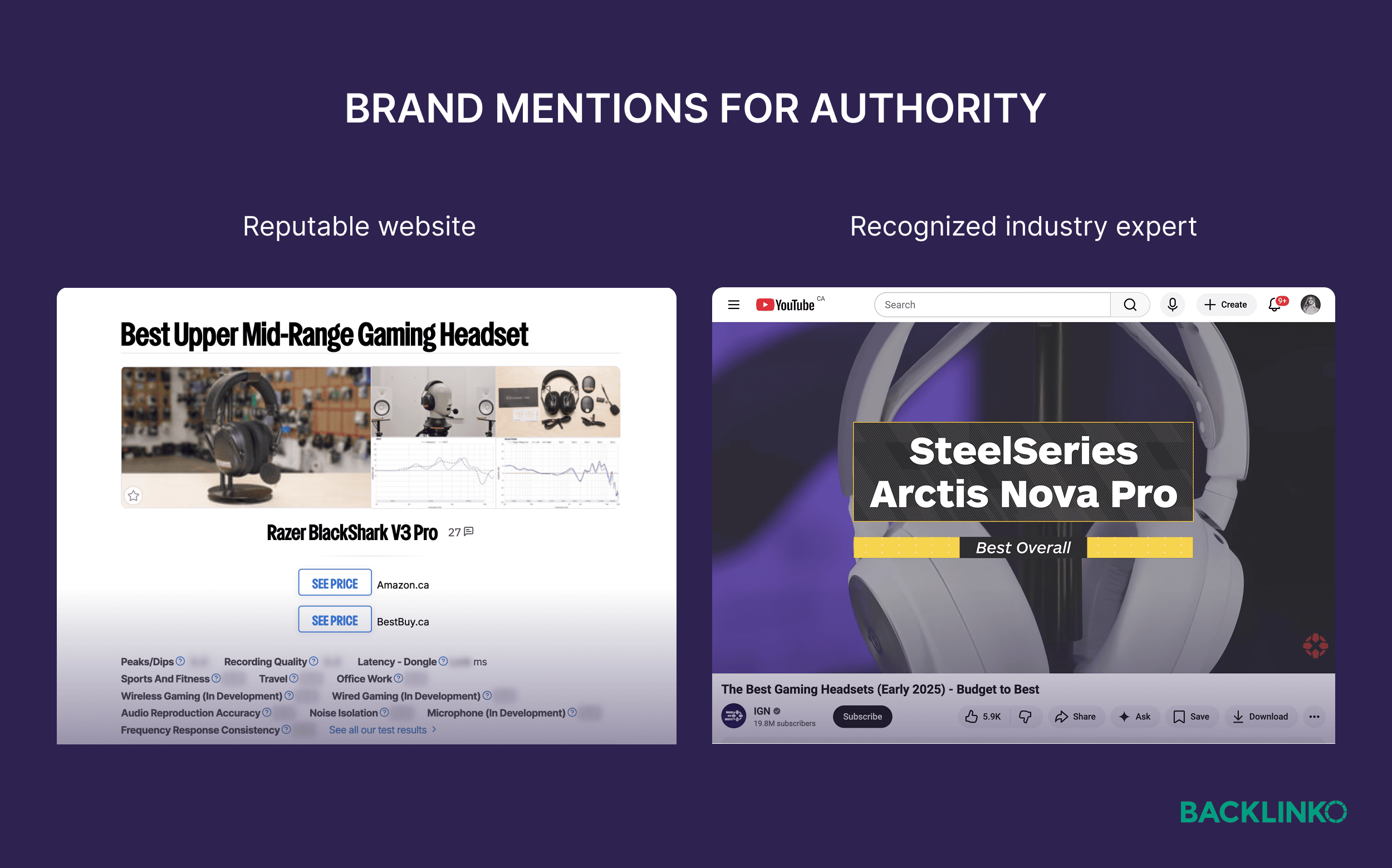
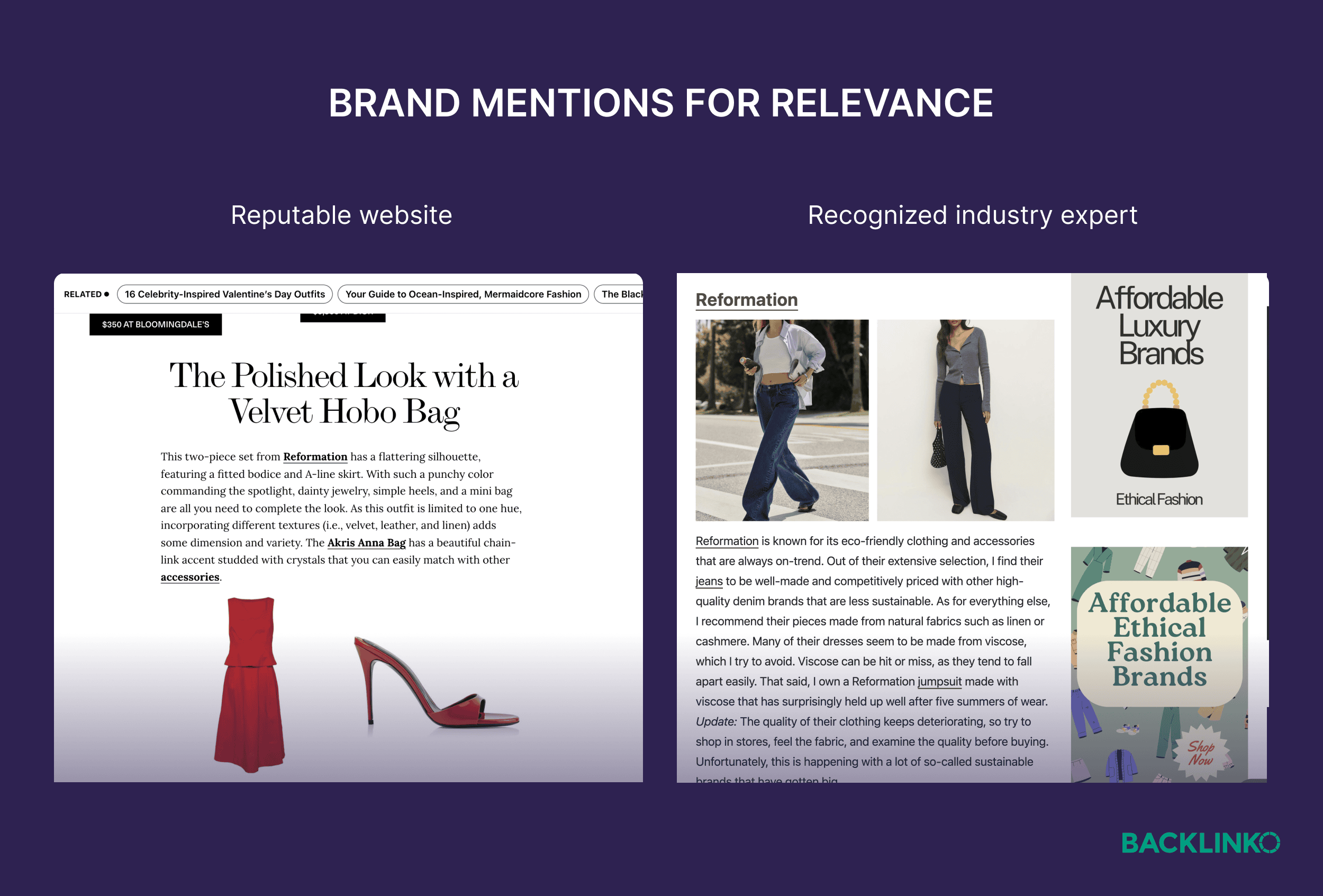
Authority: The credibility and domain strength of the source publishing the mention. A feature in a tier-one industry publication carries exponentially more algorithmic weight than a passing reference on an unverified, low-traffic blog.
Relevance: The contextual alignment between the publishing source and the brand’s industry. Furthermore, the broader thematic relevance of the article or thread strengthens topical authority.
Specificity: High-value mentions go beyond vague praise. They include concrete use cases, performance metrics, feature breakdowns, and actionable insights, giving algorithms clear data signals regarding what a brand does and who it serves.
Four Strategic Tactics to Earn Valuable Brand Mentions
For organizations looking to proactively scale their brand mention acquisition, four proven methodologies stand out in the current SEO and AI optimization landscape.
1. Create Data-Driven, Citable Content
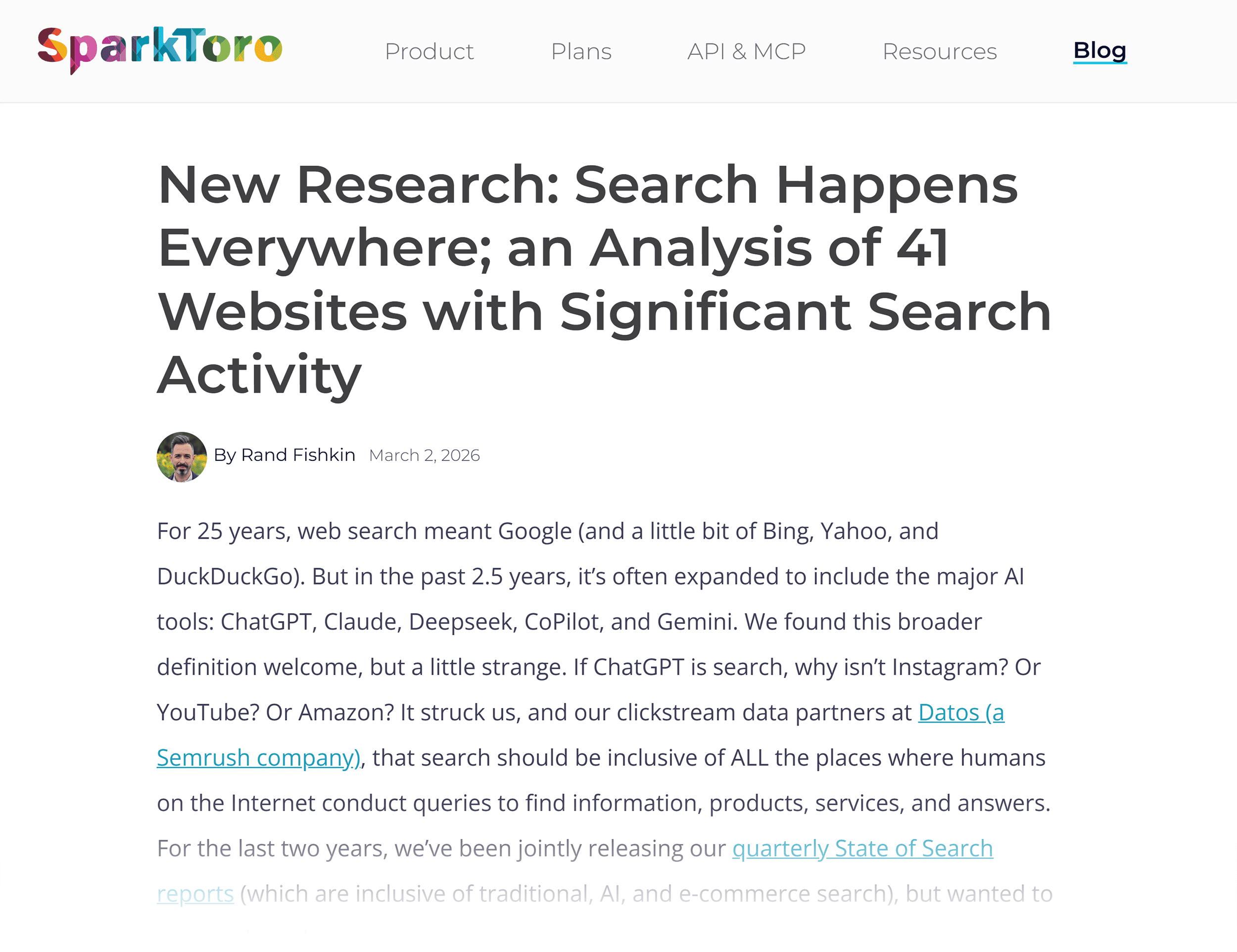
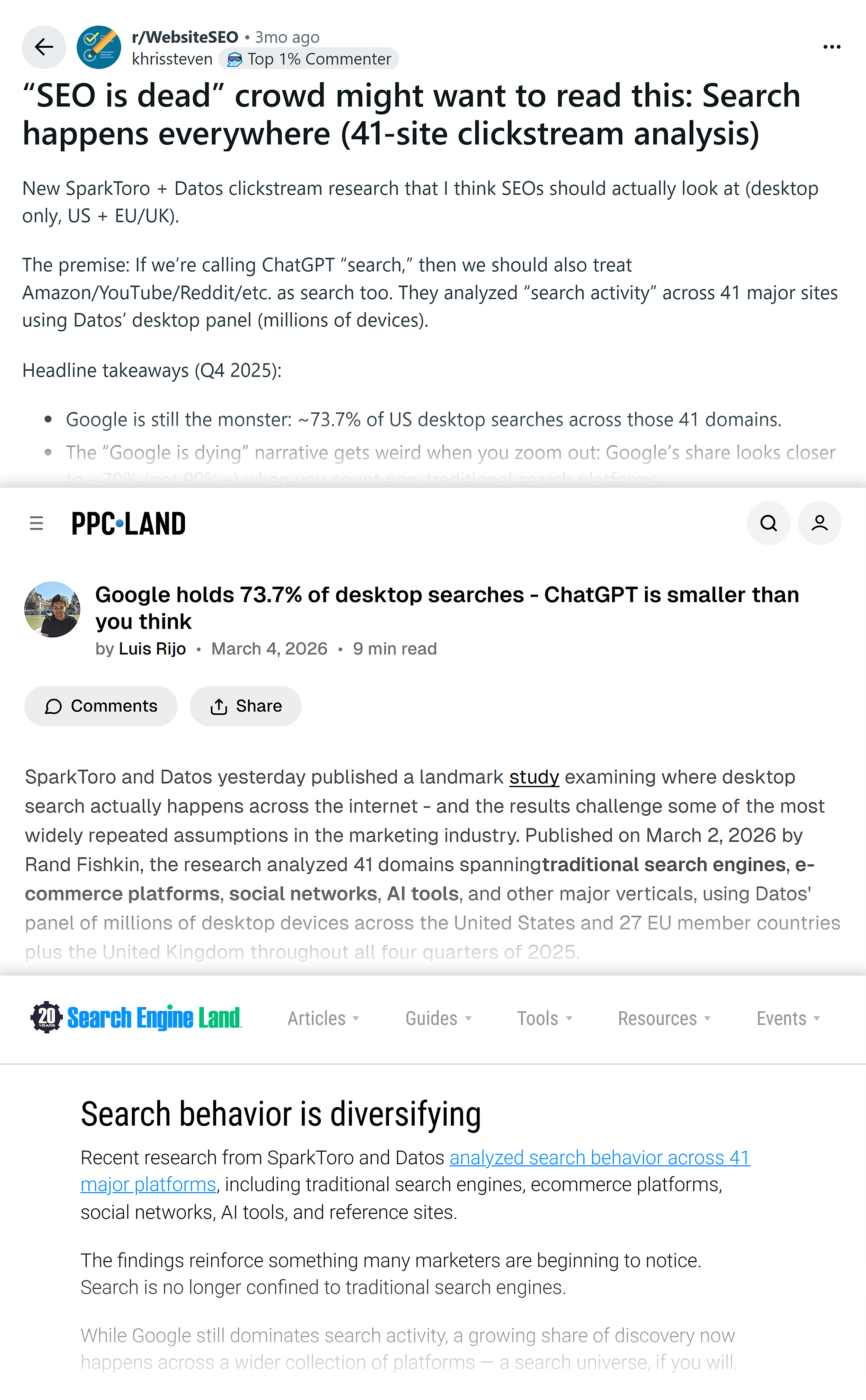
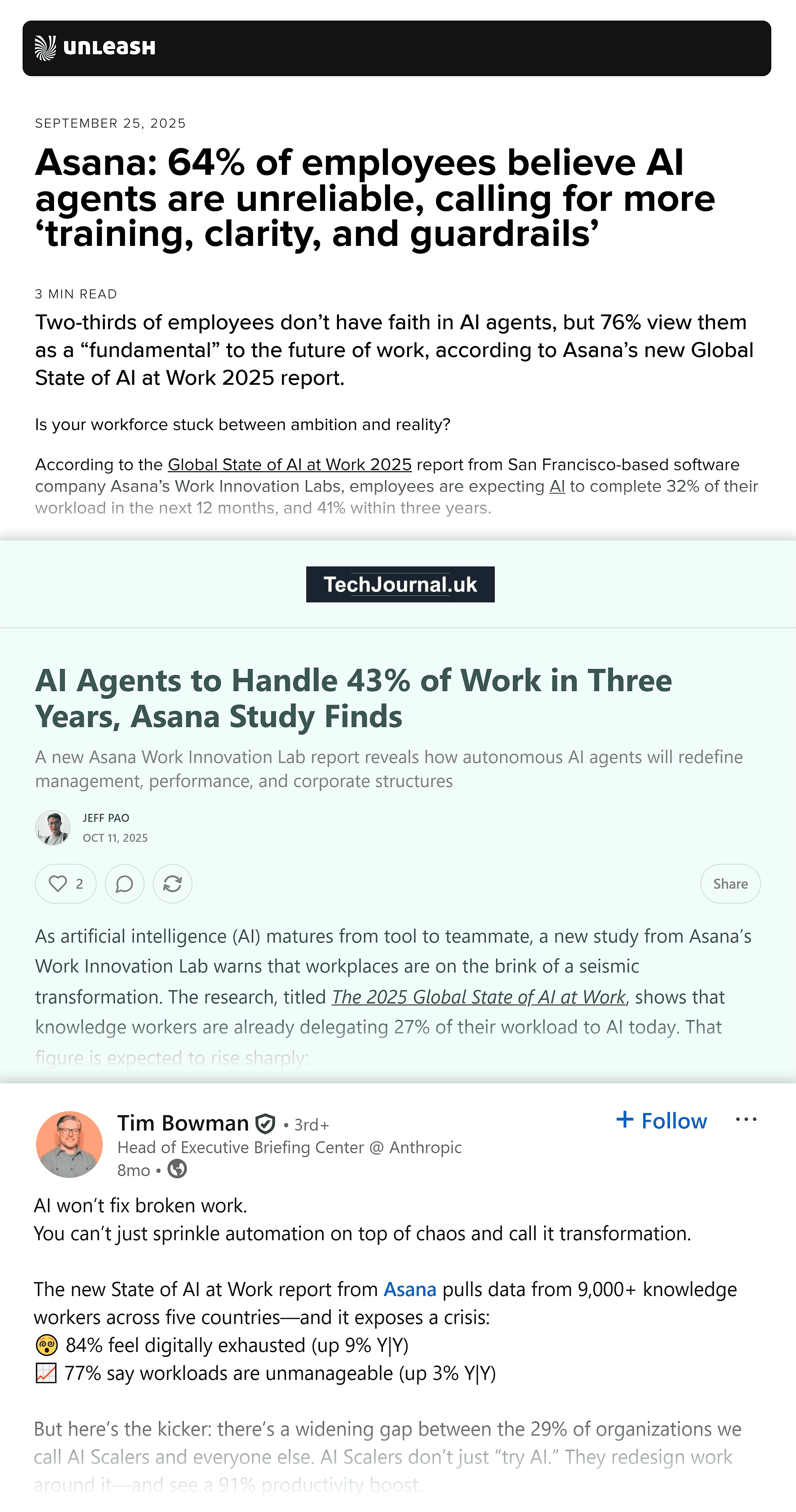
Original research remains one of the most reliable vehicles for securing passive, long-term brand citations. By conducting proprietary studies that answer fiercely debated industry questions, brands create primary assets that peers, journalists, and researchers are forced to cite.
Execution: Identify persistent pain points or unanswered questions within community forums, sales call transcripts, and social media debates. Utilize surveys, proprietary data sets, or aggregated analytics to build an objective research report. Ensure the asset features clear data visualizations, executive summaries, and easily extractable statistics.
2. Partner with Complementary Brands on Co-Created Assets
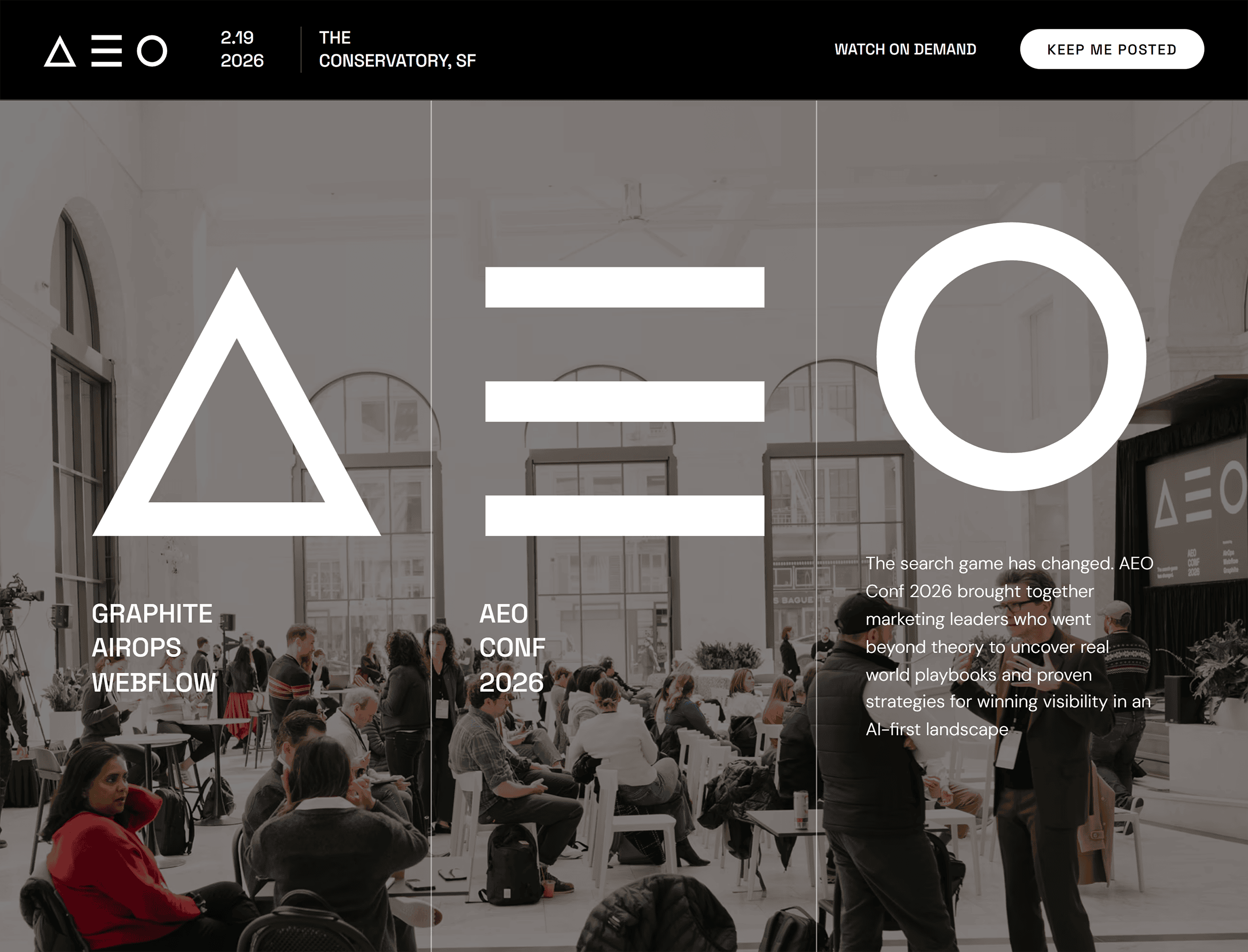
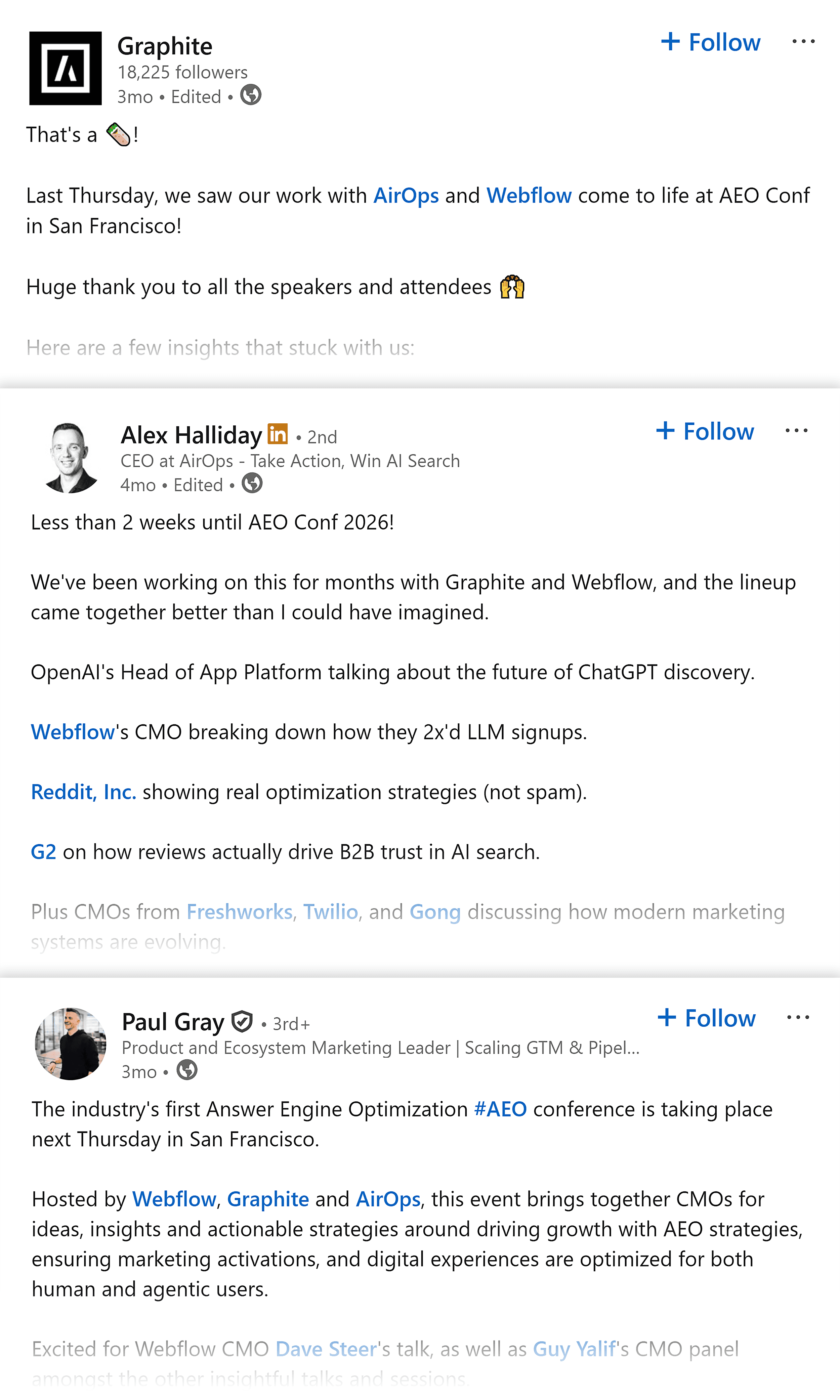
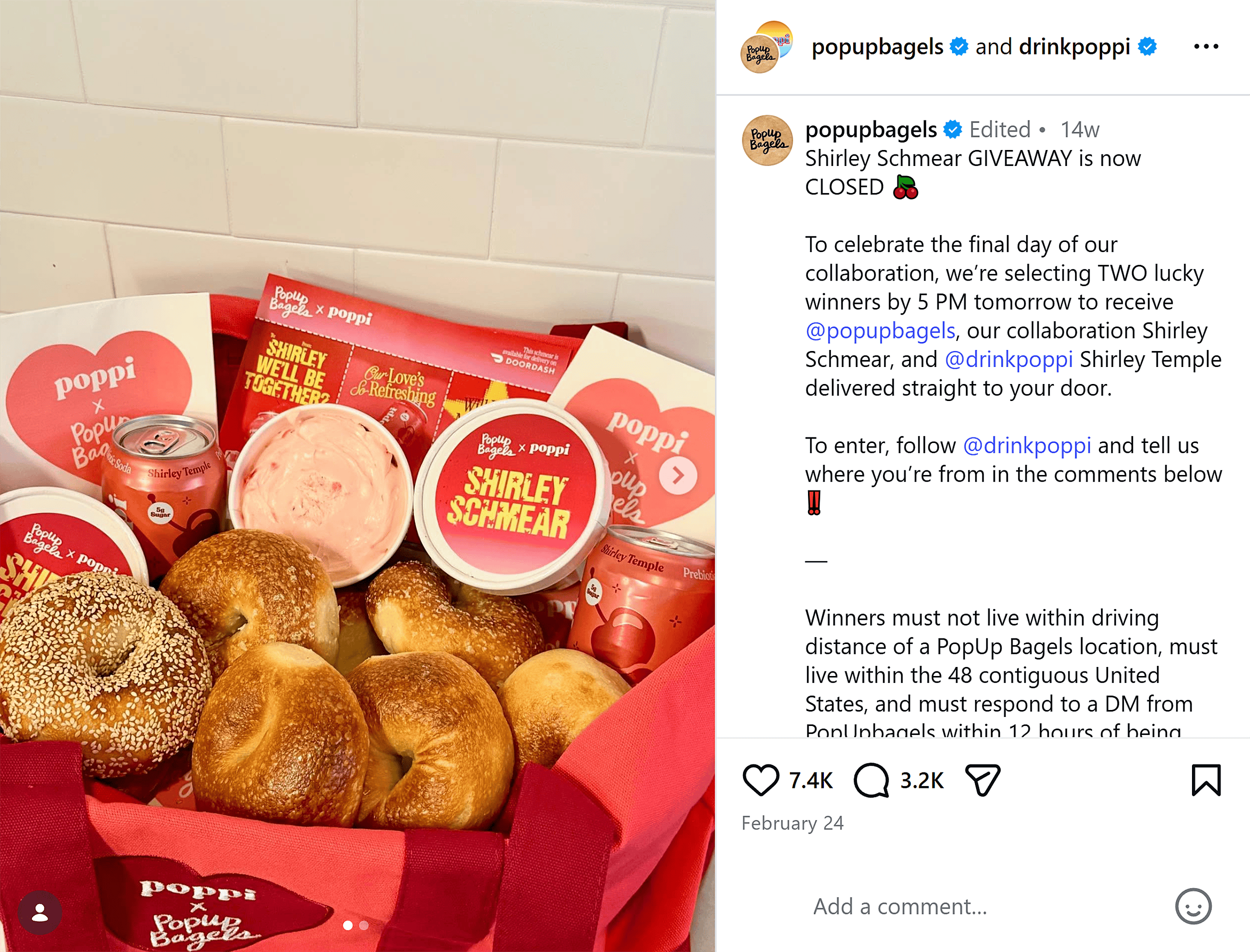
Collaborating with non-competing businesses that target the same audience multiplies promotional reach and builds algorithmic co-occurrence. Whether through joint webinars, co-branded physical product drops, or industry conferences, cross-promotional campaigns ensure brands are consistently discussed in the same contextual breath.
Execution: Identify adjacent software providers, physical product companies, or service agencies that share your target demographic. Launch joint research initiatives, co-hosted events, or limited-edition collaborations that naturally trigger social media tags, press coverage, and community discussions.
3. Feature Other Brands and Experts in Your Content
Highlighting external authorities within your own content creates a reciprocal incentive for those experts to share your work with their established networks.
Execution: Publish expert roundups, comprehensive benchmark reports featuring industry commentary, or interview-driven podcast series. By centering the insights of recognized leaders rather than burying generic quotes, contributors are far more likely to amplify the piece to their massive follower bases.
4. Contribute Subject Matter Expertise Through Digital PR
Proactively positioning executives and subject matter experts as reliable sources for journalists, podcasters, and event organizers secures high-authority third-party validation.
Execution: Pitch unique practitioner playbooks, contrarian industry viewpoints, or exclusive data insights to media outlets and industry podcasts. Focus on delivering actionable value to the host’s audience rather than pushing hard sales messages.
Tracking and Reporting Brand Mentions to Leadership
To justify resource allocation, marketing teams must accurately track and report the impact of brand mention campaigns. Three distinct tracking mechanisms form a comprehensive measurement framework:
Google Alerts and Manual Searches: A foundational, zero-cost method for tracking brand names, executive names, and product lines. Because automated alerts frequently miss niche forums and social channels, teams should supplement them with weekly manual reviews of Google News, Reddit, and YouTube.
Social Listening Tools: Enterprise monitoring solutions (such as Semrush Brand Monitoring or Brandwatch) track sentiment, volume, and source distribution across social networks, review sites, and global blogs.
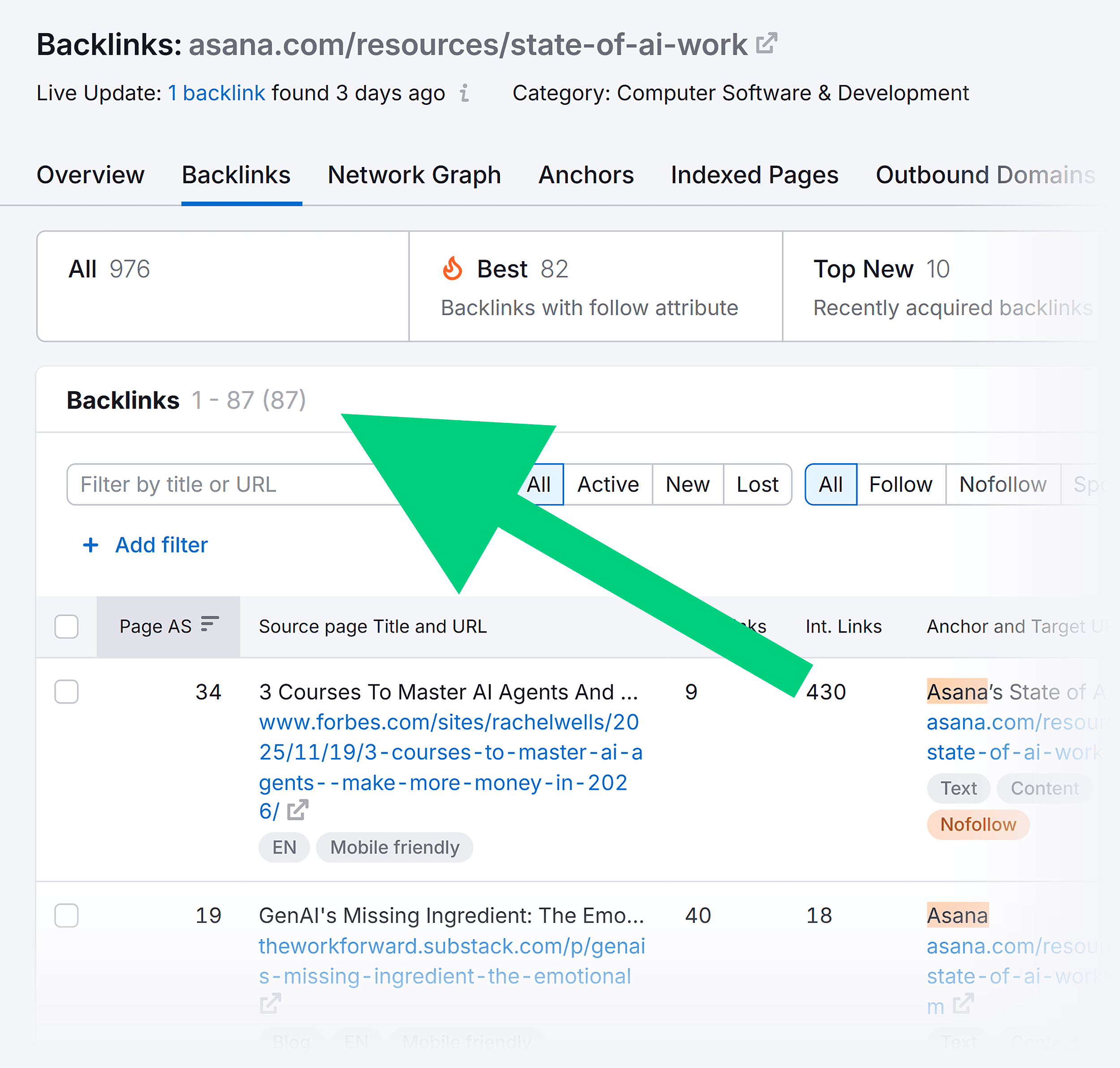
Backlink and Mention Monitoring Analytics: Utilizing SEO analytics platforms to filter incoming backlinks by branded anchor text provides a precise ledger of high-authority web citations.
Reporting Framework for Stakeholders
When presenting findings to executive leadership, vanity metrics should be replaced with strategic narratives. Instead of merely reporting raw mention counts, reports should synthesize volume, sentiment trends, and audience reach:
"This quarter, our brand earned 42 new citations across 35 unique domains, with 88% carrying positive sentiment. Our highest-authority placement on a tier-one trade publication reached an estimated 1.2 million readers, directly correlating with a 14% lift in branded search volume."
Conclusion
Brand mentions have evolved from a secondary PR metric into a core pillar of modern search engine optimization and AI visibility. As algorithms increasingly rely on third-party consensus to evaluate credibility, businesses must look beyond on-page optimization. By consistently earning authoritative, relevant, and specific mentions through original research, strategic partnerships, expert collaborations, and digital PR, organizations can make themselves truly impossible to ignore.