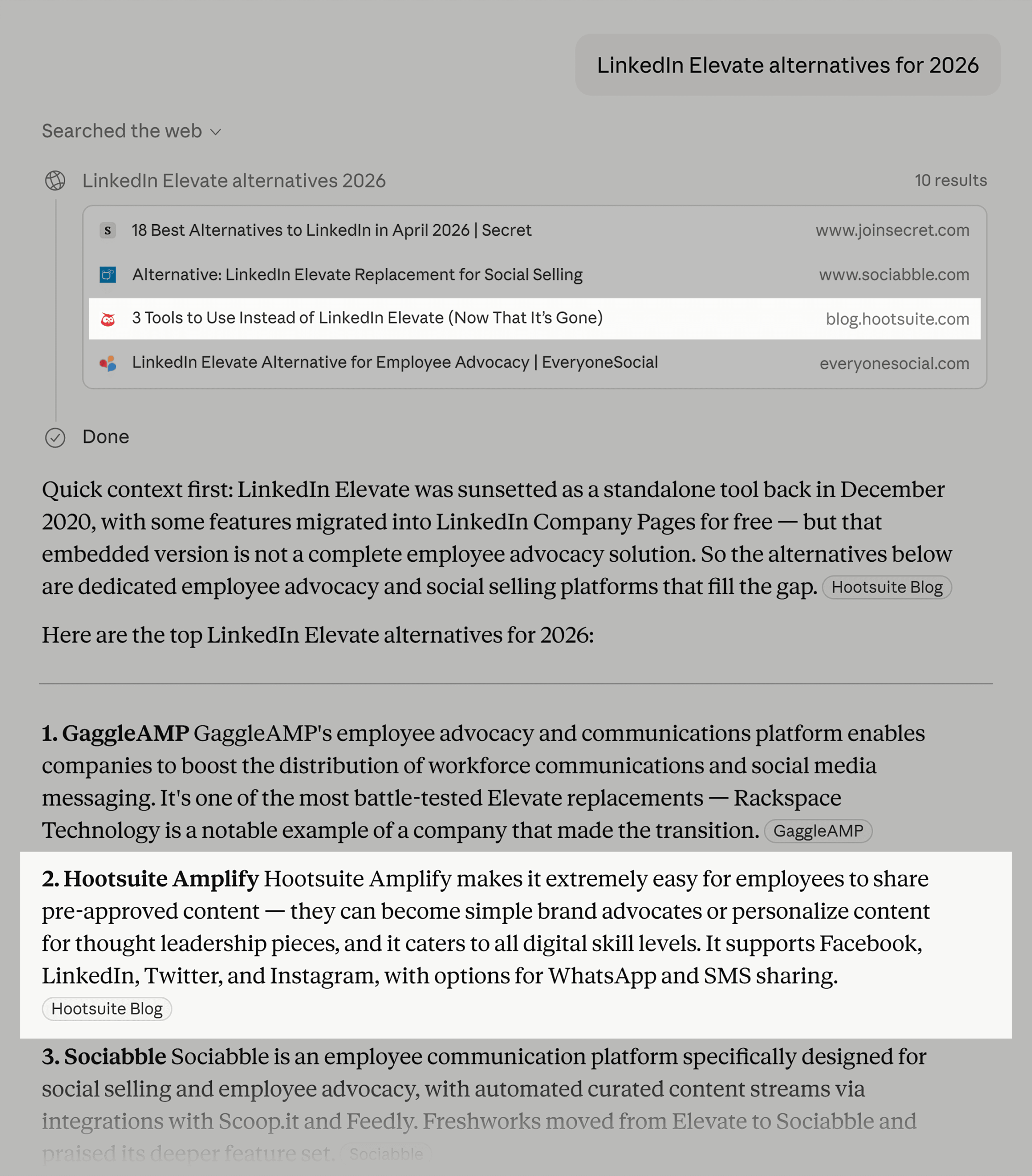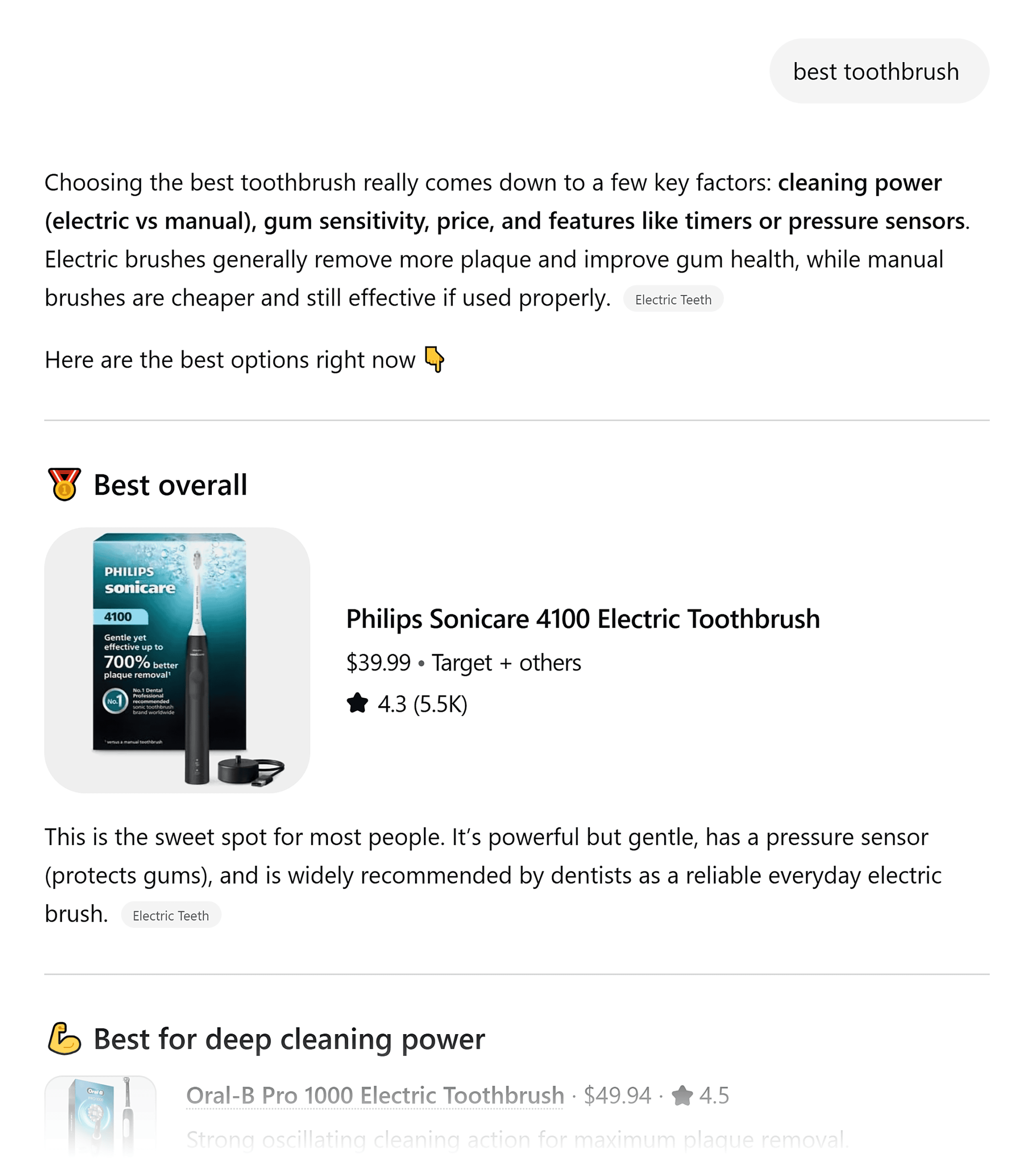
In the evolving landscape of digital search, a long-standing SEO truth has been upended: ranking on the first page of Google is no longer the golden ticket it once was. You can occupy the number one spot for a high-volume keyword and still find your brand entirely absent from the synthesized answers provided by ChatGPT, Perplexity, or Google’s own AI Overviews.

The reason for this disconnect is a technical process known as "query fan-out." Understanding this background mechanism—and how to optimize for it—has become the most critical pivot point for modern content strategy.
What Is Query Fan-Out?
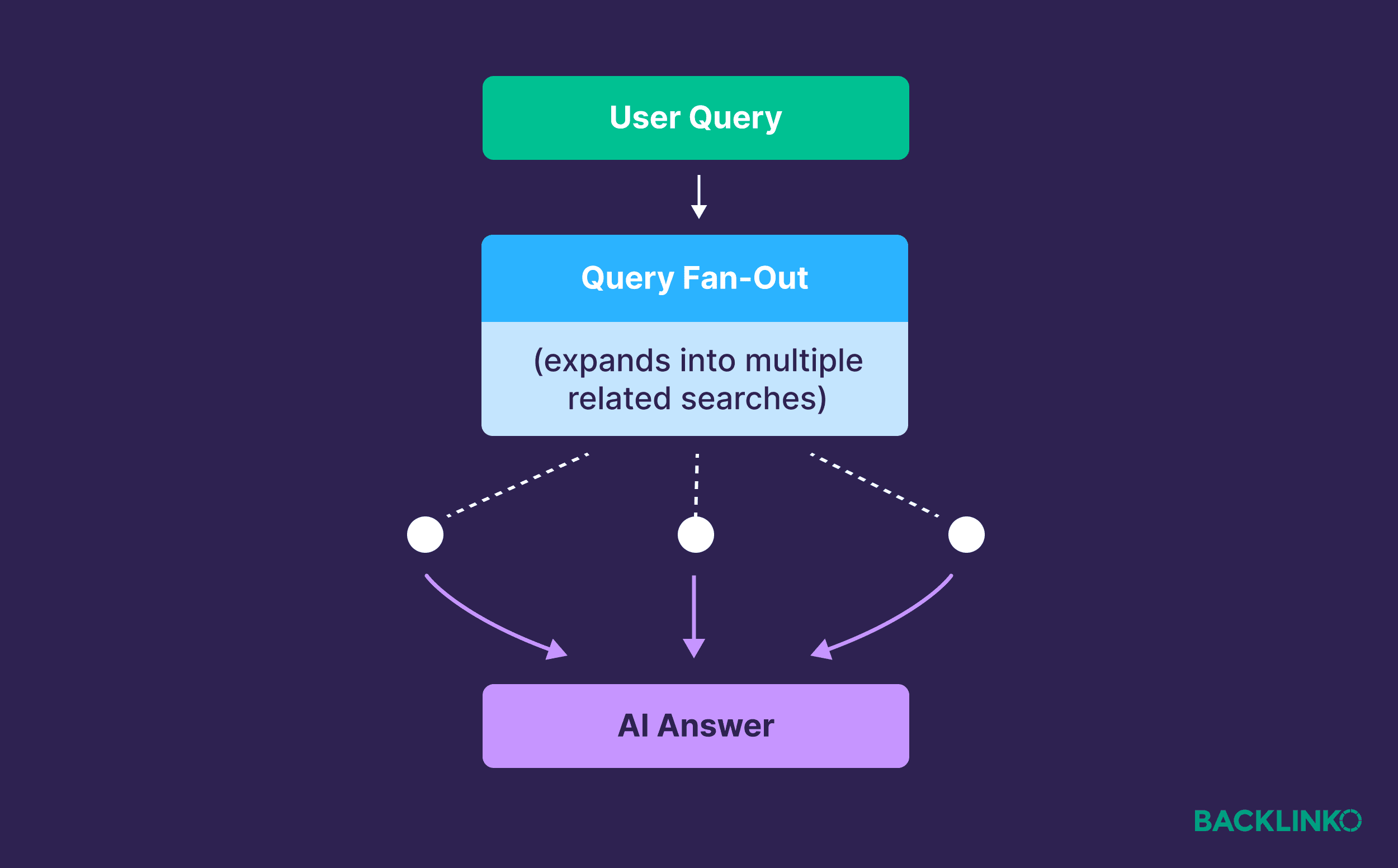
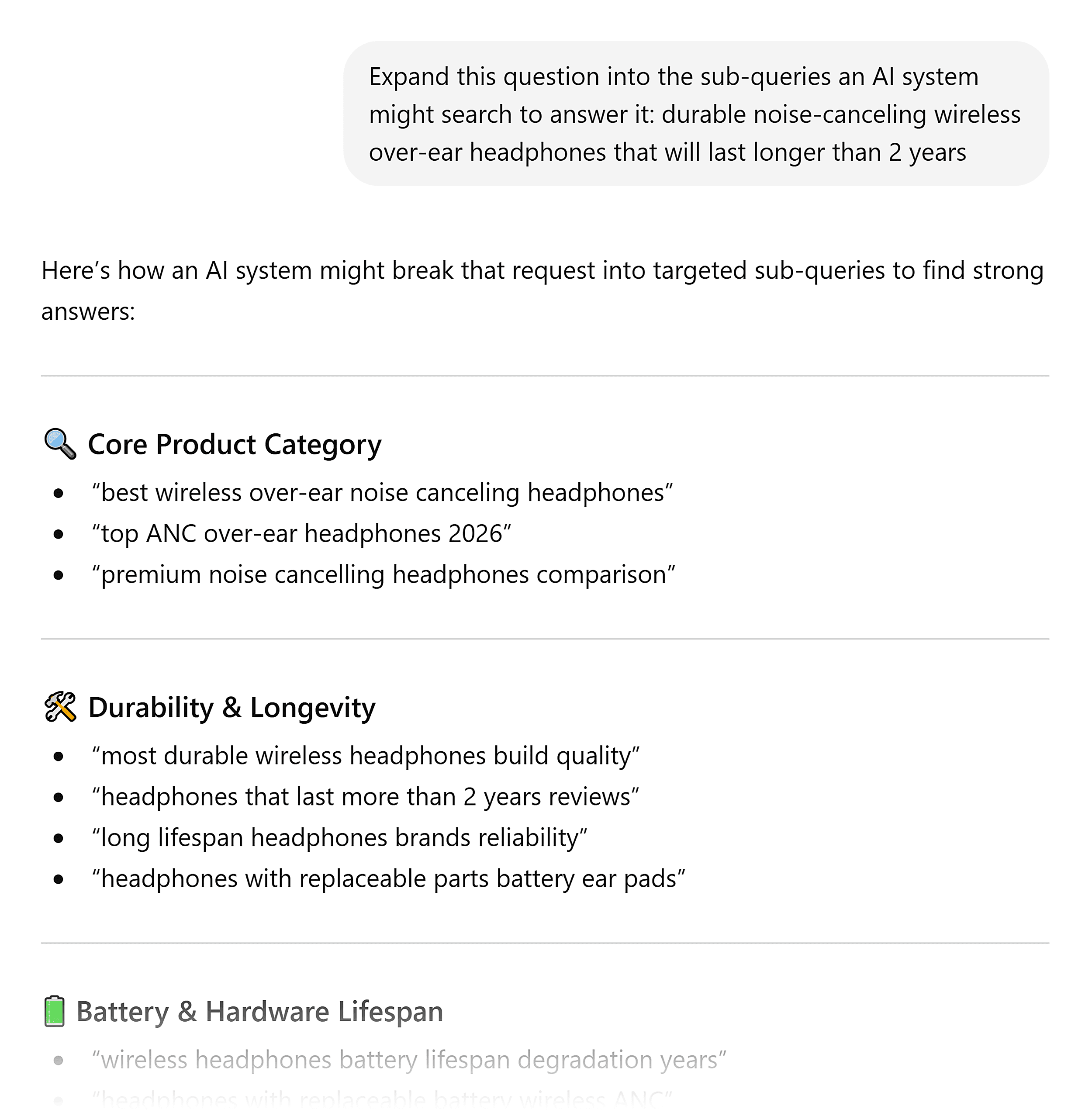
Query fan-out is the sophisticated process AI search engines use to deconstruct a user’s single, often vague, input into a series of distinct sub-queries. Rather than relying on a static index-matching algorithm, the AI acts as a researcher, "fanning out" to explore multiple facets of a topic to build a comprehensive, synthesized response.
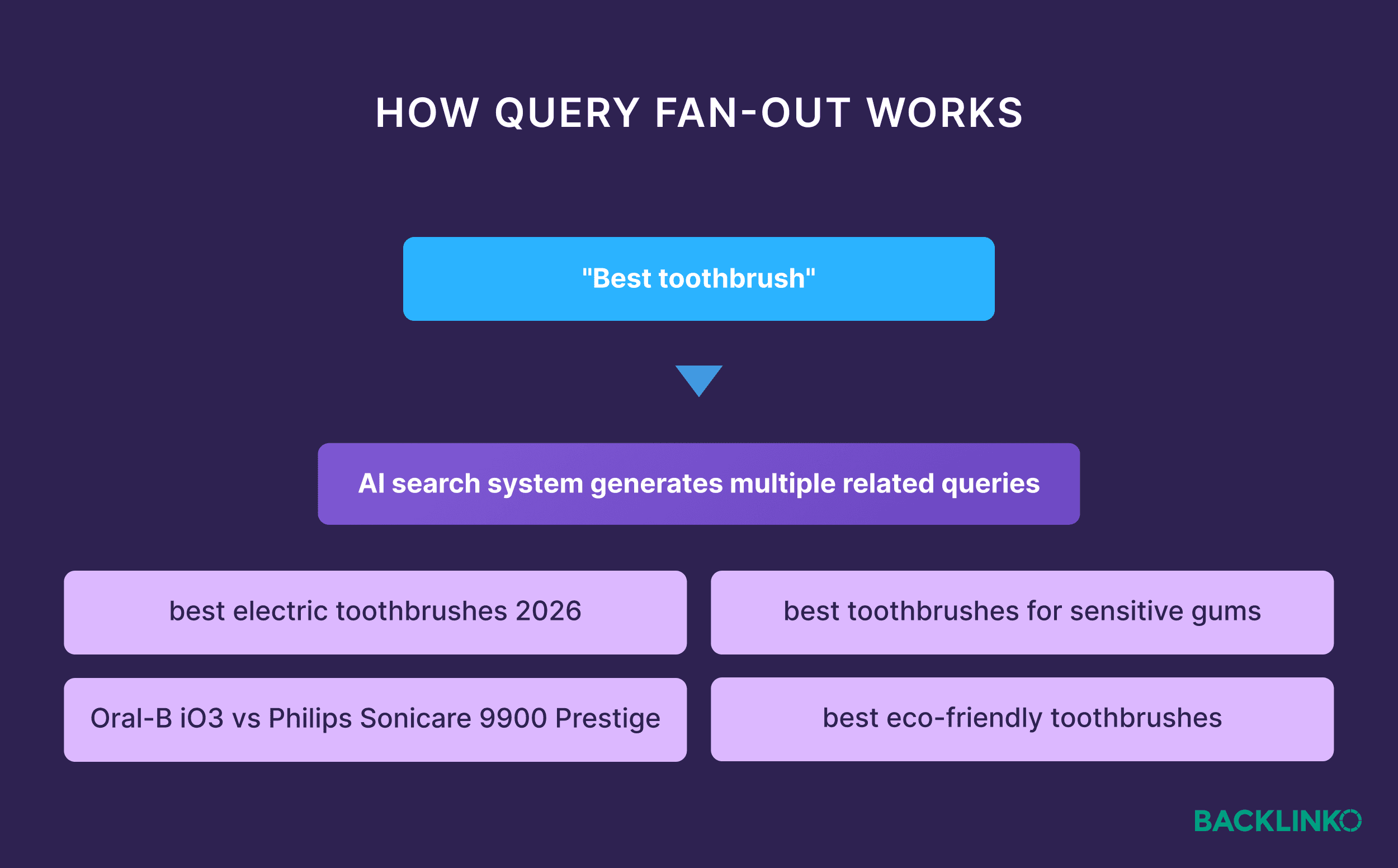
When a user enters a query like "best noise-canceling headphones," the AI doesn’t just pick the top-ranked SEO article. Instead, it triggers a cascade of sub-searches:
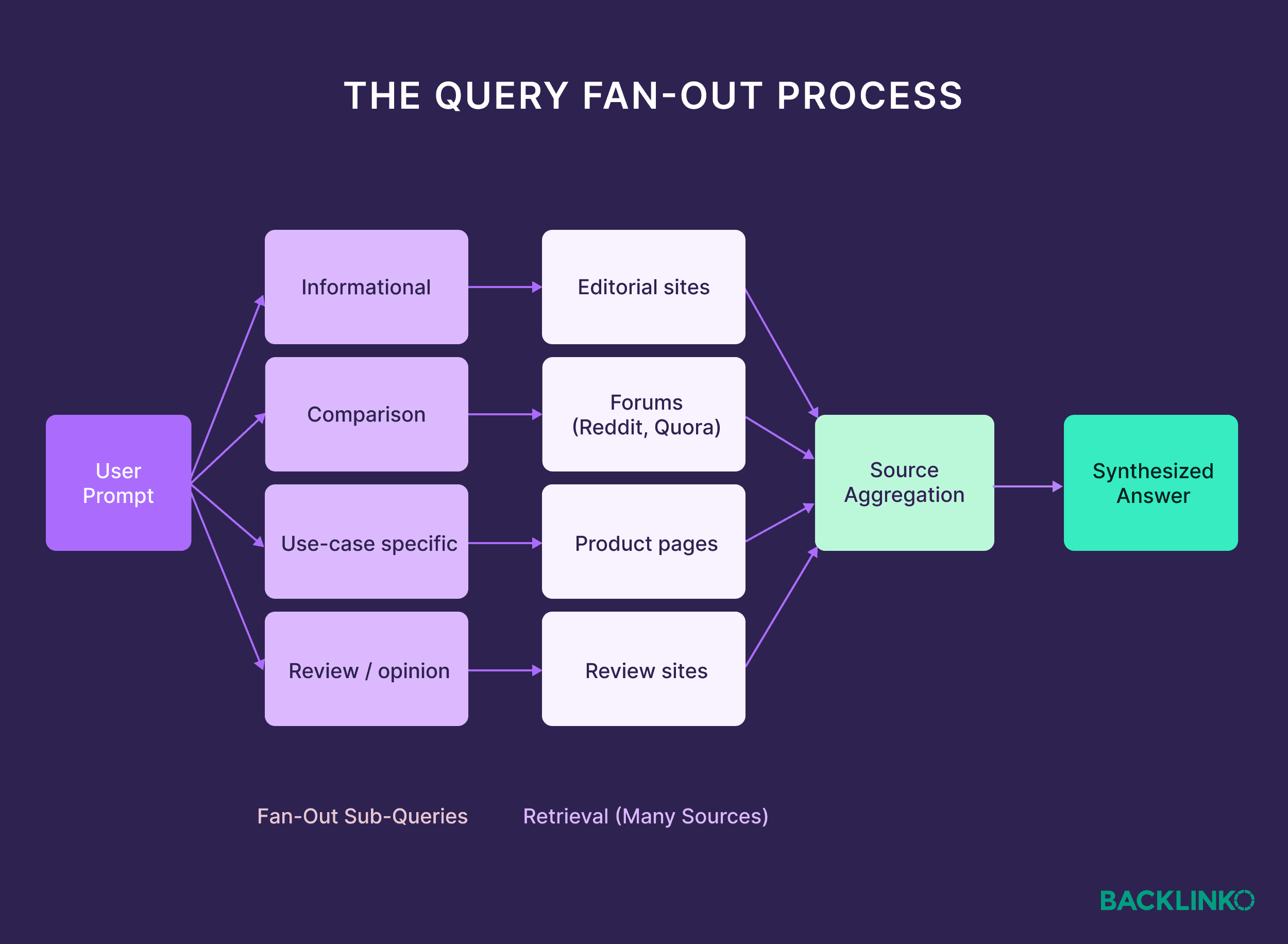
- Best electric toothbrushes [Current Year] (for consensus)
- Best for sensitive gums (for specific use-case segmentation)
- Oral-B vs. Philips Sonicare (for head-to-head comparison data)
- Eco-friendly options (for value and niche filtering)
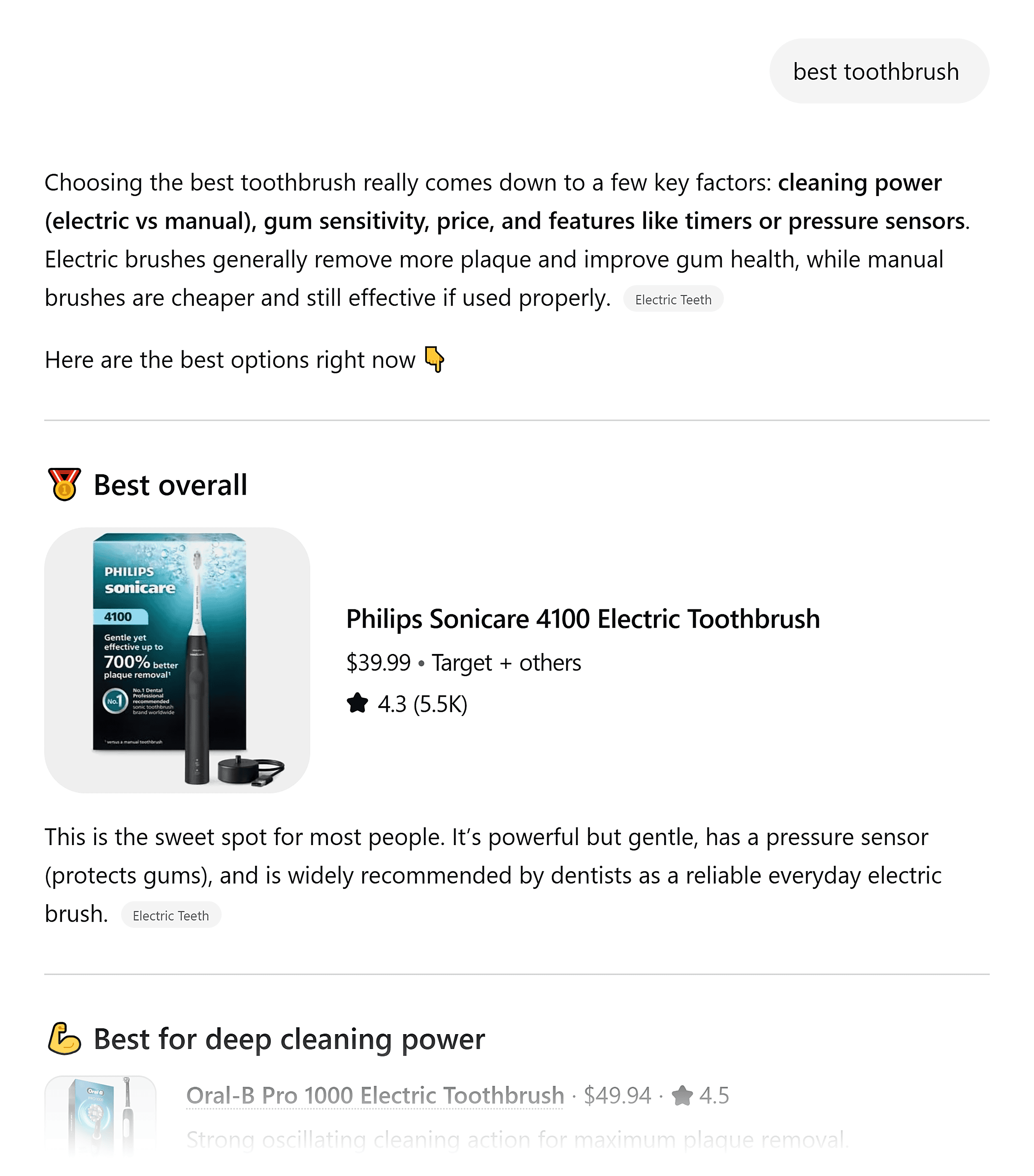
By aggregating these sub-queries, the AI constructs a holistic answer that anticipates the user’s hidden intent. If your content isn’t visible in the sub-query results, you are effectively invisible in the final AI-generated response.
The Mechanics of AI Visibility
To understand why traditional SEO is struggling, we must look at how AI systems prioritize information.
1. Citations Are Based on Relevance, Not Authority
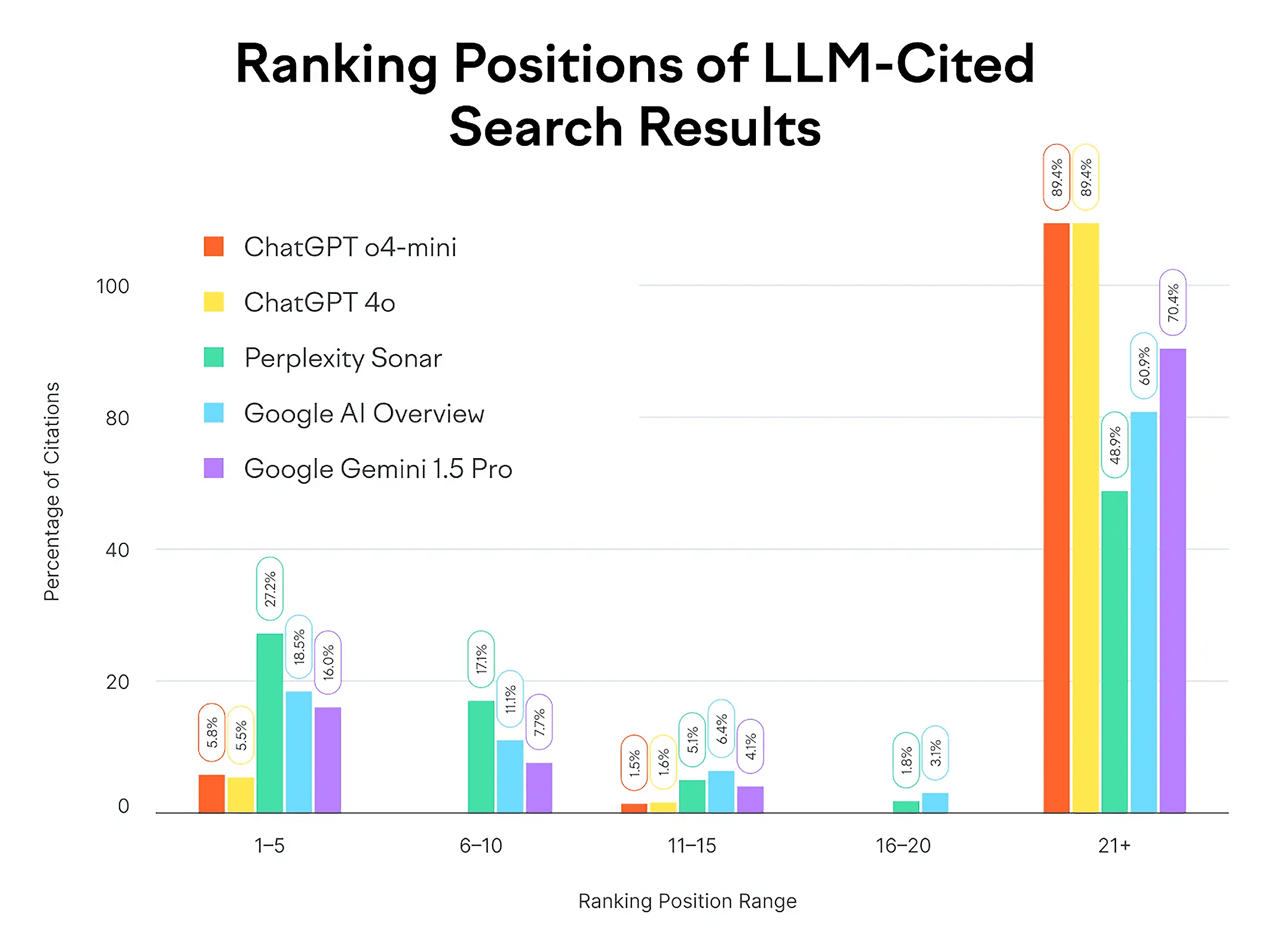
Traditional SEO prioritizes domain authority and backlink profiles. AI search, however, prioritizes "retrievability." If your page is buried in position 21 but contains a highly specific, well-structured answer to a sub-query, the AI is more likely to pull that passage than a generic "Best Of" listicle that ranks at position one. Recent data from Semrush confirms this: LLMs frequently cite pages deep in the search results—often beyond the first page—provided the content directly resolves the sub-query.
2. AI Scans Passages, Not Just Pages
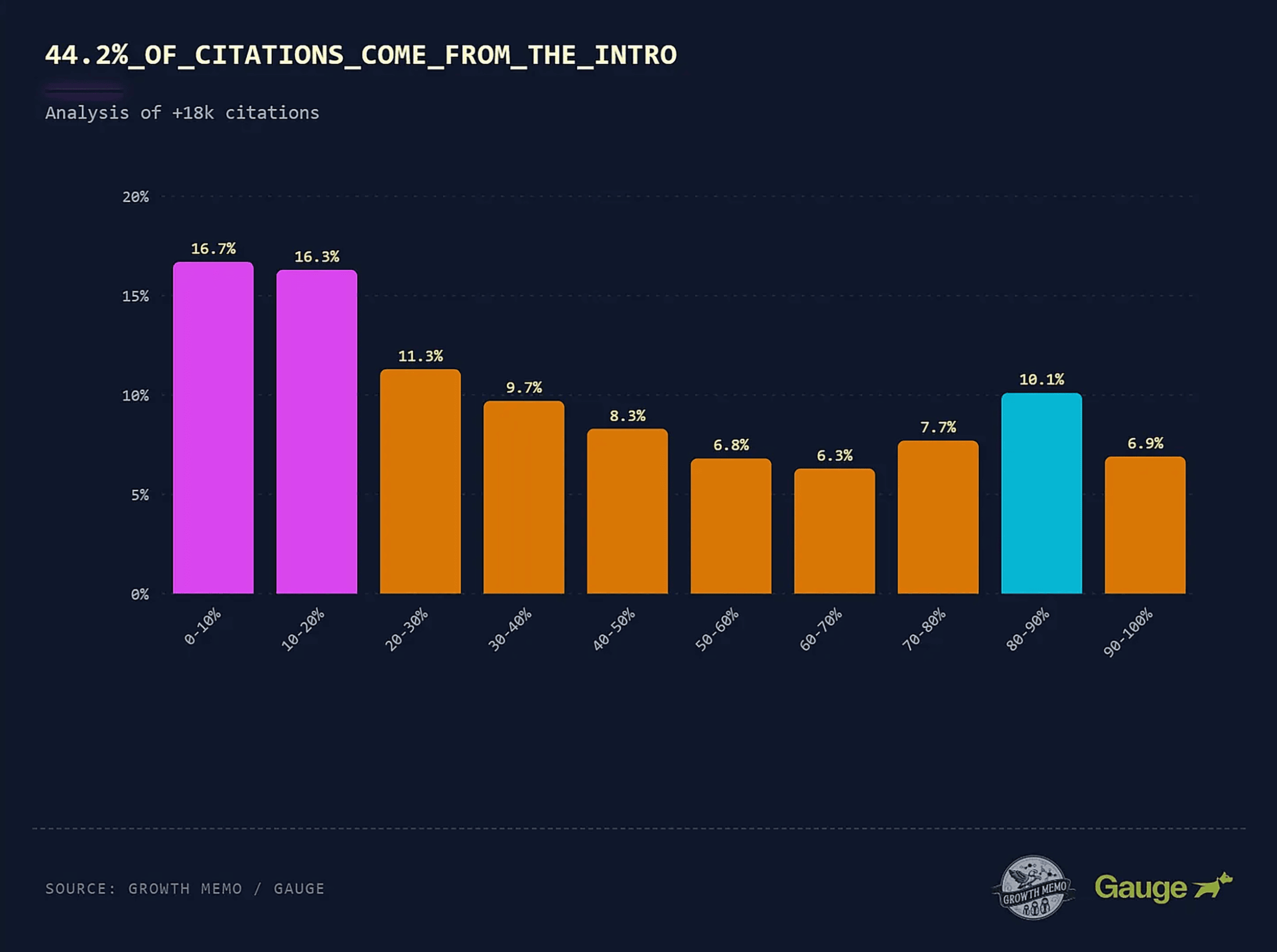
AI models are trained to extract information from specific segments of text. Research by growth advisor Kevin Indig, which analyzed over 1.2 million ChatGPT responses, reveals that 44.2% of citations come from the first 30% of a page. This suggests that the "inverted pyramid" style of journalism—putting the most vital information at the very top—is now a core SEO requirement for AI optimization.
3. The Collapse of the Marketing Funnel
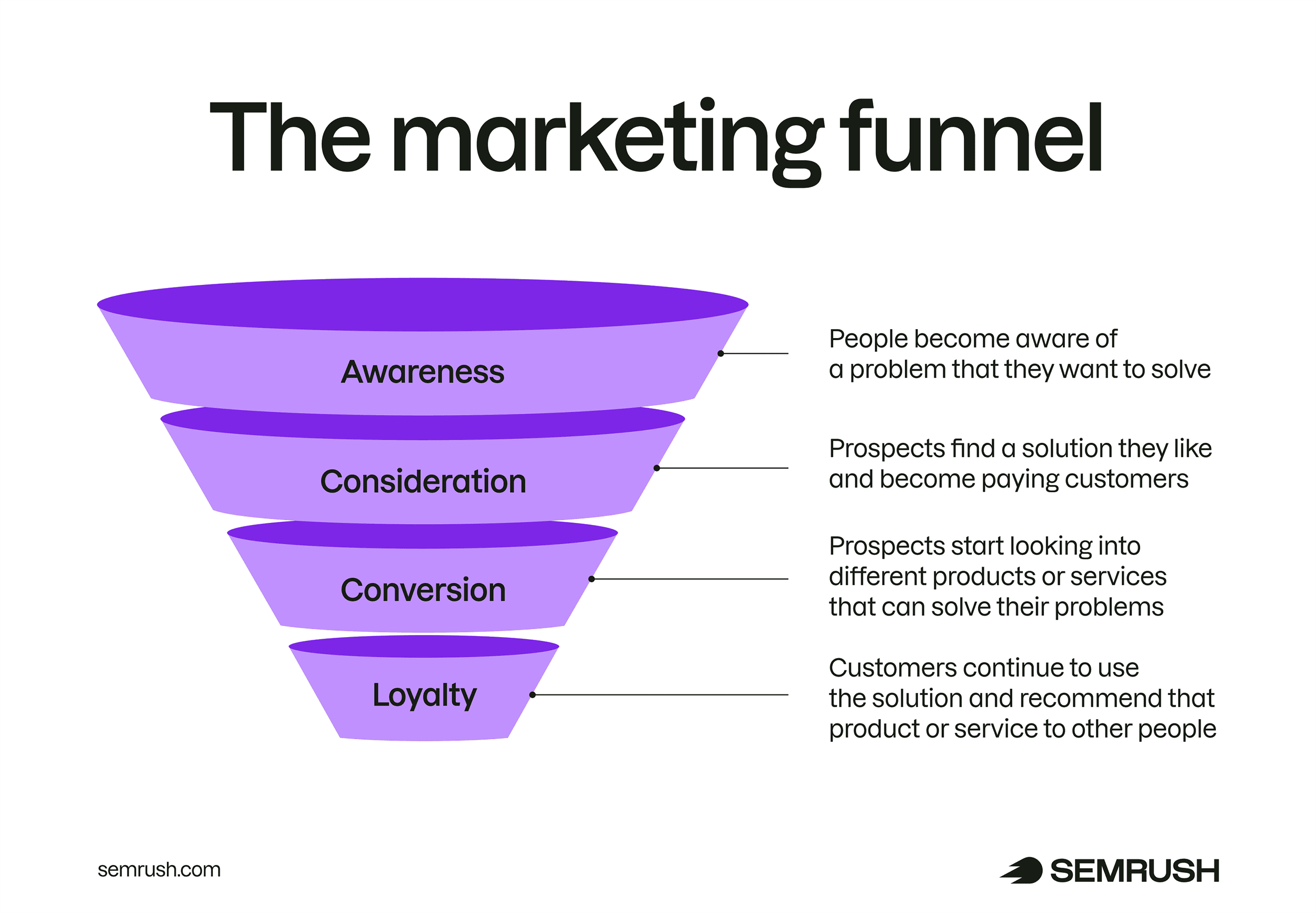
The traditional marketing funnel (Awareness, Consideration, Decision) has collapsed into a single interaction. Because AI synthesizes information across the entire spectrum of a topic, a user can move from "What is this?" to "Which one should I buy?" in a single prompt. Consequently, your content must address every stage of the funnel simultaneously to remain relevant.
The Query Fan-Out Workflow: A 6-Step Strategy
To gain traction in this new environment, content creators must adopt a systematic workflow.
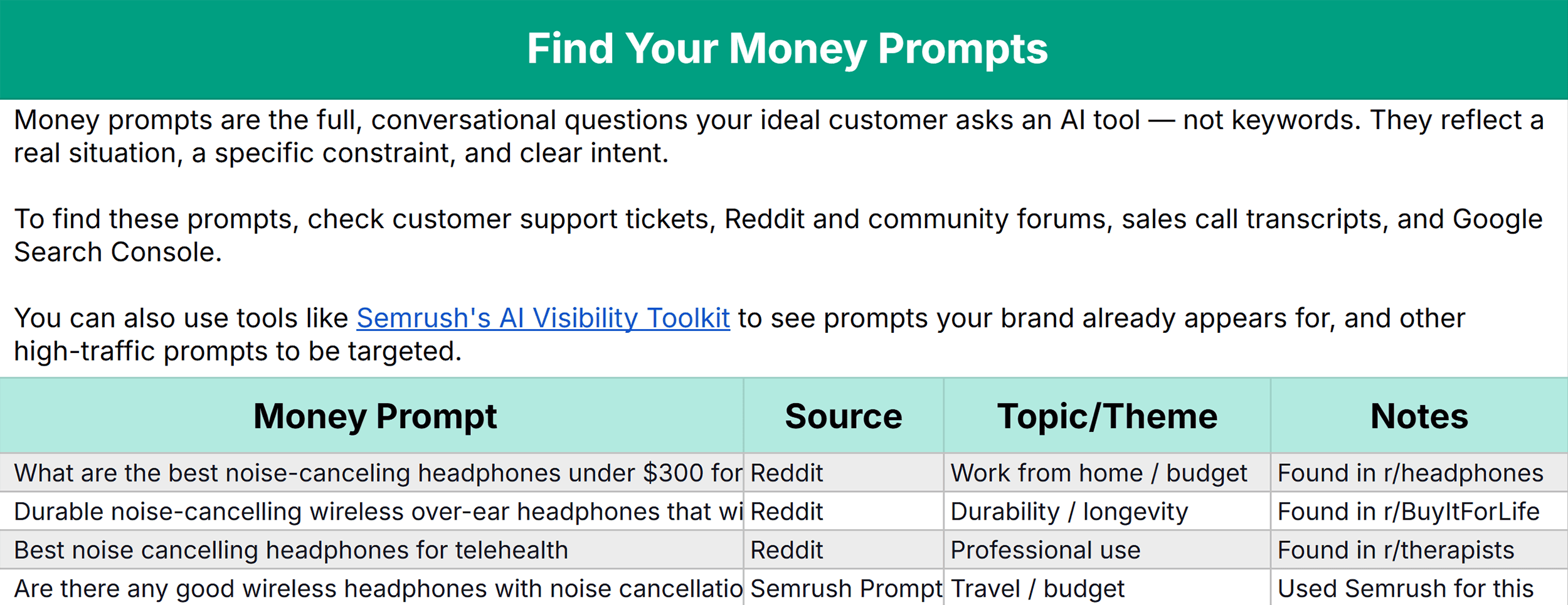
Step 1: Identify Your "Money Prompts"
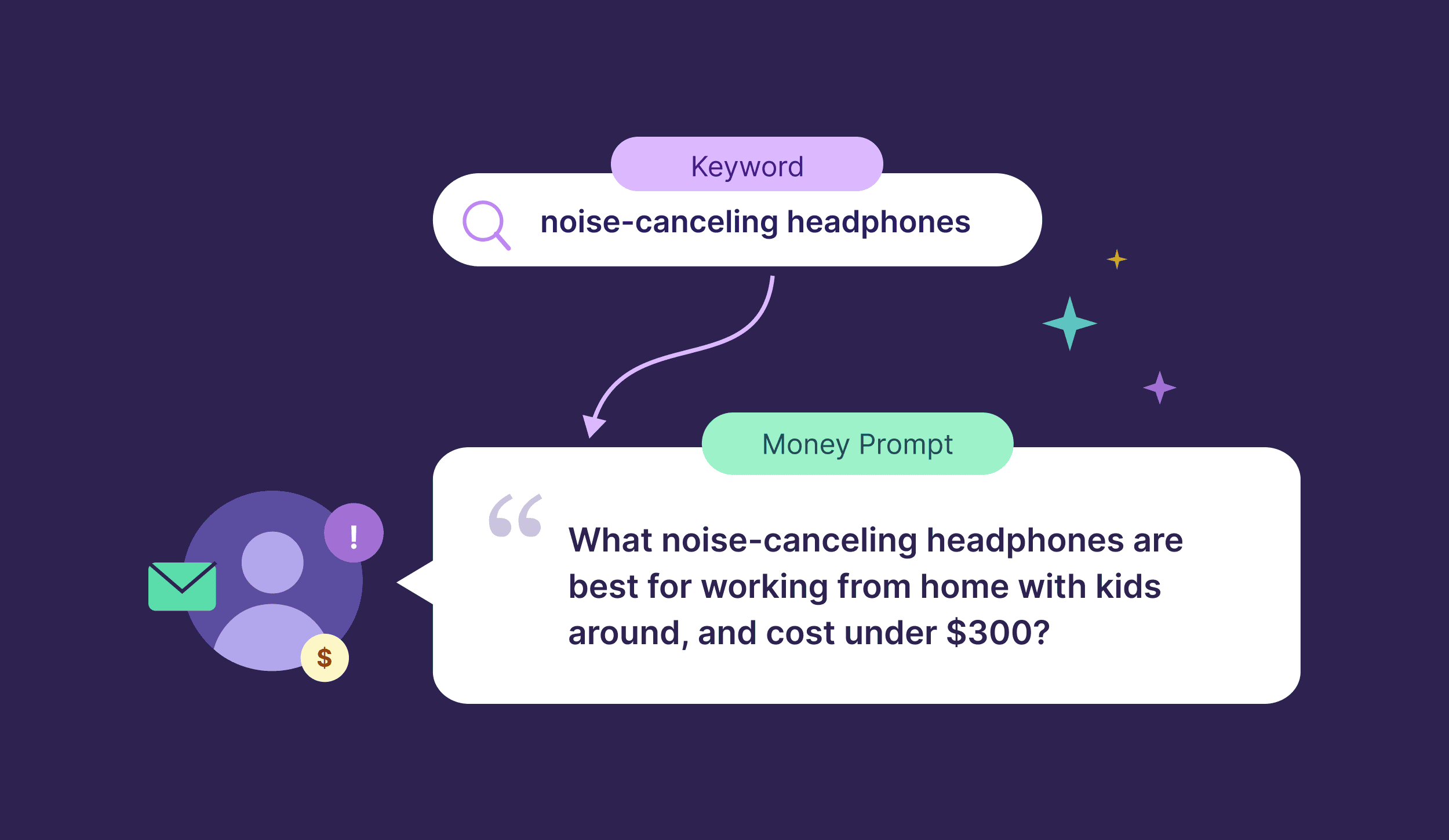
"Money prompts" are the conversational, high-intent questions your customers ask AI when they are ready to buy. Instead of looking for keywords, use AI visibility tools to find what users are actually asking. For example, rather than targeting "noise-canceling headphones," look for "what noise-canceling headphones are best for working from home with kids under $300?"

Step 2: Generate the Fan-Out Set
Use an AI tool or a specialized prompt template to see how an LLM breaks down your money prompt. By inspecting the network response in developer tools or using a dedicated fan-out extension, you can see the specific sub-queries the AI runs.

Step 3: Bucket Sub-Queries by Intent
Once you have your list of sub-queries, categorize them:
- Definitions: For explainer articles.
- Comparisons: For head-to-head pages.
- Use-case: For listicles and buying guides.
- Troubleshooting: For FAQs.
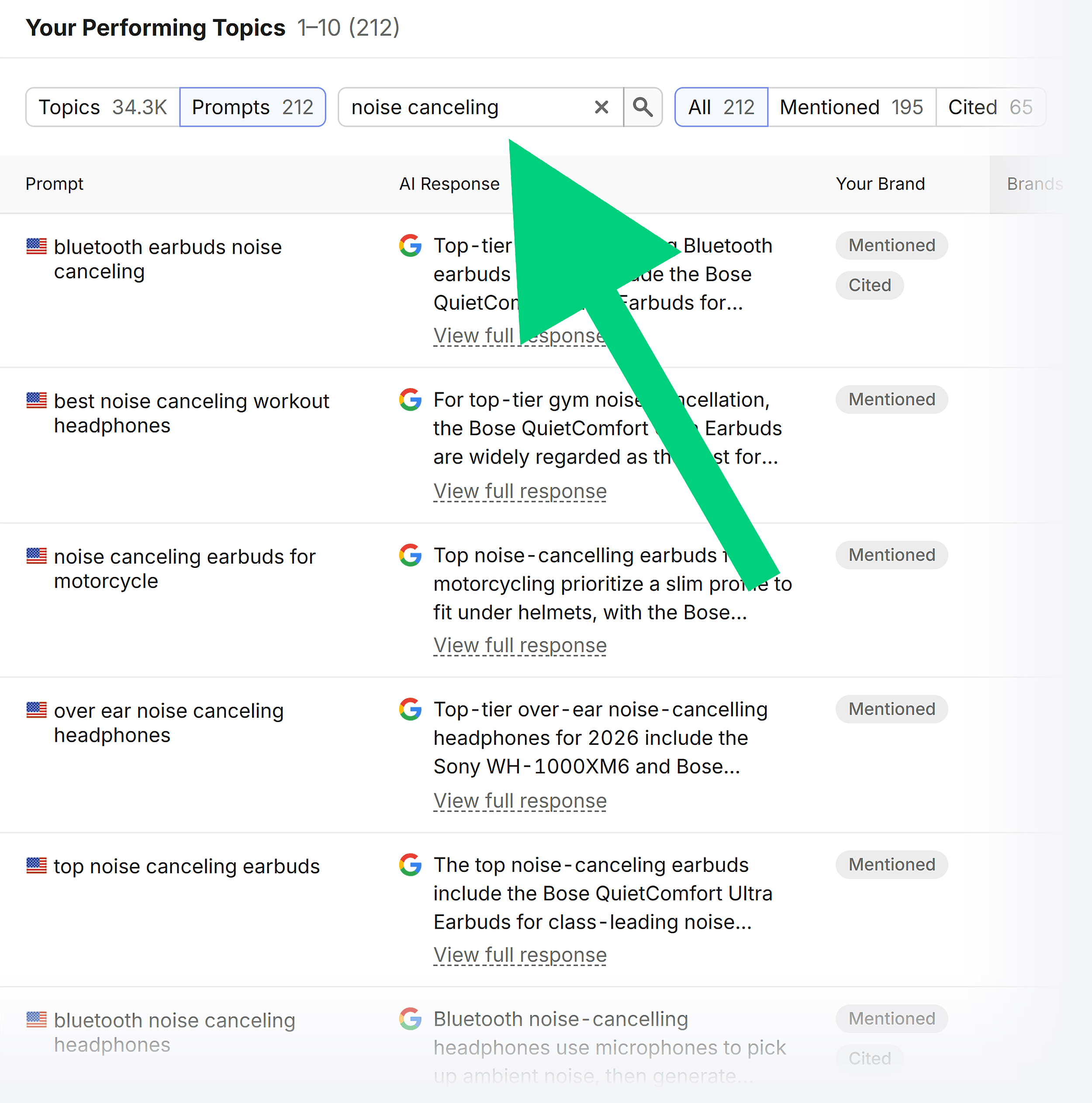
Step 4: Audit for Gaps
Search your own site using site:yourdomain.com [sub-query]. If you have a gap, you need to either create a new piece of content or add a dedicated, self-contained section to an existing page.
Step 5: Optimize for Extraction
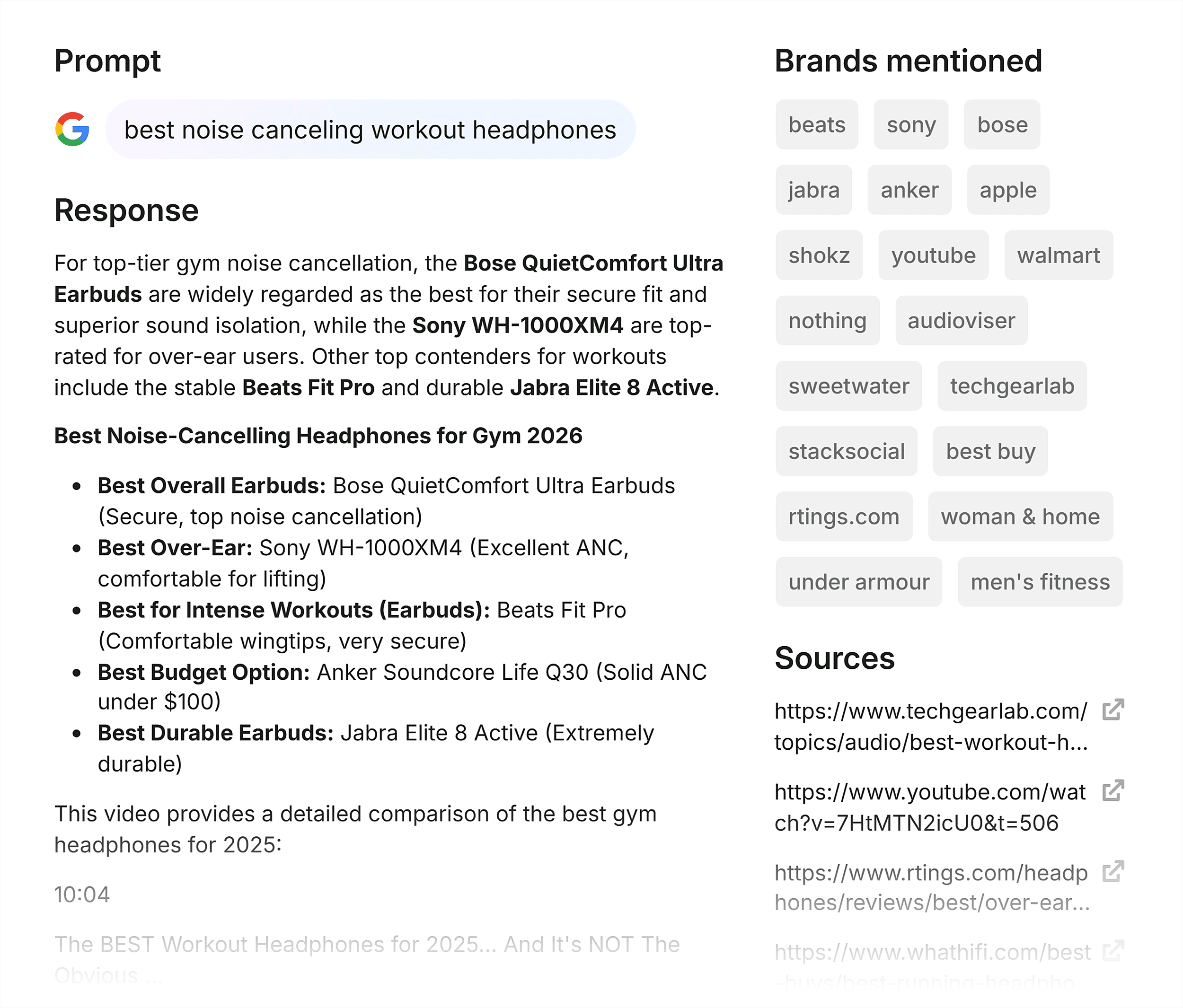
Structure your content to be "AI-friendly." This means using clear H2/H3 subheadings, front-loading the answer to the sub-query, and utilizing structured data like comparison tables. When AI can parse your information without needing to scroll through fluff, it is significantly more likely to cite your brand.
Step 6: Measure and Refine
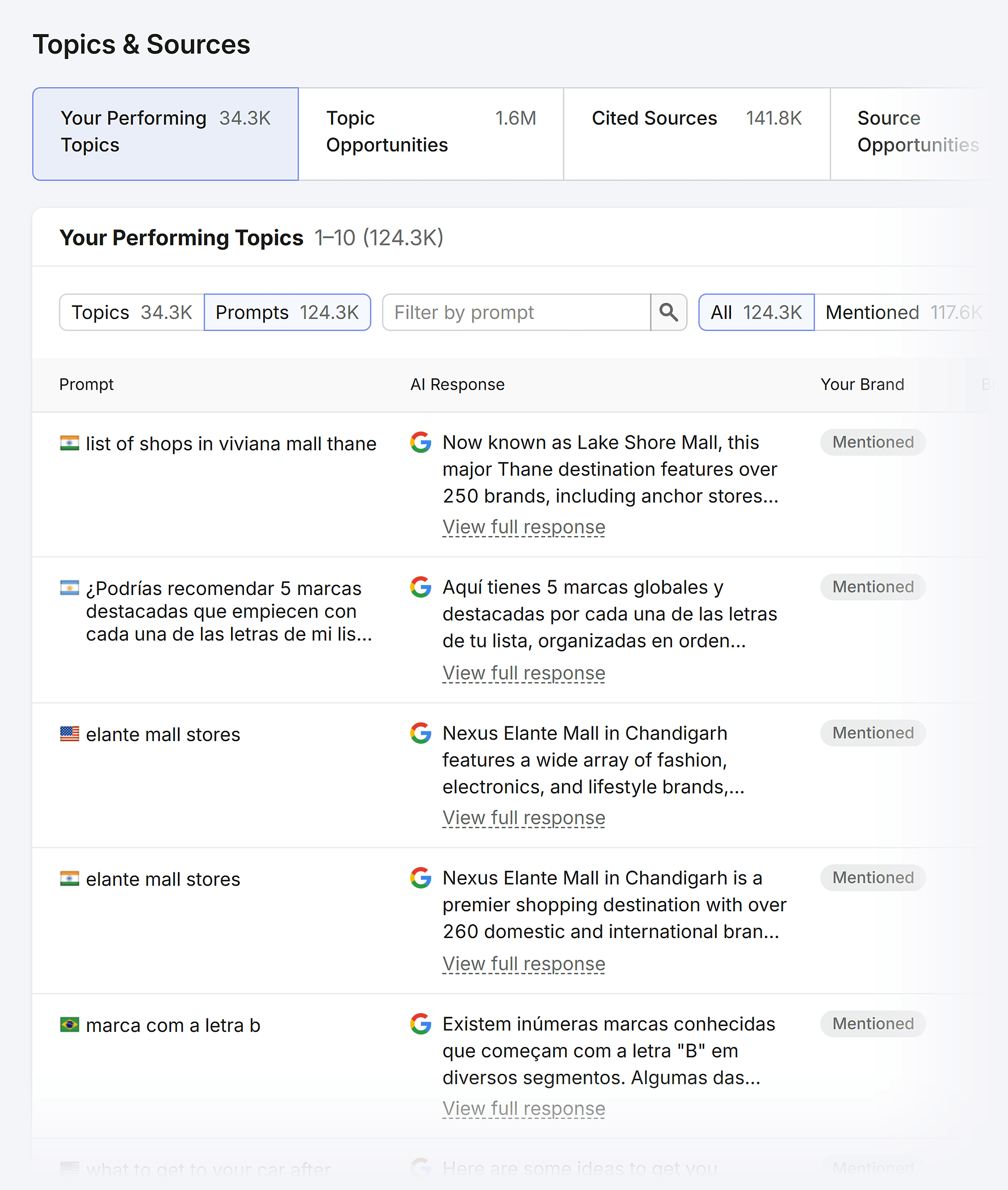
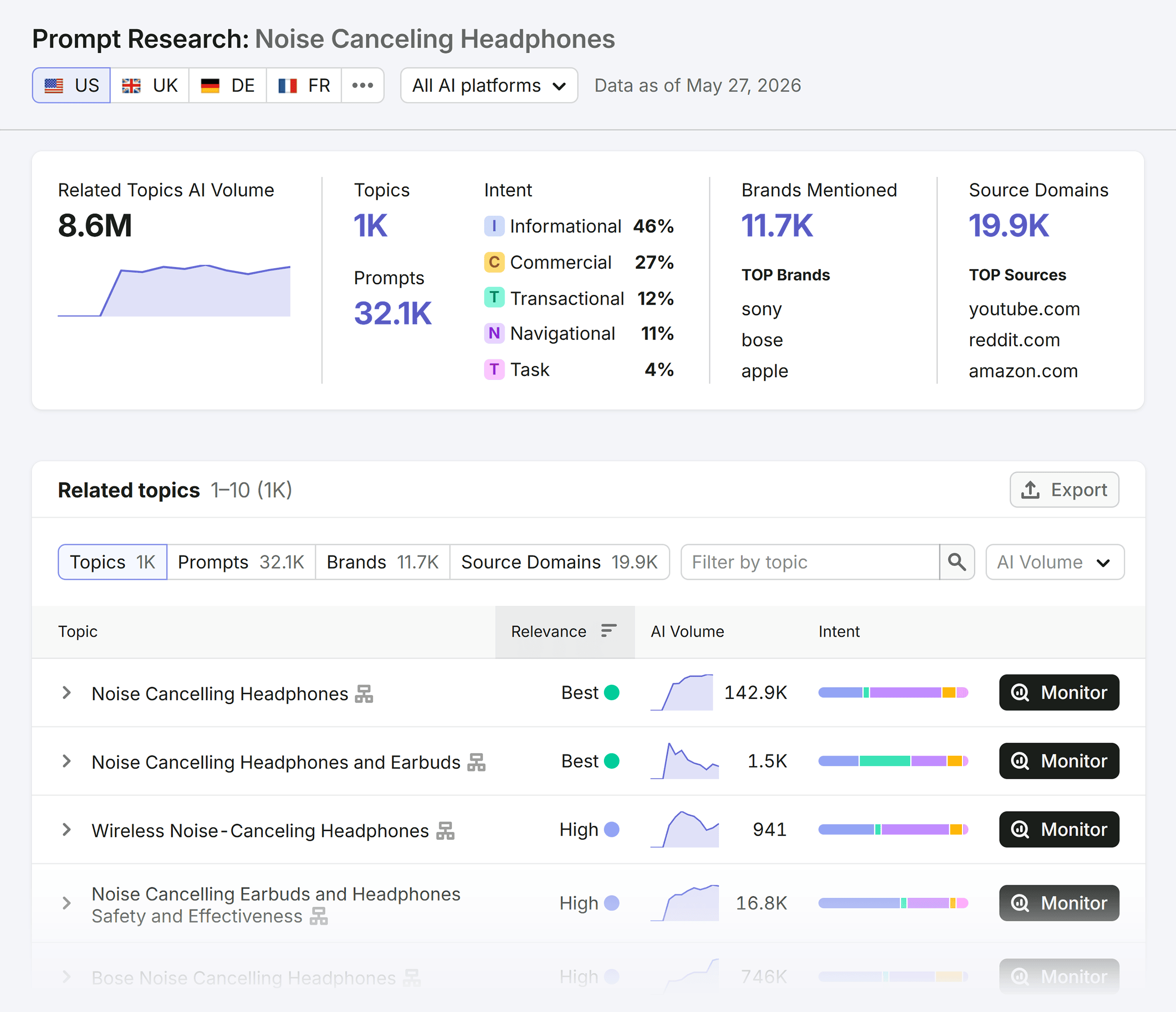
Monitor your performance using AI visibility toolkits. Track how often your brand is mentioned in response to your money prompts and adjust your content strategy based on the sentiment and frequency of these citations.
Implications for the Future of Search
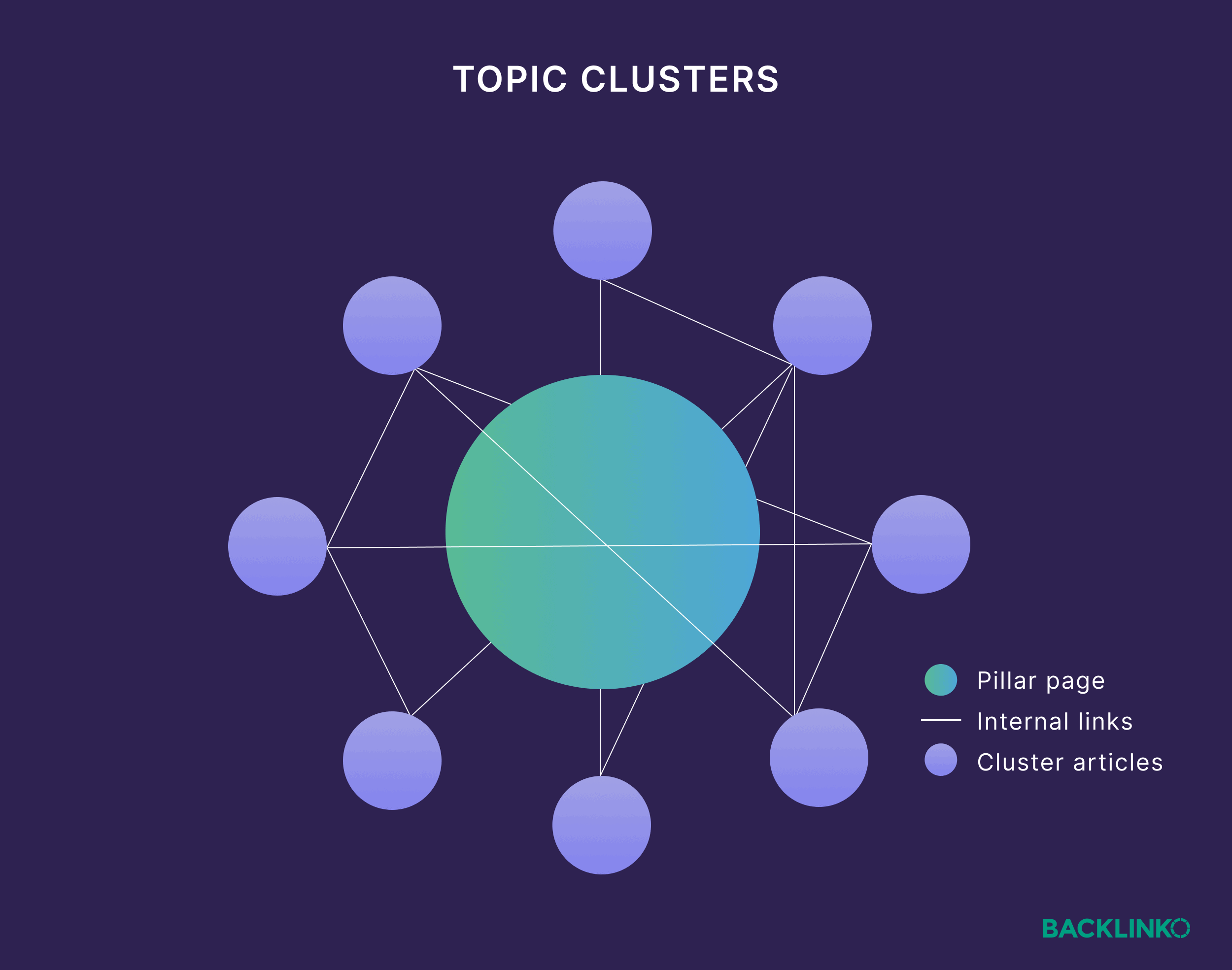
The shift toward query fan-out signals a move away from "keyword stuffing" toward "topical authority." As AI models become more adept at synthesizing information, brands that focus on comprehensive, highly specific, and well-structured content will win.
Official responses from industry leaders suggest that as AI models move toward more complex reasoning (often referred to as "agentic" search), the ability for a brand to prove its expertise across a topic cluster—rather than just ranking for a single keyword—will be the defining factor in market share.
In this new era, the goal is no longer to rank high on a list; the goal is to become the source that the AI trusts enough to curate into its final answer. The future of search isn’t a list of links—it’s an answer. And to be part of that answer, you must be the most useful resource for every sub-question your customer asks.