In the modern digital landscape, ranking on the first page of Google is no longer the gold standard for brand visibility. Content creators, enterprise marketing teams, and SEO professionals are waking up to a jarring new reality: a website can claim the number one spot in traditional search engine results pages (SERPs) and still remain entirely invisible to Large Language Models (LLMs) like ChatGPT, Claude, and Perplexity.

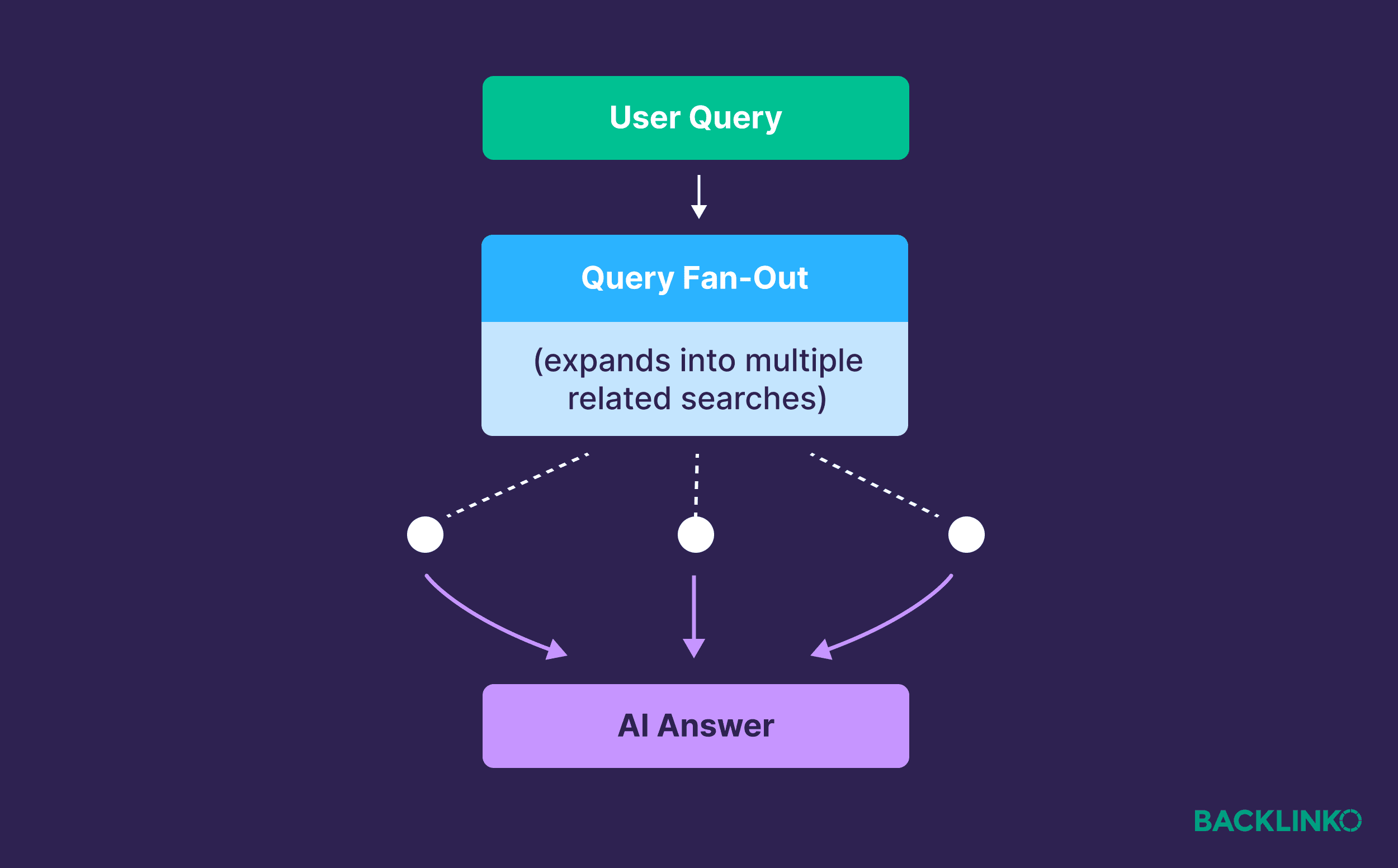
To understand why traditional search authority fails to guarantee AI citations, industry experts are pointing to a sophisticated background process known as query fan-out. As conversational AI fundamentally transforms how consumers discover information, understanding and adapting to query fan-out has become the defining challenge for digital marketers and content strategists.
Main Facts: The Anatomy of AI Search Dissociation
The shift from traditional search engines to generative AI platforms has shattered long-held assumptions about web traffic and content optimization. When users turn to conversational AI tools for answers, the underlying mechanics differ radically from legacy search algorithms.
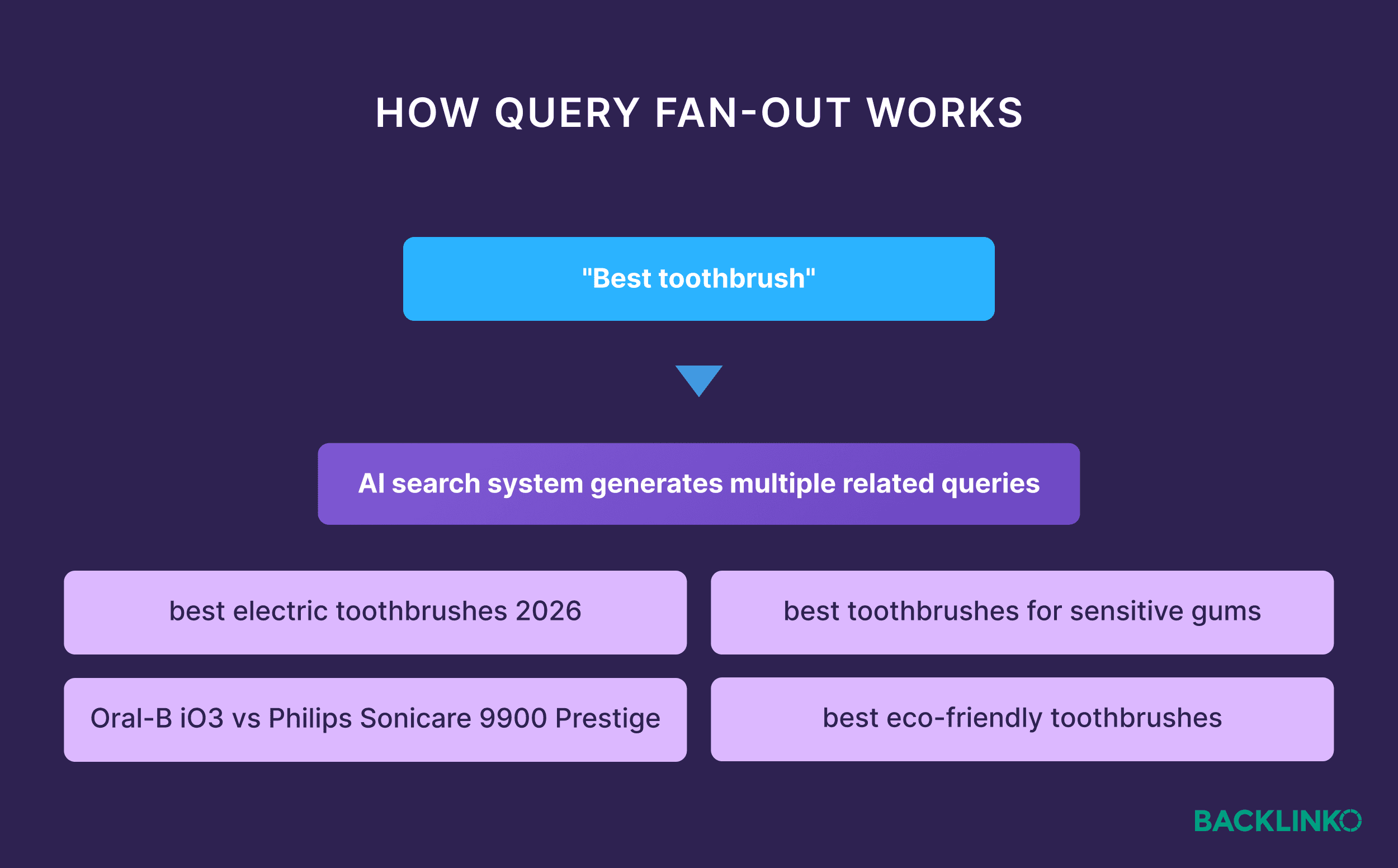
Instead of matching a string of keywords to a pre-indexed webpage based primarily on backlink profiles and exact-match keyword density, LLMs operate through a complex orchestration of intent analysis and multi-layered retrieval.
Key mechanics of the modern AI search ecosystem include:
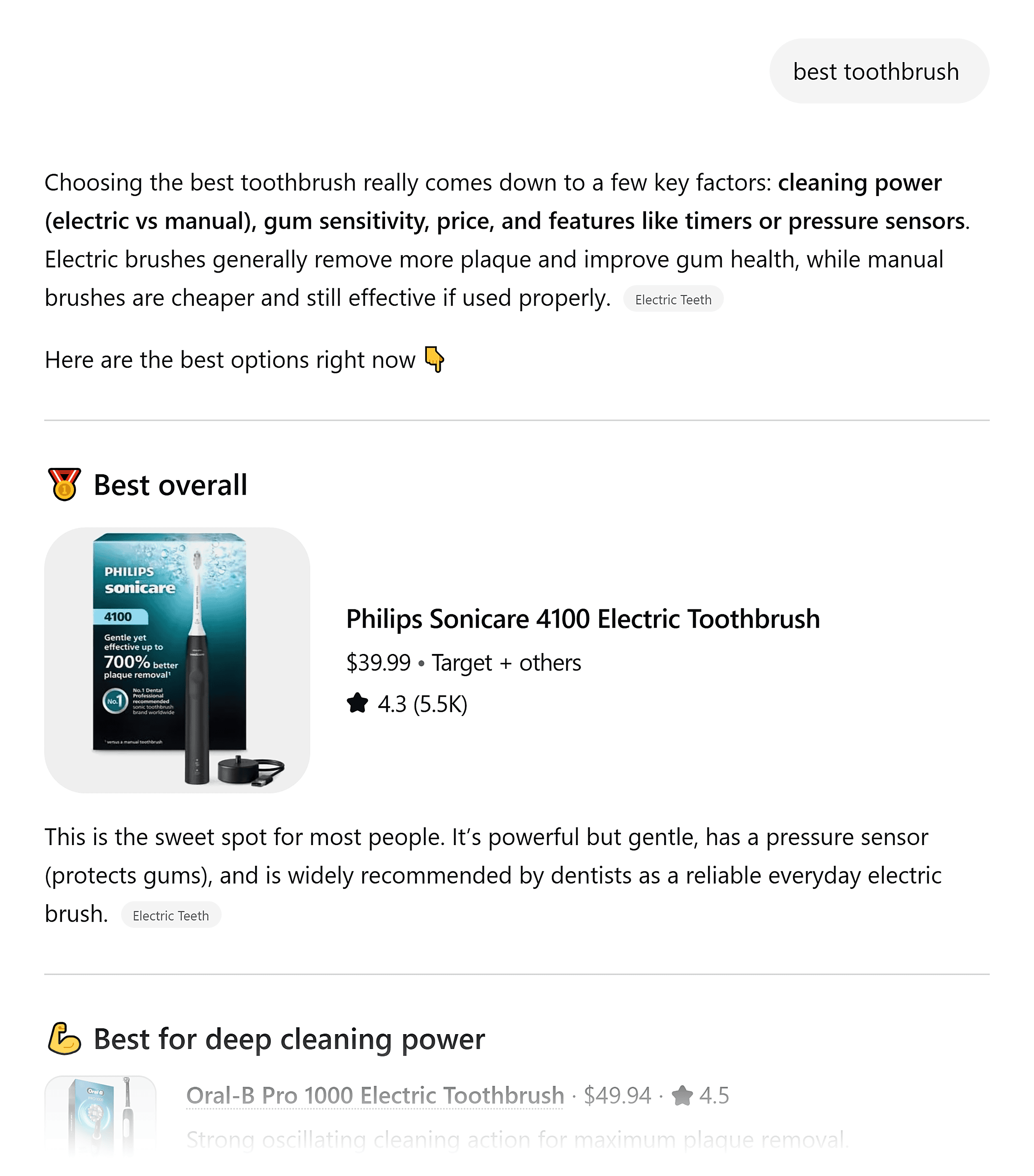
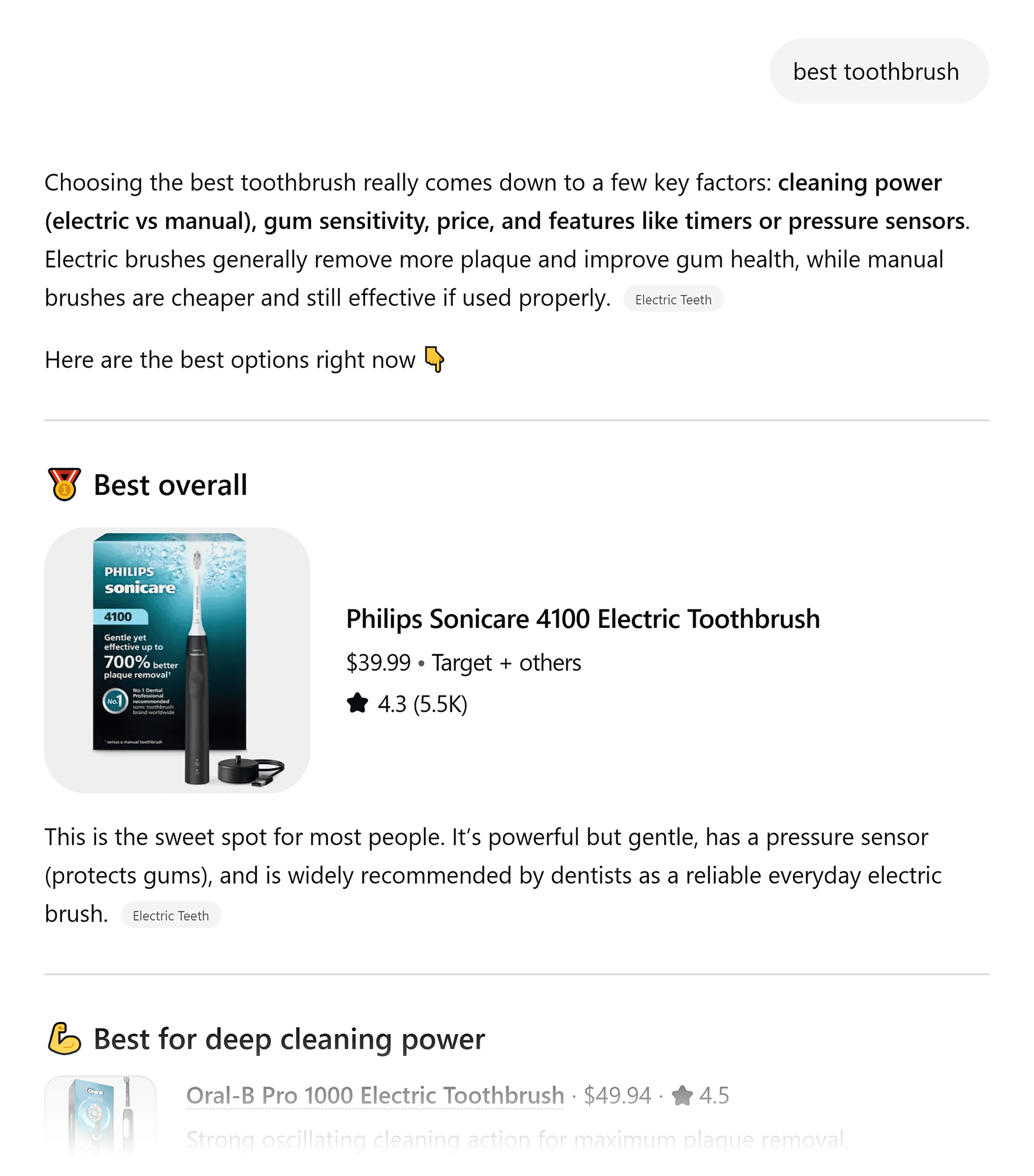
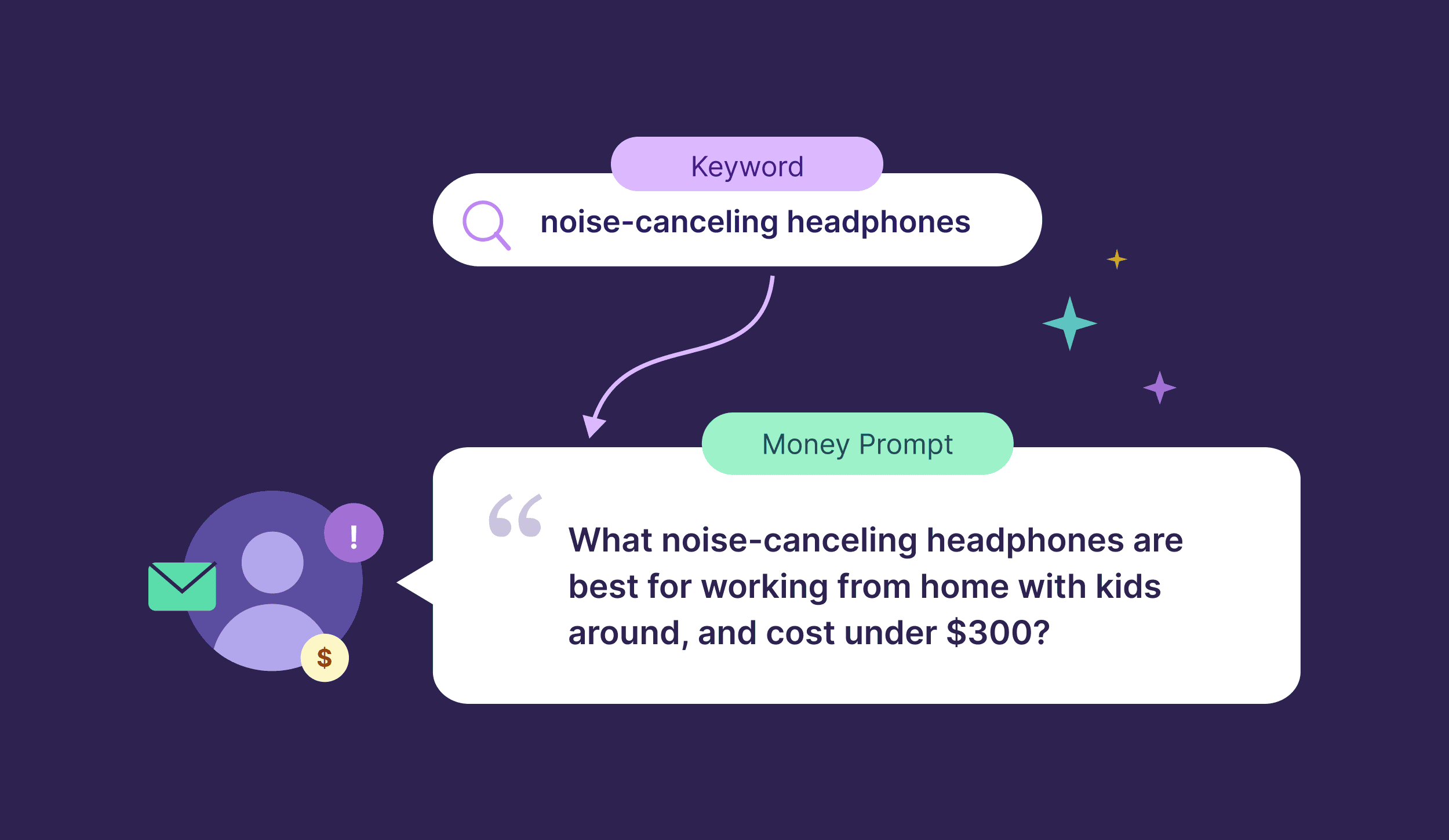
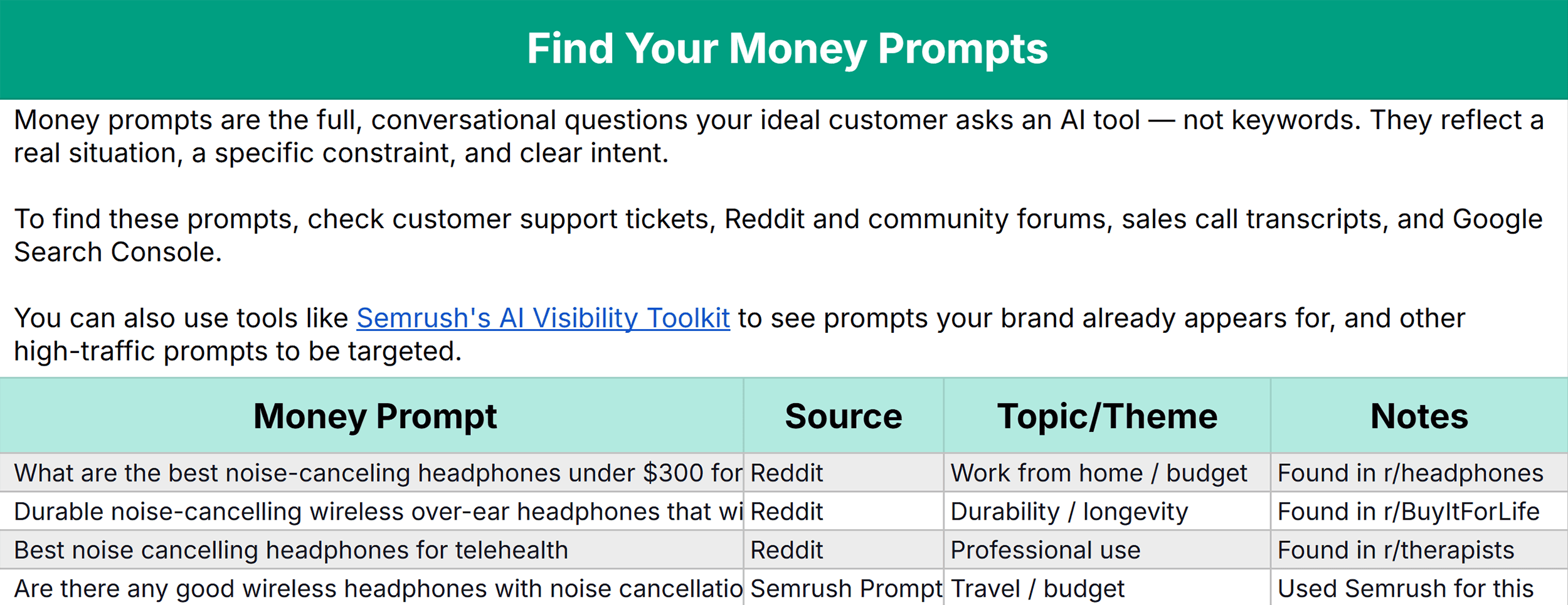
- The Death of the Single Keyword: AI systems do not evaluate individual keywords in a vacuum; they ingest multi-variable "money prompts"—conversational, high-intent questions reflecting complex consumer problems.
- Passage-Level Extraction: Rather than evaluating or recommending entire websites, LLMs scan, extract, and synthesize specific passages of text that directly resolve sub-queries.
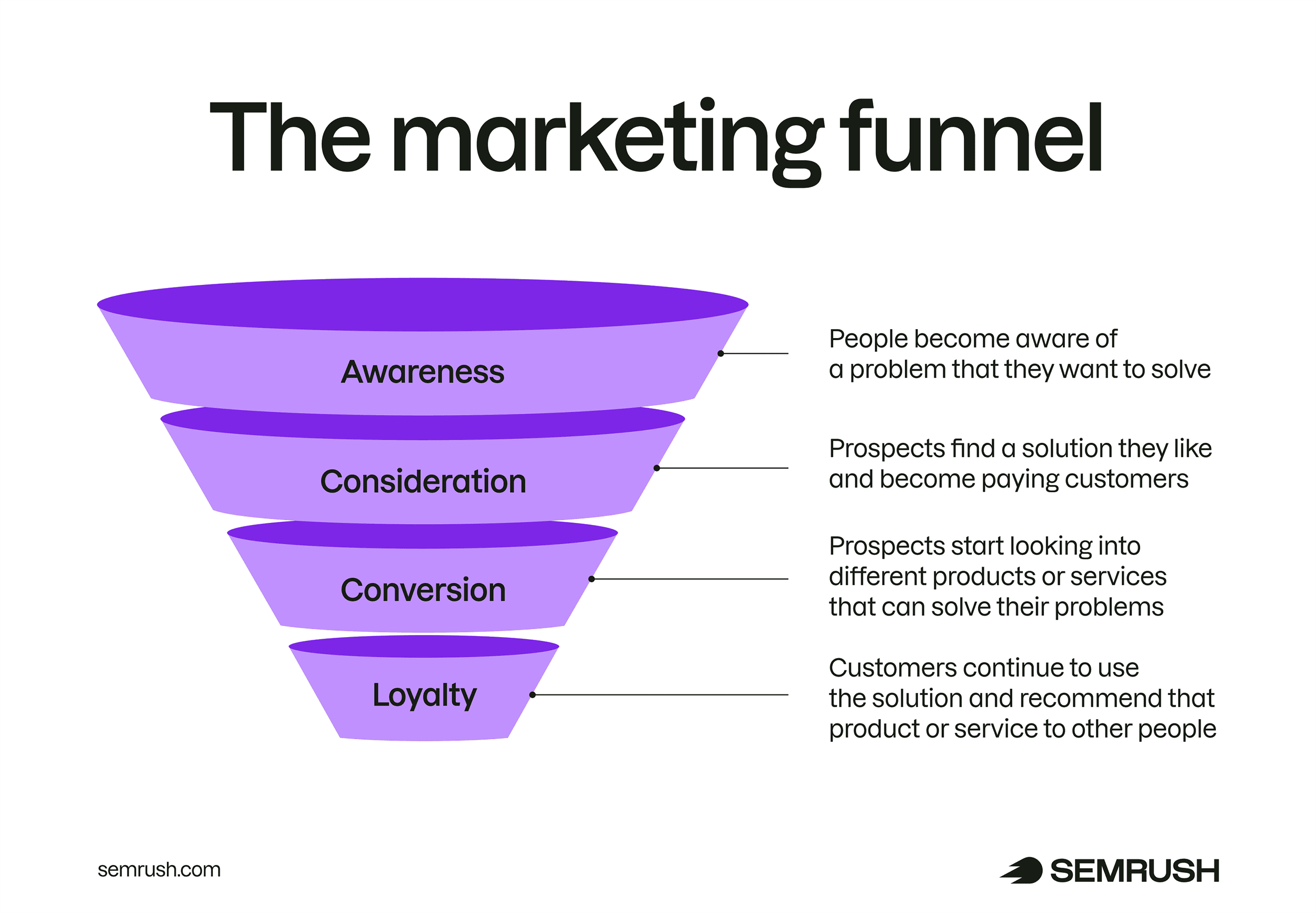
- The Collapse of the Marketing Funnel: Awareness, consideration, and decision stages are compressed into a single conversational interaction. An AI-generated answer seamlessly blends top-of-funnel definitions with bottom-of-funnel product comparisons.
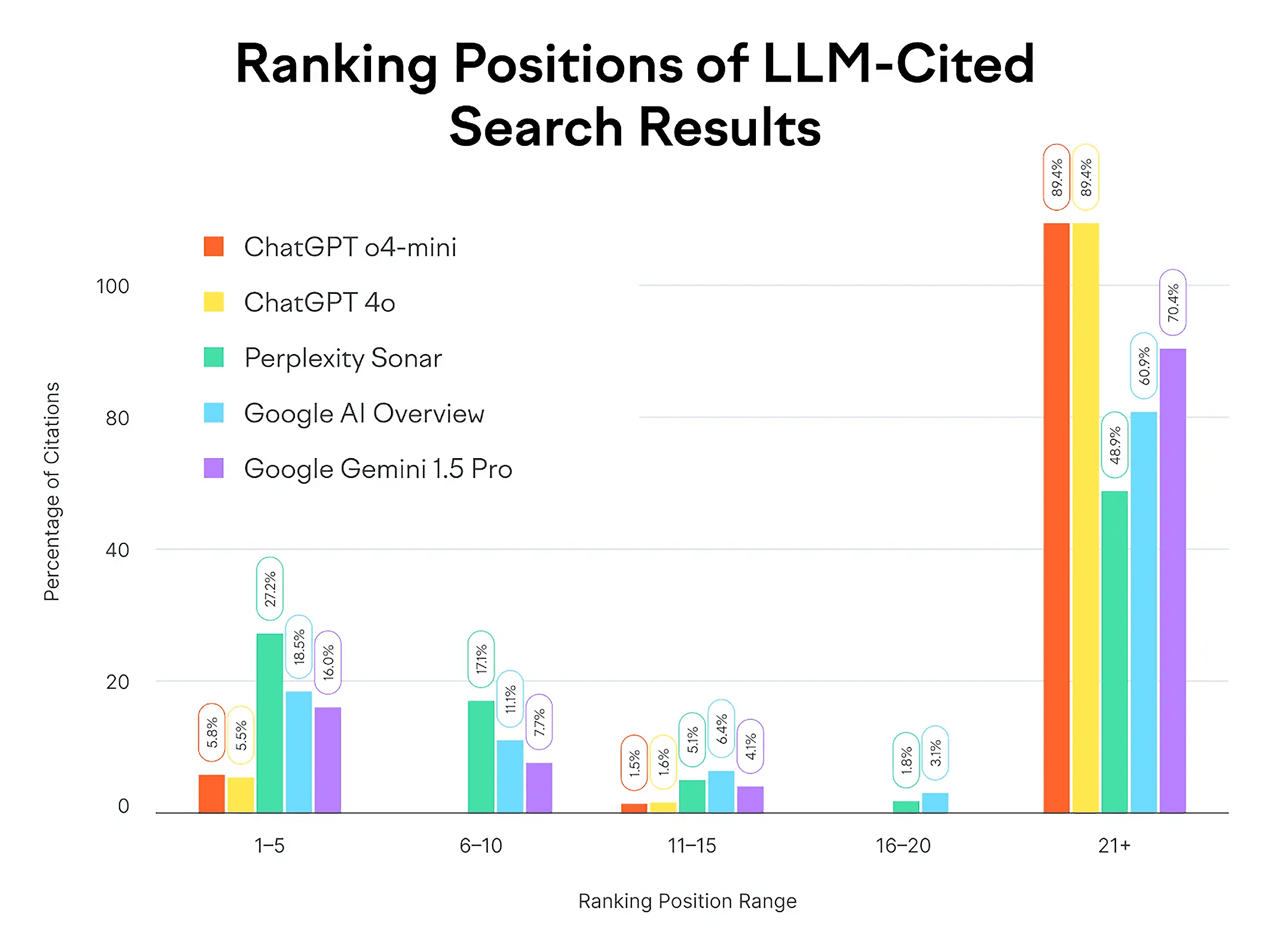
- Low-Rank Citations: Studies indicate that LLMs routinely cite web pages ranking far down the traditional SERP (such as position 21 and below) approximately 90% of the time, provided the content completely and accurately answers a specific sub-query.
Chronology: The Evolution from Keyword Matching to Query Fan-Out
The journey toward query fan-out reflects the broader evolution of natural language processing (NLP) and artificial intelligence over the past decade.
- Pre-2023 (The Era of Exact Match): Search engines and early information-retrieval systems relied heavily on lexical matching. Content strategies prioritized keyword stuffing, exact-match anchor text, and linear user journeys mapped tightly to distinct funnel stages.
- Late 2023 to 2024 (The Rise of Generative Answers): The mainstream adoption of ChatGPT and the launch of AI-driven search features (such as Google’s Search Generative Experience, later evolving into AI Overviews and AI Mode) introduced retrieval-augmented generation (RAG). AI tools began pulling live web data to supplement static training parameters.
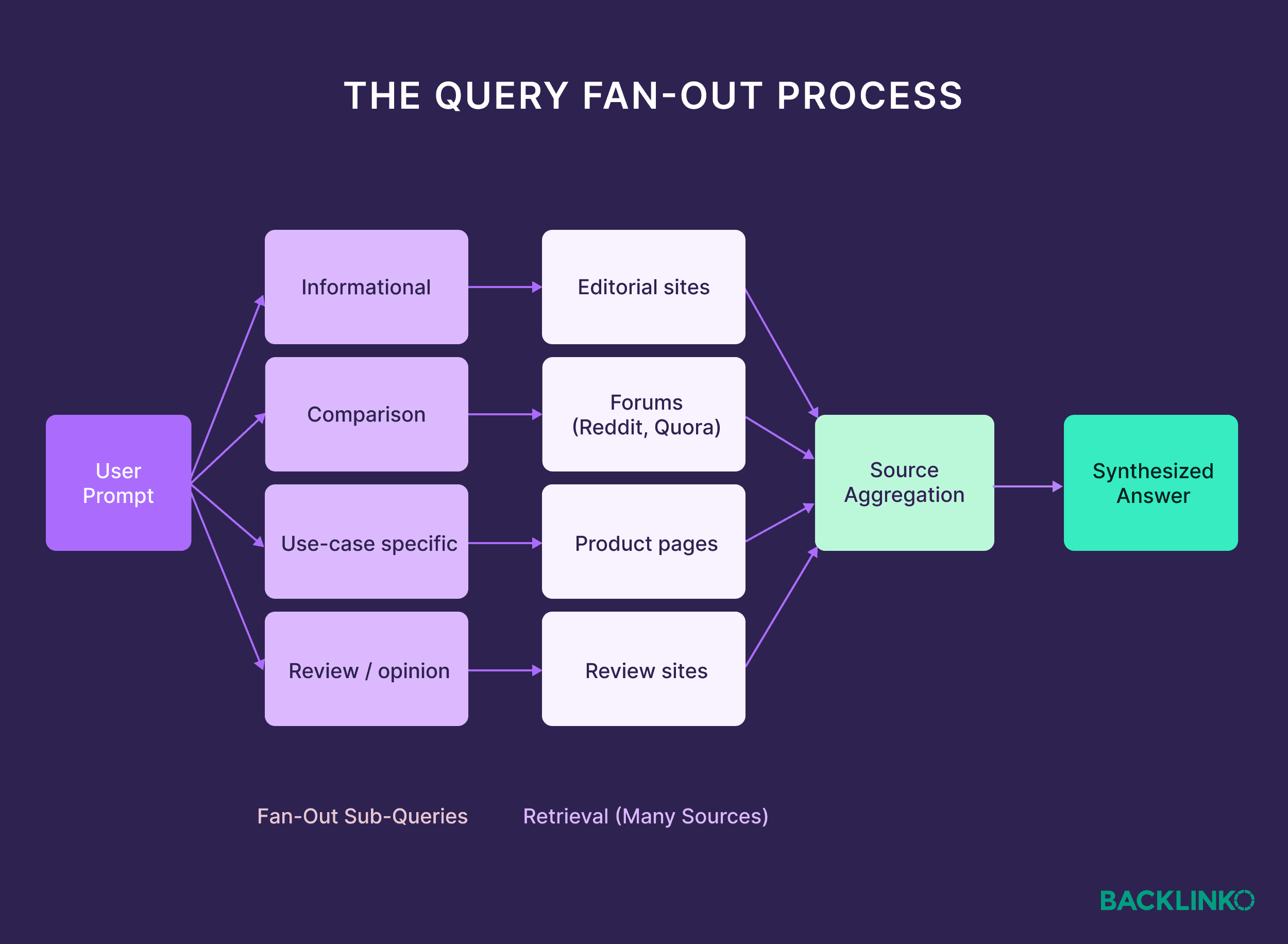
- 2025 and Beyond (The Mainstreaming of Multi-Step Reasoning): As LLMs incorporated advanced "thinking" modes and multi-step reasoning capabilities, search architectures shifted toward query fan-out. Systems abandoned the practice of executing single, literal web searches, instead opting to programmatically break user prompts into dozens of micro-investigations behind the scenes.
Supporting Data: What the Numbers Tell Us About AI Citations
Recent empirical studies conducted by digital marketing platforms, SEO analysts, and growth researchers provide concrete metrics illustrating how LLMs interact with web content:
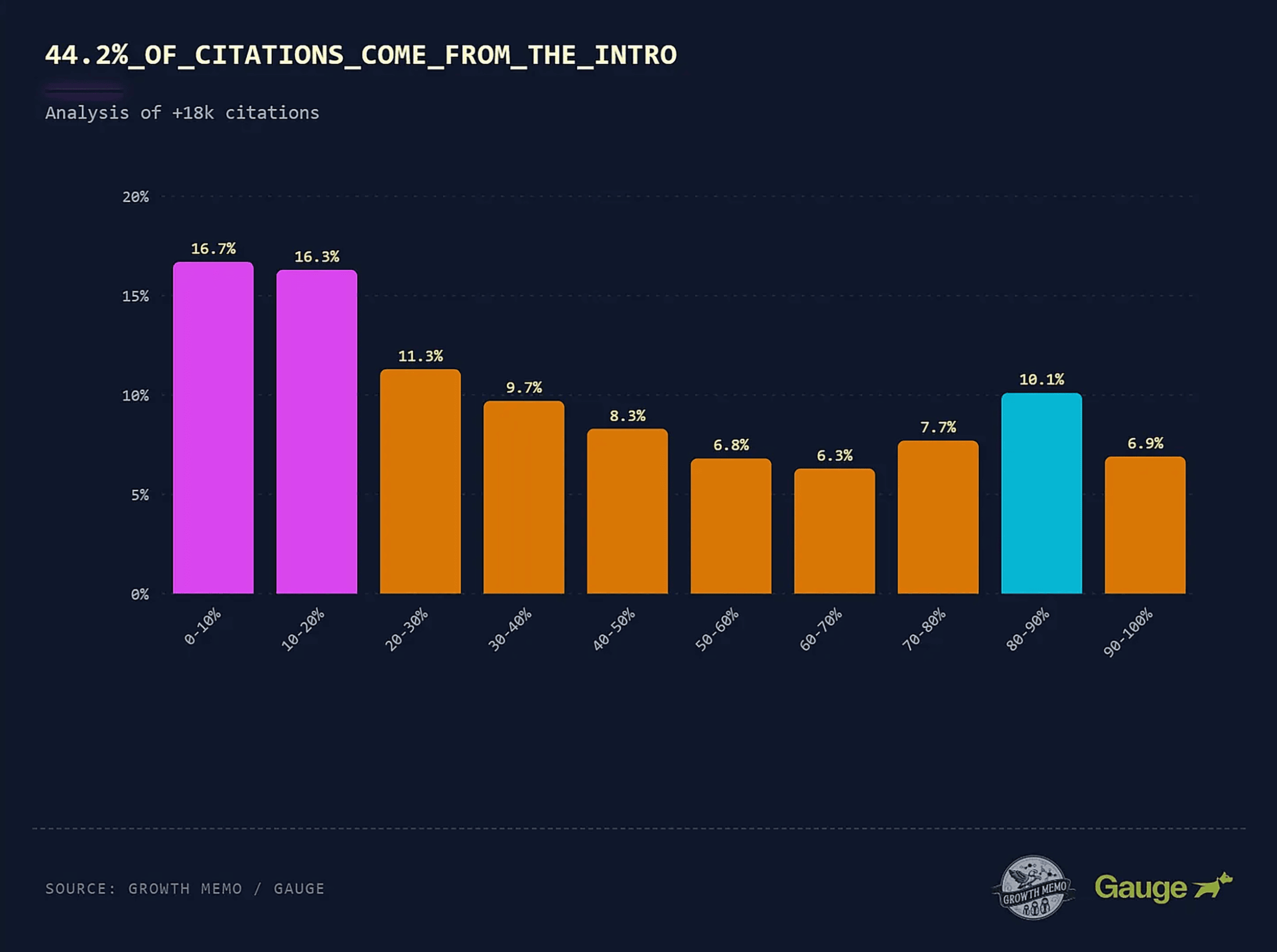
- The Intro Advantage: Analysis of over 1.2 million ChatGPT responses revealed that 44.2% of citations originate from the first 30% of a referenced page. Roughly 31.1% of citations come from the middle third, while only 24.7% are pulled from the final third. Front-loading direct answers dramatically increases retrievability.
- Deep SERP Penetration: Data from cross-platform tracking studies shows that LLMs frequently bypass top-ranking SEO giants in favor of hyper-relevant, deep-indexed resources. Pages sitting deep within traditional search rankings capture significant AI visibility if their topical coverage is exhaustive.
- Multi-Source Synthesis: Complex consumer queries (such as comparing high-end hardware or specialized services) routinely trigger between 30 and 50 underlying sub-queries, drawing synthesized insights from 20 to 40 distinct web domains simultaneously.
Official Responses and Industry Perspectives
Major analytics firms and search platforms have increasingly acknowledged the divergence between traditional search engine optimization (SEO) and artificial intelligence optimization (AIO).
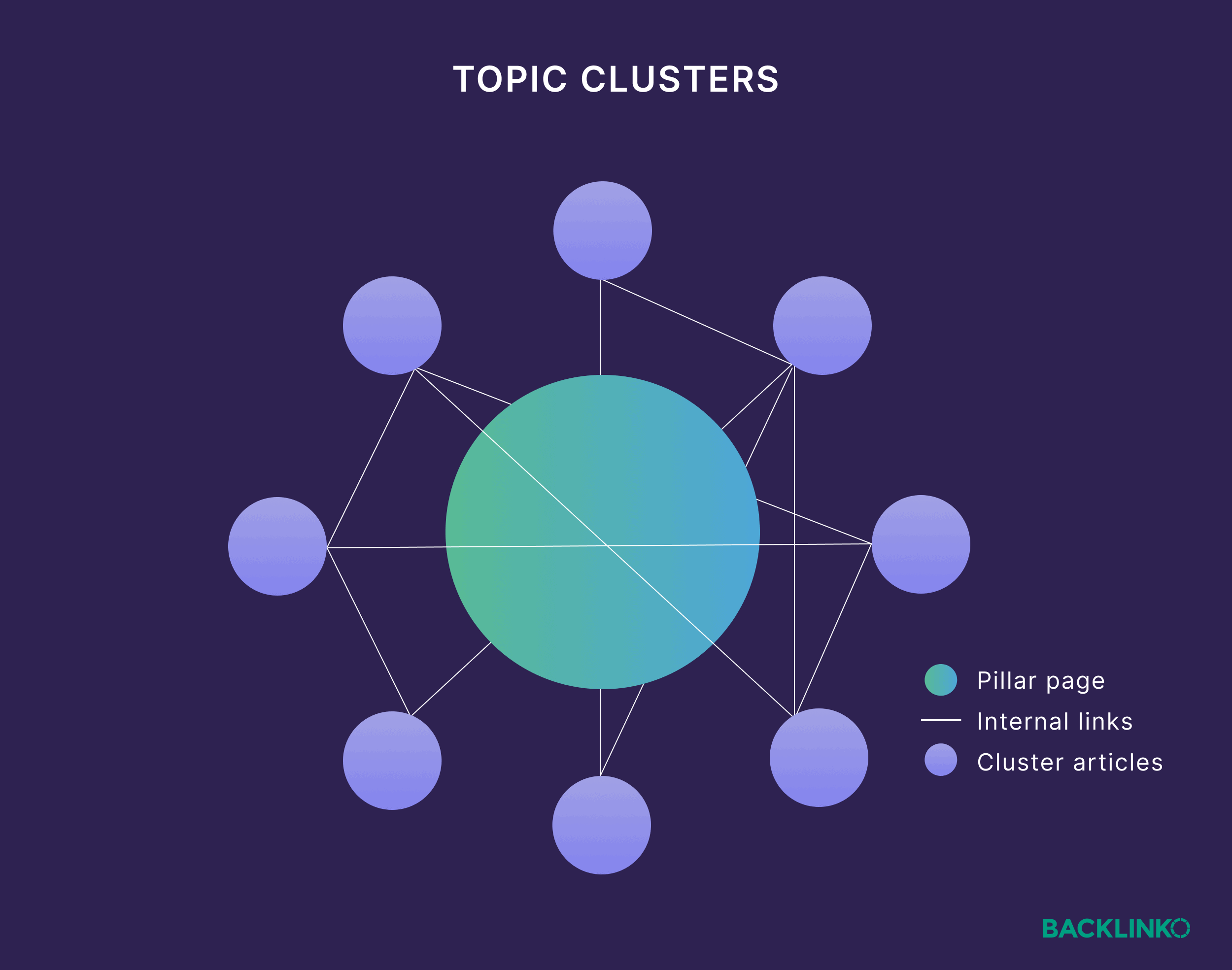
Industry analysts emphasize that optimizing for LLMs requires a fundamental pivot in mindset. Traditional SEO asked, "How do I rank for this keyword?" Modern AIO demands, "How thoroughly does my content answer every conceivable sub-question a consumer might ask on this topic?"
Leading software providers have responded by rolling out dedicated AI Visibility Toolkits, Prompt Trackers, and Perception analyzers. These tools allow brands to monitor their AI share of voice, track sentiment analysis across generative engines, and identify precisely which third-party platforms are influencing LLM training data and real-time retrieval sets.
Implications: The 6-Step Workflow to Master Query Fan-Out
To secure visibility and citations in the era of generative search, organizations must implement a repeatable, structured workflow designed to align content creation with query fan-out mechanics.

Step 1: Identify Your "Money Prompts"
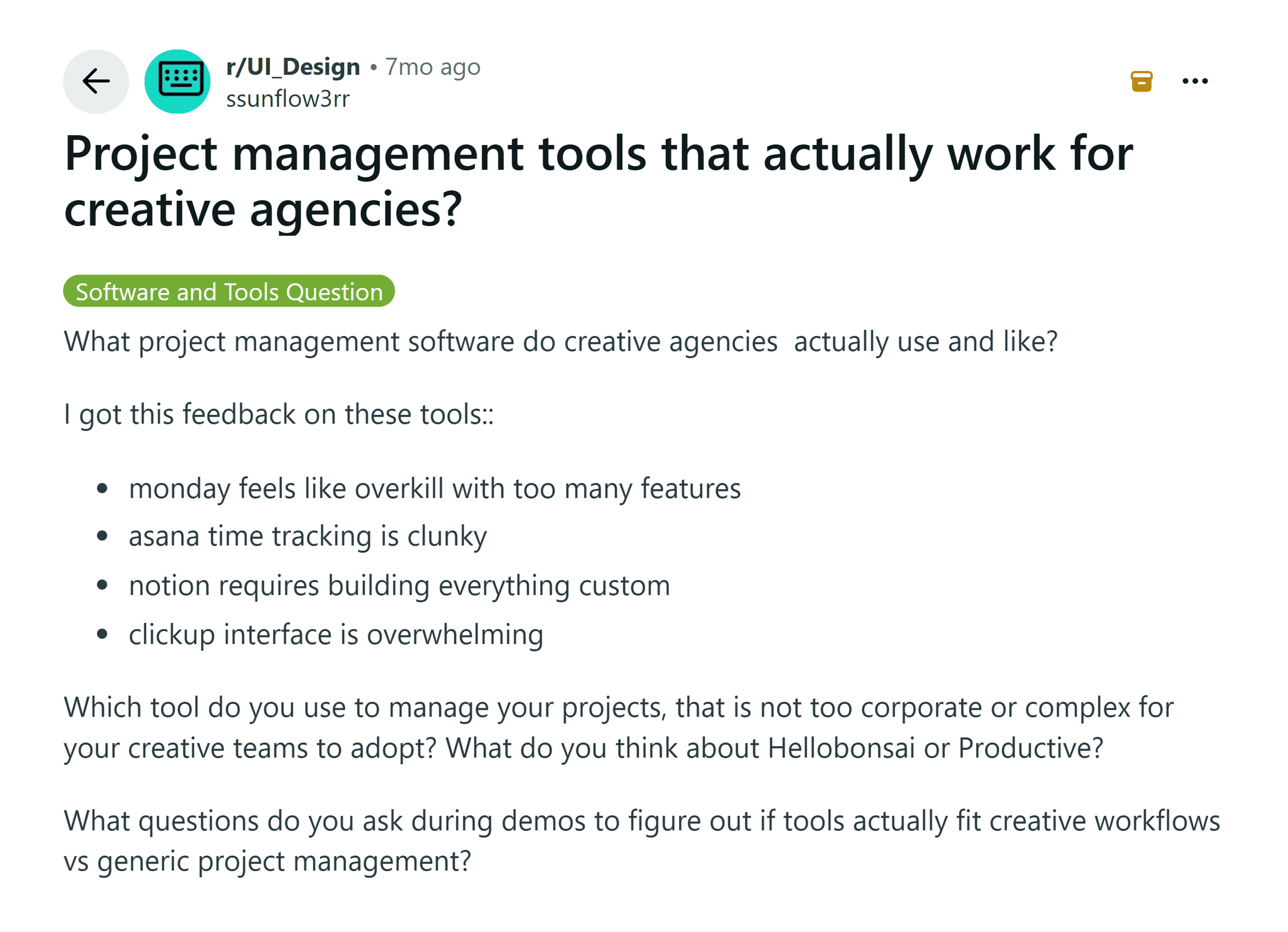
Move beyond static keyword research. Uncover the conversational, long-form questions your ideal customers ask AI tools when seeking solutions. Mine customer support logs, community forums like Reddit, and AI visibility software to catalog high-intent prompts.

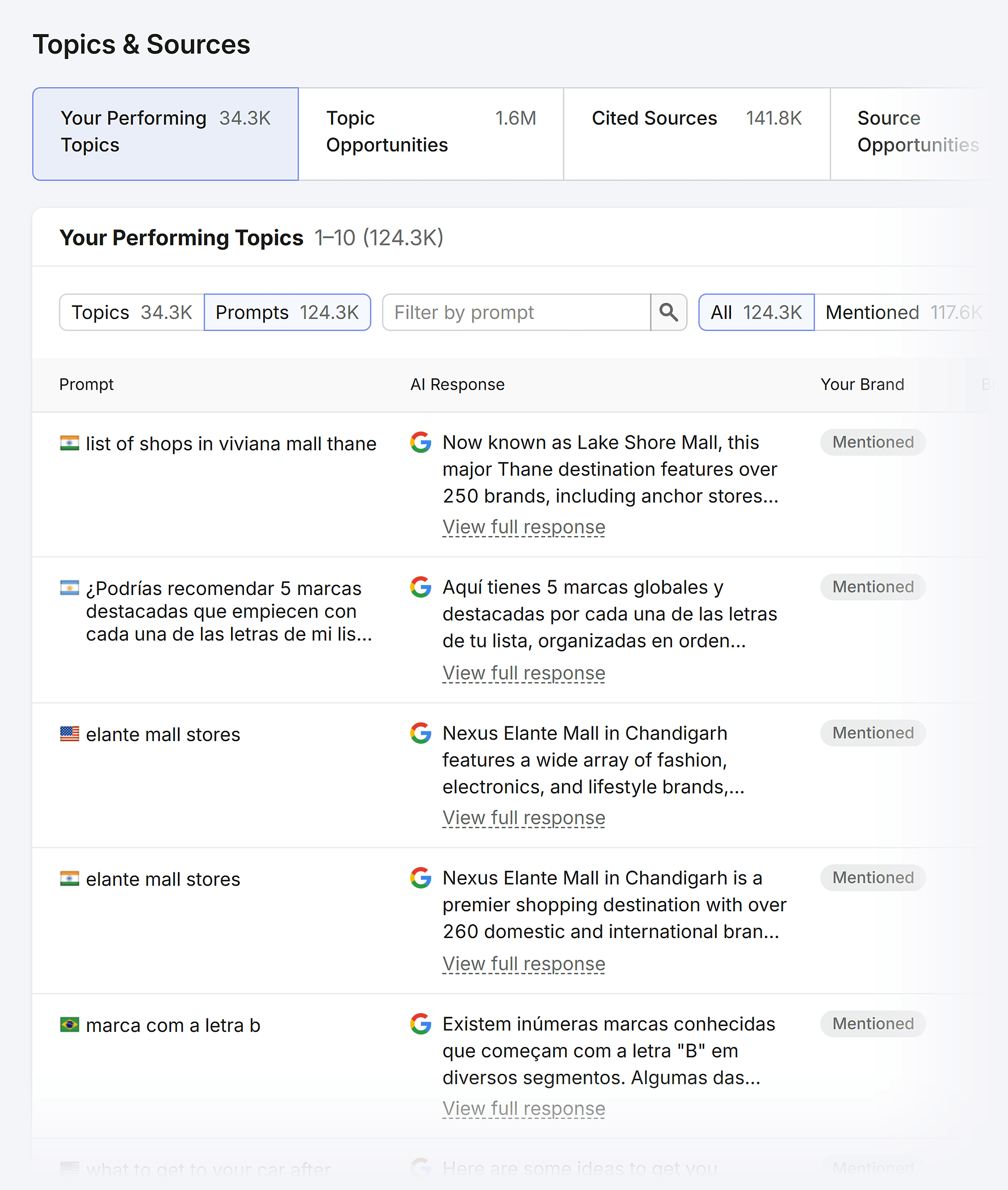
Step 2: Generate Your Fan-Out Set
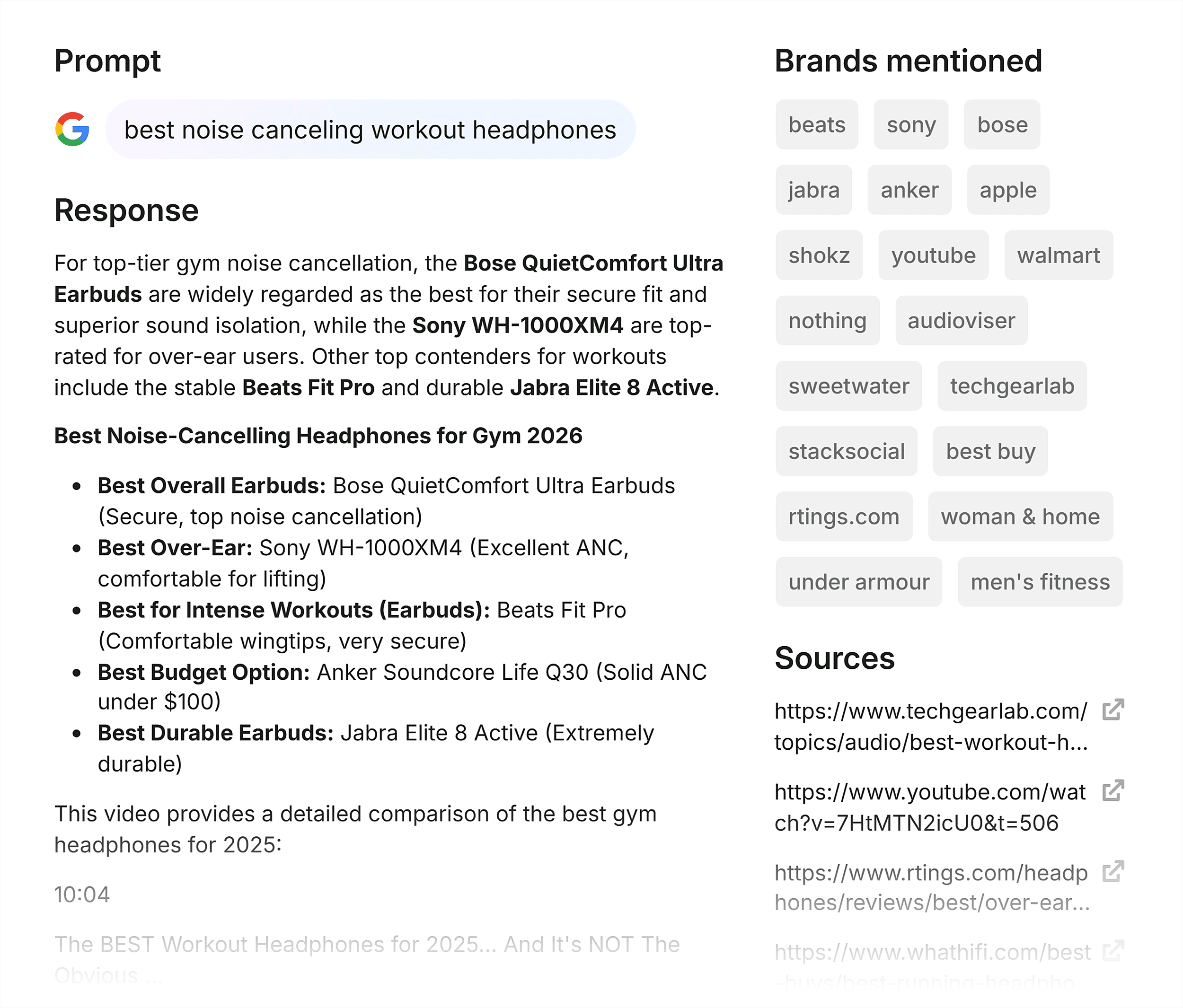
Use manual prompts or specialized developer tools (such as network inspection panels or browser extensions) to decode the sub-queries generated by LLMs during a search. Categorize these sub-queries into reformulations, comparisons, implicit needs, and entity expansions.
Step 3: Bucket Sub-Queries by Intent Type
Group sub-queries into logical intent buckets—such as definitions, head-to-head comparisons, use-case recommendations, troubleshooting guides, and pricing breakdowns—to determine the optimal content format for each.
Step 4: Audit Existing Content for Gaps
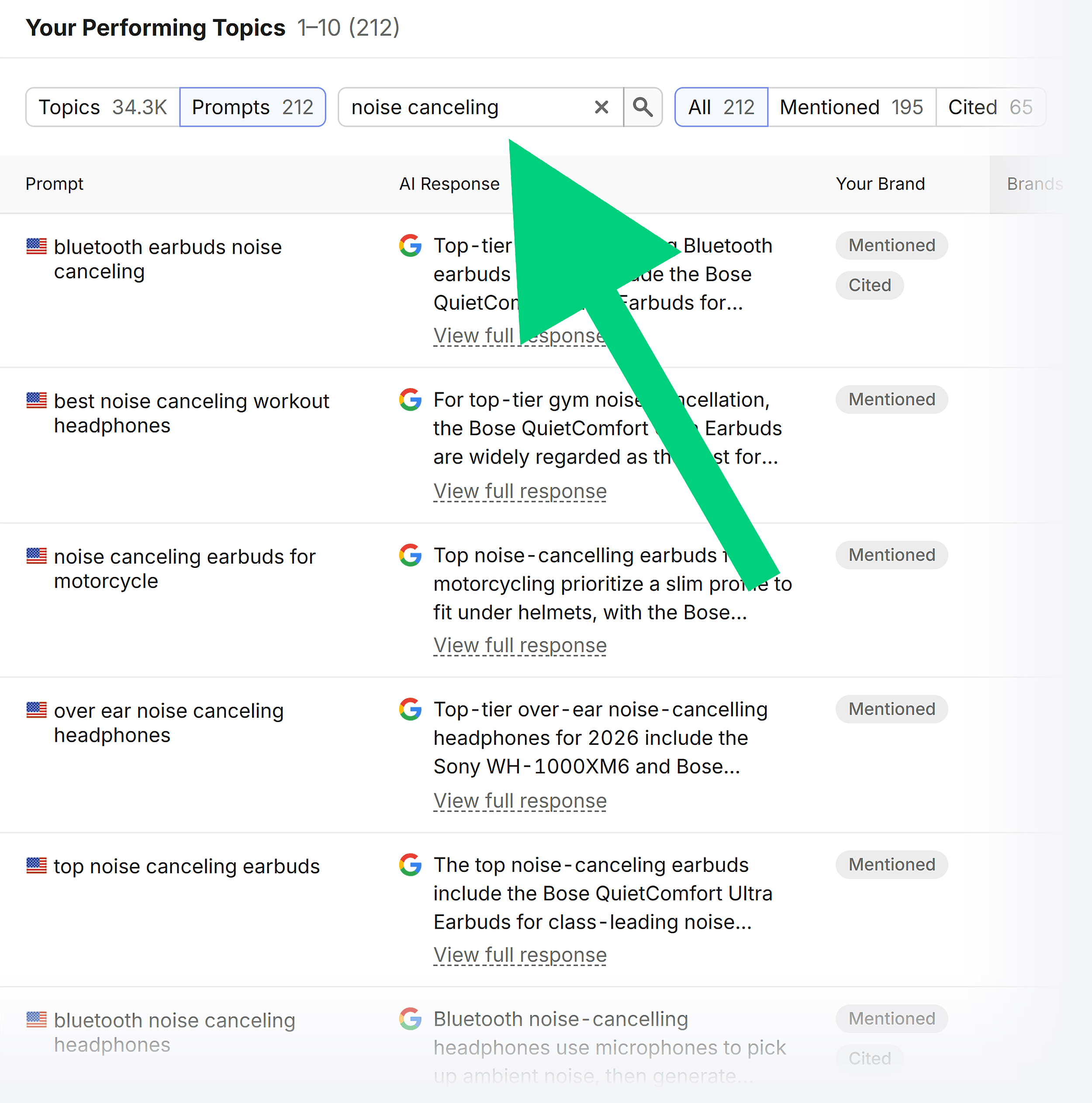
Perform site-wide audits using targeted search operators (site:yourdomain.com) to identify missing coverage. Distinguish between unaddressed topics, partial mentions, and fully realized, self-contained sections ready for AI extraction.
Step 5: Structure Content for Extraction
Make it frictionless for LLMs to parse your content. Front-load direct answers within the first third of your pages, utilize descriptive subheadings, and organize complex specifications into clear, scannable comparison tables.
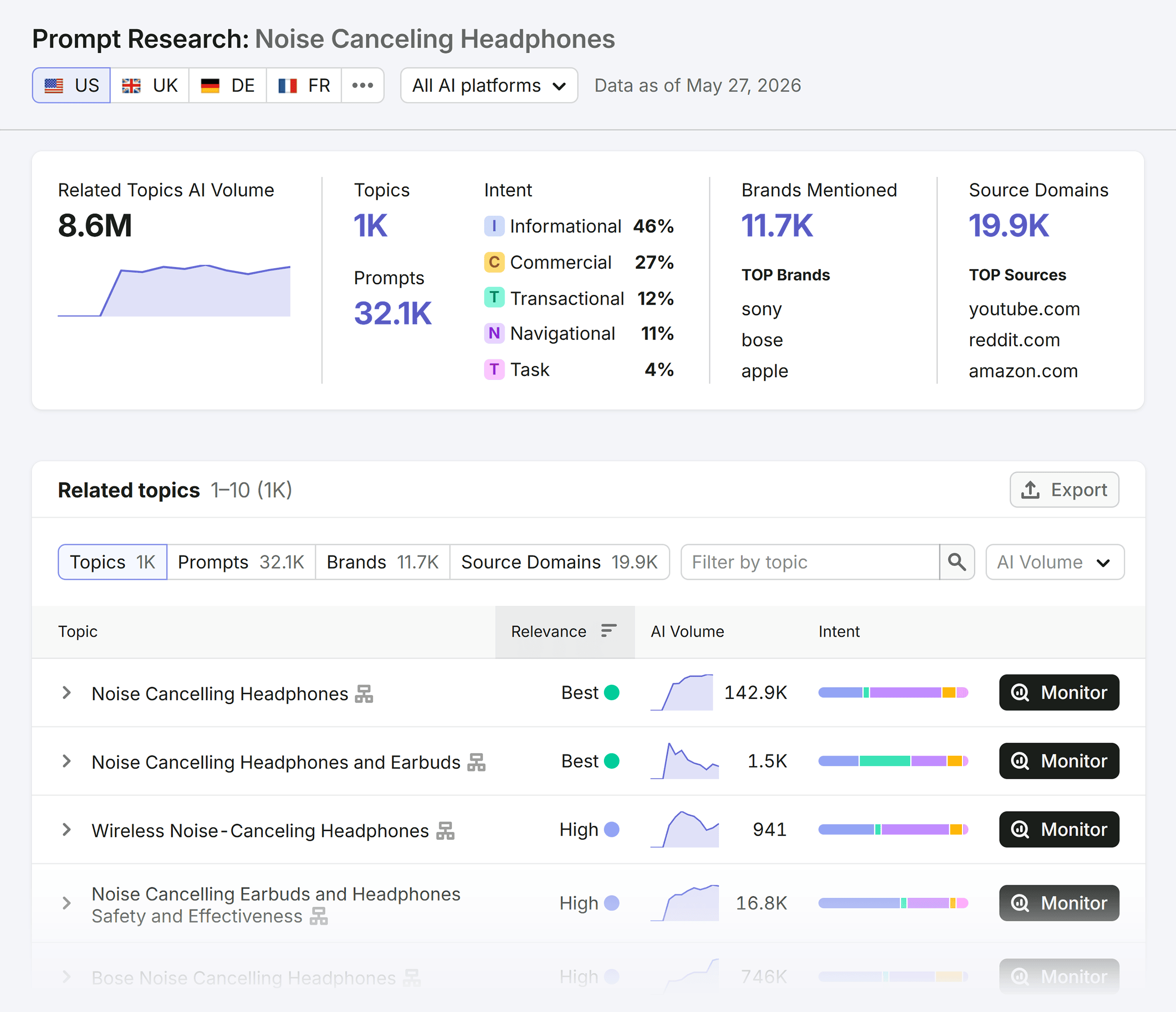
Step 6: Measure and Refine AI Performance
Continuously track your brand’s sentiment, visibility scores, and prompt-level citations across platforms like ChatGPT, Claude, Perplexity, and Google AI Overviews. Treat AI optimization as an ongoing monitoring cycle rather than a one-time project.
Conclusion
The evolution of query fan-out marks the end of passive SEO strategies built solely around keyword rankings. As AI systems continue to collapse the buying journey and synthesize comprehensive answers from distributed web sources, brands must adapt. By embracing a holistic, passage-optimized, and fan-out-aware content strategy, organizations can secure their place not just on traditional search pages, but at the very center of the AI-driven conversational future.