SAN FRANCISCO — In the modern digital landscape, ranking on the first page of Google is no longer the ultimate finish line for visibility. A brand can hold the coveted number-one spot for a core keyword and still remain entirely invisible to large language models (LLMs) like ChatGPT, Claude, and Perplexity.

This paradox has sent shockwaves through the search engine optimization (SEO) community. Digital marketers are realizing that traditional search engine optimization, which focuses on ranking for individual keywords and climbing the traditional 10 blue links, is insufficient for the era of generative AI.
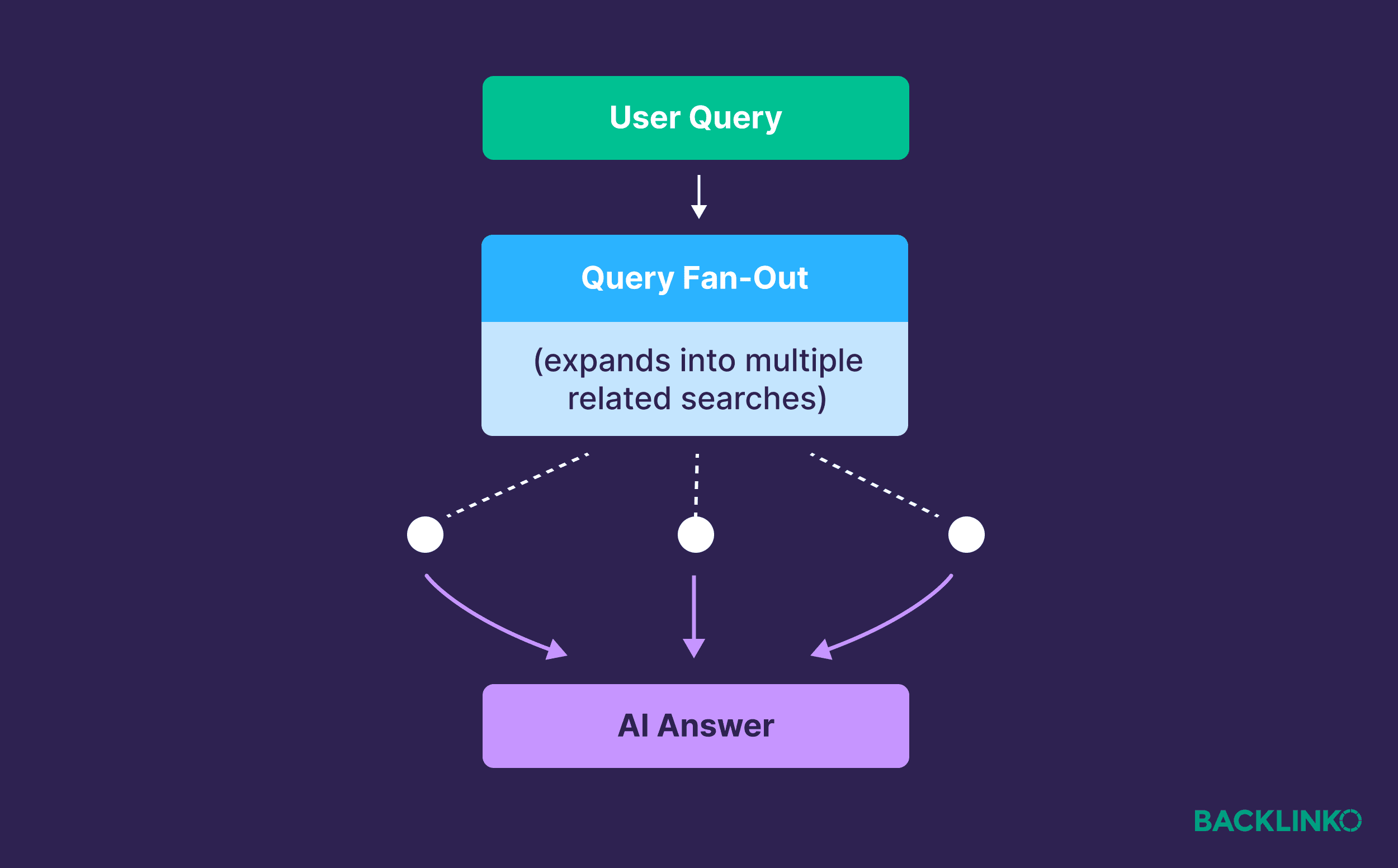
The secret to why top-ranking pages are routinely bypassed lies in a background process known to AI developers as query fan-out. Understanding this mechanism has become the single most important strategic hurdle for brands looking to capture organic traffic and brand mentions in conversational AI search engines.
Main Facts: The Anatomy of AI Search
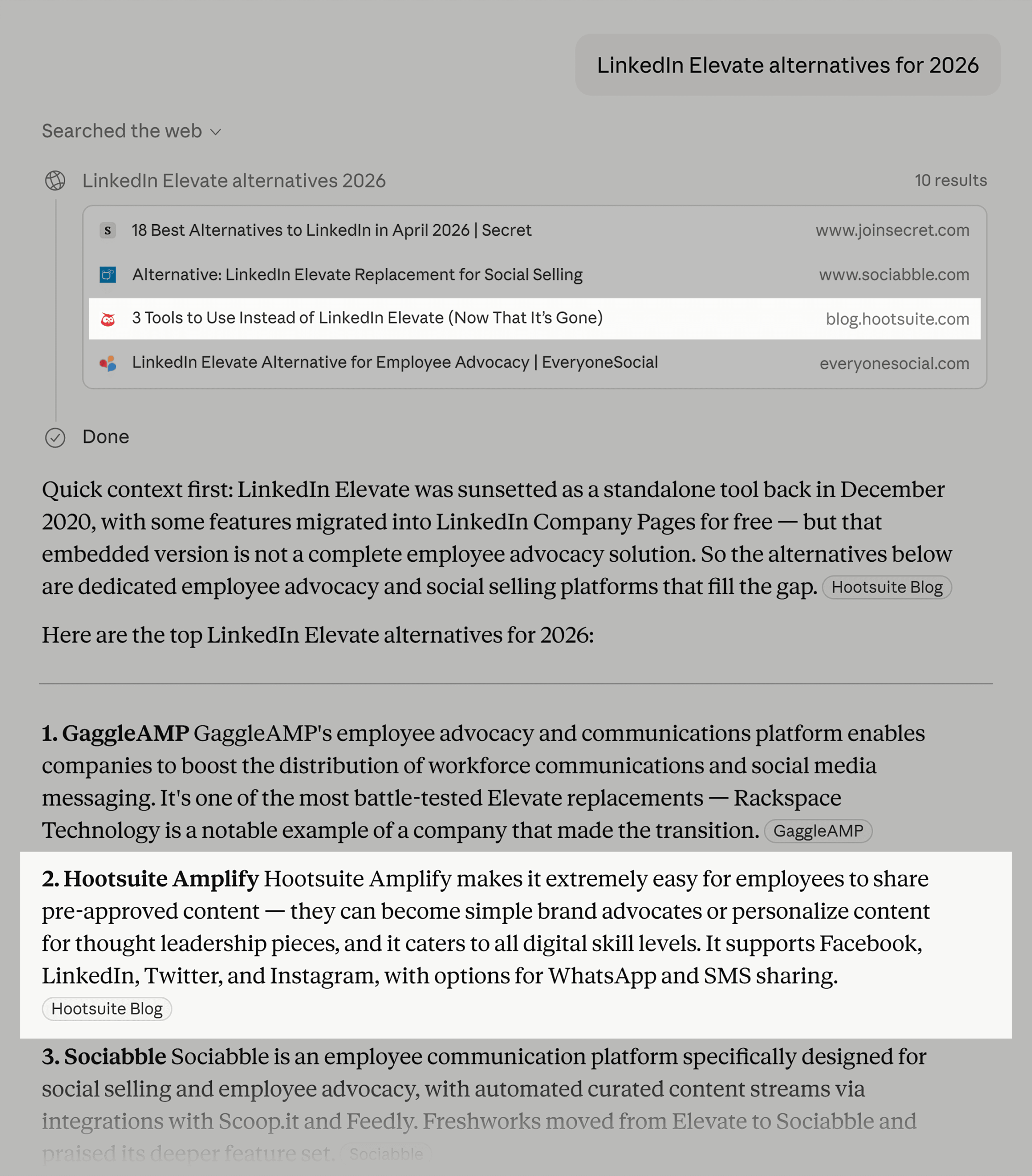
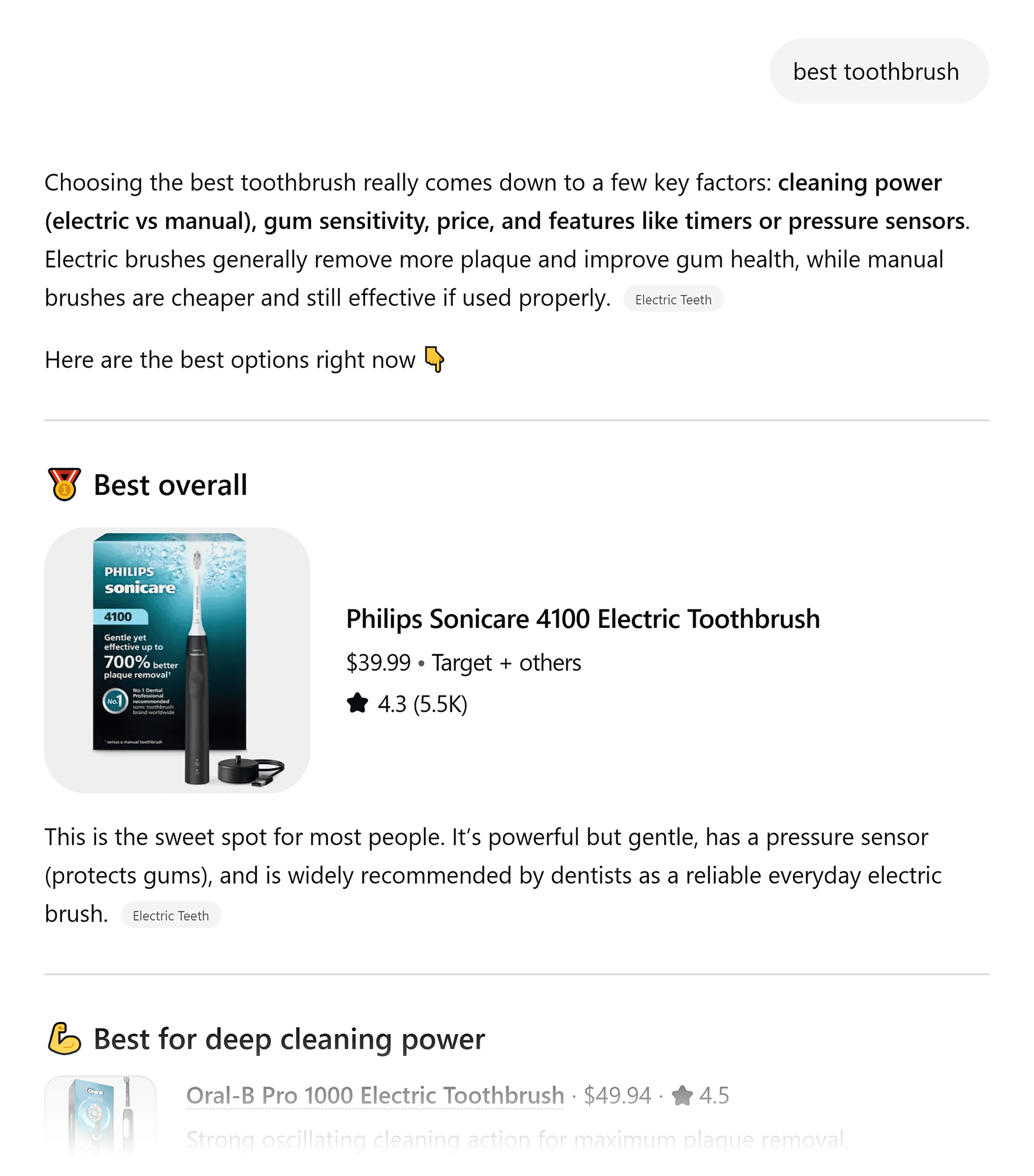
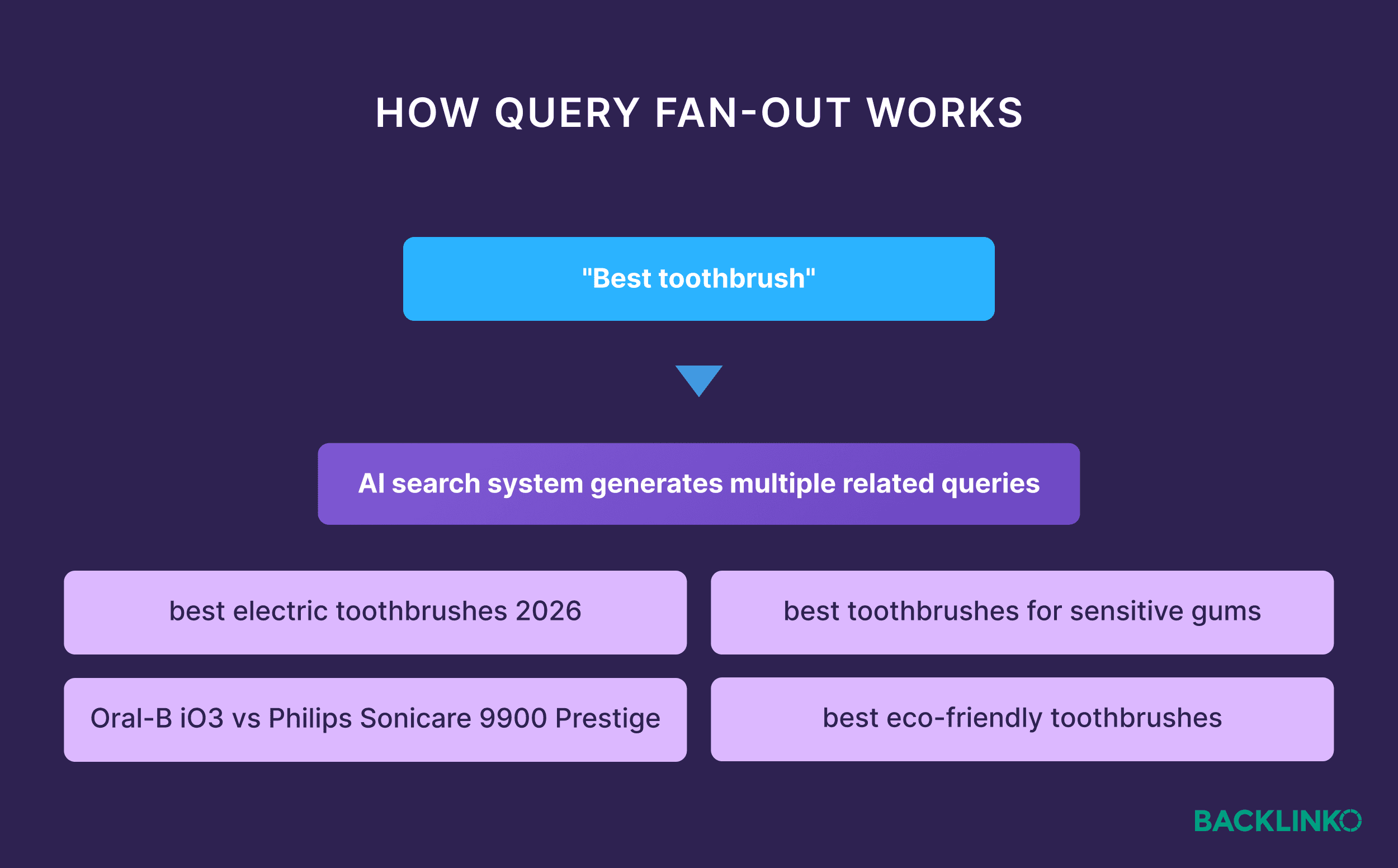
When a user poses a complex question to an AI assistant—such as asking for the best products or a comprehensive product comparison—the LLM rarely relies on a single search query or defaults to the top-ranking page in traditional search indexes.
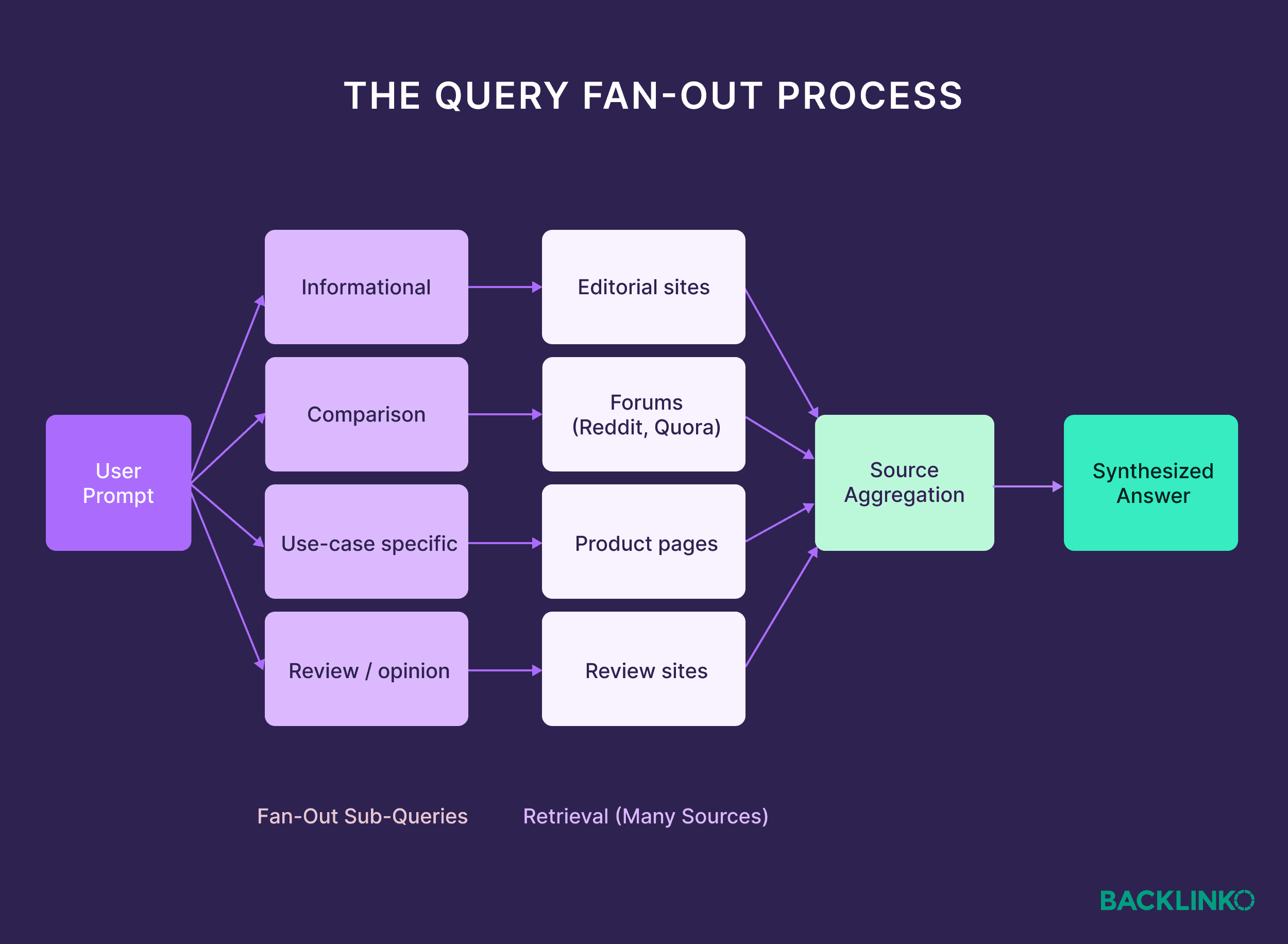
Instead, the system initiates a multi-step background procedure:
- Query Decomposition: The AI takes the user’s broad prompt and "fans it out" into a series of highly specific sub-queries behind the scenes.
- Granular Passage Retrieval: Rather than evaluating an entire webpage for broad topical authority, the LLM scans multiple online properties (editorial review sites, user-generated forums like Reddit, product spec sheets, and niche blogs) to extract specific passages.
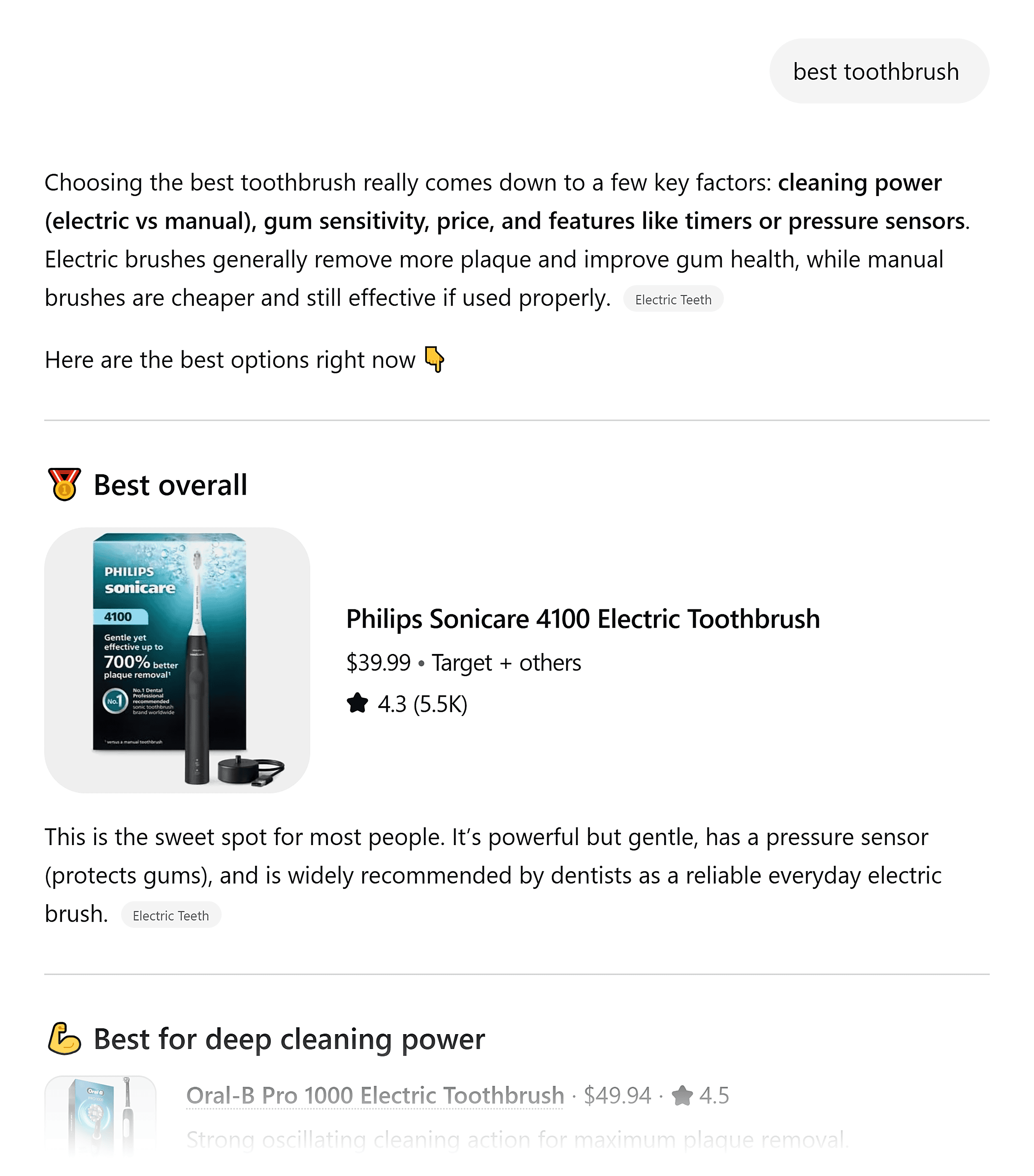
- Synthesis: The AI aggregates these disparate data points into a cohesive, synthesized single response, citing the sources that answered the specific sub-queries best, regardless of where those sources rank on traditional search engine results pages (SERPs).
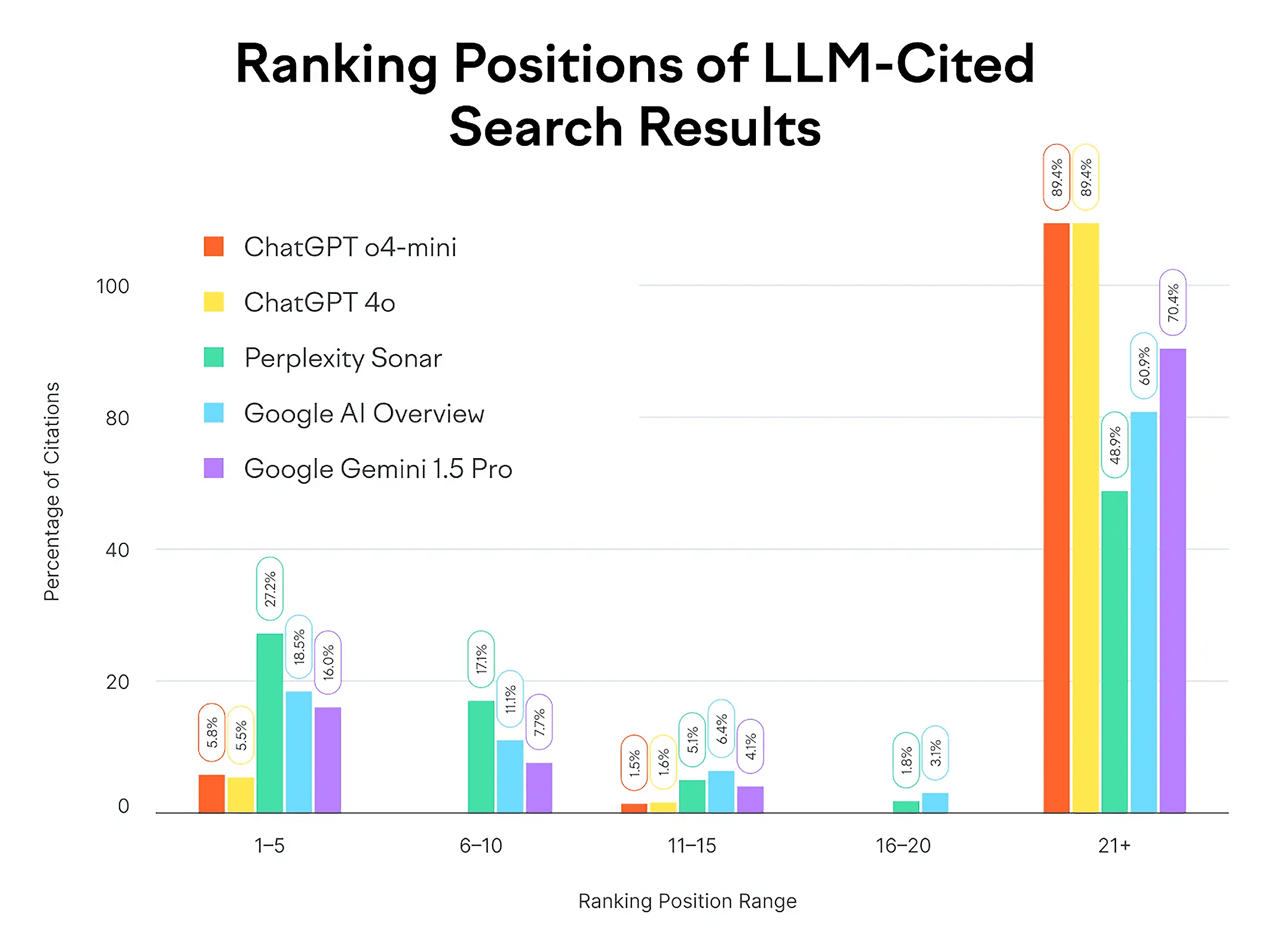
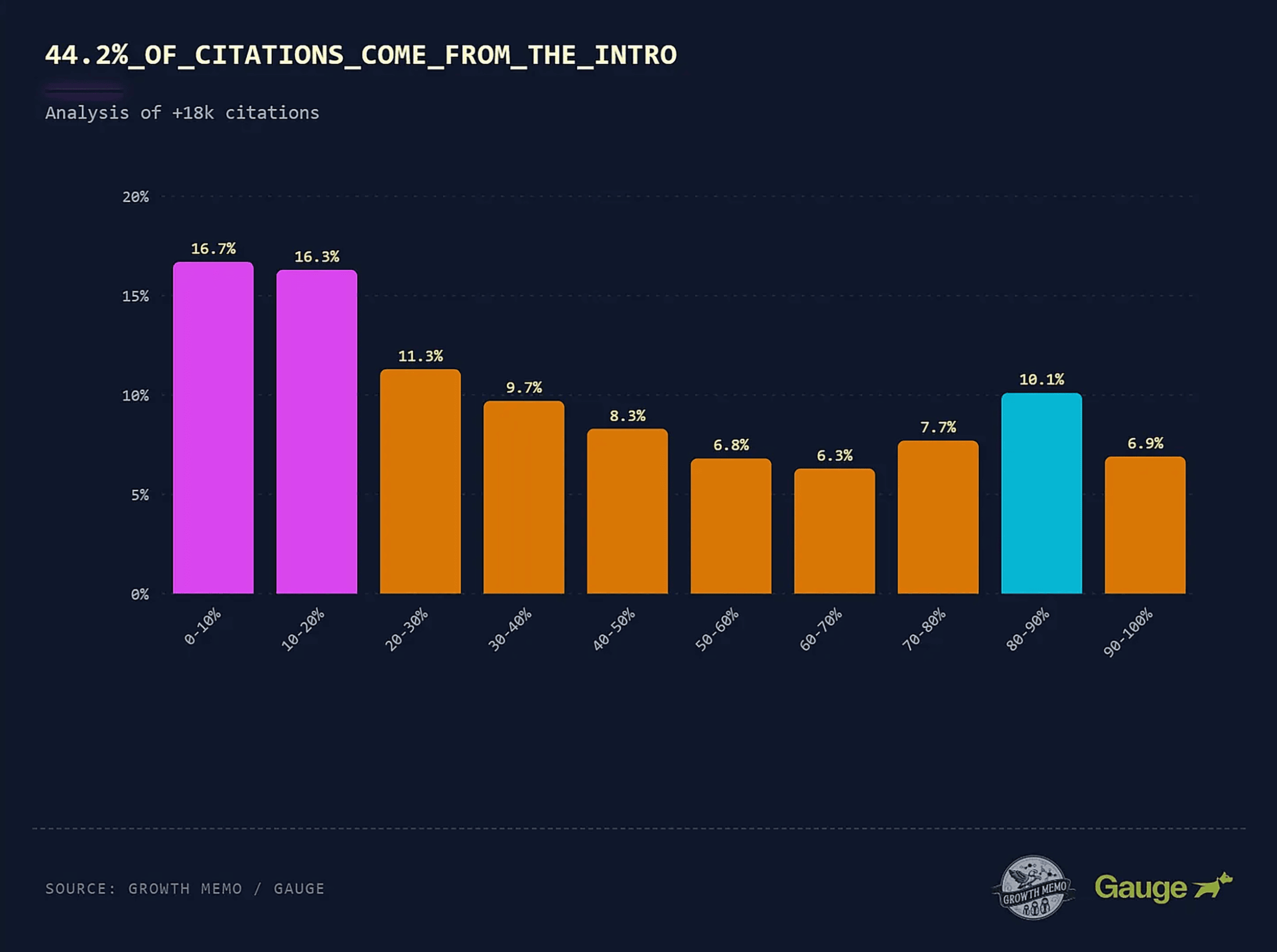
Recent empirical data underscores this shift. According to an industry study by Semrush, LLMs frequently cite URLs positioned well beyond the first page—with pages ranking in position 21 and lower accounting for roughly 90% of citations in certain ChatGPT responses. Furthermore, growth analytics from digital marketing experts reveal that roughly 44.2% of citations in ChatGPT originate from the top 30% of a source page, proving that passage-level retrievability and early content placement are far more valuable than overall domain authority or backlink volume alone.
Chronology: The Evolution from Keywords to Conversational Fan-Out
The shift from keyword-driven search to generative AI discovery has unfolded rapidly over the past few years, permanently altering the consumer decision-making journey.
Phase 1: The Era of Linear Funnels (Pre-2023)
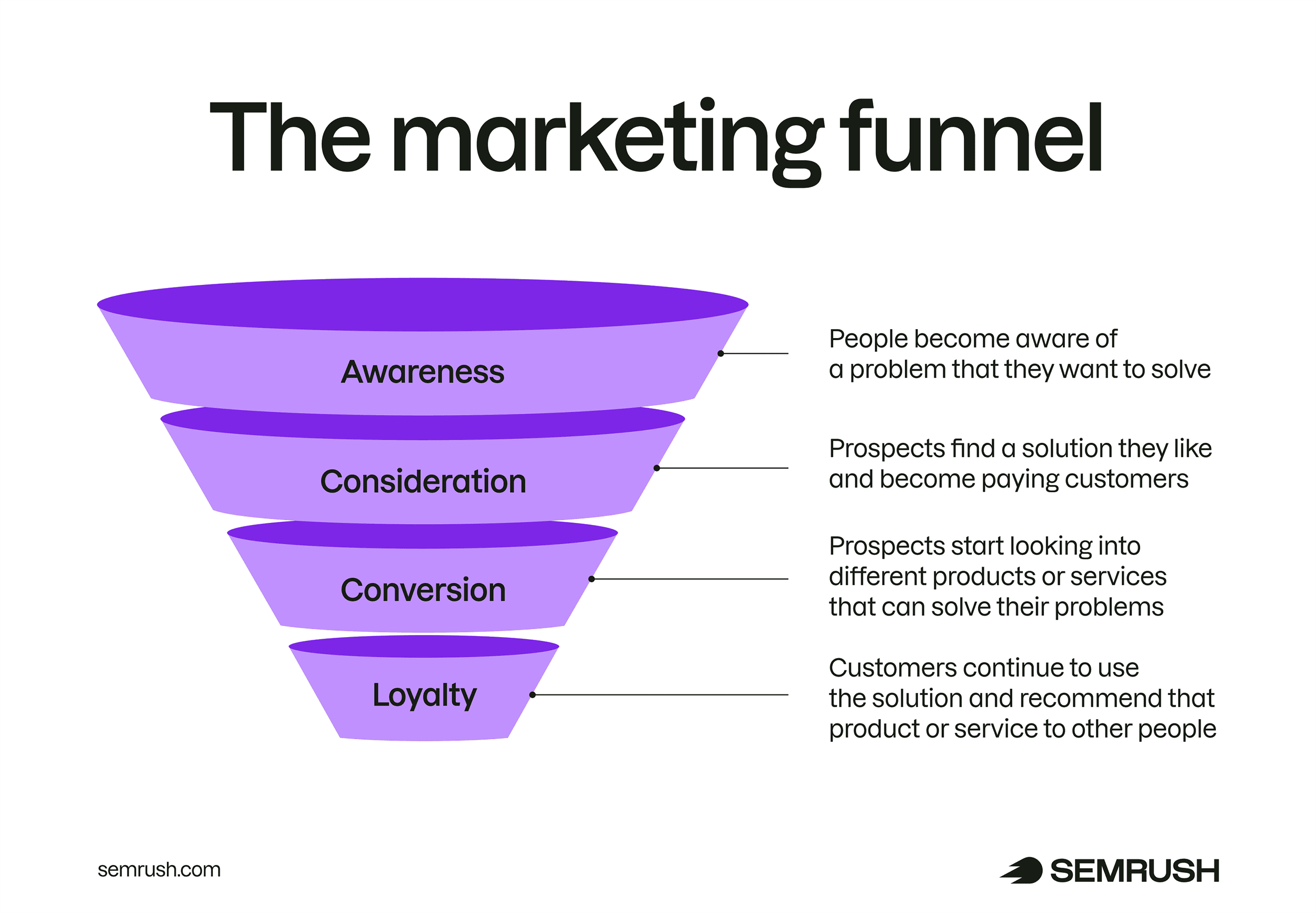
For decades, digital marketing operated on a predictable, linear funnel: Awareness, Consideration, and Decision. Brands created top-of-funnel blog posts for early researchers, middle-of-funnel comparison guides for shoppers, and bottom-of-funnel product pages for buyers. SEO strategies were strictly tethered to distinct, high-volume keyword targets.
Phase 2: The Emergence of Generative Answers (2023–2024)
With the mainstream adoption of LLMs and search engines integrating conversational generative layers (such as Google AI Overviews), the linear consumer journey collapsed. When a user asks an AI assistant for a complex recommendation, the system instantly executes a cascade of sub-queries that pull awareness-level context, consideration-level head-to-head comparisons, and decision-level pricing into a single interface interaction.
Phase 3: The Query Fan-Out Optimization Era (Present Day)
Digital strategists have begun mapping the exact internal telemetry of AI search. By analyzing network responses and developer tools on platforms like ChatGPT, search engineers have mapped how prompts trigger arrays of contextual sub-queries. Brands are no longer competing merely for keywords; they are competing for topical coverage and extractable passages that satisfy the hidden sub-queries generated during an AI’s fan-out routine.
Supporting Data: What the Metrics Reveal
To operationalize visibility in AI search, marketers must look closely at how platforms handle information retrieval.

- Passage Placement Matters: Research analyzing over one million ChatGPT responses shows that 44.2% of citations are pulled from the top third of a referenced page. The middle third accounts for 31.1%, while the final third captures only 24.7%. If a brand buries its key value propositions deep within a long-form article, the AI is statistically less likely to extract it.
- Platform Divergence: Different AI engines execute query fan-out with unique methodologies:
- ChatGPT: Reasons internally and triggers live web searches dynamically when fresh data or current comparisons are required.
- Perplexity: Combines conversational history and user preferences with real-time web crawling across multiple sub-topics simultaneously.
- Claude: Focuses heavily on clarifying user intent via conversational prompts before executing targeted information retrieval, resulting in a more refined set of sub-queries.
- Google AI Overviews & AI Mode: Leverage Google’s deep index to synthesize featured-snippet-style summaries and multi-part conversational answers.
Official Responses and Industry Insights
As search giants and AI developers adapt to these behavioral changes, search marketing platforms have rushed to provide visibility metrics. Tools such as Semrush’s AI Visibility Toolkit, Prompt Trackers, and Perception analyzers have emerged to help brands monitor how often they appear in LLM responses and what sentiment surrounds their mentions.

Industry analysts emphasize that optimizing for query fan-out requires a complete overhaul of traditional content creation workflows. Content teams can no longer rely on superficial keyword insertion. Instead, they must implement a six-step methodology:
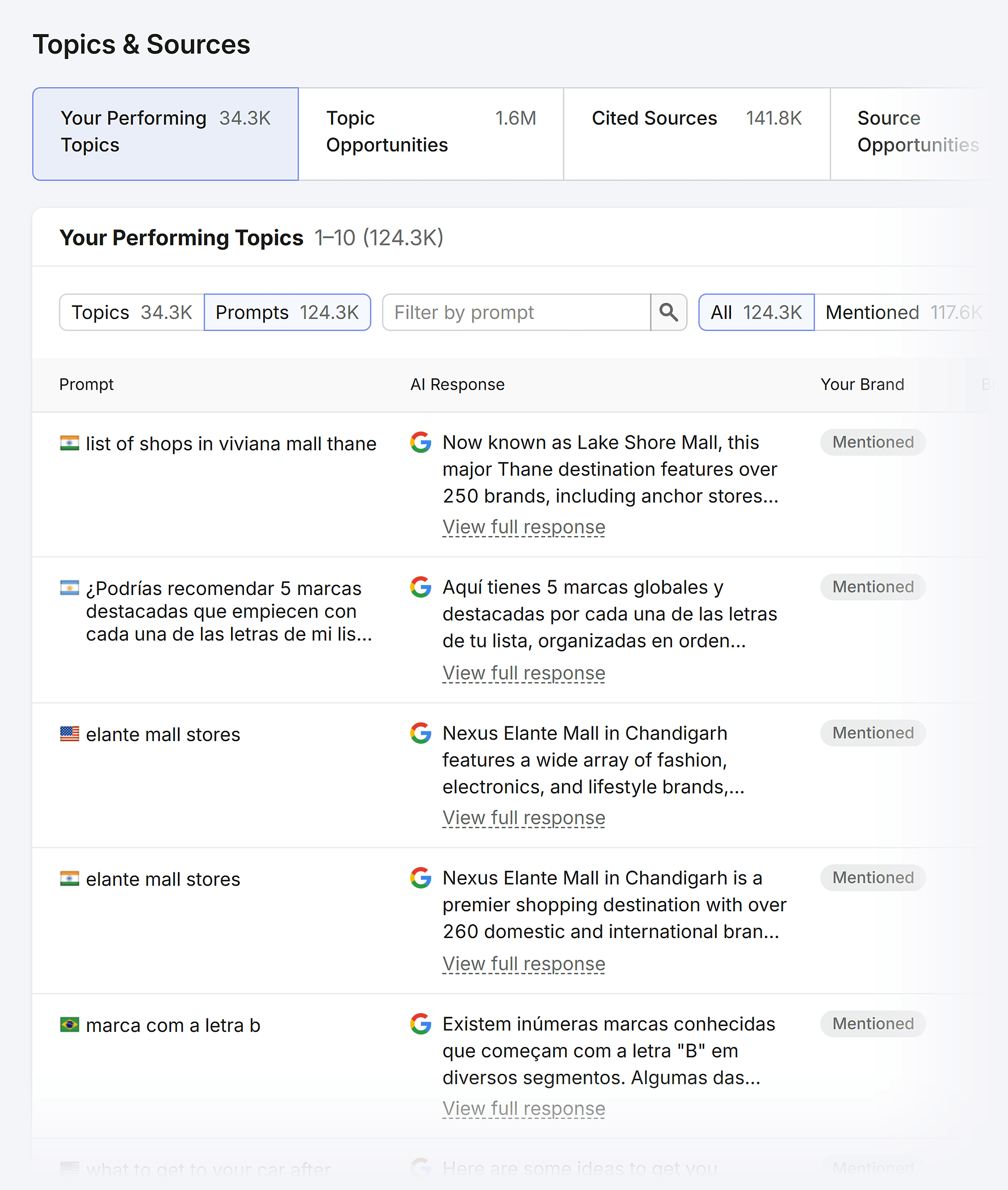
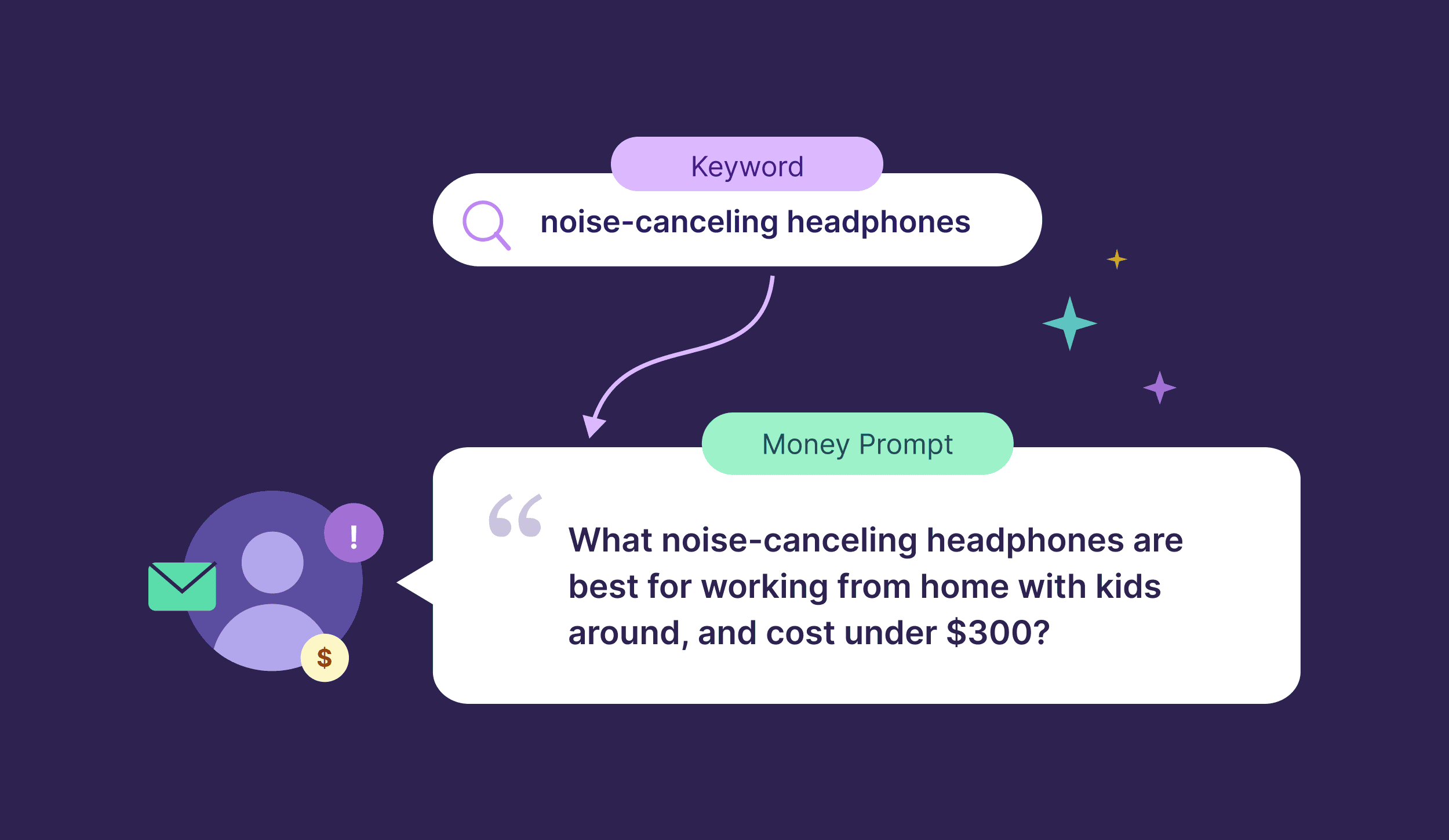
- Identify Money Prompts: Target the conversational questions real users type into AI systems rather than short-tail seed keywords.
- Map Fan-Out Sets: Utilize manual interrogation or browser developer tools to uncover the hidden sub-queries generated by models like ChatGPT.
- Bucket by Intent: Group sub-queries into definitions, comparisons, use-case recommendations, and pricing categories.
- Execute Content Gap Audits: Evaluate whether existing site assets fully cover sub-queries or leave room for competitors.
- Structure for Extraction: Front-load critical facts, use clean HTML tables, and write self-contained paragraphs that make automated extraction seamless for LLM crawlers.
- Monitor Sentiment and Citations: Continuously track AI visibility scores and brand perception adjustments across multiple language models.
Implications for the Future of Digital Marketing
The rise of query fan-out signals a profound democratization—and complication—of digital visibility.
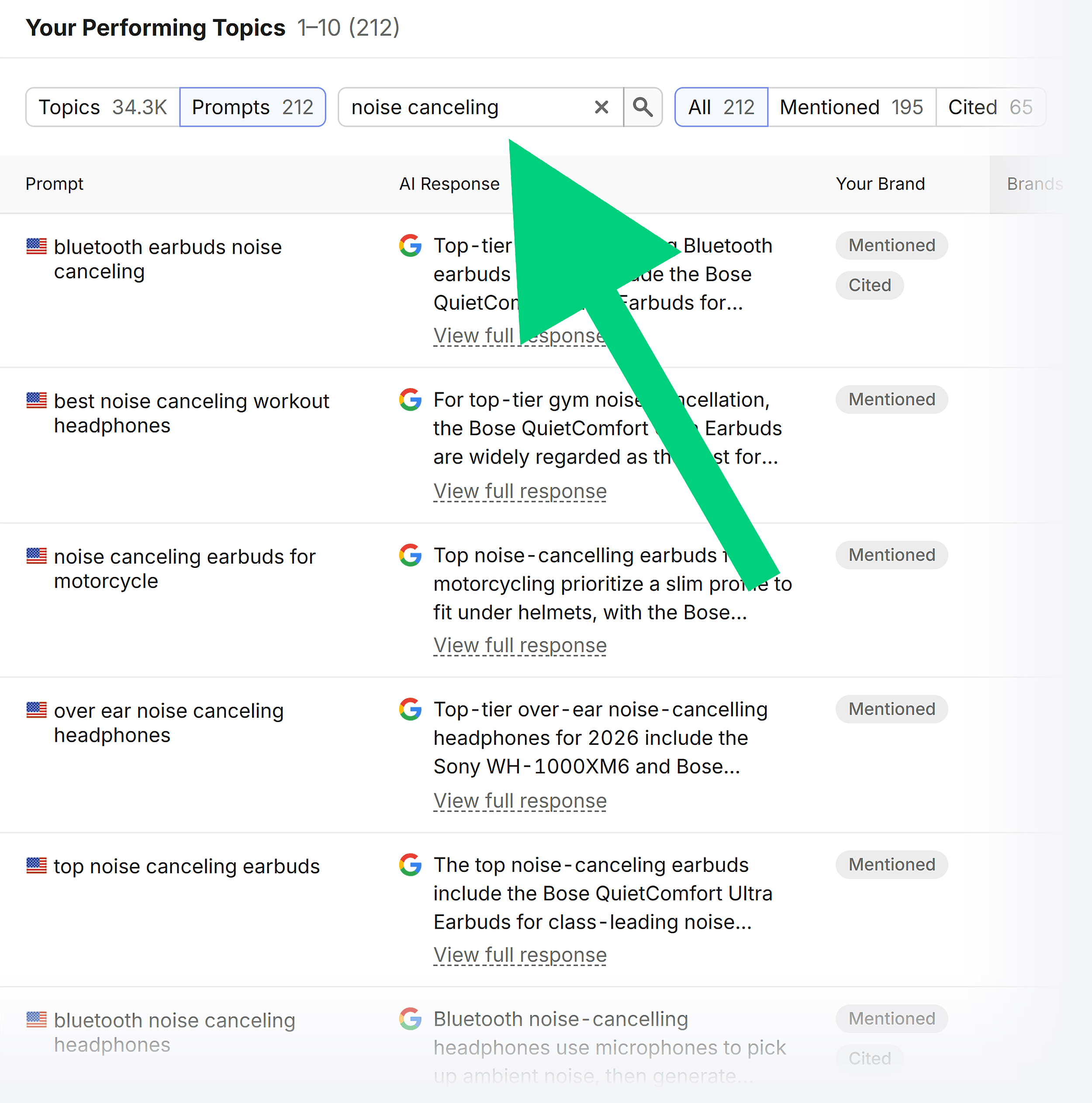
On one hand, smaller brands and specialized niche sites no longer need to out-rank multi-million-dollar legacy domains in traditional SERP positions to win visibility. If a niche blog provides the single most comprehensive, extractable, and structured answer to a specific sub-query (such as "best noise-canceling headphones for telehealth professionals"), an LLM will readily cite it, giving boutique brands an outsized voice in AI-driven recommendations.
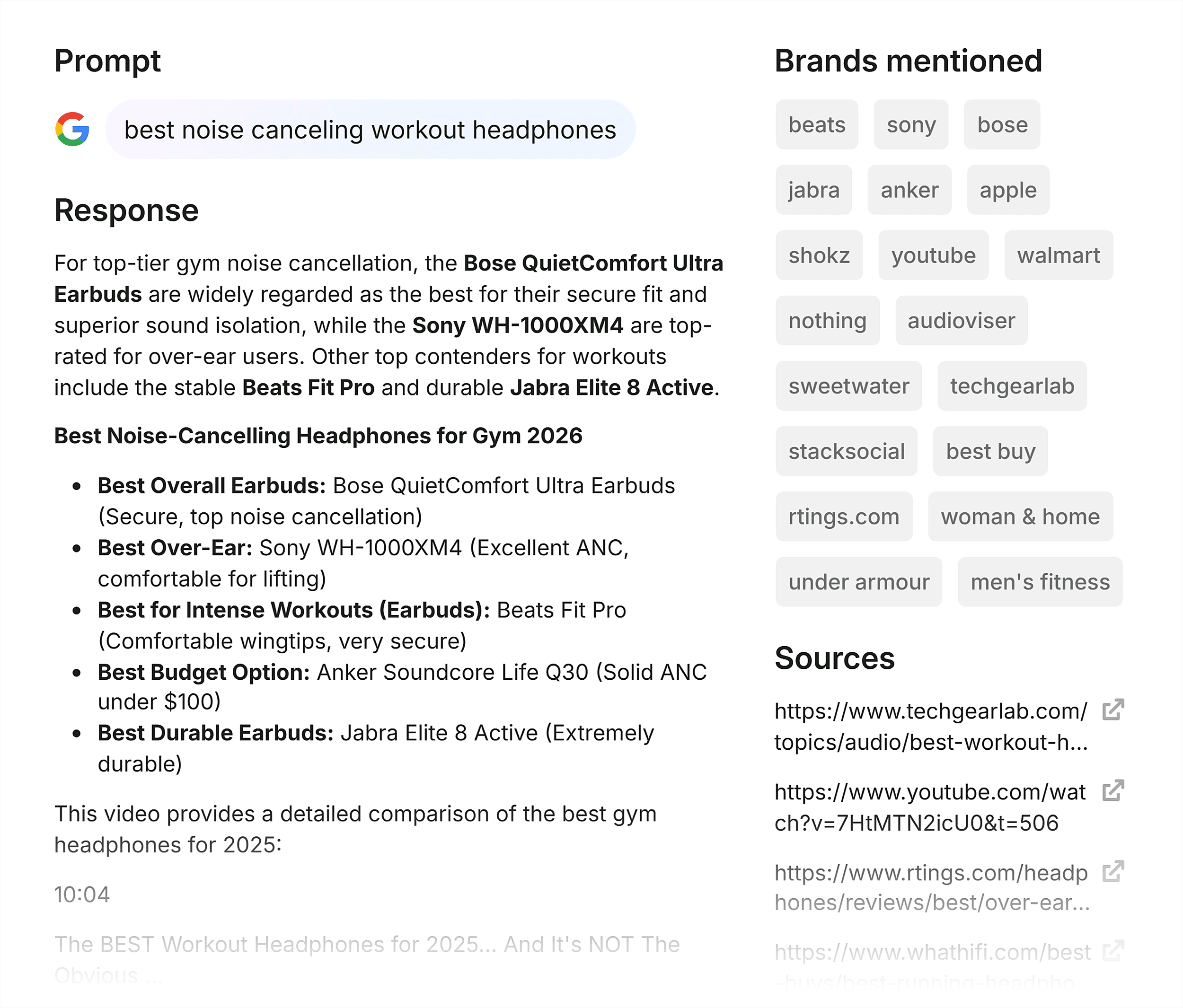
On the other hand, brands that fail to adapt risk absolute obscurity. Because generative search collapses the buying funnel into a single interaction, users rarely click through to multiple websites the way they used to on traditional search engines. If a brand is excluded from the initial AI-synthesized answer, it misses the conversion window entirely.
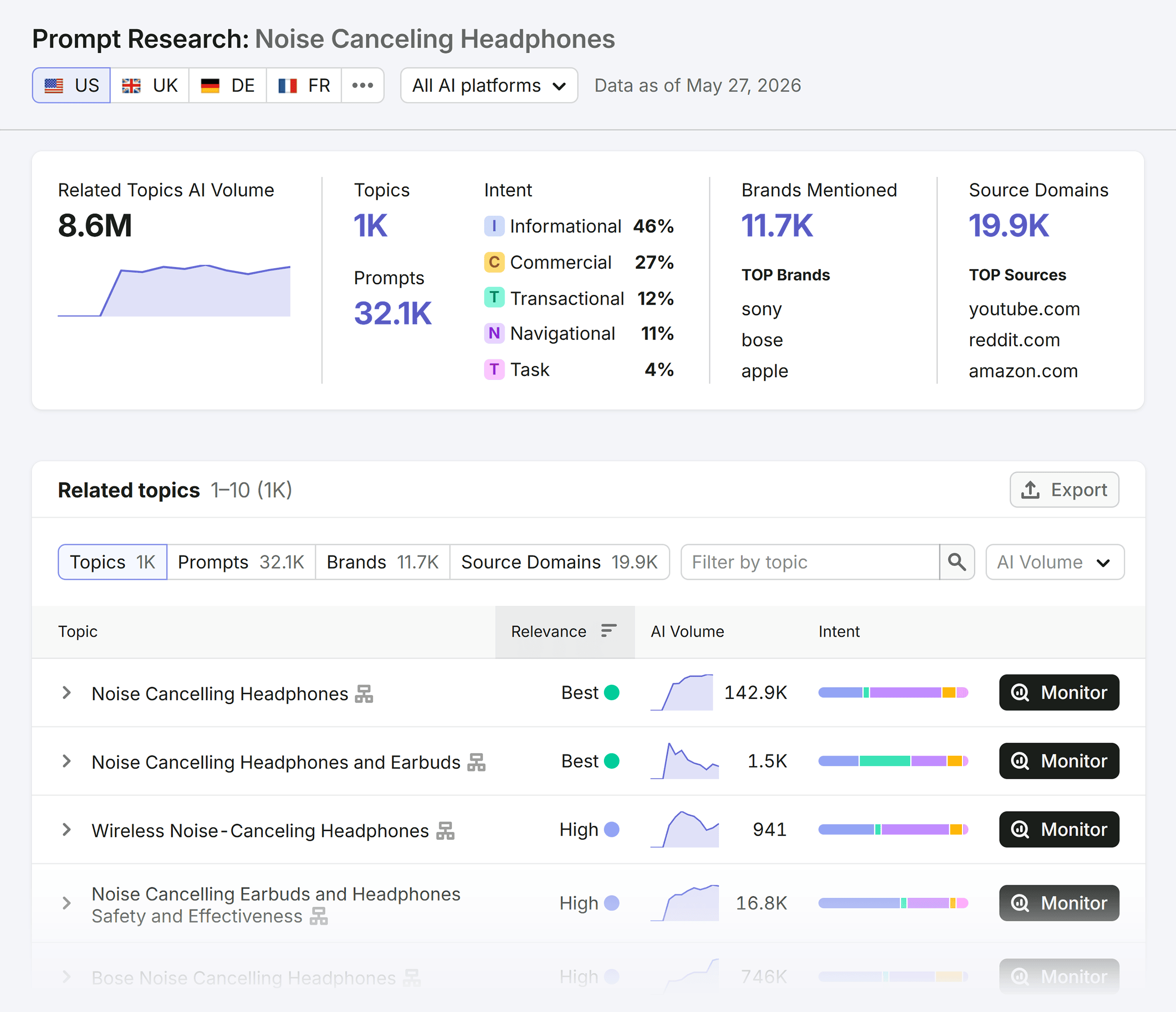
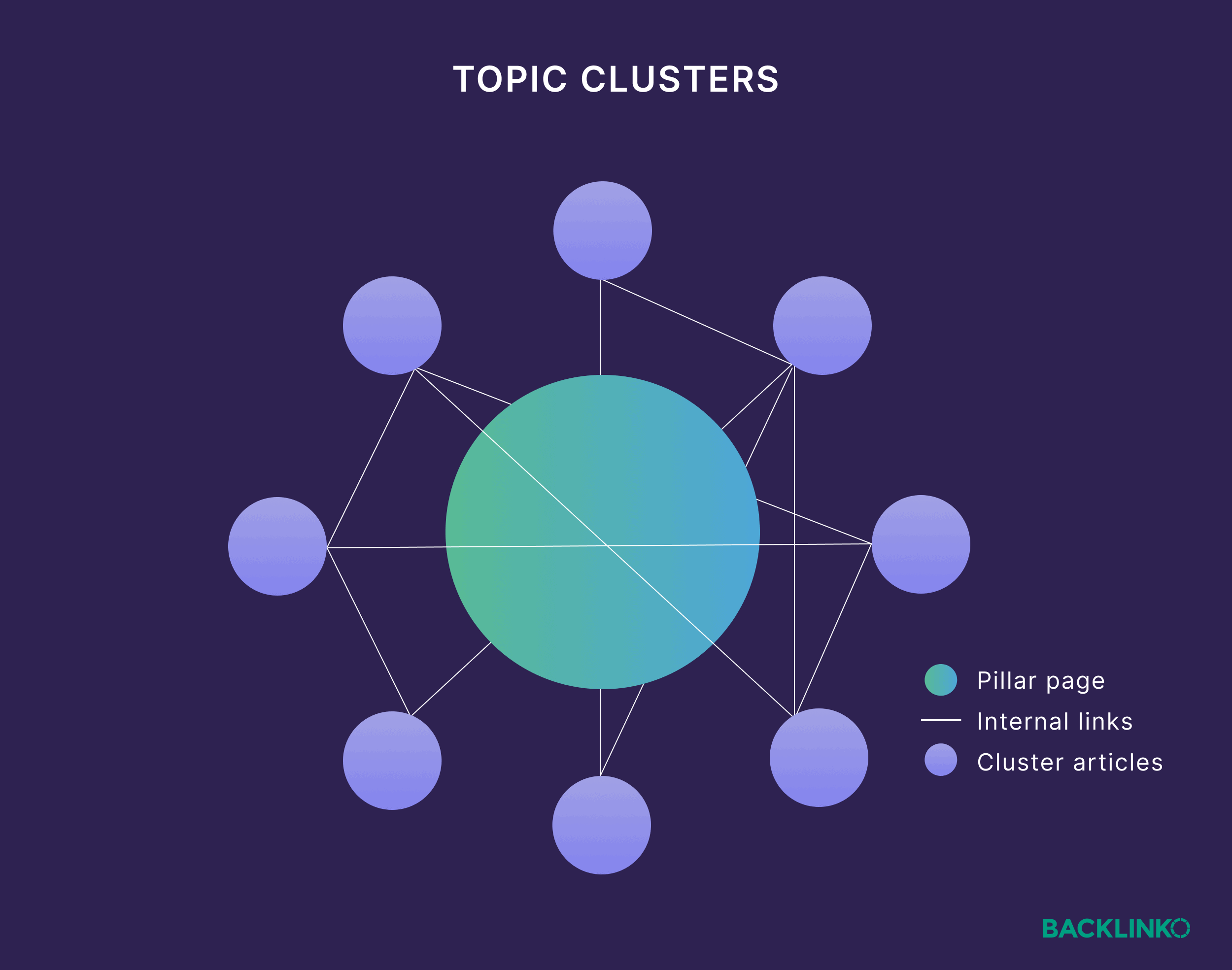
Ultimately, mastering query fan-out requires marketing teams to transition from thinking like traditional keyword optimizers to thinking like information architects. By building interconnected topic clusters, front-loading critical answers, and ensuring brand mentions exist across the robust ecosystem of trusted third-party sources that LLMs crawl, businesses can secure their place in the next generation of search.