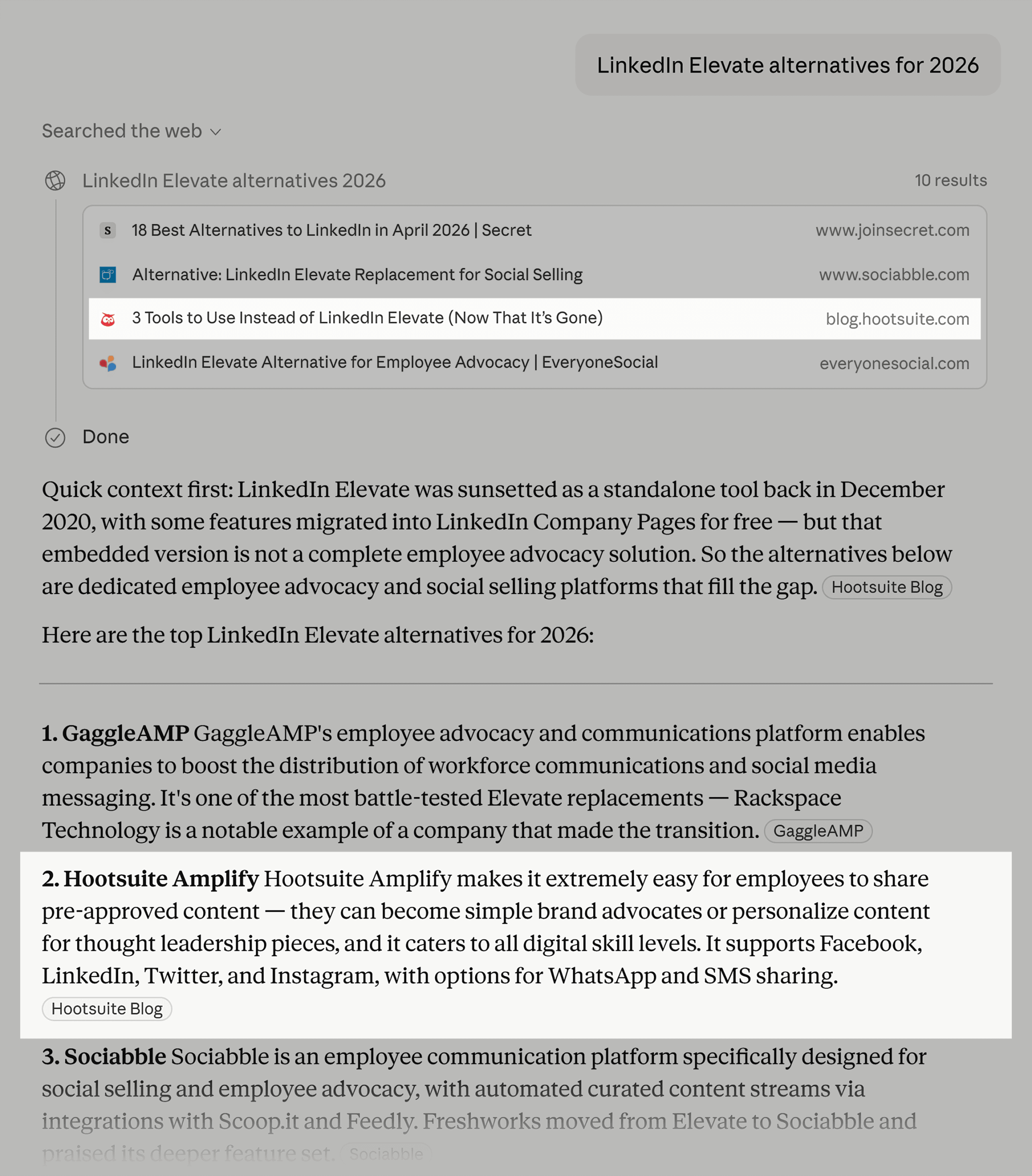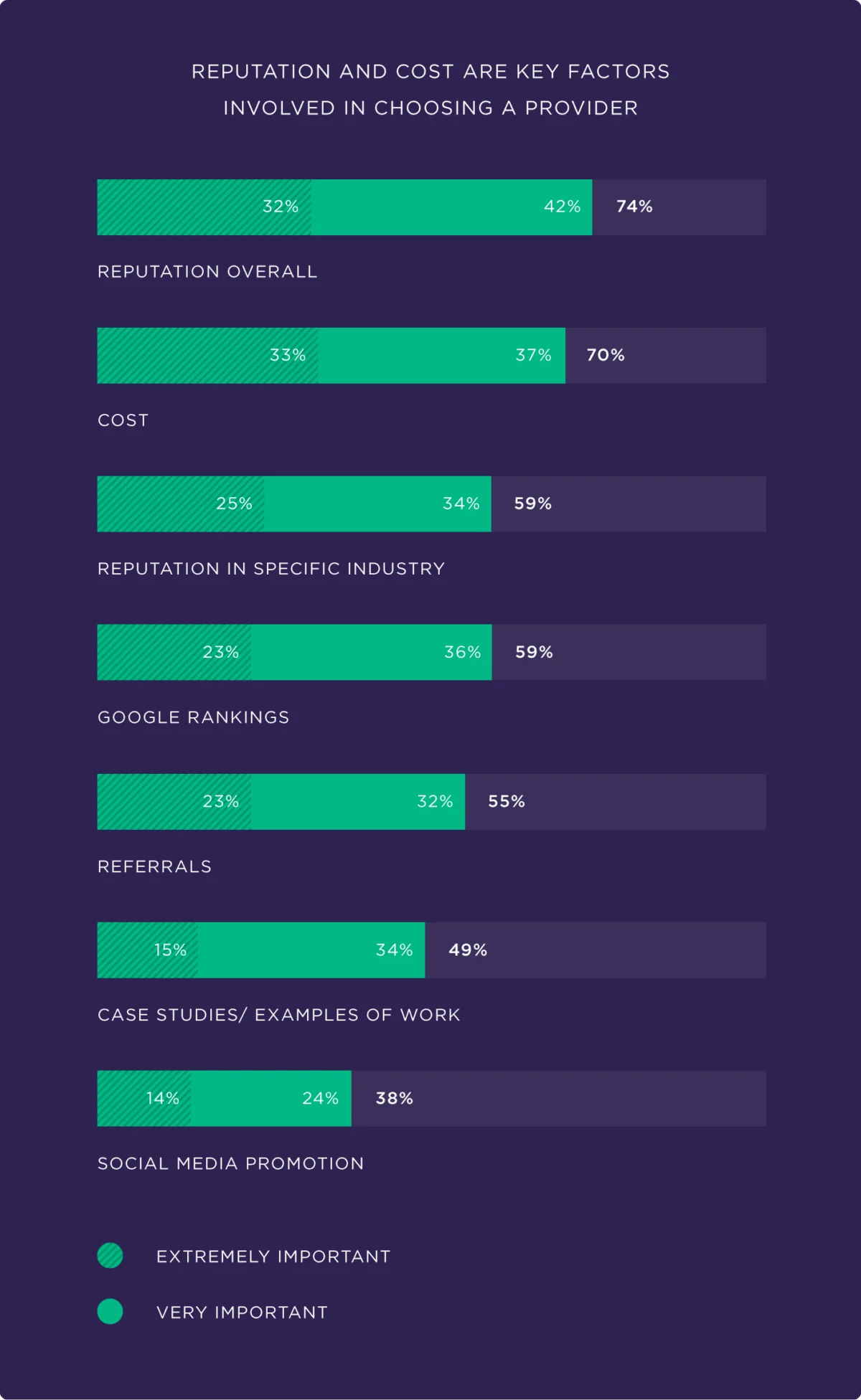
In the modern digital landscape, your analytics dashboard is no longer the final arbiter of truth. While traditional metrics like click-through rates and organic traffic remain standard, they are increasingly incomplete. When a potential buyer asks an AI assistant for a software recommendation and your competitor is named—or when a prospect scours a Reddit thread for peer reviews and finds your brand absent—you are losing visibility. This is "invisible" attrition: it happens entirely outside the walls of your website, and it will never appear in your Google Analytics reports.

To stay competitive, marketers are shifting their focus to Share of Voice (SoV). Once a metric reserved for high-budget television advertising, SoV has evolved into the most accurate measurement of a brand’s influence across the fragmented digital ecosystem. It measures your visibility relative to competitors across every channel where buyers conduct research and make decisions.
What Is Share of Voice?
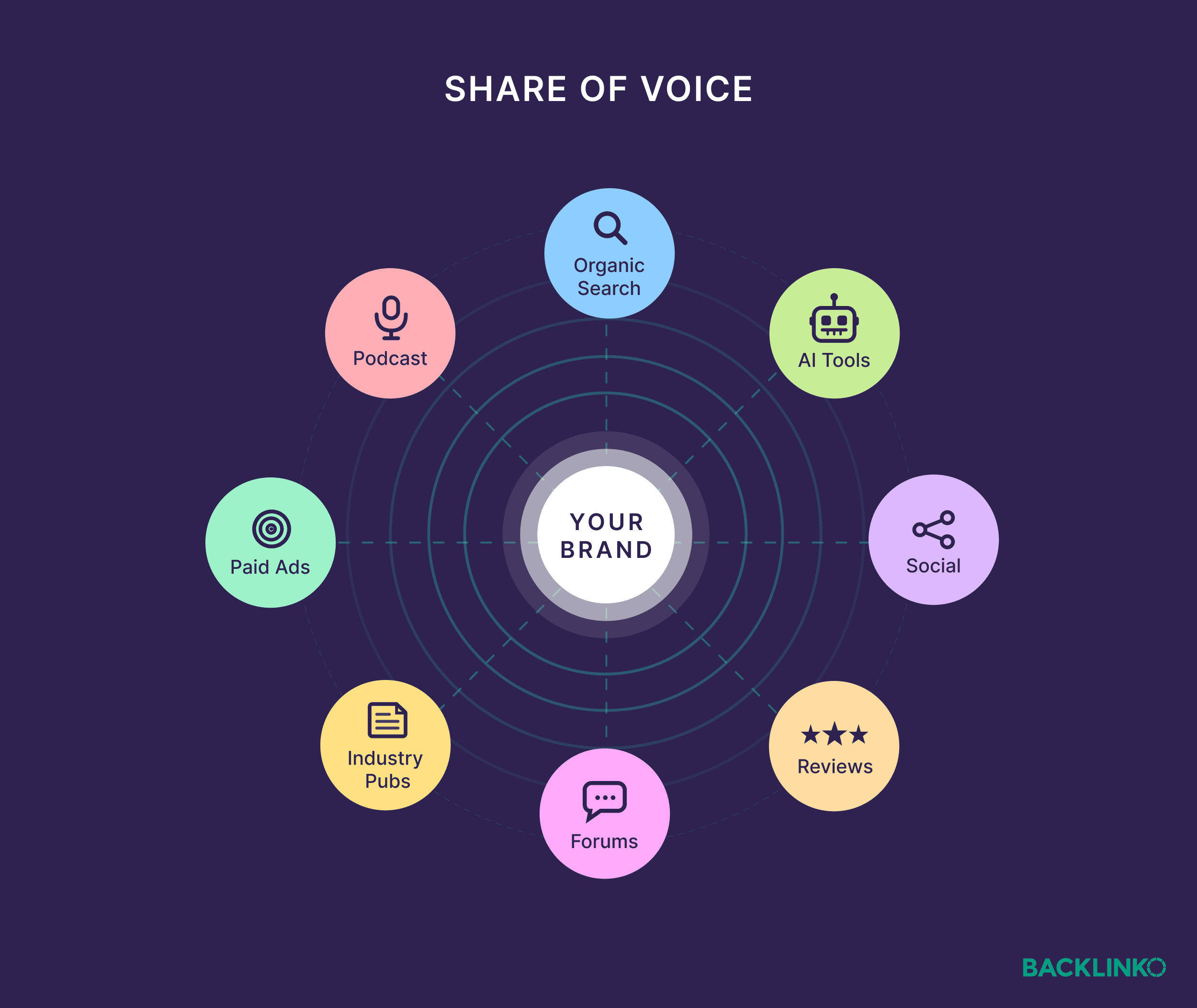
At its core, Share of Voice measures your brand’s presence relative to your competitors across multiple marketing channels, including organic search, AI-driven answers, social media, and third-party review platforms.
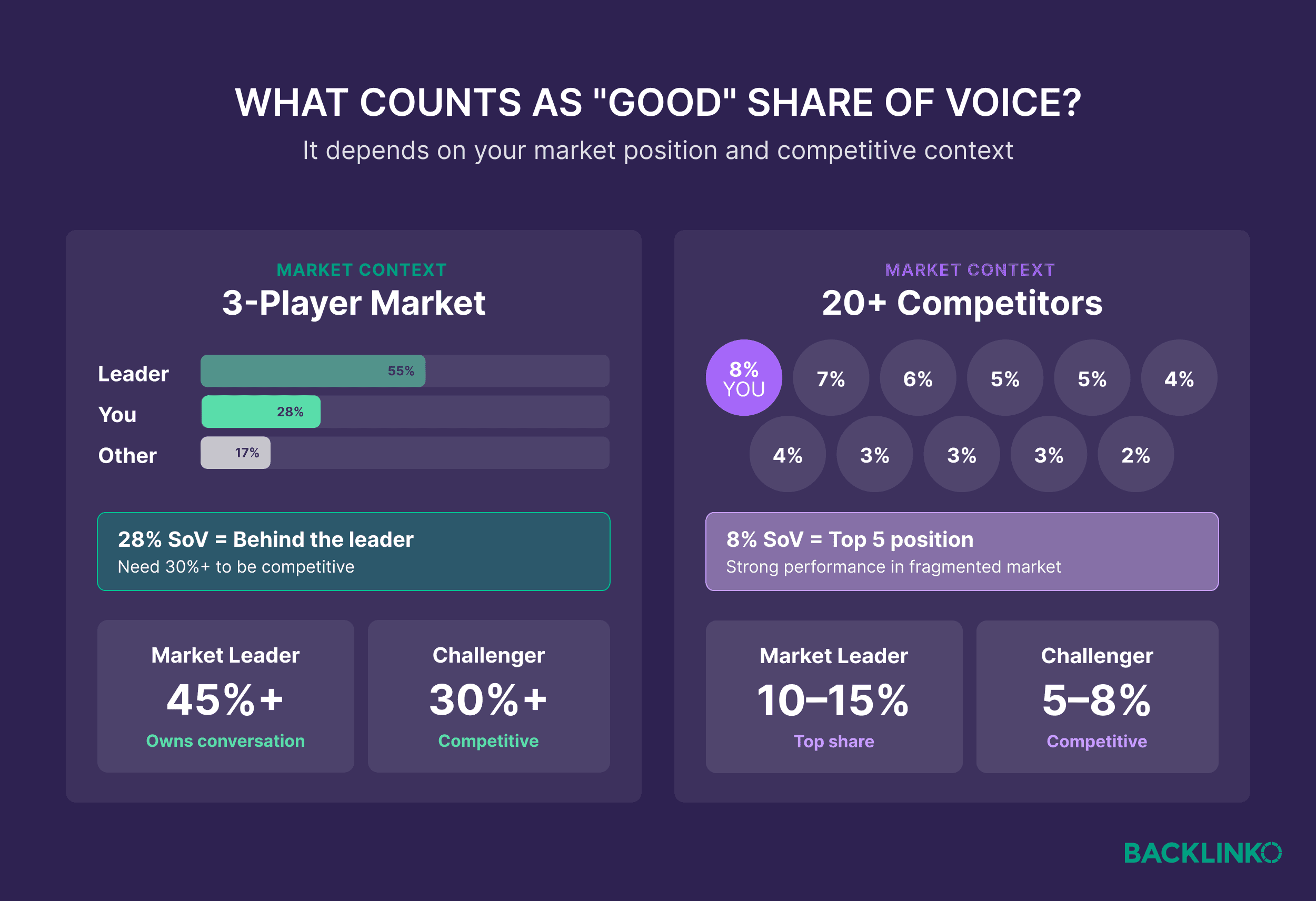
Traditionally, companies used SoV to track their dominance in ad spend. In today’s context, however, it has become a diagnostic tool that tells you exactly what percentage of the conversation you own in your category. If search is where buyer discovery is shifting fastest, then search SoV—covering both traditional organic results and AI-generated answers—is the foundation upon which your broader marketing strategy should be built.
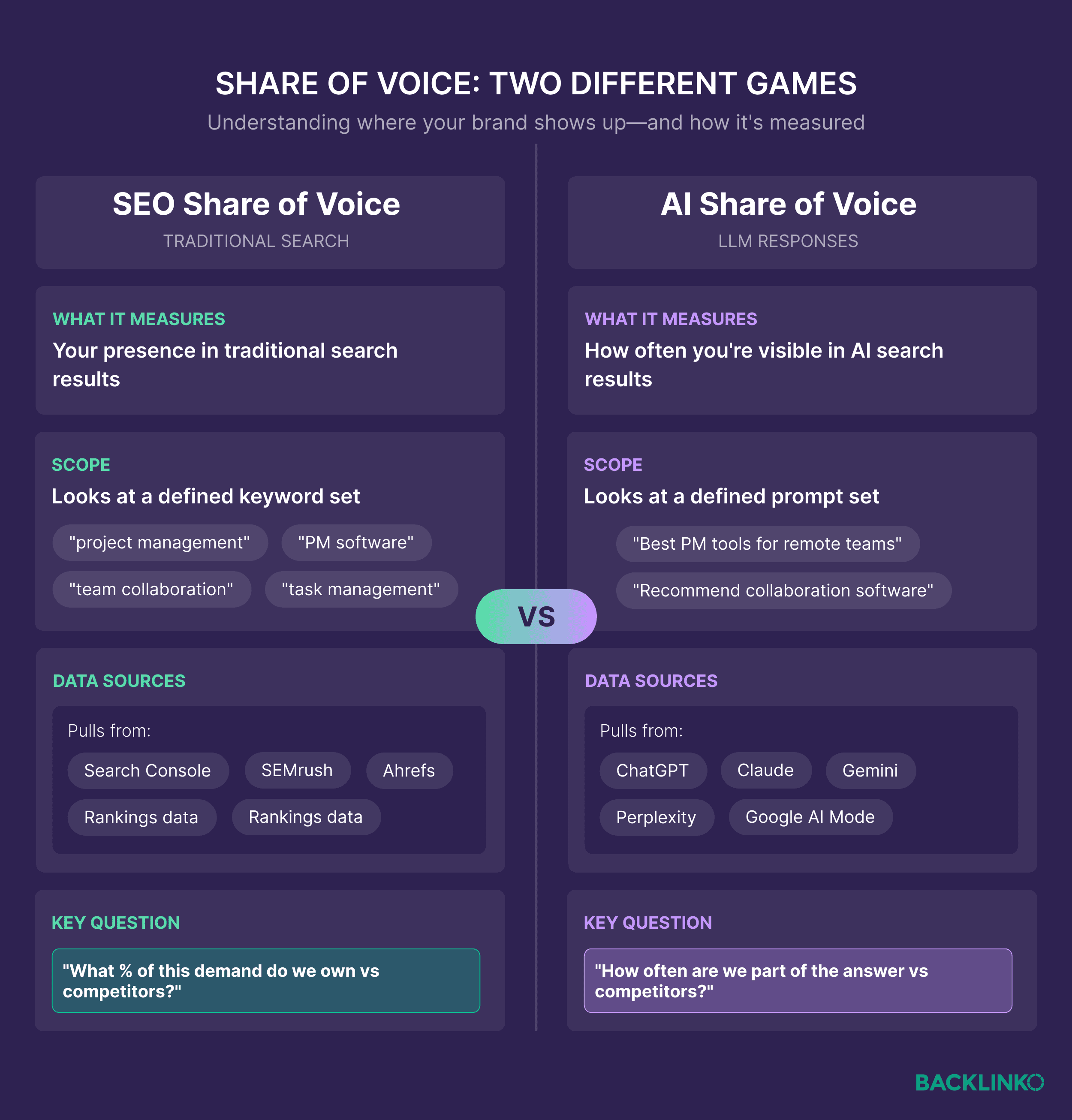
The Two Games: SEO SoV vs. AI SoV
While both metrics answer the same fundamental question—What percentage of category demand does your brand own?—they measure two distinct environments.
- SEO SoV: This calculates your slice of traditional organic search traffic. If you track 100 high-intent keywords that generate 50,000 monthly visits collectively, and your site captures 15,000 of those visits, your organic SoV is 30%.
- AI SoV: This measures how often your brand is mentioned or cited in LLM responses from tools like ChatGPT, Perplexity, or Google’s AI Overviews. Unlike traditional SEO, which relies on a single blue link, AI SoV is determined by the model’s "trust" in your brand as an authority on a specific subject.
Why Share of Voice is the New "North Star"
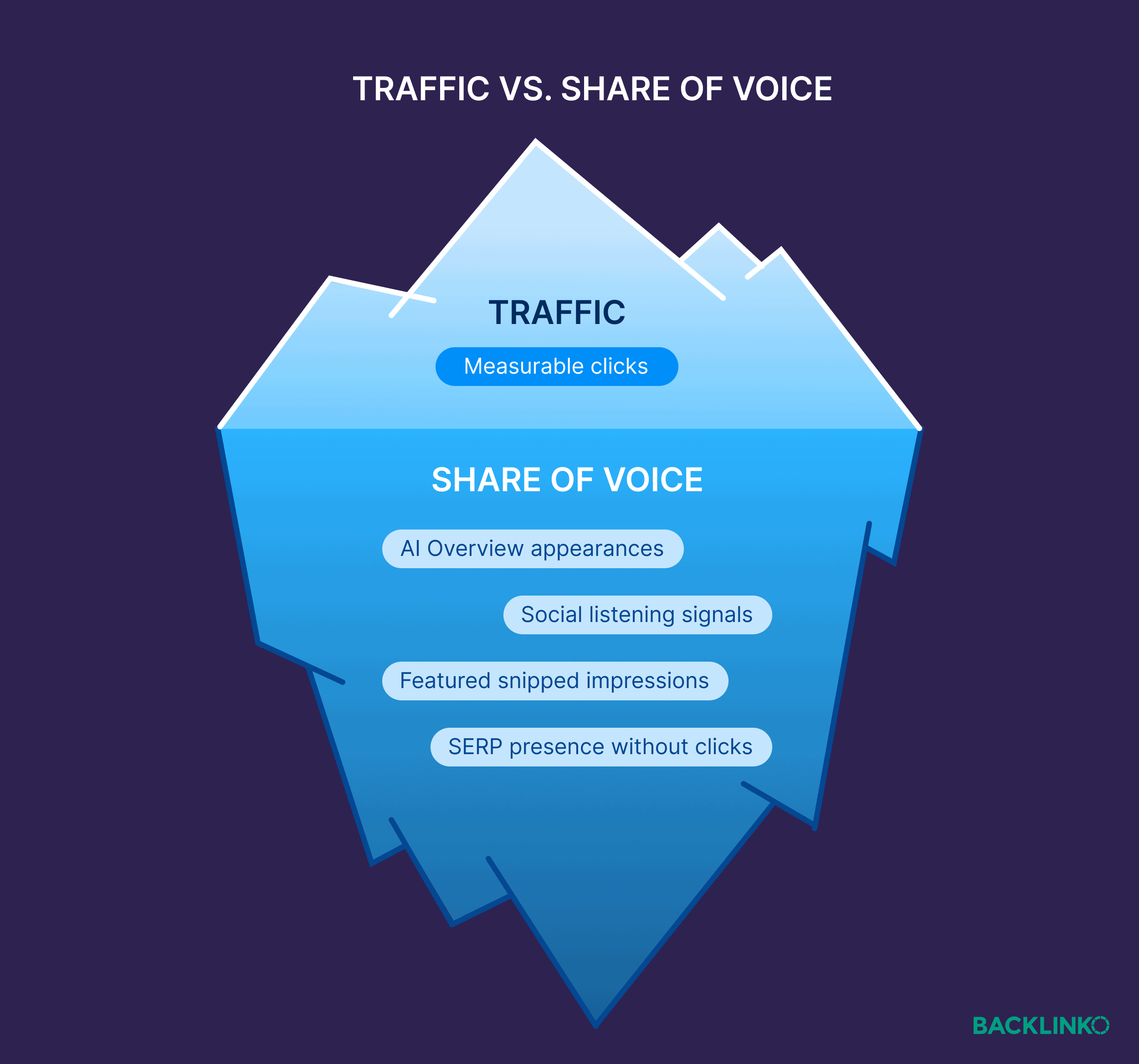
The shift toward SoV as a core KPI is driven by the rise of "zero-click" searches. As users increasingly rely on AI to synthesize information, they are less likely to visit individual websites. Consequently, traffic is becoming a lagging indicator of brand health.
1. Visibility Beyond the Click
Traditional analytics only track the users who arrive at your doorstep. SoV, however, reveals how visible you are in the consideration set. If a user searches for "best project management software," sees your brand in an AI-generated list, and later navigates to your site directly, traditional tools might misattribute this as "direct traffic." SoV allows you to see the discovery that occurred before the visit, providing a clearer picture of your brand’s actual reach.
2. A Unifying Metric for Siloed Teams
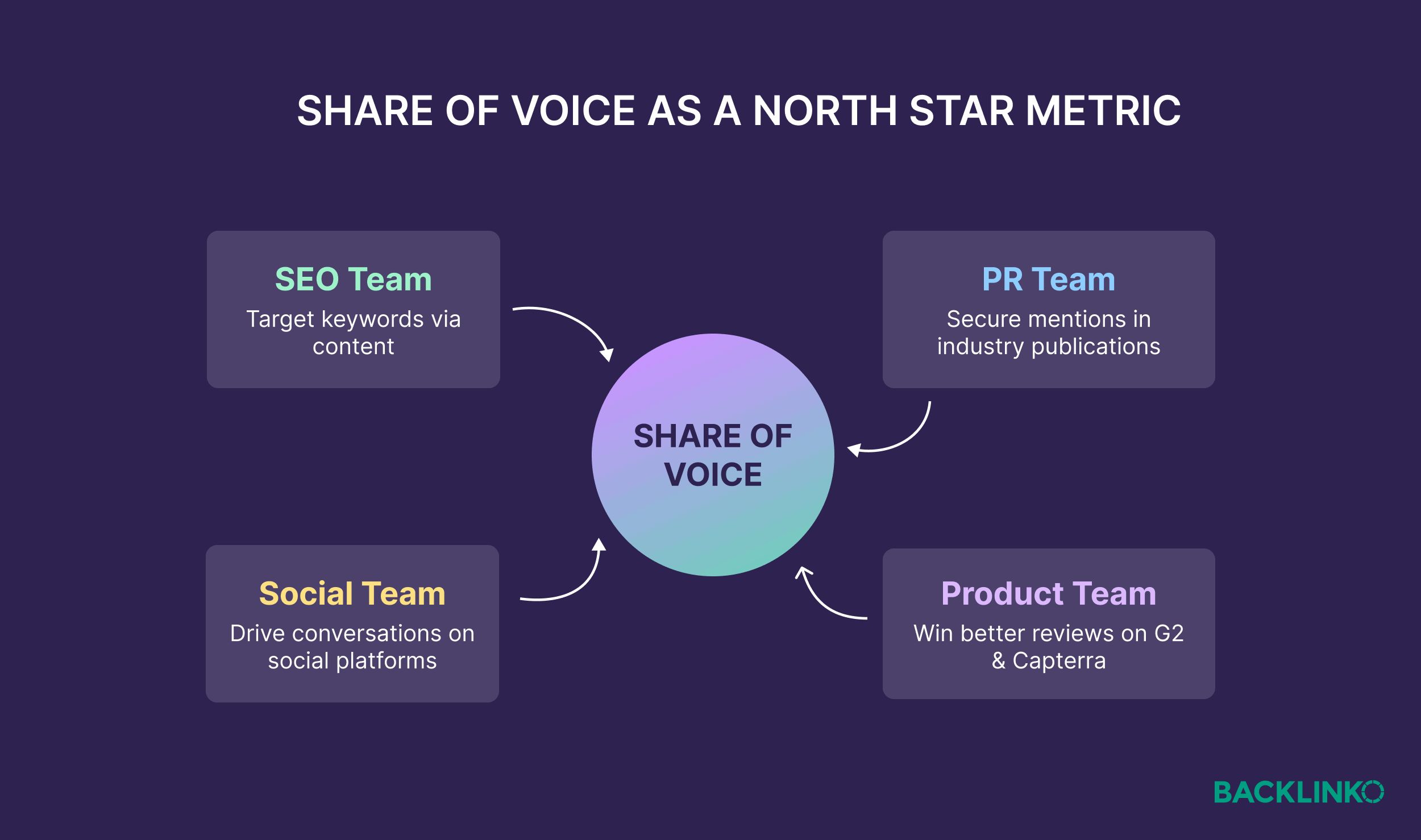
Marketing departments often operate in silos: the SEO team chases clicks, the PR team chases mentions, and the social team chases engagement. SoV acts as a common language. When these teams can see how their collective work contributes to a single, growing percentage of category ownership, it creates a powerful incentive for collaboration.

Four Steps to Measuring Your Share of Voice
Measuring SoV may seem daunting, but it can be broken down into a strategic four-step framework.
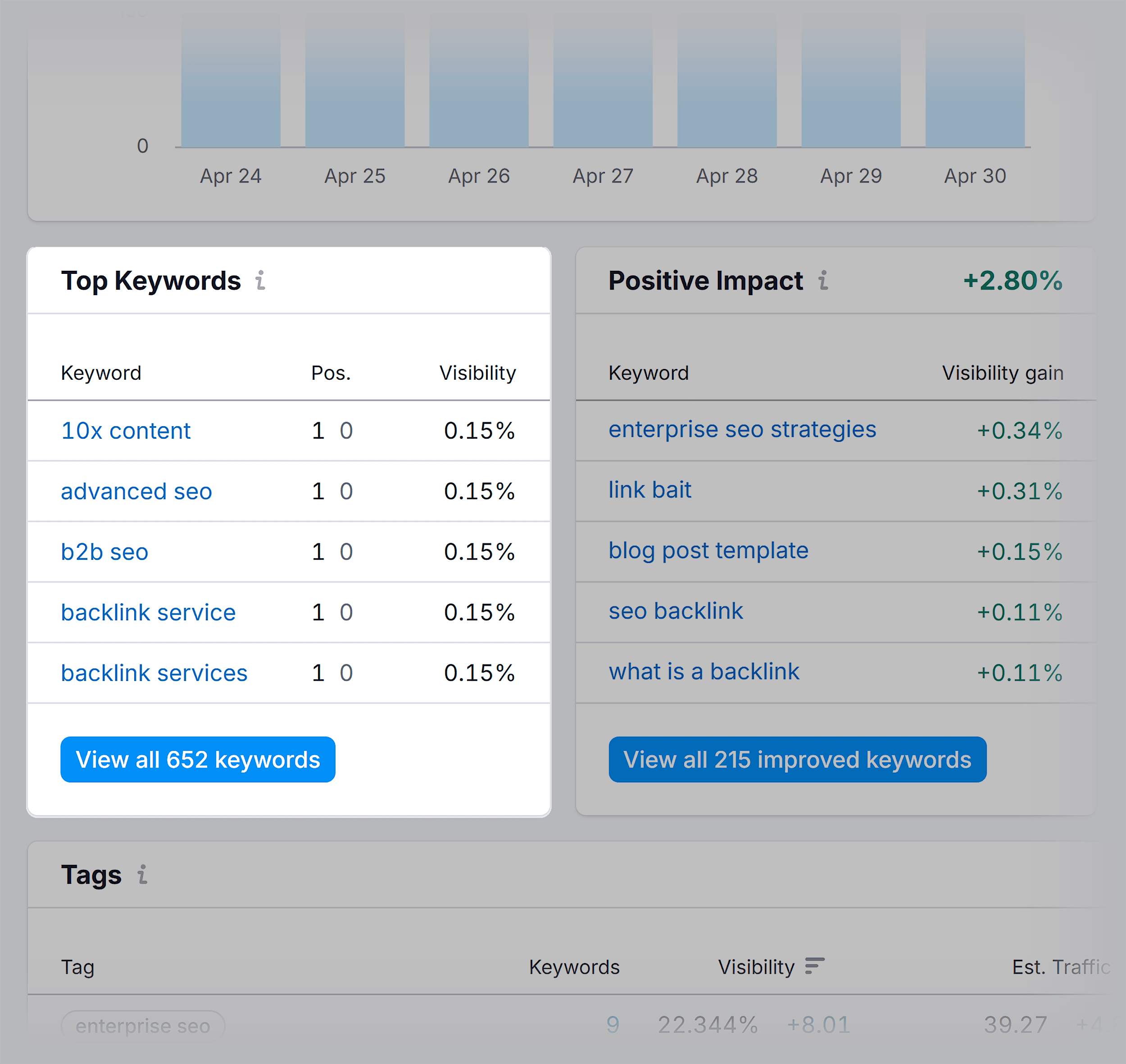
Step 1: Define Your Industry Landscape
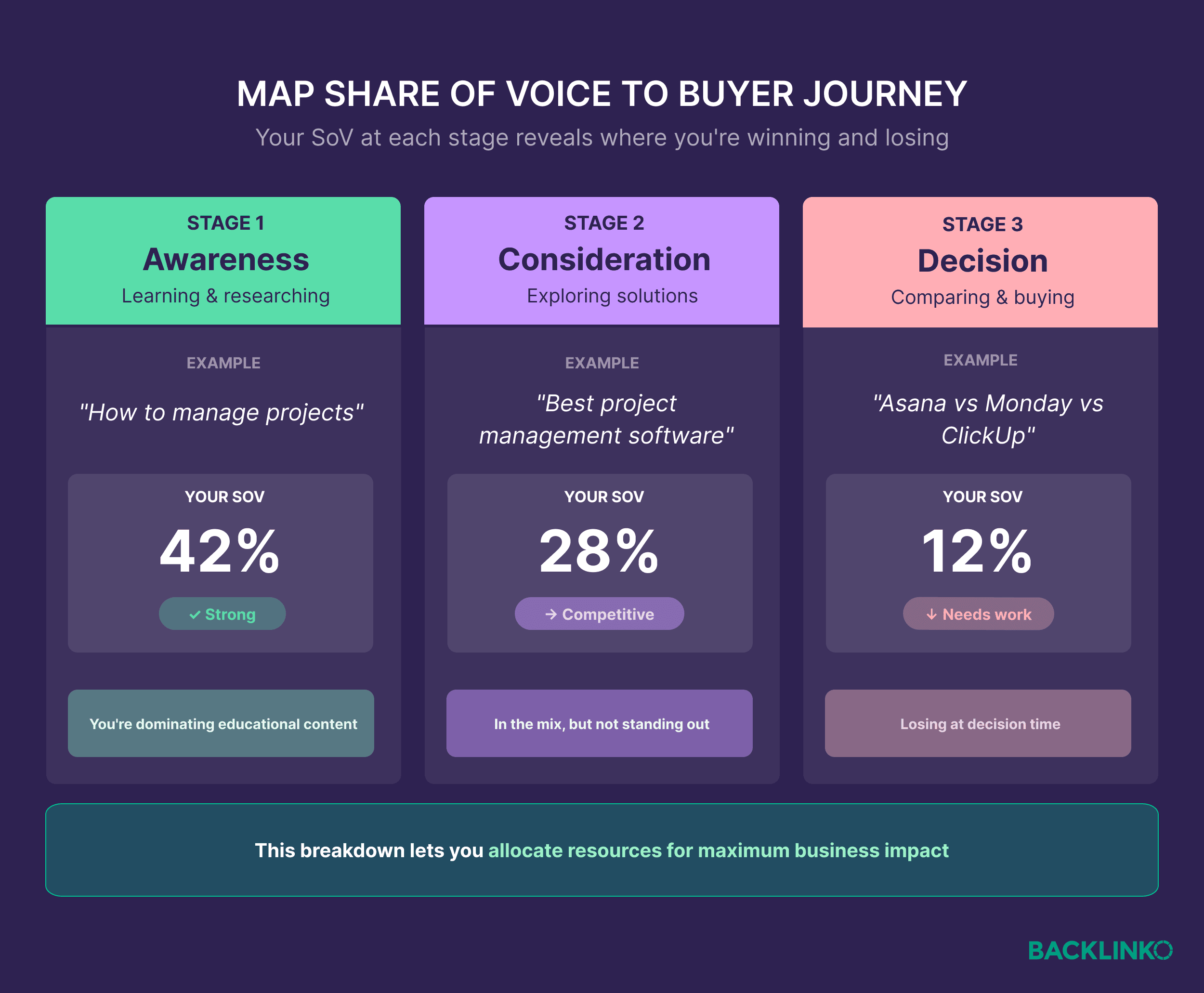
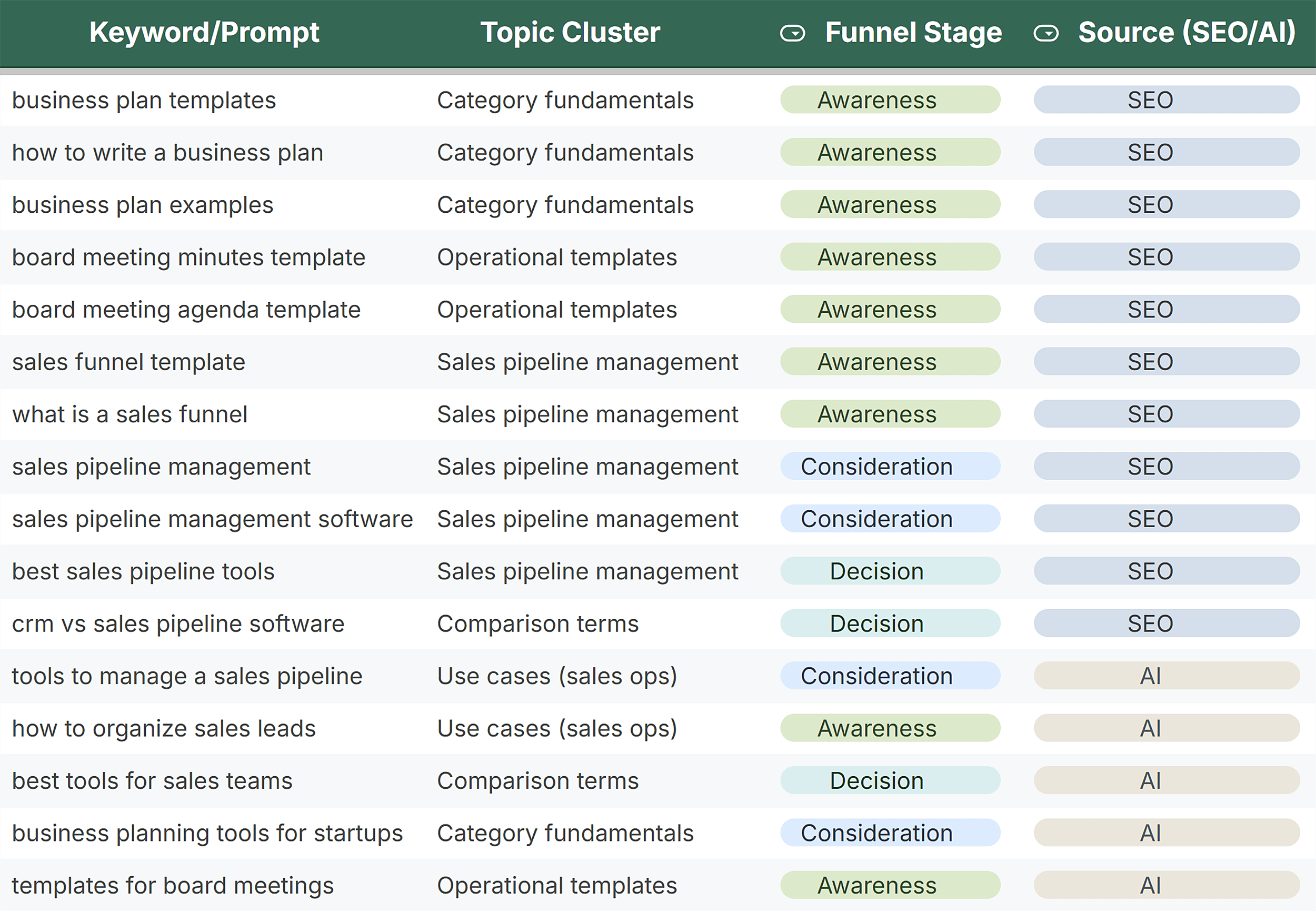
You cannot measure everything. Start by identifying your "revenue-driving" topic clusters. For a SaaS company, this might involve categorizing keywords into:
- Awareness: Broad industry terms.
- Consideration: Feature-specific or "best of" comparisons.
- Decision: High-intent terms like "[Your Brand] vs [Competitor]."
Mapping your SoV against these funnel stages allows you to see if you are winning the conversation but losing the deal.
Step 2: Build Your Keyword and Prompt Libraries
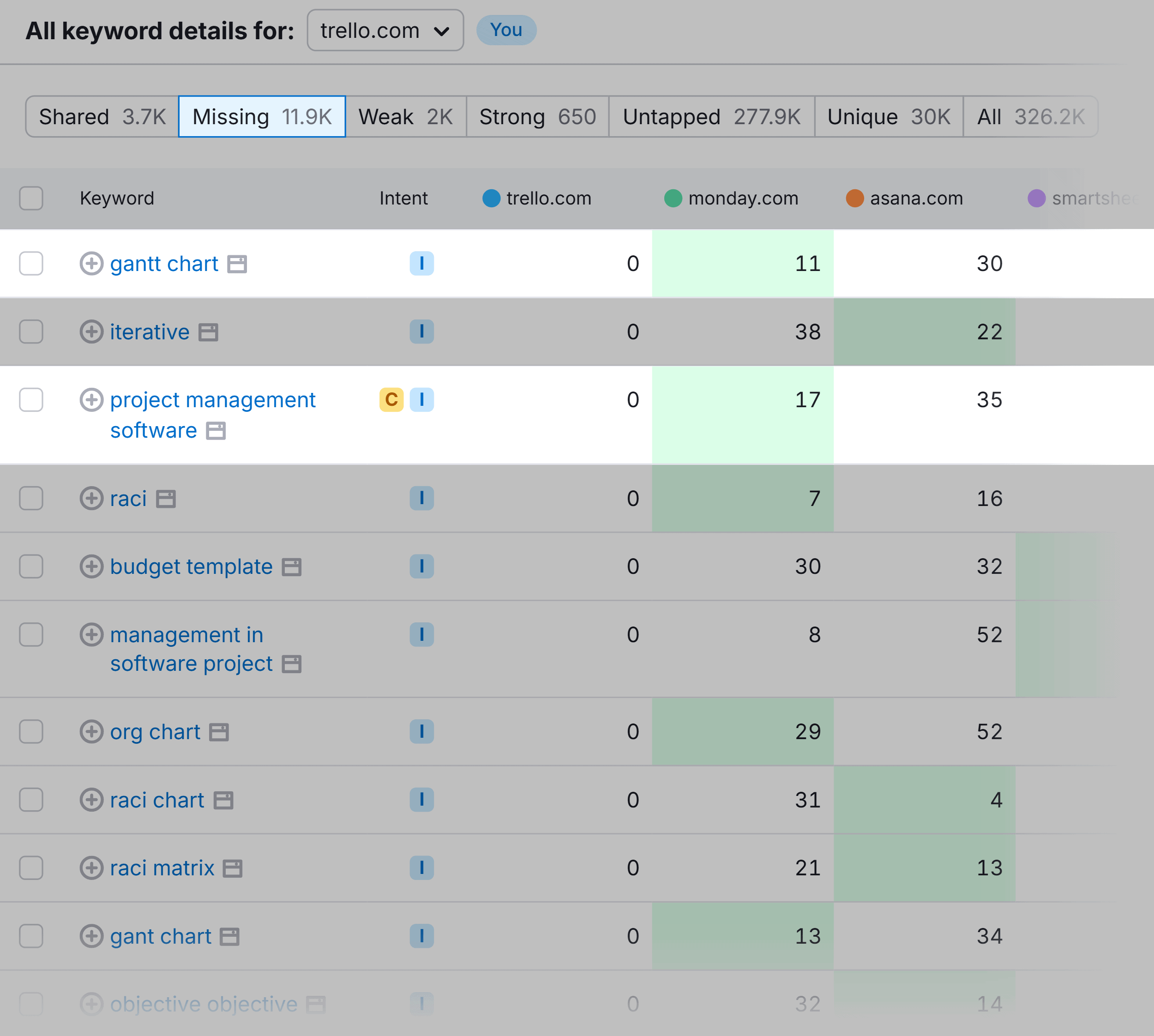
You need to aggregate 200–500 queries that reflect how your audience searches.

- SEO Data: Pull "Impressions" data from Google Search Console and export your highest-converting PPC keywords.
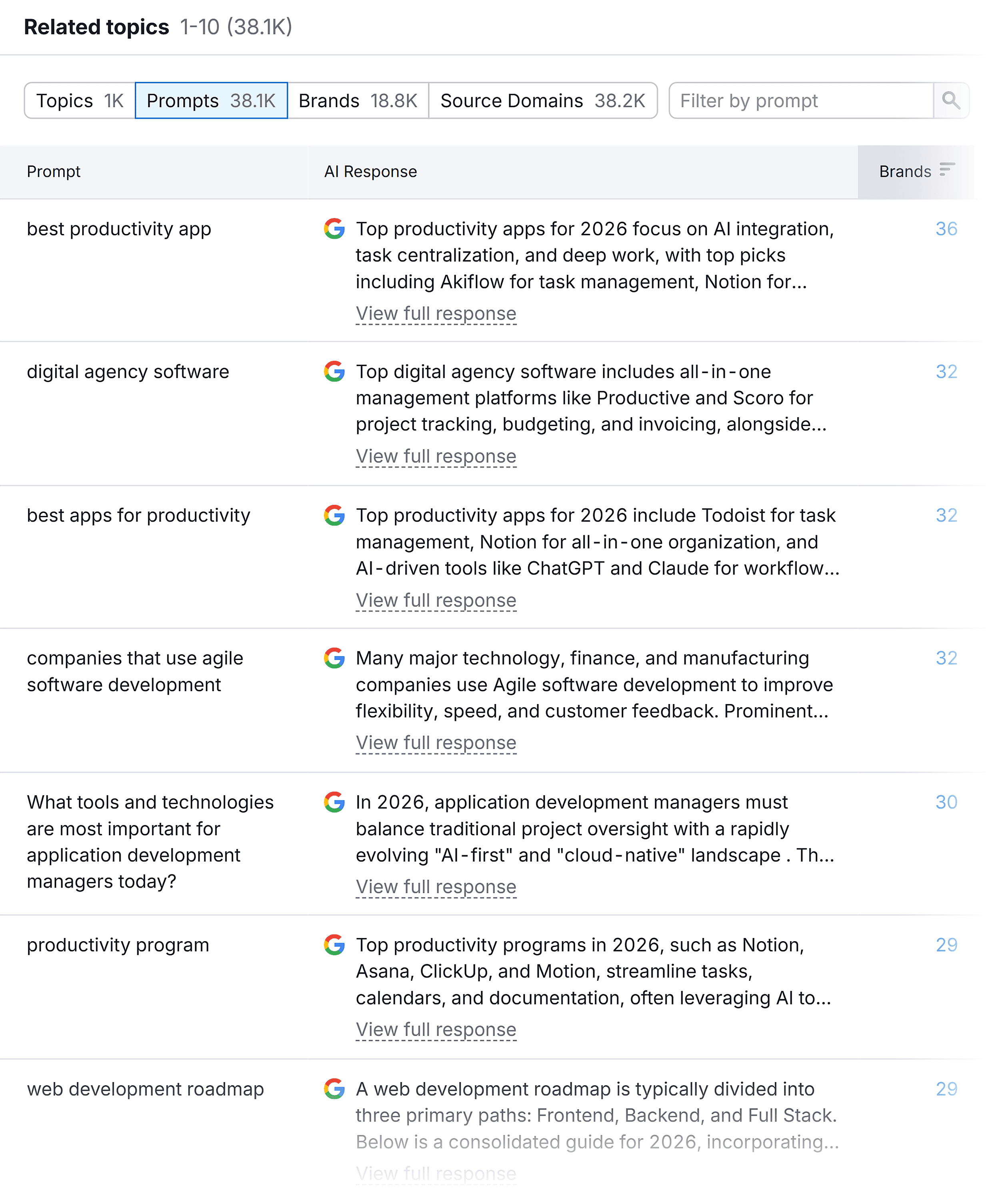
- AI Prompting: Analyze community discussions on Reddit or Slack to see how your customers phrase their pain points. Translate these into direct questions: "What is the best project management tool for a remote creative agency?"
Step 3: Calculate Your Share
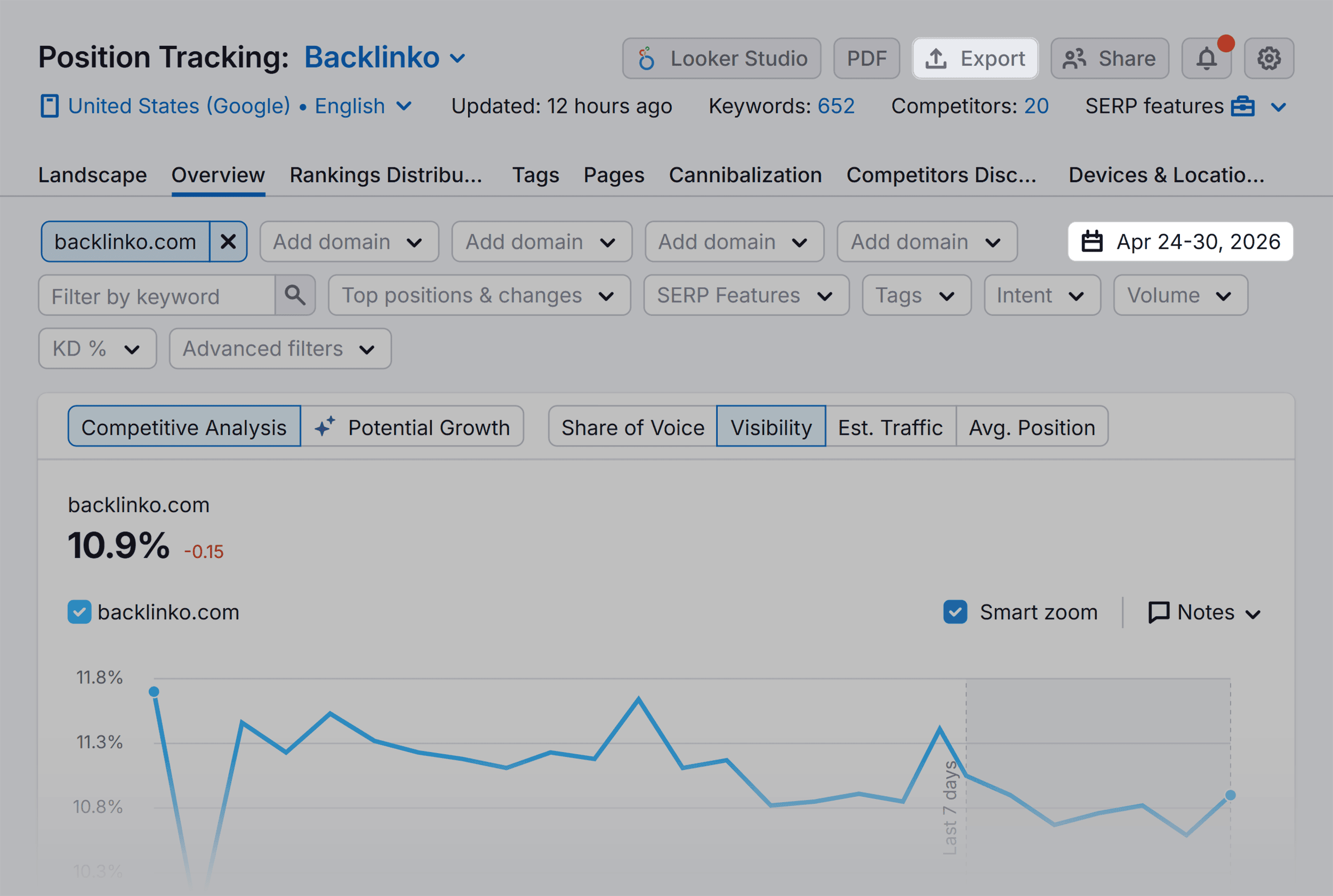
The manual calculation for SEO SoV involves multiplying monthly search volume by the click-through rate (CTR) of your specific ranking position. However, for a more accurate and scalable approach, enterprise tools like Semrush’s Position Tracking and AI Visibility Toolkit can automate this, providing daily snapshots of your ranking distribution compared to competitors.
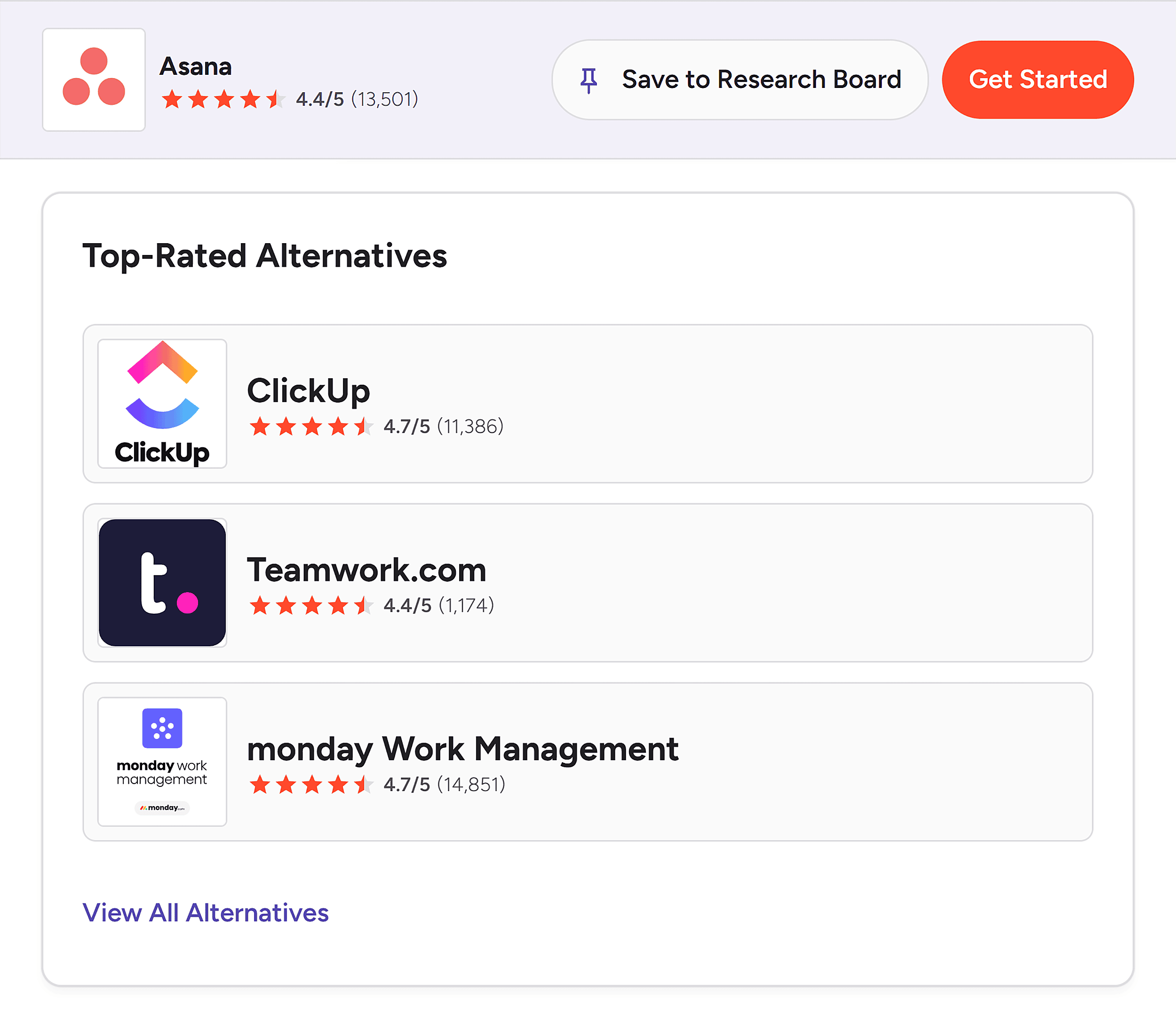
When measuring AI SoV, look for metrics such as:

- Mention Rate: How often the brand is named.
- Citation Rate: How often the LLM links back to your content as a source.
- Sentiment: Whether the AI describes your brand favorably in the context of the query.
Step 4: Establish a Baseline and Track Trends
A single data point is just a snapshot; a trend is a strategy. Establish a monthly cadence for reviewing your SoV. Quarterly deep dives allow you to adjust your content roadmap to account for market shifts, such as a competitor launching a new campaign or a sudden change in how AI models interpret your industry.
Strategic Implications: Closing the Gaps
Once you have your data, you can move from measurement to execution.
- If you have low SoV in decision-stage queries: You are invisible when it matters most. Your priority should be building high-intent content, such as comparison pages, case studies, and buyer’s guides.
- If you have high SEO SoV but low AI SoV: Your content is likely "SEO-first" rather than "Answer-first." You may need to adopt content chunking—structuring your articles with clear, concise answers to specific questions that AI models can easily ingest and cite.
- If a competitor is gaining ground: If a rival’s SoV increases by more than 5% in your core clusters, it is a leading indicator that they are encroaching on your territory. Respond by optimizing your review site profiles and engaging more aggressively in the communities where your audience lives.
Conclusion
Share of Voice is more than a vanity metric; it is the most accurate proxy we have for brand relevance in an AI-first world. By tracking how often you appear in the consideration set, you gain the ability to make data-driven decisions that impact your revenue pipeline rather than just your traffic volume. In 2026 and beyond, the brands that win will be the ones that stop obsessing over the clicks they capture and start dominating the conversations that matter.