As the digital marketplace pivots into the final stretch of the fiscal year, October 2026 presents ecommerce content marketers with a distinct window of opportunity. Navigating the intersection of consumer psychology, shifting digital transparency regulations, and seasonal transitions requires more than routine promotional messaging. At its core, successful content marketing operates on the principle of reciprocity: a merchant delivers genuine value—whether through education, utility, or entertainment—long before asking for the shopper’s attention, trust, or capital.
To help brands cut through the fourth-quarter noise, this guide explores five strategic content marketing concepts tailored for October 2026. Ranging from centennial literary milestones to the strategic integration of user-generated content (UGC) in an era dominated by generative artificial intelligence, these ideas offer a roadmap for maximizing engagement and conversion.
1. Main Facts: The Strategic Imperative of October Content
Content marketing in October must balance the festive momentum of the impending holiday season with sophisticated brand storytelling. As consumer spending shifts toward winter preparations, Halloween, and early holiday shopping, digital merchants face a crowded landscape. The differentiator is authenticity.
The core facts defining the October 2026 content environment include:
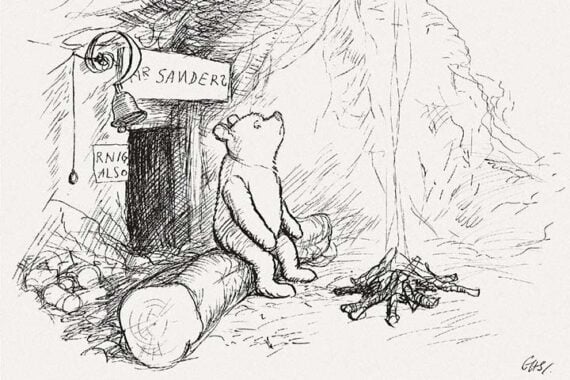
- The Pooh Centennial: October 14, 2026, marks the 100th anniversary of the publication of A.A. Milne’s Winnie-the-Pooh in the United States and Great Britain, presenting wide-ranging cultural marketing hooks.
- The Halloween Economy: The U.S. Halloween market commands upwards of $13 billion, driven by candy, costumes, decorations, and a surging pet segment.
- The AI-to-UGC Shift: With generative AI reducing the cost of synthetic media, major platforms (including Pinterest, TikTok, and Meta) have introduced strict labeling systems for AI content, elevating the value of genuine user-generated content as proof of product utility.
- American Archives Month: October’s designation as Archives and Records Month gives established brands a structured reason to leverage historical company assets.
- Real-Time Newsjacking: High-profile commentary from public figures on platforms like X continues to offer agile merchants rapid opportunities to connect current events with product catalogs.
2. Chronology: Key Historical and Calendar Anchors for October
Understanding the timeline of cultural milestones allows content teams to pre-schedule campaigns, build robust asset libraries, and capitalize on predictable consumer interest spikes.
October 1–31: American Archives Month & Seasonal Transition
Throughout the month, heritage brands and modern enterprises alike observe American Archives Month. Simultaneously, millions of households begin winterizing properties, swapping summer wardrobes for heavy outerwear, and preparing heating systems. This month-long transition sets the stage for task-oriented search queries and DIY tutorial content.
October 14, 2026: Winnie-the-Pooh’s Centennial Anniversary
One hundred years to the day since A.A. Milne’s timeless classic made its transatlantic debut, publishers and global brands will mark the milestone. Content marketers can align their product lines—spanning books, toys, kitchenware, and lifestyle items—with themes of nostalgia, friendship, and simplicity.
October 31, 2026: Halloween
The culmination of the month’s highest-grossing retail event. Campaigns relying on community engagement, costume showcases, and pet photography reach their peak conversion windows in the final week leading up to Halloween night.
3. Supporting Data: Metrics, Market Valuations, and Platform Shifts
Data from consumer behavior studies and platform policy updates underscore why these five content strategies are critical for Q4 2026.
The Economic Scale of Seasonal Retail
- Halloween Spending ($13B+): According to retail industry estimates, the Halloween seasonal market remains a multi-billion-dollar engine. While traditional mainstays like costumes and confectionery lead expenditures, decorations, home entertainment, and pet apparel represent rapidly expanding sub-segments.
- The Credibility Deficit of Synthetic Media: Generative AI tools have saturated the web with polished, inexpensive text and imagery. However, consumer trust surveys repeatedly indicate skepticism toward fully synthetic marketing assets.
Platform Regulatory Responses to AI
Major social networks and discovery engines have aggressively rolled out transparency protocols:
- Pinterest: Implements automated and user-applied labels for generative AI imagery, while offering users ways to filter out synthetic content in specific feeds.
- TikTok & Meta: Both companies enforce mandatory disclosure guidelines for AI-manipulated media and synthetic text to protect platform integrity.
These regulatory and platform shifts mean that authentic, customer-submitted media acts as a crucial trust signal, bypassing the algorithmic fatigue associated with low-effort AI generation.
4. Official Responses and Industry Reactions: AI vs. Human Expertise
As artificial intelligence permeates every facet of digital life, industry experts are grappling with how to balance automation with authentic human authority. Nowhere is this tension more visible than in customer education and DIY tutorials.

Content marketers are increasingly adopting an "AI vs. Expert" framework to address consumer queries. Rather than blindly publishing AI-generated advice on seasonal chores—such as winterizing a vehicle, sealing home windows, or planning holiday meals—brands are enlisting certified human professionals to audit machine-generated recommendations.
Industry analysts note that this approach serves a dual purpose:
- Transparency: It demonstrates that the brand values empirical, real-world expertise over quick, automated shortcuts.
- Authority (E-E-A-T): By highlighting where AI succeeds and where it dangerously fails, brands reinforce their subject-matter expertise in alignment with search engine quality guidelines.
For instance, when an AI assistant provides flawed instructions on automotive winter maintenance, a certified mechanic correcting those steps creates compelling, highly shareable content that builds immediate brand trust.
5. Implications for Ecommerce Content Marketers
Translating these October themes into actionable strategies requires cross-departmental coordination, creative flexibility, and a commitment to audience value. Here is how ecommerce brands can execute each of the five content concepts:

Capitalizing on Pooh at 100
While bookstores and toy merchants have a direct line to the Winnie-the-Pooh centennial, creative lateral thinking allows nearly any brand to participate.
- Apparel and Home Goods: Focus on cozy lifestyle aesthetics, honey-toned palettes, and themes of outdoor exploration.
- Food and Beverage: Highlight honey-centric recipes, artisanal spreads, or classic British afternoon tea accessories.
- Publishing and Education: Curate reading lists that explore the history of children’s literature and the psychology of childhood nostalgia.
Harnessing Halloween UGC
Combat AI fatigue by turning your customer base into your creative agency. Launch campaigns that invite shoppers to submit photos, videos, and reviews featuring your products in action:
- Kitchen Merchants: Solicit photos of spooky, themed baked goods (e.g., ghost cookies or pumpkin-shaped cakes).
- Apparel Retailers: Feature customer-created costumes and DIY styling tutorials utilizing everyday wardrobe pieces sold on your site.
- Pet Supply Shops: Invite shoppers to submit pictures of dogs, cats, and small animals dressed in Halloween costumes.
The best submissions can be repurposed into interactive email newsletters, product-page photo galleries, social media spotlights, or a community-voted Halloween photo contest.
Executing the "AI vs. Expert" Challenge
Build transparency and authority by putting AI to the test against seasoned professionals. Identify seasonal maintenance chores relevant to your niche:
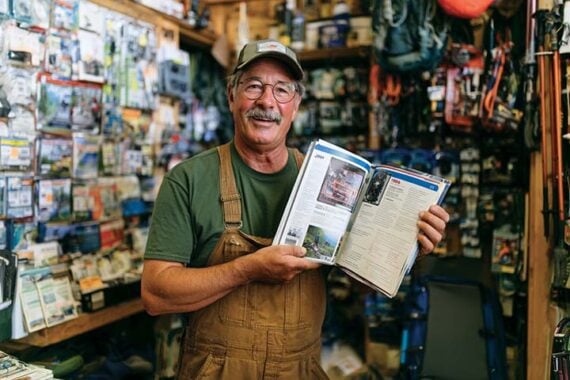
- Ask a leading LLM (such as ChatGPT, Claude, or Gemini) to provide a step-by-step guide for a seasonal task.
- Have a vetted human expert review the output, correct errors, and demonstrate superior techniques.
- Package the findings into an engaging blog post, video tutorial, or infographic.
Mining Company Archives for American Archives Month
Participate in American Archives Month by looking inward. Old catalogs, vintage product packaging, early advertisements, and discontinued models are goldmines for retrospective content.
- Longtime Retailers: Publish side-by-side comparisons showing how product design, manufacturing quality, or fashion trends have evolved over decades.
- Newer Enterprises: Curate industry archives that explore the historical evolution of the tools or goods you sell (e.g., tracing the evolution of cast-iron cookware from the 19th century to modern iterations).
Agility with News Hooks
Content marketers cannot predict breaking news, but they can prepare to react. When cultural figures, public intellectuals, or industry leaders make viral statements—such as Elon Musk’s widely discussed observations on the trajectory of digital AI capabilities—agile brands can tie these discussions back to their product offerings.
- Example: A boutique apparel brand selling science-fiction-themed merchandise can quickly publish an editorial examining how classic sci-fi authors anticipated modern technological debates.
By monitoring cultural pulse points, prioritizing authentic user-generated content, and honoring both historical milestones and modern technological debates, ecommerce marketers can drive meaningful engagement throughout October 2026.