The digital commerce landscape is undergoing a tectonic shift. As consumer expectations for speed, personalization, and seamless integration reach an all-time high, the technology stack available to merchants is evolving rapidly. From the deployment of "agentic" storefronts—AI-driven interfaces that handle everything from discovery to checkout—to the decentralization of retail logistics, the latest round of product releases highlights a clear trend: the automation of the entire buyer journey.
This week, we examine a diverse array of new services, ranging from SMS marketing automation and AI-powered SEO to revolutionary 30-minute delivery networks and universal checkout protocols.
Main Facts: The New Merchant Ecosystem
The current wave of innovation is characterized by the move from passive tools to active, agent-based systems. Key highlights from this week’s industry updates include:
- AI-Native Customer Experiences: Platforms like Text, Swap, and Stackable Labs are redefining customer service, transforming it from a cost center into a profit-generating engine. These tools allow AI agents to navigate product catalogs, offer personalized recommendations, and facilitate transactions in real-time.
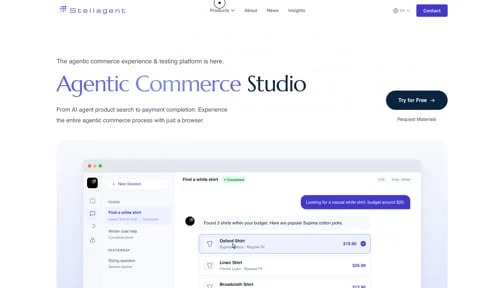
- The Rise of Agentic Commerce: Stellagent’s "Agentic Commerce Studio" signals that merchants are now preparing for a future where AI, rather than humans, will be the primary customer.
- Hyper-Local Fulfillment: Amazon’s expansion of its 30-minute delivery service, "Now," underscores the ongoing arms race in quick commerce, leveraging micro-fulfillment hubs strategically positioned near urban centers.
- Unified Checkout Protocols: Innovations from Shoppable and Klarna indicate that the "Buy" button is being abstracted away from traditional websites, moving instead into AI chats, search engines, and social media interfaces.
Chronology of Developments
The rapid succession of these releases within a single week suggests an industry-wide push to capitalize on AI before the next peak shopping season.

- Early Week: EZ Texting integrates with the Shopify App Store, focusing on the high-conversion potential of SMS marketing automation. Simultaneously, Studio 1119 and Moz announce an expansion of their SEO partnership to leverage AI for better search discovery.
- Mid-Week: Amazon hits the headlines with the rollout of "Now" (30-minute delivery) and the introduction of "Alexa for Shopping," a sophisticated AI assistant designed to bridge the gap between voice-based interaction and transactional shopping.
- Late-Week: A flurry of infrastructure-focused announcements occurs, including SureDone’s new mobile app for multichannel management, Meta’s deployment of Business AI on WhatsApp in India, and Clinch’s AI-powered creative tools for Snapchat.
Supporting Data: Enhancing Merchant Capability
The efficacy of these tools is rooted in their ability to process vast amounts of data to provide personalized outcomes.
SEO and Search Performance
The partnership between Studio 1119 and Moz addresses the "discovery gap." By integrating Moz’s search intelligence into the CataSEO platform, merchants gain access to granular performance data—such as domain authority and search trends—allowing them to optimize their product listings dynamically. In an era where AI agents are the ones performing the "search," having highly structured, authoritative product data is no longer optional; it is a prerequisite for visibility.
Multichannel Management
SureDone’s latest mobile release is a critical development for SME (Small and Medium Enterprise) merchants. By centralizing Amazon, eBay, and Shopify workflows into a single mobile interface, the platform addresses the "operational bloat" that often plagues scaling businesses. The data supports the move toward mobile-first management, where merchants can monitor inventory and listing health while away from their desks.
Creative Automation
Clinch’s update for Snapchat Dynamic Product Ads represents a paradigm shift in ad-tech. By using AI to bridge the gap between asset management and social commerce, Clinch allows retailers to automate the creation of visually rich, high-converting ads. The ability to refresh pricing and promotional overlays without manual intervention is a significant efficiency gain for large-scale marketing teams.

Official Perspectives and Strategic Intent
Industry leaders are framing these releases not just as incremental updates, but as strategic repositioning.
On AI-Driven Sales: The team at Text has stated that their new AI agents are designed to move customer service beyond reactive support. By training these agents on specific brand voices and business rules, they aim to turn customer queries into sales conversations, effectively placing a "digital sales clerk" in every chat window.
On Frictionless Payments: Klarna’s integration into Google Search and Gemini demonstrates a clear strategic intent: to follow the consumer. By embedding "Buy Now, Pay Later" (BNPL) functionality directly into AI search results via the Universal Commerce Protocol, Klarna is removing the friction of navigating to a third-party site, thereby increasing the likelihood of conversion at the moment of intent.
On Global Inclusivity: Meta’s launch of Business AI in India showcases the democratization of AI. By removing the need for coding or third-party middleware, Meta is empowering small, non-technical business owners to utilize sophisticated automation, potentially bringing millions of small businesses into the digital economy overnight.

Implications: The Future of E-Commerce
The cumulative impact of these releases suggests several critical implications for the future of the merchant-consumer relationship.
1. The Death of the "Static" Storefront
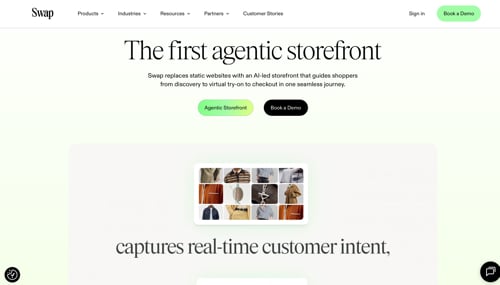
As Swap’s "Storefront" and Shoppable’s universal checkout demonstrate, the website is becoming secondary to the experience. We are transitioning toward a "headless" and "agentic" future where the brand’s presence exists wherever the consumer happens to be—whether that is a WhatsApp chat, an AI assistant conversation, or a social media feed.
2. The Standardization of "Immediate" Expectations
Amazon’s 30-minute delivery network is setting a new baseline for consumer expectations. Merchants who rely on standard three-to-five-day shipping may find themselves at a significant disadvantage. This creates a ripple effect: if the logistics can’t be immediate, the digital experience must be. This explains the surge in AI-powered tools that prioritize instant responsiveness and real-time data surfacing.
3. The Need for "AI-Ready" Infrastructure
Stellagent’s "Agentic Commerce Studio" highlights an emerging necessity: the need to test how well a store performs when an AI agent, rather than a human, is browsing it. Merchants must ensure that their product feeds, shipping calculations, and checkout hooks are readable and executable by third-party bots. If a merchant’s backend isn’t "AI-compliant," they risk being invisible to the next generation of AI-led shopping assistants.
4. Operational Consolidation
With the influx of new tools, merchants are facing "platform fatigue." The move by companies like Cloudways (to centralize WordPress site management) and SureDone (to centralize marketplace management) is a direct response to this. The winners in the next five years will not necessarily be those with the most tools, but those who can most effectively consolidate their tech stack into a single, cohesive, and automated command center.
Conclusion
The rapid evolution of merchant tooling is a testament to the fact that we are in the midst of a transition from the "Information Age" of e-commerce to the "Agentic Age." Merchants who embrace these tools—focusing on conversational commerce, AI-ready infrastructure, and decentralized, rapid fulfillment—will be best positioned to thrive. For the rest, the challenge will be to avoid the pitfalls of fragmented operations while trying to keep pace with the hyper-accelerated expectations of the modern consumer.
If your business has a product release that fits into this evolving narrative, please contact us at [email protected] to be considered for our future rundowns.