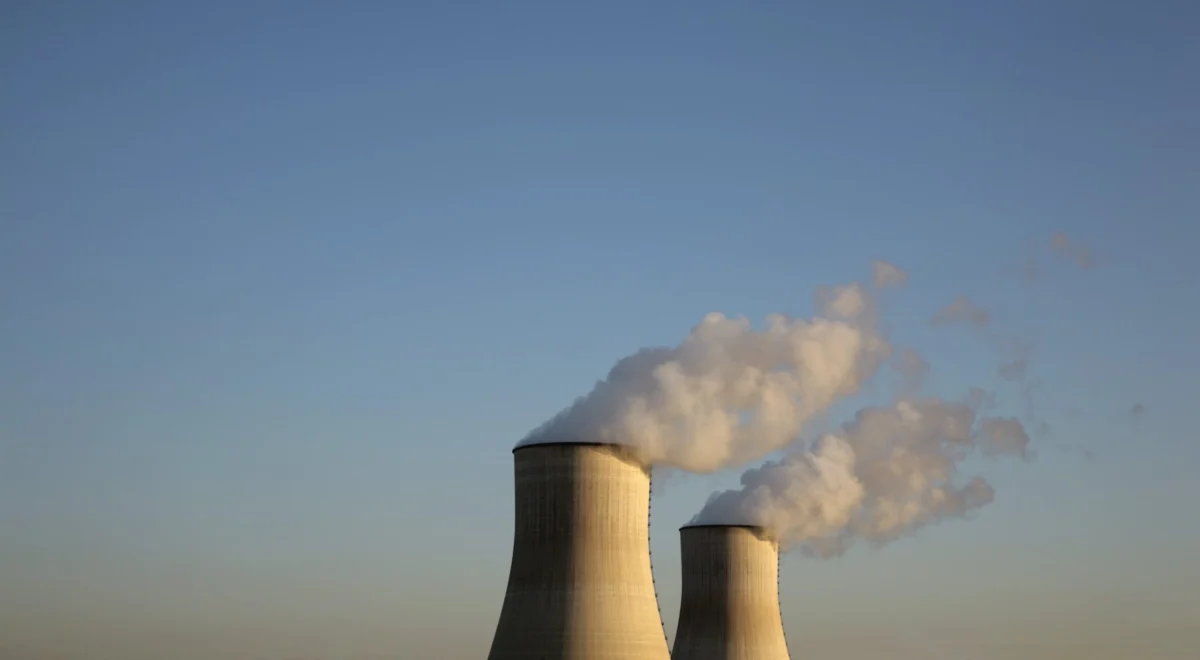
The intersection of artificial intelligence and sustainable energy has reached a pivotal juncture. As the massive computational demands of generative AI push data center electricity consumption to unprecedented heights, tech giants are increasingly turning to advanced nuclear power to meet their net-zero targets. At the center of this movement is Kairos Power, a nuclear startup that has just secured a massive, high-stakes partnership with South Korean engineering giant Samsung C&T to accelerate the deployment of its innovative reactor technology for Google.
The Strategic Alliance: $100 Million in Capital and Expertise
On Monday, Kairos Power announced that it has selected Samsung C&T—an engineering and construction powerhouse with a proven track record of delivering roughly a dozen nuclear power plants globally—to lead the construction of its 50-megawatt demonstration reactor. The collaboration is underpinned by a financial and operational commitment worth up to $100 million.
According to a company spokesperson, the deal consists of a $70 million equity investment from Samsung C&T into Kairos Power, with the remaining $30 million dedicated to "in-kind" engineering and construction services. This infusion of capital and, perhaps more importantly, specialized nuclear construction expertise, provides Kairos with a critical shield against the logistical bottlenecks that have historically plagued the nuclear industry. By partnering with a firm that possesses institutional knowledge of the stringent regulatory and physical requirements of nuclear site development, Kairos is attempting to de-risk its ambitious roadmap toward a 2030 operational target.
Chronology of a Nuclear Pivot
The timeline for this project is remarkably compressed by industry standards, reflecting the urgent energy needs of Silicon Valley. The trajectory of this partnership can be mapped as follows:
- Fall 2024: Google and Kairos Power announce a landmark power purchase agreement. The deal calls for the deployment of a fleet of advanced nuclear reactors capable of delivering 500 megawatts (half a gigawatt) of electricity to the grid by 2035, with the first power to be generated by 2030.
- November 2024: The U.S. Nuclear Regulatory Commission (NRC) grants official approval for Kairos Power to construct its two demonstration reactors in Oak Ridge, Tennessee.
- Present Day: The formalization of the Samsung C&T partnership signals a move from the design and regulatory phase into the heavy-lifting of procurement and construction.
- 2030 (Projected): The target date for the commercial operation of the Hermes 2 reactor, which will serve as the foundation for the Google partnership.
Understanding the Technology: Fluoride Salts and TRISO Fuel
Kairos Power’s reactor design represents a significant departure from the pressurized water reactors (PWRs) that have dominated the nuclear landscape for decades. The company is developing a fluoride salt-cooled, high-temperature reactor (KP-FHR).
The physics behind this choice are compelling. Unlike traditional water-cooled reactors that require high-pressure systems to prevent the water from boiling, fluoride salts maintain a high boiling point at atmospheric pressure. This inherent stability significantly reduces the risk of high-pressure blowouts—a major safety concern in traditional nuclear design.
Furthermore, the reactor utilizes TRISO (TRi-structural ISOtropic) fuel. TRISO fuel consists of uranium fuel kernels encapsulated in layers of ceramic and carbon, pressed into spheres the size of billiard balls. These spheres are remarkably resilient; they are designed to contain radioactive fission products even under extreme temperatures, making a traditional "meltdown" scenario physically impossible under the reactor’s operating parameters. By combining these advanced materials with a low-pressure coolant system, Kairos is betting that it can deliver a modular, scalable, and inherently safer form of base-load power.
The Oak Ridge Proving Ground: Hermes 1 and 2
The development in Oak Ridge is not a single-step process. Kairos is employing a staged approach, utilizing two distinct reactors to refine its technology:
- Hermes 1: This is a low-power demonstration reactor. Its primary purpose is not to supply the grid with mass electricity, but to serve as a "learning laboratory." Here, the company will test its supply chain, construction methodologies, and control systems, effectively stress-testing the design before moving to a commercial-scale footprint.
- Hermes 2: This is the commercial-scale iteration. Once operational, it will become the first reactor to contribute to the 500-megawatt goal specified in the Google contract. The 50-megawatt output of Hermes 2 is the primary focus of the Samsung C&T partnership, as it represents the first major milestone in the tech giant’s quest for reliable, carbon-free energy.
The "AI Energy Crisis" and the Nuclear Solution
The impetus for this deal is driven by the massive power requirements of AI. Data centers are no longer just server rooms; they are high-performance computing facilities that run 24/7. Wind and solar, while essential to the energy transition, suffer from intermittency—the sun does not always shine, and the wind does not always blow.
For a company like Google, which has committed to operating on 24/7 carbon-free energy, the reliance on battery storage for massive data centers is currently unfeasible at scale. Nuclear power offers the "holy grail" for these companies: constant, high-density power that does not fluctuate with the weather.
However, the "2030 timeline" cited by Google and Kairos has been met with skepticism by industry veterans. The nuclear industry is notorious for long lead times, massive cost overruns, and regulatory hurdles. Critics argue that even with Samsung C&T’s help, building a new class of reactor in five years is an extremely optimistic goal. If successful, however, Kairos would set a new precedent for how quickly modular nuclear energy can be deployed in the United States.
Implications for the Future of Energy
The partnership between Kairos and Samsung C&T is more than just a construction contract; it is a signal of the industrialization of "New Nuclear."
1. Scaling the Supply Chain
By securing an equity partner like Samsung C&T, Kairos is effectively building a vertically integrated approach to reactor deployment. If they can successfully iterate on the construction process for the first few units, they could potentially reduce costs and timelines for subsequent deployments.
2. Regulatory Precedent
The NRC’s approval of the Oak Ridge site demonstrates that the regulatory environment is beginning to adapt to non-traditional reactor designs. If Kairos demonstrates that its fluoride salt and TRISO-based reactors can operate safely, it could pave the way for a wave of similar small modular reactors (SMRs) to be approved more efficiently.
3. The Tech-Energy Convergence
This deal cements the role of Big Tech as a primary driver of energy innovation. Just as Google helped accelerate the development of renewable energy through power purchase agreements a decade ago, it is now acting as a cornerstone customer for the advanced nuclear industry. This relationship provides the financial stability that nuclear startups need to move from the drawing board to the construction site.
Official Stance and Market Reaction
Kairos Power has maintained a posture of disciplined optimism. In recent statements, the company has emphasized that its modular approach—designed to be factory-assembled and transported to the site—is the key to meeting its timelines.
Samsung C&T, meanwhile, views this investment as a strategic play to enter the North American SMR market. By embedding itself into the Kairos ecosystem early, the firm is positioning itself to be a preferred contractor for future nuclear projects in the U.S. and beyond.
The market, however, remains watchful. For the nuclear industry, the 2030 deadline is not merely a corporate milestone; it is a test of whether the sector can transform itself from a legacy industry of massive, multi-decade projects into an agile, modern energy provider.
Conclusion: A High-Stakes Race Against Time
The next five years will determine the viability of Kairos Power’s vision. The marriage of cutting-edge reactor design with the industrial might of Samsung C&T creates a formidable team, but the challenges ahead—regulatory compliance, supply chain stabilization, and public perception—remain significant.
If Kairos meets its 2030 target, it will represent a historic shift in the energy sector, proving that advanced nuclear technology can move at the speed of the digital age. If it falters, it will serve as a sobering reminder of the difficulties inherent in pioneering new energy paradigms. Regardless of the outcome, the partnership with Google and Samsung C&T has ensured that the eyes of the world, from energy policymakers to AI developers, will be firmly fixed on Oak Ridge, Tennessee.