Main Facts
The expansion from a digital-first, direct-to-consumer (D2C) model into physical retail remains one of the most treacherous transitions for emerging beauty and skincare brands. While internet native brands (INBs) excel at performance marketing, paid social, and algorithmic targeting, these digital capabilities often fall flat when attempting to secure shelf space in brick-and-mortar establishments such as luxury spas, destination resorts, and specialty boutiques.
The core friction point centers on a profound paradox within the physical retail sector: while spa managers and hospitality buyers relentlessly hunt for exclusive, novel products to differentiate their service menus, they are simultaneously risk-averse. They overwhelmingly stock brands that consumers already recognize or actively request. Introducing an unknown entity—no matter how successful it is in overseas markets like Europe or Asia—is frequently viewed as a financial liability rather than an innovative opportunity.
Consequently, brands attempting to bridge the gap between online and offline channels must fundamentally re-engineer their marketing playbooks. Instead of prioritizing immediate conversion metrics, digital acquisition, or transactional return on ad spend (ROAS), online brands must heavily invest in long-term brand awareness, industry-specific networking, and targeted professional validation.
Key realities of this transition include:
- The Retailer’s Dilemma: Spas want exclusivity coupled with instant consumer familiarity—an inherently contradictory demand that requires a foundational shift in how brands pitch their value proposition.
- The Ineffectiveness of Cold Outreach: Digital shortcuts like cold emailing yield high open rates among busy spa directors, but produce negligible conversion rates due to time constraints and a preference for established personal networks.
- The Power of Niche Professional Influence: In the spa ecosystem, macro-influencers and mainstream lifestyle creators hold little sway. Instead, licensed estheticians act as the ultimate gatekeepers and trusted validators.
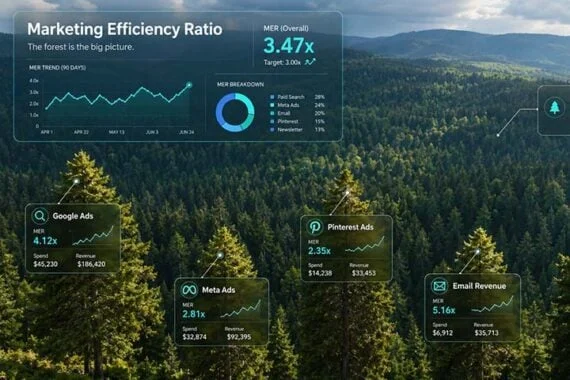
- The Shift in B2B KPIs: Traditional D2C metrics—such as immediate conversion rates, average order value (AOV), and purchase frequency—take a back seat to brand awareness indicators, including direct traffic, branded Google searches, professional account registrations, and "where to buy" locator clicks.
Chronology of a Retail Pitch: Anatomy of a Missed Connection
To understand the mechanics of breaking into physical retail, one must examine how traditional outreach typically unfolds versus how it should be executed. The following chronological breakdown illustrates the evolution of an omnichannel strategy, traced from an initial rejection to a structured, six-month relationship-building roadmap.
Phase 1: The Initial Encounter and Shock (Day 1)
A brand representative approaches a high-end spa manager in California, pitching an acclaimed, best-selling French beauty line. The representative highlights the exclusivity of the offering, noting that the property would likely become the very first U.S. spa to carry the line. The representative anticipates an enthusiastic "wow factor," assuming international prestige will immediately open doors.
Instead, the spa manager politely declines. The reasoning is stark: spa clients consistently request brands they already know or products recommended by friends, family, or trusted media. Carrying an entirely unfamiliar brand—even with stellar European pedigree—carries too much inventory risk. This single conversation serves as a catalyst, forcing a complete overhaul of the brand’s offline expansion strategy.
Phase 2: Shifting from Sales to Awareness (Months 1–2)
Recognizing that direct sales pitches to gatekeepers fail without prior recognition, the brand pivots its strategy. Realizing that spa managers do not buy products; they buy certainty, the company redirects its budget away from digital cold-outreach campaigns and toward industry association memberships and curated live events.
- Association Integration: The brand joins localized networks such as the SoCal Spa Wellness Collective. By embedding itself in an ecosystem that fosters collaboration among boutique spas and luxury retreats, the brand moves from an unknown outsider to a familiar industry participant.
- Experiential Marketing Events: The company invests in booths at targeted industry showcases, such as Live Love Spa events. Although initial upfront costs start around $4,000, these events guarantee face-to-face interactions with dozens of vetted spa directors and decision-makers in a single weekend.
Phase 3: Navigating the Internal Hierarchy (Months 2–4)
Armed with warm leads generated from industry events, the brand systematically approaches the target spa’s internal organizational structure. Navigating this hierarchy incorrectly can stall a deal indefinitely.
- The Wrong Door: Approaching frontline treatment providers (massage therapists and bodywork trainers) first often leads to dead ends, as they are focused on execution rather than inventory procurement.
- The Right Door: The retail and management side represents the path of least resistance. Once initial management buy-in is achieved, the brand schedules deliberate, seasonal training sessions specifically tailored for the spa’s licensed estheticians. Only after building rapport with the estheticians does the brand work its way back toward the treatment trainers.
Phase 4: Closing and First Order (Months 5–6)
The typical timeline from the initial introduction to the placement of a first purchase order spans approximately six months. Successful closing relies heavily on operational flexibility rather than aggressive price slashing. Brands that provide immediate solutions to seasonal inventory gaps—such as supplying targeted sunscreens during peak summer months or fast-delivering makeup removers when a supplier runs dry—consistently win long-term shelf space.
Supporting Data and Industry Insights
Entering the B2B hospitality and spa retail market requires a rigorous understanding of channel economics, communication channels, and key performance indicators (KPIs). The structural differences between selling directly to consumers and selling into physical spa retail are quantified below.
Outreach Channel Performance Comparison
| Outreach Channel | Typical Metric / Cost | Conversion Effectiveness | Strategic Takeaway |
|---|---|---|---|
| Cold Emailing | Open rates can reach up to 80% among busy managers. | Very Low. Emails are easily overlooked or forgotten amid day-to-day operations. | Ineffective for resort groups and chains. Exceptions exist primarily with independent, tech-forward estheticians. |
| Industry Events (e.g., Live Love Spa) | Booth investments start around $4,000. | High. Generates meaningful conversations with dozens of qualified spa directors. | Proves highly effective over time; once a single flagship resort adopts the brand, peer properties tend to follow. |
| Association Memberships (e.g., SoCal Spa) | Annual memberships start around $1,100. | Moderate to High. Fosters long-term trust and organic peer networking. | Essential for establishing local market credibility and relationship-building. |
D2C vs. B2B Key Performance Indicators (KPIs)
When an online brand builds an omnichannel presence, its digital footprint undergoes intense scrutiny. Spa managers routinely audit a brand’s website before agreeing to a meeting. If the digital storefront looks amateurish, the physical deal is dead on arrival.

- Digital Hygiene Requirements: The website must feature impeccably structured product pages, transparent and scientifically clear ingredient lists, professional-grade imagery, and clean, frictionless calls to action.
- The KPI Divergence:
- D2C Focus: Conversion rates, average order value (AOV), purchase frequency, and return on ad spend (ROAS).
- B2B Focus: Branded search volume on search engines, direct website traffic, professional account registration numbers, sample requests from licensed practitioners, and interactions with digital "Where to Buy" store locators.
Official Perspectives and Industry Expert Commentary
Navigating the delicate intersection of e-commerce agility and brick-and-mortar prestige requires listening closely to those who operate within the ecosystem daily. Industry veterans and brand consultants emphasize that physical retail cannot be treated merely as an offline billboard for an e-commerce store; it requires a distinct, patient, and respectful operational framework.
According to retail distribution strategists who consult for European beauty houses expanding into North America:
"European founders frequently question the financial viability of investing thousands of dollars into boutique trade shows and regional mixers. They are accustomed to digital-first scaling. However, the spa industry operates on a social proof loop. Once you secure that first marquee resort property, the psychological barrier collapses, and neighboring resorts naturally follow suit."
Furthermore, experts highlight the critical distinction between consumer-facing items and professional-grade formulations. Maintaining brand equity across multiple touchpoints demands rigid channel governance:
"An omnichannel strategy necessitates a robust D2C arm, but you must curate what you sell where. Offer consumers retail-sized cleansers, everyday sunscreens, and targeted makeup removers. Keep high-potency, professional-use formulations strictly behind a verified login portal, gating professional pricing in the exact same manner. Crucially, enforce strict minimum advertised pricing (MAP) on shared SKUs so that your D2C site never undercuts the retail prices charged by your spa partners."
Finally, industry insiders underscore that negotiation tactics must transcend standard B2B discounting. Spa managers value logistical reliability, staff education, and responsiveness to immediate operational pain points far more than marginal wholesale price cuts.
Implications for Online Beauty and Skincare Brands
The insights gathered from failed pitches, successful regional rollouts, and the operational mechanics of spa retail carry profound implications for direct-to-consumer beauty founders, digital marketing agencies, and venture capital investors backing beauty startups.
1. Reallocating Marketing Budgets for Omnichannel Success
Brands must stop treating physical retail as a passive byproduct of digital scale. If an online brand intends to enter spas and salons, a dedicated portion of marketing expenditure must be decoupled from performance channels (such as Meta and Google ads) and redirected toward experiential B2B marketing, trade associations, and regional industry showcases. Awareness must be funded long before a single wholesale order is ever signed.
2. Elevating the Role of the Licensed Esthetician
The era of relying solely on digital macro-influencers to drive retail sell-through is maturing. In the professional skincare sector, the ultimate influencer wears a lab coat and stands over a treatment bed. Brands must build specialized "pro programs" that cater directly to estheticians—supplying them with samples, rigorous education, and seamless digital portals. When an esthetician recommends a cleanser or a serum at the end of a facial, the consumer conversion rate approaches near certainty.
3. Protecting Channel Harmony and Pricing Integrity
Channel conflict remains the silent killer of emerging beauty brands. When a brand’s D2C website undercuts the retail pricing of the spas carrying its products, trust evaporates instantly, resulting in immediate product returns and severed partnerships. Brands must implement stringent pricing architectures, utilize geofenced promotions where applicable, and protect the margins of their brick-and-mortar partners at all costs.
4. Embracing Long-Term Patience Over Quick Wins
Unlike digital acquisition campaigns designed to generate immediate checkouts, physical retail expansion is a marathon measured in quarters and years, not days and weeks. From the initial cold introduction to the arrival of the first purchase order, a six-month relationship-building window is standard. Brands that possess the financial runway, operational patience, and willingness to solve immediate supply chain pain points for spa managers will ultimately conquer the physical-digital divide and secure sustainable, long-term market share.