The modern web is built on layers of abstraction. To the average user, a website is simply a URL entered into a browser, delivering content seamlessly in a fraction of a second. To the content creator, it is a WordPress dashboard, a visual builder, and a collection of blocks. However, beneath these familiar interfaces lies a complex, high-stakes ecosystem of managed hosting, custom server stacks, and evolving cloud technologies.
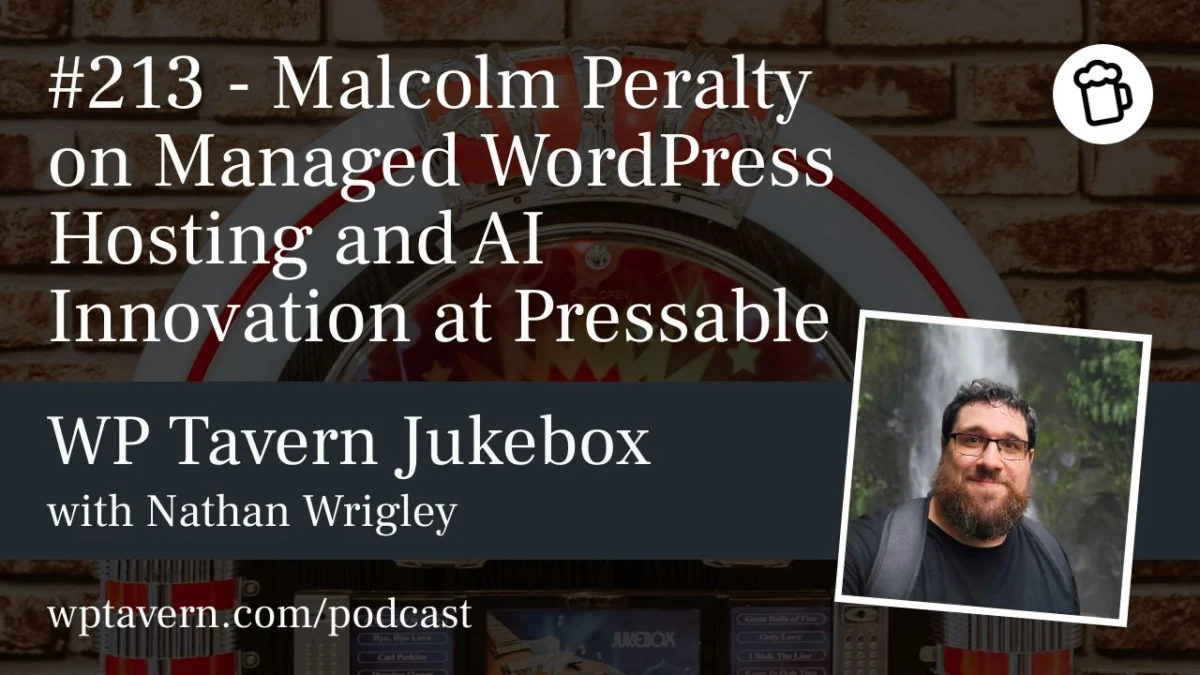
In a recent episode of the Jukebox Podcast from WP Tavern, host Nathan Wrigley sat down with Malcolm Peralty, a Technical Account Manager at Pressable. With a career spanning two decades in the WordPress ecosystem—alongside strategic forays into Drupal and project management—Peralty offered a rare, behind-the-curtain look at what it takes to power thousands of WordPress websites, the hidden realities of web performance, and the impending AI-driven transformation of hosting infrastructure.
Main Facts: The Anatomy of Modern Managed Hosting
The managed WordPress hosting sector has evolved far beyond basic file storage and database management. Today, hosts must navigate a delicate balance between raw server performance, application security, and the diverse resource demands of complex platforms like WooCommerce and enterprise-grade learning management systems (LMS).
At the center of this landscape is Pressable, a managed WordPress hosting provider operating on its own proprietary infrastructure known as WP Cloud. Unlike competitors that rely heavily on generic public clouds like AWS or Google Cloud, Pressable’s dedicated server stack allows the company to optimize resource allocation specifically for WordPress architecture.
However, managing this environment requires a specialized approach—one that goes beyond automated support tickets. This is where the role of the Technical Account Manager (TAM) comes into play. Unlike traditional sales or support roles, TAMs act as long-term web strategists, analyzing site bottlenecks, optimizing server worker limits, and bridging the gap between customer needs and underlying hardware infrastructure.
Chronology: A Two-Decade Evolution in Web Tech
To understand where managed hosting is heading, it is helpful to examine how the industry has matured.
- The Early Days (Pre-1.0 to 2010s): Peralty began his journey in the WordPress ecosystem prior to the 1.0 release, starting as a full-time blogger before transitioning into project management and agency work. During this era, hosting was largely commoditized, and site optimization was primarily a manual, trial-and-error process.
- The Multiverse Shift (Mid-2010s): As web projects grew more complex, many enterprise organizations migrated toward alternative Content Management Systems like Drupal. Peralty spent time working within the Drupal ecosystem—specifically at Acquia—where he gained exposure to high-scale enterprise infrastructure and structured account management.
- The Return to WordPress and the Rise of WP Cloud: Ultimately drawn back by the agility of WordPress and a compelling opportunity at Pressable, Peralty returned to the ecosystem to help build out its technical account management discipline.
- The AI Inflection Point (Present Day): The industry is currently experiencing a massive shift driven by artificial intelligence. Hosts are no longer just maintaining static infrastructure; they are rapidly integrating AI-driven control panels, natural language deployment tools, and automated diagnostic scripting to handle the exponential growth of web traffic and operational data.
Supporting Data: The Hidden Realities of Performance and Scale
Performance optimization in WordPress is often misunderstood. In the commodity hosting space, providers frequently utilize aggressive caching configurations (such as Redis) or bleeding-edge CPUs to create the illusion of raw speed. While these setups may make a single user’s manual site inspection feel lightning-fast, they can quickly fall apart under real-world scale.
Peralty highlights a critical distinction in server architecture: worker limits. Many budget hosts allocate up to 40 background workers to a single virtual CPU (vCPU)—effectively cramming 40 cars onto a single-lane highway. In contrast, Pressable’s infrastructure utilizes a dedicated model of one worker per one vCPU, providing each process with its own dedicated highway lane.
While brochure and marketing sites run effortlessly on this architecture without human intervention, database-heavy sites—such as large-scale e-commerce stores running WooCommerce or custom LMS platforms—present unique engineering challenges. Because user-specific actions (like adding an item to a cart or tracking course progress) must bypass page caching and rebuild content from scratch, they consume significantly more server resources. Consequently, a major part of a TAM’s responsibility is educating clients on plugin bloat, cacheability, and efficient resource utilization—sometimes even advising clients to downgrade their plans once their sites have been properly optimized.
Official Responses and Strategic Insights
As hosting providers look to the future, the integration of artificial intelligence is moving from a novelty to an operational necessity. Pressable is currently developing an upcoming Model Context Protocol (MCP)—effectively an AI-powered control panel designed to allow developers and agencies to manage WordPress sites using natural language.
According to Peralty, this technology will fundamentally alter how developers interact with hosting environments:
"Eventually the expectation is, anything that you could do or click on as a user in the control panel, an AI could also act on and do as well… You could say to the AI built into your Visual Studio Code or your GitHub or whatever, hey, spin up another sandbox site, push this code, update the database, pull from production, all the files, and let me know when this is complete."
However, these advancements do not come without friction. Hosting providers are increasingly forced to grapple with the hidden operational costs of AI bots, scrapers, and automated tools. Peralty noted recent instances where automated AI bots generated millions of uncached cart-interaction requests on client sites within a single day. When blocked, the bots simply shifted to new IP addresses to bypass security filters. Absorbing the bandwidth, storage, and processing costs of this automated traffic presents a major economic challenge for the hosting industry.
Implications: The Future of WordPress, AI, and the Human Element
The advent of AI-driven hosting control panels and natural language site deployment points toward a future where the traditional WordPress dashboard may no longer be the primary touchpoint for creators and developers.
When an AI agent can spin up a staging site, configure brand colors, write custom CSS, and deploy updates via simple voice commands or text prompts in a matter of minutes, the timeline for web development collapses. However, this raises profound questions for the broader community:
- The Cost of Online Operations: As AI scrapers, automated testing bots, and complex multi-step prompt workflows increase server loads, will the baseline cost of web hosting rise for everyday users?
- Support and Maintainability: If AI-generated code and automated theme modifications become standard practice, how will the community—and hosting support teams—troubleshoot and maintain an infinite variety of bespoke digital architectures?
- The Preservation of the Human Element: While efficiency is driving the adoption of AI-first tools, providers must carefully balance automation with human relationships. Peralty emphasizes that Pressable’s strategy remains "human first, AI enhanced"—ensuring that operational efficiencies free up human support teams to assist everyday users who genuinely rely on hands-on guidance.
Conclusion
The managed WordPress hosting landscape is undergoing its most significant evolution in decades. Beneath the surface of clean user interfaces and simple monthly subscriptions lies a deeply complex web of database replication, virtual clustering, and hardware optimization. As artificial intelligence reshapes the tools of the trade, providers like Pressable are forced to innovate rapidly while guarding against the technical and financial hurdles of an automated internet. For agencies and developers willing to adapt, the horizon promises unprecedented speed and flexibility—provided we remember to build the appropriate guardrails along the way.