The corporate landscape is currently defined by a paradox: while the workforce is aggressively adopting artificial intelligence to streamline daily tasks, the organizations they work for are struggling to keep pace. We are long past the era of mere resistance to change; today, employees are self-integrating AI into their workflows at an unprecedented rate. Yet, despite this bottom-up momentum, a significant disconnect persists at the executive level. Many AI initiatives are stalling in the "experimental phase," failing to evolve into strategic assets that deliver measurable business outcomes.
According to the 2026 State of AI Report, while over 50% of professionals have moved beyond the experimental stage, a staggering 71% of organizations still lack a formalized AI roadmap. This gap between individual initiative and organizational maturity is the primary bottleneck preventing AI from fulfilling its promise of enterprise-wide transformation.
The State of AI: Bridging the Implementation Gap
The current technological climate is no longer about whether to use AI, but how to govern its integration. The 2026 State of AI Report highlights that while individual adoption is high, institutional readiness is alarmingly low. When organizations fail to provide a strategic framework, they risk creating "shadow AI"—where employees use disparate, unvetted tools without oversight, data security, or alignment with corporate objectives.
For leaders, the challenge is shifting from "AI awareness" to "AI operationalization." Success requires a holistic audit of six core pillars: Strategy, People, Data, Governance, Technology, and Workflow. Without a deliberate approach to these areas, organizations are merely playing with technology rather than building an AI-native business model.
1. Strategy: Aligning Innovation with Business Goals
The most common failure point for AI initiatives is a lack of clear purpose. Leaders often invest in AI for the sake of "innovation," failing to map these tools to specific, high-impact business problems. An AI-ready organization must be able to articulate exactly which business outcomes it aims to improve—whether that is customer retention, operational efficiency, or creative output—and prioritize opportunities based on their potential for ROI.
Moving Beyond Hype
Strategic alignment requires a shared definition of success. Leaders must identify where AI should be deployed and, equally important, where it should be avoided. At the upcoming Marketing AI Conference (MAICON) 2026, sessions such as The AGI Chronicles: The Final Frontier are designed to help executives distinguish between transformative technology and market noise, ensuring that investment decisions are grounded in reality rather than hype.
2. People: Cultivating an AI-Native Workforce
Technology is merely a catalyst; the true engine of AI adoption is the workforce. Many organizations focus on software procurement while neglecting the "people side" of the equation. To achieve scale, employees need more than just tool access; they need a baseline understanding of how AI augments their unique expertise and, crucially, a clear mandate on what is permissible.
From Users to Builders
As non-technical teams transition from using AI tools to building their own automations and workflows, the role of leadership shifts to that of a facilitator. Equipping teams for this shift requires comprehensive training programs. Sessions at MAICON, such as AI Adaptation: The People Side of Scale and From AI Users to AI Builders, underscore the necessity of driving behavioral change and upskilling staff to thrive in an AI-augmented environment.
3. Data: The Foundation of Intelligent Systems
AI is only as good as the data it consumes. For many companies, the data remains siloed, unverified, or poorly structured. An AI-ready organization must conduct a rigorous assessment of its data ecosystem: where it lives, how accurate it is, and whether it complies with privacy standards.
Measuring What Matters
Without reliable performance metrics, AI initiatives become black boxes. Defining KPIs for AI is fundamentally different from traditional software metrics. Organizations must establish clear systems for monitoring ROI, content performance, and business impact. Industry leaders from firms like General Motors, AT&T, and The Home Depot are set to share their findings at MAICON 2026, providing a blueprint for how global brands are measuring the efficacy of AI across the advertising funnel.
4. Governance: Building Trust Through Guardrails
Governance is frequently misunderstood as a roadblock to innovation. In practice, effective governance is the infrastructure that provides teams the confidence to experiment responsibly. Without clear policies on confidential information, data privacy, and legal compliance, the risk of corporate espionage or regulatory fines becomes prohibitive.
Strategic Oversight
A robust governance framework dictates how organizational knowledge is accessed and who is held accountable for the outputs of an AI system. The goal is to move from reactive risk management to proactive enablement. At MAICON, sessions like The Playbook for Marketing Transformation will address how organizations can redesign roles and implement policies that allow for scale without sacrificing security.
5. Technology: Assessing Capabilities Over Tools
"AI readiness" does not equate to "more tools." In many cases, organizations are over-indexed on software subscriptions while under-indexed on system integration. The goal should be to understand the capabilities already embedded within the existing tech stack and identify genuine gaps.
Agentic Workflows
The next frontier is the integration of multiple tools into cohesive, agentic workflows. As demonstrated in sessions like Building a Content Marketing Agentic Workflow at MAICON, the focus is shifting toward how tools like Gemini, ChatGPT, Claude, and NotebookLM can be orchestrated to perform complex, multi-step tasks. This shift requires a shift in procurement strategy: evaluating platforms not for what they do in isolation, but for how they play with the rest of the enterprise ecosystem.
6. Workflows: Reimagining the Nature of Work
The final, and perhaps most difficult, stage of AI readiness is the willingness to reinvent workflows. Most organizations attempt to "layer" AI onto existing, inefficient processes. True transformation, however, occurs when companies stop asking how to automate an old task and start asking how the task should be performed in an AI-native world.
Redesigning Processes
AI-ready teams are currently auditing their operations to eliminate unnecessary manual steps and replace them with high-velocity, high-quality AI workflows. By testing these new processes in small, controlled environments before full-scale deployment, organizations can mitigate disruption. The session How to Reimagine and Build Workflows That Weren’t Possible Before at MAICON 2026 offers a roadmap for this type of radical process redesign.
Implications for the Future of Enterprise
The gap between individual AI usage and organizational readiness is a temporary state. Organizations that fail to bridge this divide within the next 18 to 24 months will face a competitive disadvantage that may be insurmountable. The cost of inaction is not just missed efficiency; it is the loss of intellectual capital as top talent gravitates toward organizations that provide the infrastructure and culture to support AI-driven innovation.
The path forward requires a transition from "scattered experimentation" to a "strategic roadmap." This requires leadership to move beyond the excitement of the latest tool releases and engage in the unglamorous, essential work of governance, data hygiene, and organizational restructuring.
Conclusion: The Path to MAICON 2026
As organizations look toward the remainder of the decade, the focus must be on building the resilience required for an AI-first future. The journey from experimentation to execution is not a linear path but a holistic transformation of the business.
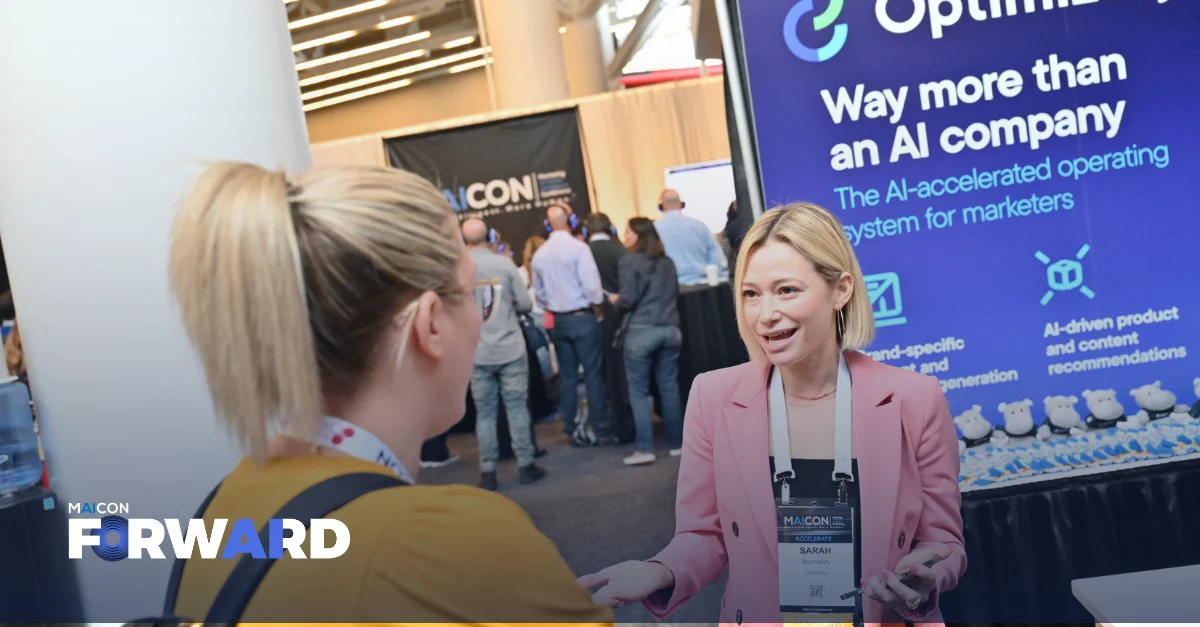
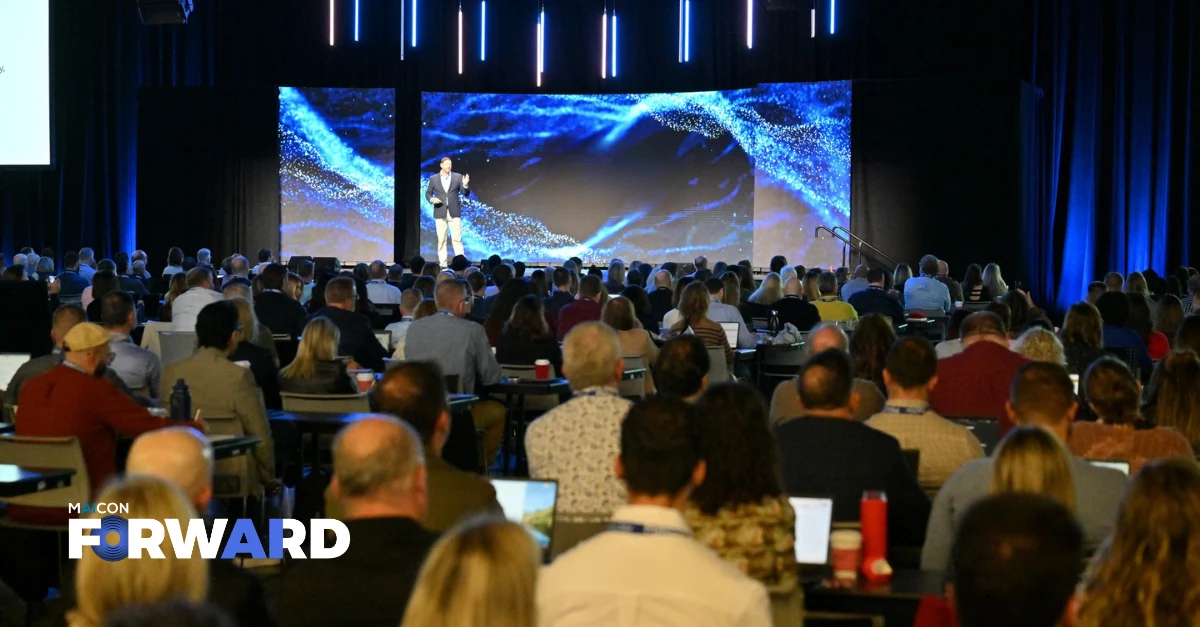
For leaders seeking to operationalize these insights, the Marketing AI Conference (MAICON) 2026, held in Cleveland, Ohio, from October 13–15, 2026, offers a unique opportunity to engage with these concepts. By focusing on practical, hands-on learning and real-world frameworks, the conference aims to help attendees move beyond the "AI stall" and toward a scalable, high-impact AI strategy. The question is no longer whether your organization will use AI, but whether it is prepared to lead in an era where AI is the primary driver of value creation.