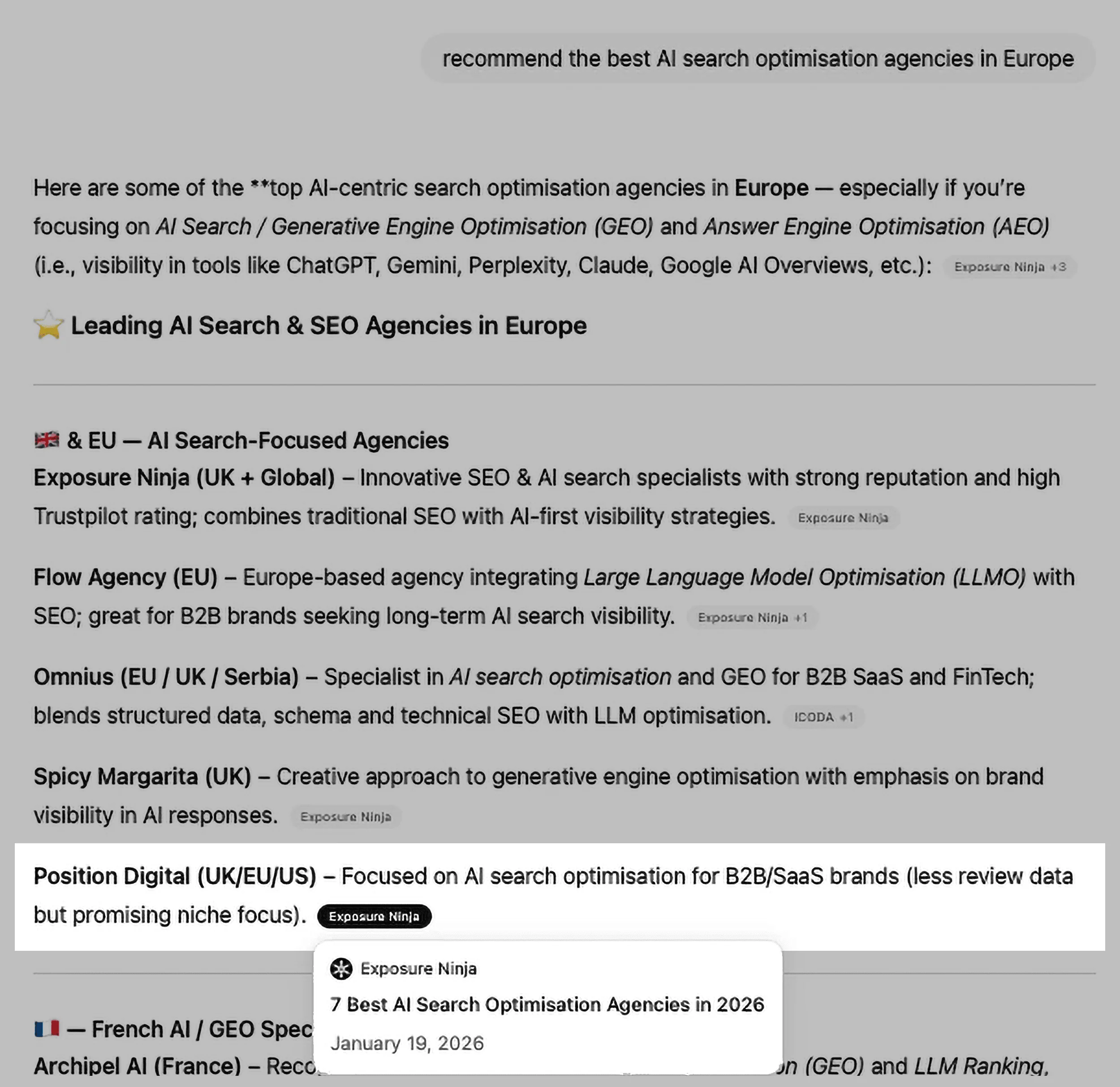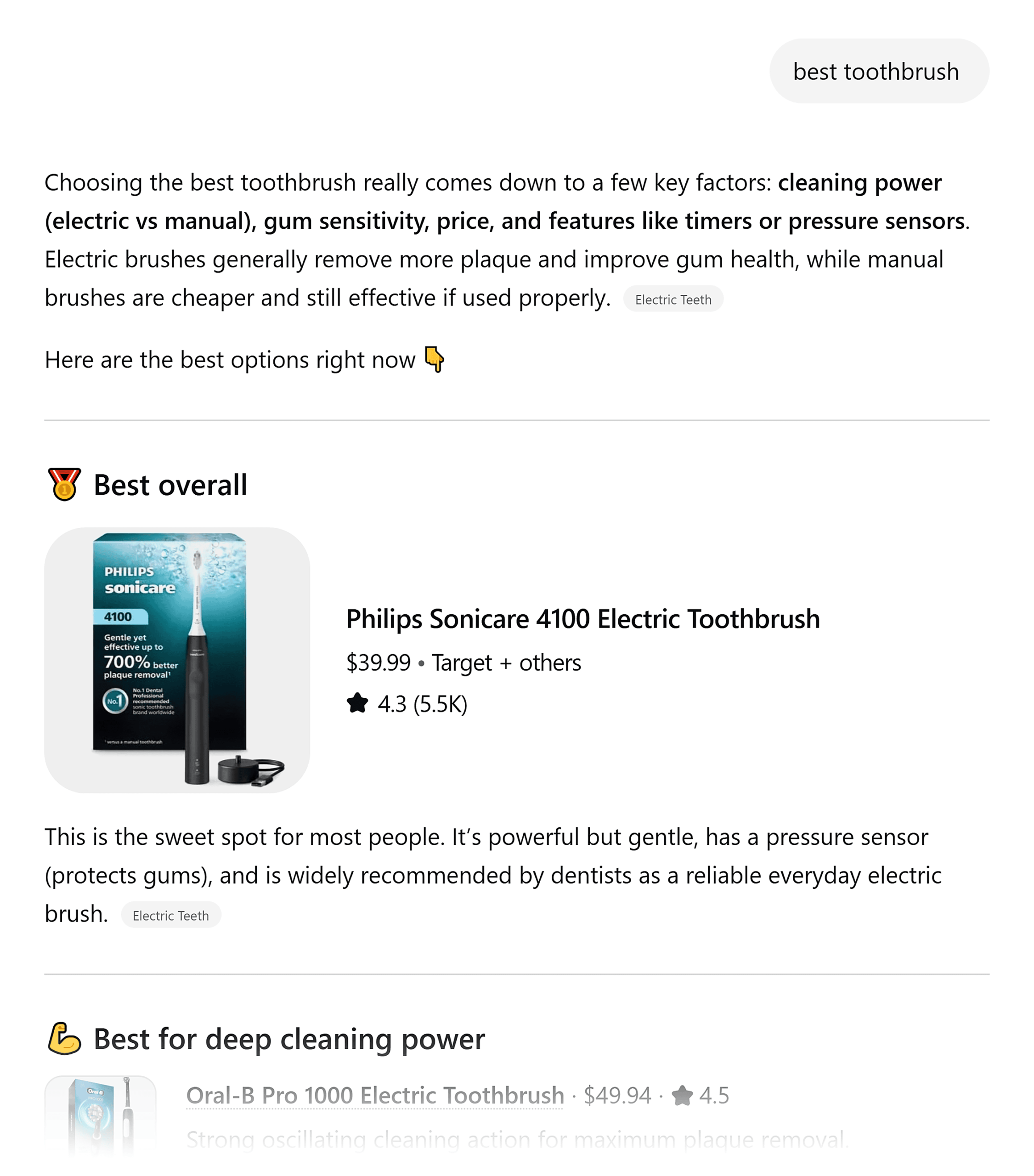
In the evolving landscape of digital search, a troubling disconnect has emerged for digital marketers and content creators alike. A website can achieve a coveted first-page ranking on traditional search engine results pages (SERPs), yet remain completely ignored, uncited, and unmentioned by Large Language Models (LLMs) like ChatGPT, Perplexity, and Google’s AI Overviews.

To understand why this happens—and how to fix it—requires a deep dive into the hidden architectural mechanics of modern artificial intelligence: query fan-out.
Main Facts: The Death of the Single Keyword
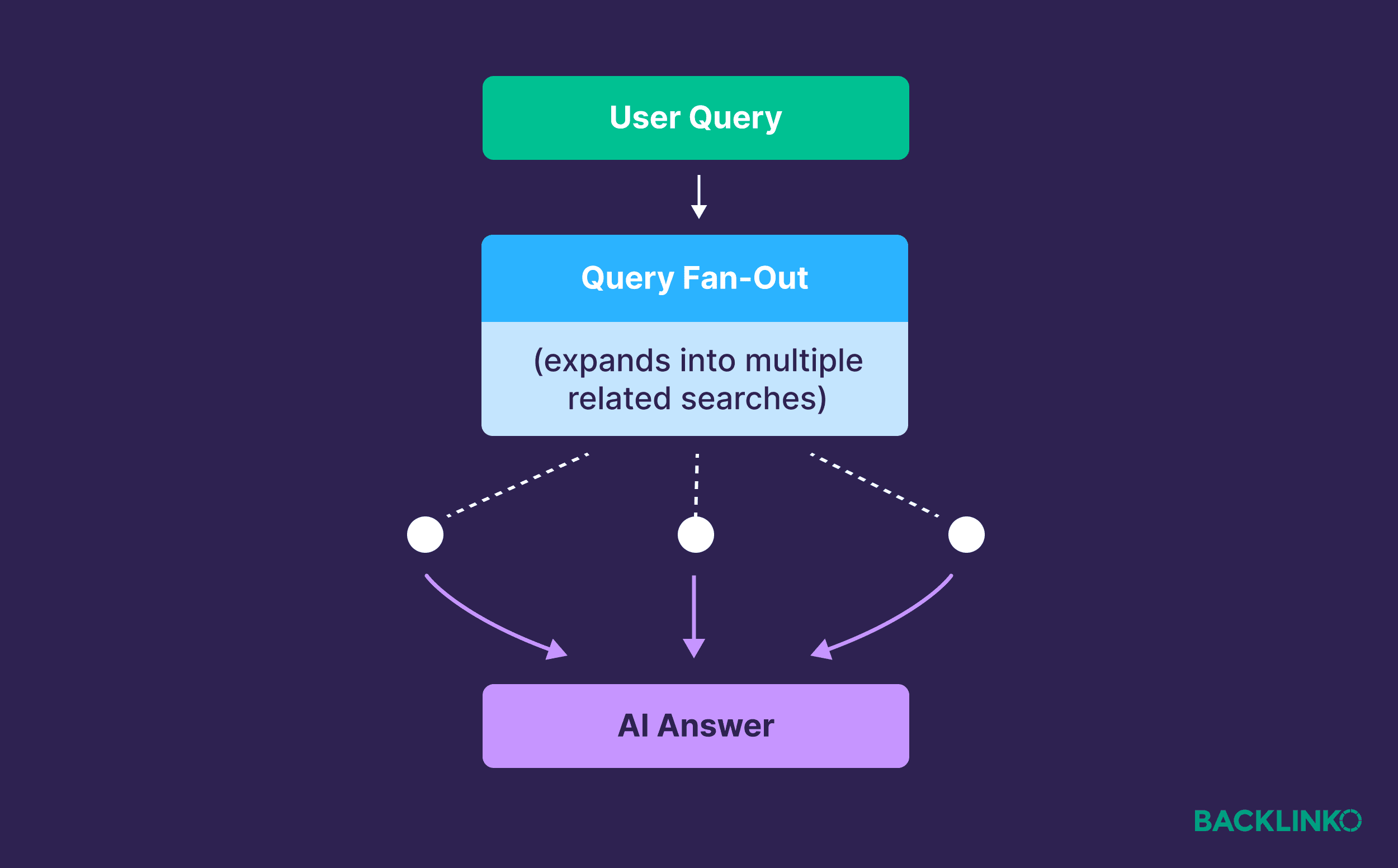
The fundamental shift in modern search behavior lies in the transition from keyword matching to comprehensive synthesis. When a user inputs a prompt into an AI system, the platform rarely relies on a single, linear query matched against a keyword index.
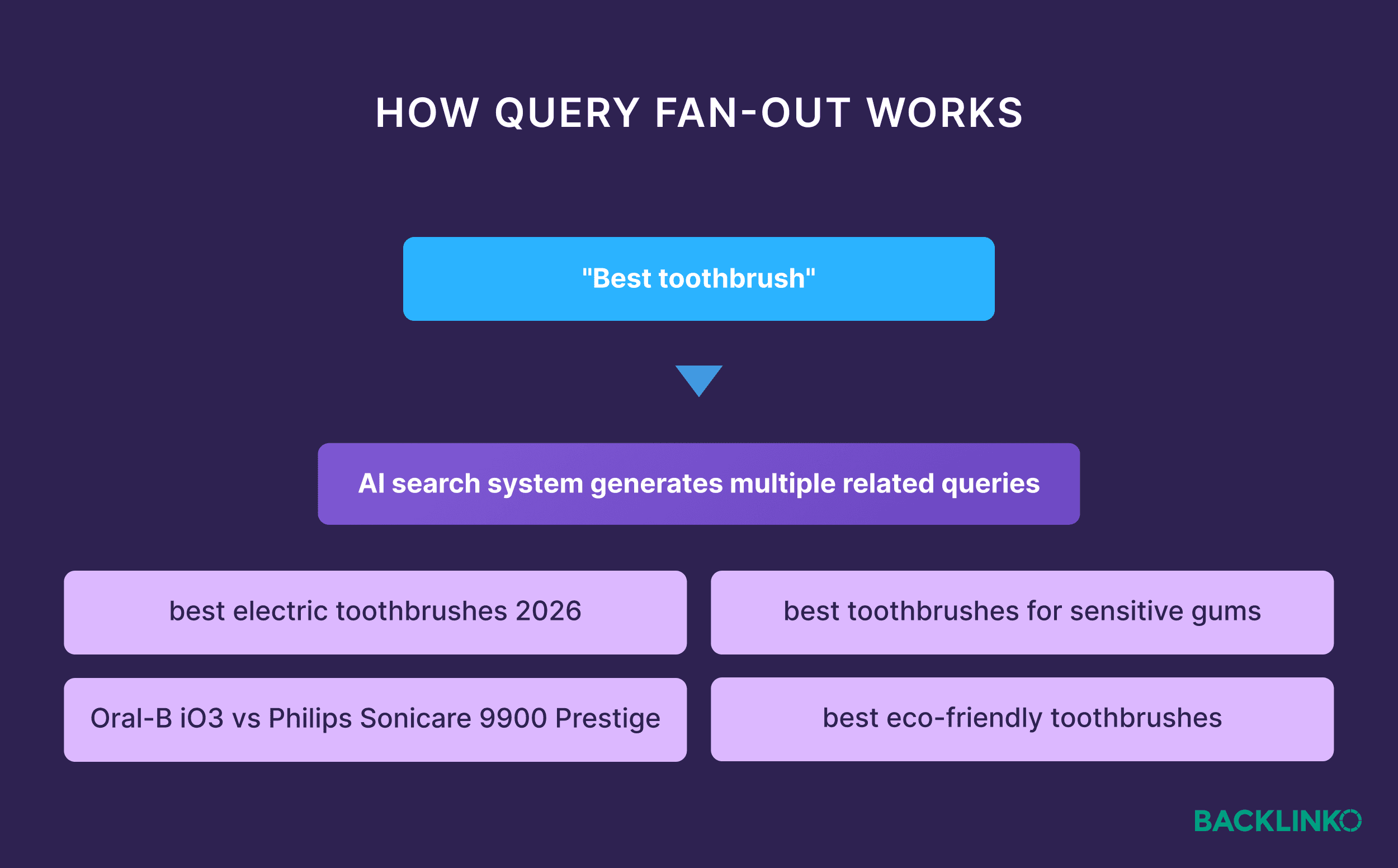
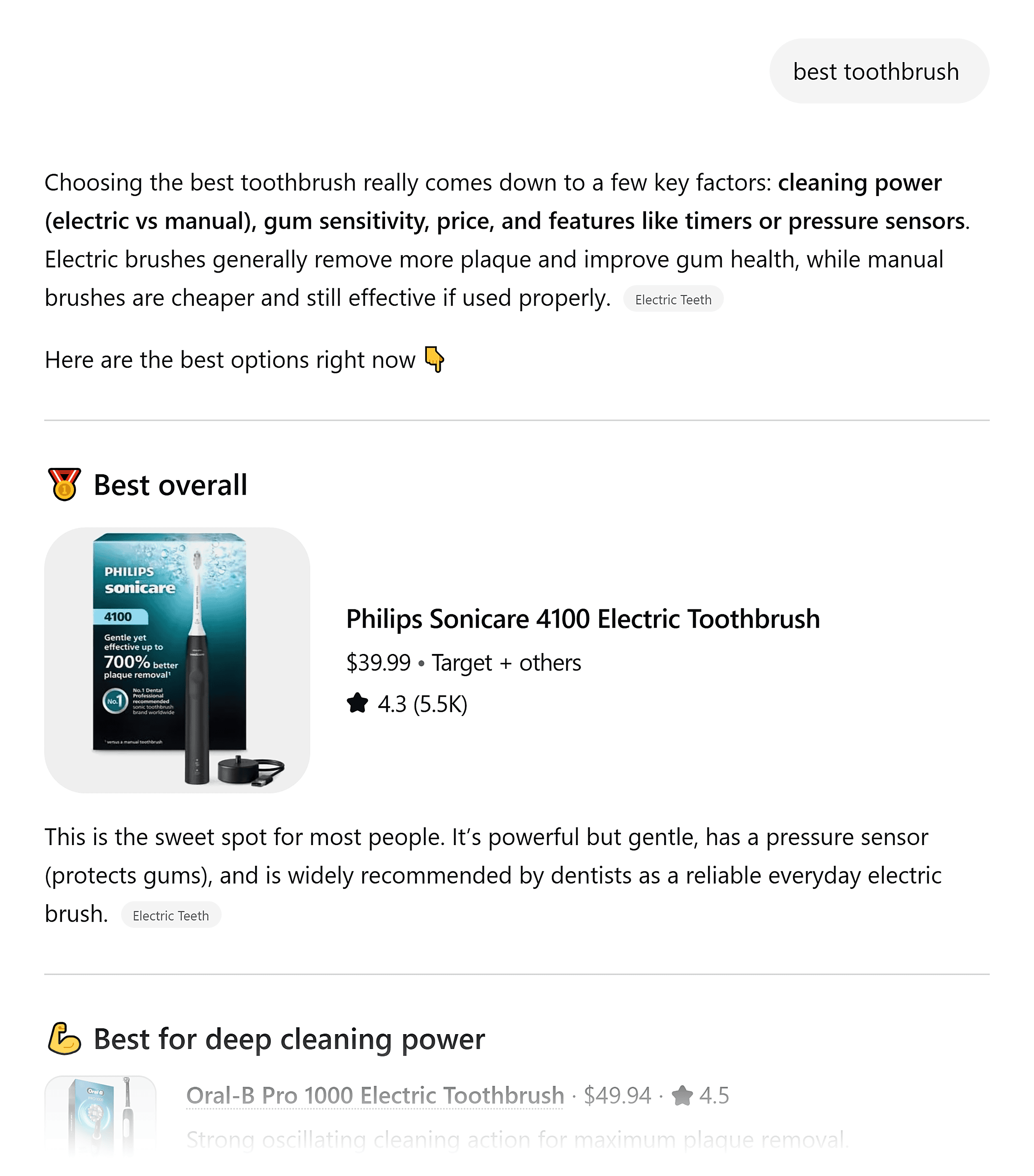
Instead, generative AI engines engage in a background process known as query fan-out. Rather than defaulting to the absolute best-ranking page for a short-tail search term (such as "best toothbrush"), the AI automatically breaks down that broad prompt into dozens of distinct, highly contextual sub-queries. It then runs these sub-queries simultaneously behind the scenes, scouring the web for the most accurate, reliable, and thorough answers—regardless of where those sources rank in traditional SEO.
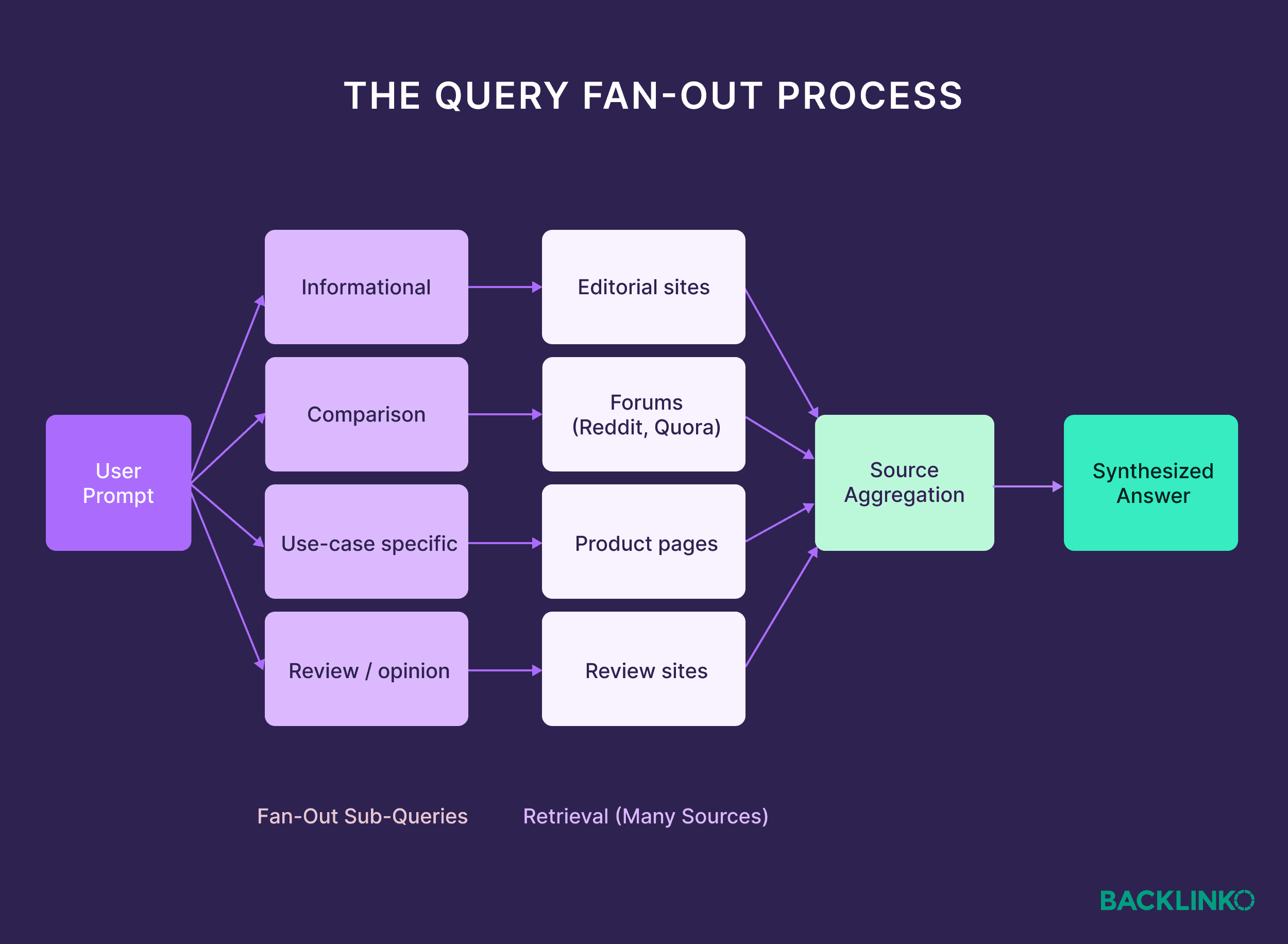
If a brand’s digital ecosystem does not appear across these underlying sub-queries—either through owned properties or authoritative third-party mentions—that brand will be omitted from the AI’s final synthesized response.
Chronology: The Evolution of Search from SERPs to LLM Synthesis
To fully grasp the current state of search optimization, it is helpful to trace how discovery has transformed over the past decade:
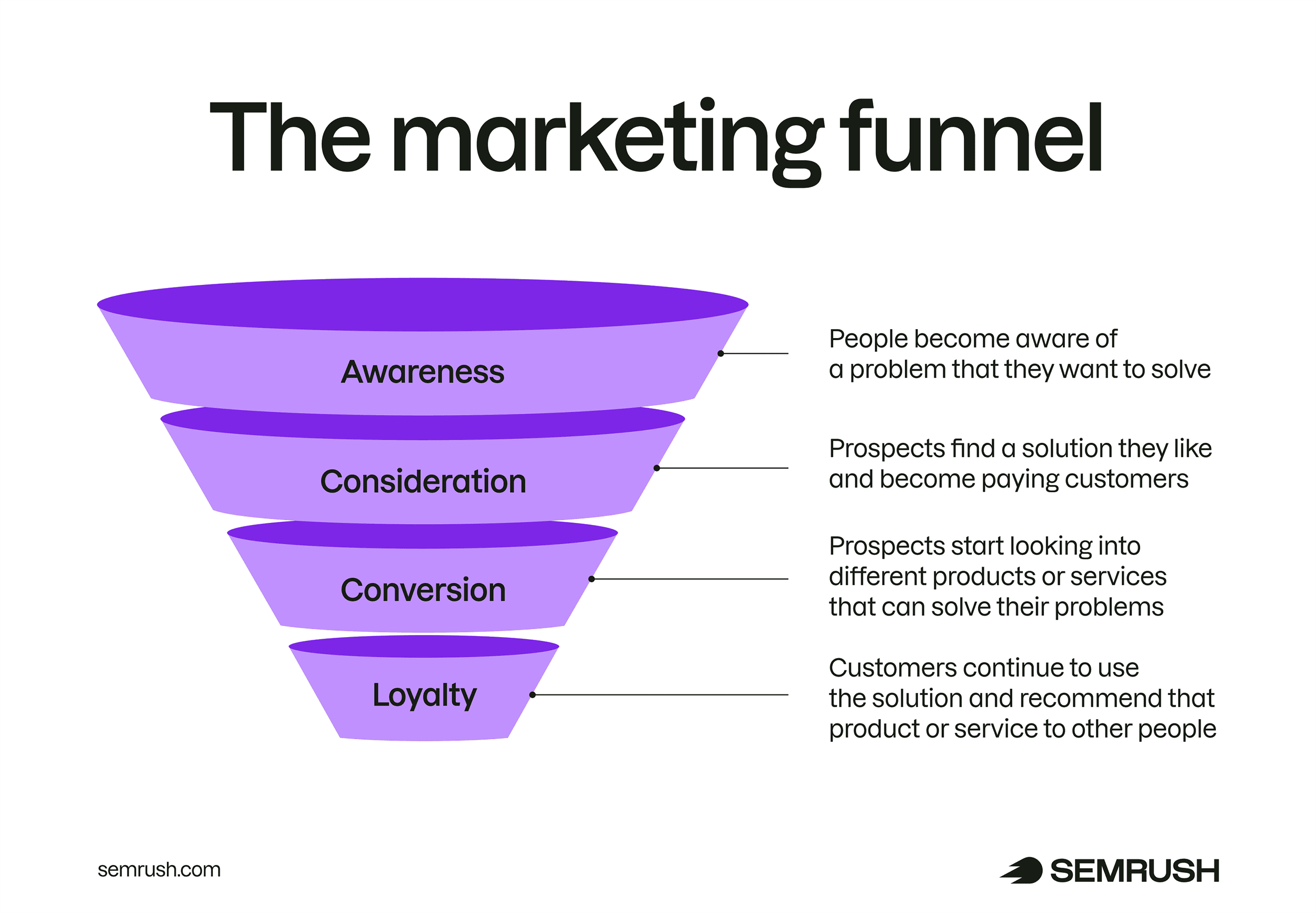
- The Pre-AI Era (Linear Search): Users relied on short-tail keywords. Search engines served a ranked list of 10 blue links. The buying journey was strictly linear: awareness, consideration, decision. Content was meticulously siloed to target specific stages of this marketing funnel.
- The Rise of Generative Pre-trained Transformers (2022–2023): Early LLMs introduced conversational interfaces. However, they were initially constrained by static training cutoffs and lacked robust, real-time web retrieval capabilities, leading to frequent hallucinations.
- The Integration of Retrieval-Augmented Generation (2024–Present): Search engines and LLMs merged. Platforms like Perplexity, ChatGPT (with web browsing), and Google AI Overviews began executing real-time background queries to answer conversational prompts dynamically.
- The Modern Query Fan-Out Era (Current State): AI systems no longer just retrieve pages; they extract specific passages, evaluate topical authority across decentralized forums and editorial platforms, and collapse the entire buying funnel into a single conversational interaction.
Supporting Data: What the Metrics Tell Us
Recent industry research underscores just how differently AI search behaves compared to legacy search engine optimization (SEO):
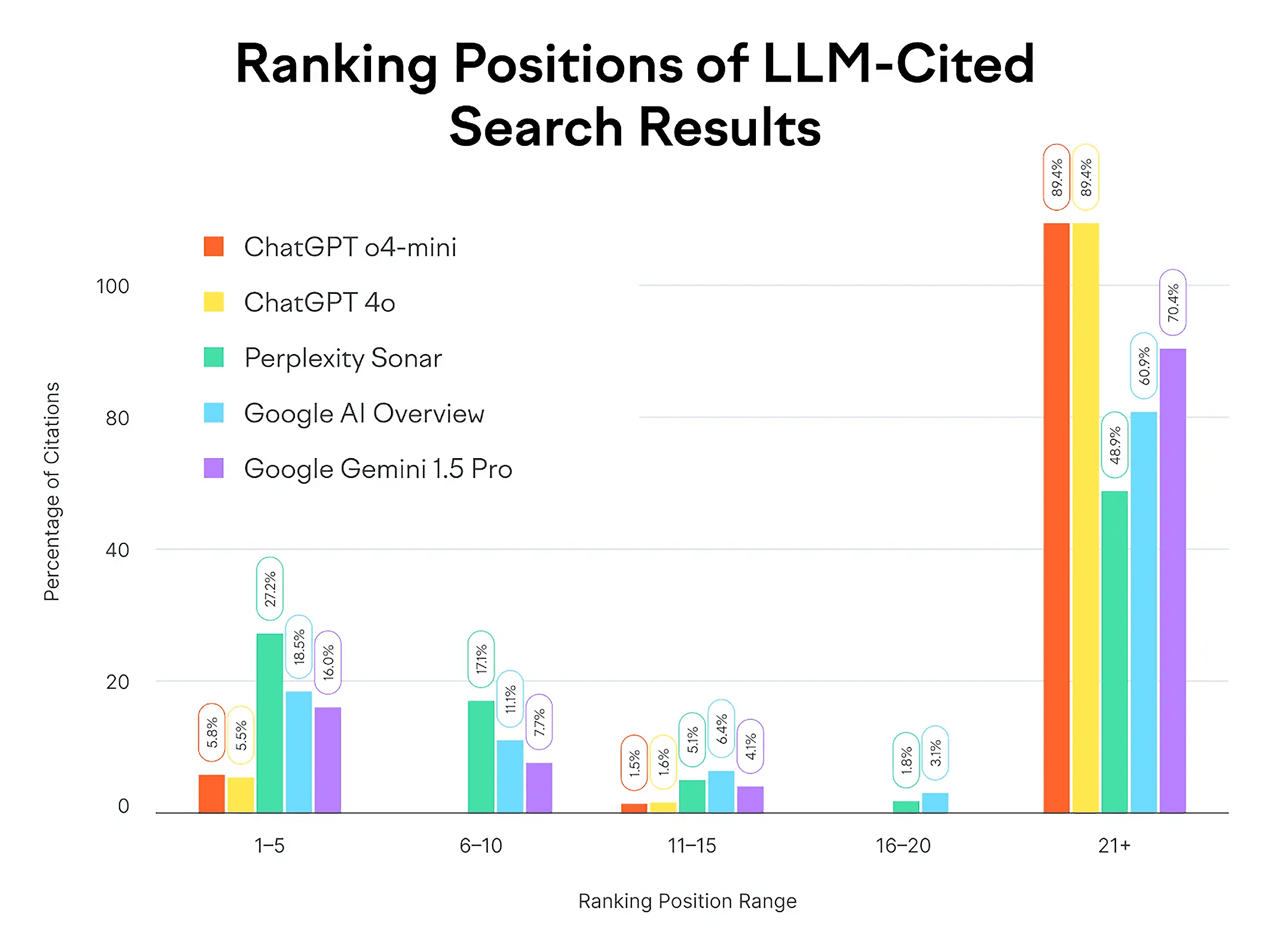
- The Long-Tail Advantage: According to a comprehensive study by Semrush, ChatGPT cites web pages ranking in position 21 or lower nearly 90% of the time. High traditional rankings are no longer a prerequisite for AI visibility.
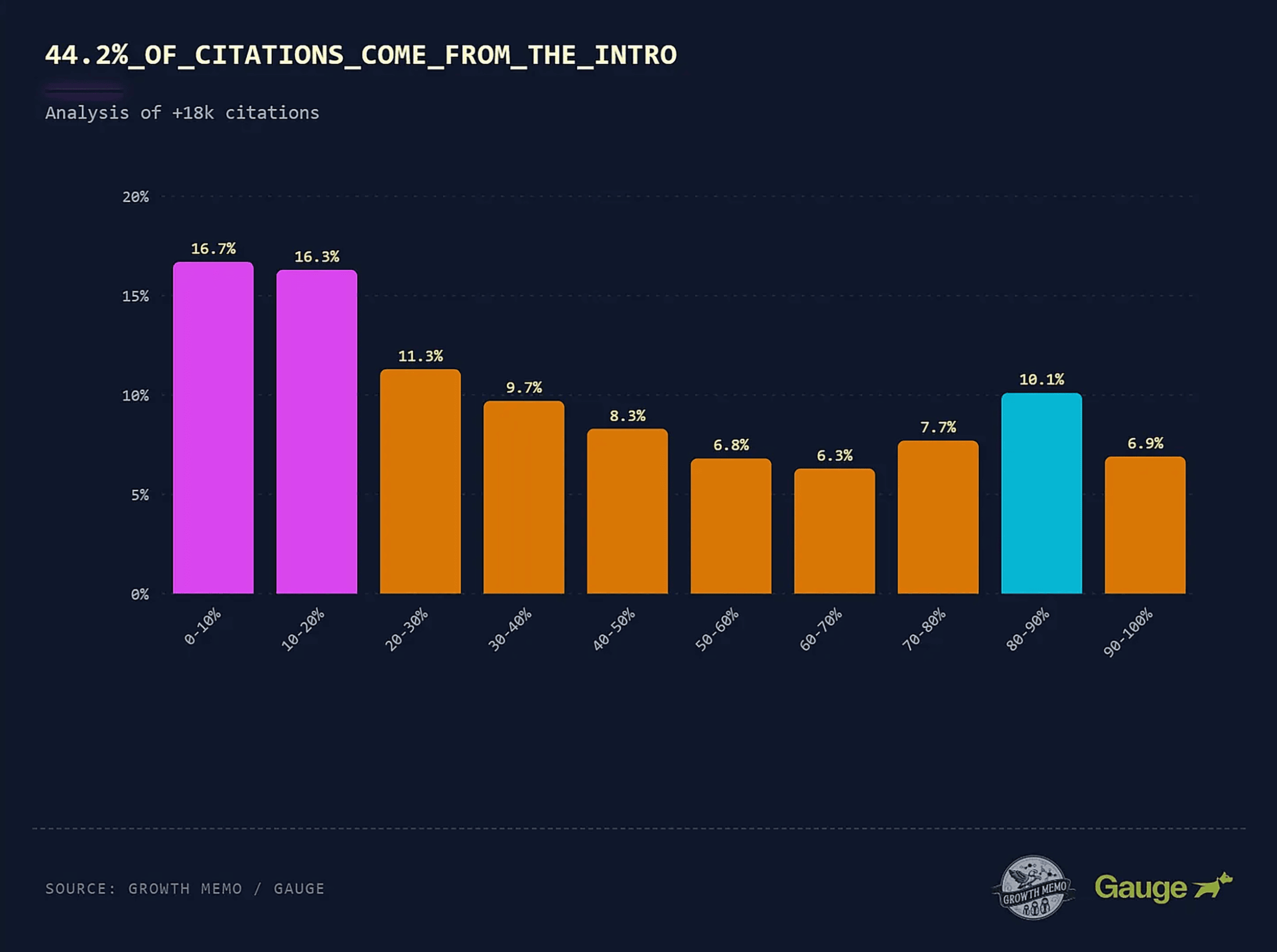
- The Anatomy of Attention: Growth advisor Kevin Indig’s analysis of 1.2 million ChatGPT responses revealed a distinct reading pattern for AI extraction: 44.2% of citations originate from the first 30% of a target page, 31.1% come from the middle third, and 24.7% stem from the final third. Front-loading direct answers is critical.
- The Scale of Multi-Source Synthesis: Complex consumer queries regularly trigger dozens of distinct background sub-queries. For instance, a broad product prompt can spawn upwards of 40 parallel searches, pulling editorial roundups, Reddit threads, and technical specification tables into a single cohesive output.
Official Responses and Industry Perspectives
Search engine optimization and digital growth experts emphasize that the rules of content creation must adapt to machine readability and retrievability.
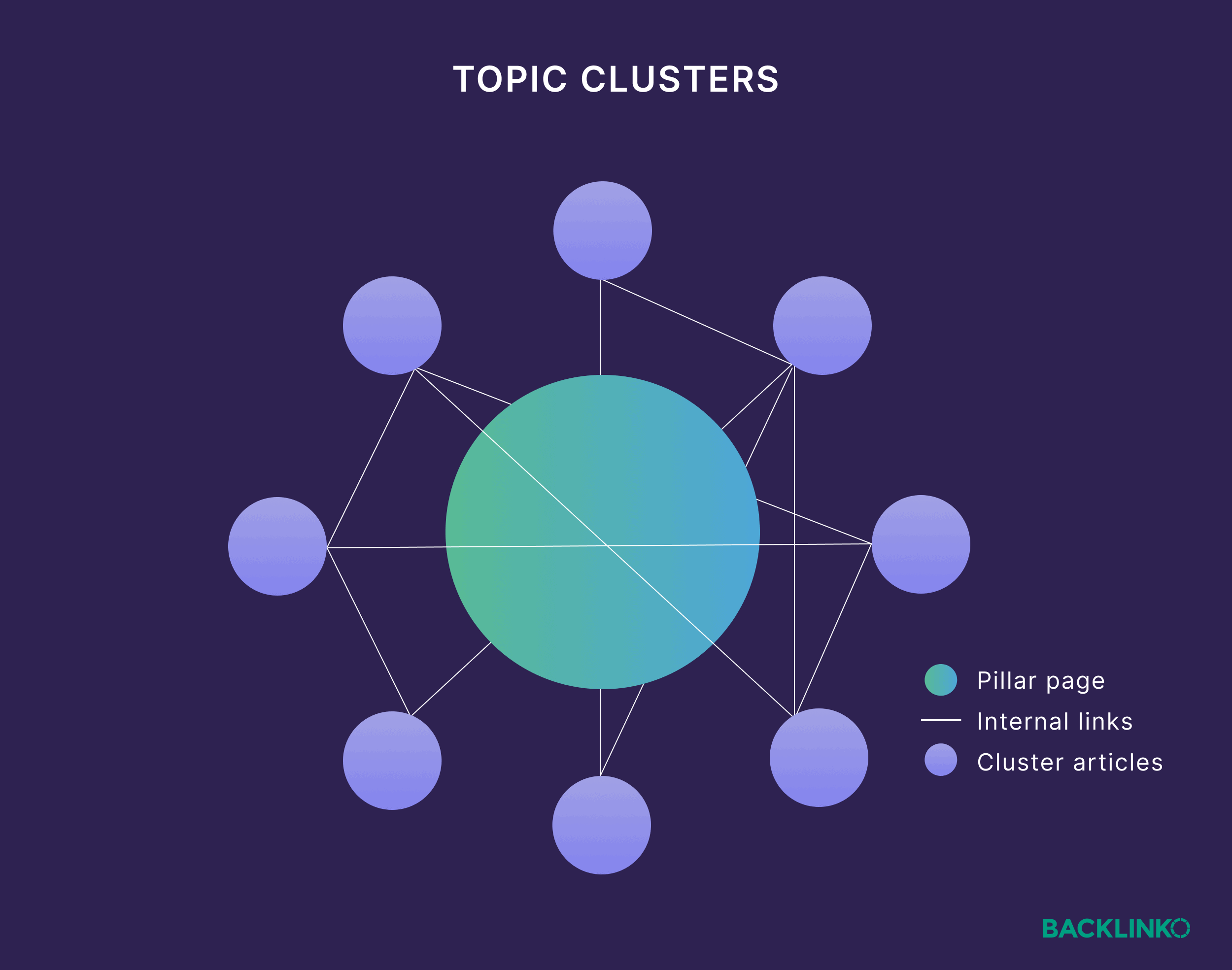
Industry analysts point out that traditional SEO prioritized beating competitors for specific keyword volume. In contrast, AI optimization requires establishing topical authority and comprehensive coverage of an entire subject ecosystem. Because LLMs collapse the marketing funnel—pulling awareness-level definitions, consideration-level comparisons, and decision-level pricing into a single output—content must simultaneously serve multiple user intents.
Furthermore, platforms handle fan-out differently:
- ChatGPT utilizes advanced reasoning and selective live web searches when queries require fresh, real-world data or comparative analysis.
- Perplexity layers conversational history and user-specific constraints over real-time web retrieval.
- Claude prioritizes clarifying user intent upfront before executing searches, resulting in more targeted, narrow fan-out sets.
- Google AI Overviews and AI Mode synthesize the core Google index into concise, passage-driven summaries.
Implications: The 6-Step Workflow to Win AI Citations
For brands looking to capture valuable AI real estate, survival depends on mastering the query fan-out workflow. Content strategies must pivot toward a repeatable, six-step process:

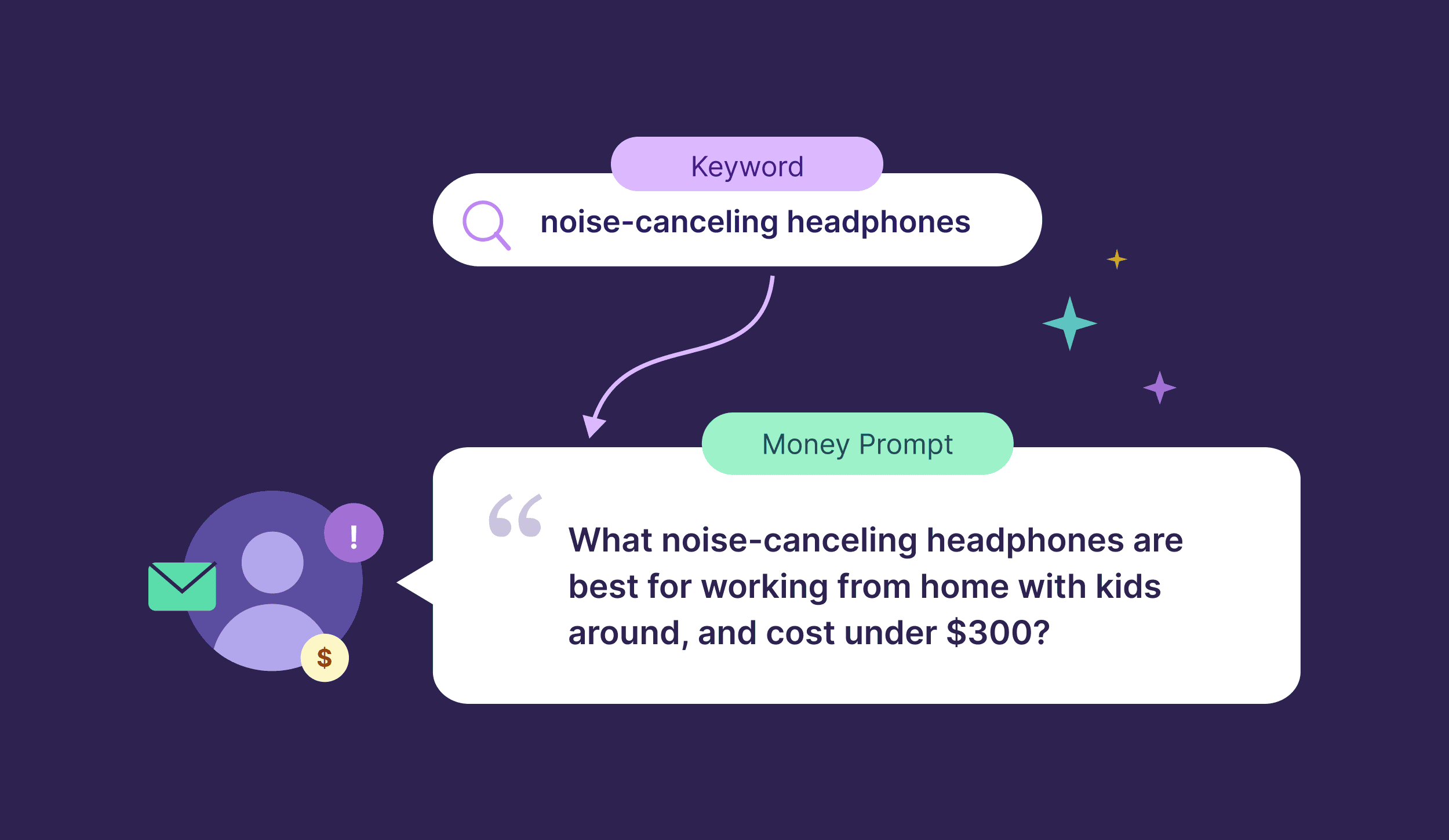
- Find Your Money Prompts: Move beyond short keywords. Identify high-intent conversational questions your ideal customers ask AI tools (e.g., replacing "noise-canceling headphones" with "What noise-canceling headphones are best for working from home with kids around, and cost under $300?").
- Generate Your Fan-Out Set: Use manual prompting techniques or specialized developer tools (such as browser network inspection or dedicated AI visibility toolkits) to uncover the exact sub-queries AI systems run behind the scenes.
- Bucket Sub-Queries by Intent Type: Categorize sub-queries into definitions, comparisons, recommendations, troubleshooting, pricing, and social proof. Match each bucket to the appropriate content format (e.g., comparison tables for head-to-head queries).
- Audit Existing Content for Gaps: Perform content gap analyses using site search operators and visibility tools to identify whether your domain fully covers, partially covers, or completely misses vital sub-queries.
- Structure Content for AI Extraction: Front-load answers in the first third of your pages, utilize descriptive subheadings, and organize technical data into clean, scannable HTML tables.
- Measure Performance in AI Search: Track sentiment, visibility scores, and prompt mentions continuously using modern AI tracking suites to ensure your brand maintains its competitive edge in LLM recommendations.
Ultimately, high rankings alone are no longer enough. By understanding and optimizing for query fan-out, content creators can bridge the gap between traditional search success and modern AI discovery.