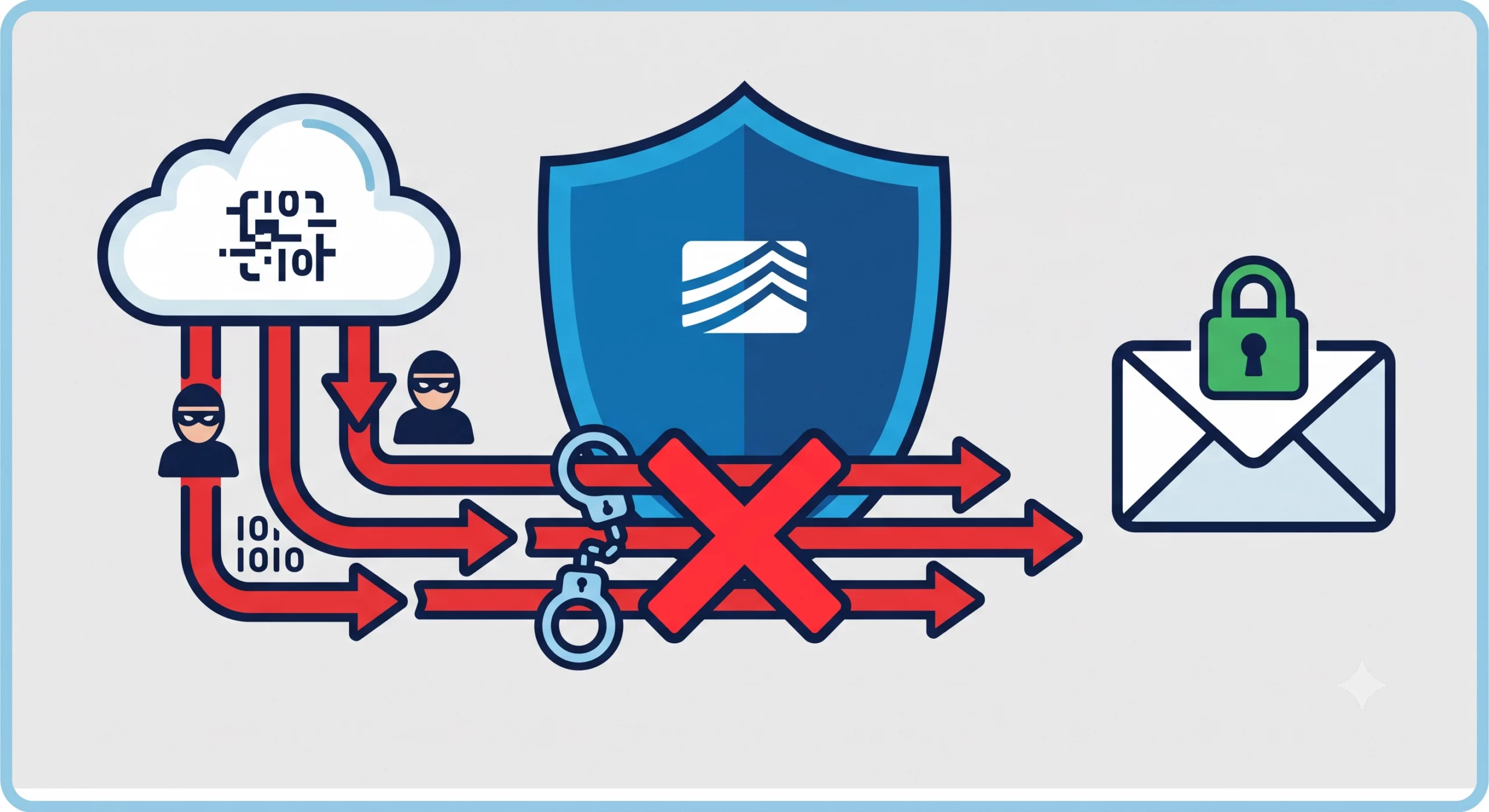
In the wake of a historic championship run for the New York Knicks—their first title in over half a century—the celebration was marred by a significant digital intrusion. While the city’s attention was fixed on the parade route, the cybercrime collective known as ShinyHunters successfully infiltrated the infrastructure of Madison Square Garden (MSG) Sports. The fallout? A massive data dump containing nearly ten million unique email addresses, exposing a complex, dual-layered cybersecurity posture that serves as a cautionary tale for major enterprises operating in the digital age.
An analysis of the organization’s Domain Name System (DNS) records reveals a striking dichotomy: while the automated, high-volume ticketing systems are fortified against forgery, the "human" side of the organization’s communication network—the corporate domain used for guest relations and public affairs—remains dangerously exposed.
Chronology: From Intrusion to Exposure
The timeline of the breach highlights the calculated nature of modern extortion groups.
- June 5: On the very day the Knicks secured their historic championship, ShinyHunters executed their breach against MSG Sports.
- June 5–15: The threat actors initiated a "pay-or-leak" extortion campaign, demanding a ransom to prevent the dissemination of the stolen database.
- June 15: The ransom deadline passed without payment.
- June 16: True to their modus operandi, the group leaked the stolen data. The timing was tactical, intended to bury the news of the breach amidst the fervor of the city’s championship festivities.
- June 24: The incident was formally cataloged by the data breach notification service Have I Been Pwned. The final count stood at 9,796,738 email addresses.
The leaked dataset is comprehensive, containing not only email addresses but also names, phone numbers, and physical mailing addresses. This information represents a high-value "targeting file" for cybercriminals, providing the necessary intelligence to conduct sophisticated, personalized phishing campaigns against nearly ten million individuals.
Distinguishing the Entities: Sports vs. Entertainment
Media coverage surrounding this incident has frequently conflated the two primary branches of the MSG empire. It is vital for both investors and customers to distinguish between them:
- Madison Square Garden Sports (MSG Sports): The entity that owns the New York Knicks and the New York Rangers. This is the company identified in the Have I Been Pwned breach notification.
- Madison Square Garden Entertainment (MSG Entertainment): The entity that manages the physical arena and the controversial facial-recognition systems that have previously dominated news cycles.
The current security vulnerability pertains specifically to the communication infrastructure of the "Sports" business and its parent corporate domains.
The Technical Gap: DMARC and the Architecture of Trust
To understand why this breach poses a lingering threat, one must understand the plumbing of email security. The gold standard for preventing "From" line forgery is DMARC (Domain-based Message Authentication, Reporting, and Conformance).
DMARC works in tandem with SPF (Sender Policy Framework) and DKIM (DomainKeys Identified Mail) to ensure that the sender of an email is who they claim to be. While SPF and DKIM verify the technical path of an email, DMARC tells the recipient’s server what to do if those checks fail. Without a policy set to "quarantine" or "reject," a malicious actor can easily spoof a corporate email address to deceive a recipient.
The "Good" News: Fortified Ticketing Channels
The audit of MSG’s DNS records reveals that the organization has successfully secured its most sensitive automated channels. The domain email1.msg.com, used by Salesforce Marketing Cloud to distribute legitimate ticket codes, is fully protected. It employs a "hard-fail" SPF record and a DMARC policy of p=reject. Any attempt to forge an email from this specific address will be automatically discarded by any compliant email server. Similarly, msgsports.com maintains the same robust security posture.
The "Hard Mile": The Corporate Exposure
The vulnerability lies in the parent domain, msg.com. Currently, this domain is set to p=none with sp=none for subdomains. In industry terms, this is "monitoring mode." It tells receiving servers to record and report failed authentication attempts but to deliver the emails anyway.
msg.com serves as the corporate backbone for the entire operation. It is the domain used by:
- Guest Relations: Managing inquiries from fans whose data has just been leaked.
- Corporate Communications: Contacts like
[email protected],[email protected], and[email protected]. - Business Operations: Finance and group sales departments.
Because these addresses are currently set to p=none, they are highly susceptible to impersonation. A bad actor can send a fraudulent, highly convincing email—perhaps disguised as a "Security Alert" following the breach—to a user whose email address was contained in the leaked list. Because the domain is not set to reject, the target’s email client is unlikely to flag the message as suspicious.
Implications: The Shift from Mass Spam to Targeted Phishing
The danger of this breach is not the volume of the data, but the quality of the targeting. Ten million people who have interacted with the Knicks or Rangers now exist in a database owned by professional phishers.
The "mass blast" of spam is not the primary threat here; the ticketing infrastructure is too secure for that. Instead, the risk is the targeted spear-phishing attack. A phisher can now reach out to a specific fan, using their name and recent history, while appearing to come from a legitimate msg.com corporate address.
For the business side of the organization, the risk is Business Email Compromise (BEC). By impersonating a finance or corporate communications representative, an attacker could attempt to intercept payments, compromise employee credentials, or facilitate internal fraud. The "conversational" channel—where trust is built through legitimate-looking interaction—is currently the weakest link.
The Challenges of Corporate Email Governance
Why is the parent domain not yet at reject status? The reality of large-scale enterprise mail is complex. A domain like msg.com likely manages a sprawling ecosystem of third-party vendors: Salesforce, Oracle Cloud, Atlassian, Zoom, Box, and numerous others.
Reaching DMARC enforcement is not a simple "flip of a switch." It requires meticulous alignment of every single tool that sends mail on behalf of the organization. If an organization moves to reject before every legitimate vendor is perfectly configured, they risk blocking their own critical business operations. The presence of a reporting address linked to Valimail, a specialized authentication vendor, suggests that MSG is indeed working through this process. However, as the industry standard dictates: monitoring is the first step of the journey, not the arrival.
Conclusion: Lessons for the Enterprise
The takeaway from the Madison Square Garden breach is not that the organization failed its security obligations. On the contrary, their proactive work on the ticketing streams deserves professional credit; many organizations do not reach that level of enforcement.
The lesson is that partial enforcement is an incomplete defense. Cybercriminals are opportunistic and patient; they identify the path of least resistance. In this case, that path is the sprawling, un-enforced corporate domain.
For other organizations, the mandate is clear: the "easy" wins—the high-volume, automated sending streams—are only the beginning. The "hard mile" lies in securing the human-centric corporate domains where trust is most easily exploited. As long as a domain sits at p=none, the organization remains vulnerable to the very social engineering tactics that modern security infrastructure is designed to prevent. In the digital age, a security program is only as strong as its most exposed domain.