Beyond Antivirus: How McAfee’s New Rebrand Aims to Escape the Shadow of Its Past
By Robert Klara Senior Editor of Brands, Adweek
Main Facts
In the rapidly shifting landscape of digital security, legacy technology brands face a unique paradox: brand recognition is high, but brand perception is dangerously outdated. Cybersecurity giant McAfee finds itself squarely at the center of this dilemma.
According to recent comprehensive market research conducted by the company, a staggering 68% of consumers continue to associate McAfee almost exclusively with legacy antivirus protection. While antivirus software remains a cornerstone of the company’s offerings, it represents only a fraction of McAfee’s modern portfolio, which now encompasses sophisticated AI-powered scam detection, comprehensive identity theft protection, real-time dark web monitoring, and cross-device digital privacy tools.
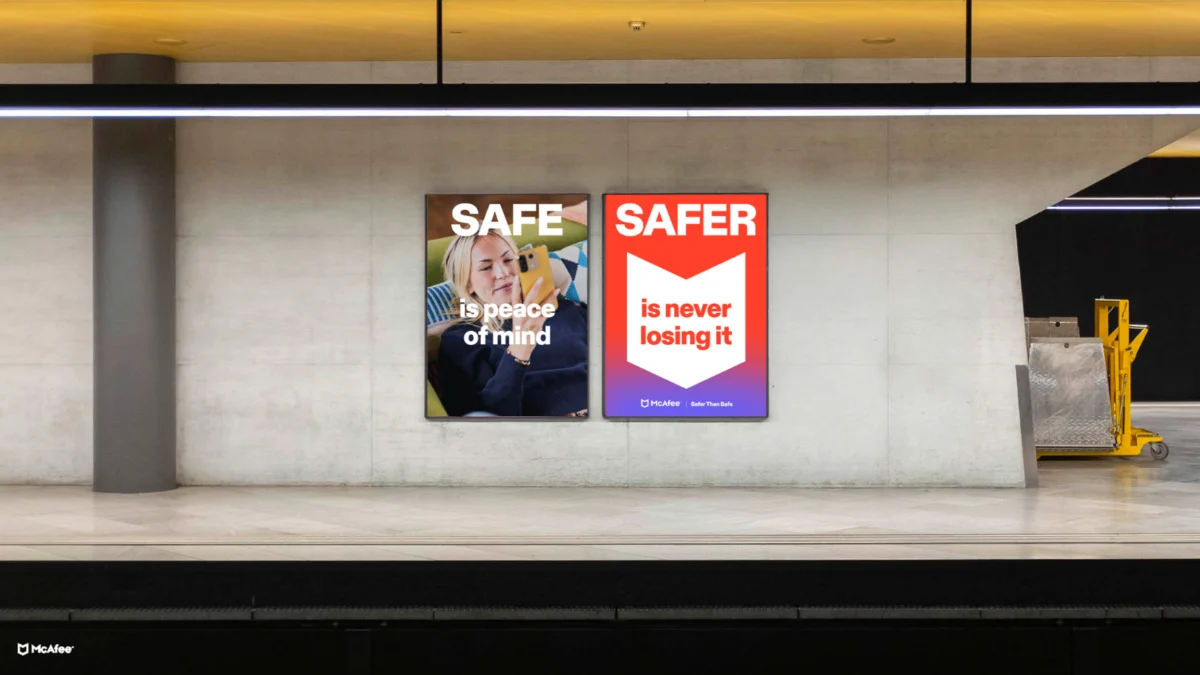
To bridge this massive perception gap, McAfee rolled out a major global rebrand designed to reposition the nearly 40-year-old company as an all-encompassing digital protection partner for the modern consumer. The initiative, spearheaded by Chief Marketing Officer Stephanie Fried and her executive team, seeks to drag the iconic security brand out of the late-90s desktop era and into the interconnected age of mobile threats, phishing scams, and digital identity theft.
Chronology: The Evolution of a Digital Security Pioneer
To understand the necessity of McAfee’s current rebrand, one must examine the timeline of how the company became a household name—and subsequently trapped by its own success.
1987–1999: The Birth of Desktop Security
The Founding: Founded in 1987 by John McAfee as McAfee Associates, the company established early dominance in the nascent computer security market by releasing the first commercial antivirus software.
The 90s Boom: Throughout the 1990s, alongside competitors like Norton, McAfee became synonymous with personal computing safety. During this era, personal computers were standalone machines vulnerable primarily to local viruses transferred via floppy disks or early dial-up internet connections. "Getting McAfee" was a ritual step in setting up a new family PC.
2000–2010s: The Enterprise Pivot and Digital Expansion
Intel Acquisition: In 2011, technology conglomerate Intel acquired McAfee for $7.68 billion, aiming to bake security directly into silicon hardware.
Independence Restored: By 2017, Intel spun the security business back out into an independent entity, partnering with private equity firm TPG. During this period, the threat landscape shifted dramatically. Viruses were no longer the primary threat; instead, cybercriminals weaponized identity theft, data breaches, phishing campaigns, and malware targeting smartphones and smart home devices.
The Portfolio Diversification: Quietly, McAfee evolved from a single-product antivirus vendor into a multi-layered cybersecurity ecosystem, acquiring and developing tools for dark web surveillance, VPN privacy, and automated scam protection. However, consumer awareness of these advanced features failed to keep pace with product development.
Present Day: The Modern Identity Crisis
The Brand Audit: Recognizing a disconnect between what McAfee actually sells and what consumers think it sells, leadership commissioned deep market research leading up to the September rebrand.
The Launch: Unveiled globally, the new brand identity abandons the narrow framing of "antivirus" in favor of holistic digital wellness and proactive personal protection, setting the stage for McAfee’s next multi-decade chapter.
Supporting Data and Market Insights
The impetus behind McAfee’s rebrand is rooted firmly in empirical data rather than mere aesthetic preference. Modern consumer habits, threat vectors, and brand metrics paint a clear picture of why the overhaul is both timely and necessary.
The 68% Antivirus Anchor: McAfee’s internal market research revealed that nearly seven out of ten consumers (68%) define the brand solely through the lens of traditional antivirus software.
The Awareness Deficit: While products addressing modern digital threats—such as real-time scam text detection, financial fraud monitoring, and dark web data leak alerts—make up a rapidly growing portion of McAfee’s revenue, unprompted consumer awareness of these tools remains dismally low.
The High Cost of Cybercrime: According to data from the FBI’s Internet Crime Complaint Center (IC3), consumer losses from cybercrime continue to reach tens of billions of dollars annually. Phishing, personal data breaches, and tech support scams now vastly outpace traditional computer viruses as the primary financial threats facing everyday internet users.
The Paradox of Heritage: Brand equity trackers consistently show that McAfee enjoys high marks for trust—a critical asset in the cybersecurity sector, where consumers are handing over access to their most sensitive personal and financial data. Yet, that very same heritage has ossified the brand in the public consciousness, framing it as a relic of the Windows 95 era rather than a cutting-edge defender against modern AI-driven threats.
Official Responses and Executive Insights
In exclusive statements and interviews regarding the brand overhaul, McAfee’s executive leadership emphasized that the company is not abandoning its roots, but rather honoring them by expanding to meet contemporary dangers.
Stephanie Fried, Chief Marketing Officer at McAfee, offered candid insights into the psychological hurdle the brand faces:
"We’ve been around for almost 40 years [and] we win on trust in every part of our brand tracker. The downside is that we’re known for what we’ve done from a heritage perspective."
Fried acknowledged that while legacy trust is an invaluable foundation that few young tech startups can replicate, it acts as a double-edged sword if consumers fail to realize that the company has evolved alongside the internet itself.
"When people think of us, they think of the little icon keeping their PC clean of viruses," Fried noted during the rollout preparations. "But today, people are losing their life savings to sophisticated text-message scams, having their identities stolen on the dark web, and exposing their children to digital predators on mobile devices. Antivirus is just the ticket to the game. Our mission today is total digital protection for the entire family’s online life."
Industry analysts have noted that the messaging shift focuses heavily on proactive defense rather than reactive clean-up. Instead of waiting for a virus to infiltrate a hard drive, modern McAfee tools aim to intercept scams before a user even clicks a malicious link or answers a fraudulent phone call.
Implications for the Brand and the Cybersecurity Industry
McAfee’s aggressive repositioning carries significant implications not only for the company’s bottom line, but for the broader consumer cybersecurity market as a whole.
1. Reclaiming Relevance with Younger Demographics
Millennial and Gen Z consumers, who often view desktop computers as secondary devices to their smartphones and tablets, have largely moved past traditional antivirus subscriptions. By pivoting its messaging toward mobile security, instant scam warnings, and identity theft defense, McAfee is attempting to make its suite of products relevant to a generation that views digital security through the lens of privacy and fraud prevention rather than malware removal.
2. Combating AI-Powered Threats
Cybercriminals are increasingly leveraging generative artificial intelligence to craft hyper-realistic phishing emails, deepfake voice scams, and convincing fraudulent websites. Legacy antivirus software alone cannot defend against these social engineering tactics. McAfee’s rebrand signals to the market that consumer protection must evolve into an active, intelligent shield capable of analyzing human-facing interactions—such as text messages and web browsing behavior—in real time.
3. Setting a Precedent for Other Tech Legacy Brands
McAfee’s journey offers a masterclass in modern brand evolution. Companies that achieved massive success in the early days of the digital revolution frequently struggle to escape their founding narratives. By acknowledging its legacy while forcefully expanding its narrative horizon, McAfee is providing a playbook for other legacy technology, software, and hardware giants seeking to prove they are still vital in an era of rapid technological disruption.
As the dust settles on the September rollout, the ultimate test for McAfee will not be how well its new visual identity resonates with marketers, but whether that 68% metric begins to shift—and whether everyday consumers finally view the company not just as a guardian of their computers, but as an indispensable protector of their entire digital lives.