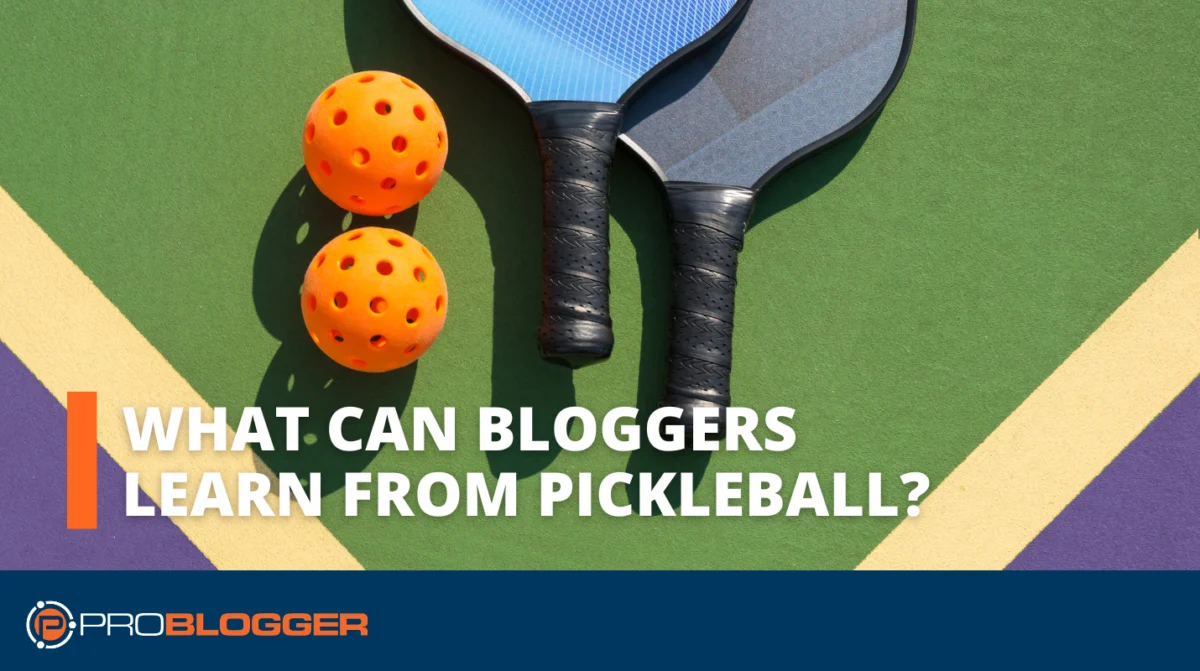
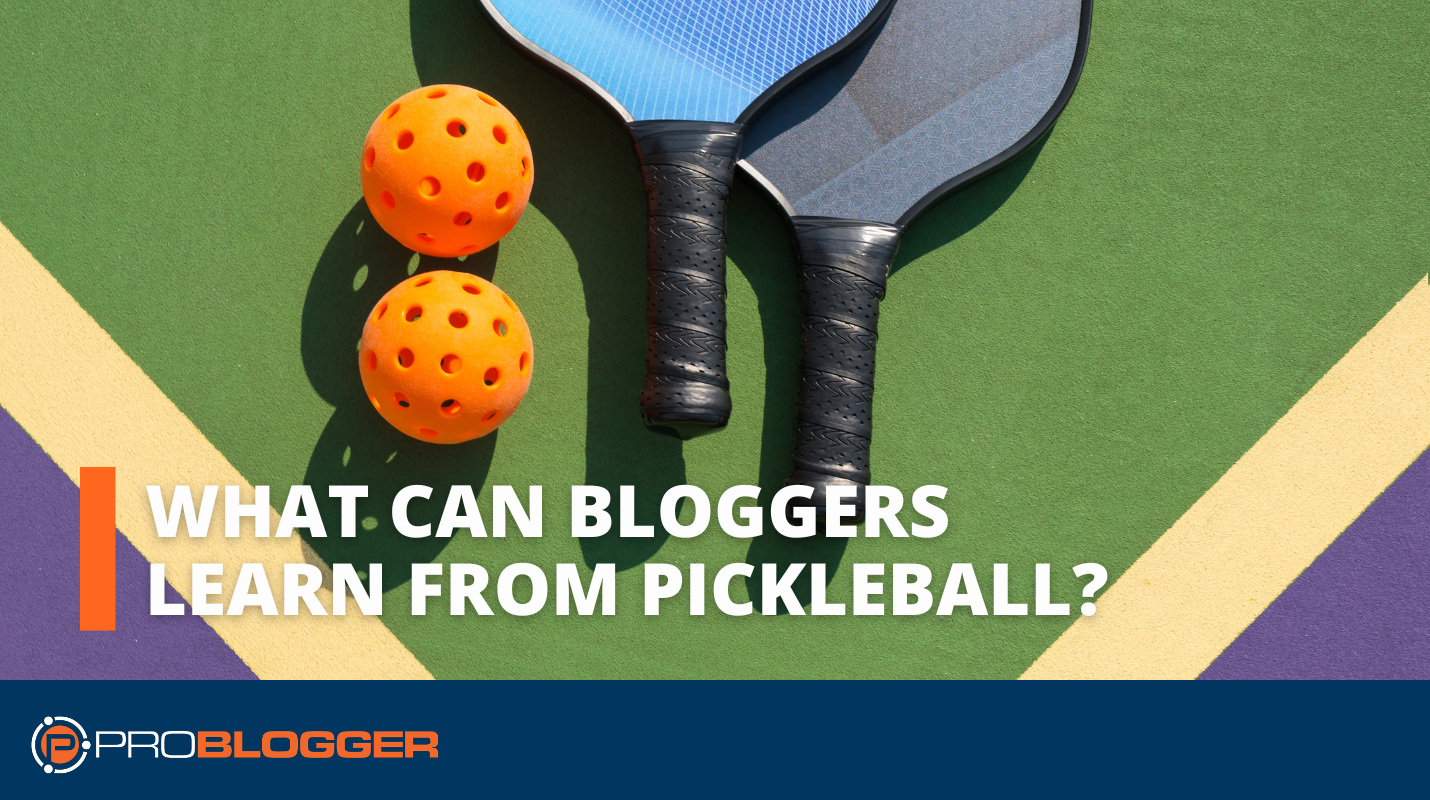
I may be late to the party, but I have officially caught the bug. After stepping onto the court for the first time, I found myself returning daily, paddle in hand, fully immersed in the rhythm of the game. Pickleball, that curious hybrid of tennis, badminton, and ping-pong, is far more than just a passing fad with a whimsical name. It is a cultural phenomenon—a masterclass in accessibility, community building, and strategic agility.
As I navigated the learning curve of the game, I began to notice striking parallels between the court and the digital landscape. Whether you are managing a boutique lifestyle blog or a high-traffic content hub, the principles that drive a successful pickleball match are remarkably similar to those that drive a thriving blog. By examining this sport, we can extract actionable strategies to sharpen our editorial focus, deepen our audience engagement, and sustain long-term growth.
1. The Genesis of Growth: Start Small, Think Big
Pickleball’s history is a testament to the power of humble beginnings. Created in 1965 on Bainbridge Island, Washington, it started as a backyard solution to a boredom-induced problem—a makeshift game played with plywood paddles and a plastic wiffle ball. Today, it stands as one of the fastest-growing sports in the world, sanctioned by national organizations and broadcast on major networks.
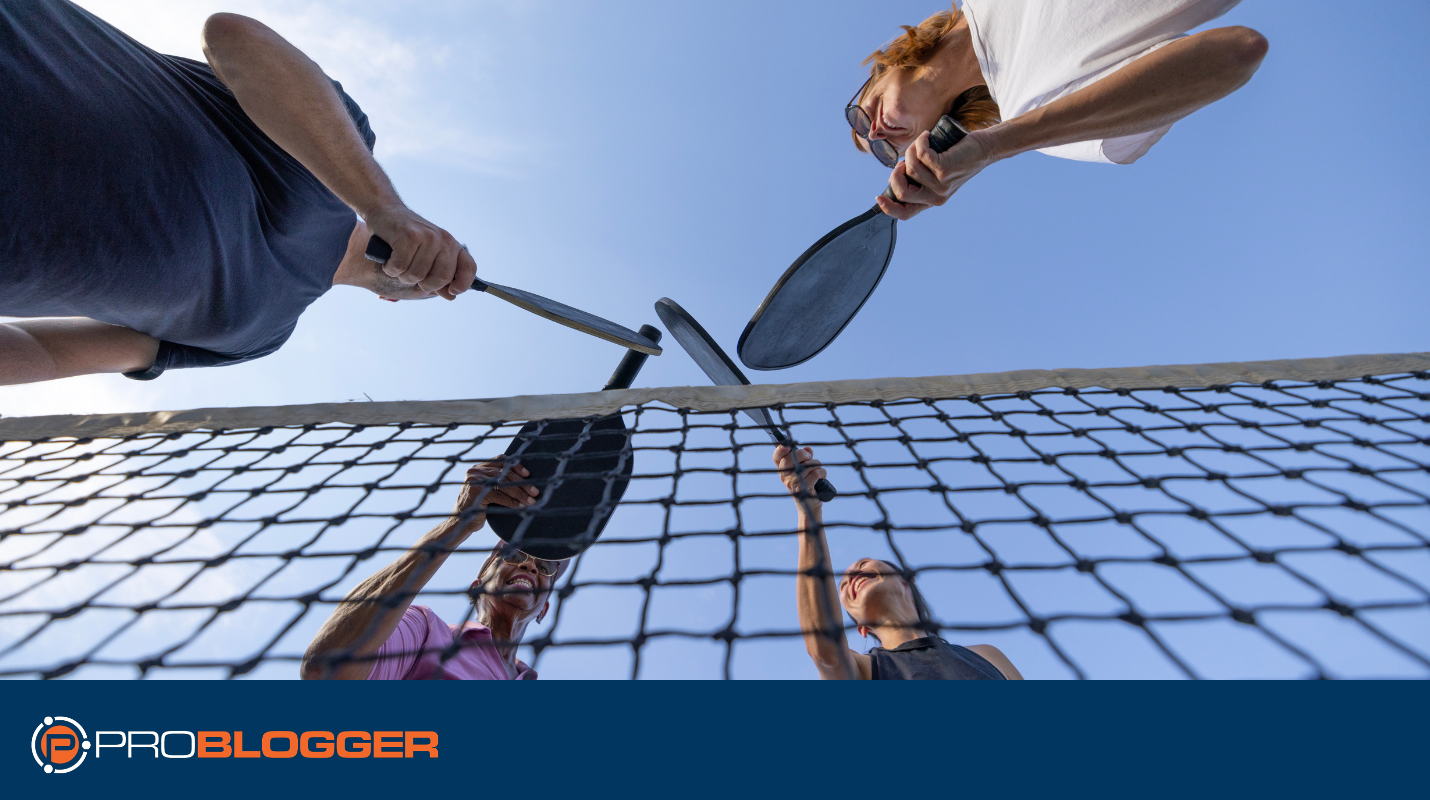
For bloggers, this trajectory is a blueprint for success. Every industry giant, every influential newsletter, and every massive content brand began as a blank page. The danger for many creators is "analysis paralysis"—waiting for the perfect design, the perfect niche, or the perfect strategy before hitting "publish." Pickleball teaches us that you don’t need a stadium to start; you just need a net and a partner. Start with what you have, where you are, and focus on the immediate objective. Your broader goals, much like the sport’s expansion, will follow as you build consistency.
2. Cultivating the Rally: Community as a Catalyst
In pickleball, the "rally" is the lifeblood of the game. It is the back-and-forth exchange that keeps the heart rate up and the players engaged. If a player hits the ball and walks away, the game ends. If they stay, focus, and return the shot, the energy builds.
The same logic applies to digital publishing. Your blog is not a broadcast tower; it is a conversation. When you respond to comments, engage in threads on social media, or host interactive Q&A sessions, you are participating in a rally. Every interaction is a return shot that keeps your audience on the court. The longer the rally, the deeper the relationship. A static, one-way blog post is a missed opportunity; a dynamic, community-oriented platform is a magnet for loyal readers.
3. The Art of the ‘Dink’: The Power of Simplicity
To the uninitiated, the "dink" shot—a soft, precise drop shot hit from the non-volley zone—might seem trivial. It lacks the explosive power of a smash, yet it is the most sophisticated and strategic move in the game. It forces the opponent to reset, slows down the pace, and shifts the control of the court.
Bloggers often fall into the trap of thinking that "more is better"—longer posts, more complex jargon, and busier layouts. Sometimes, the most effective strategy is the "dink." Simplify your message. Translate complex industry concepts into digestible, reader-friendly language. Avoid the clutter of unnecessary buzzwords and ensure your site architecture is intuitive. A gentle, clear, and focused approach often resonates more deeply with readers than an aggressive, over-complicated content dump.
4. Finding Your Sweet Spot: Balancing Strategy and Presence
In pickleball, the "kitchen" (or non-volley zone) is a restricted area where you cannot volley. Standing too close to the net is a tactical error that leads to fouls, while standing too far back makes you vulnerable to drop shots. Finding the "sweet spot" is about maintaining a position that allows you to control the flow of the game without overstepping.
In blogging, this is the balance between providing value and promoting your brand. If you are too "salesy," you lose credibility; if you are too distant, you lose connection. You must find the space where your content provides genuine, actionable help that naturally encourages the reader to trust your expertise. It’s the sweet spot where the "bounce" of engagement happens naturally, without forced calls to action.
5. Learning from the ‘Whiffs’: Reframing Failure
Even the most seasoned professional pickleball player occasionally misses the ball—a "whiff." In the heat of the game, a whiff can be frustrating, but it is also inevitable. What separates the amateur from the pro is how they respond to the miss. They don’t walk off the court; they adjust their grip, refine their footwork, and prepare for the next serve.
Content creators must adopt this same resilience. Not every post will go viral. Some will miss the mark entirely. Rather than viewing these as failures, treat them as data points. Which topics failed to land? Was the headline weak? Was the call to action unclear? By analyzing these "whiffs" and pivoting your strategy, you turn a mistake into a lesson, ensuring you are better prepared for the next serve.
6. Adaptability in a Changing Landscape
Pickleball strategy is fluid. Players are constantly adapting to their opponent’s skill level, the wind conditions, and the court surface. They spend hours refining their backhand and learning new spin techniques to stay ahead of the curve.
The digital landscape is no different. Algorithms change, new social platforms emerge, and consumer preferences shift with the seasons. If your blogging strategy remains stagnant, you will eventually find yourself outmaneuvered by creators who are more agile. Staying informed about SEO trends, experimenting with new content formats (like video or audio), and remaining flexible in your approach are essential requirements for long-term survival in the creator economy.
7. Maintaining Focus: Keeping Your Eye on the Ball
Loss of focus in pickleball results in a point for the opponent. A momentary lapse in concentration—a stray thought or a distraction—is all it takes to lose the advantage. Similarly, bloggers often lose their way by chasing "shiny object syndrome." They pivot from niche to niche, try to follow every trend at once, or lose sight of their core mission.
To maintain momentum, you must keep your eye on the ball: your reader’s needs. Every piece of content you produce should serve a purpose that aligns with your ultimate goal. If a new trend doesn’t serve your audience or your objective, don’t chase it. Discipline in your content calendar is the only way to ensure your blog remains authoritative and relevant.
8. The Strength of the Serve: Setting the Tone
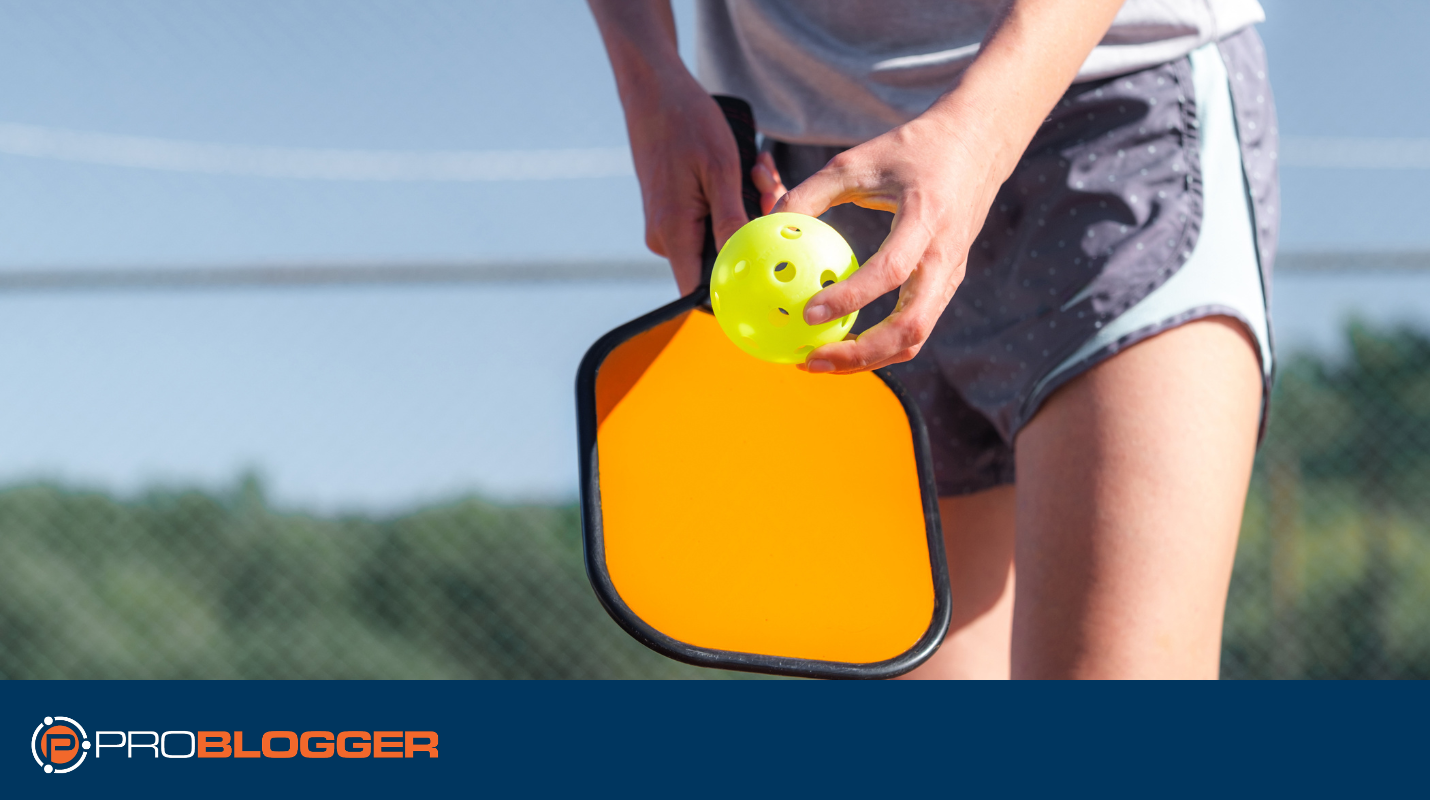
A strong serve in pickleball doesn’t just put the ball in play; it dictates the rhythm of the ensuing rally. It can put your opponent on the defensive or set up your partner for a winning shot.
In blogging, your introduction is your serve. It is the first point of contact, and it sets the tone for everything that follows. If your intro is weak, uninspired, or overly long-winded, you have already lost the reader. A strong serve captures attention immediately, highlights the value the reader will receive, and creates a sense of momentum that pulls them into the body of the post.
9. Strategic Positioning: The Competitive Edge
Winning in pickleball is as much about where you stand as it is about how you hit. Strategic positioning allows you to cover the court efficiently and force your opponent into making mistakes.
For the modern blogger, positioning is your brand identity. In a crowded marketplace, you cannot be everything to everyone. You must carve out a specific niche and position your content to solve unique problems that others are ignoring. By understanding exactly who your audience is and what they require, you can position your blog as the premier destination for that specific segment, effectively outplaying the generalists.
10. Embracing the Fun: The Sustainability Factor
Perhaps the most important lesson pickleball offers is that the game is, at its core, fun. People play it for the joy of the movement, the camaraderie, and the challenge. If it weren’t enjoyable, it wouldn’t have become a global sensation.
Blogging can be a grueling, meticulous craft. It involves hours of research, editing, and technical troubleshooting. If you lose the joy, your writing will suffer—and your readers will notice. Passion is infectious. When you write about topics that genuinely excite you, that enthusiasm translates onto the screen. It makes your content more personal, more engaging, and more sustainable. If you aren’t having fun, you are unlikely to stick with it long enough to see the results you want.
Conclusion: The Match is Just Beginning
Who would have thought that a sport with such a peculiar name would yield such profound insights for the digital creator? Pickleball is a perfect metaphor for the modern blogging journey: it requires a blend of intense focus, strategic patience, community engagement, and a sense of playfulness.
By applying these lessons, you can transform your blogging process from a chore into a high-stakes, high-reward game. Don’t fear the "whiffs," keep refining your "dinks," and always stay positioned for the next big opportunity. The digital court is wide open, and the competition is heating up. So, grab your paddle—or in this case, your keyboard—and let’s play. Your best content is waiting to be written.