In the fast-paced world of pay-per-click (PPC) advertising, success is almost universally measured by numbers on a dashboard. Marketers celebrate soaring click-through rates, dropping costs-per-acquisition, and conversion pixels that fire with mathematical precision. But what happens when the digital dashboard lies—or rather, when it tells a truth that never reaches the physical world?
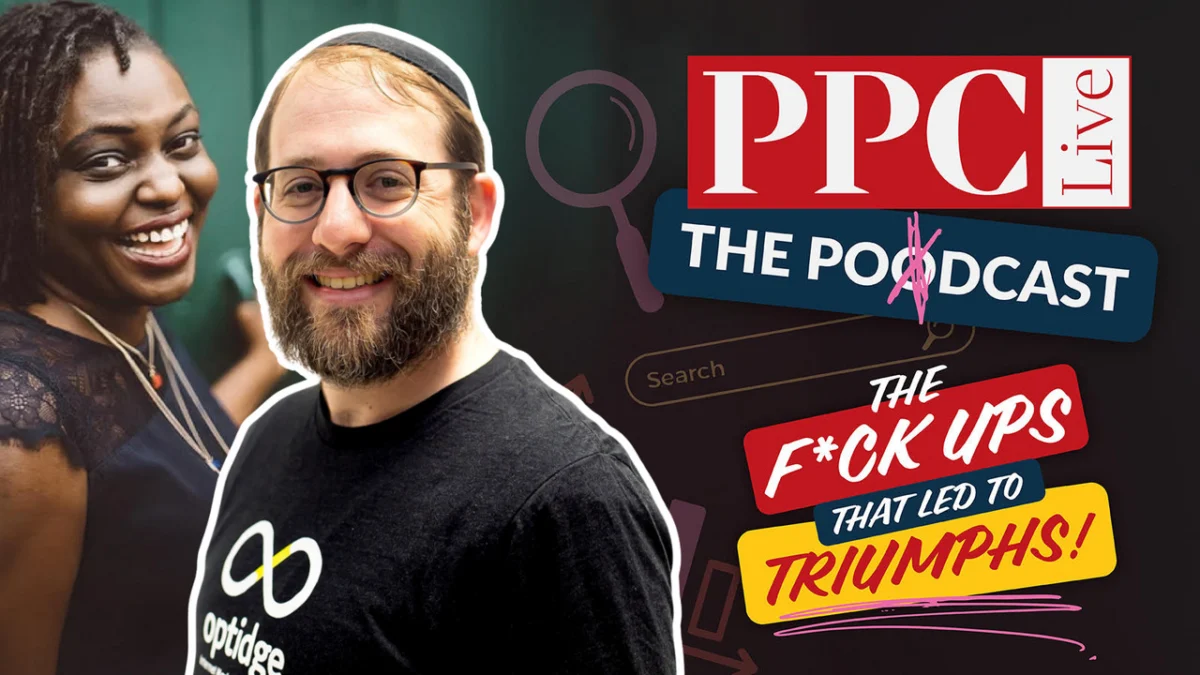
For Danny Gavin, the founder of Houston-based digital marketing agency Optidge, this scenario is not a hypothetical nightmare. It was a real-world crisis that threatened his agency’s reputation and fundamentally reshaped its operational philosophy. Speaking on PPC Live The Podcast, Gavin shared the story of an invisible technical glitch that severed the connection between a successful Google Ads campaign and a client’s intake team, leaving qualified leads to wither in a digital void for nearly two months.
The incident highlights a critical vulnerability in modern digital marketing: the gap between ad platform metrics and actual business outcomes. It also serves as a case study in crisis management, radical transparency, and the enduring value of human communication in an increasingly automated industry.
Main Facts: The Disconnect Between Metrics and Reality
The crisis unfolded during the early years of Optidge, when the agency was still a lean operation managing a tight portfolio of clients. One of these clients was an autism therapy provider—a high-stakes business where families seek timely, life-changing interventions for their children.
From a purely technical PPC perspective, the campaigns were an unqualified success. The data inside Google Ads showed:
- A steady, healthy upward trajectory in click volume.
- An efficient and declining cost-per-lead (CPL).
- A high volume of conversion actions registered by the landing page’s tracking pixels.
To any media buyer looking strictly at the Google Ads interface, the campaign was performing optimally. However, the client’s real-world experience was entirely different. Weeks passed, and the client reported receiving absolutely zero inquiries or phone calls from the landing pages.
The issue did not lie within Google Ads, nor was it a flaw in the landing page design or copy. Instead, the failure occurred in the invisible middleware: the email notification system.
[User submits form on Landing Page]
       │
       ├───► [Conversion Pixel Fires] ───► Recorded in Google Ads (Looks Successful!)
       │
       ├───► [Lead Data Saved in Database] (Stored silently in MySQL)
       │
       └───► [SMTP / Email Notification] ──X──► [Client Inbox] (Technical Failure / Blocked)
While every lead submitted through the landing page form was successfully captured and written to the website’s database, the automated email routing system responsible for alerting the client’s sales team failed. Because the conversion pixel fired upon form submission, Google Ads recorded each lead as a success. However, because the notification emails were never delivered, the client remained entirely unaware that any prospects had reached out. By the time the technical failure was identified, dozens of highly qualified leads had sat unaddressed for up to eight weeks, rendering them entirely cold.
Chronology of the Incident
The lifecycle of the crisis can be mapped across several distinct phases, from the initial launch of the campaigns to the eventual resolution and long-term reconciliation years later.
┌────────────────────────┐
│  Phase 1: Launch       │ ──► Campaigns go live; Google Ads reports high conversion rates.
└────────────────────────┘
            │
┌────────────────────────┐
│  Phase 2: Silent Fail  │ ──► SMTP notifications break; leads pool in database; client gets 0 emails.
└────────────────────────┘
            │
┌────────────────────────┐
│  Phase 3: Escalation   │ ──► Client expresses deep frustration; agency audits technical stack.
└────────────────────────┘
            │
┌────────────────────────┐
│  Phase 4: Discovery    │ ──► Lead database found intact; emails blocked; immediate data export.
└────────────────────────┘
            │
┌────────────────────────┐
│  Phase 5: Mitigation   │ ──► Radical honesty policy; leads delivered cold; contract terminated.
└────────────────────────┘
            │
┌────────────────────────┐
│  Phase 6: Reconnection │ ──► Years later, client returns, citing Optidge's integrity during crisis.
└────────────────────────┘
Phase 1: Campaign Launch and Initial Optimism
Optidge launched targeted search campaigns for the autism therapy provider. The landing pages were built, forms were tested, and tracking pixels were verified. Initial test submissions went through successfully, and the campaigns began spending budget.
Phase 2: The Silent Failure (Weeks 1–8)
As the campaigns scaled, lead volume increased according to Google Ads. Inside the agency, team members monitored the account daily, optimizing bids and ad copy based on the positive conversion data. Unbeknownst to the team, a server-level configuration change or SMTP mail-delivery failure stopped the outgoing lead notification emails. The database continued to log the entries quietly, but no notifications were sent to the client.
Phase 3: Client Escalation and Technical Audit
Frustrated by spending thousands of dollars on advertising without a single phone call or email to show for it, the client contacted Gavin. The agency immediately initiated a deep technical audit of the entire lead-generation funnel, moving beyond the Google Ads interface to inspect the website’s backend architecture.
Phase 4: Discovery and Recovery
During the backend audit, the technical team discovered the website’s database was populated with dozens of detailed, completed lead forms. The tracking had worked, and the prospects had taken action, but the notification mechanism had broken.
Phase 5: Honest Disclosure and Parting of Ways
Gavin chose to bypass excuses. He contacted the client, explained the exact nature of the technical failure, exported the raw lead data from the database, and handed it over immediately. Recognizing that the leads were now weeks old and highly unlikely to convert, Gavin accepted responsibility. The damage to the client’s trust was severe, and the business relationship was dissolved shortly thereafter.
Phase 6: The Long-Term Reconciliation
Years after the contract was terminated, the client reached out to Optidge to initiate a new partnership. In her communication, she noted that despite the technical failure, Optidge was the most professional and honest agency she had ever worked with. The transparent manner in which Gavin handled the failure had left a more lasting impression than the mistake itself.
Supporting Data and Technical Context
To understand how such a mistake can go unnoticed, it is necessary to examine the mechanics of lead-generation tracking and the compounding cost of delayed lead follow-ups.
The Mechanics of the Lead Tracking Blindspot
In standard WordPress or landing page setups, a conversion is typically tracked via a client-side trigger (such as a Google Tag Manager tag firing on a "Thank You" page redirect) or a server-side API call.
┌────────────────────────────────────────────────────────────────────────┐
│                      THE DUAL-PATH CONVERSION FLOW                     │
├─────────────────────────────────────────────────────────┬──────────────┤
│ 1. Client-Side (Analytics & Ads Tracking)               │ Status: PASS │
├─────────────────────────────────────────────────────────┼──────────────┤
│ User submits form -> "Thank You" page loads -> Pixel    │ Google Ads   │
│ fires -> Conversion counted in ad platform.             │ registers 100%│
├─────────────────────────────────────────────────────────┼──────────────┤
│ 2. Server-Side (Lead Delivery & Notification)           │ Status: FAIL │
├─────────────────────────────────────────────────────────┼──────────────┤
│ Form plugin triggers wp_mail() -> Server SMTP rejects   │ Client       │
│ relay -> Notification email lost in transition.         │ registers 0% │
└─────────────────────────────────────────────────────────┴──────────────┘
Because Path 1 was fully operational, the agency’s reports showed flawless performance. Path 2, which relied on local server mail relays (often prone to spam filtering, IP blacklisting, or SMTP credential expiration), was broken.
The Economic Cost of Cold Leads
In lead generation, particularly in high-involvement industries like healthcare or therapy, lead response time is the single most critical factor in conversion rate optimization.
According to historical data published in the Harvard Business Review, agencies and businesses that attempt to contact potential leads within an hour of receiving a query are nearly seven times more likely to have a meaningful conversation with a key decision-maker than those who wait even an hour longer.
| Response Time | Probability of Contact / Qualification |
|---|---|
| Within 5 Minutes | 100% (Baseline Benchmark) |
| Within 30 Minutes | Decreases by 21x |
| After 24 Hours | Minimal (Lead is considered "dead" or has chosen a competitor) |
In the case of Optidge’s client, the leads were between 30 and 60 days old. In the pediatric therapy space, parents seeking urgent help for their children do not wait weeks for a response; they contact the next provider on their search list. The delayed leads represented a near-total loss of marketing spend for that period.
Official Responses and Agency Mitigation Strategies
When the failure was uncovered, Gavin established a clear response protocol that prioritized accountability over self-preservation. This philosophy later became the foundation of Optidge’s operational overhaul.
Gavin’s Philosophy on Crisis Communication
"When things go wrong, the instinct for many agencies is to obfuscate, point to the ad platform data, or blame third-party hosting providers," Gavin reflected during the podcast. "But clients see through that. We chose to export the database, show them exactly what happened, admit our oversight, and apologize without caveats. Honesty is the only foundation you can rebuild from."
Systemic Safeguards: The Anti-Failure Protocol
To ensure that a silent lead-generation failure could never occur again, Optidge redesigned its technical and account management workflows. The agency moved away from "single-point-of-failure" architectures, implementing a multi-layered verification framework:
                  ┌───────────────────────────────┐
                  │    User Submits Lead Form     │
                  └───────────────┬───────────────┘
                                  │
         ┌────────────────────────┼────────────────────────┐
         ▼                        ▼                        ▼
┌─────────────────┐      ┌─────────────────┐      ┌─────────────────┐
│  Redundant SMTP │      │ Direct CRM API  │      │ Internal Slack  │
│  Notifications  │      │   Integration   │      │    Webhooks     │
│ (SendGrid/Mail) │      │  (HubSpot/SF)   │      │ (Instant Alert) │
└─────────────────┘ └─────────────────┘ └─────────────────┘- Redundant Notification Systems: Instead of relying on a single email delivery route, lead forms are now configured to send notifications to multiple destinations simultaneously using robust transactional email services (such as SendGrid or Mailgun) rather than standard web server mail.
- Direct CRM Integrations: Agencies are moving away from email notifications as the primary delivery mechanism. Optidge prioritizes direct API integrations that push leads instantly into the client’s Customer Relationship Management (CRM) system (e.g., HubSpot, Salesforce, or ActiveCampaign).
- Automated Verification and Webhooks: Setting up instant internal notifications (such as a Slack or Microsoft Teams webhook) that alert the agency account managers whenever a conversion is recorded. If a conversion is logged in Google Ads but no Slack alert is generated, the team can identify the discrepancy within hours rather than months.
- Weekly Manual Lead Audits: Account managers now perform weekly manual reconciliations, cross-referencing the total number of conversions recorded in Google Ads with the actual leads received in the client’s CRM.
The Communication Pivot: Dedicated Account Managers
The crisis also revealed a structural flaw in how the agency communicated with clients. At the time, PPC specialists were responsible for both technical campaign management and direct client relations. Under pressure to optimize budgets and manage complex bidding algorithms, the technical team neglected to ask the simplest, most vital question: "Are these leads actually translating into phone calls and consultations for your business?"
Today, Optidge separates these roles. The agency employs dedicated account managers whose sole responsibility is client communication and business-level feedback loops, freeing up technical specialists to focus entirely on platform performance.
Implications for the PPC and Digital Marketing Industry
The lessons learned by Optidge carry broad implications for the wider digital marketing landscape, particularly as the industry becomes increasingly reliant on automated optimization and artificial intelligence.
The Danger of the "Metrics Trap"
Many agencies fall into the "metrics trap"—the belief that positive platform KPIs (Clicks, CTR, Impression Share, Platform Conversions) equate to client business growth.
Modern search engine marketing requires practitioners to look past the ad interface. An agency’s responsibility does not end at the click or even at the form submission; it extends to verifying that the lead pipeline is fully functional and that the leads are of high quality.
The Role of AI in Lead Verification
As agencies look for ways to streamline verification, artificial intelligence has emerged as a powerful tool for bridging the gap between digital marketing and real-world sales.
Danny Gavin pointed out that AI’s greatest value in lead generation today lies in automated call tracking and lead scoring. Rather than requiring account managers to manually listen to hours of recorded client phone calls, AI can:
- Transcribe and Summarize: Process phone conversations generated by PPC ads in real-time.
- Evaluate Intent: Analyze the language used by the caller to determine if they are a highly qualified prospect, a spam caller, or an existing customer seeking support.
- Flag Performance Discrepancies: Automatically alert account managers if call volumes drop suddenly or if the quality score of incoming leads falls below a specific threshold.
The Necessity of Human Oversight and Privacy Boundaries
While AI and automation offer unprecedented efficiency, Gavin warns against treating them as infallible, self-correcting systems. AI models can hallucinate, misinterpret nuances in human conversation, and confidently report incorrect conversion data.
Furthermore, in highly regulated industries such as healthcare, mental health, and therapy, the deployment of AI tools introduces significant legal and ethical challenges.
┌────────────────────────────────────────────────────────────────────────┐
│                        AI LEAD PROCESSING LIMITS                       │
├──────────────────────────────────────┬─────────────────────────────────┤
│ Opportunities                        │ Constraints & Risks             │
├──────────────────────────────────────┼─────────────────────────────────┤
│ • Automated call transcription       │ • HIPAA Compliance Violations   │
│ • Sentiment & intent scoring         │ • Leaking Sensitive Medical Info│
│ • Real-time discrepancy alerts       │ • Hallucinations in Call Logs   │
└──────────────────────────────────────┴─────────────────────────────────┘
In the United States, healthcare marketing must comply with strict Health Insurance Portability and Accountability Act (HIPAA) guidelines. Passing sensitive patient information through non-compliant, third-party AI transcription tools can result in severe legal penalties. For these sensitive niches, human verification, secure databases, and strictly vetted, HIPAA-compliant software stacks remain irreplaceable.
Conclusion: The Real Measure of Agency Success
Ultimately, the story of Optidge’s silent failure serves as a reminder that the digital marketing industry is built on human relationships, not just software algorithms. Mistakes are inevitable in an industry characterized by constant technical updates, platform migrations, and complex API integrations.
What defines a successful agency is not the absolute avoidance of technical glitches, but the structural integrity of its response when they occur. By choosing radical transparency over self-preservation, implementing redundant systems, and prioritizing direct communication, agencies can transform operational failures into opportunities for long-term loyalty and professional growth.