In the early days of the WordPress ecosystem, a developer’s roadmap was deceptively simple: write clean code, publish a plugin to the repository, and wait for the downloads to mount. This "Field of Dreams" approach—if you build it, they will come—defined the formative years of the platform. However, as the ecosystem has matured into a multi-billion-dollar industry with over 59,000 plugins available in the official directory, that narrative has shifted.
Today, technical excellence is merely the barrier to entry, not the guarantor of success. For developers and founders looking to scale their products, the gap between "finished code" and "market success" has become a chasm that only a sophisticated, integrated marketing strategy can bridge.
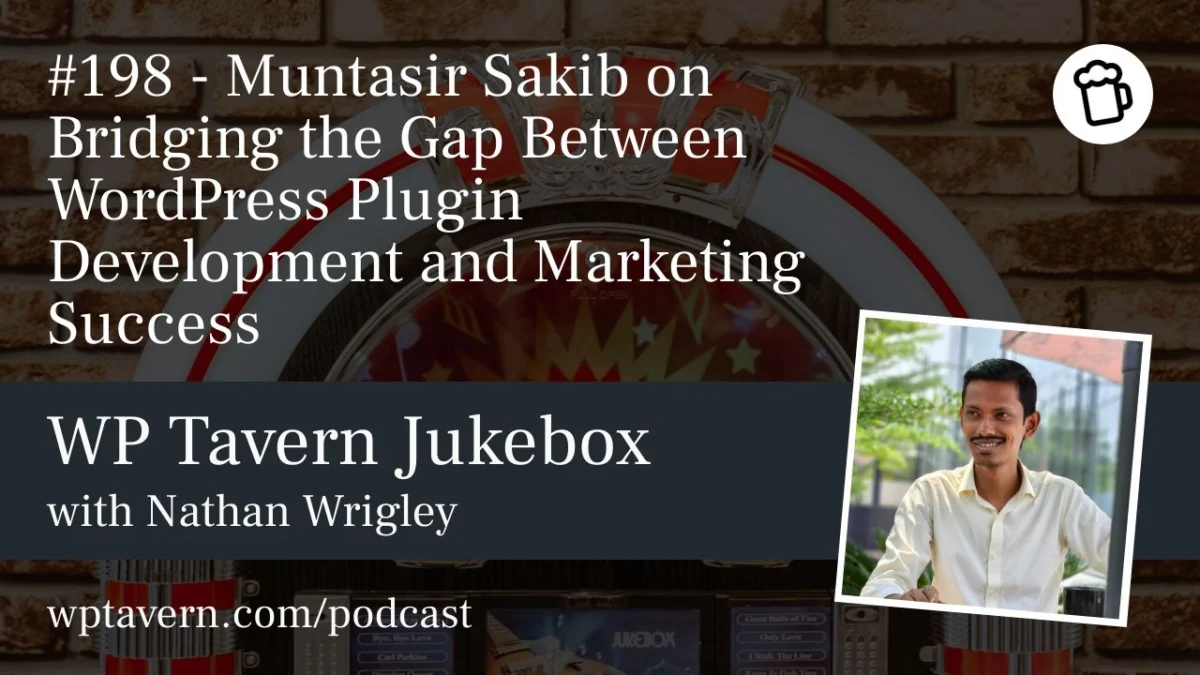
In a recent episode of the Jukebox Podcast, Muntasir Sakib, a veteran of the WordPress product space who has played a pivotal role in scaling plugins like Tutor LMS and Droip, sat down with Nathan Wrigley to dissect the harsh realities of the current WordPress marketplace.
The Core Problem: The Myth of "Build It and They Will Come"
For many solo developers, the passion for coding is inextricably linked to the product. They spend months in a "coding bubble," perfecting features and obsessing over documentation. The danger, as Sakib points out, is that this isolation often leads to a product that is technically sound but commercially invisible.
"We need to be very specific," Sakib argues. "In the SaaS market, you control the entire environment. You control the onboarding, the analytics, the infrastructure. In WordPress, you are selling inside an open ecosystem. You don’t control the hosting, the PHP versions, or the conflicting plugins a user might have installed. Your product is part of a complex, messy web, and if you aren’t marketing it as a solution within that web, you are fighting a losing battle."
The consensus among industry experts is clear: the moment development begins, marketing must begin alongside it. Treating marketing as an afterthought—or as something to be "tacked on" after the code is finalized—is a primary reason many high-quality plugins fail to gain meaningful traction.
Chronology of a Successful Launch: From Beta to Ecosystem
Sakib suggests that a product’s lifecycle should be structured to include the community at every turn. He outlines a strategic path that transforms a solo project into a viable business:
- The Research Phase: Before writing a single line of code, identify the specific struggle of your target user. Do not build a "feature-complete" product; build a "problem-solving" product.
- The Beta Feedback Loop: Once the core functionality is established, release a beta version to a select group of users and influencers. Their feedback is not just "testing"; it is the foundation of your marketing messaging.
- The Repository Launch: Launching on WordPress.org should be viewed as a distribution channel, not a marketing plan. The free version serves as your "acquisition engine."
- Community Engagement: Actively participate in WordCamps and local meetups. Sponsorship isn’t just about brand awareness; it’s about building the partnerships—with hosting companies, SEO agencies, and other plugin developers—that drive long-term growth.
Supporting Data: Why Strategy Outweighs Features
One of the most persistent traps for developers is "feature creep." Driven by a desire to be the best, developers often load their plugins with secondary features that nobody requested, leading to bloated, slower products.
"Features are not equal to value," Sakib explains. "Clarity, reliability, and use-case fit drive adoption and revenue. When you release a roadmap, don’t just list the features you want to build. List the problems you are solving."
The Sustainability Trap: Lifetime Deals
A major point of contention in the current market is the reliance on Lifetime Deals (LTDs). While they provide an immediate, attractive influx of cash—often necessary for a bootstrapped startup—they are, according to Sakib, a long-term liability.
- The Burden of Support: Lifetime customers often require the highest level of support but provide zero recurring revenue.
- The Fixed-Cost Spiral: As your product grows, your operational costs (servers, personnel, security updates) will inevitably rise. If your customer base is comprised of people who paid a one-time fee years ago, you have no financial engine to cover these rising costs.
- The Recommendation: Focus on recurring revenue models. Use annual plans and clear, one-click upgrade paths to move users from entry-level tiers to enterprise solutions.
Official Perspectives: The Role of the Marketer vs. The Builder
A common pushback from developers is the feeling that marketing is "icky" or that they lack the skillset to handle it. Sakib’s response is pragmatic: you don’t necessarily have to be both, but you must respect the boundary between the roles.
"I don’t expect the developer to be the marketer," Sakib clarifies. "But the founder must align the two. If you are a solo developer, you are essentially a one-person business. You need to carve out a budget—at least 30% of your total estimation—specifically for marketing. That budget pays for the outreach, the influencer collaborations, and the community building that you simply cannot do alone."
The professional journalistic view on this is that the "builder-owner" model is reaching its limits. Successful modern WordPress companies treat marketing as an R&D function. They aren’t just selling a plugin; they are selling a promise that their software will continue to function seamlessly in a constantly changing environment.
Implications for the Future of WordPress Development
The implications for developers are stark. If the goal is to create a sustainable, scalable business, the "developer-only" mindset is a relic of the past.
1. The Rise of "Founder-Led Marketing"
While you can hire marketers, the "face" of the product still matters. Founders who are active in the community, who speak at WordCamps, and who are transparent about their roadmaps build a level of trust that no advertisement can buy.
2. The Power of Word-of-Mouth
In the WordPress ecosystem, word-of-mouth is the ultimate currency. Ten happy, vocal users are worth significantly more than a thousand dollars in ad spend. By focusing on deep, reliable support and genuine community connection, developers can turn their users into their most effective marketing team.
3. Collaboration Over Competition
The most successful products today are those that integrate well with others. The "siloed" mentality—believing your plugin should do everything—is being replaced by the "ecosystem" mentality. By partnering with other tools (form builders, hosting providers, page builders), you create a network effect that benefits all parties involved.
Final Thoughts
The transition from a coder to a product founder is one of the most difficult challenges in the WordPress space. It requires a fundamental shift in perspective: from looking at the screen and the code to turning around and looking at the world and the users.
Success in today’s WordPress market is not about having the most features; it is about having the most reliable solution and the strongest community relationships. For those willing to embrace marketing from day one—treating it with the same rigor and respect as their code—the potential for growth remains higher than ever.
As Muntasir Sakib succinctly puts it: "When you speak to the customers, when you try to figure out their issues and solve their problems, they are going to do the best marketing you can ever imagine."