In an era where the divide between academic curriculum and the rapidly evolving demands of the technology sector continues to widen, the WordPress Foundation has introduced a strategic initiative designed to synchronize the two: the WordPress Credits program.
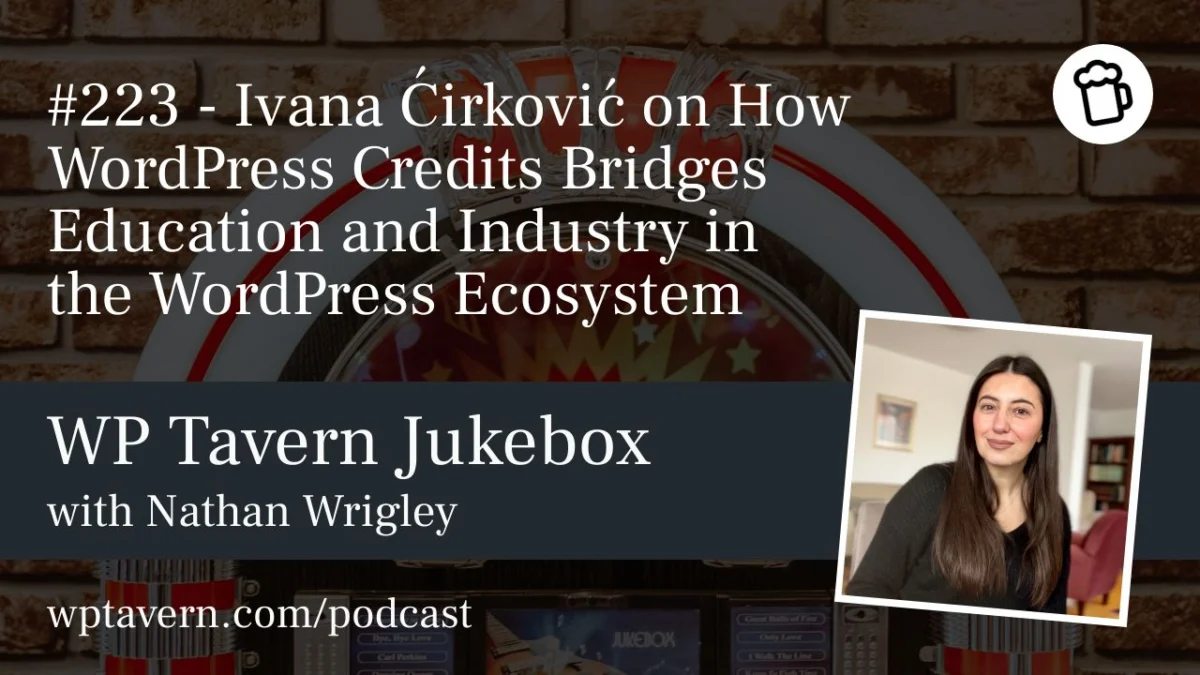
By formalizing the way students contribute to open-source software, the initiative acts as a bridge, transforming abstract theoretical knowledge into tangible, verifiable professional experience. At the center of this movement is Ivana Ćirković, a seasoned digital marketer and WPBakery lead, who recently discussed the program’s long-term implications at WordCamp Europe. As the WordPress ecosystem faces an aging demographic of contributors, this program represents more than just an educational outreach; it is a vital effort to secure the future of the world’s most popular content management system.
The Genesis of WordPress Credits
The WordPress Credits initiative was officially launched by the WordPress Foundation in late 2025. The core mission is twofold: to invigorate the WordPress community with "fresh blood"—the next generation of developers, marketers, and documentarians—and to provide students with a competitive edge in an increasingly saturated job market.
For many students, the transition from university to a professional role is fraught with "experience gaps." Traditional computer science and marketing degrees often lag behind the pace of digital innovation. The WordPress Credits program mitigates this by placing students directly into the "live" environment of the WordPress ecosystem. Whether they are contributing to core code, translating strings via the Polyglots team, or assisting with documentation, students are not working on hypothetical projects—they are building the infrastructure that powers nearly half of the web.
The Three Pillars: Students, Universities, and Businesses
The initiative functions through a symbiotic relationship between three distinct entities, each deriving unique value from the program.
1. The Student Perspective: Real-World Readiness
For students, the primary draw is the ability to build a verifiable, transparent professional brand. Every contribution made during the program is logged on the student’s wordpress.org profile. In an industry where portfolios often speak louder than degrees, these public badges serve as proof of competence.
Furthermore, the program mandates a level of professional discipline. Participants learn how to navigate remote-work environments, communicate via Slack, and manage asynchronous projects. These "soft skills"—often overlooked in academic settings—are the very attributes that modern employers prioritize.
2. The University Perspective: Modernizing Curriculums
Educational institutions often struggle to keep their syllabi relevant. By integrating the WordPress Credits program, universities can offer students an "industry-standard" learning path that evolves alongside the technology itself. Participating universities report that the program increases student engagement, as learners find the practical, high-impact nature of the work more rewarding than traditional, static coursework.
3. The Business Perspective: Shaping Future Talent
Perhaps the most innovative aspect of the program is its appeal to the business community. Web agencies and tech companies often face significant "onboarding drag," where new hires require three to six months of training before becoming productive.
Businesses that act as mentors gain a first-hand look at the potential talent pool. By observing a student’s work ethic, technical problem-solving, and collaborative skills during the program, companies can identify and recruit top-tier talent long before they graduate. It is, in effect, a long-form interview process that benefits both the student (who secures a path to employment) and the business (which reduces recruitment and training costs).
The Mentorship Model: Accountability and Growth
The success of the program hinges on its mentorship structure. Mentors, like Ivana Ćirković, play a critical role in guiding students through the complexities of open-source contribution.
The structure is intentionally rigorous. It is not merely an internship; it is a performance-based program. Students are required to produce weekly reports and participate in huddles, where they discuss their progress, roadblocks, and achievements. Accountability is strictly enforced: consistent failure to meet commitments results in removal from the program.
This, Ćirković notes, is essential for professional development. "They are young, but they aren’t so young that they cannot be held accountable for their actions," she explains. By treating students as professionals, the program fosters a sense of ownership and maturity that is often missing in traditional educational internships.
Addressing the Demographic Shift
A pressing concern within the WordPress community is the age of its active contributors. Many of the key figures who built the platform over the last decade are aging, and there is a visible lack of younger participants in the ecosystem.
"I’ve been in the community for 11 years," says Ćirković. "For 11 years, all the same faces are here. We really need new faces."
The challenge is not just creating the program, but meeting the target demographic where they are. Younger generations consume information via different channels than the traditional tech-blog and conference circuits. The WordPress Credits initiative is the first step in a broader strategy to reposition WordPress as a modern, vibrant career path for Gen Z and beyond. By showing students that they can be part of something global, impactful, and technically relevant, the community hopes to reverse the trend of aging demographics.
Looking Ahead: The Five-Year Vision
When looking at the five-year trajectory for the WordPress Credits initiative, the goal is not just numerical growth, but cultural integration.
Overcoming the "Outdated" Label
The program aims to prove that open-source contribution is the ultimate resume builder. In five years, the organizers hope that the WordPress Credits badge on a resume will be recognized by hiring managers worldwide as a hallmark of excellence—a signal that the candidate has already been "battle-tested" in a professional, remote-first environment.
The Evolution of the Business Interface
Currently, the business side of the program is still in its infancy. Future iterations of the program will likely include more structured "off-the-shelf" modules for agencies. These modules would allow small-to-medium businesses to easily integrate the program into their workflows, enabling them to mentor students without needing to build an internal education framework from scratch.
Strengthening the Ecosystem
Success in the long term will be measured by the influx of new, diverse voices into the WordPress project. As these students transition from participants to full-time professionals, they will bring fresh perspectives on AI, mobile-first design, and user experience—areas where the next generation naturally excels.
Final Thoughts: A Call to Action
The WordPress Credits initiative is a bold attempt to solve one of the most stubborn problems in the tech industry: the disconnect between what schools teach and what the industry needs. By creating a pipeline that is both educational and practical, the WordPress Foundation is not only sustaining its own future but providing a blueprint for other open-source projects to follow.
For businesses and universities currently on the sidelines, the message from the WordPress community is clear: the program is open, the infrastructure is being built, and the potential for impact is significant. As Ivana Ćirković noted, "We are getting older and don’t have the strength or stamina to do this forever. By having new kids and fresh perspectives, I’m really excited to see what they can come up with next."
The baton is being passed. Whether the next generation of digital creators picks it up may well define the next decade of the open web.