NEW YORK — As the crisp autumn air rolls in and consumers begin shifting their spending habits toward seasonal shopping and holiday travel planning, major financial institutions are pulling out all the stops to capture consumer attention. Among them, Chase is making a major splash this spooky season by leaning heavily into cinematic history and pop-culture nostalgia.
In a high-profile marketing push created by agency powerhouse Droga5, Chase is welcoming the Halloween season with a comedic, genre-bending twist on the iconic horror franchise Scream. The campaign cleverly reunites audiences with original star Drew Barrymore, arriving just ahead of the landmark 30th-anniversary celebration of the original 1996 slasher classic that redefined the horror genre.
By blending cinematic nostalgia with modern financial incentives, Chase’s latest commercial aims to cut through the clutter of fall advertising, promoting the robust cash-back features of the Chase Freedom credit card portfolio while giving audiences a universally recognizable cinematic callback.
Main Facts
The core of the campaign centers around a meticulously crafted television and digital spot that flips one of the most famous moments in horror movie history on its head.
- The Premise: The commercial opens with Drew Barrymore receiving a chilling phone call, directly mirroring the suspenseful, tension-filled opening sequence of the 1996 Scream film that famously starred Barrymore as Casey Becker.
- The Twist: Instead of a terrifying threat of imminent doom, the masked caller delivers shockingly good news: Barrymore has earned lucrative cash back with Chase Freedom, the financial institution’s premier cash-back credit card program.
- The Cameo: Upon hearing the financial good news, Barrymore is joined on-screen by the franchise’s iconic villain, Ghostface—who is comically revealed to be played by actor and comedian Kevin Hart.
- The Resolution: Eschewing the traditional bloodbath associated with the slasher franchise, the commercial concludes as a lighthearted seasonal shopping spree. Barrymore and Hart enthusiastically bond over the financial benefits and rewards of cash-back shopping.
- Strategic Timing: The campaign rolls out as Chase introduces new, enhanced benefits to its Freedom Flex card. Furthermore, the launch coincides with a critical retail window when consumers ramp up autumn shopping, Halloween preparations, and early holiday travel planning.
- Creative Lineage: Conceptualized and executed by creative agency Droga5, the campaign will hit television screens nationwide this week, supported by an expansive rollout of digital and social media content spanning the entirety of the Halloween season.
Chronology
The journey toward this unexpected cinematic and financial crossover represents a convergence of strategic marketing milestones, brand partnerships, and cultural timing.
Early 2024–Mid 2026: Building the Star-Studded Portfolio
Chase has spent the past several quarters aggressively expanding its cultural footprint through high-profile celebrity partnerships. Earlier in the year, the financial brand launched a widely discussed campaign featuring Kevin Hart alongside sports icons Stephen Curry and WNBA star A’ja Wilson. This was quickly followed by targeted digital collaborations, including a partnership with creator Julian Shapiro-Barnum. These initiatives laid the groundwork for Chase to experiment with unexpected comedic pairings and cross-industry talent.
Summer 2026: Conceptualization and Production
Recognizing the impending 30-year milestone of the original Scream franchise—which premiered in theaters in December 1996—marketing executives at Chase and creative agency Droga5 began developing a concept that would bridge generations. The teams recognized a unique window in late 2026 where audiences would naturally begin rewatching classic horror films as part of their seasonal routines. Production took place under tight secrecy to preserve the surprise reveal of Kevin Hart stepping into the flowing black robes of Ghostface alongside Barrymore.
Fall 2026: The Rollout
- Late September / Early October 2026: Chase officially announces the campaign, timing the release to precede the official kick-off of the Halloween retail season.
- October 5–8, 2026: The campaign debuts on national television networks just as industry leaders gather in Midtown Manhattan for events such as ADWEEK House: Advertising HQ, where unscripted conversations and commerce leaders discuss the latest trends in consumer engagement.
- Throughout October 2026: The television spot is slated to be amplified by targeted social media content, interactive digital experiences, and promotional efforts highlighting the updated perks of the Chase Freedom Flex card.
Supporting Data and Market Context
Chase’s cinematic homage is far from an isolated incident. It arrives at the intersection of several powerful macroeconomic and consumer behavioral trends shaping the modern advertising landscape.
The Power of 1990s Nostalgia in Modern Marketing
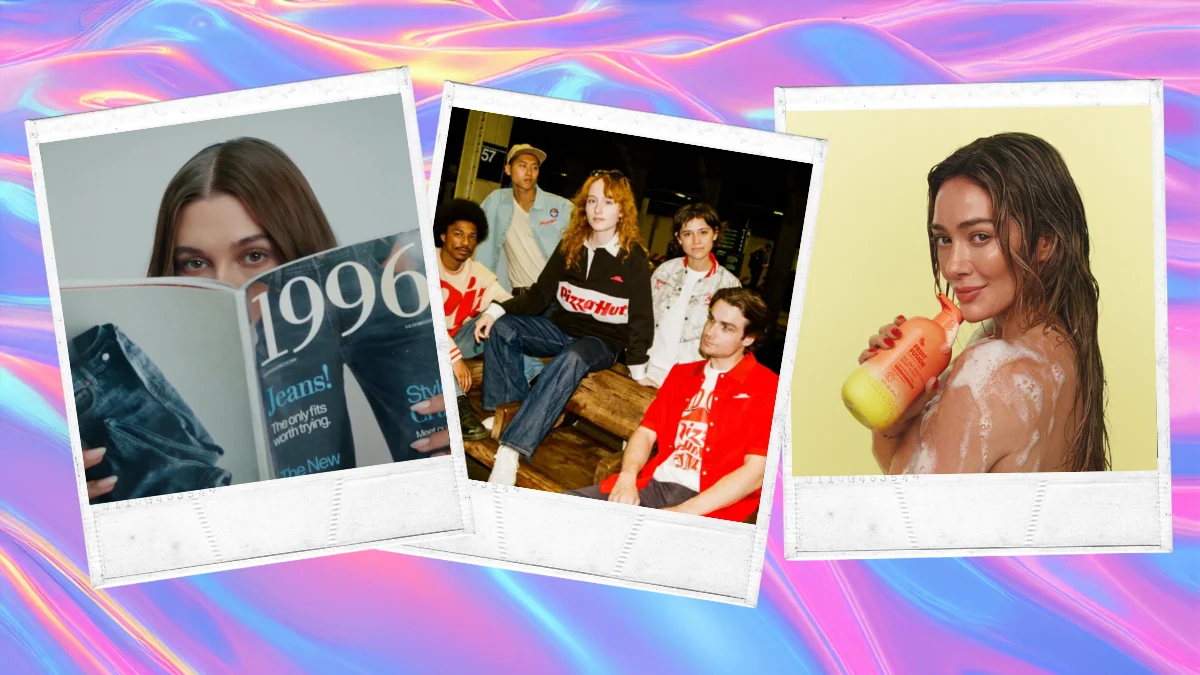
Marketers across various industries are increasingly dipping into the well of 1990s and Y2K nostalgia. This creative direction serves a dual purpose: it strikes an emotional chord with Millennials who lived through the decade firsthand, while offering Gen Z consumers an appealing, curated taste of a pre-algorithm, analogue era.
Recent industry examples underline this booming trend:
- Dunkin’s Spice Girls Crossover: Dunkin’ recently made waves by releasing a high-profile advertisement featuring members of the Spice Girls to promote the seasonal return of its pumpkin spice beverage lineup.
- Fashion and Retail Revival: Brands like Gap and various Y2K-era apparel companies have successfully capitalized on younger generations’ longing for vintage aesthetics, turning millennial nostalgia into modern retail gold.
According to industry analysts, nostalgic marketing works because it provokes an immediate psychological reaction. When consumers encounter a familiar cultural artifact reframed in a modern context, it triggers a desire to reminisce, trade memories, and share the experience across social platforms.
The Financial Landscape: Rewards and Seasonal Spending
Beyond cultural cachet, the campaign is grounded in hard data regarding consumer spending habits during the final quarter of the year.

- The Q4 Retail Surge: Historically, consumer spending spikes significantly between October and December, encompassing Halloween purchases, Black Friday, Cyber Monday, and winter holiday preparations.
- The Rise of Cash-Back Preference: Amid ongoing economic consciousness, consumers are increasingly prioritizing credit cards that offer tangible, immediate value—such as cash-back rewards on everyday purchases, dining, and travel. By highlighting the Freedom Flex card’s expanded benefits, Chase is directly addressing consumer demand for financial flexibility and rewards during high-spend periods.
Official Responses and Executive Insights
Leadership behind the campaign emphasizes that the marriage of horror cinema and financial services was designed to elicit a visceral, joyful reaction from viewers.
Wittney Rachlin, general manager at Chase Freedom, explained the strategic and creative motivations driving the ambitious project in recent statements to industry media:
"It felt right to go big with this one. We’re also celebrating the addition of new benefits to the Freedom Flex card, so we need to make that impact."
Rachlin elaborated on the psychological mechanics of leveraging cultural touchstones to drive brand engagement:
"When something from your past suddenly shows up in a new way, it gets a reaction. People want to talk about it, trade memories and share it with someone who will instantly get the reference. We wanted the commercial to create that kind of moment."
By pairing an iconic, generation-defining moment from 1990s cinema with the comedic sensibilities of modern mega-star Kevin Hart, Chase’s leadership believes the brand has successfully positioned its credit card portfolio not just as a financial utility, but as a cultural talking point.
Implications for the Advertising and Financial Sectors
The collaboration between Chase, Droga5, and Hollywood icons Drew Barrymore and Kevin Hart carries several profound implications for the future of brand marketing, particularly within the financial services sector.
1. The Death of Dry Financial Advertising
For decades, credit card and banking advertisements relied on predictable tropes: smiling families reviewing retirement portfolios, corporate boardrooms discussing interest rates, or dry listings of percentage rates. Campaigns like Chase’s Scream parody demonstrate that financial institutions must increasingly act as entertainment companies. By wrapping product features in high-concept, narrative-driven comedy, brands can secure cultural relevance and hold the fleeting attention spans of modern consumers.
2. High-Value Intellectual Property (IP) as a Marketing Anchor
The use of recognizable cinematic IP—such as the Scream franchise—proves that film studios and financial brands can forge mutually beneficial promotional relationships. As viewers fragment across streaming services and ad-free platforms, traditional commercial breaks must work harder to retain viewers. Utilizing recognizable characters, horror icons, and beloved actors creates an immediate "appointment viewing" effect, encouraging audiences to watch, rewatch, and share commercials online.
3. Maximizing the Q4 Attention Economy
With brands flooding the market during the fourth quarter to capture holiday shoppers, cutting through the noise requires bold creative swings. Chase’s strategy suggests that successful Q4 marketing must seamlessly blend emotional resonance (nostalgia), star power (Barrymore and Hart), and practical utility (cash-back rewards).
As the commercial airs across television networks and social media feeds throughout October, industry observers will be watching closely to see how effectively this spooky-season blockbuster translates into new credit card sign-ups and increased cardholder engagement. One thing is certain: in the battle for consumer attention this autumn, Chase has answered the phone—and this time, the call is coming from inside a very lucrative house.