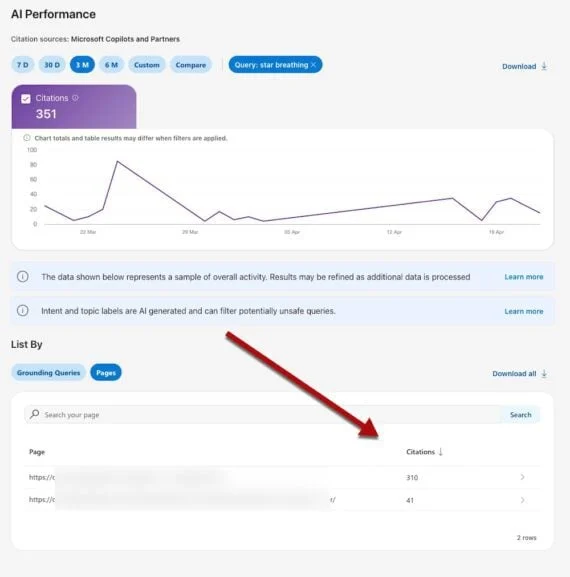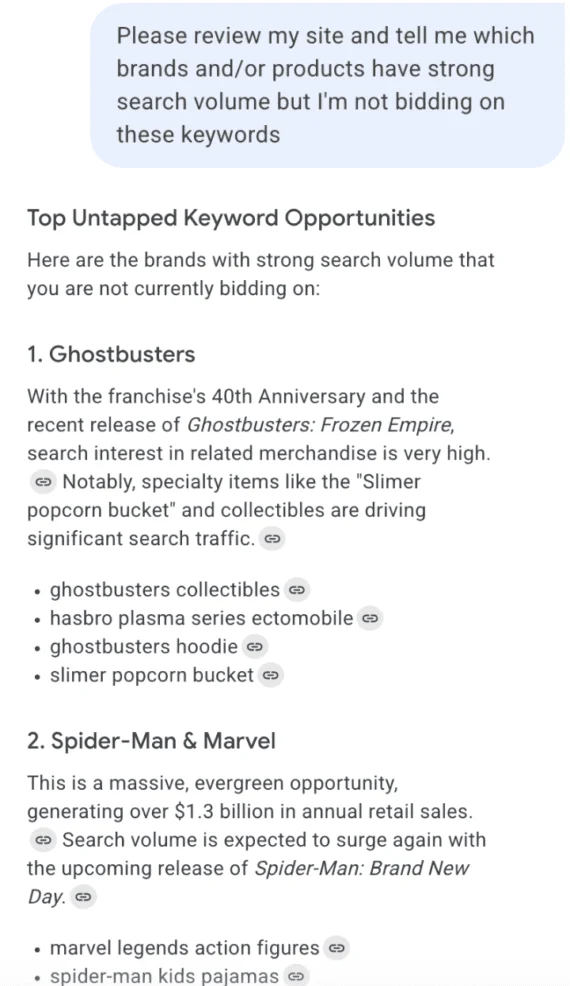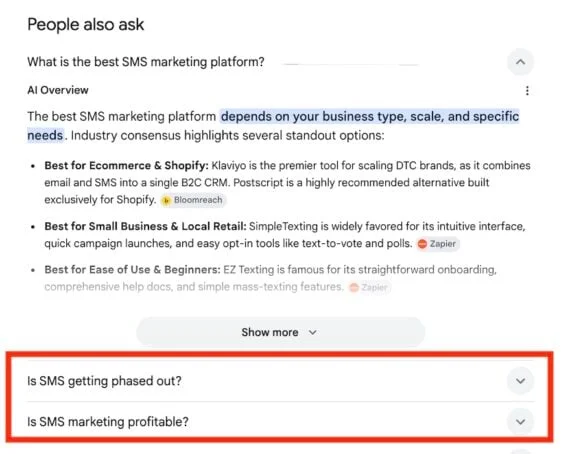
Google has officially ushered in a new era of search analytics with the widespread rollout of its "Generative AI" reporting section within Google Search Console. Located under Performance > Search Results > Generative AI, this dashboard is designed to provide site owners and SEO professionals with visibility into how their content performs within AI Overviews, AI Mode, and generative features across Google Discover.
However, as the industry begins to parse this data, it has become clear that "visibility" in the age of AI is a complex, nuanced, and often misunderstood metric. This article explores the implications of this update, the reality behind "impressions" in an AI-driven environment, and how businesses should adapt their measurement strategies.
The New Frontier: What is the Generative AI Report?
For years, Search Console has been the gold standard for understanding how websites appear in traditional organic search. With the transition toward "Answer Engines," Google has been under pressure to provide transparency into how AI-generated summaries—which often synthesize content without a direct click-through—impact site presence.
The new section tracks a page’s visibility in several key areas:
- AI Overviews: The summaries generated at the top of search results.
- AI Mode: The dedicated conversational search interface.
- Discover: Generative AI features integrated into the personalized feed.
While this marks a significant step forward in transparency, the current iteration of the tool is notably sparse. There are no granular filters to distinguish which specific search feature produced a given impression, nor is there native click-through data. For performance marketers accustomed to the precision of traditional Search Console metrics, this "black box" approach presents a steep learning curve.
Defining the "Impression": A Shift in Measurement
The most critical takeaway from the new report is the definition—or lack thereof—of an "impression." In traditional search, an impression is generally defined as a user seeing a link on a search results page. In the context of AI, that definition has been radically overhauled.
According to Google’s John Mueller, an impression is triggered when a URL appears anywhere in an AI answer. Crucially, this does not require a human to actually view the content.
The Illusion of Visibility
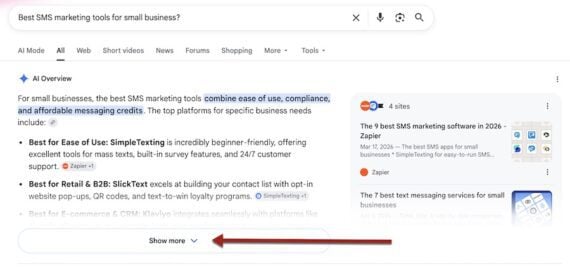
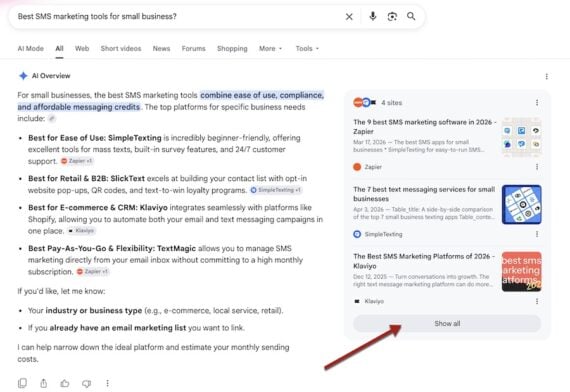
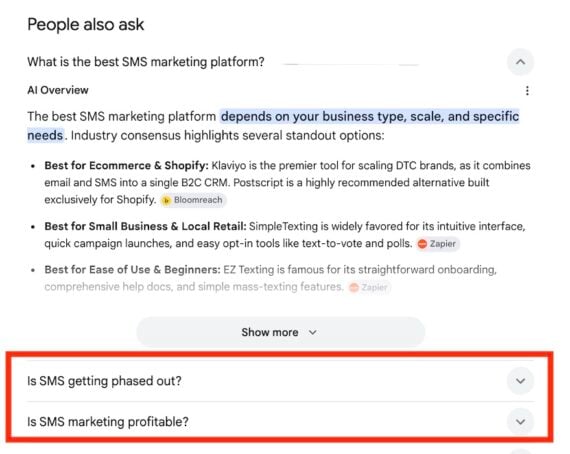
Consider the "Show more" and "Show all" buttons found in AI Overviews. These features allow Google to keep the interface clean while still providing citations. From an analytical standpoint, if your URL is contained within a collapsed section of an AI answer, it counts as an impression the moment the answer is generated, regardless of whether the user scrolls down or clicks to expand the content.
This leads to a phenomenon where your site may appear to have high "visibility" in the Generative AI report, while in reality, your content remained hidden behind a UI element that the vast majority of users never interacted with. This decoupling of "impression" from "visibility" means that site owners must approach these numbers with a healthy degree of skepticism.
Chronology: The Road to AI Transparency
The rollout of this report did not happen overnight. It is the culmination of Google’s strategic shift toward a "Generative Search Experience" (GSE), which began in earnest with the introduction of Search Generative Experience (SGE) in testing environments.
- Early 2023: Google announces the initial testing phase of SGE, causing widespread anxiety among publishers regarding the potential for "zero-click" searches.
- Late 2023 – Early 2024: SEO experts begin reporting on the volatility of traffic as AI Overviews occupy prime real estate above the fold.
- Mid-2024: Google begins refining the UI of AI Overviews, adding more robust citation modules and "Show more" functionality to balance usability with publisher attribution.
- June 2026: The "Generative AI" section is officially integrated into the primary Search Console interface, providing the first standardized look at how sites interact with AI-generated responses.
This timeline reflects a broader pattern in Google’s history: first, they introduce a disruptive technology; then, they wait for the ecosystem to stabilize; and finally, they provide the necessary tools to measure that disruption.
Supporting Data and Analysis: Making the Report Actionable
Because the native interface lacks filters, power users are already turning to data exports to derive actual value from the tool. By exporting your performance data to Excel or Google Sheets, you can begin to aggregate trends that aren’t immediately obvious in the dashboard.
Segmenting the Data
To make the data actionable, SEOs should:
- Export the full performance report: Use the "Export" button to pull data into a spreadsheet.
- Filter by Page: Identify which pages are consistently appearing in AI answers.
- Cross-reference with Organic CTR: Compare these pages against their traditional organic search performance. Are they losing organic clicks while gaining AI impressions?
What this data often reveals is a "visibility paradox." A page might see an explosion in AI impressions without a corresponding increase in traffic. This is because AI Overviews are designed to answer the user’s query in-situ. If your content successfully answers the prompt, the user has no incentive to click through to your site.
Official Responses and The "Blocking" Controversy
Concurrent with the launch of this reporting tool, Google introduced new controls for site owners. Under Settings > AI controls > Search generative AI, site owners can now toggle whether their content is eligible for inclusion in generative AI answers.
While some privacy advocates and content purists have advocated for "blocking" AI to prevent their data from being used in these summaries, the consensus in the ecommerce and professional publishing sectors remains firm: don’t block it.
Why Blocking is Counterproductive
- Loss of Brand Authority: Being featured in an AI answer—even without a click—positions your brand as an authority on a topic.
- Visibility vs. Traffic: While AI might cannibalize some traffic, it also creates new discovery paths. If a user is researching a product, seeing your brand cited in an AI summary builds trust.
- The "Black Box" Factor: By blocking, you remove yourself from the conversation entirely. If your competitors don’t block, they will be the only ones cited, effectively ceding the AI search results page to them.
John Mueller and other Google representatives have been clear that these controls are meant to provide choice, not necessarily to imply that blocking is the "correct" strategic move.
Implications for the Future of SEO
The launch of the Generative AI report is a clear signal that Google is moving away from the "10 blue links" model toward an "Answer Engine" model. For SEO professionals, this necessitates a shift in focus.
1. From Keyword Optimization to "Answer Optimization"
If your content is being featured in AI Overviews, it needs to be concise, structured, and authoritative. AI models favor data that is easy to extract—such as bullet points, clear headings, and direct answers to common questions.
2. The Death of the Click?
We are entering a phase where the "click" is becoming a premium metric rather than the baseline. As AI answers become more sophisticated, the volume of traffic to websites may decrease for informational queries. Businesses should focus on "high-intent" content—pages that provide value beyond what a simple AI summary can deliver.
3. The Need for Better Attribution
The current state of Search Console is just the beginning. The industry will likely continue to push Google for better, more granular metrics. Specifically, we need to know the quality of an impression. Did the user expand the citation? Did they hover over the link? These are the metrics that will define the next generation of digital marketing.
Conclusion: A Tool for an Evolving Landscape
Google’s new Generative AI report in Search Console is a foundational piece of infrastructure for the future of the web. While it is currently limited in its reporting capabilities, it provides a vital window into the "hidden" visibility of your brand within AI-generated experiences.
The key for businesses today is to stop viewing this report as a replacement for traditional metrics and instead see it as a map of where the search landscape is heading. By analyzing which of your pages are appearing in these summaries and auditing the structure of that content, you can position your brand to thrive in an environment where AI provides the answers, but your brand provides the expertise.
As the tool evolves, so too must our strategies. We must move beyond the vanity metric of "impressions" and focus on the deeper challenge: how to remain relevant when the user doesn’t even need to visit your site to get their answer. The answer, as it always has been, lies in creating high-quality, unique, and authoritative content that the AI—and, more importantly, the user—simply cannot ignore.