London, UK — When the COVID-19 pandemic abruptly forced society indoors, the digital world transformed overnight from a matter of convenience into an absolute lifeline. Suddenly, remote video conferencing, online grocery delivery, and digital banking were not just perks; they were essential for survival, employment, and daily functioning.
Yet, for millions of disabled and neurodivergent individuals, this rapid shift threatened to slam digital doors shut. Without adequate accessibility measures, the pivot to online-first operations risked exacerbating systemic exclusion.
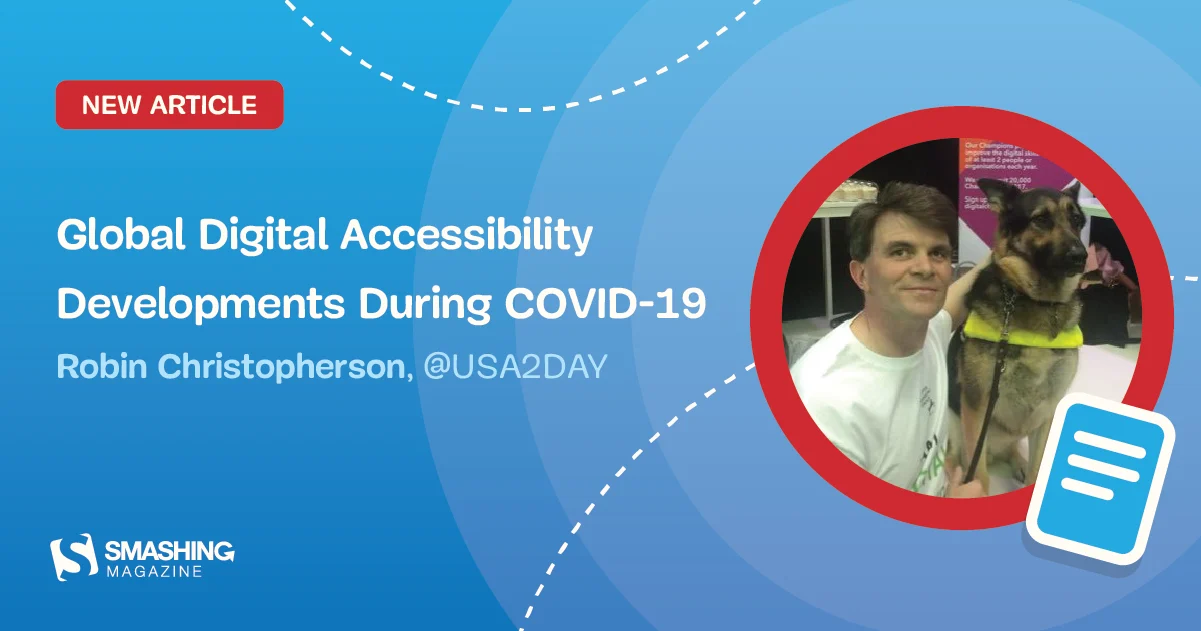
To explore how major organizations navigated this unprecedented landscape, Robin Christopherson MBE—Head of Digital Inclusion at UK tech charity AbilityNet—hosted an insightful series of monthly webinars. Featuring senior accessibility leaders from global giants like Microsoft and ATOS, alongside UK powerhouses Barclays and Sainsbury’s, the discussions offered a masterclass in crisis management, agile adaptation, and the enduring imperative of digital inclusion.

Main Facts: The Pandemic’s Digital Inclusion Imperative
The core takeaway from Christopherson’s expert panels is clear: digital accessibility is no longer a peripheral corporate social responsibility box-ticking exercise. It is a fundamental business-critical driver of innovation and resilience.
- Surging Demand: Customer support desks at organizations like Microsoft saw inquiries regarding accessibility and assistive technologies skyrocket by 200% to 300% overnight following lockdown mandates.
- The Scale of Exclusion: In standard operations, inaccessible digital architecture risks shutting out approximately 20% of consumers. During lockdowns, this exclusion extended directly to essential services like food and finance.
- The Innovation Dividend: Features originally designed to address accessibility or anxiety—such as Microsoft Teams’ "raise hand" icon or AI-powered captioning—unlocked widespread productivity and cognitive benefits for the entire workforce.
Chronology: From Emergency Pivot to Strategic Integration
Phase 1: The Initial Shock and Rapid Remote Transition (Early 2020)
When global lockdowns took effect in March 2020, organizations faced an immediate logistical scramble. For companies with mature accessibility foundations, the transition was smoother.
Microsoft, drawing on a 20-year commitment to digital inclusion, relied on pre-existing architectures to scale up its cloud and communication tools. Similarly, ATOS—already a seasoned proponent of flexible work arrangements—pivoted seamlessly in terms of technological infrastructure, though challenges regarding organizational trust and remote ergonomics remained.

Phase 2: Scaling Support and Proactive Outreach (Spring–Summer 2020)
As remote living solidified, institutions adapted their physical and digital services to bridge the gap left by traditional, face-to-face support:
- Barclays proactively reached out to vulnerable and disabled customers, fast-tracking them through phone banking channels alongside NHS workers and introducing innovations like contactless wearables and "Cash to the Doorstep" delivery services.
- Sainsbury’s leveraged its internal "Enable Network," mobilizing its massive 190,000-strong workforce—many with lived experiences of disability—to test internal applications and customer interfaces, ensuring that digital tools met genuine user needs.
Phase 3: Evaluating the Future of Work and Hybrid Models (Late 2020 and Beyond)
As companies look toward hybrid working models, accessibility leaders are emphasizing that the workplace can never simply "go back to the way it was." Organizations are actively consulting diverse employee groups to design future office spaces that offer improved wheelchair access, optimal noise levels, and flexible tools tailored to individual neurodiversity.
Supporting Data and Insights from the Frontlines
Microsoft: Jenny Lay-Flurrie on Lived Experience and Scalable Foundations
Jenny Lay-Flurrie, Chief Accessibility Officer (CAO) at Microsoft and a deaf executive who relies on American Sign Language (ASL), emphasized the humbling learning curve imposed by the pandemic.

"It’s never been more important to think about accessibility during these times… The limelight the pandemic has put on the need for Access has been pretty humbling and one hell of a learning journey," Lay-Flurrie noted.
Microsoft’s Disability Answer Desk experienced an immediate doubling of case volumes, maintaining a 200% to 300% surge compared to pre-pandemic baselines. Because products like Microsoft Teams were built on accessible foundations, the company could rapidly deploy advanced features like AI-powered captions without scrambling to retrofit inclusion.
Furthermore, Lay-Flurrie highlighted that remote working amplified the risks of releasing inaccessible code: "If you do put out something that’s inaccessible, the impact is far more profound because you… don’t have the ability to just grab a pair of eyes [or] a sign language interpreter."

Barclays: Paul Smyth on Flexibility, Choice, and Personalization
Paul Smyth, MBE and Head of Digital Accessibility at Barclays, argued that accessible customer service rests on five pillars: flexibility, choice, personalization, responsiveness, and responsibility.
Barclays experienced a massive surge in mobile app adoption, alongside a dramatic rise in cheque imaging via mobile cameras. To support newly digital customers, the bank published simplified, inclusive guides. Internally, requests for ergonomic equipment and assistive tech multiplied tenfold among the broader workforce, allowing Barclays to scale out holistic support solutions derived from its initial disability accommodations.
ATOS: Neil Milliken on Trust, Fatigue, and Apprenticeships
Neil Milliken, Global Head of Accessibility at ATOS, stressed that successful remote work depends heavily on organizational trust rather than micromanagement. However, he also issued warnings regarding "Zoom fatigue" and digital overload, noting that micro-delays in video feeds place a disproportionate cognitive strain on dyslexic and neurodiverse individuals.

To combat a chronic market shortage of skilled professionals, ATOS partnered with AbilityNet, Shell, Barclays, and other organizations to pioneer a standardized Level 4 Accessibility Apprenticeship—the vocational equivalent of a foundation degree—aimed at cultivating homegrown talent.
Sainsbury’s: Bryn Anderson on Grassroots Engagement and Design Systems
Bryn Anderson, Accessibility Specialist at Sainsbury’s, highlighted how digital inclusion surged to the forefront of internal huddles involving hundreds of employees. Emphasizing the importance of data, Anderson noted that iOS font-scaling usage on Sainsbury’s platforms rose to 30% during the peak of the pandemic.
Anderson cautioned against the illusion of automated silver bullets:

"Automation is great for doing top of the funnel stuff, but… it can’t test if every task can be completed with a keyboard, for example, so I think we are a long way from that."
He also warned against superficial third-party "remediation widgets" that promise 100% compliance overnight, emphasizing that genuine inclusion requires deep, systemic education and the direct involvement of users with lived experiences.
Official Responses and Strategic Recommendations
To help organizations transition from ad-hoc fixes to systematic digital inclusion, the webinar experts distilled actionable, foundational steps for website owners and developers:

- Hide the Mouse to Test Keyboard Access: Ensure your entire site is navigable using only a keyboard. A clear, highly visible focus indicator must show users where they are on the page at all times.
- Eliminate Poor Contrast: Verify text and background color contrast early in the design process using tools like Tanaguru’s Contrast Finder or the Paciello Group’s Contrast Analyser.
- Conduct Free Automated Checks: Utilize tools like WebAIM’s WAVE checker to catch baseline technical markup errors during development, while supplementing them with manual testing.
- Publish an Accessibility Statement: Maintain a dedicated accessibility page that outlines your compliance measures and provides a frictionless channel for users to report barriers.
- Prioritize Clear Content and Structure: Write for your audience by avoiding unnecessary jargon, utilizing clean heading hierarchies, breaking text into digestible paragraphs, and offering alternative formats (such as video or illustrated guides).
Implications: The Permanent Shift in Corporate Culture
The COVID-19 pandemic acted as an unprecedented stress-test for the global digital economy. It exposed deep vulnerabilities in how organizations build software, deliver customer service, and support their employees.
Yet, as the insights from Microsoft, Barclays, ATOS, and Sainsbury’s demonstrate, the crisis also catalyzed extraordinary innovation. By embracing accessibility early, listening to diverse employee networks, and distributing responsibility across departments rather than isolating it in a single team, forward-thinking brands turned challenge into opportunity.
As society settles into a permanent hybrid reality, the mandate is clear. Digital accessibility is no longer optional. Organizations that prioritize inclusive design will thrive, securing a broader customer base and cultivating a more resilient, innovative workforce. Those that choose to reactively retrofit accessibility will inevitably be left behind.

For further guidance on evaluating your organization’s digital accessibility compliance, roadmap development, and expert training, visit the AbilityNet website.