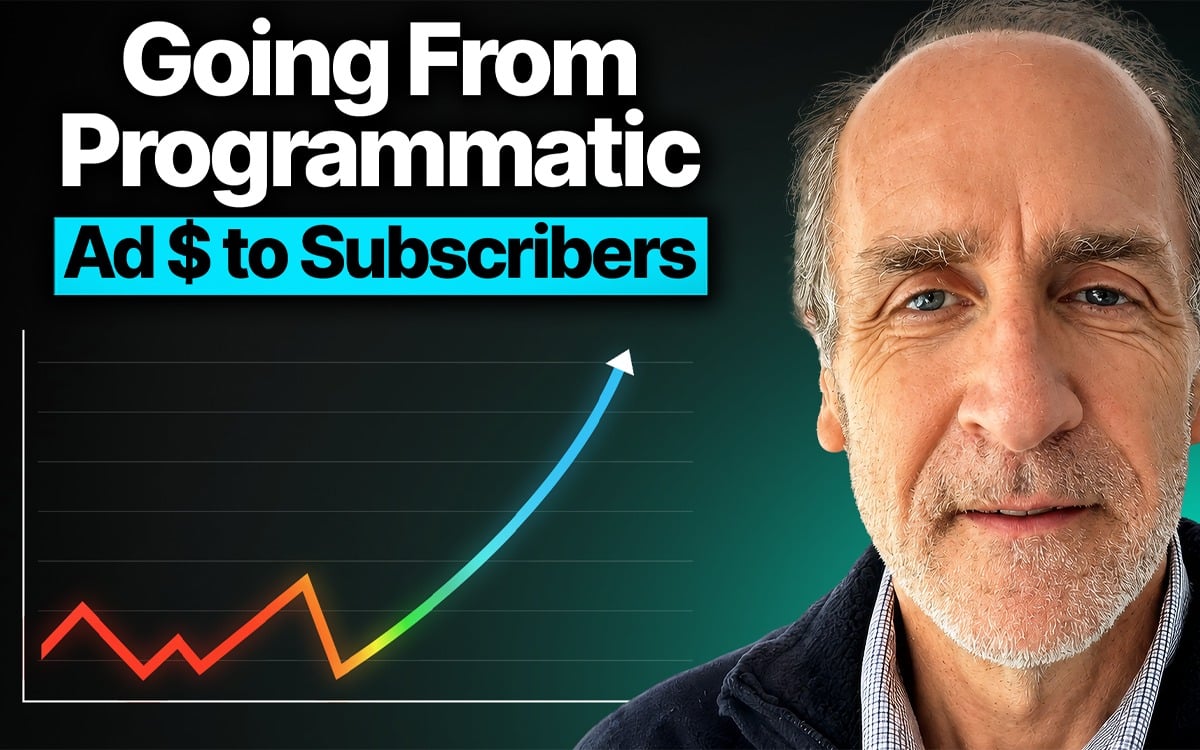
In the volatile world of digital publishing, where platform algorithms shift overnight and programmatic advertising revenue remains at the mercy of market fluctuations, Taegan Goddard’s Political Wire stands as a masterclass in stability. In this week’s episode of the Niche Pursuits podcast, Goddard joins host Spencer Haws to deconstruct how he successfully transitioned a high-traffic political news site into a thriving, subscription-based business model that prioritizes predictability over pageviews.
For many digital publishers, the "ad-only" model is a constant source of anxiety. Goddard’s journey offers a roadmap for content creators looking to escape that treadmill by leveraging the most loyal segment of their audience.
The Genesis: From Washington Wire to Digital Habit
The story of Political Wire is rooted in an appreciation for curation. Inspired by the Wall Street Journal’s legendary "Washington Wire" column—a curated selection of vital political notes from the paper’s D.C. bureau—Goddard sought to adapt that format for the early internet.
The core editorial philosophy was simple but disciplined: editorial judgment. Rather than attempting to aggregate every piece of political news, Goddard focused on what was timely, useful, and insightful for "political junkies." By maintaining a consistent, high-frequency publishing rhythm—typically 30 to 50 posts per day—Goddard transformed his site from a static blog into a habit-forming destination. Today, the site’s most dedicated readers return to the feed five, six, or even eight times daily, a level of engagement that is increasingly rare in an era of social media distraction.
Chronology of Growth: Riding the Election Cycles
Political Wire operates on a cyclical growth model tied inextricably to the American electoral calendar. While the site maintains a healthy baseline of 4 to 5 million monthly visitors, traffic metrics predictably double or even triple during major election years.
Goddard views these surges not just as traffic spikes, but as discovery engines. The "frenzy" of an election season brings in a wave of new readers, and because the site provides a distinct, high-value editorial product, a percentage of those visitors remain long after the ballots are counted. This two-year cycle creates a recurring opportunity for audience expansion, allowing Political Wire to nurture new subscribers during peaks and retain them during the quieter lulls of the political cycle.
Smoothing the Revenue Curve: The Subscription Pivot
One of the most critical takeaways from the discussion is the stark difference between the unpredictability of programmatic advertising and the stability of a subscription-based model.
While Goddard continues to utilize programmatic ads (citing a positive experience with the ad management platform Mediavine), he emphasizes that ad revenue is inherently fragile—dependent on fluctuating traffic, shifting CPM rates, and seasonal trends. Subscription revenue, by contrast, provides a financial floor.
With a low-churn subscriber base, a publisher can forecast revenue with a high degree of confidence. This predictability allows for strategic planning, reinvestment in content, and a reduction in the "panic" often associated with chasing viral search traffic. Goddard argues that publishers don’t need to choose between ads and subscriptions; rather, they should use the free site as a top-of-funnel tool for reach, and the paid bundle as the primary engine for sustainable revenue.
The Power of the "Bundle" as a Churn-Killer
A recurring theme in the interview is the concept of "bundling." Goddard explains that Political Wire essentially unbundled political coverage from the newspaper industry years ago, and then rebuilt it into a proprietary, value-added package.
The current paid membership includes:
- Exclusive Analytical Content: Goddard’s personal insights, which remain the most valued benefit for subscribers.
- An Ad-Free Experience: A cleaner, faster interface for high-frequency readers.
- The Trial Balloon Podcast: A private, member-only weekly audio update.
- Community Features: Interactive elements like the weekly quiz and community discussions.
Goddard notes that bundling is the ultimate hedge against churn. When a membership includes multiple distinct benefits, the barrier to cancellation becomes higher. A reader might sign up for the ad-free experience, but they stay because they’ve become habituated to the private podcast or the Friday quiz. By diversifying the value proposition, the membership ceases to be a single "product" and becomes a multi-faceted utility that the user finds difficult to walk away from.
Pricing Lessons and Audience Valuation
Perhaps the most surprising revelation in the discussion is Goddard’s admission regarding pricing: he believes he spent years undercharging his most loyal audience.
Despite implementing multiple price increases over the last decade, Goddard reports having received only one complaint. This data point is a vital lesson for publishers: your most loyal readers are often willing to pay more than you think.
Currently, the pricing structure is designed to favor long-term commitment:
- Annual Membership: $80/year.
- Monthly Membership: $8/month ($96/year).
- The "Friends and Family" Plan: A strategic tier that allows account sharing, which Goddard notes creates "stickier" users—it is much harder to cancel a subscription when a spouse or friend is also relying on that access.
Supporting Data: AI as a Consultant
Goddard’s approach to optimization is modern and lean. He frequently utilizes AI tools like ChatGPT and Claude to critique his site’s conversion funnels. By uploading screenshots of his subscription pages, he treats these tools as low-cost, on-demand consultants. This process helps him view his site with fresh eyes, identifying potential friction points in the user journey that he might have missed after years of constant operation.
Implications for the Modern Publisher
For the independent content creator, the Political Wire case study carries several profound implications:
- Trust as Capital: Because the site is synonymous with Goddard’s personal judgment, he has built a level of trust that a faceless news aggregate cannot replicate. In the age of AI-generated content, personal brand and human curation are becoming the ultimate competitive advantages.
- The "Loyalty Funnel": The free site acts as the discovery mechanism, but the subscription is the destination. Publishers should stop viewing the free site as a lost opportunity and start viewing it as the primary marketing channel for their premium offering.
- Human Behavior vs. Algorithms: While traffic metrics are important, the long-term health of a site depends on understanding human behavior. Goddard acknowledges that political fatigue can lead to churn, and he proactively manages his business by accounting for the emotional state of his audience, rather than just the numbers on a dashboard.
Final Thoughts: The Path Forward
Taegan Goddard’s 18-year tenure with Political Wire serves as a powerful reminder that there is no substitute for consistency. By resisting the urge to chase every fleeting trend and instead focusing on building a high-value, multi-feature bundle for his most dedicated readers, he has built a model that survives election cycles, market crashes, and the shifting winds of the internet.
For site owners asking whether a paid product could work for their specific niche, the advice is clear: stop looking at the total number of visitors and start looking at the depth of the relationship with your top 10%. If those people rely on your content, your voice, and your curation to navigate their day, you are already sitting on the foundation of a successful subscription business. It is simply a matter of packaging that value in a way that rewards your most loyal supporters.