NEW YORK — In the modern digital landscape, the conventional playbook for building a business—raise venture capital, scale software, and chase massive keyword volume—often overshadows more eccentric, human-driven paths to success. Yet, some of the most resilient companies emerge from treating a personal obsession as a viable commercial venture.
That is the central thesis of a recent episode of the Niche Pursuits podcast, featuring entrepreneur and author Nick Gray. In a wide-ranging, unconventional interview, Gray and the host dissected a career built on unconventional thinking: turning casual museum tours for friends into a multi-million-dollar acquisition, testing the limits of non-fiction book publishing, and pioneering a fresh approach to digital authority through personal websites in the age of generative search engine optimization (GEO).
For digital marketers, entrepreneurs, and personal brand builders, the discussion offers a masterclass in adapting to algorithmic shifts while maintaining a deeply human touch.
Main Facts: The Evolution of an Unconventional Founder
Nick Gray’s entrepreneurial journey defies standard Silicon Valley tropes. Rather than writing code or analyzing market demand spreadsheets, Gray builds businesses around community, physical experiences, and digital presence.
The core takeaways from the discussion highlight three distinct ventures:
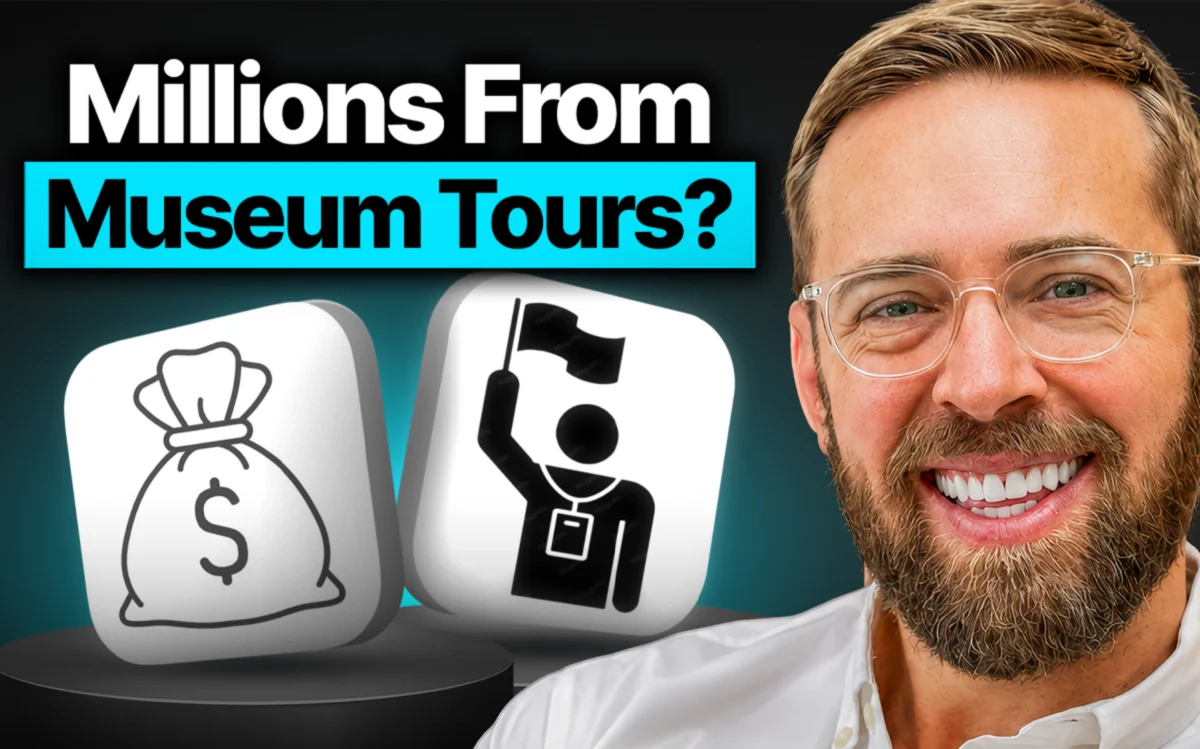
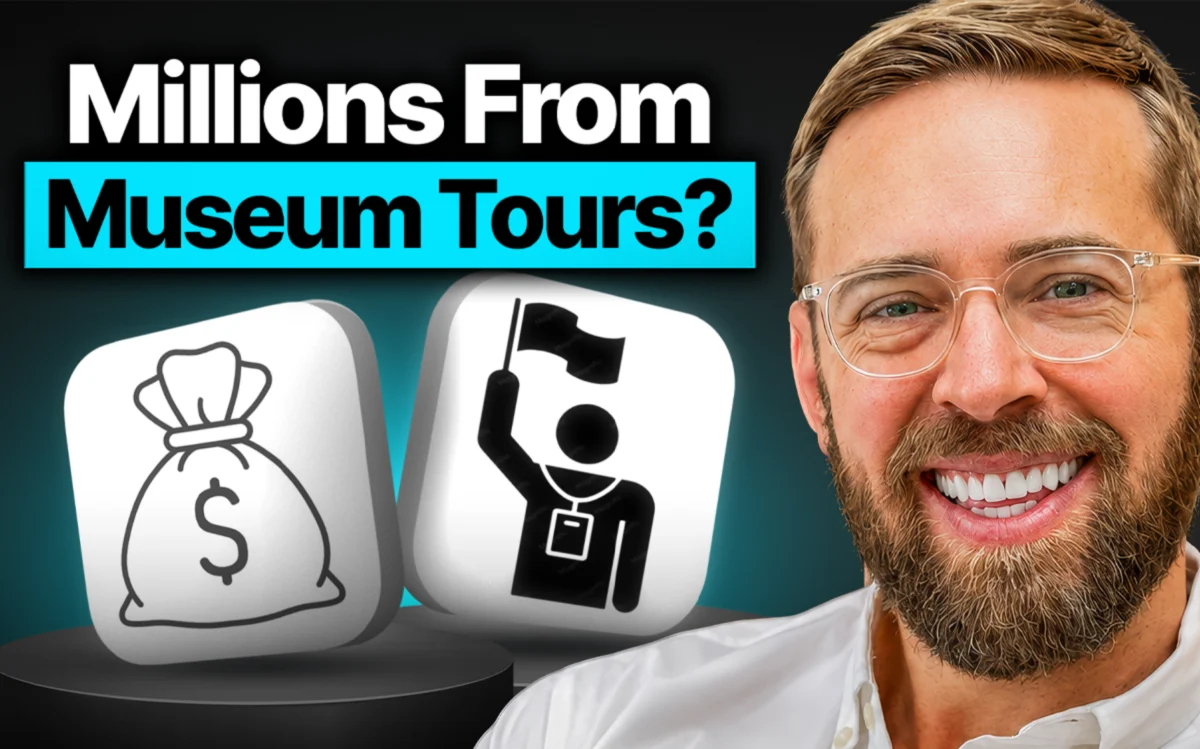
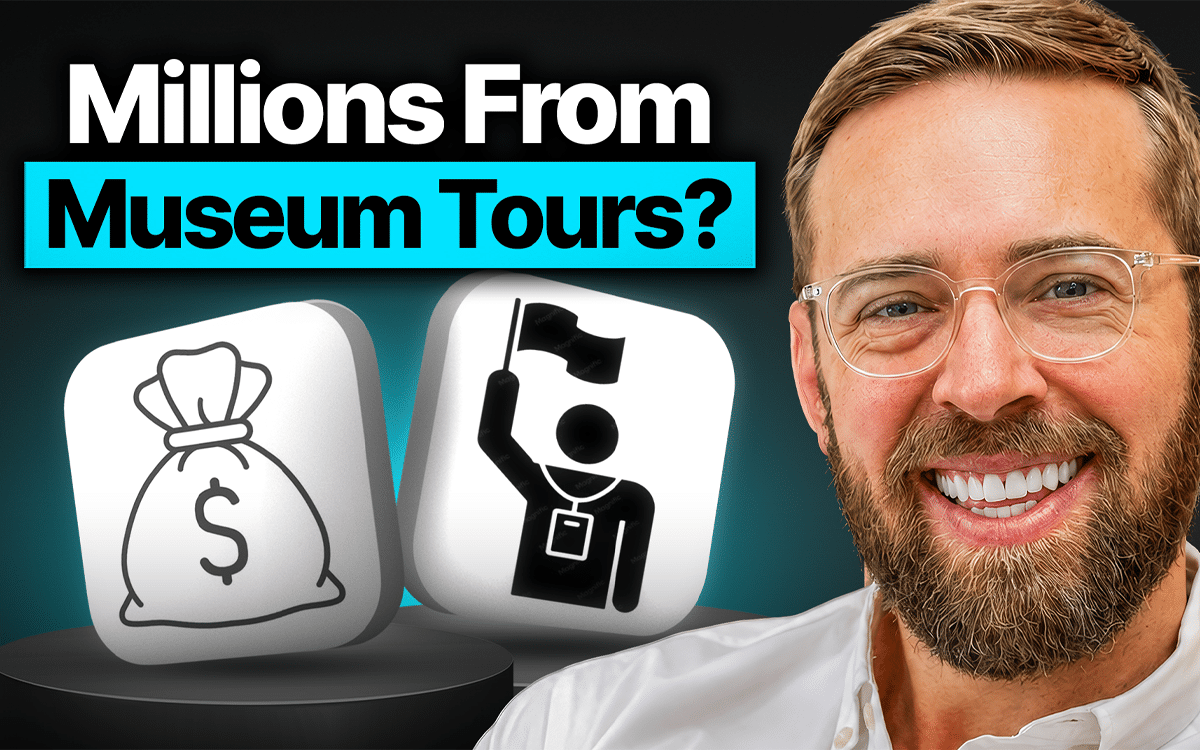
- Museum Hack: A rogue museum tour company launched in New York City that scaled to millions in annual revenue before being acquired by its leadership team in 2019.
- The 2-Hour Cocktail Party: A tactical 2022 workbook-style guide designed to teach community-building through small, intimate gatherings of 15 to 25 people.
- PersonalWebsites.org: Gray’s newest venture, a $29-per-month service that builds and manages clean, static personal websites designed to help founders and professionals establish digital clarity for both humans and AI models.
The discussion challenges standard marketing dogmas, demonstrating that trust, entity clarity, and tangible human connection remain the ultimate leverage points in an increasingly automated world.
Chronology: From Casual NYC Outings to the Next Generation of SEO
Phase 1: The Accidental Birth of Museum Hack
Gray did not set out to become a tourism titan. When he first moved to New York City, he began visiting the Metropolitan Museum of Art simply out of personal interest. Soon, he started showing visiting friends around the galleries for fun.
Unlike traditional art historians who focused on dates and high-brow critiques, Gray approached the Met through a lens of entertainment. He highlighted the gossip, the money, the romances, the art world rivalries, and the strange, quirky details that mainstream tours typically glossed over. His target audience was not art aficionados; it was people who actively believed museums were boring.
Phase 2: Monetization and Scaling Past the Founder
Word of mouth eventually led to a glowing blog review, instantly driving over 1,000 interested participants to his doorstep. This surge forced Gray to make a crucial pivot: turn it into a real business or keep it a hobby.
He began charging nominal fees, between $19 and $29 per ticket. Though he refunded the first group out of sheer guilt because he enjoyed himself too much, charging proved to be a critical turning point. Paying customers treated the experience with greater respect and ascribed higher value to the offering.
As the business grew, Gray faced the classic trap of the personality-driven business: he was the product. To scale beyond a single guide in New York, he implemented an unconventional hiring strategy, recruiting high-energy individuals from performance backgrounds who could carry the brand’s unique atmosphere. Expansion soon followed into Washington, D.C., Los Angeles, and San Francisco—cities boasting large tourist demands alongside deep freelance labor pools.
Phase 3: The COVID Pivot and the 2019 Exit
By the late 2010s, Museum Hack had scaled into a multi-million-dollar operation, hitting a ceiling around $3 million in annual sales despite Gray’s efforts to push past the $5 million to $10 million threshold. Having successfully removed himself from day-to-day operations, his leadership team approached him with a buyout offer.
The transaction was executed via full seller financing—the buyers put down zero dollars upfront and paid Gray out over time from company profits, a deal structure made possible entirely by mutual trust.
Shortly after the 2019 sale, the COVID-19 pandemic struck, forcing museums worldwide to close their doors and driving Museum Hack’s traditional revenue to zero. However, the crisis forced the new owners to pivot successfully into remote team-building experiences, ultimately resulting in leaner margins and a more profitable business model.
Phase 4: Books, AI, and Personal Web Infrastructure
Following his exit, Gray turned his attention to community and digital infrastructure. In 2022, he published The 2-Hour Cocktail Party, spending roughly $60,000 on high-end design and layout to create a tactical workbook for hosting small gatherings.
More recently, Gray launched his newest venture, PersonalWebsites.org. Tapping into his own 25-year history of maintaining a personal website, the service addresses a glaring modern need: helping individuals control their digital identity as artificial intelligence transforms how search engines crawl and synthesize information about people.
Supporting Data: The Economics of Niche Ventures
Gray’s career provides fascinating data points regarding the economics of physical experiences, books, and digital infrastructure:
- Pricing Mechanics: At Museum Hack, raising ticket prices shifted positioning away from mere "museum access" toward "unique entertainment," elevating perceived quality without damaging conversion rates.
- Book Publishing Investments: Writing The 2-Hour Cocktail Party required a significant upfront investment of approximately $60,000 for top-tier production and design, proving that modern non-fiction books function less as direct revenue generators and more as high-trust authority assets.
- The Rise of Static CMS: In building PersonalWebsites.org, Gray’s team migrated approximately 80 client websites from standard WordPress setups to a static architecture using Payload CMS and Astro. This technical shift caused average PageSpeed Insights scores to skyrocket from the 87–88 range straight up to 99, providing immense SEO benefits.
- Early Traction: At roughly one year into operation, PersonalWebsites.org has acquired around 80 active clients, generating between $3,000 and $4,000 in monthly recurring revenue at a price point of $29 per month.
Implications: The Rise of Entity Clarity, GEO, and Personal Brands
The deeper half of the podcast conversation explored how digital marketing is shifting away from traditional keyword-based search engine optimization (SEO) toward Generative Engine Optimization (GEO) and Answer Engine Optimization (AEO).
Separating the Person from the Brand
Many entrepreneurs and local service providers blur the line between themselves as individuals and their corporate entities. When Google’s knowledge graphs and large language models (LLMs) attempt to process information, this lack of boundary creates confusion.
By establishing a dedicated personal website, founders create a distinct "entity" separate from their corporate holdings. This clarity helps search engines and AI models accurately understand:
- Who the person is.
- What projects they have built, sold, or managed.
- Their professional relationships and credentials.
- Their affiliations with different businesses and organizations.
Creating Digital "Surface Area"
During a live site critique of Jared Bauman’s personal website during the podcast, Gray emphasized the concept of increasing digital "surface area." Rather than relying on a single, static "About Me" page, professionals should structure their personal sites with multiple pages dedicated to their speaking engagements, testimonials, endorsements, photo assets, and portfolio projects.
This multi-page structure gives search engine crawlers and generative AI tools rich, structured signals to draw upon when users search for a founder’s name, background, or authority on a given topic.
Proactive Reputation Management
Gray stressed that the modern personal website is not merely a tool for burying negative search results—it is a proactive reputation asset. In an era where potential investors, clients, partners, and employers routinely Google names or ask AI assistants for summaries of a professional’s background, owning a clean, lightning-fast, and authoritative personal hub is no longer optional. It is the foundation of digital credibility.
Conclusion
Nick Gray’s trajectory from running rogue museum tours to optimizing personal web infrastructure highlights a timeless entrepreneurial truth: value is often hidden in plain sight.
Whether transforming a sleepy gallery visit into an unforgettable theatrical experience, codifying the art of the 2-hour cocktail party, or building lightning-fast static websites for modern professionals, Gray consistently identifies overlooked niches and makes them actionable, fun, and commercially viable.
As the digital ecosystem shifts toward AI-driven discovery and automated answers, the overarching lesson is clear. Personal reputation, entity clarity, and deep trust are becoming the ultimate business moats. For founders and creators navigating this new frontier, investing in a clear personal web presence may soon prove to be the smartest strategic move they can make.