In the modern era of entrepreneurship, the "side hustle" has evolved from a hobby into a sophisticated business model. Yet, the challenge remains: how does one balance the rigorous demands of a full-time career with the unpredictable, high-pressure world of e-commerce? For Lily, a professional in the electric vehicle (EV) infrastructure sector, the answer wasn’t found in a textbook, but in her own living room—specifically, on the furniture covered in the fur of her three dogs.
Lily’s journey from a corporate professional to the founder of a custom clothing brand serves as a masterclass in identifying a "pain point" market and leveraging automation to scale without burning out. By treating her business as an iterative engineering project, she has managed to launch a sell-out apparel line while keeping her day job, proving that modern tools can bridge the gap between ambition and execution.
The Genesis: Solving a Persistent Problem
Every great business begins with an observation. For Lily, the catalyst was not a desire to disrupt the fashion industry, but a desire to stop feeling like a "walking lint roller."
"I work in electric vehicle infrastructure. It’s a nice eight-to-five, Monday through Friday," Lily explains. "I have three dogs, and I was always just covered in fur all the time. It was a simple, persistent, and personal problem."
While most would simply reach for a lint roller, Lily’s analytical mindset—honed in the technical world of EV infrastructure—led her to ask a different question: "How could I make clothes where the hair just doesn’t stick, or I could easily wipe it away?"
This curiosity birthed the core value proposition of her brand: functional fashion designed for pet owners. However, the path from idea to product was far from linear. Lily committed to a rigorous research and development phase that lasted over a year. Unlike dropshipping businesses that rely on pre-existing inventory, Lily sought to innovate at the textile level, tasking herself with the daunting chore of finding a manufacturer capable of producing custom, hair-resistant fabrics.
Chronology of a Viral Launch
Building a brand is often a lonely endeavor, but Lily chose a different path: "Building in Public." By documenting the raw, unvarnished process of textile sourcing, manufacturing delays, and design choices on TikTok, she transformed her learning curve into a marketing engine.
Phase 1: Validation (The TikTok Catalyst)
By sharing the "behind-the-scenes" footage of her fabric testing, Lily wasn’t just showing products; she was inviting her future customers into the R&D process. This created a sense of ownership and anticipation among her followers. When she finally opened her first sales drop, the validation was instantaneous. The inventory, which had taken over a year to perfect, sold out in a matter of hours.
Phase 2: The Infrastructure Pivot
With the product-market fit established, the challenge shifted from proving interest to managing it. As her customer base grew, the logistical strain of balancing a full-time career with a booming side business reached a breaking point. This was the moment Lily realized that traditional manual marketing would not suffice. She needed a scalable communication architecture.
The Tech Stack: Scaling Through Automation
When a founder is balancing a 40-hour work week, their most valuable asset is time. Lily quickly realized that her initial choice of marketing software was counterproductive.
"I started with Klaviyo first," Lily recalls. "I wanted to set up emails and automations myself, but I was going in circles. Things weren’t looking the way I wanted them to look."
For a perfectionist building a brand, this was a significant hurdle. She felt as though her business’s growth was actually penalizing her, as the complexity of her marketing tools increased alongside her customer base. This is a common bottleneck for solo founders: the software intended to help them scale often requires a dedicated team to operate.
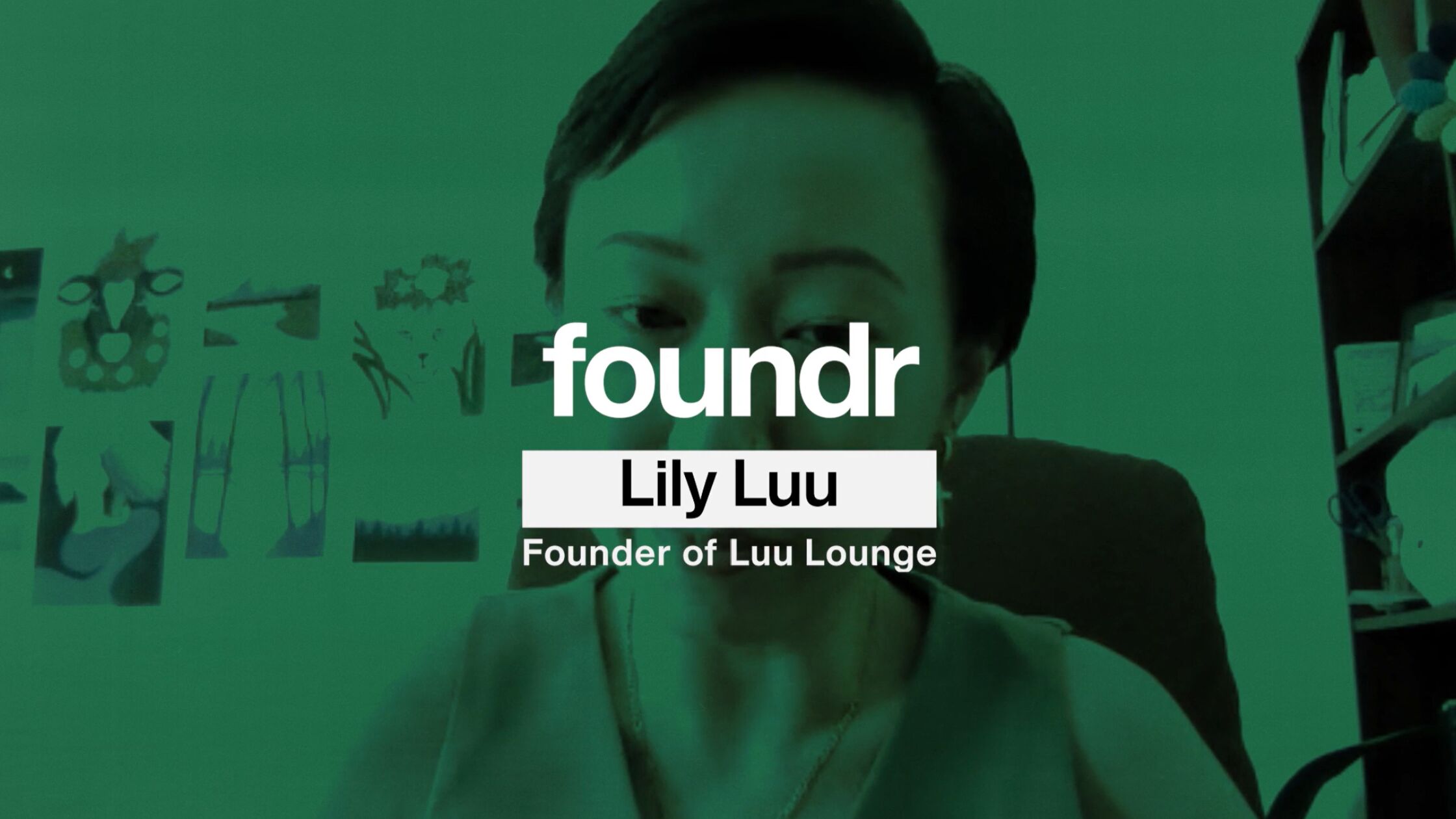
Seeking a more intuitive solution, Lily migrated to Omnisend. The transition was a turning point. She found that the platform allowed her to build sophisticated automations—such as welcome flows, abandoned cart sequences, and launch alerts—without requiring a steep learning curve.
"I was able to pop all my automations together really quickly," she says. "It was a lot easier to use, and things were looking exactly how I wanted them to look."
Supporting Data: The Power of Targeted Communication
The effectiveness of Lily’s strategy is evident in the numbers. By the time she launched her initial collection, she had already cultivated an email list of 3,000 highly engaged subscribers.
This was not a passive list. Because Lily used these channels to coordinate "drops," her audience was primed to act the moment they received a notification. By leveraging email and SMS in tandem, she created a sense of urgency and exclusivity.
Key performance indicators for her launch included:
- List Growth: 3,000+ subscribers prior to the first sale.
- Conversion Speed: Total sell-out within hours of the launch window.
- Operational Efficiency: Minimal manual intervention required during the launch window, as automated flows handled customer notifications and updates.
Official Perspective: The "Foundr" Philosophy
Lily’s success story resonates with the ethos of Foundr, which emphasizes that today’s entrepreneurs don’t need a massive staff to compete with legacy brands. Instead, they need the right "leverage"—the ability to do more with less through smart software and strategic planning.
The integration of email and SMS is no longer a "nice-to-have" luxury for a boutique brand; it is the primary bridge between a product launch and a profitable business. For students of the Foundr methodology, Lily’s journey illustrates that the most successful founders are those who treat their business systems as an extension of their product. If the communication system is intuitive and automated, the founder can spend their time where it matters most: iterating on product design and maintaining the quality of the customer experience.
Implications for Future Founders
Lily’s story provides a blueprint for anyone currently working a full-time job who dreams of launching a venture. Her success holds three critical implications for the modern entrepreneur:
- The Pain Point is the North Star: Don’t build for the sake of trends. Build to solve a personal frustration. If you have the problem, thousands of others likely do, too.
- Build in Public: Transparency builds trust. By documenting your failures and your progress, you turn potential customers into community members. When you finally launch, you aren’t selling to strangers; you are fulfilling a promise to your supporters.
- Choose Tools That Scale With You: If your software makes you feel like you are being "punished for growing," abandon it. The goal is to build a system that works in the background so you can maintain your career and your sanity.
Moving Forward
Lily continues to operate her brand alongside her role in the EV sector. Her ability to "set it and forget it" with her marketing automation has allowed her to scale her business without sacrificing her career or her quality of life. By integrating her email and SMS communication into a reliable, automated framework, she has proven that the constraints of a 9-to-5 job don’t have to be a barrier to entry—they can, in fact, be the very thing that forces you to be more efficient, disciplined, and strategic.
For those looking to replicate Lily’s success, the path is clear: identify the problem, build the community, and automate the communication. As Lily herself concludes, tools like Omnisend were not just peripheral additions to her business; they were the essential scaffolding that allowed her to turn an idea into a viable, growing brand.
For entrepreneurs ready to streamline their own marketing efforts, Omnisend offers a specialized pathway for growth. Readers can gain a competitive edge by leveraging their automation tools—visit Omnisend’s Foundr page and use code FOUNDR50 to receive 50% off your first three months, and start building the systems that will take your business to the next level.