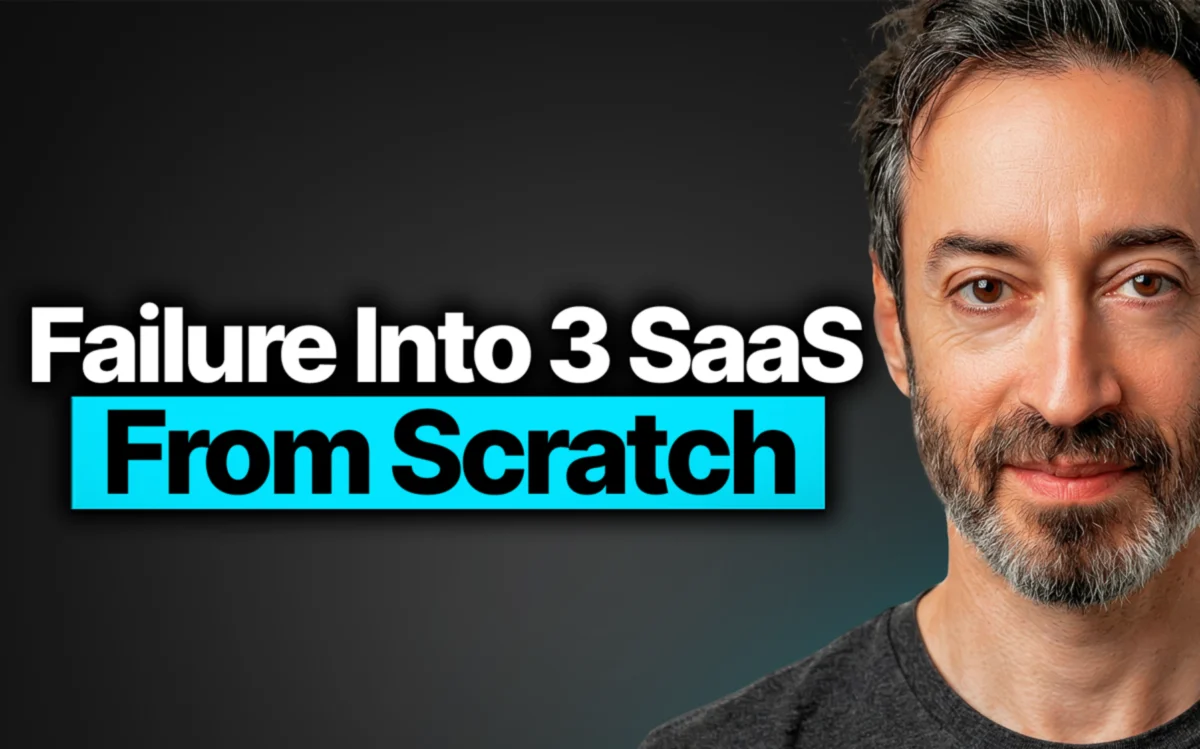
In the ever-evolving landscape of digital entrepreneurship, few success stories are as illustrative as that of Andrew Wilder. A former professional lighting designer for the theatrical and cruise ship industries, Wilder successfully pivoted his career to become a cornerstone of the WordPress ecosystem. Today, his company, NerdPress, manages technical support, security, and performance optimization for over 900 websites.
In a recent episode of the Niche Pursuits podcast, Wilder sat down to dissect his journey, offering a masterclass in scaling a service-based business, the nuances of team management, and the non-negotiable technical standards every website owner must adopt to protect their digital assets.
The Chronology: A Career Pivot Rooted in Problem-Solving
Wilder’s path to becoming a leader in the WordPress space was far from linear. For over a decade, his life was defined by the high-pressure, creative world of stage lighting. Designing light shows for major entities like Princess Cruises requires a rare blend of artistic vision and technical precision—a skill set that proved surprisingly transferable to the world of web development.
Burnout, a common catalyst for entrepreneurial reinvention, eventually prompted Wilder to seek a change. During his transition, he began exploring the burgeoning world of WordPress. As he honed his skills, he found himself naturally gravitating toward assisting others. Initially, this was a side passion, helping fellow food bloggers troubleshoot their site issues.
By 2013, the demand for his expertise had outpaced his ability to provide free labor. Recognizing the gap in the market for reliable, ongoing WordPress maintenance, he transitioned into the subscription-based model. What began as "Blog Tutor" eventually evolved into "NerdPress"—a brand identity crafted during a road trip brainstorming session, designed to signal a more technical, professional approach to site management.
Scaling the Human Element: Hiring with Purpose
Today, NerdPress operates with a team of 22 U.S.-based employees. Scaling a service business to support nearly 1,000 clients is no small feat, and Wilder is the first to admit that the journey was paved with lessons in leadership and human resources.
For many entrepreneurs, hiring is the most significant bottleneck. Wilder’s philosophy on building a team is rooted in radical transparency. "What you see is what you’re going to get," he notes, emphasizing that site owners and entrepreneurs should never ignore "red flags" during the interview process. By prioritizing cultural fit and rigorous evaluation of actual technical output rather than just impressive resumes, he has built a resilient team capable of handling complex site issues.
The transition from a freelancer to a CEO required a shift in mindset. Wilder notes that the biggest challenge was learning how to let go of control. By establishing clear systems and empowering his team to handle the daily operations of site maintenance, he was able to focus on the high-level strategy that allowed NerdPress to continue its steady growth.
Pricing Lessons: Overcoming the Fear of Value
One of the most profound segments of the interview centered on the "pricing struggle" that haunts nearly every service provider. Wilder admitted that early in his career, the fear of losing clients prevented him from charging what his services were actually worth.
The breakthrough came via industry feedback. After attending a conference and speaking with peers, he realized that his reluctance to raise prices was actually hindering his ability to provide better service. His advice for those currently underpricing their work is to embrace iteration. "There is no perfect pricing," Wilder states. "But you can get good enough." He encourages service providers to test higher price points, view pricing as an experiment, and, above all, respect the value of their time and technical expertise.

The Pillars of Digital Property: Why Backups Come First
When discussing technical best practices, Wilder avoids the flashy topics of site speed or aesthetic design, focusing instead on the "boring" but critical foundation: backups. He shares harrowing stories of site owners who lost years of hard work when their hosting providers failed or vanished overnight.
His golden rule is clear: Never rely solely on your hosting company’s backups. A robust, off-site backup system is the first line of defense against catastrophic data loss. For Wilder, this isn’t just a recommendation—it’s an insurance policy against the unpredictability of the internet.
Security: Beyond the Login Page
In the current threat landscape, security is often underestimated until a breach occurs. Wilder highlights that attacks are rarely sophisticated "hacker movie" scenarios; they are often opportunistic, automated exploits.
A prime example he shares involves session hijacking, where an attacker gains access to an administrative account not by guessing a password, but by stealing a session cookie over an unsecured public Wi-Fi network. This illustrates that security is not just about strong passwords; it is about holistic digital hygiene. By implementing multi-factor authentication, strictly managing plugin updates, and monitoring traffic patterns, site owners can significantly reduce their risk profile.
The Truth About Core Web Vitals and SEO
Since Google introduced Core Web Vitals as a ranking factor, many site owners have fallen into a state of "optimization panic." Wilder offers a pragmatic counter-narrative: focus on the user, not the score.
He breaks down the core metrics—Largest Contentful Paint (LCP), Interaction to Next Paint (INP), and Cumulative Layout Shift (CLS)—as essential gauges for user experience (UX) rather than just SEO levers. His warning against obsessing over PageSpeed Insights scores is particularly salient. "That 0-100 score is simulated," he explains. "What really matters is the field data. That is what Google actually uses to determine rankings."
For those looking to improve their site performance, Wilder advises against "hacking" the system. Over-optimizing with complex scripts often leads to site instability. Instead, he suggests a "keep it simple" approach: optimizing images, utilizing efficient hosting, and ensuring that the site remains responsive across different devices.
Implications for the Future of Web Management
As the digital landscape becomes more complex, the role of managed services like NerdPress becomes increasingly vital. The shift from DIY site management to professional oversight is a trend that mirrors the growth of the internet itself.
The primary takeaway from Andrew Wilder’s experience is that success in the digital service sector is not the result of a single viral moment or a massive infusion of venture capital. Rather, it is the product of consistent, customer-driven growth and a relentless focus on the fundamentals. By prioritizing security, reliable backups, and a user-first approach to performance, site owners can ensure their digital property remains an asset rather than a liability.
Key Takeaways for Every Site Owner
- Own Your Data: Always maintain an independent, off-site backup. Your hosting provider is not your insurance company.
- Update with Caution: Avoid the "set it and forget it" mentality for plugins. Staggered updates and proper monitoring are essential to prevent site breakage.
- Value Your Expertise: Pricing is an experiment. Don’t let the fear of losing a client prevent you from charging for the value you provide.
- Focus on Field Data: Don’t obsess over simulated speed scores. Prioritize the metrics that reflect how your actual users experience your site.
- Hire for Culture: When building a team, prioritize transparency and look for "red flags" early. A bad hire is more expensive than an empty seat.
Andrew Wilder’s journey serves as a blueprint for those looking to turn a technical skill into a sustainable business. By focusing on the "boring" but vital aspects of web management, he has built a company that allows hundreds of others to thrive in the competitive world of digital publishing. Whether you are a solo blogger or an e-commerce entrepreneur, the principles of his success—consistency, security, and a commitment to quality—remain the most reliable path to longevity.