Introduction: The Post-Holiday Inbox Battlefield
Picture this: It is the height of Black Friday week, and you open your personal email inbox. What greets you is not a collection of thoughtful notes from peers or curated newsletters, but a digital warzone. The subject lines scream for attention with breathless desperation: "50% OFF EVERYTHING!", "LAST CHANCE!", and "DON’T MISS OUT!"
Every brand you have ever purchased from—and a few obscure ones you definitely haven’t—is shouting for your attention at the exact same moment.
Faced with this relentless barrage, the consumer response is swift, uniform, and brutal: Delete, delete, delete.
For business owners, e-commerce founders, and digital marketers, this reaction represents a worst-case scenario. Yet, many fall into the trap of amplifying the noise, believing that higher volume and steeper discounts are the only antidotes to a crowded marketplace.
The reality is quite different. Seasonal email campaigns do not have to feel like desperate, high-pressure pitches. When executed with precision, empathy, and strategic foresight, these campaigns can actually strengthen your relationship with your audience, drive substantial revenue, and leave customers genuinely excited to hear from you—even during the most chaotic shopping periods of the year.
The secret to modern email marketing is not about selling less. It is about selling smarter.
1. Main Facts: Rethinking the Seasonal Paradigm
At its core, seasonal email marketing suffers from a foundational strategic flaw: brands treat seasonal moments as transactional speed bumps rather than relational milestones.
Traditional approaches rely on brute-force tactics. Brands launch last-minute discount blasts, utilize hyperbolic all-caps subject lines, and treat their entire subscriber list as a monolithic block of potential buyers. This strategy yields diminishing returns. As consumers become increasingly desensitized to manufactured panic, conversion rates drop, unsubscribe rates spike, and brand equity erodes.
The Shift Toward Value-Driven Commerce
Modern successful brands are shifting from a "push" model to a "pull" model. Instead of cornering the consumer with aggressive discounts, they utilize a give-and-take approach:
- The "Take": Promotional emails that ask the subscriber to take action, make a purchase, or utilize a discount code.
- The "Give": Educational, entertaining, or inspiring content that offers immediate value to the reader without asking for anything in return.
Psychologically, establishing this ratio builds a foundation of trust. When a promotional email finally lands in an inbox where the subscriber has previously received weeks of free value, the perception shifts. The email no longer reads like an intrusive sales pitch; it reads like a helpful recommendation from a trusted advisor.
2. Chronology: Mapping the Campaign Lifecycle
One of the most common pitfalls in digital marketing is tactical reactivity. If a brand is scrambling to draft a Valentine’s Day email on the afternoon of February 13th, the campaign has already failed.
Effective seasonal email marketing is built on a structured chronology that spans months, not days.
Phase One: Macro-Planning (Months in Advance)
The best seasonal strategies begin months before the actual event. This involves building a comprehensive content calendar that maps out every seasonal moment worth showing up for.
- Filter the noise: Brands do not need to capitalize on every obscure internet holiday (such as "National Sock Day," unless the brand specializes exclusively in hosiery). Instead, identify the key cultural, seasonal, and retail moments that genuinely matter to your core demographic.
- Balance the calendar: For every promotional email scheduled during a seasonal push, map out at least two supportive pieces of content designed to educate, entertain, or inspire.
Phase Two: The Anticipation Build (Weeks Before Launch)
Instead of dropping a surprise discount out of nowhere, successful brands cultivate anticipation.
- Example in Action: Lily, the founder of the custom clothing brand Luu Lounge, mastered this cadence. Prior to her product drops going live, she built immense anticipation by engaging her email and SMS lists with countdowns, behind-the-scenes teasers, and exact launch schedules.
- The Result: By the time the products became available, demand was already organic and self-sustaining. Customers were queuing up voluntarily, eliminating the need for frantic "LAST CHANCE" subject lines.
Phase Three: Early Access and Segmentation (Days Before Launch)
Rather than opening the floodgates to everyone simultaneously, the campaign timeline should stagger access:
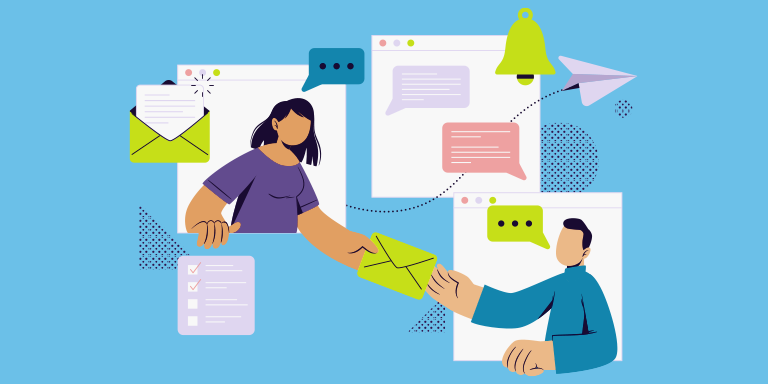
- Reward high-value or highly engaged subscribers with early-access windows.
- Roll out general public access sequentially to manage web traffic, inventory, and customer service inquiries smoothly.
Phase Four: Post-Event Engagement (The Day After)
The campaign cycle does not end when the sale closes. Post-purchase onboarding, thank-you notes, and feedback loops are critical components that turn one-time seasonal buyers into lifelong brand advocates.
3. Supporting Data: The Science of Storytelling and Consumer Psychology
To understand why traditional discount-heavy emails fail while story-driven campaigns succeed, one must look at cognitive science and consumer behavior data.
The Power of Narrative Retention
Data from marketing research reveals a stark contrast in how human brains process raw data versus narratives:
- Story Retention: Humans retain approximately 63% of information presented through a well-crafted story.
- Data/Statistic Retention: In contrast, standalone statistics or blunt promotional discounts are retained at a rate of only 5%.
When founders open an email with "30% off our summer collection!", they are relying on data-driven triggers that fail to create a memorable cognitive imprint. Conversely, opening with a narrative—such as explaining how a garment was designed for long weekends where effortless style is paramount—gives the discount context, personality, and emotional resonance. The discount becomes the cherry on top, rather than the entire cake.
The Impact of Basic Segmentation
Blast-emailing an entire subscriber base is mathematically inefficient. Industry benchmarks routinely show that segmented campaigns outperform generic blasts across all major performance metrics:
- Open Rates: Highly targeted, segmented emails regularly achieve significantly higher open rates because the subject line directly addresses the recipient’s known interests.
- Click-Through Rates (CTR): Relevant content drives engagement; readers are more likely to click when the product featured aligns with their past browsing or purchasing history.
- Lower Unsubscribe Rates: When subscribers feel understood rather than spammed, they remain on the list longer, compounding the lifetime value (LTV) of the customer base.
Modern e-commerce tools—such as platforms like Omnisend—have democratized advanced data analytics. Solo founders and small teams can now implement behavioral and demographic segmentation without requiring dedicated data science departments.
4. Official Responses and Industry Best Practices
Industry leaders and e-commerce experts emphasize that the evolution of email marketing mirrors broader shifts in consumer expectations. Today’s buyers demand authenticity, personalization, and respect for their time.
Expert Insights on Avoiding the "Salesy" Trap
Digital marketing strategists consistently point out three foundational rules for executing high-performing seasonal campaigns without sacrificing brand integrity:
- Lead With Story, Not the Sale: Always anchor your promotional emails in a narrative angle. Share a behind-the-scenes look at product creation, highlight a customer success story, or address a specific pain point that the seasonal product solves.
- Segment Intelligently: Never treat your subscriber list as a monolith. Separate new subscribers from returning VIP customers. First-time buyers require brand introduction and gentle guidance, while loyal customers respond far better to exclusive access, loyalty rewards, or personalized recommendations based on past purchase history.
- Manufacture Exclusivity, Not Panic: Replace high-pressure, guilt-inducing phrases like "You’ll regret missing this!" with genuine incentives. Utilize limited-edition releases, early-access privileges for loyal subscribers, and transparent inventory updates to create authentic urgency.
5. Implications: Building Sustainable Revenue Channels
The transition from spammy, discount-driven email blasts to sophisticated, story-driven seasonal campaigns has profound implications for modern businesses.
Financial Sustainability
Relying exclusively on steep discounts to drive revenue erodes profit margins and conditions customers to only buy when items are marked down. By shifting the focus to storytelling, brand value, and segmented relevance, companies can drive high-margin sales without training their audience to wait for clearance events.
Operational Efficiency
By leveraging automation tools to handle the heavy lifting of segmentation, triggered workflows, and scheduled sequences, founders and marketing teams reclaim valuable time. Instead of spending frantic weeks manually drafting and deploying emergency emails, teams can focus on product innovation, high-level strategy, and community building.
Long-Term Brand Equity
Ultimately, treating subscribers like valued human beings rather than transactional metrics secures the long-term health of a business. When seasonal moments arrive, brands that have cultivated trust and maintained a healthy give-and-take content balance will find their emails opened, read, and acted upon willingly.
Conclusion and Next Steps
Seasonal email marketing does not have to be a source of dread for you or your subscribers. By planning your content calendar in advance, leading with compelling stories, segmenting your audience for maximum relevance, and creating authentic urgency, you can turn your seasonal moments into your most profitable—and enjoyable—periods of the year.
For founders looking to streamline this process without doubling their workload, modern platforms offer practical, automated solutions. By integrating robust email and SMS frameworks into your business model, you can build scalable campaigns that work for your schedule, ensuring that your brand stands out in the most crowded inbox.