This post was created in partnership with SMG.
As retail media networks (RMNs) continue their meteoric rise, modern brands face a complex labyrinth of fresh opportunities alongside unique strategic hurdles. No longer confined to the digital storefronts of e-commerce giants, the retail media ecosystem has burst into physical spaces, omnichannel grocery routines, and even the high-flying corridors of travel and hospitality.
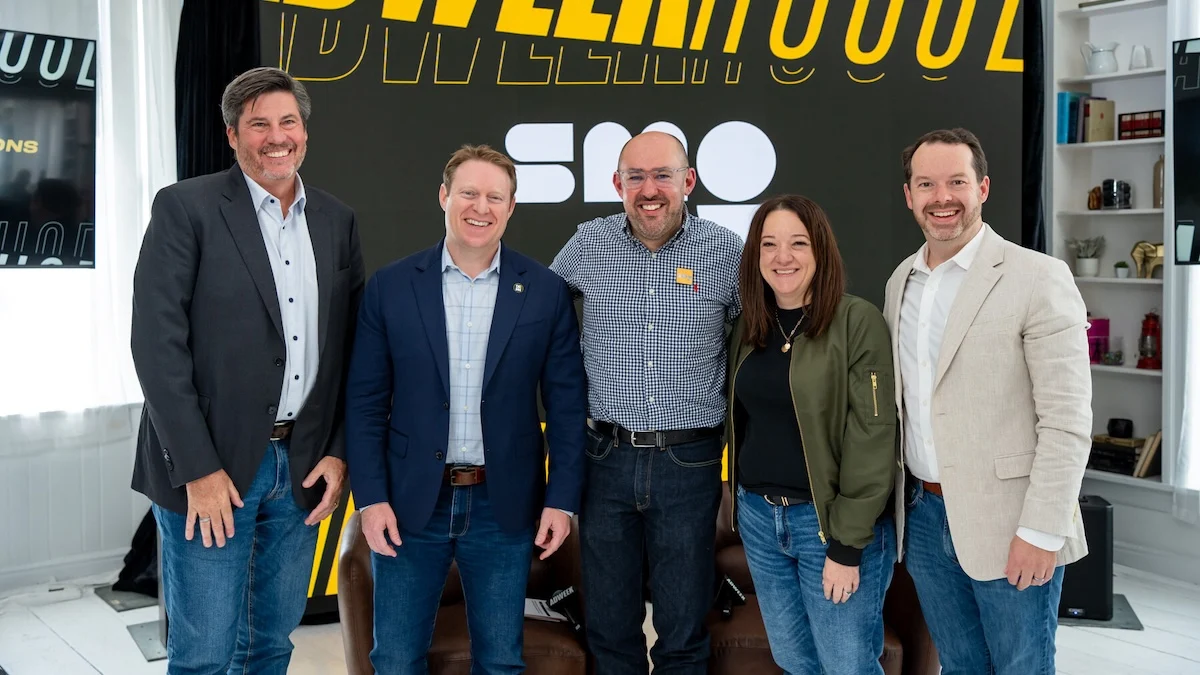
During the recent ADWEEK House Advertising HQ, a trio of comprehensive commerce connection sessions—co-hosted with SMG—brought together industry leaders to dissect this shifting landscape. From redefining how physical, in-store media effectiveness is measured to mapping the grocery shopper’s holistic journey and unlocking the untapped potential of travel media networks, the conversations offered a masterclass in the future of modern advertising.
1. Main Facts: The Evolution and Expansion of Retail Media
The fundamental premise of advertising is undergoing a structural realignment. Retail media networks are no longer just an "add-on" budget line for consumer packaged goods (CPG) brands; they are becoming foundational ecosystems that blend first-party shopper data with physical and digital touchpoints.
Key takeaways from the ADWEEK House sessions highlight three massive shifts in the industry:
- The Physical Renaissance: In-store media is experiencing a digital transformation. Retailers are turning brick-and-mortar locations—from sprawling shopping malls to local supermarkets—into high-impact media channels.
- Omnichannel Grocery Marketing: Reaching grocery shoppers requires a continuous, multi-touchpoint approach that connects pre-store inspiration (such as Connected TV) directly to the checkout aisle.
- The Rise of Travel Media: Non-traditional networks, particularly in travel and transit, are emerging as powerhouse advertising platforms due to the high purchasing power and receptive mindsets of travelers.
2. Chronology: Key Sessions at ADWEEK House Advertising HQ
The collaborative event was structured into three distinct deep-dives, each addressing a critical pillar of the modern commerce media ecosystem.

Session One: Building on the In-Store Experience
Kicking off the day, Ollie Shayer, senior director of global strategy and innovation at SMG, moderated a panel titled “Choose Your Player: The Battle for In-Store Leadership.” He was joined by an elite panel of industry experts: Collin Colburn, VP of commerce and retail media at IAB; Chip Harding, EVP of simon media and experiences at Simon Property Group; Austin Leonard, VP and general manager of DG Media Network; and Britt Polihronis, COO of RedMedia at Hy-Vee, Inc.
The panel focused heavily on the mechanics of scaling in-store commerce media. As digital tools merge with physical aisles—through smart carts, digital endcaps, and experiential mall activations—the conversation quickly pivoted to the holy grail of advertising: accurate measurement.
Session Two: The Grocery Consumer Journey
Transitioning from physical spaces to routine consumer habits, the second session took the form of a fireside chat. Titled “From Story to Store: Creating Connected Campaigns Across Every Touchpoint,” the conversation featured Zoë Ruderman, chief content officer at ADWEEK, and Liz Roche, VP of media and measurement at Albertsons Media Collective.
Roche and Ruderman explored the nuances of marketing to consumers whose grocery habits are deeply ingrained in their weekly routines. The discussion challenged conventional wisdom regarding attribution, urging marketers to look beyond isolated metrics and adopt a more holistic view of campaign performance.
Session Three: Traversing the Travel Media Landscape
The day concluded with a high-velocity panel examining mobility and hospitality. Moderated by Sean Crawford, managing director (North America) at SMG, the session—“Media on the Move: How Brands Are Winning Across the Travel Journey”—featured Katie Blackburn, VP of commercial strategy and operations at WHSmith North America; Shane Dwyer, VP of advertiser solutions at Lyft Ads; Chris Norton, SVP of marketing capabilities at Marriott Media; and Steven Paganelli, VP of media and partnerships at Tripadvisor.
This concluding conversation highlighted why travelers have become one of the most coveted audiences in the media ecosystem, analyzing how brands can integrate seamlessly into a consumer’s journey from booking to destination.

3. Supporting Data and Insights: What the Experts Are Saying
The Measurement Conundrum in Physical Spaces
One of the most recurring themes across the panels was the ongoing evolution of measurement. Advertisers can no longer rely solely on clicks and digital impressions when physical footprints are involved. However, the metrics that matter vary wildly depending on the physical environment.
- In Malls and Lifestyle Centers: According to Chip Harding of Simon Property Group, foot traffic metrics and immediate sales lift serve as vital signals of campaign success. High-dwell-time environments allow brands to create immersive experiences that drive both brand equity and direct commerce.
- In Supermarkets: Britt Polihronis of RedMedia at Hy-Vee noted that grocery environments require immediate, micro-behavioral insights. Advertisers look at real-time consumer reactions—such as whether a shopper pauses, interacts with a display, or picks up a product—to gauge engagement.
- The Incremental Sales Imperative: Across both mall and grocery settings, Collin Colburn of IAB emphasized that modern advertisers ultimately demand concrete evidence of incremental sales to justify their growing investments in retail media.
Challenging Traditional ROAS in Grocery
During the fireside chat, Liz Roche of Albertsons Media Collective raised a provocative point regarding data integrity. She openly challenged the universal reliability of Return on Ad Spend (ROAS) and incremental ROAS (iROAS) within retail media networks.
Because data points shift dramatically depending on the attribution methodology used, Roche cautioned against placing blind faith in a single metric. Instead, she advocated for rigorous critical thinking and a broader portfolio view of performance—one that accounts for broader category health, brand lift, and localized in-store dynamics rather than just last-touch digital conversions.
The Audience Profile of the Modern Traveler
Why are travel media networks gaining such aggressive traction among top-tier brands? The data discussed by the panel on mobility points directly to audience quality.
Travelers typically exhibit:
- Higher-than-average purchasing power and disposable income.
- Higher educational backgrounds and specialized consumer interests.
- Strong affinity categories, including premium retail, alcoholic beverages, home improvement, and luxury goods.
Furthermore, Steven Paganelli of Tripadvisor and Chris Norton of Marriott Media pointed out that travel is inherently linked with positive emotional states. When consumers are excited, relaxed, or exploring new environments, their receptivity to brand messaging increases significantly.

4. Official Responses and Industry Perspectives
The collaborative nature of the ADWEEK House sessions underscored a unified industry consensus: collaboration between brands, retailers, and third-party measurement bodies is essential for sustainable growth.
- On Strategy and Innovation: SMG leaders like Ollie Shayer and Sean Crawford underscored that retail media is no longer about brute-force ad placements; it is about context and utility. Whether a consumer is navigating a supermarket aisle, waiting for a rideshare via Lyft, or booking a stay at a Marriott property, the ad must add value to the experience rather than interrupt it.
- On Operational Execution: Leaders like Austin Leonard (DG Media Network) and Katie Blackburn (WHSmith North America) emphasized the logistical realities of executing media networks at scale. For brick-and-mortar and transit retailers, marrying digital inventory with physical supply chains requires unprecedented cross-departmental alignment.
- On Consumer-Centric Design: Panelists universally agreed that successful RMN campaigns must prioritize the consumer experience. If an in-store activation, a Connected TV grocery ad, or a travel-integrated promotion feels intrusive, it fails. Conversely, when brands curate offerings that genuinely assist the shopper or traveler, conversion rates naturally follow.
5. Implications: The Future of Commerce Media
As we look toward the future of retail and commerce media, the insights shared at ADWEEK House point to several profound industry implications:
1. The Blurring Lines Between Digital and Physical
The false dichotomy between "digital advertising" and "physical retail" is officially dead. The most successful retail media networks of tomorrow will be entirely omnichannel. A campaign will initiate via a Connected TV spot (reaching a grocery shopper at home), transition to a digital coupon accessed on a mobile app during the commute, and finalize with an interactive display or smart-cart prompt inside the physical store.
2. A Shift Toward Standardized, Holistic Measurement
As advertisers demand greater accountability, the industry faces mounting pressure to move beyond walled-garden metrics. RMNs will need to adopt more transparent, standardized attribution models that respect consumer privacy while providing a true picture of incremental business growth. Leaders like Liz Roche have sounded the alarm: single-metric reliance is out; multi-variable performance analysis is in.
3. Expansion Into Non-Traditional Verticals
The success of travel media networks (spanning airlines, hotels, ridesharing, and transit retail) proves that any environment with high dwell time and captive, high-intent audiences can become a media network. We can expect to see continued proliferation of RMNs in unexpected sectors, turning every touchpoint of daily life into a potential commerce channel.
Final Thoughts
The evolution of retail media networks represents one of the most dynamic shifts in modern advertising history. By moving beyond simple digital banner ads and embedding themselves directly into the physical, grocery, and travel journeys of consumers, brands have an unprecedented opportunity to forge meaningful connections. However, as the discussions at ADWEEK House made clear, winning in this new era will require relentless focus on consumer experience, creative omnichannel storytelling, and a sophisticated approach to data measurement.