In the fast-evolving digital marketing landscape of 2025, business owners and entrepreneurs face an increasingly volatile online ecosystem. Volatile social media algorithms, fluctuating pay-per-click (PPC) advertising costs, and unpredictable search engine updates mean that relying solely on rented digital real estate is a risky gamble for any modern enterprise.
As a result, industry experts and growth strategists are doubling down on a timeless, high-yield asset: the owned email database. Yet, while the benefits of a robust email list are universally acknowledged, actionable blueprints for growing that database without blowing through a marketing budget remain remarkably scarce.
To help brands navigate this challenge, this comprehensive report explores six high-impact, completely organic strategies to build and scale your email list in 2025, allowing founders to preserve their precious capital for other mission-critical operations.
Main Facts: Why Owned Media Trumps Rented Audiences
The argument for prioritizing email list growth over social media follower counts comes down to one core concept: ownership and control.
When a brand builds its audience on social media networks, it remains entirely at the mercy of shifting algorithms. A sudden update can decimate organic reach overnight, forcing companies to pay for visibility to an audience they thought they already owned. In contrast, an email list provides direct, uninterrupted access to consumers. You dictate the message, the timing, and the delivery, entirely free from third-party interference.
Furthermore, the financial return on investment (ROI) for email marketing continues to outperform almost every other digital channel. According to The 2025 State of Marketing Report published annually by HubSpot, email marketing generates an average ROI of 36x. This means that for every single dollar spent on email marketing campaigns, businesses can expect an average return of $36 in pure revenue—a staggering metric that paid advertising channels struggle to replicate.
Beyond top-line revenue, an active email list serves as the primary engine for trust-building, customer retention, and lifetime value optimization. By leveraging advanced segmentation tools, modern brands can tailor messaging based on precise user behaviors, purchase histories, and demographic data. This level of personalization transforms one-off shoppers into fiercely loyal, repeat buyers.
Chronology and Evolution: From Cold Outreach to Organic Permission-Based Marketing
The philosophy of list building has undergone a massive transformation over the past decade.
- The Early 2010s: Businesses relied heavily on aggressive, broad-stroke lead generation tactics, often purchasing unverified contact lists or spamming inboxes with generic blasts. This era prioritized sheer volume over subscriber engagement.
- The Late 2010s to Early 2020s: With the introduction of stringent global data privacy regulations—such as GDPR and CCPA—alongside more sophisticated spam filters, brute-force tactics became obsolete. Brands shifted toward permission-based marketing, utilizing gated content like basic eBooks and generic PDF checklists in exchange for email addresses.
- The Present (2025): Today’s consumers are smarter, more skeptical, and heavily saturated with digital content. Simple, hastily assembled AI-generated checklists no longer convert discerning users. Modern list building requires hyper-targeted, high-value assets, interactive challenges, and seamless, multi-touchpoint integration across social and web platforms.
Supporting Data and Industry Insights
To better understand how modern enterprises are capturing audience attention without paid advertisements, marketing analysts point to several key behavioral shifts among digital consumers in 2025:
- The Death of the Generic Lead Magnet: Studies show that bounce and immediate unsubscribe rates soar past 60% when users download low-effort, generic resources created via basic AI prompts. Conversely, deeply actionable, niche-specific tools retain over 80% of their initial subscribers past the 30-day mark.
- The Power of Interactive Campaigns: Multi-day challenges and boot camps have emerged as top-tier conversion mechanisms. Brands utilizing structured email challenges report open rates that are 24% higher than traditional newsletter broadcasts, driven by the psychological commitment of daily participation.
- Collaborative Growth: Cross-promotional initiatives—such as newsletter swaps and co-branded webinars—have proven to reduce customer acquisition costs (CAC) to zero while simultaneously introducing brands to pre-vated, highly aligned target audiences.
6 Ways to Build and Grow Your Email List Without Paid Ads
With startup budgets tighter than ever, maximizing organic outreach is essential. Here are six tried-and-tested strategies to expand your email database in 2025 without spending a dime on ad spend.
1. Give Them What They Want (High-Value Lead Magnets)
The cornerstone of any successful organic list-building strategy is the lead magnet. To acquire an email address, you must offer an irresistible exchange of value.
However, quality matters immensely. If you hand out a superficial resource drafted in five minutes using generic AI prompts, users will subscribe just long enough to download the file before instantly unsubscribing.
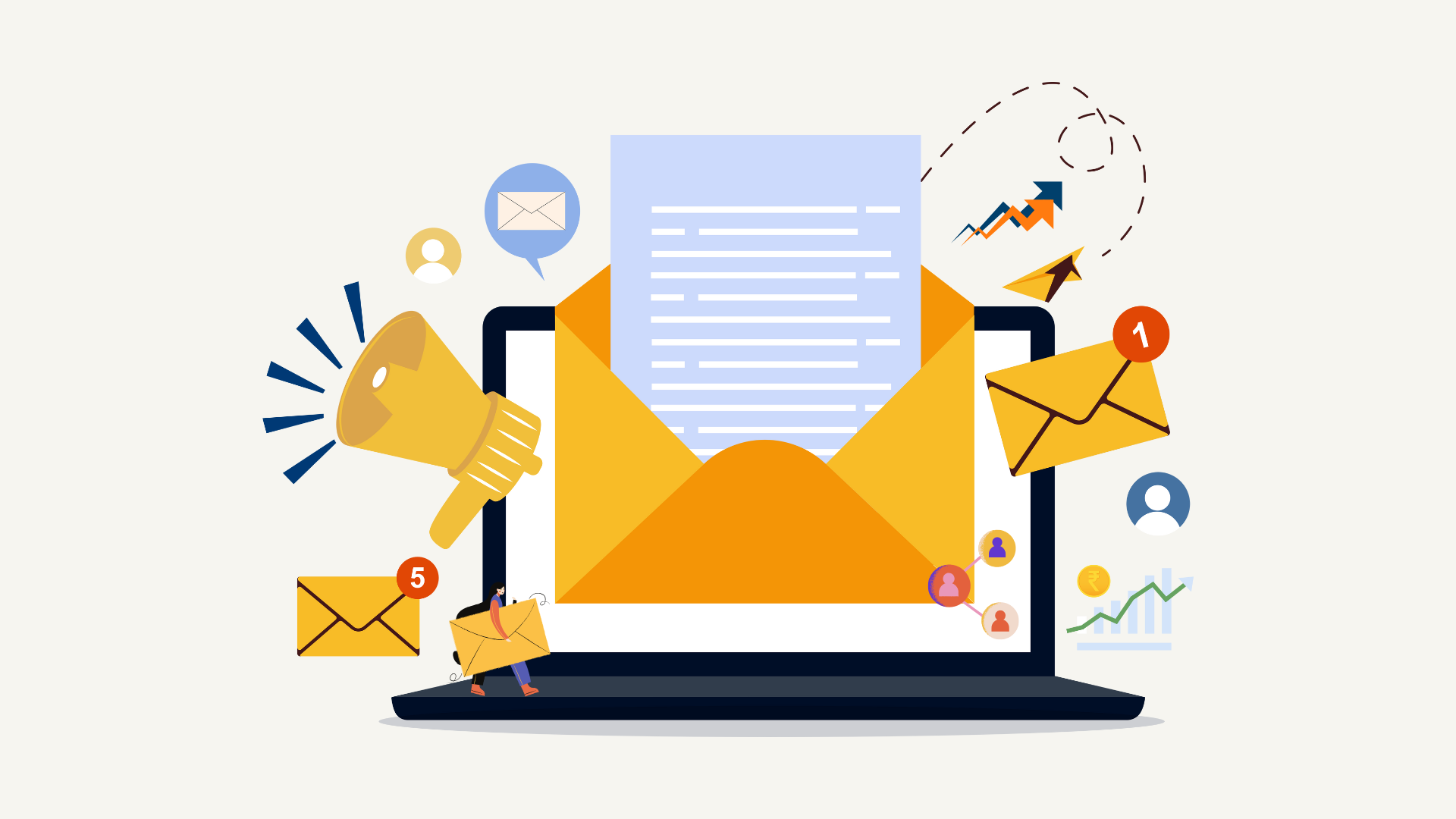
Instead, invest time in creating hyper-specific, deeply insightful assets. Whether it is an advanced template, an industry-specific financial calculator, a mini-course, or an exhaustive checklist, your lead magnet must solve a genuine pain point that your audience cannot easily Google in five seconds.
2. Strategic Sign-Up Placements
Many brands make the mistake of hiding their email opt-in forms in the footer of their website and wondering why conversion rates stall.
To maximize sign-ups, distribute your opt-in opportunities strategically across multiple touchpoints. Consider integrating sign-up forms into:
- Your high-traffic homepage sections.
- Inline within high-performing blog posts and resource guides.
- Your "About Us" page, where brand trust is already elevated.
- Targeted, behavior-triggered website pop-ups (e.g., exit-intent pop-ups or timed triggers after a user has consumed 50% of a page).
Note of Caution: While pop-ups are exceptionally effective, use them sparingly. An intrusive web experience increases bounce rates and frustrates visitors. Always monitor site engagement metrics to strike the right balance between visibility and user experience.
3. Run a Free Challenge or Boot Camp
Interactive experiences are among the most effective vehicles for building trust and capturing email addresses organically. By hosting a brand-specific, multi-day challenge, you provide immense upfront value while naturally funnels participants into your email ecosystem.
Examples across various industries include:
- Wellness Brands: A 7-Day Energy & Focus Reset, delivering daily habit-tracking tips and nutritional guides to inboxes.
- Beauty Brands: A 7-Day Skin Glow Challenge, sharing expert routines, AM/PM checklists, and product insights.
- Fitness Brands: A 7-Day Strength & Mobility Boot Camp, featuring bite-sized daily workouts and motivational messages.
Promote these challenges across your organic social channels. Participants sign up with their email to receive daily instructions, instantly deepening their relationship with your brand and priming them for future core offers.
4. Don’t Be Anti-Social: Convert Followers to Subscribers
Your social media followers are already engaged with your brand identity, making them prime candidates for your email list.
Do not treat social media and email as isolated silos. Regularly tease your lead magnets, upcoming free challenges, or exclusive newsletter content in your social media stories, short-form video content, and live streams. Utilize optimized "link-in-bio" tools to direct engaged followers straight to your landing pages. As your social presence expands, continuously remind your community of the deeper, exclusive insights waiting for them inside your inbox.
5. Embed Your Opt-In Link Everywhere
Your social media bio should be just the beginning. Look at every digital asset and communication channel you control as an opportunity to funnel interested parties into your email database.
Strategic placements include:
- Your personal and professional LinkedIn profiles.
- Your team’s professional email signatures.
- Digital and physical business cards.
- Author bios on guest blogging contributions and external publication features.
Every interaction is a touchpoint; make sure your audience always knows where to find the next level of engagement.
6. Collaborate and Cross-Promote
Building an email list as a solo entrepreneur can feel like an uphill battle. Fortunately, you do not have to do it alone.
Identify complementary non-competing businesses, creators, or industry peers within your niche who share a similar target audience. Propose collaborative growth initiatives, such as:
- Co-authoring specialized lead magnets or whitepapers.
- Hosting joint educational webinars or workshops.
- Executing newsletter swaps (featuring each other’s brands to your respective lists).
- Writing guest blog posts with embedded opt-in links.
Collaborations allow you to tap into entirely new, pre-qualified audiences overnight, creating a true win-win partnership.
Implications: Nurturing Your List and Maximizing Long-Term Value
Growing an email list is only half the battle; the true test lies in what happens after the subscription is confirmed.
Once your database begins to expand, maintaining high engagement requires a structured nurturing strategy. Key pillars of post-acquisition management include:
- Automated Welcome Sequences: Introduce new subscribers to your brand’s story, set expectations for future emails, and deliver your best content immediately.
- Consistent Value Delivery: Balance promotional campaigns with educational, entertaining, or inspiring newsletters to prevent fatigue and low open rates.
- Behavioral Segmentation: Continuously tag and segment users based on their interactions, ensuring that subscribers only receive content tailored to their specific interests and purchase behaviors.
By implementing a prolonged, multichannel organic growth strategy paired with disciplined list hygiene and personalization, brands can turn a simple database into a predictable, high-performing revenue engine.
Official Responses and Industry Tools: Powering Your Growth with Omnisend
Executing a sophisticated email and SMS marketing strategy requires robust, reliable technical infrastructure. Industry leaders increasingly turn to platforms designed specifically to help modern ecommerce and digital brands scale efficiently.
One standout platform frequently recommended by growth experts is Omnisend. Built explicitly for modern brands looking to grow smarter rather than harder, Omnisend offers powerful automated email and SMS workflows, intuitive drag-and-drop campaign builders, and advanced behavioral segmentation tools designed to maximize conversion rates.
Special Reader Offer:
To help you maximize your email list’s potential from day one, Foundr readers can access an exclusive discount. Use the promo code FOUNDR50 at checkout to receive 50% off your first three months of any paid Omnisend plan.Click here to activate your discount and start building your business today.