In the modern digital landscape, video has become the undisputed king of content marketing. Yet, for many entrepreneurs, small business owners, and marketing teams, the barrier to entry remains prohibitively high. The traditional perception—that video production is an exhaustive, expensive, and technical endeavor—keeps countless creators on the sidelines.
However, a fundamental shift is occurring. According to AI educator and content creator Greg Preece, the bottleneck of video production is being dismantled by a new generation of artificial intelligence tools. By moving away from the "visual generator" hype and focusing on AI-assisted editing workflows, creators are now achieving in two hours what previously required 10 to 20 hours of grueling labor.
The Core Philosophy: Serving the Message
Before diving into the technical stack, Preece emphasizes a vital mindset shift: an edit’s primary function is to serve the message. Many creators fall into the "over-editing trap," cluttering their work with rapid-fire cuts, gratuitous transitions, and dizzying effects.
"The edit exists to help the viewer receive what you’re trying to communicate, not to impress them with production value," Preece notes. By prioritizing clarity over complexity, creators can actually improve viewer retention while simultaneously slashing their production time.
3 Pillars of AI-Assisted Efficiency
When the focus shifts from "generative spectacle" to "workflow automation," the benefits to a business are immediate and measurable.
1. Radical Speed
The most tangible benefit is time. By automating repetitive tasks—such as trimming dead air or removing false starts—AI reduces the "manual labor" phase of editing by up to 90%. This allows creators to transition from a production cycle of one video per week to one video per day.
2. Significant Cost Reduction
AI transforms the cost structure of video marketing. Businesses that previously relied on expensive external editors or bloated production budgets can now bring high-quality editing in-house. Furthermore, the "opportunity cost" is reclaimed; hours saved in the editing bay can be reinvested into strategic, revenue-generating activities.
3. Sustainable Consistency
Consistency is the single most important variable in social media growth. Many creators burn out because they cannot sustain the production schedule required by modern algorithms. By removing the technical bottlenecks, AI allows creators to stay on schedule, creating a faster feedback loop where they can learn what resonates with their audience in real-time.
The 6-Stage Video Editing Workflow
To leverage AI effectively, one must understand the lifecycle of a video project. Preece breaks this down into six distinct stages, each now solvable with specialized AI software.
Stage 1: The Rough Cut
The initial phase involves "cleaning the house." This includes purging mistakes, retakes, extended silences, and irrelevant tangents. It is the most time-consuming part of the traditional process.

Stage 2: Fixing Mistakes
What happens if you realize you mispronounced a key term after filming? Traditionally, this meant a costly reshoot. Modern AI can now clone your voice and adjust lip-sync, allowing for "in-post" corrections that are indistinguishable from the original recording.
Stage 3: Integrating B-Roll
B-roll provides visual relief and reinforces your verbal points. AI tools now allow you to generate hyper-specific supplemental footage, effectively eliminating the need for expensive stock libraries.
Stage 4: Visual Enhancements
This stage focuses on polish: subtitles for silent scrolling, lower-thirds for professional branding, and animated overlays that highlight critical points.
Stage 5: Audio Optimization
Audio is the "invisible" quality factor. A video with mediocre visuals but crisp, professional audio will always outperform a beautifully shot video with muddy sound. AI can now clean noisy, amateur recordings, bringing them up to studio-grade quality instantly.
Stage 6: Multi-Platform Repurposing
Once a long-form video is finished, it is essentially a "content mine." AI can now slice these long videos into platform-specific clips (vertical for TikTok/Reels, horizontal for YouTube), ensuring that a single piece of content works across the entire social media ecosystem.
The AI Video Editor Tool Stack
Preece’s recommended toolkit is designed to be interoperable, ensuring that the "edit decisions" flow seamlessly from one stage to the next.
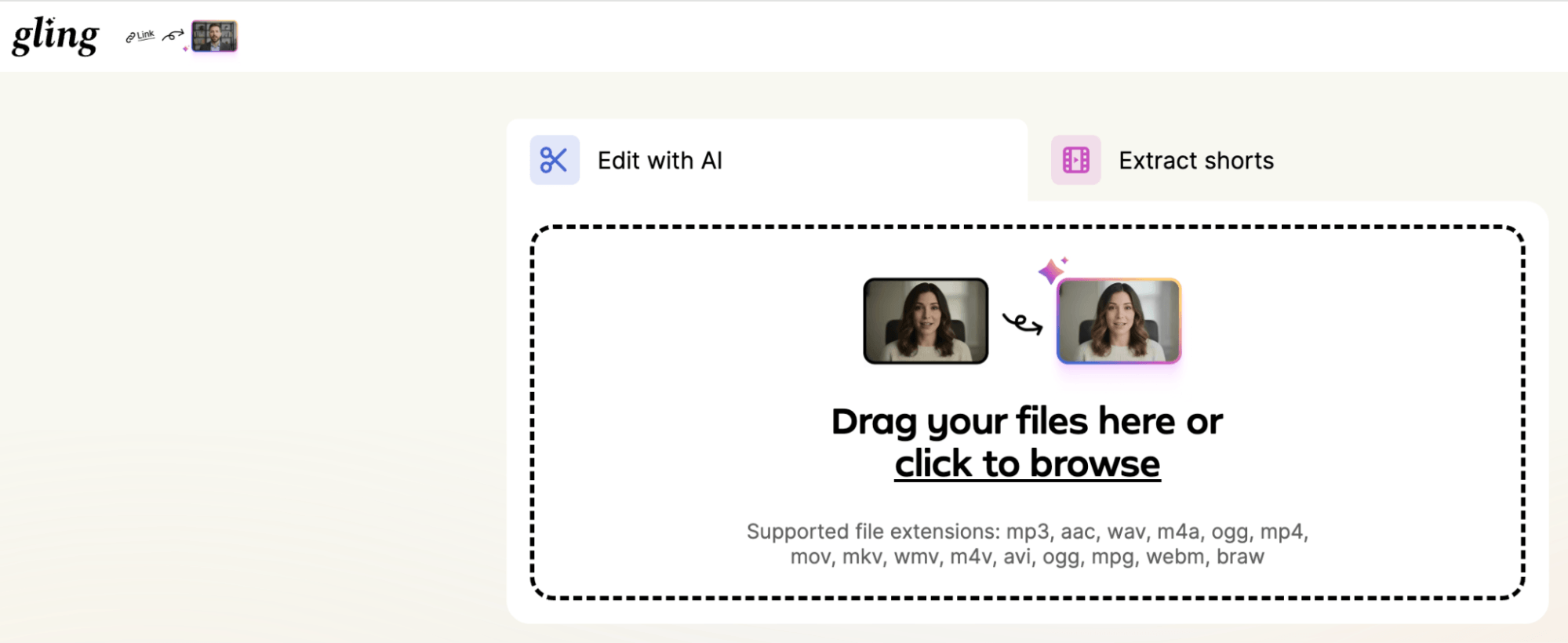
Gling: The Master of the Rough Cut
Gling is arguably the most impactful tool for any creator. It transcribes your footage and automatically flags "bad" segments—pauses, stutters, and retakes. You review the transcript, confirm the cuts with a click, and export. Because it is non-destructive, your edit decisions can be ported directly into professional software like Adobe Premiere or Final Cut Pro.
Descript: Precision Editing and Voice Synthesis
Descript treats video editing like a text document. Its standout feature is its voice-cloning technology. If you need to fix a misstated word, you simply type the correction into the transcript, and the AI replaces the audio and adjusts the lip movement.
Kling: Generating High-Fidelity B-Roll
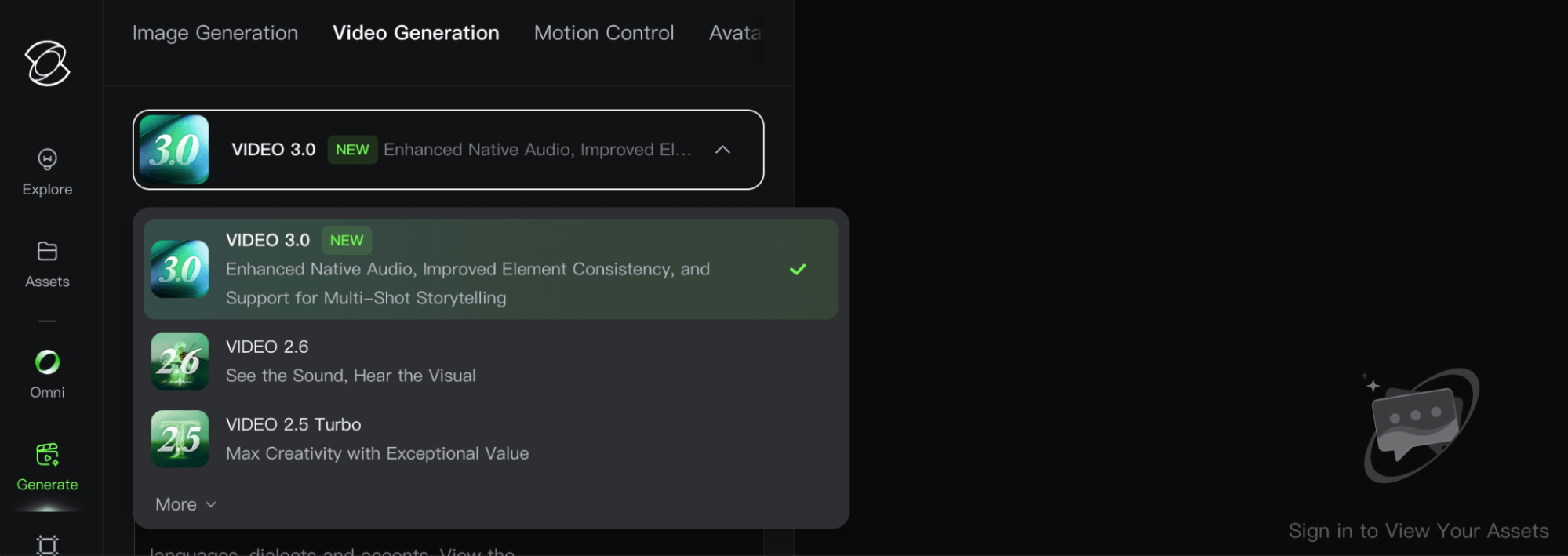
For those needing visual support, Kling provides an elite price-to-quality ratio. Whether using text-to-video or image-to-video, Kling allows you to generate specific visual elements—such as an eagle soaring or an animated graphic—that would be impossible to film yourself.
Adobe Podcast: The Audio Miracle
Adobe Podcast’s Enhanced Speech feature is the great equalizer. By stripping away background noise and adding professional vocal clarity, it allows creators to record in less-than-ideal environments (like a home office or a crowded cafe) without sacrificing quality.

ElevenLabs: Bespoke Audio Design
ElevenLabs solves the copyright problem. Instead of hunting for royalty-free music that everyone else is using, you can generate original, mood-specific backing tracks. Because the music is AI-generated, you avoid the dreaded YouTube Content ID strikes.
OpusClip: The Repurposing Engine
For creators focused on short-form content, OpusClip is the final piece of the puzzle. It analyzes a long video, identifies the most "viral" moments, crops them to 9:16 aspect ratio, and adds dynamic captions—all in about five minutes.
Implications for the Industry
The integration of these tools does not necessarily mark the end of the human editor. Rather, it marks the evolution of the role. Preece notes that for high-stakes projects, he still utilizes human editors; however, the nature of that human contribution has changed. The editor is no longer a "cutter," but a "creative director."
The "Speed-to-Market" Advantage
The primary implication of this workflow is a drastic increase in speed-to-market. In an era where trends move in days, not months, the ability to record, edit, and publish within a few hours is a competitive moat. Businesses that adopt these workflows can iterate faster, test more variables, and ultimately, find their audience-market fit much sooner than competitors tied to legacy workflows.
Democratization of Production
Perhaps the most profound implication is the democratization of professional-quality video. The "Hollywood-style" production value is now available to a solopreneur with a laptop and an internet connection. As these tools continue to mature, the barrier to entry will drop to near zero, shifting the competitive landscape from "who has the budget to produce" to "who has the most compelling message to share."
Conclusion: A New Frontier
The tools exist, the workflows are proven, and the time savings are documented. The transition to AI-assisted video editing is not merely a technical upgrade; it is a strategic necessity for any business looking to survive the attention economy. By embracing this stack, creators can stop struggling with the "how" of production and focus entirely on the "why"—the story, the message, and the connection with their audience.
As Greg Preece concludes, the future of content isn’t about having the best AI generator; it’s about having the most efficient, message-focused workflow. The era of the 20-hour edit is over. It is time to start creating.