In an era defined by an unprecedented deluge of data, the challenge is no longer accessing information, but rather making sense of it. We inhabit a world where the sum of human knowledge is just a click away, yet finding what is relevant, accurate, and actionable has become a profound struggle. This is where the discipline of Information Architecture (IA) emerges not merely as a technical necessity, but as a fundamental pillar of modern digital literacy and user experience.

As explored by industry practitioners, information architecture is the practice of categorizing and structuring data to foster meaning and usability. By examining the mechanics of how we organize digital landscapes—and the broader socio-political implications of the Information Age—we can better grasp why good IA is the antidote to the cognitive exhaustion of the 21st century.

Defining the Foundation: What is Information Architecture?
At its core, as defined by the Information Architecture Institute, IA is "the practice of deciding how to arrange the parts of something to be understandable." From a user experience (UX) perspective, this definition expands into a deep commitment to empathy. It requires designers to step into the shoes of the user, anticipating the problems they are trying to solve and presenting information in a logical, intuitive hierarchy.

Whether building a complex enterprise software suite or a simple mobile application, the design phase must prioritize the "why" and "how" of content organization. If a user feels as though they are drowning in data, it is a failure of architecture. A well-structured system provides a life raft, allowing users to locate specific information without unnecessary friction.
The Business Case for Clarity
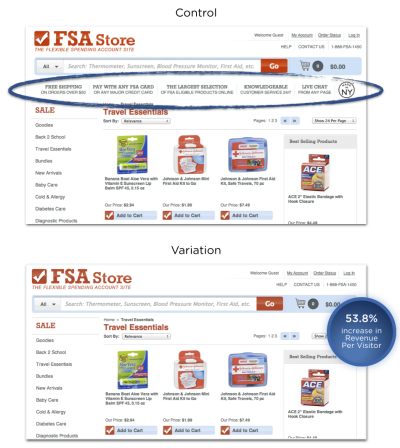
Effective information architecture is not just a user benefit; it is a financial imperative. When users struggle to navigate a site, they abandon it. Conversely, clear navigation leads to higher conversion rates. For instance, an A/B testing case study highlighted by Optimizely demonstrated that by streamlining navigation and removing superfluous elements between search bars and product listings, a company saw a 53.8% increase in revenue. This underscores a simple truth: if a user can find it, they are more likely to buy it.
The Tension Between Search and Navigation
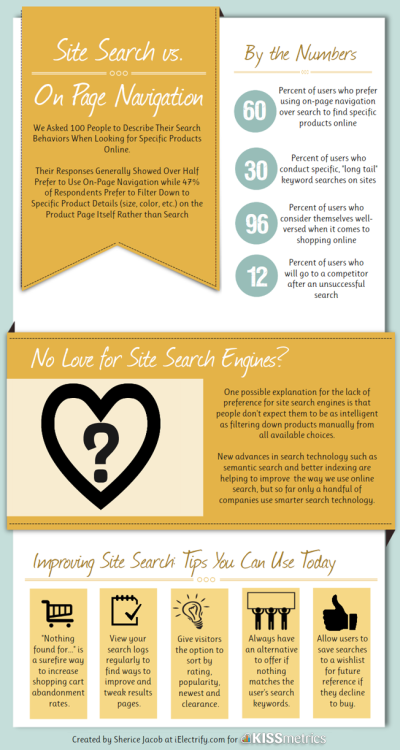
A perennial debate in UX design is the role of site search versus hierarchical navigation. Research spanning over two decades suggests that users fluctuate between these two methods, often depending on the complexity of the site.

- 1997: Jakob Nielsen’s early studies indicated that over 50% of users favored the search function.
- 2010–2012: Subsequent studies by Gerry McGovern and eConsultancy found that while navigation remains critical, roughly 30% to 40% of users consistently prefer search as their primary entry point.
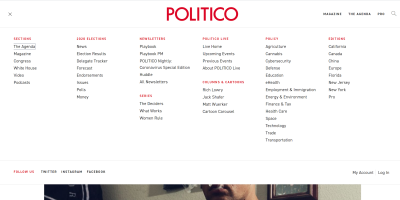
The data confirms that there is no "one size fits all." Rather, successful platforms—such as Politico or major e-commerce retailers—integrate both. They utilize "megamenus" for those who wish to browse by category, while maintaining robust, intelligent search functions for those who have a specific query in mind.

The Role of Metadata
When navigation fails to capture every synonym or nuance of a user’s intent, search becomes the savior. By utilizing metatags—hidden keywords attached to content—designers can bridge the gap. If a user searches for "hygienic soap" on a site that categorizes the product as "antibacterial hand wash," proper metadata ensures the user finds the correct item, regardless of the terminology used.
Testing the Architecture: Methods for Success
Good design is rarely a guessing game; it is an iterative process informed by data. To ensure an architecture is intuitive, practitioners rely on three key methodologies:

- Card Sorting: This involves having participants organize topics into categories that make sense to them. An "open card sort" allows for discovery of new mental models, while a "closed card sort" tests whether a predetermined structure resonates with the audience.
- Scenario Testing: Using wireframes or prototypes, designers observe users attempting to complete specific tasks. This reveals where the "path" breaks down and where users get lost.
- Tool-Based Validation: Platforms like Treejack allow designers to test a navigation structure in isolation, measuring success rates and the time taken to reach a target destination.
The Bigger Picture: Living in the Information Age
Moving beyond the technicalities of design, we must confront the broader context of the Information Age. We are in a period of unprecedented connectivity, where news is broadcast in real-time and personal libraries are virtually infinite. However, this vastness has a darker side.

The Power and Peril of Information
Information is, by nature, a neutral commodity. It is neither inherently good nor evil, but it is incredibly powerful. The tragic life and death of Aaron Swartz, the co-founder of Reddit and a champion for the "liberation" of academic information, serves as a poignant reminder of the tension between information access and institutional control. Swartz fought against censorship and corporate gatekeeping, arguing that information held behind firewalls is a barrier to human progress.

The Fragility of Truth
In the modern era, the speed at which information travels has changed the nature of global events. During the COVID-19 pandemic, we witnessed how quickly government policies shifted based on new, incoming data. In Australia, for example, the Prime Minister’s decision to pause non-elective surgeries was pivoted within hours after receiving updated information from the health sector. While this shows the benefit of responsive governance, it also highlights the dangers of conflicting data.
The rise of "fake news," politically motivated propaganda, and unfounded conspiracy theories has demonstrated that when the architecture of information is manipulated, public trust erodes. Information, when divorced from context or veracity, becomes a tool for confusion rather than enlightenment.

Implications for Data Security and Privacy
The accumulation of data brings significant responsibilities regarding security. The 2018 Facebook data breach and the massive 2017 Equifax incident—which exposed the personal data of 147 million Americans—are stark reminders of the consequences of poor information management.

Governments have responded accordingly. Today, 132 out of 194 countries have enacted legislation to protect the sharing of personal information without consent. This regulatory shift represents a global acknowledgment that our digital footprints are valuable, vulnerable, and must be treated with the same architectural rigor as the websites we build.

Conclusion: Designing for the Future
The discipline of information architecture is more than just organizing menus and buttons. It is a vital defense against the chaos of the Information Age. By creating clear, logical, and secure pathways, designers help users navigate the noise, find the truth, and protect their privacy.

As we continue to generate data at an exponential rate, the role of the information architect becomes increasingly central to the health of our digital society. We must continue to validate our sources, prioritize the user’s cognitive load, and remember that behind every navigation link and search result is a human being trying to make sense of a complex world. The foundation we build today will dictate how we perceive, share, and protect the collective knowledge of tomorrow.