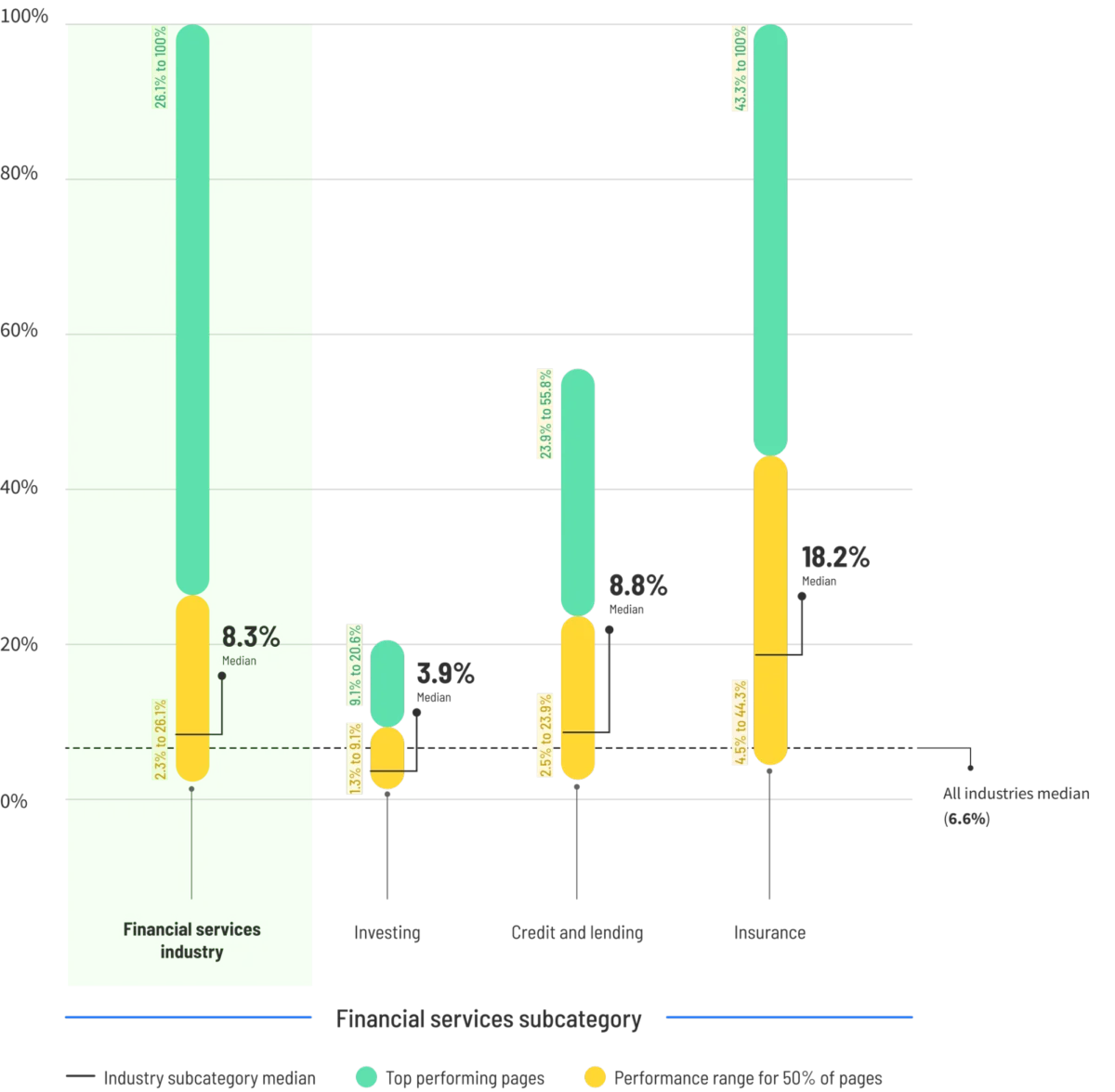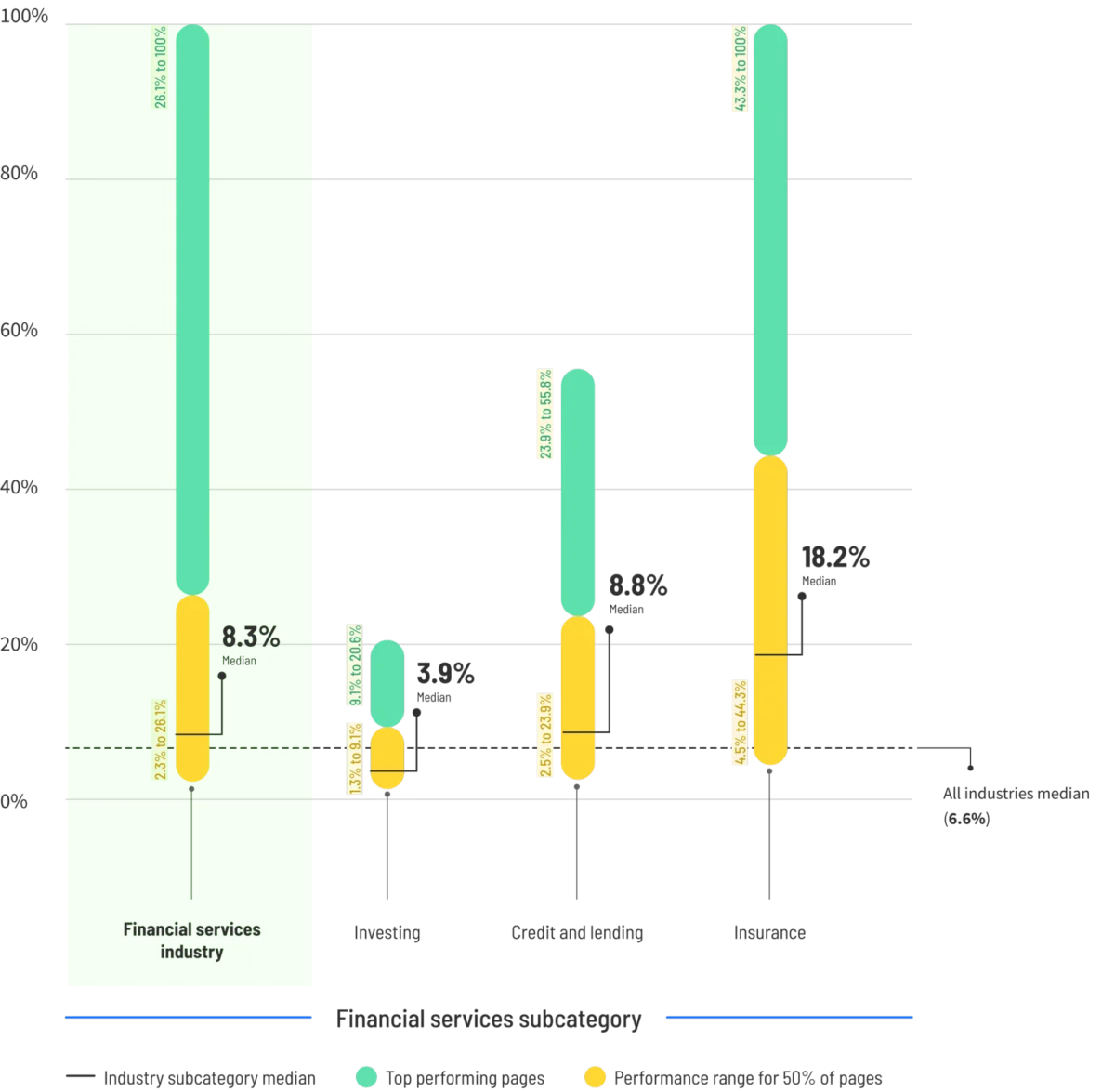
In the fast-paced world of digital marketing, the traditional "set-it-and-forget-it" approach to campaign management is rapidly becoming obsolete. Most marketers run an A/B test, celebrate a minor lift or mourn a flat result, and immediately move on to the next task. However, this fragmented approach misses the greatest opportunity in modern performance marketing: the compounding power of iterative testing.
Iterative testing is not merely a single experiment; it is a systematic, ongoing cycle of observation, hypothesis-driven testing, and refinement. By treating marketing assets—such as landing pages, email copy, and ad creatives—as living projects that evolve based on real-time data, teams can reduce wasted spend and achieve exponential growth.
The Core Philosophy: Why Iteration Outperforms "Home Runs"
Marketing teams are often under immense pressure to deliver "home runs"—massive, high-stakes campaign launches that promise overnight success. The reality, however, is that hitting for the fences leads to more strikeouts than victories.
Iterative testing advocates for a "base-hit" strategy. By focusing on small, incremental improvements, marketers can achieve consistent, compounding returns. This approach relies on the principle that small, evidence-based changes lead to higher user satisfaction and, ultimately, more predictable and sustainable ROI.
Faster Feedback Loops
Traditional testing cycles often span months, leaving teams waiting for data that may no longer be relevant by the time it arrives. An iterative model shrinks these feedback loops from quarters to days. By identifying what resonates with a target audience through rapid, small-scale experiments, marketers can pivot their strategies long before the bulk of their budget is exhausted.

Evidence-Based Budget Management
Marketing budgets are finite and precious. Iterative testing acts as a guardrail against inefficient spending. By validating hypotheses on small segments before rolling them out to a wider audience, marketers ensure that their resources are allocated only to high-performing tactics. This data-driven approach removes the guesswork from scaling, allowing for a more surgical application of budget.
Adapting to Fluid User Behavior
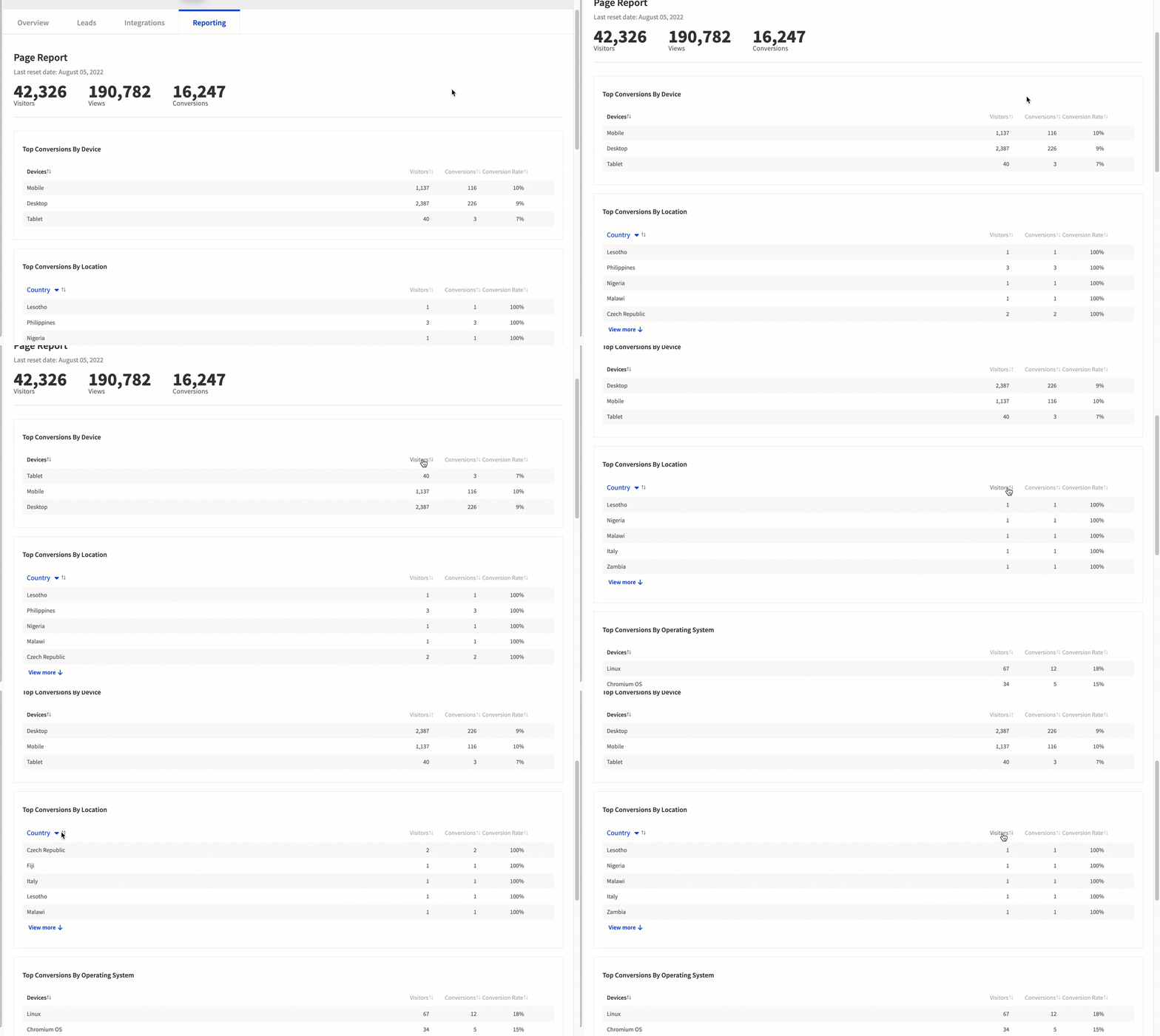
Consumer behavior is not static; it is influenced by macroeconomic trends, seasonal shifts, and evolving competitor strategies. Data from the 2024 Conversion Benchmark Report highlights this complexity, noting that while 83% of landing page visits occur on mobile devices, desktop experiences often convert 8% better. An iterative testing framework allows teams to detect these subtle shifts in real-time, enabling them to refine their messaging and design to meet the user exactly where they are.
The Step-by-Step Framework for Iterative Success
To implement iterative testing effectively, marketers must move away from the "test everything at once" mentality. Below is the essential process for executing high-impact, iterative experiments.
1. Defining a Focused Hypothesis
The most common failure in testing is the "everything-at-once" approach. When marketers change a headline, image, CTA, and form layout simultaneously, they create "noise" that makes it impossible to isolate the variable that actually moved the needle. A successful hypothesis must be laser-focused: "By changing the CTA from ‘Submit’ to ‘Get My Free Guide,’ we will increase conversions by 5% due to improved expectation setting."
2. Prioritizing via Impact vs. Effort
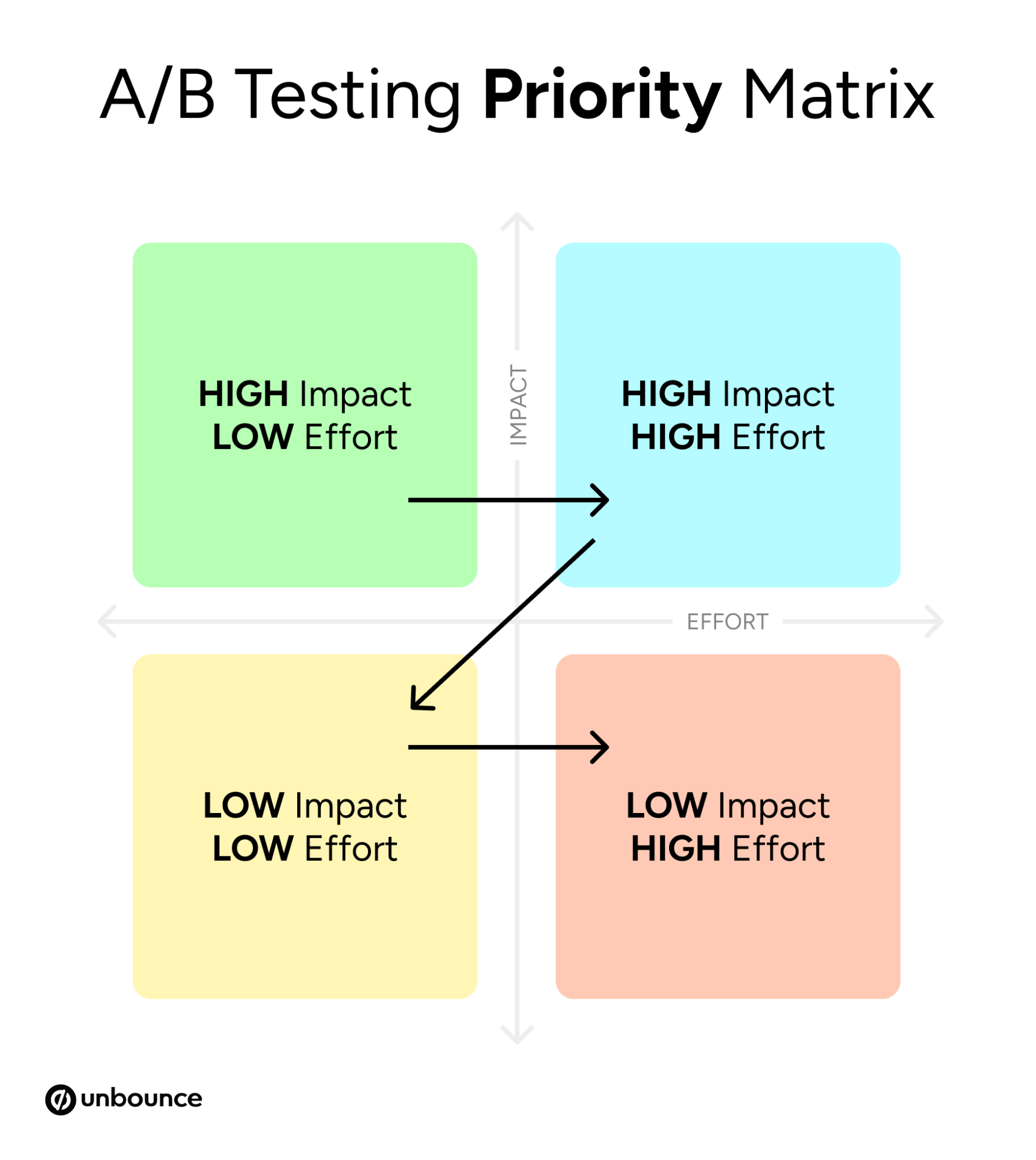
Not all tests are created equal. Marketers should utilize a 2×2 prioritization matrix to categorize tests by "Potential Impact" versus "Ease of Implementation." This allows teams to quickly secure "quick wins" that generate momentum and internal buy-in, while simultaneously planning for more complex, high-value experiments.

3. Constructing Minimal, Testable Variations
"Minimal" does not mean "insignificant." A test variant should be a clean, isolated version of the control that directly addresses the hypothesis. By using modern A/B testing platforms, teams can duplicate existing pages and implement specific changes—such as shifting a button color or simplifying a paragraph of text—without requiring extensive developer support.
4. Launching and Statistical Validation
A critical error in the testing process is cutting experiments short due to impatience. Statistical significance is the difference between a fluke and a scalable insight. Marketers must ensure they have a sufficient sample size to trust the results. While tools like Unbounce’s Smart Traffic can optimize with as few as 50 visits, larger tests generally require more data to reach a point of confidence where the results can be safely attributed to the change rather than chance.
5. Analyzing and Translating Data into Action
Data is meaningless without interpretation. When analyzing results, the goal is to look beyond "which variation won." Ask: Why did this win? Does it suggest a deeper preference for clarity over cleverness? Does it indicate that the audience is more price-sensitive than expected? These deeper insights become the foundation for the next round of testing.
Implications for Modern Organizations
The shift toward iterative testing has profound implications for organizational culture. It necessitates a move away from the fear of failure and toward a "learning-first" mindset.
The Value of "Failed" Tests
In an iterative environment, a "failed" test—one where the variation did not improve conversion—is not a waste of time. It is a valuable piece of data. Discovering what does not work is just as important as discovering what does. It narrows the focus and prevents the organization from repeating ineffective strategies, saving both time and money in the long run.
Breaking Down Silos
The most successful iterative programs are collaborative. By inviting feedback from customer support, sales, and product teams, marketing can generate testing hypotheses that solve real-world user pain points. For example, if the support team reports frequent questions about pricing, the marketing team can prioritize a test focused on pricing transparency. This cross-functional alignment ensures that testing is not just a marketing activity, but a business-wide effort to improve the customer experience.
Strategic Best Practices
To ensure a testing program remains effective over the long term, teams should adhere to three core principles:
- Prioritize Speed over Perfection: In a competitive digital landscape, being "directionally correct" today is often more valuable than being "perfectly accurate" in three months. Ship tests, gather data, and refine.
- Focus on Core Metrics: Avoid "analysis paralysis" by centering your reporting on 3–4 key performance indicators (KPIs) that are directly tied to revenue, such as Cost Per Acquisition (CPA), conversion rate, and lead quality.
- Build a Culture of Experimentation: Encourage team members at all levels to propose test ideas. When the entire team feels invested in the process, the number of creative hypotheses increases, leading to more robust testing pipelines.
Conclusion: The Path Forward
Iterative testing is not a destination; it is a permanent change in how marketers interact with their audience. By consistently testing, measuring, and refining, businesses can create a cycle of perpetual optimization that keeps them ahead of shifting consumer behaviors and market trends.
As tools become more sophisticated—using AI to help analyze performance or automate traffic distribution—the barrier to entry for effective testing continues to drop. However, the most important component remains the human element: the curiosity to ask "what if?" and the discipline to let the data provide the answer.
By committing to this cycle of constant improvement, marketing teams can transform their digital presence from a static asset into a dynamic growth engine that gets stronger with every single iteration. The future of marketing is not found in the perfect launch; it is found in the relentless, evidence-based pursuit of progress.