The COVID-19 pandemic acted as an unprecedented stress test for the global digital infrastructure. As physical storefronts shuttered and office environments migrated to living rooms, the reliance on digital services shifted from a matter of convenience to a matter of survival. For millions of people with disabilities, this rapid digital transformation presented both a precarious threat of exclusion and a profound opportunity for systemic change.
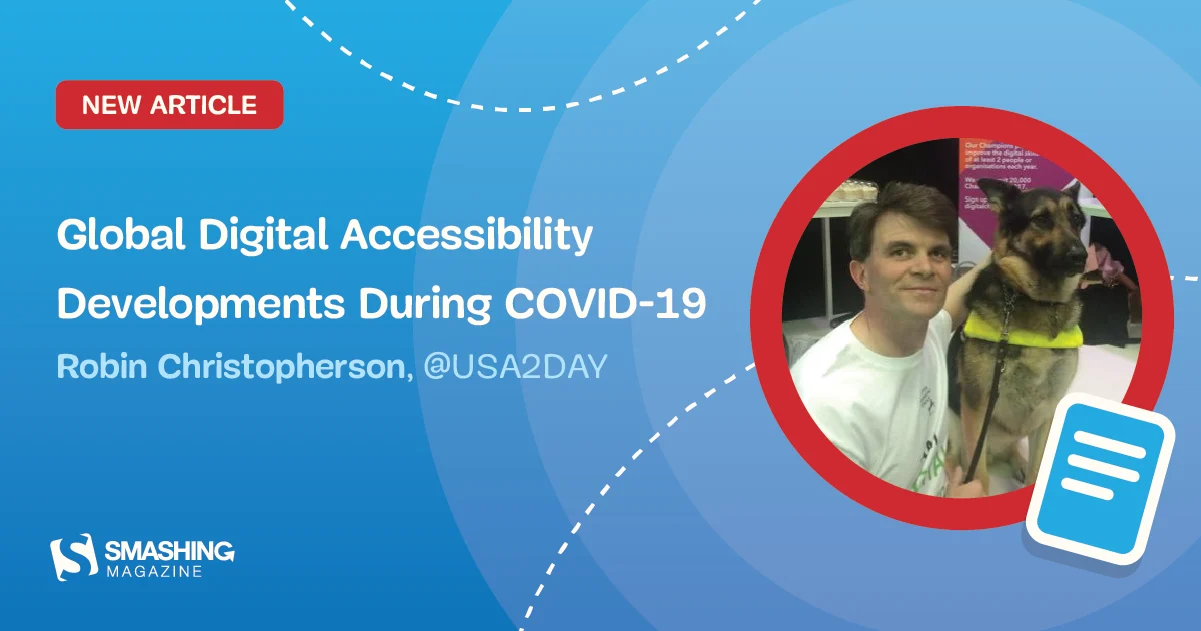
Robin Christopherson MBE, Head of Digital Inclusion at the UK-based tech consultancy AbilityNet, has spent the last several months facilitating a high-level discourse with global industry leaders. By convening executives from Microsoft, Barclays, ATOS, and Sainsbury’s, Christopherson has sought to document how the world’s most influential organizations are navigating the "new normal"—not merely as a period of crisis, but as a catalyst for a more inclusive future.
The Strategic Shift: Moving Beyond Compliance
For decades, digital accessibility—the practice of designing websites and software to be usable by people with all types of disabilities—was often relegated to a technical "check-box" exercise. However, the pandemic forced a paradigm shift. As Christopherson notes, the crisis brought the issue of digital equity into the boardroom, turning accessibility from a peripheral concern into a core pillar of operational resilience.

Jenny Lay-Flurrie (Microsoft)
At Microsoft, the commitment to digital inclusion is embedded at the C-suite level. As Chief Accessibility Officer, Jenny Lay-Flurrie brings not only corporate strategy but also "lived experience" to the role.
Lay-Flurrie, who is deaf, describes the lockdown period as a "humbling learning journey." For her, the sudden shift to remote work meant navigating a world where physical proximity—and therefore the presence of a sign language interpreter—was no longer an option. This forced Microsoft to innovate at speed. The company’s "Disability Answer Desk," a free support service, saw service volumes surge by 200 to 300 percent overnight.
The primary takeaway from Microsoft’s experience is that accessibility must be built into the foundation of a product, not retrofitted. Because Microsoft Teams was already designed with accessibility in mind, the company was able to rapidly deploy features like AI-powered captions. "If you put out something that’s inaccessible, the impact is far more profound," Lay-Flurrie warns. "You don’t have the ability to just grab a pair of eyes to help you understand a video if it doesn’t have captions."

Banking on Accessibility: The Barclays Approach
Financial services are the lifeblood of modern independence. For Paul Smyth, Head of Digital Accessibility at Barclays and an MBE recipient, the pandemic necessitated a reimagining of how a bank supports its most vulnerable customers.
Smyth argues that accessibility in customer service boils down to three core tenets: flexibility, choice, and personalization. During the height of the crisis, Barclays expanded these to include responsiveness and responsibility. When physical branches were inaccessible, the bank proactively reached out to disabled customers, offering fast-track phone support and launching initiatives like "Cash to the Doorstep" for those shielding.
"We ensured that the diverse voices of all employees were canvassed in terms of how and when they might return to the office," says Smyth, emphasizing that accessibility is as much about the workplace as it is about the product. By providing ergonomic equipment to all employees—not just those who requested it for a disability—Barclays discovered that scalable, inclusive solutions benefit the entire workforce.

Operational Resilience: The ATOS Perspective
Neil Milliken, Global Head of Accessibility at ATOS, points out that the transition to home working was not just a technological challenge, but a cultural one. "A lot of the stuff about working from home isn’t about the technology; it’s about trust," Milliken explains.
However, the "Zoom fatigue" phenomenon is not felt equally. Milliken highlights that for the neurodiverse community, the microsecond delays inherent in video conferencing can create significant cognitive strain. ATOS has countered this by championing a strategic, proactive approach to up-skilling. Through a consortium involving AbilityNet, Shell, and others, ATOS is pioneering a Level 4 Accessibility Apprenticeship. By "growing their own" accessibility experts, they are addressing a chronic skills shortage in the tech market.
Retail Inclusion: The Sainsbury’s Model
Bryn Anderson, an accessibility specialist at Sainsbury’s, observes that the pandemic brought accessibility to the top of the retail agenda. With 190,000 employees, the challenge for a retail giant is scale.

Sainsbury’s utilizes its "Enable Network"—a grassroots organization of disabled colleagues at every level of the business—to ensure that design decisions are grounded in reality. "You can talk theoretically about someone with a cognitive impairment," Anderson notes, "but when someone with dyslexia says, ‘I tried to do this on your application, and it does not work,’ that is where the real education happens."
Anderson also issues a stern warning against "band-aid" solutions. Many third-party providers claim to offer "100% compliance" through automated overlays, but these are often superficial and ineffective. "There is no shortcut to accessibility," he asserts. True inclusion requires a shift in the development lifecycle, moving away from "too many cooks" and toward a unified, inclusive design system like the one Sainsbury’s has built, known as "Luna."
Five Pillars for Digital Inclusion
For organizations looking to improve their digital footprint, the experts involved in this webinar series suggest five foundational steps:

- Keyboard-First Navigation: Ensure that every element of your website is navigable without a mouse. This is not only a legal requirement but a necessity for users with motor impairments or visual disabilities.
- Prioritize Contrast: Low contrast is the most common accessibility barrier. Use tools like the Tanaguru Contrast Finder or the Paciello Group’s Contrast Analyser during the design phase, not after the site is live.
- Automated Testing with Human Oversight: Use tools like WebAIM’s WAVE to catch technical errors, but recognize that automation can only identify a subset of issues. Manual testing by users with lived experience is non-negotiable.
- Transparent Accessibility Statements: A dedicated accessibility page shows accountability. It provides a bridge for users to report barriers and demonstrates that the organization is listening.
- Content Clarity: Use jargon-free language, meaningful headings, and bulleted lists. Content should be multi-modal—offering video, text, and simplified guides to accommodate diverse learning styles.
Implications for the Future
The consensus among these industry leaders is clear: the pandemic has irrevocably changed the landscape of digital accessibility. It has moved from a "nice-to-have" to a competitive advantage. Organizations that fail to embrace these changes risk losing a significant portion of their market—20% of the population—and failing their own employees.
As Robin Christopherson concludes, the "digital inclusion bonus" is tangible. When you design for the most vulnerable, you inevitably create a better, more intuitive experience for everyone. The question for business leaders is no longer whether they can afford to prioritize accessibility, but whether they can afford the cost of exclusion.
In an era where digital presence defines access to everything from food to finance, the work of AbilityNet and its partners provides a roadmap. By moving away from reactive, ad-hoc fixes and toward a systemic, top-down mandate for inclusion, companies can ensure they are not just surviving the digital age, but leading it with empathy and innovation.

For organizations looking to evaluate their current digital accessibility posture, AbilityNet offers comprehensive consultancy and audit services. For more information, visit AbilityNet.org.uk.