The COVID-19 pandemic acted as an unprecedented stress test for the global digital infrastructure. As society shifted overnight from physical interactions to a "remote-first" existence, the digital divide became a chasm. For millions of disabled individuals, the sudden reliance on technology was not merely a matter of convenience—it was a lifeline for survival, banking, employment, and social connection.
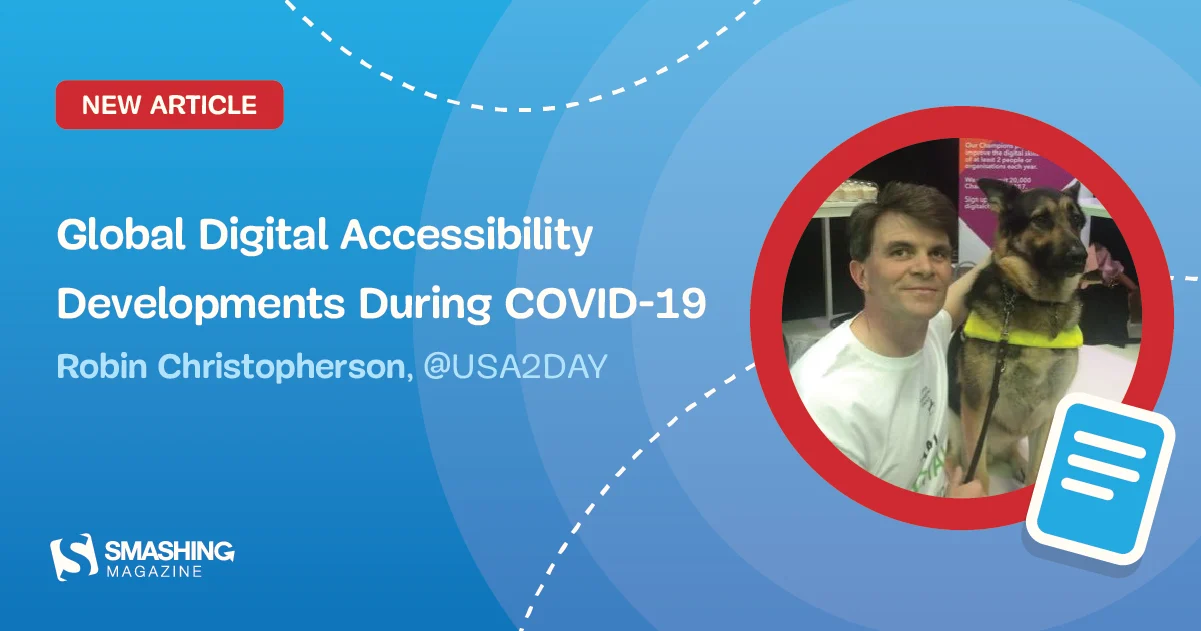
Robin Christopherson MBE, Head of Digital Inclusion at the UK-based tech consultancy AbilityNet, has been tracking this transformation through a series of high-level webinars. By engaging with accessibility leaders from titans such as Microsoft, Barclays, ATOS, and Sainsbury’s, Christopherson has mapped a new reality: accessibility is no longer a "nice-to-have" compliance checkbox; it is a fundamental business strategy.

The Catalyst: Why COVID-19 Changed the Accessibility Landscape
Before the pandemic, many organizations treated digital accessibility as a peripheral concern, often addressed through reactive, "band-aid" solutions. The lockdown period shattered this approach. When physical support networks were removed, digital tools became the only gateway to essential services.
The primary lesson from this crisis is that accessibility drives innovation. When companies prioritize inclusive design, they inherently create products that are more intuitive, efficient, and user-friendly for everyone. As the world emerges from the pandemic, the "new normal" is defined by a permanent reliance on digital platforms, making the lessons learned during this period critical for long-term organizational survival.

Chronology of Adaptation: From Emergency Response to Strategic Shift
The transition to remote work and digital-only service delivery followed a predictable, yet intense, trajectory:
- The Immediate Pivot (Q1 2020): Organizations scrambled to enable remote working. Companies that had already invested in accessible infrastructure, such as Microsoft with its Teams platform, found they could pivot almost instantaneously.
- The Surge in Demand (Q2 2020): Customer support channels for disabled users, such as Microsoft’s Disability Answer Desk, saw volumes spike by 200% to 300% overnight.
- Refining the Ecosystem (Q3 2020 – 2021): Businesses began moving from emergency patches to systemic improvements. This included the rollout of "Cash to the Doorstep" initiatives by banks and the integration of AI-powered captioning in video conferencing.
- The Legacy Phase (Present): A permanent shift in mindset has occurred. Leadership teams are now integrating accessibility into the core development lifecycle, moving away from "retrofitting" existing products.
Expert Perspectives: Lessons from the Frontline
Microsoft: Scaling Accessibility Through Lived Experience
Jenny Lay-Flurrie, Chief Accessibility Officer at Microsoft, argues that the pandemic highlighted the "humbling" necessity of access. As a deaf professional, Lay-Flurrie noted that the sudden lack of physical interpreters forced a rapid evolution in remote workflows. Microsoft’s success was rooted in a 20-year history of accessibility, which allowed the company to scale features like AI-powered captions without delay. The key takeaway? Accessibility must be led by those with "lived experience" to ensure that solutions actually solve real-world problems.

Barclays: Flexibility and Empathy in Banking
Paul Smyth, Head of Digital Accessibility at Barclays, emphasized that in times of crisis, brands must be "responsive and responsible." Barclays proactively reached out to vulnerable customers, fast-tracking them through phone banking and providing contactless wearables to ensure that shielding customers could access essentials without sharing physical cards. This proactive outreach demonstrated that accessibility is as much about human-centric policy as it is about software code.
ATOS: The Psychology of Remote Inclusion
Neil Milliken, Global Head of Accessibility at ATOS, points out that true flexibility is rooted in trust rather than just technology. He warns against "Zoom fatigue," noting that for the neurodiverse community, the cognitive load of video conferencing is significantly higher. ATOS has countered this by focusing on up-skilling through professional accessibility certifications, ensuring that their workforce understands the nuances of inclusive design rather than relying solely on automated checkers.

Sainsbury’s: The Power of Grassroots Networks
Bryn Anderson, an accessibility specialist at Sainsbury’s, highlights the importance of the "Enable Network"—a grassroots organization of employees with disabilities. By connecting logistics staff with software designers, Sainsbury’s ensured that their digital products were tested by the people who actually rely on them. Anderson warns against the "100% compliance" myth, noting that automated tools are merely the beginning; there is no substitute for human testing and a culture of continuous education.
Supporting Data: The Case for Inclusion
The data emerging from this period provides a compelling business case for accessibility:

- Engagement Metrics: Sainsbury’s reported that even before the pandemic, a significant portion of their mobile traffic utilized accessibility features like font scaling, with usage increasing as the pandemic progressed.
- Volume Scalability: Microsoft’s experience proves that accessible platforms handle spikes in user volume more efficiently, as inclusive design often simplifies the overall user journey for all customers.
- Workforce Efficiency: Barclays observed that providing assistive technology to disabled employees—and then scaling those solutions to the wider workforce—resulted in a more ergonomic and productive environment for all staff.
Implications for the Future: Building a Resilient Digital Culture
The overarching implication of these findings is that organizations must abandon the "isolated team" model. Digital inclusion should not be the sole responsibility of a single department; it must be a cross-functional mandate that touches every stage of the product lifecycle.
The Five Pillars of Future-Proofing
Based on the expert consensus, organizations should adopt the following framework:

- Keyboard-First Design: If a site is not navigable via a keyboard, it is not accessible. This remains the most fundamental test of digital integrity.
- Rigorous Contrast Standards: Low contrast is a barrier for millions. Implementing automated testing tools early in the design phase prevents costly redesigns later.
- Human-Led Auditing: Automated checkers are useful for "top-of-the-funnel" issues, but they cannot replace the nuanced feedback of users with disabilities.
- Formalized Accessibility Statements: Transparency is a virtue. An accessibility page should clearly state the company’s commitment and provide a direct channel for user feedback.
- Content Clarity: Accessibility is not just about code; it is about language. Avoiding jargon and using structured, logical formatting ensures that information is available to the broadest possible audience.
Conclusion: The Choice Between Retrofitting and Pioneering
The COVID-19 pandemic did not create the digital divide, but it certainly made it impossible to ignore. Organizations now face a binary choice: they can continue to view accessibility as a reactive burden—a series of "patches" applied after a problem is reported—or they can view it as a cornerstone of modern digital innovation.
The "big brands" highlighted in this report have demonstrated that the most inclusive organizations are also the most resilient. By fostering a culture where diverse voices are not only heard but actively integrated into the design process, these companies have turned a global crisis into a blueprint for a more accessible future.

For the majority of organizations that are currently failing to meet legal compliance, the path forward is clear: start with the basics, empower your disabled employees, and move away from the "guerrilla-style" of accessibility. The goal is not merely to meet the requirements of the Equality Act 2010; it is to build a digital world where "inclusion" is not a target to be met, but the standard upon which all future technology is built.
As Robin Christopherson notes, for the disabled community, these digital services are not optional—they are the fabric of modern life. By investing in accessibility today, companies are not just improving their websites; they are ensuring that no user is left behind in the next wave of global change.