In the high-stakes, hyper-competitive landscape of modern e-commerce, digital marketers and founders constantly grapple with a single, overriding objective: driving immediate revenue. When traffic is plateauing and inventory needs to move, the reflex action for many brands is swift and predictable. You drop a discount code into an email broadcast, hit send, and watch the dashboard light up.
Open rates jump, click-through rates surge, and orders roll in. For a brief moment, the strategy feels like an undeniable success.
However, beneath the dopamine rush of a sudden sales spike lies a perilous trap. Every time an online retailer relies on blanket discounts to stimulate purchases, they are subtly conditioning their customer base to expect—and wait for—the next markdown. Over time, this transactional loop eats away at profit margins, diminishes brand equity, and strips away the perceived value of premium products.
Navigating the delicate equilibrium between driving conversion urgency and protecting profitability has become one of the defining challenges for modern direct-to-consumer (DTC) brands. The smartest companies have abandoned the race to the bottom, adopting sophisticated frameworks that create irresistible email offers while fiercely guarding their bottom lines.
1. Main Facts: The Double-Edged Sword of Discounting
The core mechanics of a digital discount are rooted deeply in behavioral psychology. When consumers encounter a limited-time offer, their brains release dopamine triggered by a potent mix of scarcity, urgency, and reward bias. A compelling "24-Hour Flash Sale" often outperforms a carefully crafted, narrative-driven product story because it demands immediate cognitive closure.
- The Immediate Benefit: Short-term cash flow injection, rapid inventory turnover, and a temporary spike in customer acquisition metrics.
- The Hidden Cost: Long-term brand devaluation, trained cart abandonment (waiting for sales), and an erosion of baseline profit margins.
- The Strategic Shift: Moving away from continuous price cuts toward value-additive offers that leverage exclusivity, bundling, and relationship-building.
Industry veterans understand that a discount should never serve as the entire brand narrative. Instead, smart founders utilize price-offs strictly as hooks for larger marketing milestones—such as a major product launch, a seasonal collection drop, or a brand anniversary—ensuring there is a strategic roadmap in place for what happens after the sale concludes.
2. Chronology: The Evolution of E-Commerce Promotion
To understand how the digital retail ecosystem arrived at its current reliance on aggressive discounting, it is helpful to trace the evolution of promotional strategies over the past two decades.
- Early 2000s (The Wild West of E-Commerce): As online shopping gained mainstream traction, basic promotional codes became a novelty. Simply offering free shipping or a 10% sign-up incentive was enough to secure a competitive edge and build early digital loyalty.
- The 2010s (The Rise of Flash Sales and Aggregators): The explosion of social media advertising and venture-backed e-commerce startups ushered in an era of hyper-growth at all costs. Flash-sale sites and relentless holiday blitzes (Black Friday stretching into weeks-long events) trained consumers to expect constant markdowns.
- The Late 2010s to 2020s (Margin Squeeze and Privacy Shifts): As customer acquisition costs (CAC) soared—accelerated by privacy updates like Apple’s App Tracking Transparency—relying on cheap ad-driven traffic paired with deep discounts stopped working. Brands realized their unit economics were unsustainable.
- The Present Day (The Value-First Era): Modern e-commerce has pivoted toward retention economics and customer lifetime value (LTV). Brands are moving away from brute-force discounting, adopting nuanced "Give and Take" email frameworks that foster genuine community and brand loyalty.
3. Supporting Data: The Psychology and Economics of Retention
While specific revenue impacts vary across verticals, industry research consistently highlights the financial danger of continuous markdowns.
According to retail analytics data:
- Customer Acquisition vs. Retention: Acquiring a new customer can cost anywhere from five to seven times more than retaining an existing one. Yet, discount-heavy acquisition strategies often attract transactional bargain-hunters who exhibit the lowest long-term retention rates.
- The Discount Fatigue Index: Studies show that brands running promotions in more than 50% of their email communications experience a steady decline in open-rate engagement over a 12-month period, as subscribers learn to ignore non-urgent, promotional clutter.
- Perceived Value Shift: Research into consumer behavior indicates that once a product is repeatedly discounted by 25% or more, its baseline reference price in the mind of the consumer permanently shifts downward. Convincing that same buyer to pay full price later becomes exponentially more difficult.
By analyzing these metrics, data-driven marketers have concluded that email marketing must evolve from a megaphone for clearance items into a sophisticated loyalty engine.
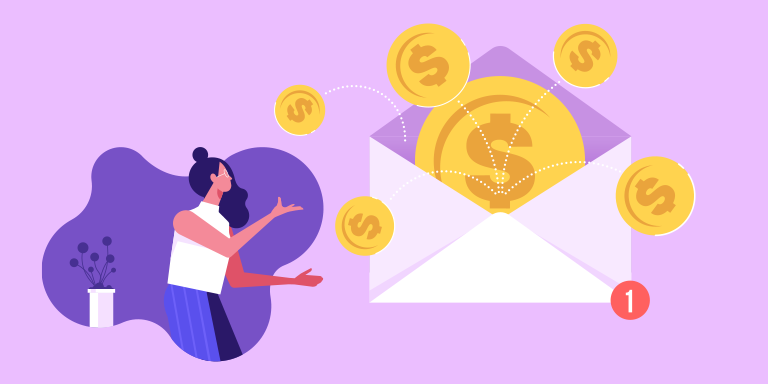
4. Official Perspectives: Insights from E-Commerce and Retention Experts
Industry leaders and retention architects emphasize that sustainable growth requires a foundational shift in how brands perceive the inbox.
"A sale isn’t just about selling. It’s about learning," notes a leading retention strategist. "Your promotional periods should tell you something vital about your audience. Which product bundles sparked the most conversation? Which segments woke up after months of inactivity? When you treat a sale as a data-gathering exercise rather than a desperate cash grab, everything changes."
Marketing infrastructure providers echo this sentiment, stressing that modern email automation allows for hyper-segmentation that makes blanket discounts obsolete. Instead of broadcasting a generic 20% off coupon to an entire list of 100,000 subscribers, forward-thinking brands use behavioral triggers to deliver tailored, high-value incentives only to those segments where margin protection is less threatened, such as loyal VIP tiers or lapsed buyers primed for re-engagement.
Furthermore, platforms built specifically for modern e-commerce—such as Omnisend—have tailored their toolsets to help founders automate these complex, relationship-driven workflows. By combining advanced segmentation, predictive analytics, and multichannel messaging, brands can deploy targeted offers that feel personal and generous without sacrificing profitability.
5. Implications: How to Build Offers That Protect Your Margins
Transitioning away from a discount-heavy email strategy requires a structural overhaul of your promotional calendar. To protect your bottom line while keeping your subscriber base engaged, e-commerce brands are adopting several innovative frameworks:
The "Give and Take" Theory
Maintaining momentum between sales without constantly lowering prices relies on balancing your communication.
- "Give" Emails: These are your relationship builders. They deliver unvarnished utility, entertainment, or inspiration—behind-the-scenes content on a new product design, educational guides on how to maximize your product’s lifespan, or compelling brand storytelling. They build trust.
- "Take" Emails: These are your direct calls to action—product launches, limited-edition bundles, or rare flash sales. These spikes in revenue only succeed if they are supported by a substantial reserve of goodwill built up through your "Give" emails.
Redefining "Value" Beyond Price Cuts
An effective offer does not have to eat into your unit margins. By shifting the focus to perceived value, you can make an offer feel deeply generous while keeping your pricing intact:
- Exclusive Access: Offering VIP subscribers early access to a new collection 24 hours before the general public costs you nothing in margin, yet creates immense psychological value and exclusivity.
- Strategic Bundling: Grouping complementary slow-moving items with high-margin bestsellers increases Average Order Value (AOV) while clearing inventory efficiently, masking the perceived discount within a larger, high-value package.
- Gifts with Purchase (GWP): Instead of slashing the price of a flagship item by 20%, include a low-cost, high-margin accessory or sample for free. The customer experiences the joy of getting something extra, while your core product’s retail price remains untainted.
- Loyalty Perks and Points Multipliers: Double-point events for loyalty program members incentivize purchasing behavior while tying future value back into your ecosystem, rather than handing out immediate cash discounts.
Conclusion
Ultimately, promotional offers remain one of the most potent tools in a digital marketer’s arsenal. When deployed with precision, they generate vital urgency, capture attention, and compel audiences to act immediately. However, treating the email inbox as a perpetual clearance rack ultimately trains your customers to devalue your brand.
By implementing a strategic framework anchored in the Give and Take theory, rethinking how you define value, and utilizing advanced e-commerce automation platforms, brands can strike the ultimate balance: sending emails that captivate, convert, and protect the bottom line for the long haul.