By the Editorial Desk
Published: UX & Consumer Psychology Review
Main Facts
The Fear of Missing Out—universally abbreviated as FOMO—has long served as a potent psychological catalyst in digital marketing. Defined academically as a "pervasive apprehension that others might be having rewarding experiences from which one is absent," FOMO drives consumers to continually connect, engage, and purchase. However, traditional implementations of this strategy have relied heavily on manipulation, false scarcity, aggressive countdown timers, and deceptive promotional messaging.
Recent regulatory interventions, such as crackdowns by consumer protection watchdogs like the UK’s Competition and Markets Authority (CMA) against misleading hotel-booking sites, highlight the mounting backlash against predatory urgency tactics. In response, digital strategists and UX designers are pioneering a shift away from anxiety-inducing paradigms. Authored by industry experts like Suzanna Scacca, contemporary UX discourse suggests stripping the "fear" out of FOMO, transforming it from a tool of coercion into a framework of gentle, ethical encouragement. By utilizing transparent inventory indicators, rewarding loyal users, encouraging authentic peer recommendations, and grounding visual assets in reality, brands can foster sustainable consumer engagement without sacrificing user trust or mental well-being.

Chronology: From Coercive Tactics to Ethical UX
The trajectory of FOMO in digital commerce has undergone distinct evolutionary phases over the past decade:
- 2013 (The Academic Baseline): Researchers formalized the psychological parameters of FOMO in a landmark study (Motivational, emotional, and behavioral correlates of fear of missing out). The report established a direct correlation between high FOMO levels and decreased life satisfaction, negative moods, and impaired need satisfaction.
- The Mid-2010s (The Era of Aggressive Conversion): E-commerce platforms and SaaS providers heavily adopted aggressive scarcity techniques. Websites flooded interfaces with frantic, high-contrast countdown timers, flashing red banners ("24-Hour Sale!"), and unverified stock-level warnings designed to induce panic and fast-track checkouts.
- Late 2010s to 2019 (Regulatory Pushback): Regulatory bodies began clamping down on dark patterns. Most notably, the CMA targeted deceptive discount practices and urgency claims in the travel and hospitality sector. Concurrently, UX researchers began drawing attention to the "paradox of choice," noting that heightened stress directly correlated with decision fatigue, cart abandonment, and post-purchase regret.
- The Modern Paradigm (Ethical Integration): Designers began decoupling "missing out" from anxiety. Forward-thinking companies abandoned fake countdowns in favor of subtle availability cues, user-generated inspiration, and transparent reward tickers—paving the way for long-term customer loyalty over short-term manipulative gains.
Supporting Data and Psychological Insights
Understanding why ethical (F)OMO works requires examining consumer behavior data and empirical studies on decision-making:

- The Information Cascade: According to Paul Messinger, a business professor and researcher at the University of Alberta, displaying sold-out product variations triggers an "information cascade." When customers notice an item has sold out, they infer that the product is objectively high-quality. This scarcity does not deter them entirely; instead, it frequently redirects their purchasing intent toward alternative, available variations of the product.
- The Toll of Choice Overload: Inducing chronic stress through aggressive sales messaging backfires by exacerbating analysis paralysis. When cognitive load spikes, consumers frequently choose inaction over a stressful purchase, leading to lost conversions and damaged brand equity.
- The Mental Health Impact: Analyst Lucie Greene notes a rising consumer awareness regarding how influencer culture and artificial scarcity impact mental well-being, driving compulsive consumption and isolation. Modern digital architecture must respect these boundaries to maintain brand trust.
Official Responses and Industry Precedents
Major consumer brands across various sectors have organically transitioned toward these ethical frameworks, demonstrating that profitability and empathy are not mutually exclusive.
1. Gentle Reminders of Limited Availability (Best Buy & Hulu)
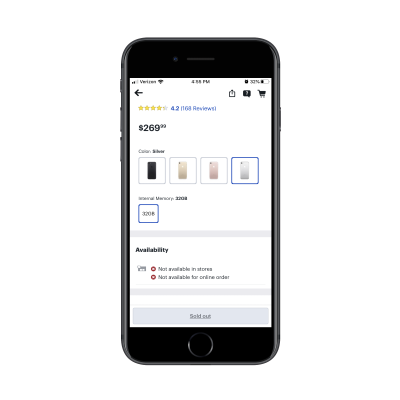
Instead of screaming banners, brands are opting for contextual transparency. Best Buy dedicates specific inventory sections on product pages to clearly outline in-store versus online stock availability. This allows customers with specific configuration preferences (such as color or memory size) to make informed choices without feeling manipulated.

Similarly, streaming giant Hulu features a dedicated "Expiring" tab. This minimalist approach organizes content nearing its removal date, helping users navigate choice overload while motivating them to watch shows before they disappear from the queue.
2. Highlighting Member Rewards (Gap & Hotels.com)
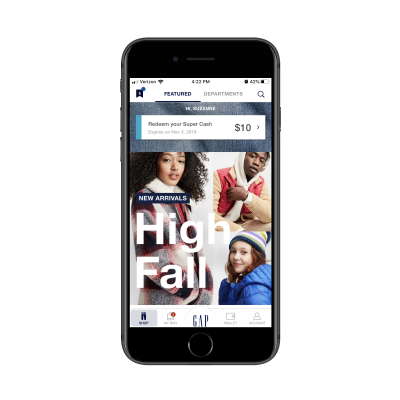
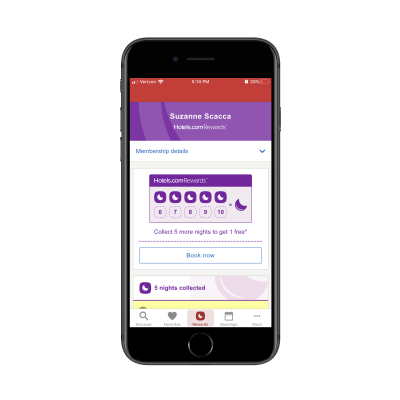
Targeting loyal customers through active account engagement yields better results than broadcasting generic discounts to cold traffic. Gap utilizes a subtle, pulsing blue notification dot in the application corner to remind users of unspent "Super Cash" balances prior to checkout. Hotels.com employs a dedicated "Rewards" tab, allowing travelers to track their progress toward a free night. These features tap into natural curiosity and the desire to maximize earned benefits without inducing panic.
3. Fostering Peer-to-Peer Advocacy (Airbnb & 23andMe)
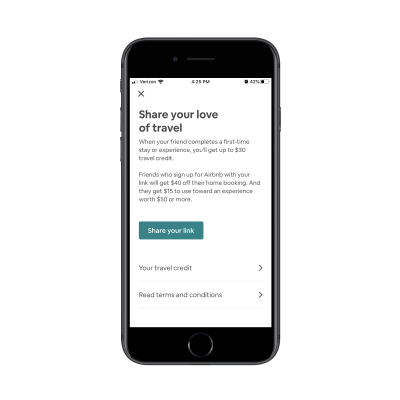
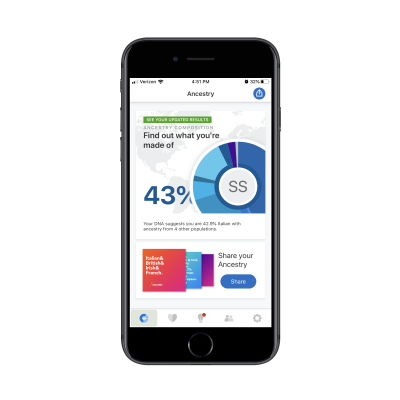
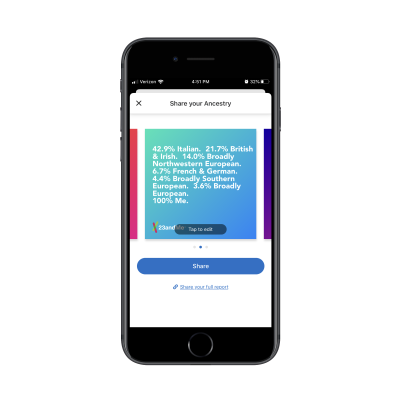
Brand-manufactured urgency often suffers from a trust deficit. Platforms like Airbnb and 23andMe circumvent this by empowering users to generate organic social proof. Airbnb’s referral program rewards both parties with travel credits while encouraging users to share genuine personal experiences (e.g., booking a holiday home). Likewise, 23andMe generates personalized, shareable ancestry breakdown cards for social media. When recommendations come from trusted friends rather than corporate marketing departments, the resulting FOMO is authentic and well-received.
4. Grounded Visuals vs. The "Fyre Festival" Illusion
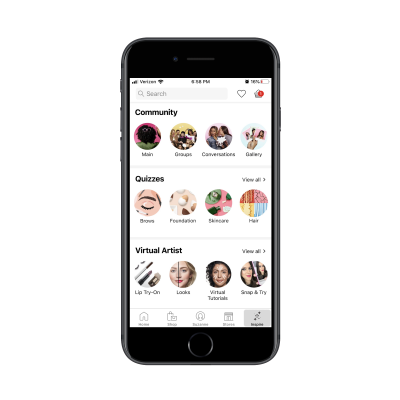
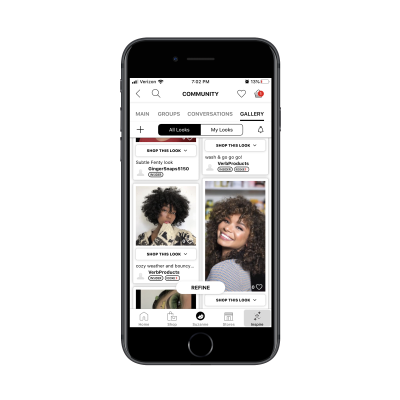
The fallout from deceptive lifestyle marketing—epitomized by events like the Fyre Festival and hyper-curated influencer streams—has exhausted modern consumers. In response, brands like Sephora and The Inner Circle utilize grounded imagery. Sephora features an "Inspire" community gallery populated with real-user photos rather than unattainable, exotic lifestyle shoots. Similarly, the luxury dating app The Inner Circle portrays real-world, accessible dates (such as hanging out in a park) rather than hyper-exclusive, unattainable fantasies. These grounded visuals prove that even premium brands can build desire through authenticity.
Implications for Future Digital Design
The transition from manipulative FOMO to responsible UX design carries profound implications for the digital landscape:
- Prioritizing Long-Term Retention Over Short-Term Conversions: While dark patterns and aggressive countdowns might spike initial click-through rates, they inherently erode customer trust. Ethical design acknowledges that an application’s ultimate metric of success is sustained customer lifetime value and brand loyalty.
- Reducing Cognitive Friction: By stripping away manufactured stress, designers create cleaner, more intuitive user journeys. Respecting the user’s mental bandwidth decreases cart abandonment caused by decision fatigue.
- The New Standard of Authenticity: As consumers grow increasingly sophisticated and weary of digital deception, transparency has become a competitive advantage. Brands that adopt honest inventory management, clear reward tracking, and user-driven social proof will capture the resilient loyalty of modern digital consumers.
Ultimately, the lesson for web and app designers is clear: you do not need to terrify your audience to make them care. By practicing responsible (F)OMO, digital experiences can successfully inspire, motivate, and convert without compromising consumer trust.