The digital marketing landscape is undergoing a rapid, algorithmic transformation. Platforms are shifting away from traditional chronological feeds and rigid keyword targeting, favoring instead algorithm-driven content recommendations, behavioral psychology, and sophisticated artificial intelligence. For marketers, content creators, and community managers, keeping pace with these changes is no longer optional—it is a prerequisite for survival and growth.
This comprehensive briefing breaks down the most critical insights, strategic updates, and platform developments shaping the industry today, providing a roadmap to navigate the shifting digital ecosystem.
Main Facts: Key Industry Shifts and Platform Updates
The modern digital ecosystem is defined by three overarching trends: the integration of advanced AI tools for platform management and content optimization, the convergence of social media data with programmatic advertising channels, and a strategic pivot toward psychological frameworks in ad creative.
- AI-Driven Community Management: Meta has significantly upgraded Forum, its dedicated Facebook Groups application, introducing advanced AI moderation and automation tools designed to minimize administrative friction and scale engagement.
- B2B Connected TV Expansion: LinkedIn has broken new ground by opening its Connected TV (CTV) advertising inventory to programmatic buyers through Google’s Display & Video 360, combining professional B2B audience data with massive streaming reach.
- Granular Meta Ad Customization: Advertisers on Meta can now execute creative-level audience selection, specifying age and demographic targeting for individual images or videos within a single ad set.
- Reddit Ad Suite Enhancements: Reddit is rolling out its Campaign Planner, performance optimization scoring, and automated budget allocation tools to simplify media planning and maximize return on ad spend.
- Enhanced Creator Protection: YouTube has deployed automated security protocols to instantly pause publishing and management functions on potentially compromised channels, protecting creators from malicious takeovers.
- Strategic Content Recycling: Industry experts emphasize that updating aging, authoritative content is often a faster, more effective way to recapture search engine traffic than constantly producing new assets from scratch.
Chronology: A Week of Rapid Digital Evolution
The past week has seen a flurry of platform rollouts, strategic content insights, and infrastructural updates designed to give brands more control while tightening platform security.

- Mid-October 2026: Meta rolls out creative-level audience selection capabilities, allowing brands to tailor specific visual assets to distinct demographic targets without spinning up separate ad sets. Simultaneously, Meta expands its dedicated Forum application with robust AI moderation features and shared scheduling tools.
- Late October 2026: Reddit initiates the rollout of its comprehensive campaign planning tools, optimization scores, and automated budget reallocation features across multiple advertising objectives.
- Concurrent Developments: YouTube implements its automated temporary feature pause safeguard to protect creators facing suspicious login activity or potential hacking attempts.
- Strategic Discourse: At prominent industry gatherings, marketing leaders like Melanie Deziel highlight the compounding SEO value of content refreshes, while behavioral analysts such as Sarah Levinger dissect the emotional and psychological mechanisms required to win on algorithm-driven social feeds.
Supporting Data and Strategic Frameworks
To cut through the noise of modern algorithms, marketers must rely on data-backed frameworks and psychological principles rather than guesswork.
The SEO Economics of Content Refreshes
According to insights shared by content expert Melanie Deziel, the primary casualty of aging digital content is relevance, not authority. Over time, search engines gradually discount the topical timeliness of older web pages. However, those same pages retain the domain authority, backlink profiles, and historical trust they earned over months or years.
By strategically updating outdated statistics, expanding thin sections, and re-optimizing on-page elements, marketers can restore a piece’s relevance. Search engines quickly recognize this renewed timeliness, often restoring or elevating the content’s previous search rankings with a fraction of the resource investment required to build a new piece from scratch.
Behavioral Science in Social Advertising
Consumer feeds are no longer dictated purely by chronological follows or direct searches; algorithms now prioritize what content captures immediate attention and sustained engagement. Sarah Levinger, founder of Tether Insights, advocates for a behavioral-science-first approach to social ad creation:
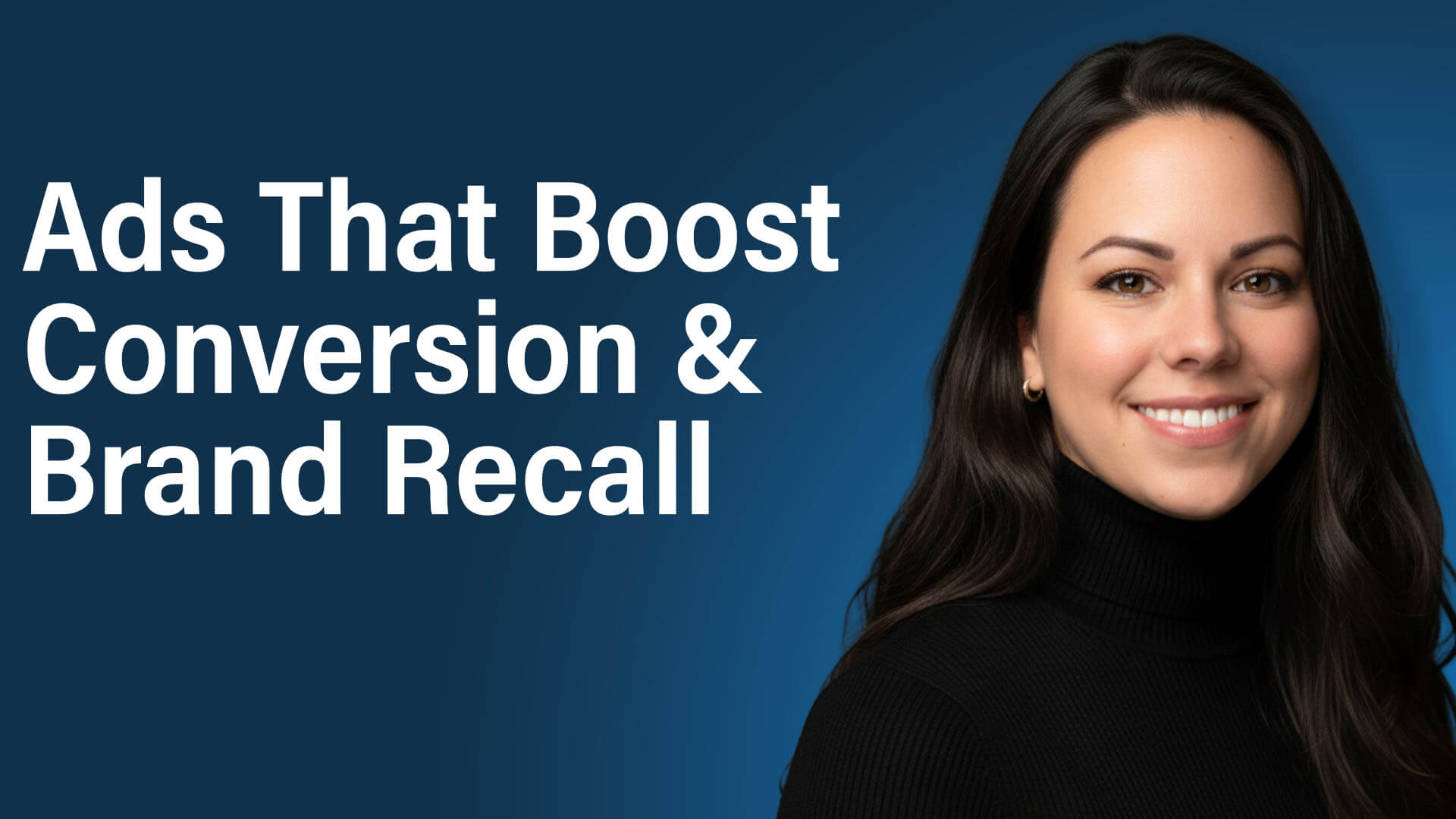
- The Purpose of Ads: Beyond immediate conversions, ads must build mental availability and long-term memory structures. Skipping this step makes every subsequent conversion harder and more expensive to win.
- Emotional Dials (Valence and Intensity): Subtle shifts in psychological valence (positive vs. negative emotional framing) and intensity can completely alter how an audience responds to a message. Case studies reveal that swapping a single word in ad copy can drastically shift conversion metrics for e-commerce brands.
- Targeting the "Versions of Self": Traditional customer avatars often miss the mark because real people shift between different psychological identities throughout the day. Analyzing which version of the self a competitor is addressing prevents messaging overlap and improves brand recall.
- Behavioral Shopping Funnels: Modern consumer behavior—backed by recent Google studies—replaces the linear awareness funnel with nonlinear micro-moments. Creative libraries must be mapped directly to these distinct behavioral stages.
Official Platform Responses and Feature Breakdowns
Major technology companies have released official documentation regarding their latest infrastructure and monetization updates:
1. Meta Enhances Community and Creative Controls
Meta’s updates to Forum (the standalone Facebook Groups app) introduce Enhanced Admin AI to evaluate incoming posts against customized community guidelines, draft moderator responses, and automate administrative workflows. Furthermore, Meta’s new creative-level audience targeting allows advertisers to dictate exact demographic parameters per creative asset, streaming workflows for multi-product campaigns.

2. LinkedIn Bridges B2B and Programmatic CTV
Through its integration with Google’s Display & Video 360, LinkedIn now enables B2B advertisers to seamlessly incorporate Connected TV into broader programmatic strategies. This allows marketers to leverage LinkedIn’s professional graph data—targeting specific job titles, industries, and company sizes—while running premium video ads across streaming ecosystems.
3. Reddit Streamlines Media Planning
Reddit’s new Campaign Planner merges historical community engagement data with robust predictive forecasting. Combined with optimization scores that offer actionable recommendations and automated budget allocation tools that shift funds toward top-performing ad sets, Reddit is lowering the barrier to entry for performance marketers.
4. YouTube’s Automated Hacking Safeguards
To combat rising cybersecurity threats, YouTube introduced an automated security protocol. When algorithmic indicators suggest a channel may have been compromised, the system triggers a temporary pause on publishing, live-streaming, and content management tools. This 24-hour containment window prevents bad actors from uploading unauthorized material while ensuring existing monetization and viewership remain uninterrupted.
Implications for Marketers and Creators
The convergence of AI moderation, programmatic video, and behavioral-based advertising carries profound implications for the digital marketing industry.

- Efficiency Over Volume: With tools like Meta’s AI community management and the high ROI of content refreshes, digital teams can achieve higher outputs without proportionally scaling headcount. Success belongs to those who optimize existing assets rather than endlessly chasing volume.
- The Death of Generic Copy: As algorithms become hyper-personalized, generic product pitches fail to clear the emotional hurdles required in modern social feeds. Marketers must master psychological triggers, emotional valence, and audience self-perception to capture consumer attention.
- Omnichannel Alignment: The bridge between professional platforms like LinkedIn and programmatic CTV ecosystems proves that B2B marketing is embracing the immersive, high-impact storytelling traditionally reserved for B2C brands.
- Community as a Moat: As traditional organic reach fluctuates, owned communities managed via platforms like Meta’s Forum will become vital sanctuaries for direct audience engagement, brand loyalty, and qualitative market research.
As we look toward the future of digital marketing—highlighted by collaborative industry hubs like Social Media Marketing World—the mandate for professionals is clear: adapt to algorithmic shifts by grounding strategies in human psychology, technological efficiency, and rigorous data analysis.