Author: Senior Market Analyst
Published: July 10, 2026 at 11:59 am
Main Facts: A Resilient Search Industry Navigates Talent Shifts
The search engine optimization (SEO) and pay-per-click (PPC) job markets are experiencing a significant period of recalibration in mid-2026. As artificial intelligence (AI) search platforms, generative engine optimization (GEO), and multi-channel retail media continue to redefine how consumers discover brands, companies are actively recruiting specialized talent to manage their digital footprints.
According to data compiled by Search Engine Land in partnership with SEOjobs.com and PPCjobs.com, a diverse range of brands, healthcare providers, and performance marketing agencies are actively hiring for search marketing positions. Notable organizations seeking to fill critical vacancies include NP Digital, Talkiatry, Velvet Caviar, Maui Jim Sunglasses, and the Institute of Management Accountants (IMA).
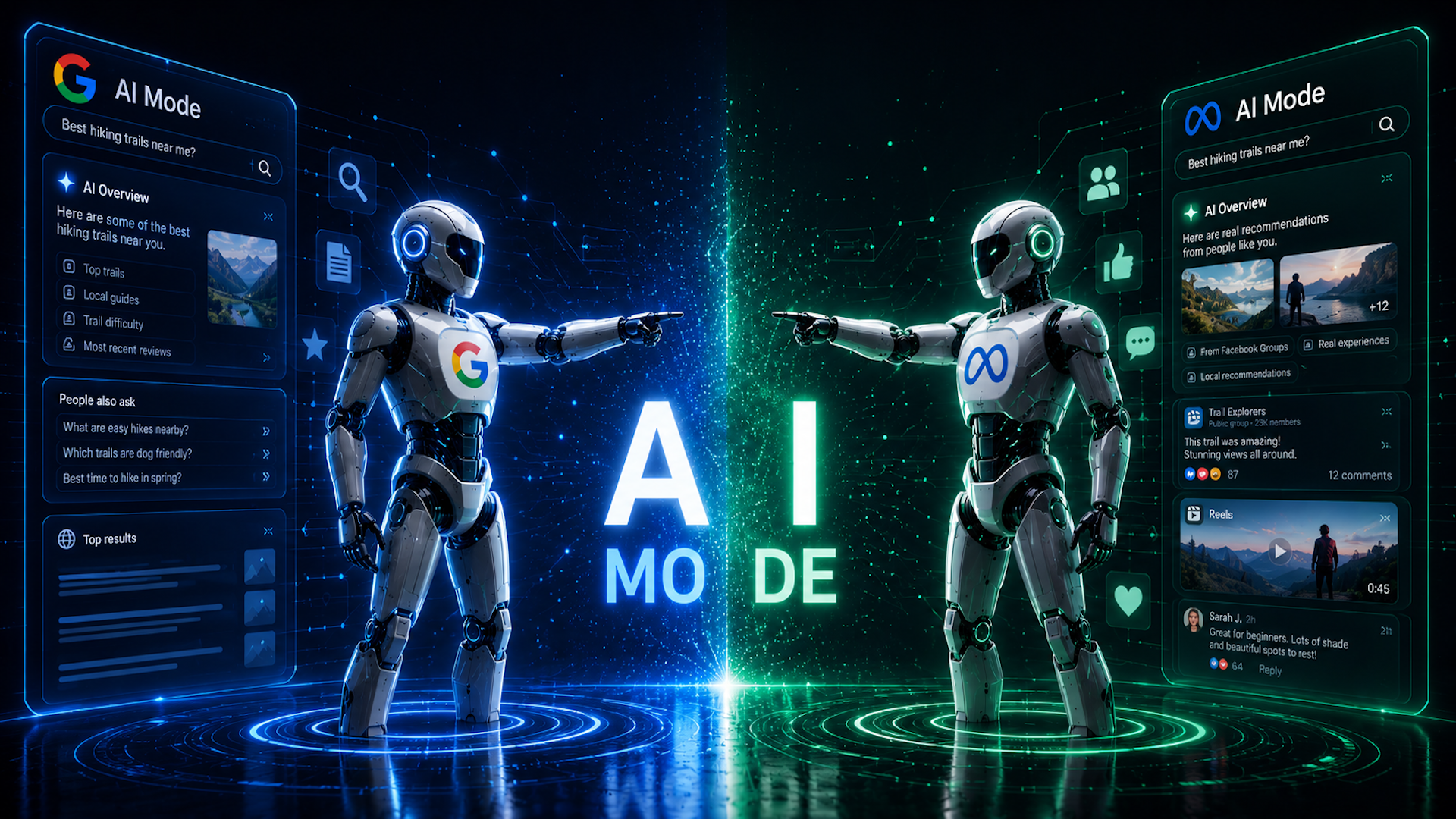
The active job listings reflect a broader industry trend: the traditional boundaries between search marketing disciplines are blurring. Modern search marketers are increasingly expected to manage visibility not only on Google but also across AI search assistants, social media platforms, and local digital ecosystems.
Chronology: The Evolution of Search Marketing Careers (2020–2026)
To understand the current hiring environment in July 2026, it is essential to trace how the responsibilities of SEO and PPC professionals have transformed over the last several years.
2020–2022: The Remote Work Boom and Core Digitalization
During the global pandemic, organizations accelerated their digital transformation initiatives. This period saw an unprecedented surge in demand for search marketing talent. Organizations competed fiercely for professionals who could capture shifting online consumer behavior. Remote work became the industry standard, and search budgets reached historic highs.
2023–2024: The AI Disruption and Market Stabilization
The introduction of generative AI tools and Google’s Search Generative Experience (SGE)—later fully integrated as AI Overviews—shook the foundations of organic search. PPC specialists had to adapt to highly automated campaign types like Google’s Performance Max. The job market cooled from its pandemic-era peaks, with companies prioritizing efficiency, automation, and multi-channel capability over single-channel specialization.
2025: The Emergence of Cross-Channel Search and GEO
By 2025, the concept of "search" had expanded far beyond the traditional blue links of search engine results pages (SERPs). Optimizing for TikTok, YouTube, Amazon, and generative AI engines (such as OpenAI’s SearchGPT and Perplexity) became standard practice. Job descriptions began requiring familiarity with Generative Engine Optimization (GEO) alongside traditional SEO.
Mid-2026: The Present Hiring Landscape
As of July 2026, the job market has stabilized into a mature, highly strategic environment. Employers are no longer looking for siloed operators; instead, they are targeting strategic managers who can run sophisticated, automated ad suites and maintain brand visibility across fragmented, AI-driven discovery channels.
Supporting Data: Analyzing Current Job Openings and Market Compensation
An analysis of the job listings active in July 2026 reveals critical insights into current compensation benchmarks, preferred workplace models, and the skills most in demand by employers.
Active Job Openings (July 2026)
| Position | Company | Location / Workplace Model | Key Focus Areas |
|---|---|---|---|
| SEO Marketing Manager | Velvet Caviar | Remote | E-commerce, visual search, phone accessories |
| Manager, Paid Search | NP Digital | Remote | Agency-side client strategy, multi-channel PPC |
| Senior Manager, Paid Search | Talkiatry | Hybrid (New York, NY) | Healthcare marketing, HIPAA-compliant lead gen |
| Digital Paid Marketing Manager | Institute of Management Accountants (IMA) | Remote | B2B lead generation, professional education |
| Digital Marketing Manager, Paid Social & PPC | 80Twenty | Hybrid (Newark, DE) | Unified paid media, cross-platform attribution |
| Paid Search Specialist | Maui Jim Sunglasses | Peoria, IL | Direct-to-consumer (DTC) e-commerce, retail search |
| Senior Paid Media Manager | Brightly Media Lab | Remote | Enterprise client campaigns, media buying |
| Paid Media Manager | Clients Blackbox, Inc. | Remote | Performance marketing, conversion rate optimization |
| Marketing Manager | Confidential | Dallas, TX | Local search, localized PPC campaigns |
Key Trends Derived from the Data
1. Compensation and E-commerce Value
The listing for the SEO Marketing Manager role at e-commerce brand Velvet Caviar indicates a salary range of $100,000 to $120,000. This benchmark demonstrates that despite market stabilization, specialized in-house SEO managers capable of driving organic revenue for retail and consumer packaged goods (CPG) brands command strong, six-figure base salaries.

2. The Persistence of Remote and Hybrid Workplace Models
Out of the key active listings analyzed:
- Remote roles continue to dominate agency and professional association landscapes (e.g., NP Digital, IMA, Brightly Media Lab, Velvet Caviar).
- Hybrid models are favored by companies in highly regulated or collaborative sectors, such as healthcare provider Talkiatry in New York City and marketing firm 80Twenty in Delaware.
- On-site/Localized roles remain vital for established manufacturing and product brands, such as Maui Jim Sunglasses in Peoria, Illinois.
3. Convergence of Paid Search and Paid Social
Roles such as the Digital Marketing Manager, Paid Social & PPC at 80Twenty highlight a growing industry consensus: paid search and paid social can no longer be managed in isolation. Companies want versatile marketers capable of shifting budgets dynamically between Google Ads, Meta, TikTok, and retail media networks to maximize return on ad spend (ROAS).
Official Responses and Expert Perspectives
Industry leaders emphasize that the modern search professional must possess a blend of technical acumen, data literacy, and strategic adaptability.
Anu Adegbola, Paid Media Editor of Search Engine Land and founder of the industry networking event PPC Live, has written extensively on the need for modern marketers to evolve. In her editorial analyses, Adegbola highlights that driving digital marketing success in 2026 requires "maximizing ROI, automating repetitive processes, and bringing efficiency from every part of marketing departments through inspiring leadership."
Adegbola’s perspective aligns with the requirements seen in the active listings from top agencies like NP Digital. Performance marketing agencies are seeking managers who do not merely pull levers in ad accounts, but who can interpret complex attribution data and explain the business impact of search campaigns to C-suite executives.
Semrush, the parent company of Search Engine Land, notes in its product and market guidance that modern visibility requires tracking performance across a highly fragmented web. In an official product statement, Semrush highlighted that brands must "track, grow, and measure visibility across Google, AI search, social, local, and every channel that influences buying decisions." This operational philosophy is clearly reflected in the job descriptions of the roles open this July, where candidates are expected to demonstrate cross-platform capability.
Implications: What the Mid-2026 Job Market Means for the Industry
The current hiring environment carries distinct implications for job seekers, hiring brands, and performance marketing agencies.
For Job Seekers: The Rise of the "T-Shaped" Marketer
To remain competitive, search marketers must cultivate a "T-shaped" skill profile—possessing deep expertise in a primary discipline (such as technical SEO or paid search bidding architectures) alongside broad knowledge of adjacent fields (including data analytics, AI prompt engineering, programmatic advertising, and conversion rate optimization).
Furthermore, as automation tools like Google’s Performance Max and Meta’s Advantage+ take over routine tactical execution, job seekers must emphasize their strategic capabilities. The ability to craft compelling ad creative, understand consumer psychology, and configure first-party data loops is far more valuable in 2026 than manual keyword bidding.
For Brands: The Challenge of In-Housing vs. Outsourcing
The job listings show a healthy mix of in-house brand roles (Velvet Caviar, Maui Jim) and agency roles (NP Digital, Brightly Media Lab). For brands, the decision to hire in-house search talent requires a significant financial commitment, as seen by the $100,000+ salary expectations for mid-to-senior managers. Organizations must decide whether to build specialized internal teams or partner with agencies that can spread the cost of advanced AI marketing tech stacks across multiple clients.
For the Industry: Search as an Omnichannel Discipline
Ultimately, the open positions of July 2026 confirm that the search industry has completed its transition from a technical sub-discipline of web development to a core pillar of holistic business strategy. Whether optimizing for voice search, AI-driven chat interfaces, retail media networks, or traditional search engine queries, the modern search marketer’s ultimate goal remains unchanged: ensuring their brand is the one customers find first when intent to buy is highest.