In the rapidly evolving landscape of digital marketing and professional services, the traditional "pitch" is undergoing a seismic shift. For years, consultants and agencies have relied on the standard sales funnel: cold outreach, discovery calls, follow-up emails, and the often-anxious wait for a proposal to be accepted. However, a new paradigm is emerging—one where the pitch is replaced by a demonstration of finished value.
AI consultant Etan Polinger argues that the power dynamic in sales has been permanently altered. By leveraging generative AI to conduct deep research, identify brand identity, and construct functional prototypes before a prospect even sets foot in an introductory meeting, service providers can eliminate the "I hope they choose me" energy from the room. In a recent case study, this workflow allowed Polinger to secure a $12,000 contract by effectively closing the deal before the meeting even concluded.
The New Sales Philosophy: Value-First Engagement
Most sales professionals operate on the assumption that they must persuade a client to trust their expertise. Polinger suggests that this is an antiquated approach. When you arrive at a meeting with a tangible, working asset that solves the prospect’s specific problem, you move from being a "vendor" to being a "partner."
This shift is made possible only through the efficiency of modern AI tools. Previously, investing four hours of unpaid labor into a speculative lead would have been a poor business decision. Today, with the right AI-driven workflow, one individual can achieve in hours what previously required a team of designers, researchers, and developers to accomplish over several days. The result? A dramatic increase in closing rates and, perhaps more importantly, the ability for the service provider to curate their client list rather than scrambling for work.
Chronology of a Closed Deal: The Step-by-Step Workflow
Polinger’s process is methodical, relying on three distinct phases of preparation. This structured approach ensures that the output is not just a generic template, but a highly customized solution.
Phase 1: Decoding the Prospect’s Intent
The process begins the moment a prospect expresses a need, whether through a public forum or a direct inquiry. The initial challenge is stripping away the technical jargon to uncover the underlying business outcome. Polinger utilizes AI to interpret messages or meeting transcripts with a simple, high-impact prompt: "I just saw this message. What do they want? Answer in one sentence that anyone can understand."
By focusing on the "what" rather than the "how," the consultant maintains alignment with the client’s actual goals. Once the outcome is identified, the consultant confirms their capability to deliver. This creates an immediate "buy-in" from the prospect, as they realize the provider has cut through the noise to understand their core pain point.
Phase 2: Deep-Dive Research
Once the goal is defined, Polinger initiates three separate, intensive research passes. By segmenting these, he allows the AI models to dedicate their full processing power to each domain:

- The Person: Researching the prospect’s online footprint, including podcast appearances, YouTube interviews, and social media posts. This reveals the prospect’s personal tone, specific professional language, and the pain points they openly discuss.
- The Company: A deep dive into the business model and current objectives. For larger companies, this involves analyzing quarterly reports or public communications; for smaller entities, it involves parsing website signals and mission statements.
- The Market: Identifying existing solutions and competitors. This research acts as a safety net. By knowing what is already on the market, the consultant can confidently pivot if a client realizes they prefer an "out-of-the-box" solution over a custom build, keeping the deal alive regardless of the final product choice.
Phase 3: The "Wow" Moment: Branding and Prototyping
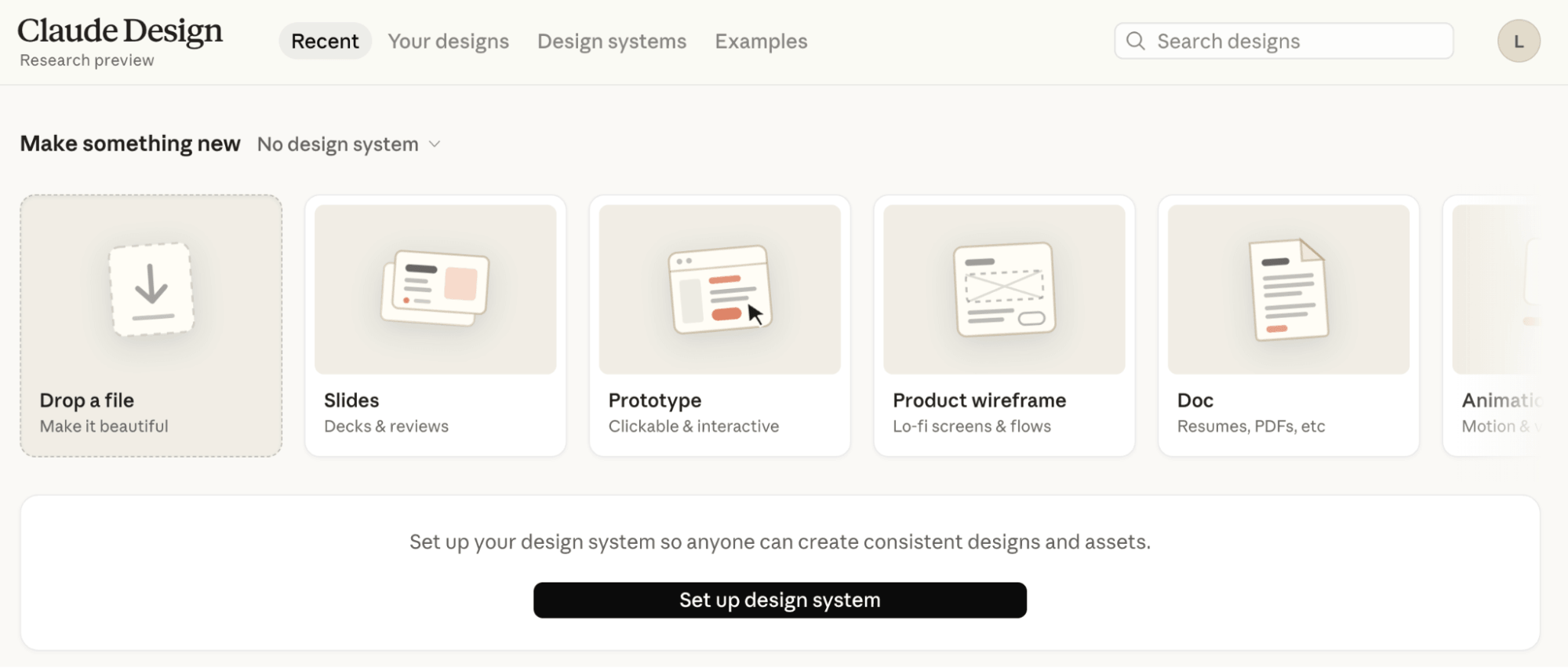
The final phase is where the preparation becomes visible. Using tools like "WhatFont" and "ColorZilla," the consultant extracts the prospect’s branding—fonts, color hex codes, and stylistic motifs. This data is fed into "Claude Design," which generates a comprehensive design system.
With this system, the consultant uses "vibe coding"—a process of using natural language prompts to direct AI to build specific UI/UX elements. The result is a fully branded, functional prototype. When the prospect sees their own logo, colors, and specific functionality live on screen during the first meeting, the discussion shifts from "Can you do this?" to "How soon can we start?"
Supporting Data: Why "Vibe Coding" is Replacing Traditional Development
The efficacy of this workflow is supported by the changing nature of software development. As AI agents become more proficient in writing code based on natural language, the barrier to entry for building high-quality, custom assets has collapsed.
In Polinger’s experience, the prototype he brought to his $12,000 lead was 80% finished by the time the call started. The implications of this are significant:

- Reduced Friction: By presenting a finished asset, the consultant removes the "fear of the unknown" that often stalls projects.
- Authority Positioning: The consultant is no longer asking for a chance to prove themselves; they are presenting a solution that already exists, which inherently builds authority.
- Operational Efficiency: The time-to-value for the client is drastically reduced, which justifies a higher price point for the service.
Implications for the Future of Sales
The move toward AI-driven, high-preparation sales has profound implications for the consulting industry.
The Death of the Generic Pitch
The "one-size-fits-all" slide deck is rapidly becoming obsolete. In a world where AI can generate hyper-personalized proposals in seconds, prospects will increasingly reject generic pitches as unprofessional. The expectation for "white-glove" service at the pre-contract stage is rising.
The Rise of the "AI-Augmented Generalist"
This methodology allows a single person to act as a hybrid researcher, designer, and developer. We are entering an era where the competitive advantage belongs to the "AI-augmented generalist"—the individual who knows how to orchestrate multiple AI tools to produce specialized results.
The Shift in Client Relations
Perhaps the most telling sign of this workflow’s success is the shift in the prospect’s behavior. Polinger notes that after presenting the prototype, the prospect’s tone shifted from evaluating his credentials to expressing anxiety about his availability. When a prospect starts asking, "Do you even have the bandwidth to take us on?" the power dynamic has completely inverted. The prospect is now the one seeking the consultant’s validation.
Conclusion: Adapting or Falling Behind
The transition to this model requires a departure from traditional sales mindsets. It requires a willingness to invest time in research and development before a contract is signed. However, the payoff is a significantly higher conversion rate and the ability to command premium pricing.
As AI continues to lower the cost of production, the value of the "sales pitch" will continue to decline, while the value of "pre-verified outcomes" will continue to soar. For digital marketing agencies, consultants, and freelance professionals, the question is no longer whether they can use AI to build better assets—it is whether they can adapt their sales process to reflect the reality that the most effective pitch is a demonstration of the finished product.
This article was co-created by Etan Polinger and Michael Stelzner. Etan Polinger is an AI consultant and the creator of the AI Integrator Certification at Chief AI Officer. For those looking to master these workflows, further insights are available via the AI Explored podcast series.