In the rapidly evolving landscape of artificial intelligence, a fundamental shift is occurring: the transition from passive conversational interfaces to agentic workflows. For many professionals, the initial novelty of "chatting" with an AI has given way to a more pragmatic need—the desire to get actual, tangible work completed without the constant overhead of manual prompting and micromanagement. Enter Claude Cowork, the agentic desktop application from Anthropic that promises to redefine the relationship between human intent and machine execution.
Launched in early 2025, Claude Cowork represents a departure from the traditional web-based interface. Instead of serving as a chatbot that requires constant hand-holding, Cowork functions as an autonomous supervisor—a digital force multiplier that manages files, automates complex tasks, and bridges the gap between disparate software tools.
The Core Concept: Shifting from Chat to Oversight
To understand the value proposition of Claude Cowork, it is helpful to contrast it with standard AI project management. In a typical Claude "Project," the AI behaves like a junior employee—highly capable but requiring constant check-ins and explicit, granular directions for every milestone.
Claude Cowork, by contrast, operates more like an experienced senior associate. You provide the brief, set the parameters, and define the expected outcomes. The agent then operates independently, navigating software backends, managing browser tasks, and only re-engaging the human user when a decision requires a strategic pivot or high-level approval.

The Mechanics of Autonomy
The power of Cowork lies in its architecture, which integrates three distinct pillars:
- Projects: The context-rich environments where your brand voice, guidelines, and specific data live.
- Connectors: The bridges that allow Claude to interact directly with external software (like WordPress, Airtable, or GitHub) without human manual data entry.
- Skills: Reusable, modular "scripts" that define how the AI should handle recurring tasks, effectively serving as custom mini-applications.
Real-World Applications: Where Cowork Shines
The utility of Cowork is best illustrated through its practical applications in high-volume, repetitive, or technical environments.
1. Technical Web Management
For non-technical users, tasks like injecting tracking code or managing plugins into a WordPress backend can be daunting. Cowork removes this barrier. By granting the agent access to a CMS, users can describe the desired outcome—such as "install a pixel tracker and ensure it is firing correctly." Cowork logs in, navigates the dashboard, evaluates available plugins based on community usage, and executes the installation without human intervention.
2. Content Creation at Scale
Cowork transforms a stagnant content project into a "hands-free production engine." By linking a project containing brand guidelines to an automated workflow, users can issue a single morning directive: "Find a trending topic, draft a summary, and produce two LinkedIn-ready posts." The AI leverages the established brand voice and executes the full lifecycle of content creation before the user has even finished their first cup of coffee.

3. Systematic Model Optimization
As large language models (LLMs) evolve, system prompts that worked perfectly for older versions often become obsolete. Cowork can be tasked with auditing an entire library of prompts. By analyzing existing instructions, the agent can rewrite and optimize them for the latest models, such as Opus 4.6, delivering finished, ready-to-use system instructions that take advantage of the newer model’s enhanced reasoning capabilities.
4. Browser-Based Automation
Perhaps the most potent feature is Cowork’s ability to "take over" a Chrome tab group. Once authorized, the agent functions in the background, performing tasks like filling out forms, proofreading web pages, or navigating complex enterprise SaaS dashboards. While the agent works in its designated tab group, the user remains free to continue other work, receiving a real-time "play-by-play" of the agent’s progress in the chat window.
Security, Compliance, and Best Practices
The transition to agentic AI brings significant responsibilities. Because Cowork has the capability to interact with your local files and online accounts, users must approach it with a "manager’s mindset"—meaning you are ultimately responsible for the actions taken on your behalf.
Data Privacy and Training
By default, some Claude plans may use conversational data to train future models. When utilizing Cowork, which inevitably interacts with sensitive, proprietary, or private data, it is imperative that users navigate to their Claude settings and opt out of training data sharing. This ensures your specific workflows and company data remain private.
The Audit Trail Challenge
For organizations operating in regulated sectors, transparency is non-negotiable. Currently, Cowork activity is not fully logged for enterprise compliance or audit trails. Before deploying Cowork for sensitive tasks—such as financial processing or legal document management—enterprise users should consult their internal security or IT departments to ensure current internal controls satisfy regulatory requirements.
Getting Started: A Step-by-Step Guide
To begin utilizing Claude Cowork, you must move beyond the browser-based version of Claude.
Step 1: Installation
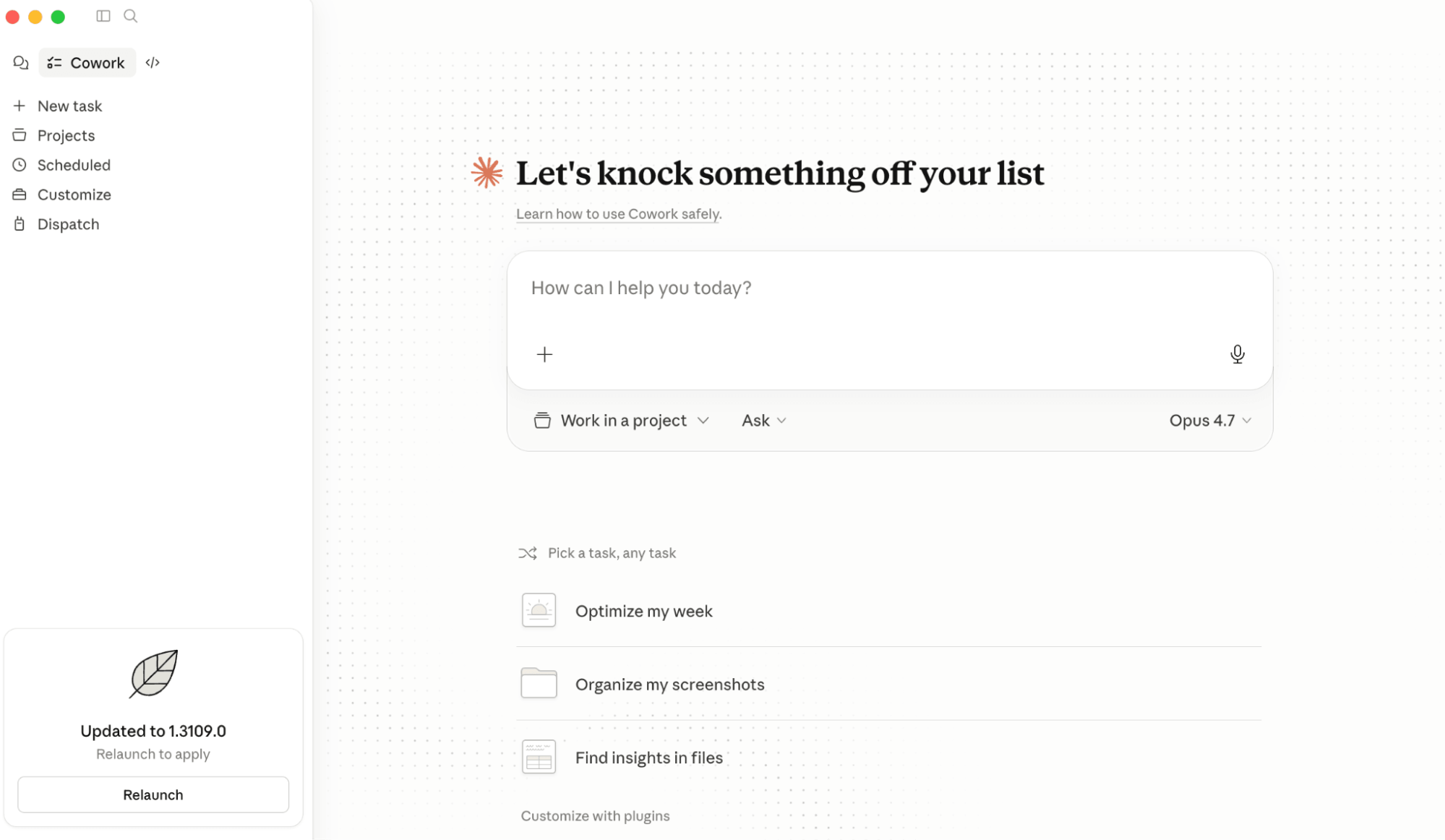
Cowork is a desktop-first application. You must download the official Claude desktop client for macOS or Windows. Once installed, the interface will look familiar to web users, but with the added functionality of the "Work" environment at the bottom of the interface.
Step 2: Integrating Projects
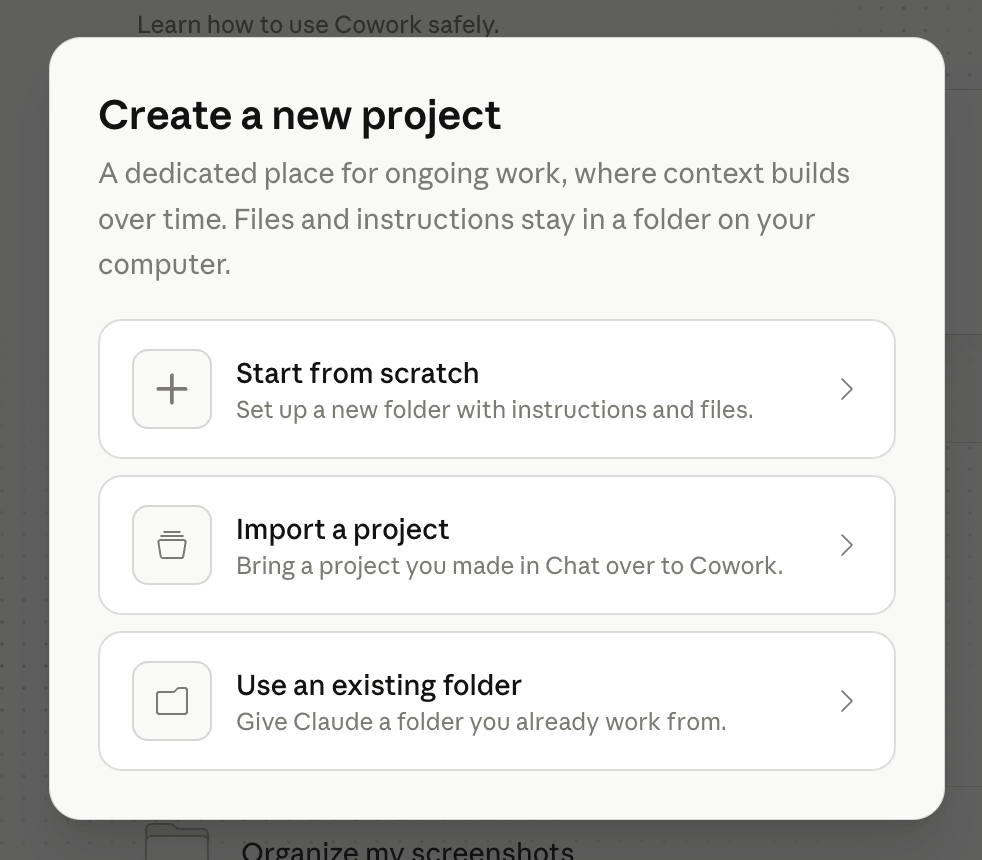
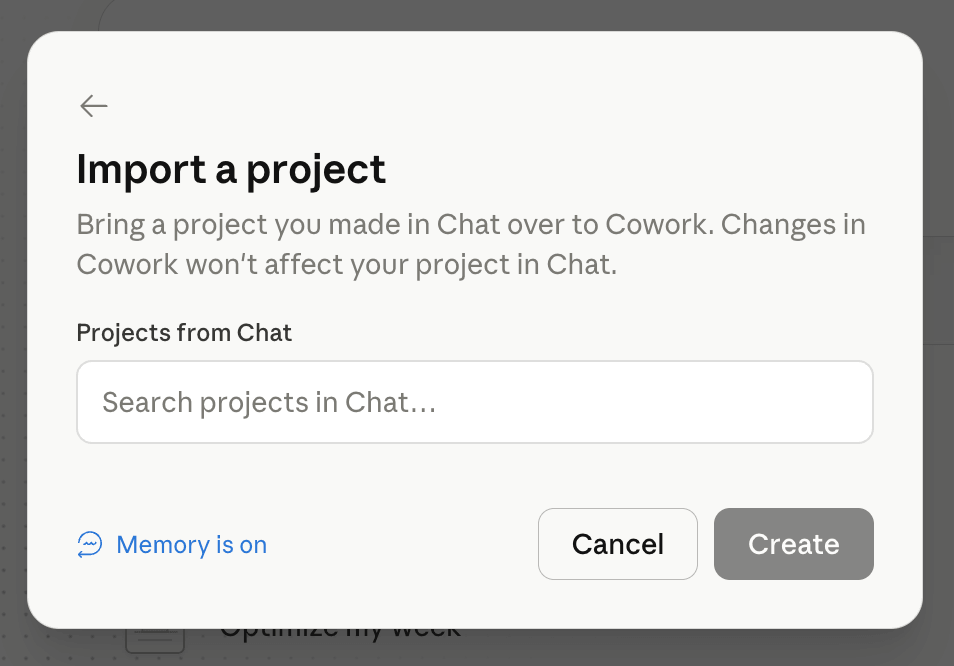
To activate Cowork’s intelligence, connect it to your existing Projects. Within the chat window, select "Work In a Project" and import your desired workspace. Once imported, Cowork gains immediate access to the project’s "brain"—all the rules, style guides, and documentation you have painstakingly curated.
Step 3: Deploying Connectors
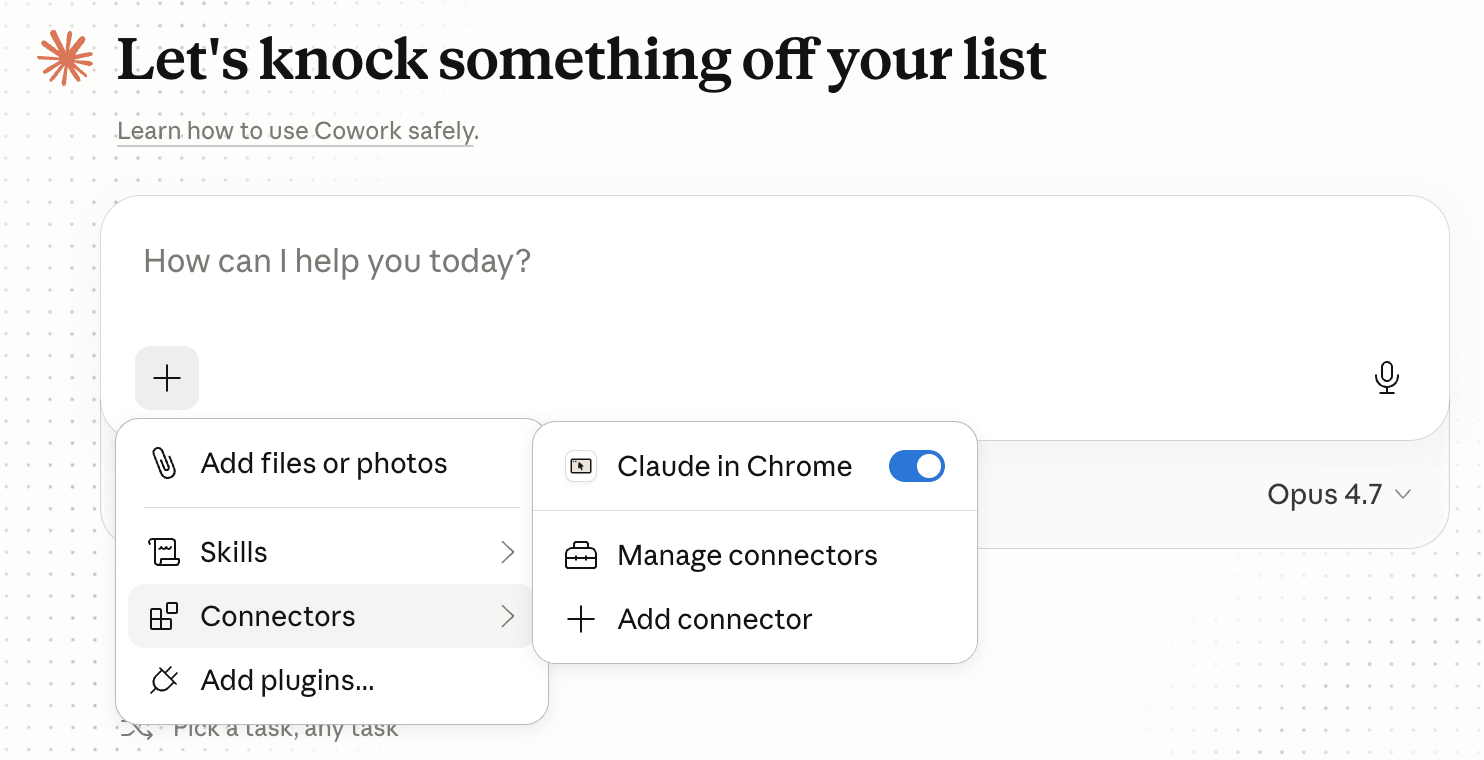
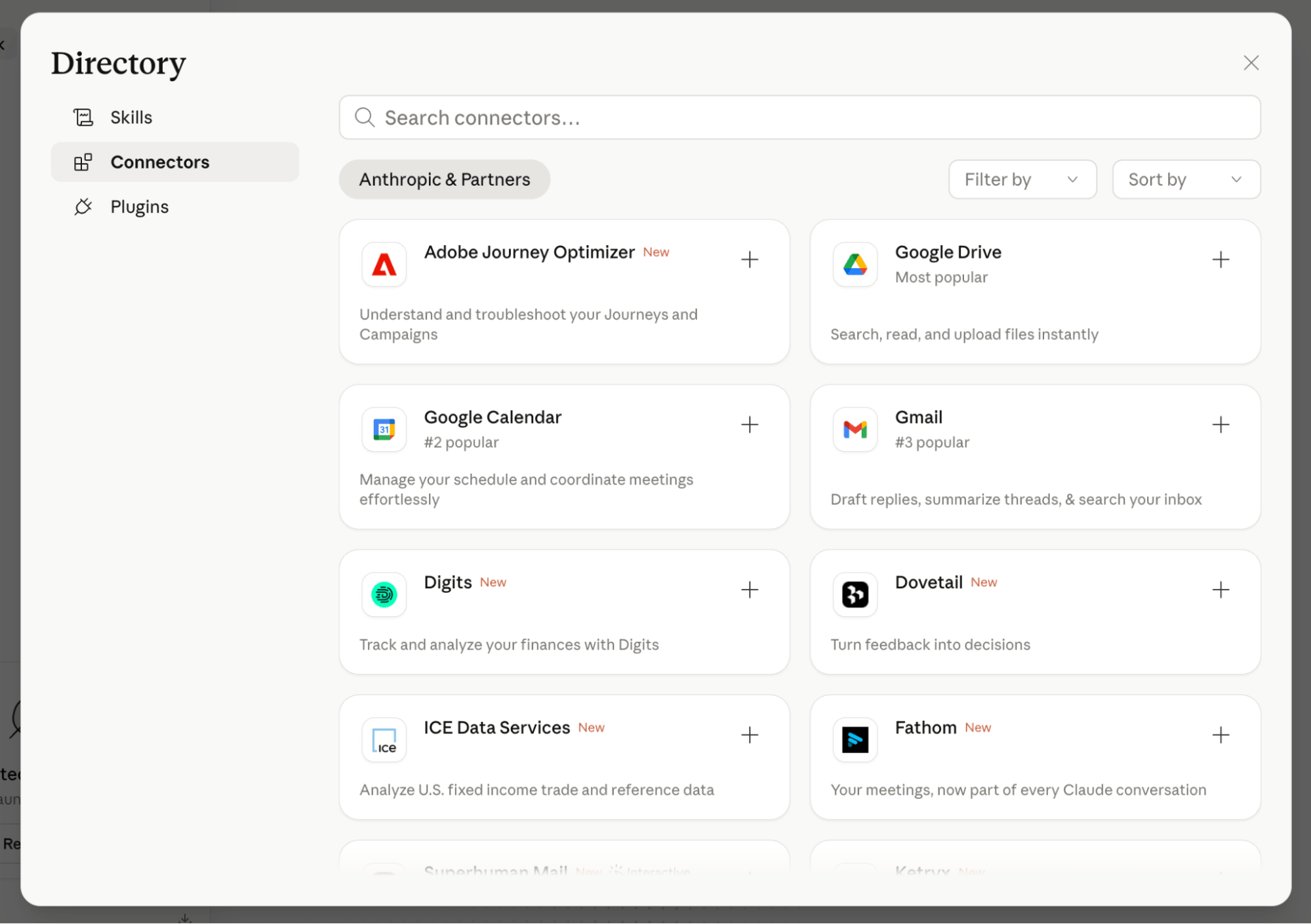
Connectors eliminate the need for manual data migration. Whether you are using Airtable for tracking, Gmail for communication, or GitHub for version control, the "+" icon in the chat interface allows you to enable these direct integrations. When you ask Cowork to perform a task, the agent will intelligently suggest the most efficient connector for that specific output.
Step 4: Crafting and Using Skills
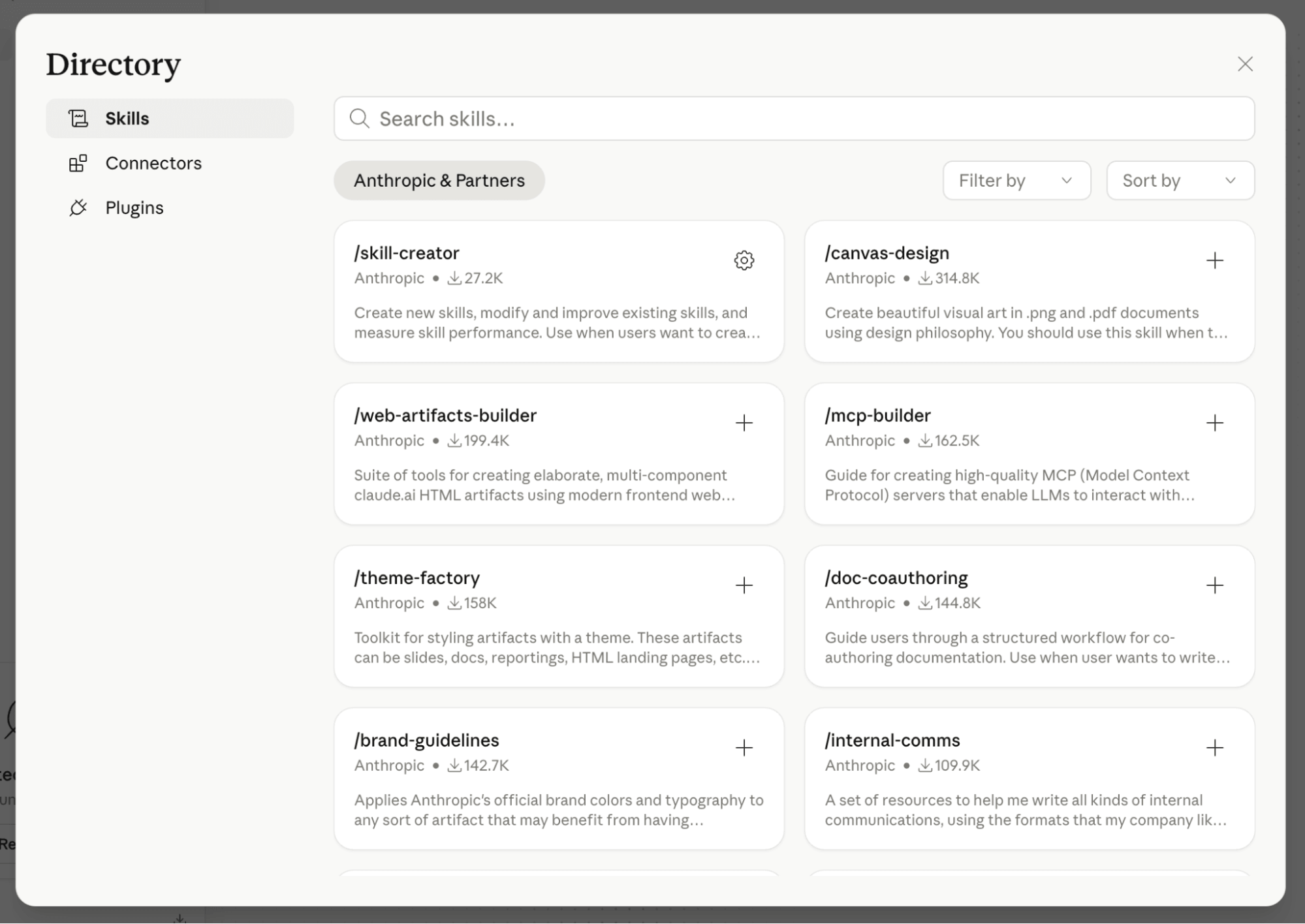
A "Skill" is the ultimate time-saver. Think of it as a pre-packaged logic set. If you find yourself repeatedly explaining your Ideal Customer Profile (ICP) to the AI, you should package those details into an "ICP Skill." From that point forward, you simply call that skill by name, and the agent will run its analysis through the lens of your specific audience data.
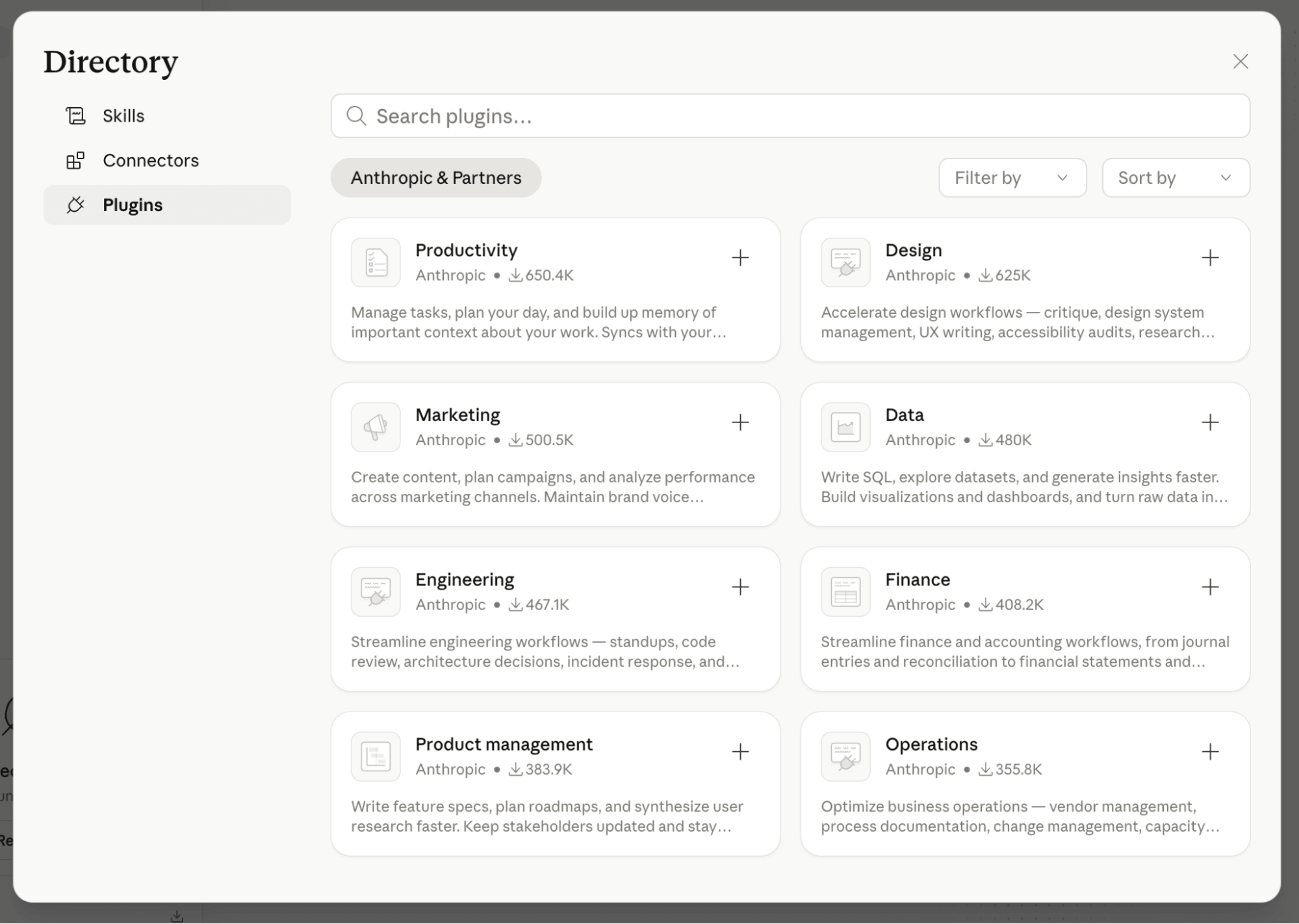
Step 5: Leveraging Plugin Bundles
Plugins take the concept of a single skill and expand it into a domain-specific suite. A "Marketing Plugin," for instance, might bundle skills related to SEO research, ad copy creation, and email drafting. This allows you to tackle complex, multifaceted projects with a single request.
Implications for the Future of Work
The rise of Claude Cowork marks a pivotal moment in the "Agentic Era." We are moving away from an age where we treat AI as a search engine or a conversationalist, and toward an era where we treat it as a colleague.
For the modern professional, this has profound implications:
- Increased Leverage: The bottleneck of "doing" is removed. One person can now oversee the output of what would have previously required a small team.
- Higher Strategic Focus: As the "doing" is delegated to Cowork, humans are freed to focus on high-level strategy, creative direction, and complex problem-solving.
- The Rise of the "Manager-Creator": The most valuable skill in the coming years will not be prompt engineering in the traditional sense, but agent management. Knowing how to define a project, set clear boundaries for an AI agent, and review its output for quality and accuracy will become the hallmark of the modern executive.
As Anthropic and other AI labs continue to refine these agentic capabilities, the barrier between "thinking" and "doing" will continue to thin. For those ready to embrace this transition, Claude Cowork is not just a new tool; it is a new way of operating in the digital economy. By shifting your mindset from the chat interface to the supervisor’s dashboard, you can turn your AI from a novelty into a powerful, scalable, and tireless partner.