In the hyper-competitive landscape of digital content, many creators find themselves trapped in a paradox: they follow every textbook rule of blogging, yet their traffic remains stagnant. They optimize for search engines, maintain a rigorous publishing schedule, and utilize the latest content management tools. However, they consistently overlook the single most influential factor in audience retention—personality.
In an era of AI-generated content and mass-produced information, the human element has transitioned from a stylistic choice to a strategic necessity. Readers do not just consume content; they connect with creators. Personality is the difference between a website that is visited once and forgotten, and a brand that builds a loyal, thriving community.
This article examines how ten of the world’s most successful bloggers have leveraged personal branding to stand out, offering a blueprint for transforming your site from a sterile information hub into a magnet for engagement.
The Strategic Importance of Personalization
Data from recent content marketing studies suggests that readers are 70% more likely to return to a blog if they feel an emotional connection to the author. When a blog lacks a "voice," it becomes interchangeable with thousands of other sites. By embedding your identity into your platform, you create a barrier to entry for competitors who may offer similar information but lack your unique perspective.
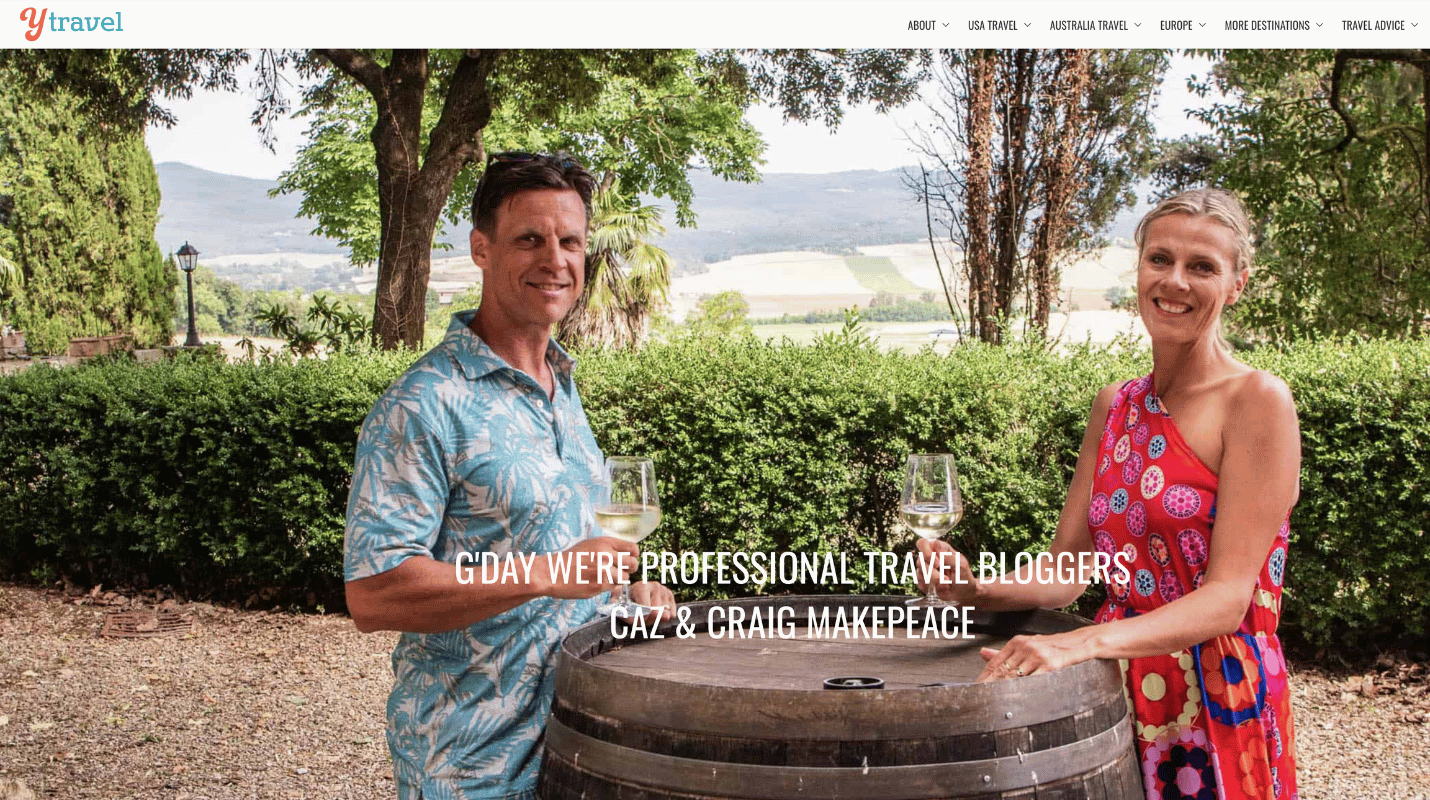
1. Visual Storytelling: The YTravel Approach
For niches like travel, food, and fashion, visual identity is paramount. Caz and Craig of YTravel mastered this by integrating high-quality, authentic imagery into their narrative. Their blog doesn’t just provide travel tips; it documents a life lived.
The Lesson: Whether it is a candid family snapshot or a professionally posed portrait, images should serve as extensions of your brand’s story. If your blog feels like a stock-photo repository, you are missing an opportunity to build intimacy with your audience.
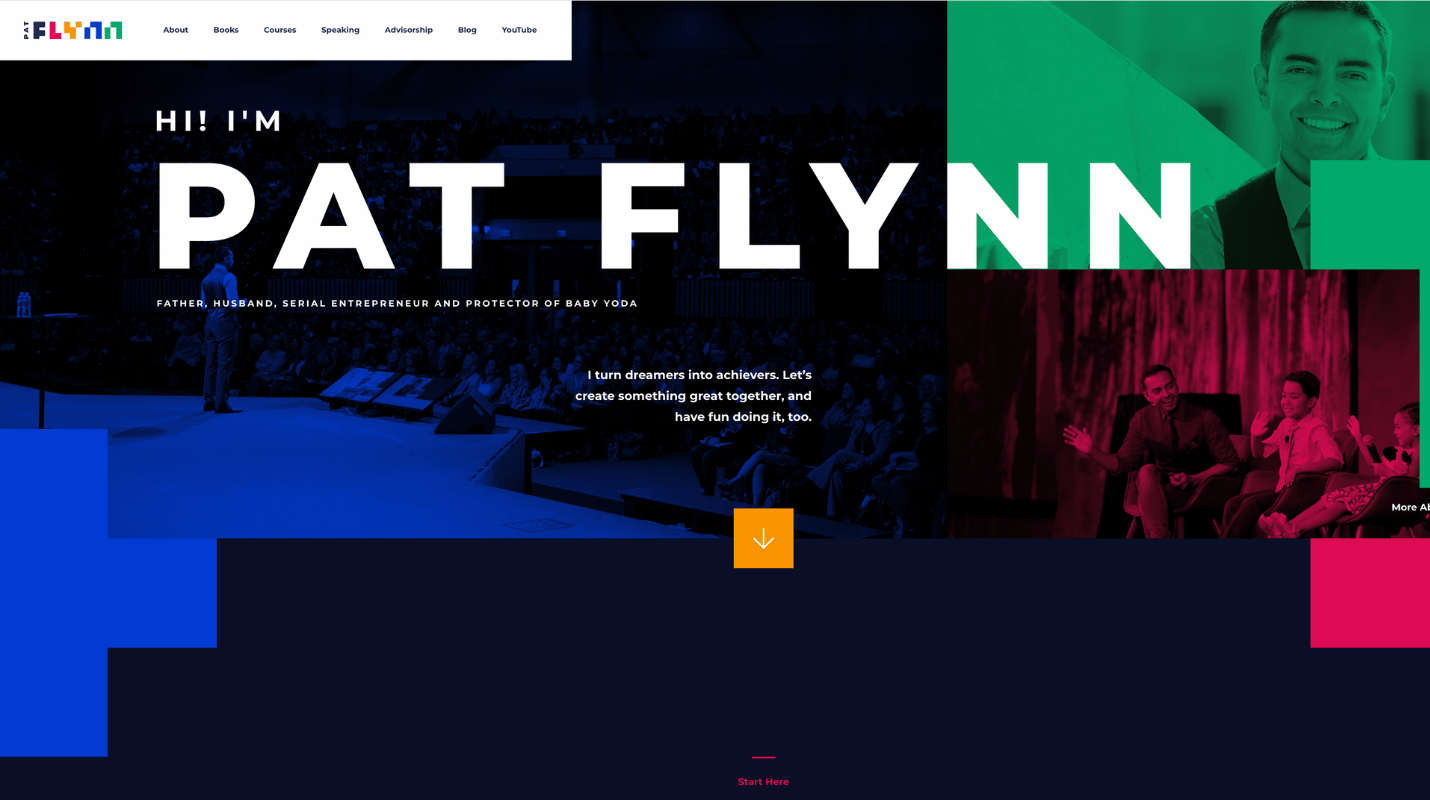
2. Radical Authenticity and Flair: Pat Flynn
Pat Flynn of Smart Passive Income utilizes his digital real estate to define his identity immediately. By clearly stating his roles—"father, husband, serial entrepreneur"—and adding personal quirks like "protector of baby yoda," he bridges the gap between professional expertise and relatability.
The Lesson: Do not hide your multi-faceted self behind a corporate mask. Your personality—even the eccentric parts—is what makes you memorable.
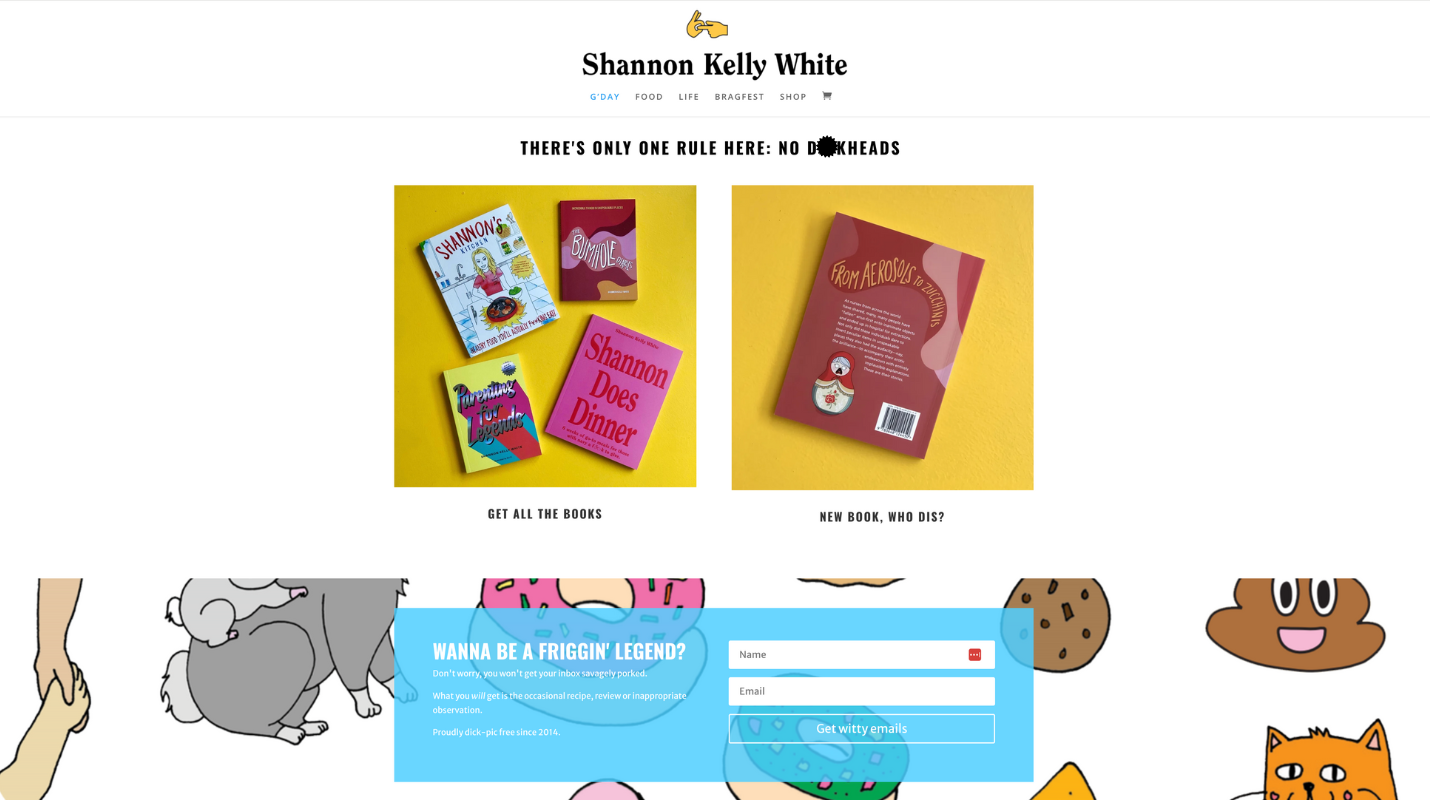
3. The Power of a Distinctive Voice: Shannon Kelly White
One of the most polarizing but effective tools in a writer’s arsenal is tone. Shannon Kelly White embraces a bold, unfiltered style that includes strong language. This approach acts as a filter: it alienates those who prefer a sanitized tone, but it cements a fiercely loyal bond with those who appreciate her authenticity.
The Lesson: Trying to appeal to everyone is the surest way to appeal to no one. Defining your voice—and sticking to it—is essential for building a "tribe" rather than just a readership.
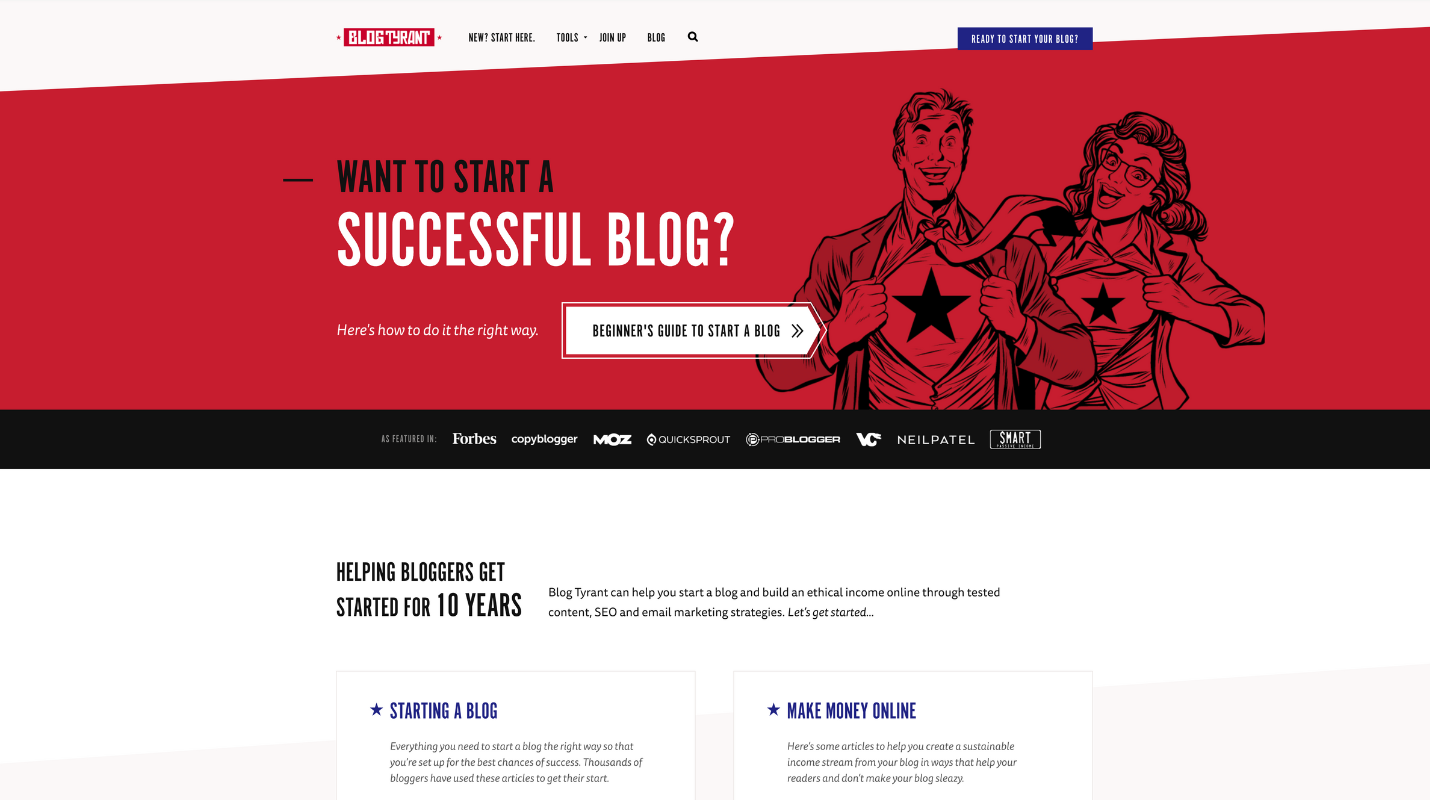
4. Visual Identity and Custom Illustration: Blog Tyrant
Ramsey, the creative force behind Blog Tyrant, utilizes a custom superhero avatar. This character appears in his banners, feature images, and even his downloadable reports. This creates a cohesive visual shorthand that readers recognize instantly across the web.
The Lesson: If you aren’t a fan of professional photography, invest in custom illustrations. A unique visual character can become a powerful brand mascot that embodies your site’s mission.
5. Humanizing the "About" Page: A Beautiful Mess
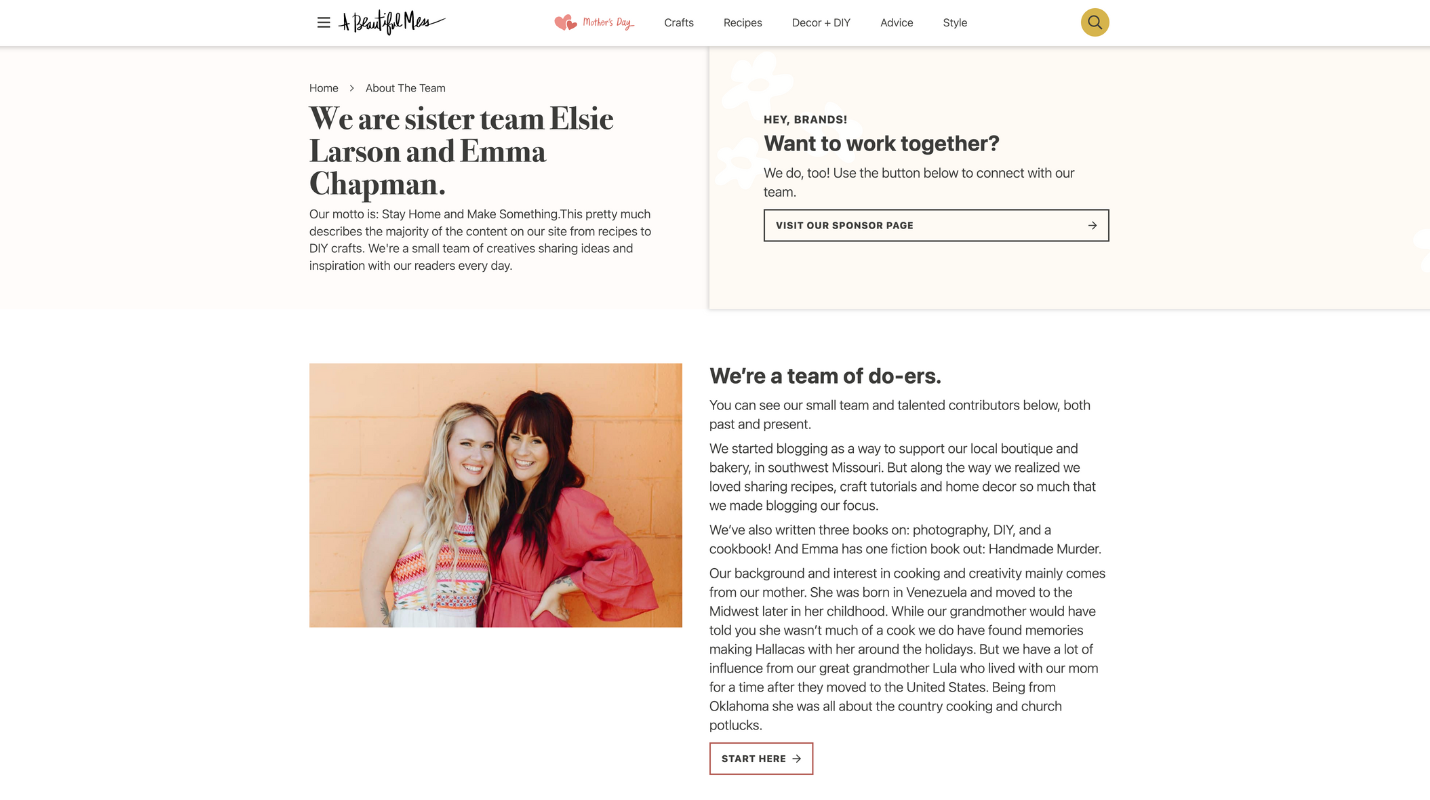
New readers often navigate directly to the "About" page to assess the credibility and character of the person behind the screen. Elsie and Emma of A Beautiful Mess utilize high-energy photography and concise, punchy bios to tell their story.
The Lesson: Your "About" page is your digital handshake. It should be the most personality-driven page on your site, not a dry resume.
Consistency and Cohesion: The Professional Standard
6. Omnichannel Branding: The Chris Ducker Method
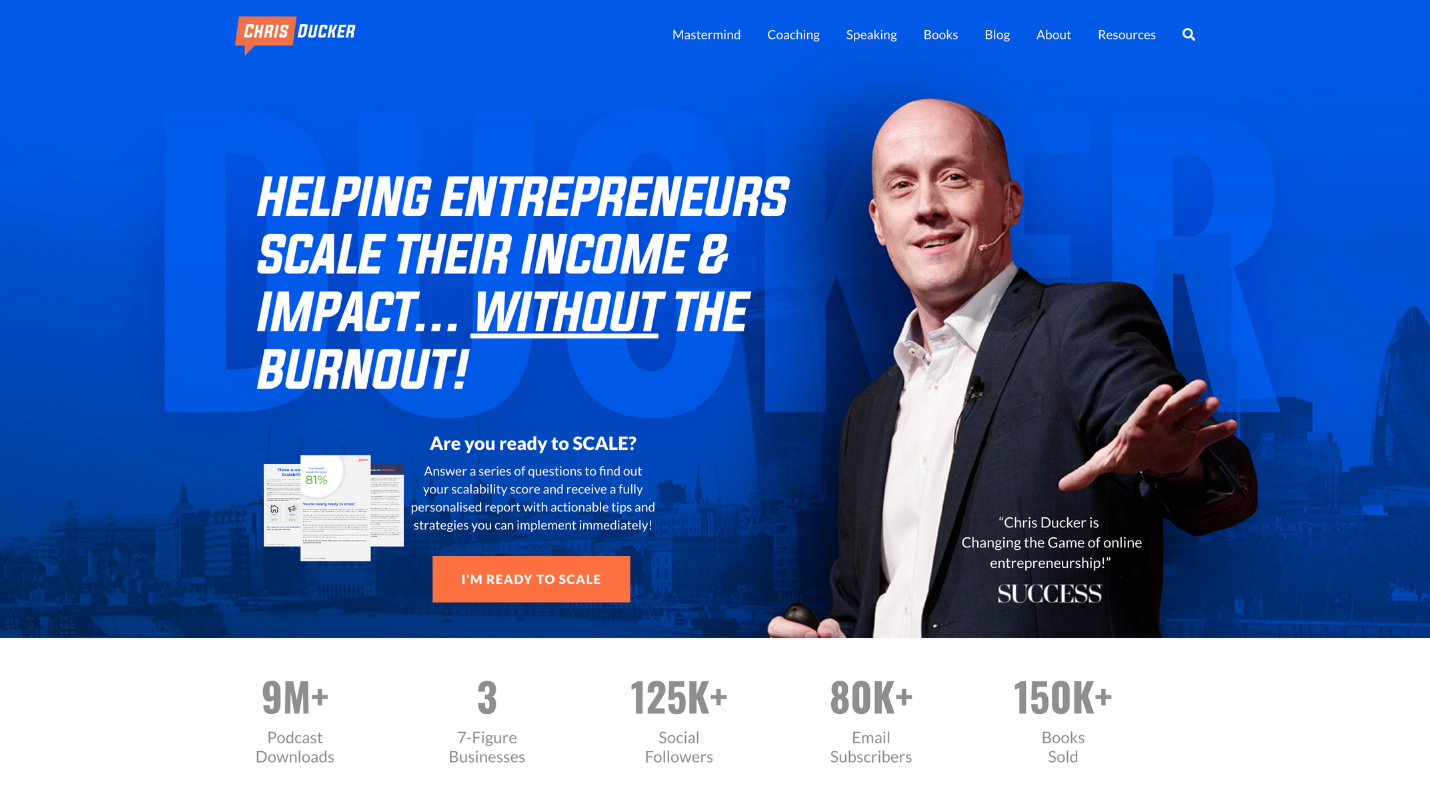
Consistency is the bedrock of trust. Chris Ducker maintains a uniform visual identity across his blog, Twitter, Facebook, and LinkedIn. By using the same high-quality headshot across all channels, he ensures that his personal brand remains recognizable regardless of where the reader finds him.
The Lesson: Inconsistency breeds confusion. Your brand should feel like the same person, whether the reader is on your homepage or a third-party social media platform.
7. Color Psychology: Jadah Sellner
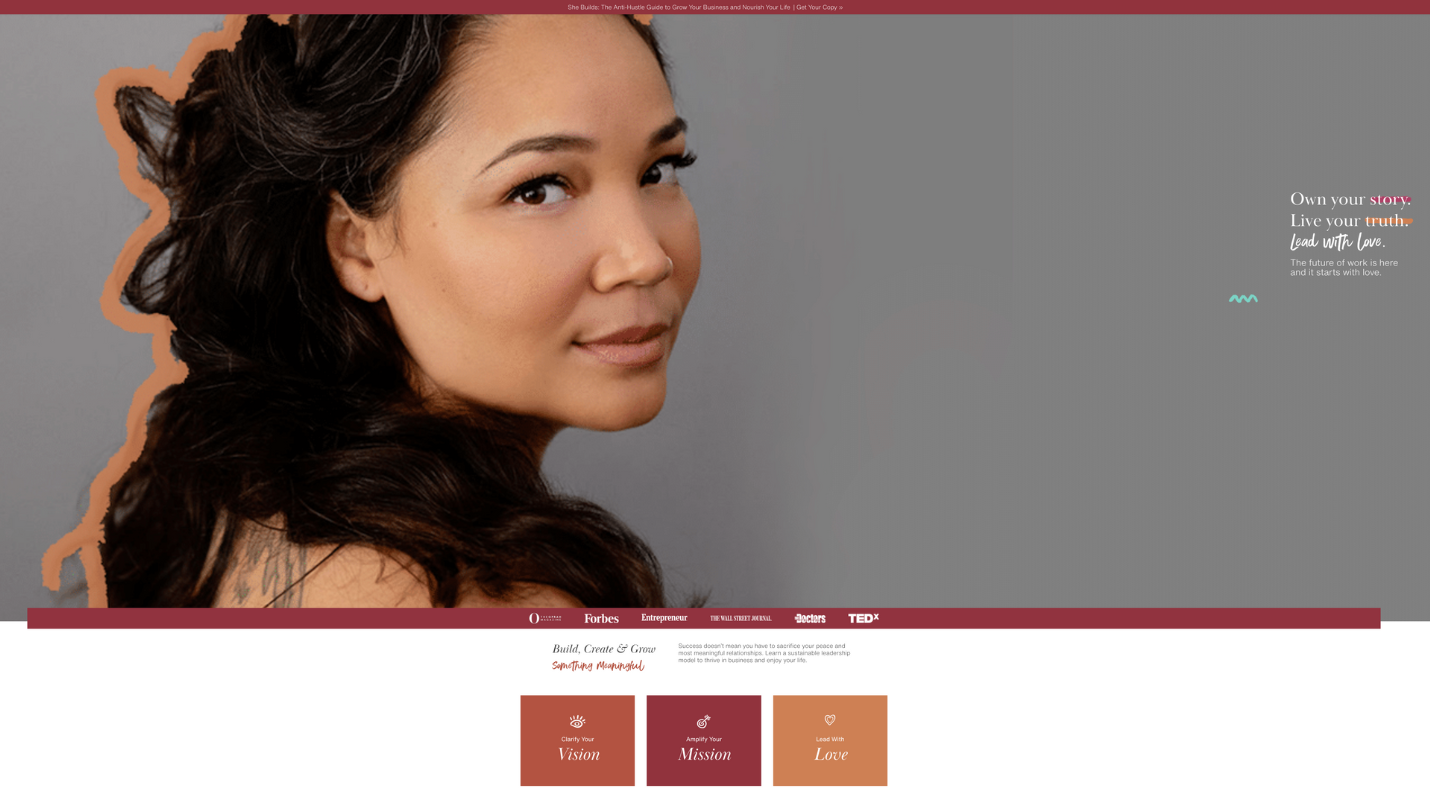
Jadah Sellner understands that color is a silent communicator. Her site design uses a palette that perfectly complements her personal branding, right down to the clothes she wears in her site photos. The result is a seamless, immersive aesthetic that feels curated and intentional.
The Lesson: Audit your site’s color scheme. Do your colors reflect your brand’s "personality"? Earthy tones evoke warmth and trust, while bold, primary colors signal energy and action.
Strategic Conversion: Turning Personality into Action
8. The Brand Statement: SuperFastBusiness
James Schramko uses his homepage to explicitly state who he is, what he does, and who he helps. This "brand statement" acts as a filter, ensuring that the traffic he attracts is high-intent.
The Lesson: Don’t make your readers guess what you do. State your value proposition clearly and immediately upon arrival.
9. Direct Calls to Action: The Kelly Exeter Technique
A common mistake is hiding the path to engagement behind complex funnels. Kelly Exeter utilizes clear, direct calls to action (CTAs). By telling the reader exactly what they should do next—such as "FIND OUT HERE"—she removes friction from the user experience.
The Lesson: Clarity beats cleverness. If you want your audience to take an action, tell them exactly what that action is and why it benefits them.
10. Audience Identity: Puttylike
Emily at Puttylike performs a masterclass in community building by defining her audience as "Multipotentialites." By giving her readers a name and an identity, she fosters a sense of belonging. Her use of a quiz as a lead-magnet is a genius strategy to convert casual visitors into repeat community members.
The Lesson: Give your audience a label. When people feel part of a group, they are far more likely to engage with your content and share it with others.
Implications for Future Growth
The shift toward "human-first" content is not a trend; it is a fundamental correction in the digital market. As AI tools become more adept at generating factual, SEO-optimized text, the only remaining competitive advantage for human bloggers is their unique experience, their specific voice, and their ability to forge emotional connections.
Key Takeaways for the Modern Blogger:
- Stop optimizing for algorithms at the expense of humans. An algorithm cannot experience a travel destination or share a life lesson. Only you can.
- Audit your brand assets. Are your photos, colors, and tone working in harmony, or are they disjointed?
- Refine your call to action. Your audience should never be confused about what to do next.
- Embrace your "Why." Your personal story is the only thing that cannot be replicated by your competitors.
By integrating these ten principles, you can stop fighting for attention and start building authority. The goal of a blog should not be to simply exist in the digital ether, but to act as a beacon for like-minded individuals. When you lead with personality, your audience does not just read your work—they champion it.
As you look at your current content strategy, ask yourself: Does this look like me, or does it look like everyone else? The answer to that question is the key to your future growth.