The Invisible Brand: Why Ranking #1 on Google No Longer Guarantees AI Visibility
Main Facts: The New Frontier of Digital Discovery
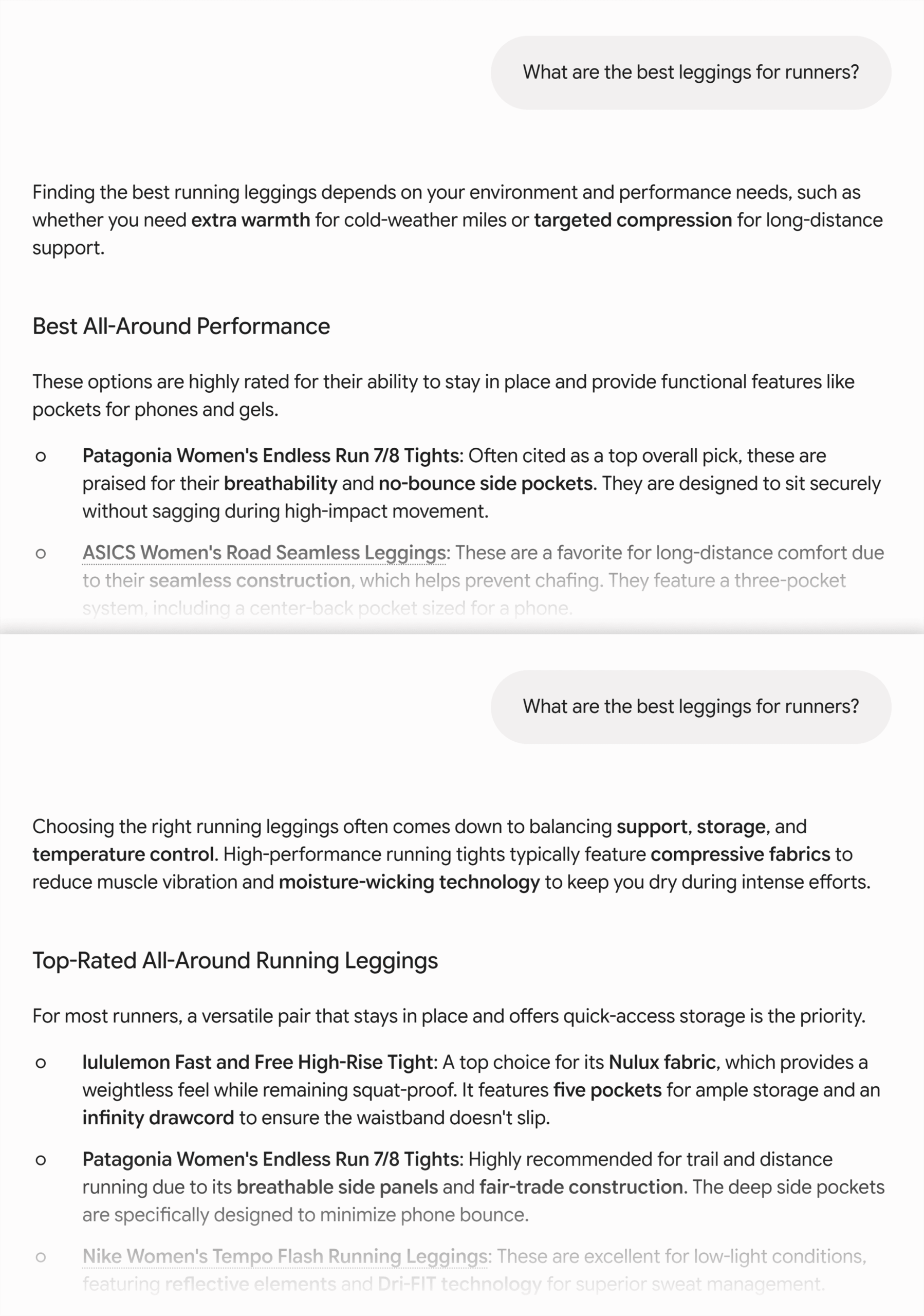
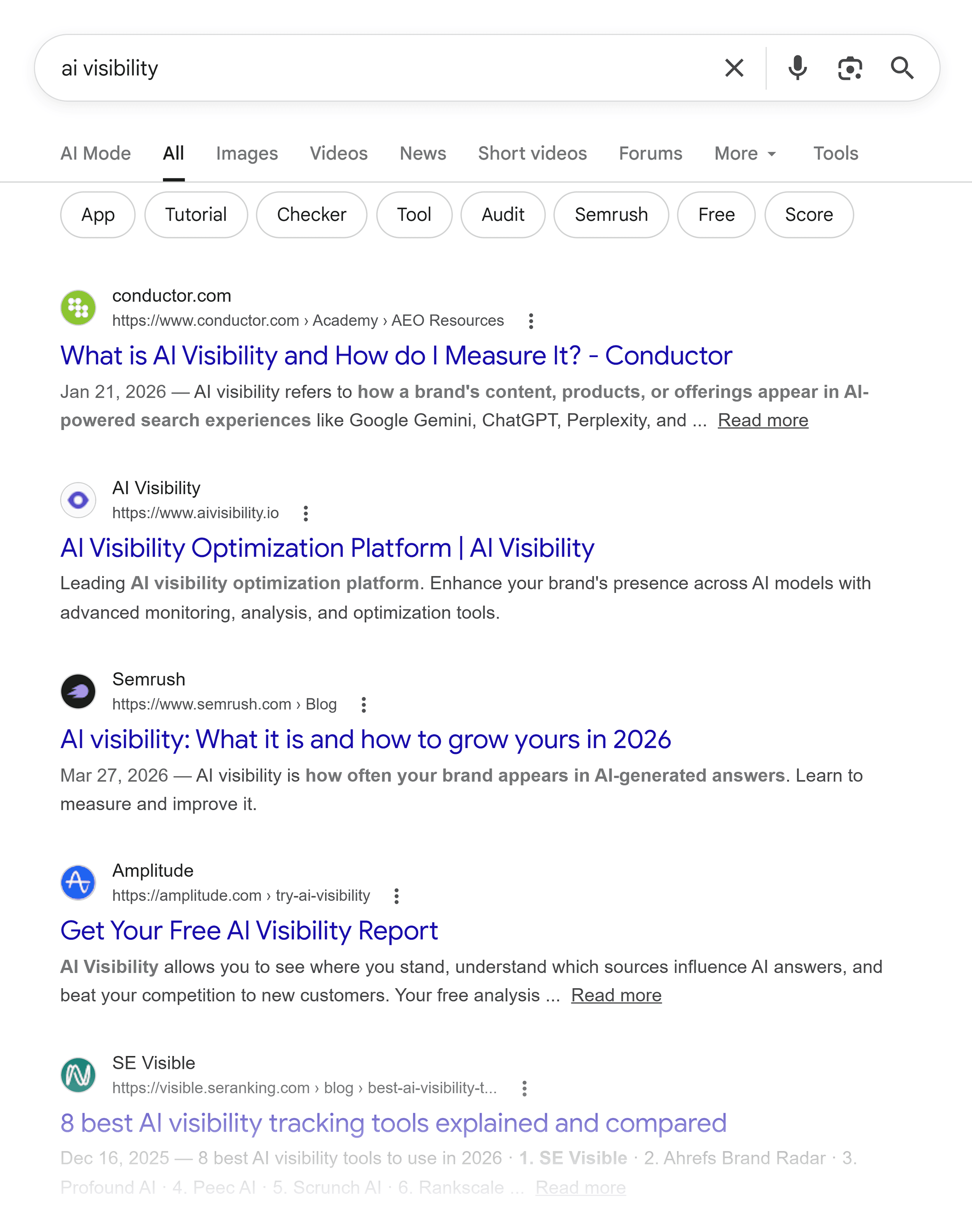
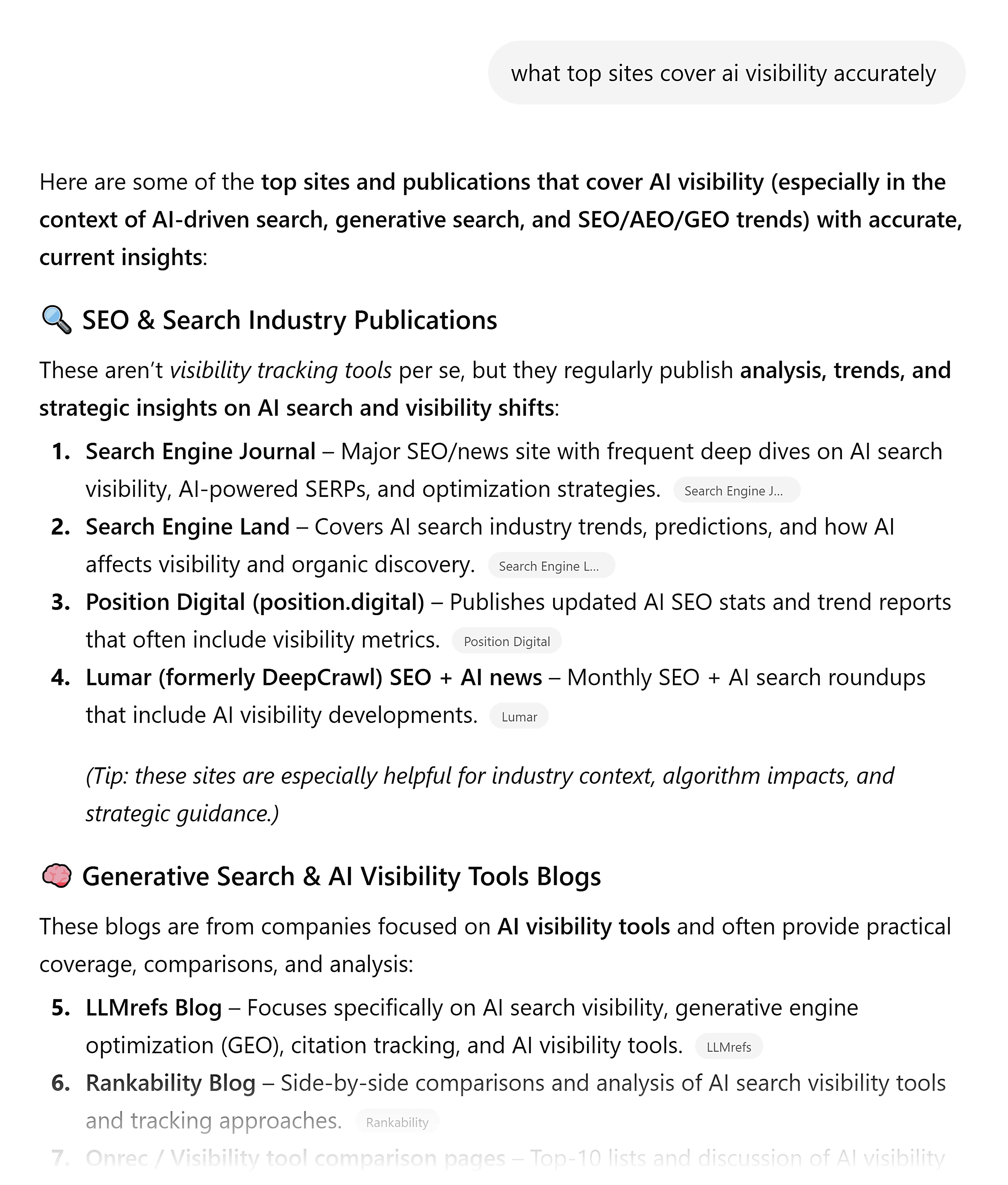
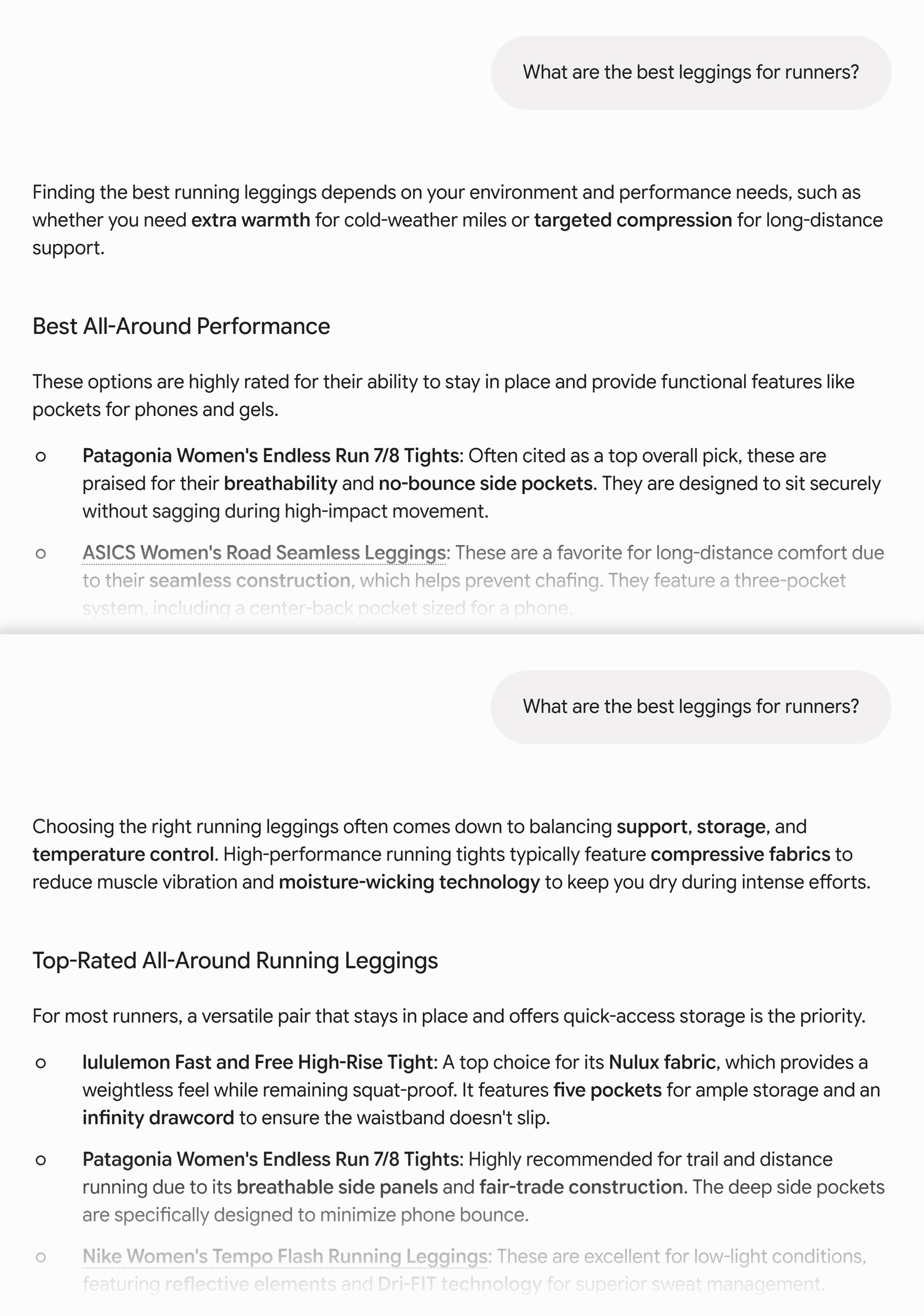
In the contemporary digital landscape, a brand can dominate the traditional search engine results pages (SERPs), securing the coveted #1 ranking on Google, and still remain entirely invisible. As consumers increasingly turn to Large Language Models (LLMs) like OpenAI’s ChatGPT, Google Gemini, and Perplexity for product research, recommendations, and purchase validation, a new paradigm has emerged.
According to a landmark study from Orbit Media, 55% of US internet users now rely on conversational AI as their primary or frequent research tool, with 32% utilizing these systems specifically for product recommendations. Furthermore, G2’s 2026 AI Search Insight Report reveals that 71% of B2B software buyers rely on AI chatbots for product research—up sharply from 60% in the previous year.
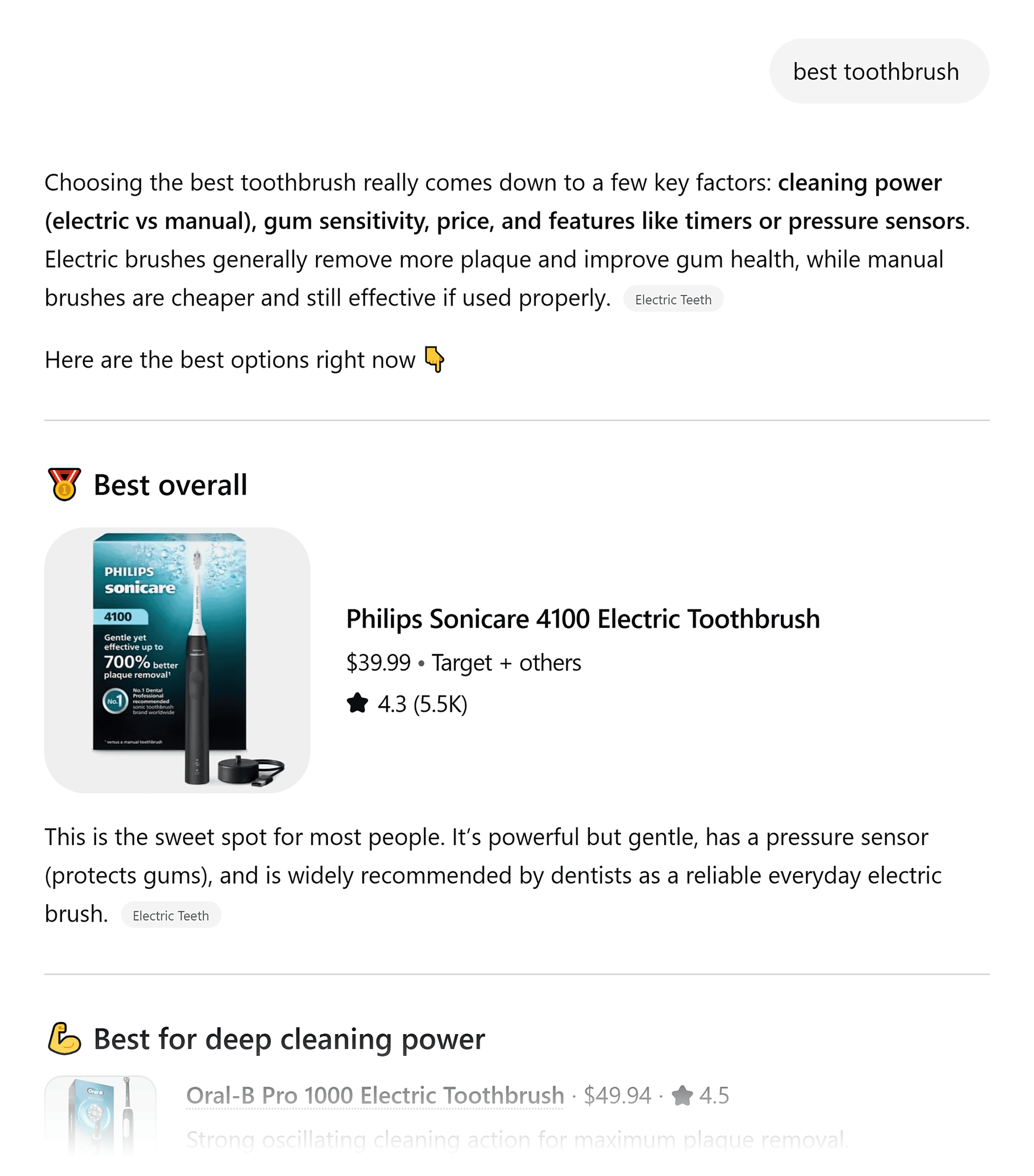
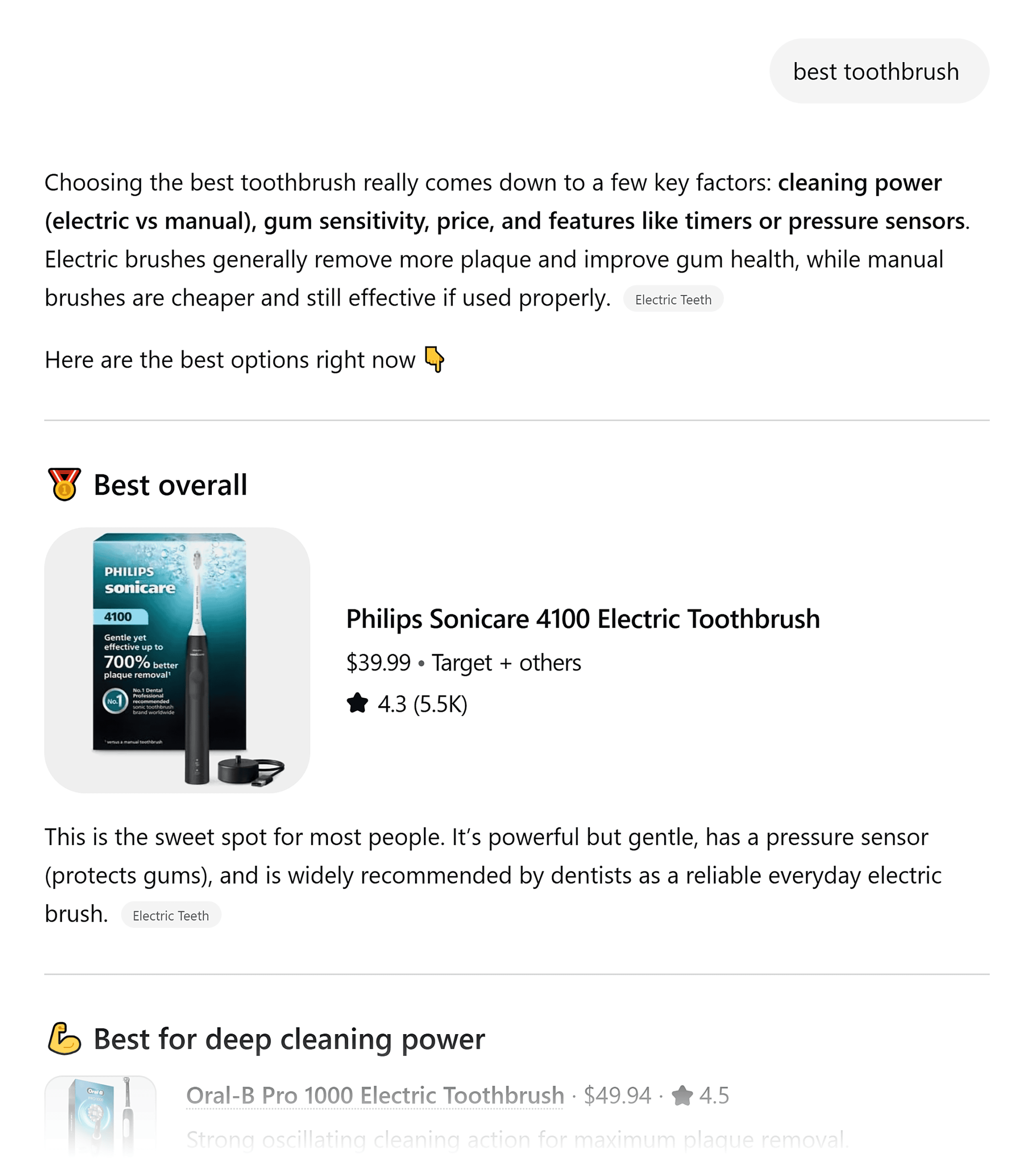
Unlike traditional search engines that serve a static list of ten blue links, LLMs synthesize massive datasets to generate unique, real-time responses tailored to individual user intent and conversational context. Consequently, businesses face a stark reality: if they are absent from the conversations LLMs have with buyers regarding their industry category, or if they appear with outdated, inaccurate data, their sales will suffer.
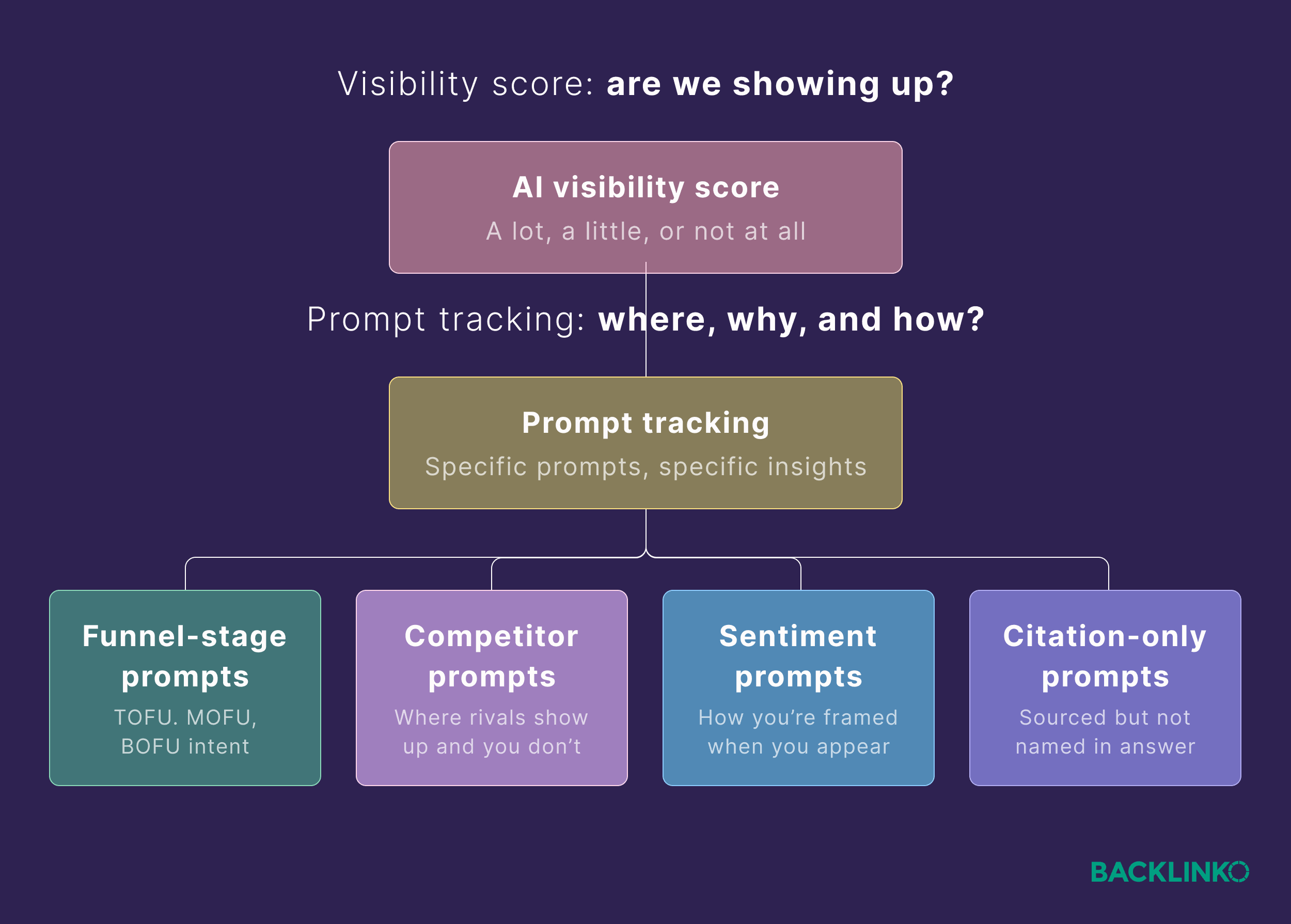
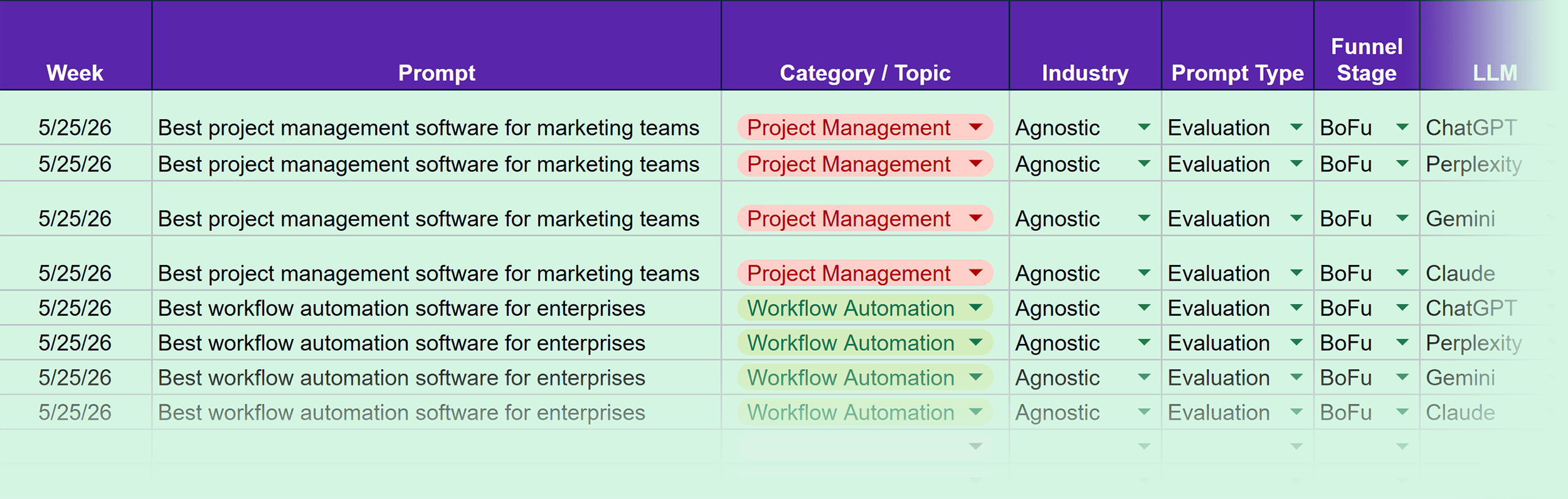
To combat this, digital marketers and enterprises are adopting prompt tracking—also known as LLM visibility tracking. This strategic practice monitors how a brand surfaces in AI-generated answers over time through direct mentions or citations, providing the directional intelligence required to identify and close visibility gaps.
Chronology: The Shift from Keywords to Conversational AI
The evolution of search marketing has undergone a radical transformation over the past decade:
The Era of Keyword Rankings (Pre-2023): Digital visibility was defined by URL positions on search engine result pages. Brands optimized metadata and built backlinks to climb static ranking lists for specific string queries.
The Rise of Generative Engines (2023–2024): Conversational interfaces gained mainstream adoption. Consumers began asking complex, multi-layered questions rather than typing fragmented keywords into search bars. Initial attempts to measure this shift relied on ad-hoc, manual queries.
The Maturation of AI Search (2025–2026): Studies from research organizations like Orbit Media and G2 confirmed that a majority of B2B and consumer buyers bypassed traditional search engines entirely during the evaluation phase.
The Emergence of Systematic Prompt Tracking (Present): Industry leaders transitioned from manual prompt checking to automated tracking frameworks. Tools like Semrush’s AI Visibility system introduced quantitative prompting metrics, allowing brands to analyze prompt volumes, citation rates, and competitive positioning with the same rigor previously reserved for traditional SEO.
Supporting Data: Understanding AI Visibility Metrics
Navigating AI visibility requires tracking specific metrics that differ fundamentally from traditional ranking reports. Industry benchmarks highlight the growing necessity of this data:
55%: The percentage of US internet users relying on AI as a primary or frequent research tool.
32%: The share of users utilizing LLMs directly for product recommendations.
71%: The proportion of B2B software buyers depending on AI chatbots for vendor research as of 2026.
85%: The percentage of brand mentions in LLM outputs that originate from third-party reference pages (such as review aggregators, forums, and trade publications), according to Airops data.
Evaluating the Funnel: A Case Study
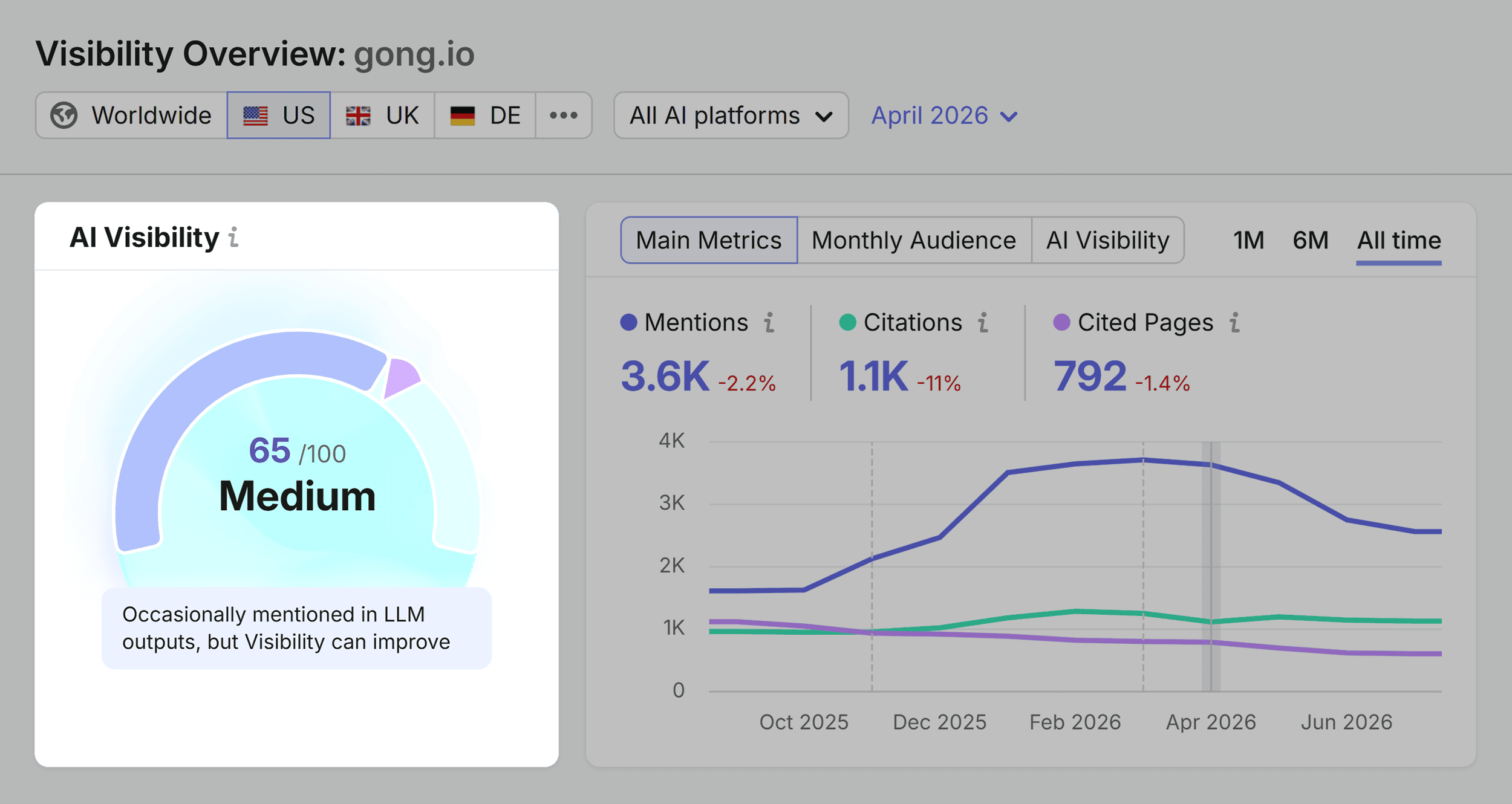
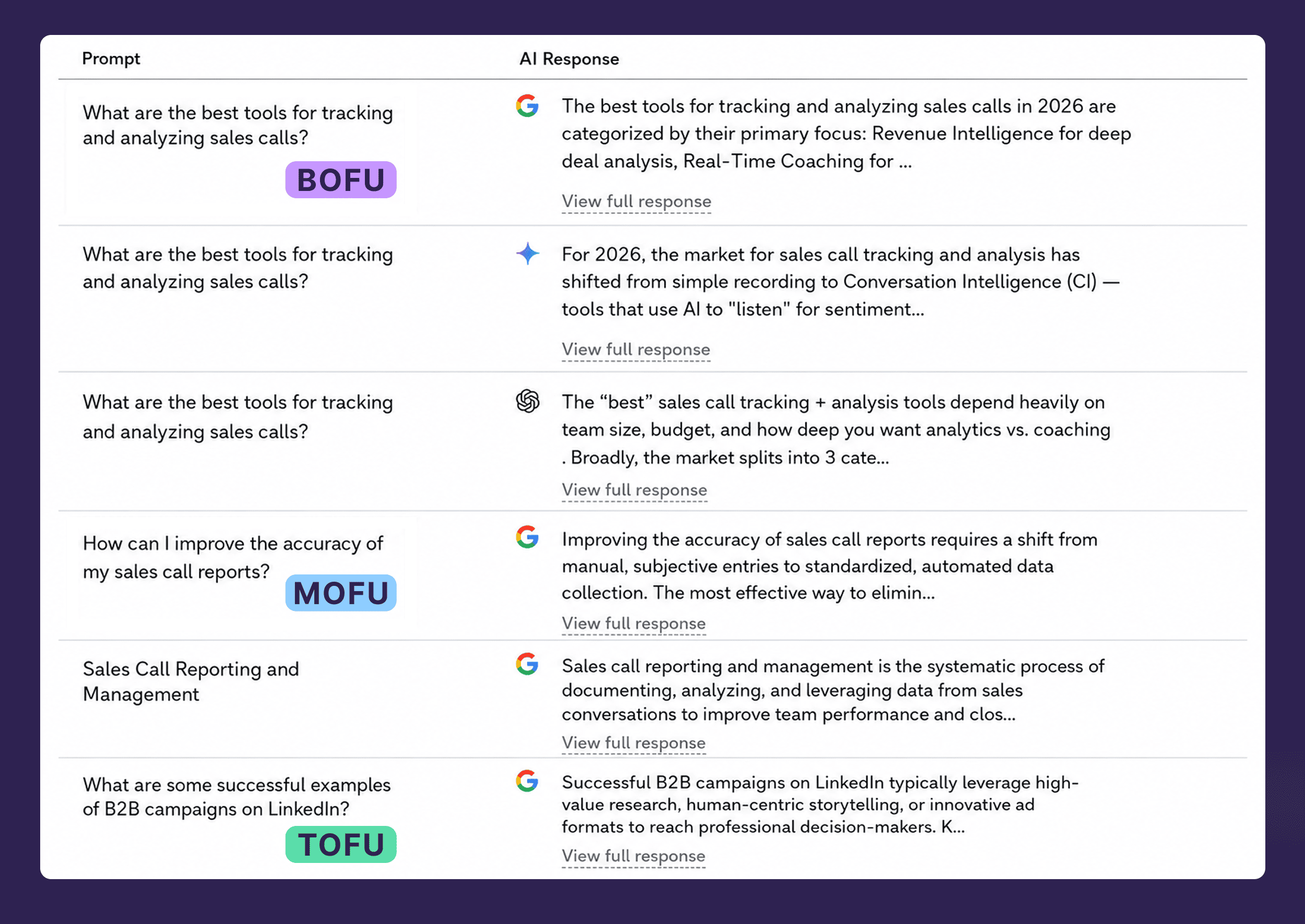
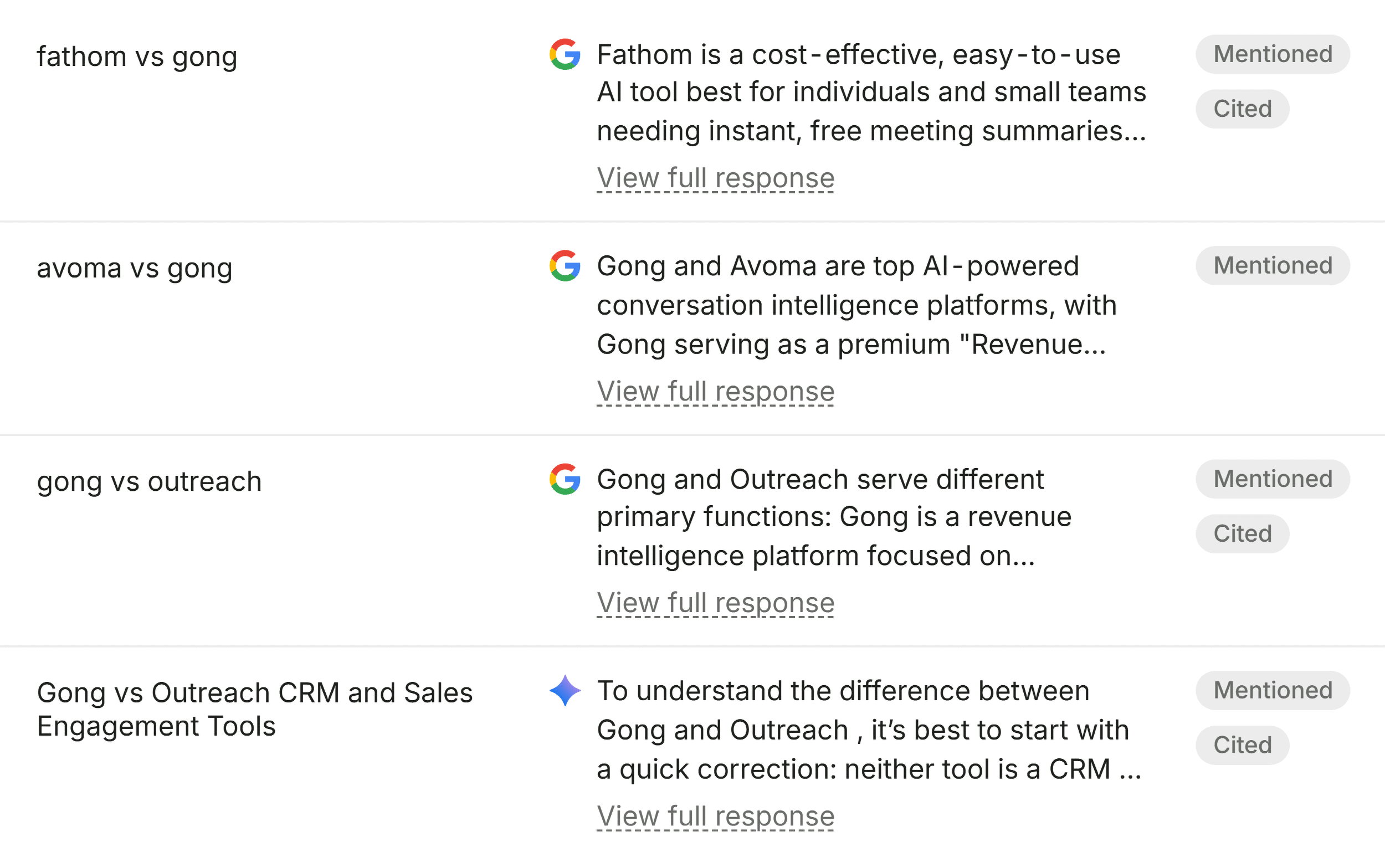
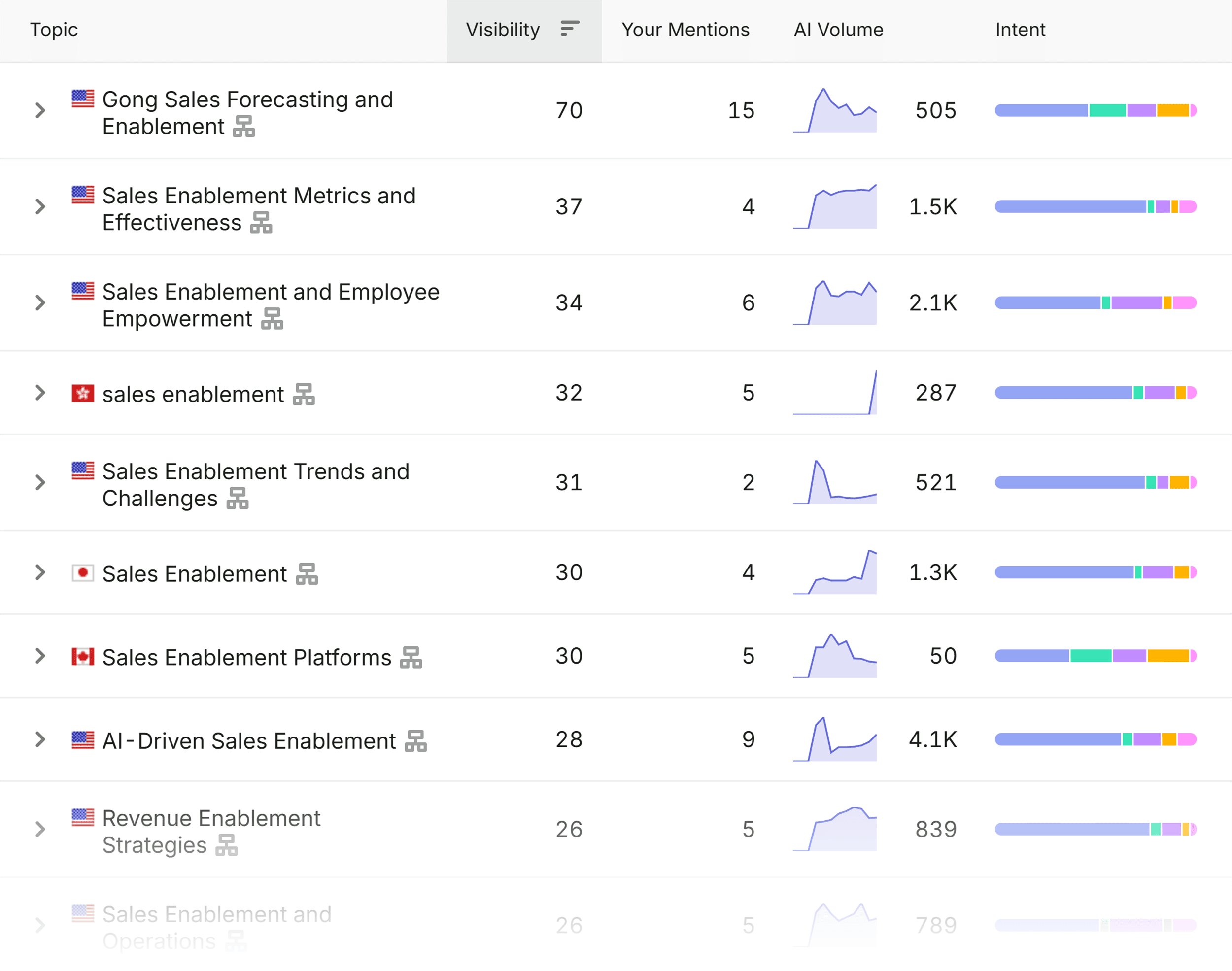
Consider sales call intelligence platform Gong, which holds a strong AI visibility score of 65. By utilizing prompt tracking, Gong evaluates its presence across top-of-funnel (TOFU), middle-of-funnel (MOFU), and bottom-of-funnel (BOFU) prompts.
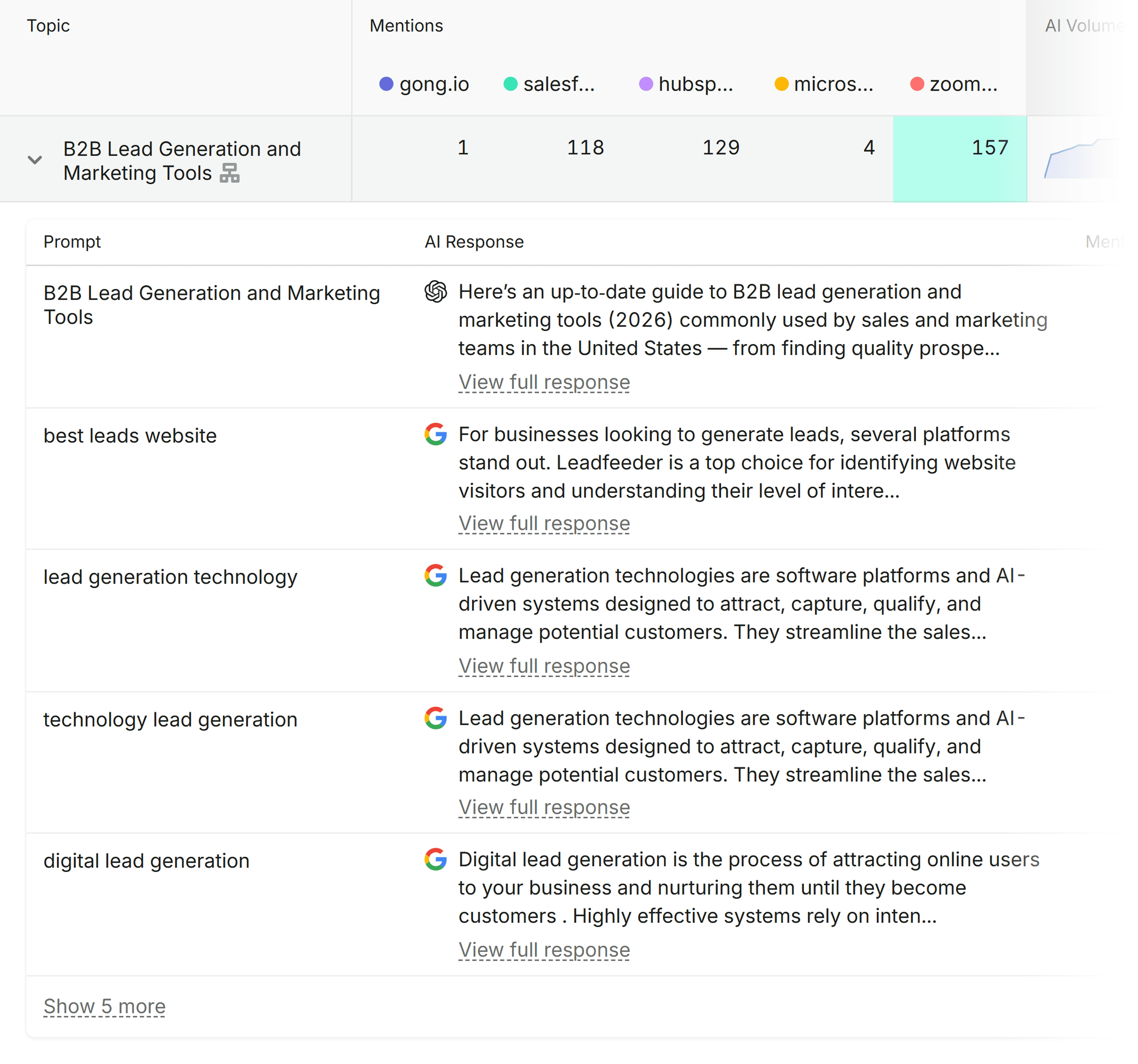
Data reveals that while Gong dominates core conversational intelligence prompts, competitors like Salesforce and HubSpot frequently capture lead-generation and sales-engagement queries. This granular insight allows Gong to direct content development toward high-revenue conversational gaps rather than wasting resources on low-impact terms.
Official Responses and Expert Insights
Industry leaders emphasize that prompt tracking is not a universal necessity, but rather a vital tool for organizations with mature content engines and active competitor landscapes.
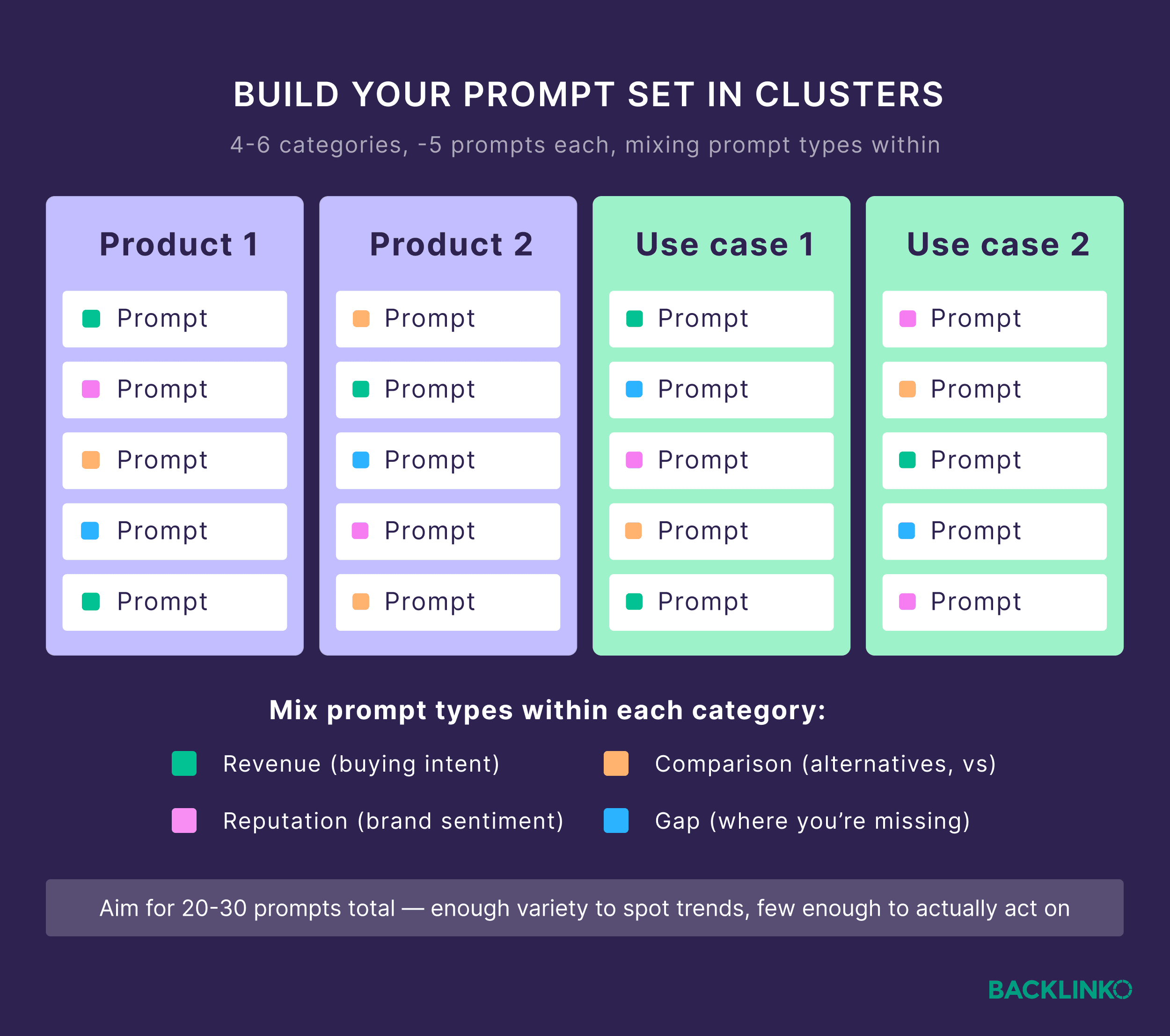
Margaret Kapitany, Offsite SEO Lead at Hootsuite, notes that managing a robust prompt set requires strategic categorization.
"When leadership asks for numbers, she can report on which industries Hootsuite is most visible in, or cross-reference visibility for BoFu prompts with direct traffic trends," Kapitany explains.
However, Kapitany also highlights the inherent volatility of LLMs:
"The changing outputs of LLMs were surprising when she first started prompt tracking. Answers vary run-to-run, requiring teams to focus on long-term trends rather than single-session snapshots."
Similarly, Jonny Nastor, Founder and Head of Strategy at Digital Commerce Partners, approaches visibility through the lens of "jobs to be done" and buyer constraints. Nastor developed the "Constraint Map" methodology—a framework that pairs semantic query modifiers with search volume and API-driven tracking across ChatGPT, Perplexity, and Gemini.
Nastor warns against a phenomenon he terms "ghost ranking," where a brand’s content appears in the AI’s citation panel, but the model ultimately recommends a competitor in the prose.
"Your content shows up in the citation panel, but the AI recommends a competitor," Nastor states, emphasizing the need to audit third-party digital profiles to convert passive citations into active recommendations.
Implications: How to Read, Act, and Avoid Common Misreads
As organizations adopt prompt tracking workflows, understanding how to interpret the data is critical to avoiding strategic missteps.
Key Signals to Watch For
Consistency Over Time: A single week of low visibility is often statistical noise caused by model updates. Teams should track data weekly but evaluate trends over four or more consecutive weeks before adjusting strategy.
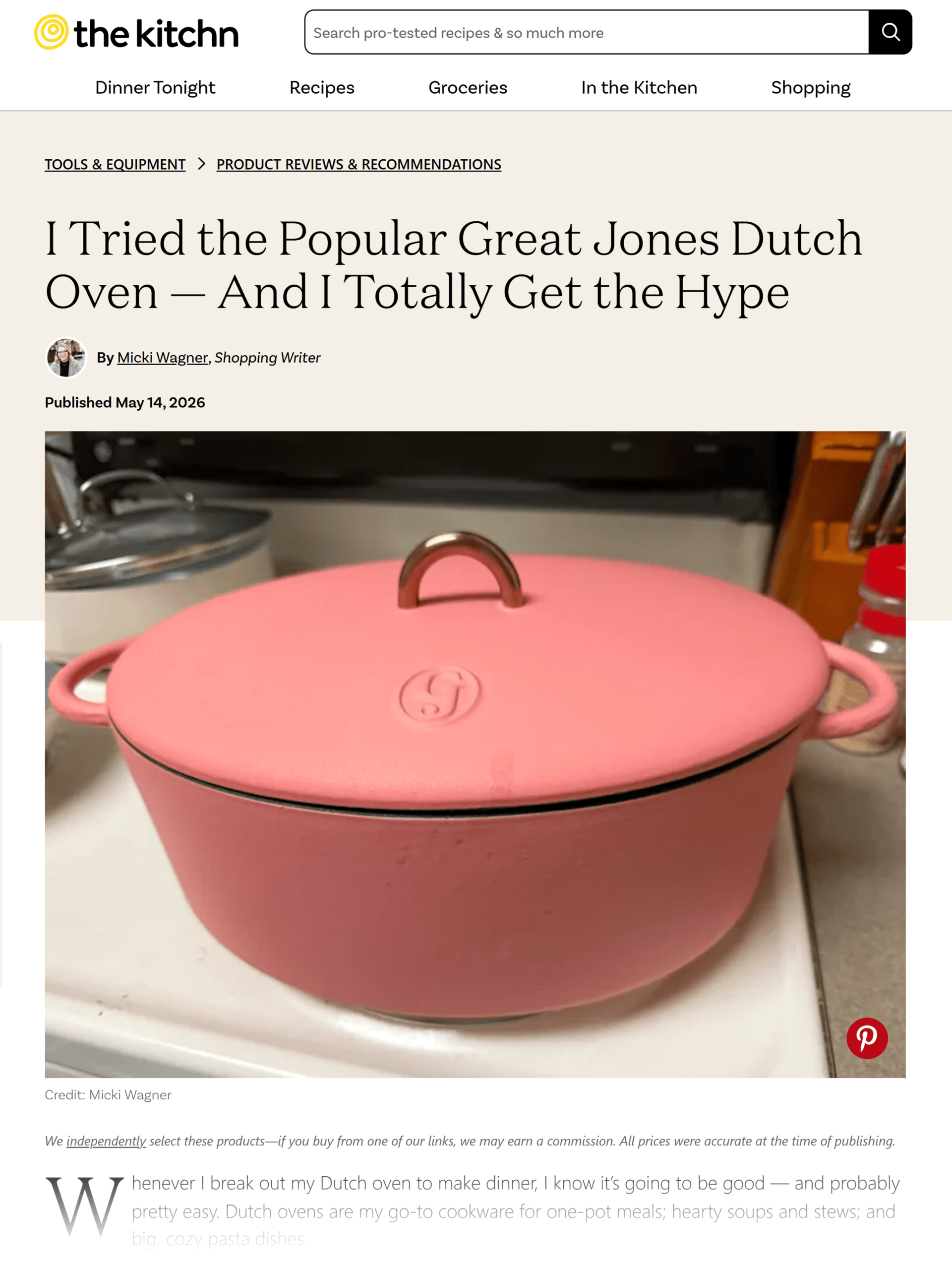
Third-Party Source Inclusion: Because LLMs heavily favor external authority, monitoring cited sources (such as G2, Reddit, or industry trade sites) reveals precisely where a brand must pitch reviews, contributed articles, or product updates.
The Mention-to-Citation Ratio: Shifting from a direct prose mention to a silent sidebar citation indicates a need to update on-site product documentation and strengthen third-party validation profiles.
Common Misreads to Avoid
Reacting to Weekly Fluctuations: Making hasty content pivots based on a single poor reporting cycle often results in wasted resources.
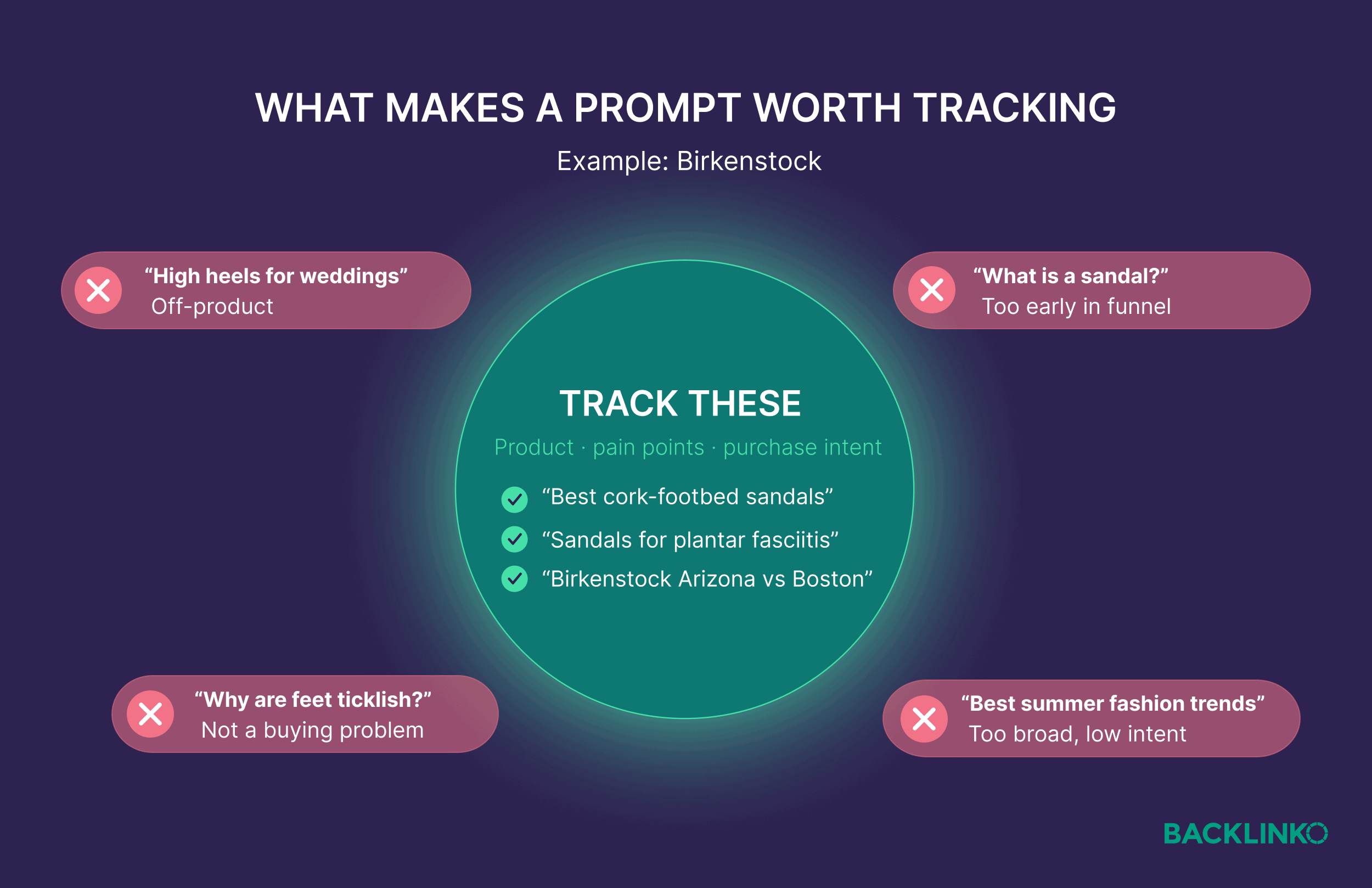
Inflating Metrics with Branded Prompts: Including brand names in prompt sets yields artificially high visibility scores that do not reflect true customer discovery. Branded queries should be segmented strictly for reputation and comparison tracking.
Assuming Low Scores Require More Content: An absence of AI visibility is frequently a distribution or review-generation problem, not a volume deficiency. Securing placement in trusted third-party roundups often remedies visibility gaps faster than publishing new blog posts.
Ultimately, prompt tracking serves as a compass rather than a scoreboard. By focusing on bottom-of-funnel queries, monitoring third-party ecosystem authority, and measuring sustained trends, brands can secure their position in the rapidly expanding answer economy.