In the traditional era of search engine optimization, the goal was simple: climb to the top of Google’s first page. If you held the number one spot, you secured the lion’s share of traffic. However, the rise of Large Language Models (LLMs) like ChatGPT, Perplexity, and Google’s own AI Overviews has fundamentally altered the digital landscape. Today, a brand can rank first on Google and still remain completely invisible to AI search users.

The missing link in modern SEO is a process known as query fan-out. Understanding this backend mechanism is no longer optional for marketers; it is the new prerequisite for remaining relevant in an AI-driven search ecosystem.
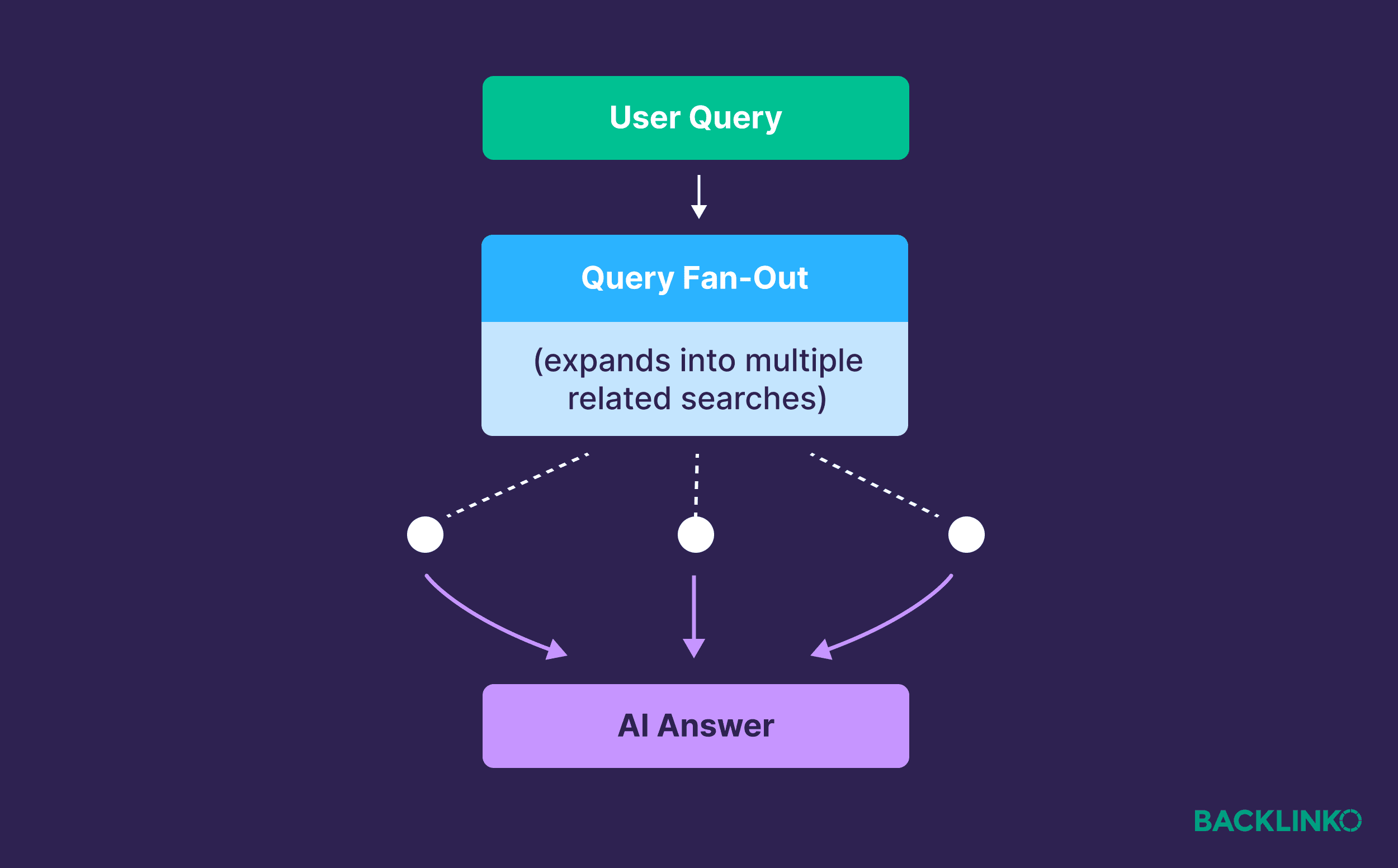
What Is Query Fan-Out?
Query fan-out is the sophisticated process AI systems use to deconstruct a single, concise user query into a series of granular sub-queries. When a user enters a prompt—such as "best noise-canceling headphones"—an AI does not simply look for the page with the highest domain authority. Instead, it "fans out" the request to understand the user’s intent more deeply.
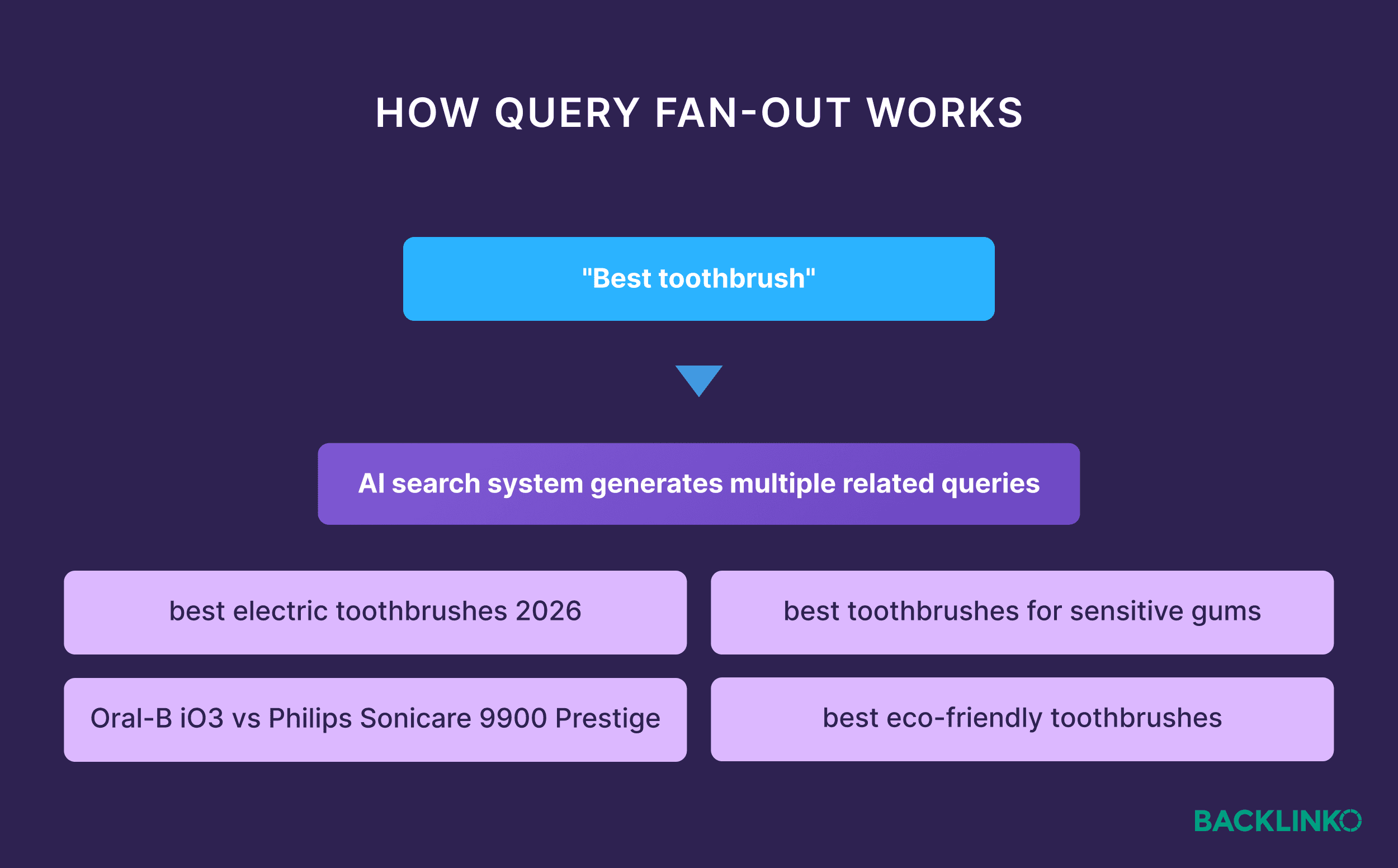
The AI breaks the prompt down into multiple, related sub-questions: What are the top-rated electric models? Which headphones are best for sensitive ears? How do the leading brands compare head-to-head? What are the value-conscious options?
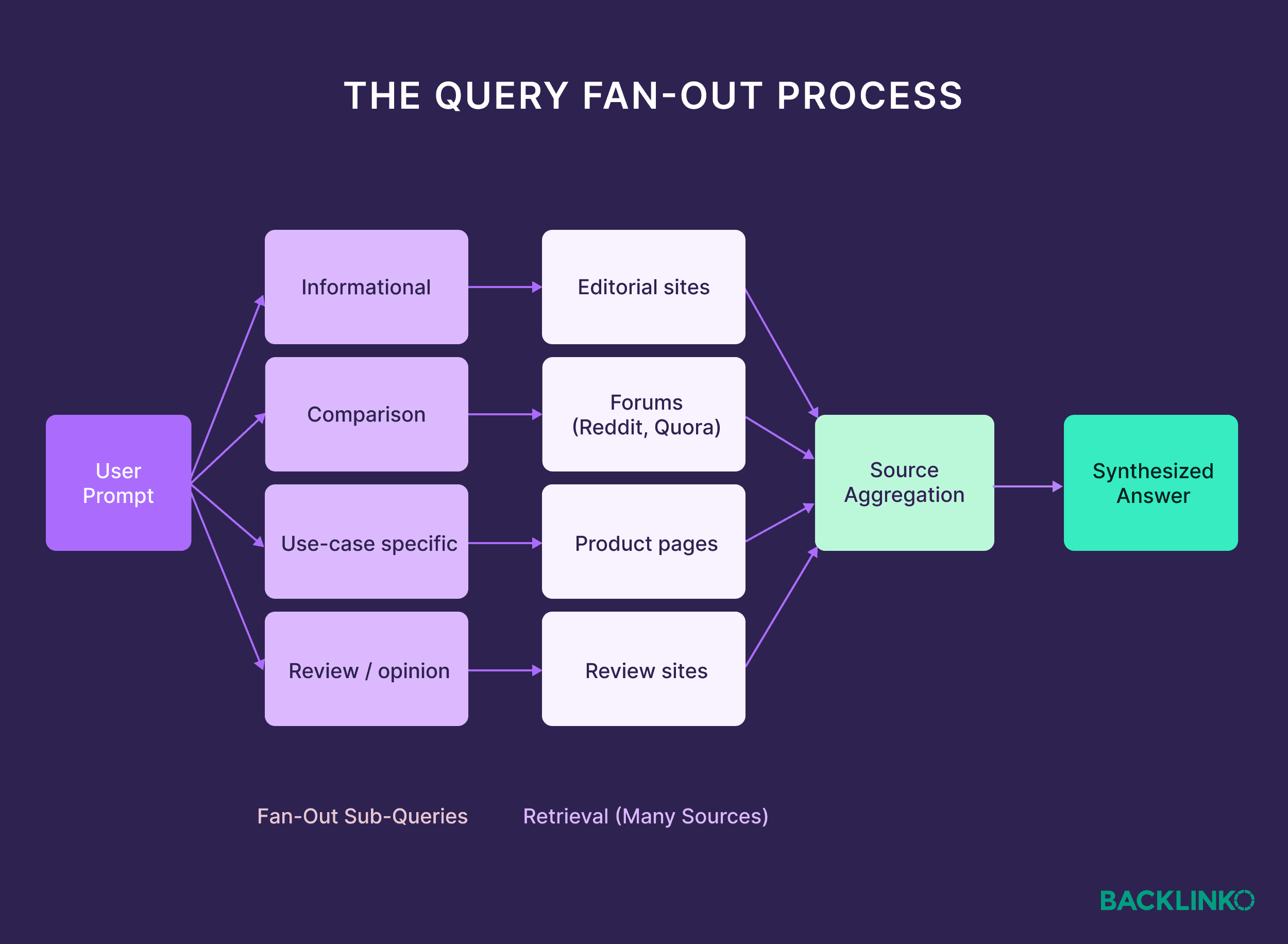
By answering these sub-queries simultaneously, the AI synthesizes a comprehensive response that anticipates a user’s needs before they even ask for clarification. If your brand’s content does not provide the specific, authoritative answers to these sub-queries, you will not be cited, regardless of your traditional search engine ranking.
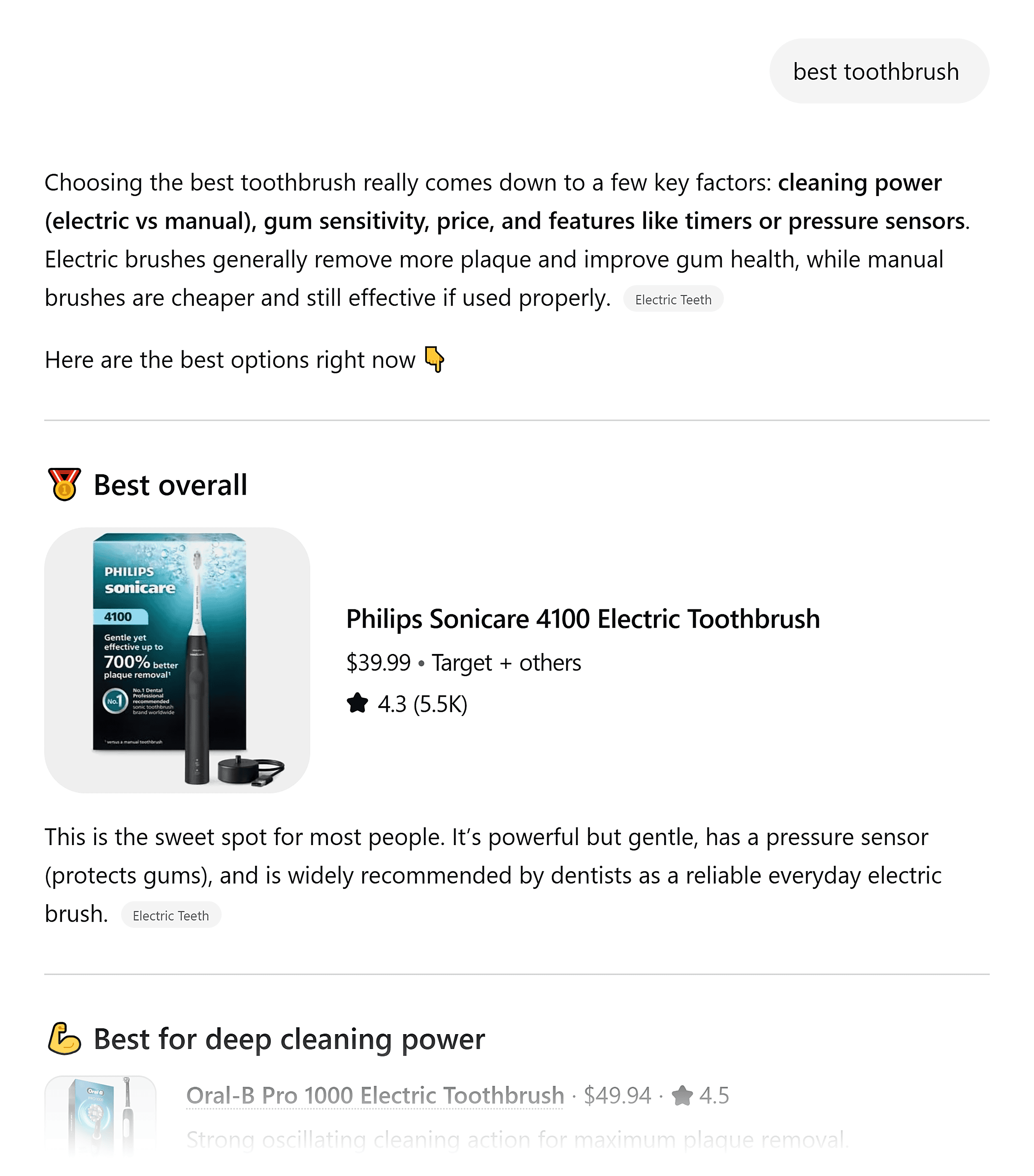
The Chronology of an AI Search Response
To grasp how this works in practice, consider the lifecycle of an AI search request:
- Intent Analysis: The LLM receives a prompt and identifies the core topic and the implicit needs of the user.
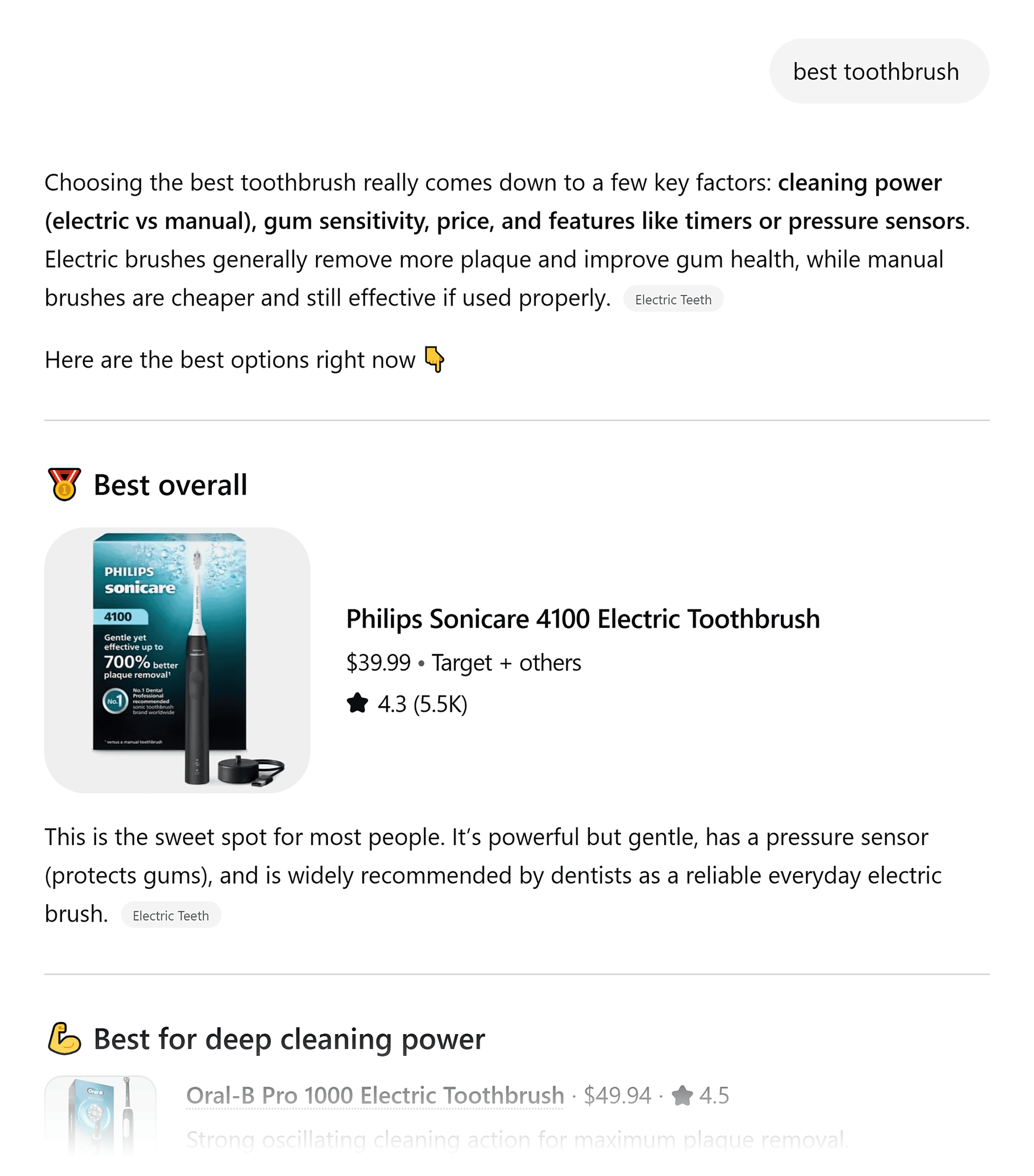
- The Fan-Out: The system identifies multiple "sub-intents." For a broad search like "best toothbrush," it triggers internal sub-searches for comparisons, use-case recommendations, and pricing.
- Information Retrieval: The AI scans its training data and, crucially, performs real-time web searches to pull current, high-quality, and highly relevant snippets of information.
- Synthesis: The AI extracts specific passages from multiple sources, combining them into a single, fluid, and helpful response.
- Attribution: The system assigns citations to the specific sources that provided the most accurate information for each sub-query.
Supporting Data: Why Rankings Don’t Equal Citations
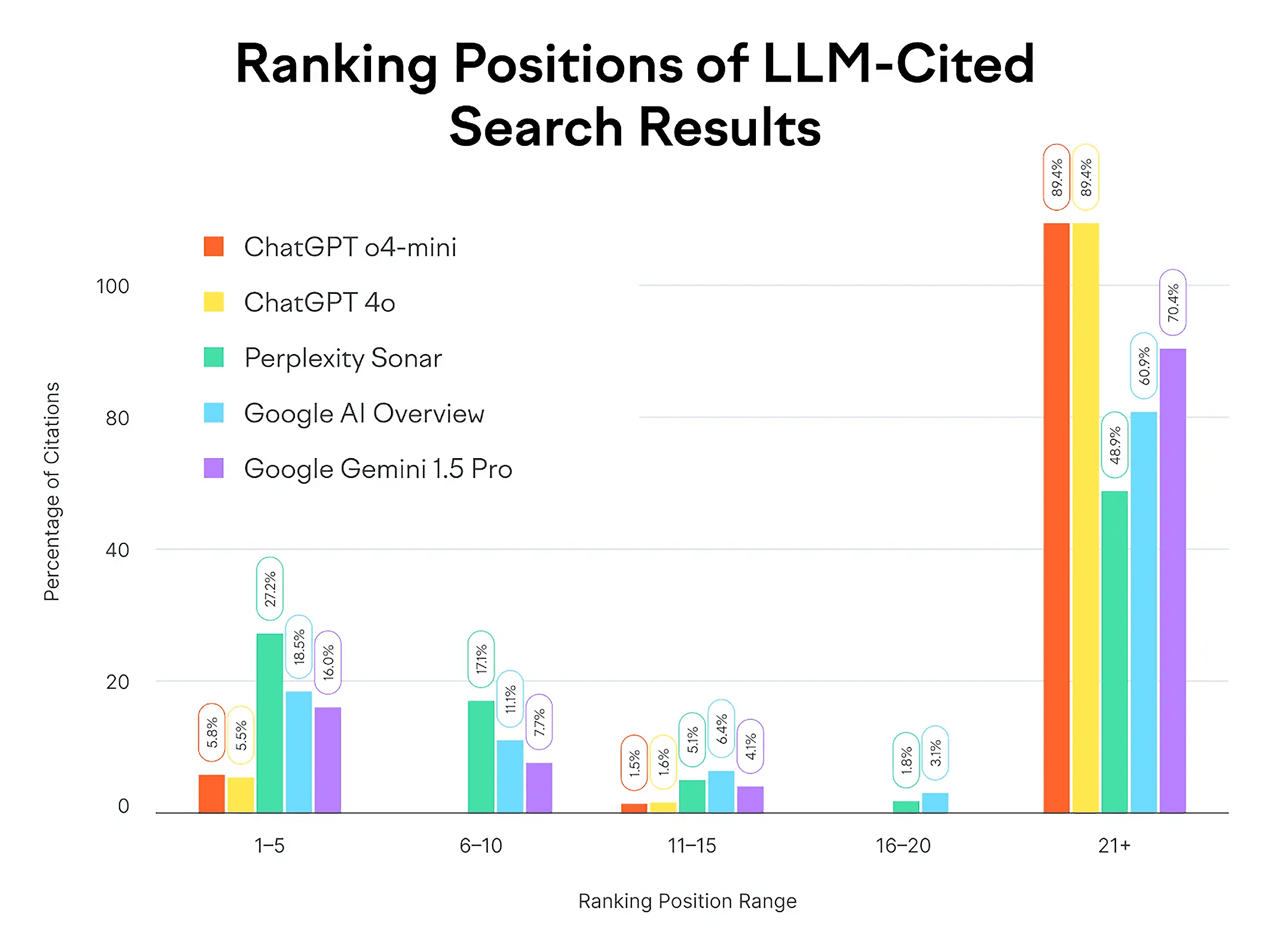
The shift in search behavior is supported by compelling data. According to a recent study by Semrush, there is a clear disconnect between traditional rankings and AI citations. The study found that LLMs frequently cite pages ranking in positions 21 and beyond—pages that would be considered "dead" in traditional SEO.
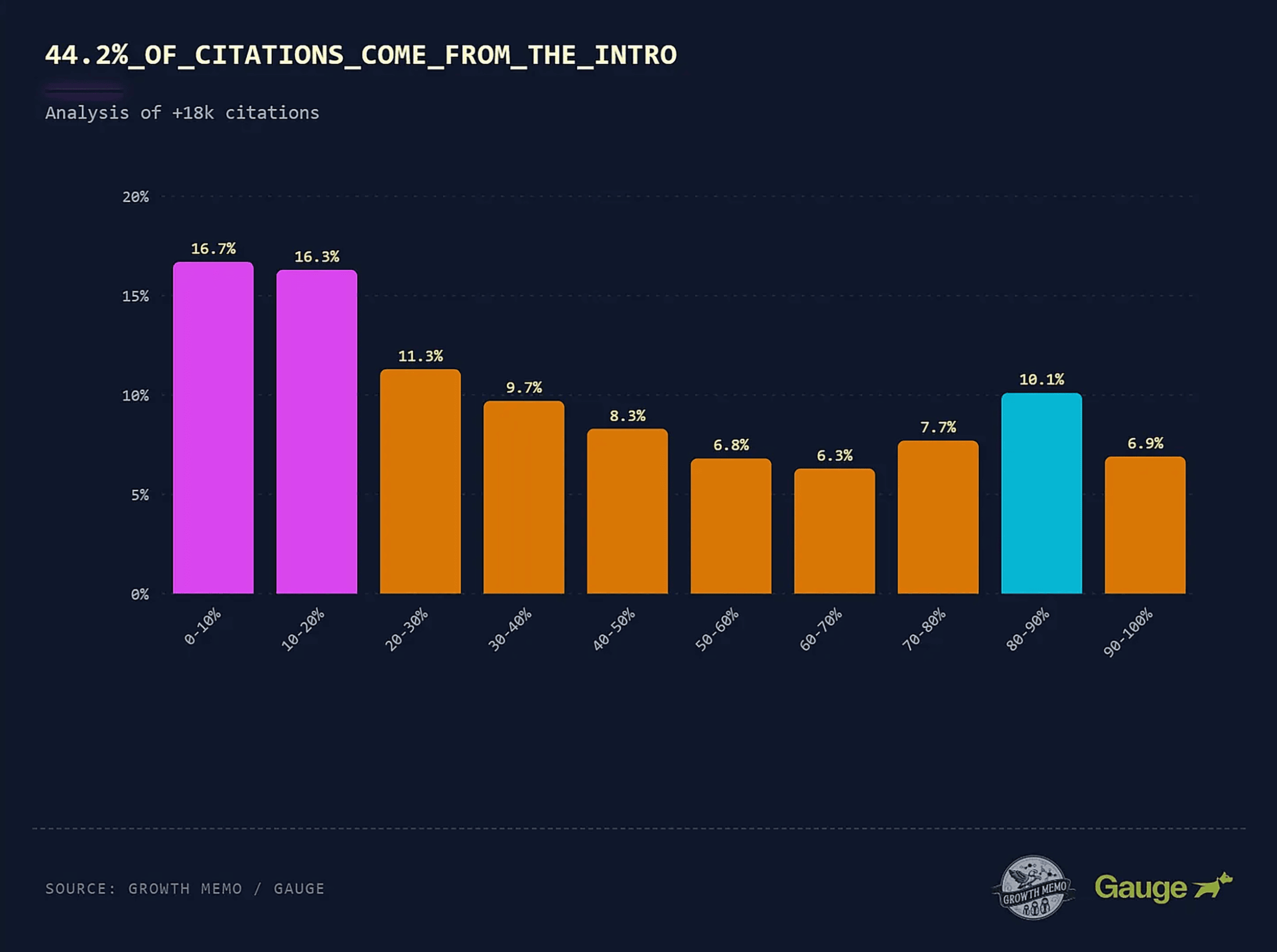
Furthermore, analysis of 1.2 million ChatGPT responses by growth expert Kevin Indig reveals that the "where" matters as much as the "what." Approximately 44.2% of citations are pulled from the first 30% of a page. This suggests that AI prioritizes content that is front-loaded with direct, actionable answers. If your content buries the lead, you are statistically less likely to be chosen as an authoritative source.
The Strategic Implications for Content Teams
This shift requires a total rethink of how we build content. The days of optimizing for a single, broad keyword are fading. Instead, content strategy must now revolve around topical coverage and retrievability.
1. The Death of the Linear Funnel
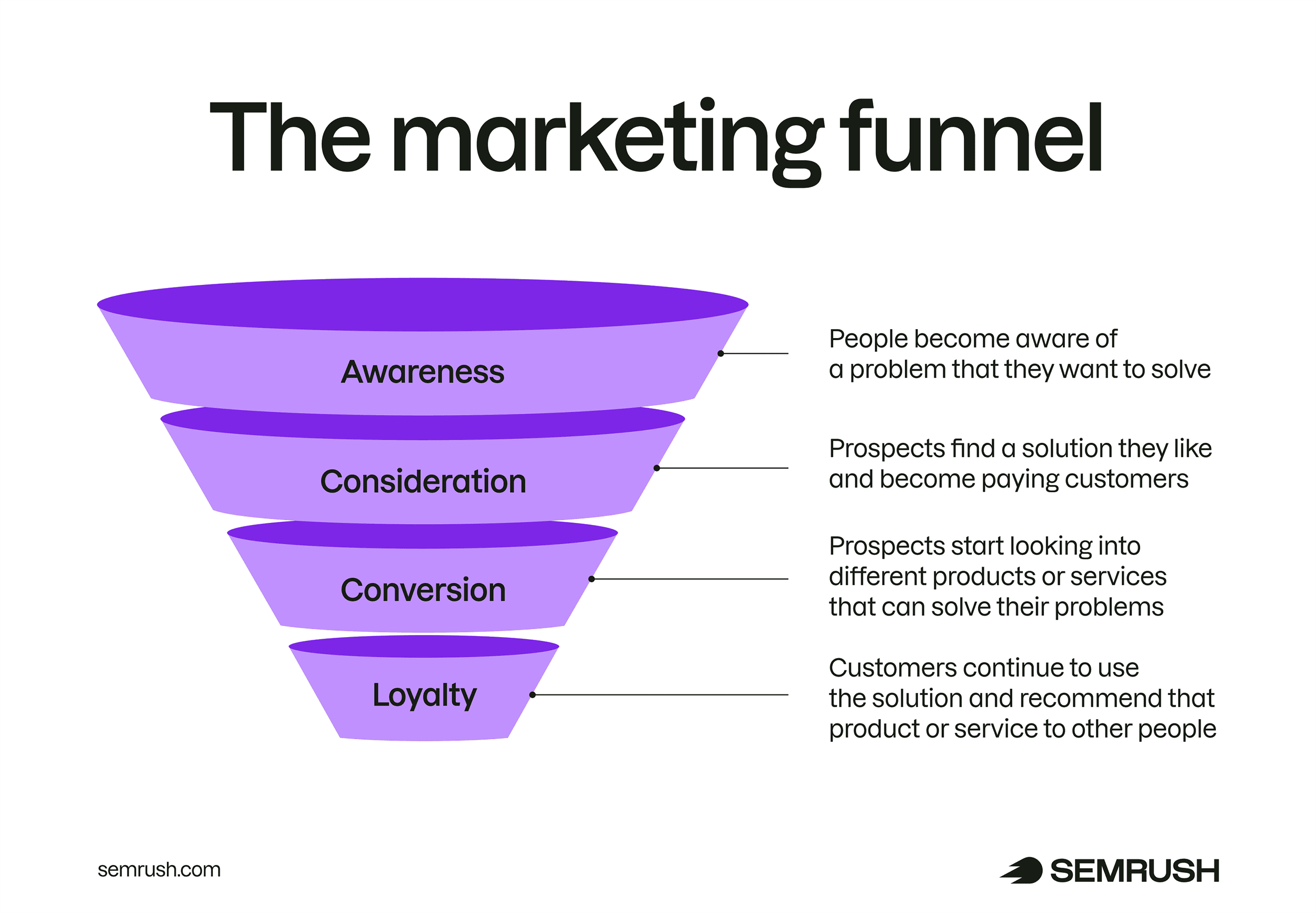
Marketing has long relied on the "Awareness-Consideration-Decision" funnel. AI search collapses this journey. Because the AI synthesizes information from across the entire spectrum of intent, a single interaction now covers the whole buying cycle. Your content must be holistic; if a page is only "awareness" focused, it will fail to capture the AI’s interest when the system is searching for "decision" data.
2. Passage-Level Optimization
AI does not "read" a page; it retrieves passages. To succeed, you must optimize your content for extraction. This means using clear, descriptive subheadings and providing concise, scannable answers to questions within the first few paragraphs of your article.

3. Topic Clusters Over Keywords
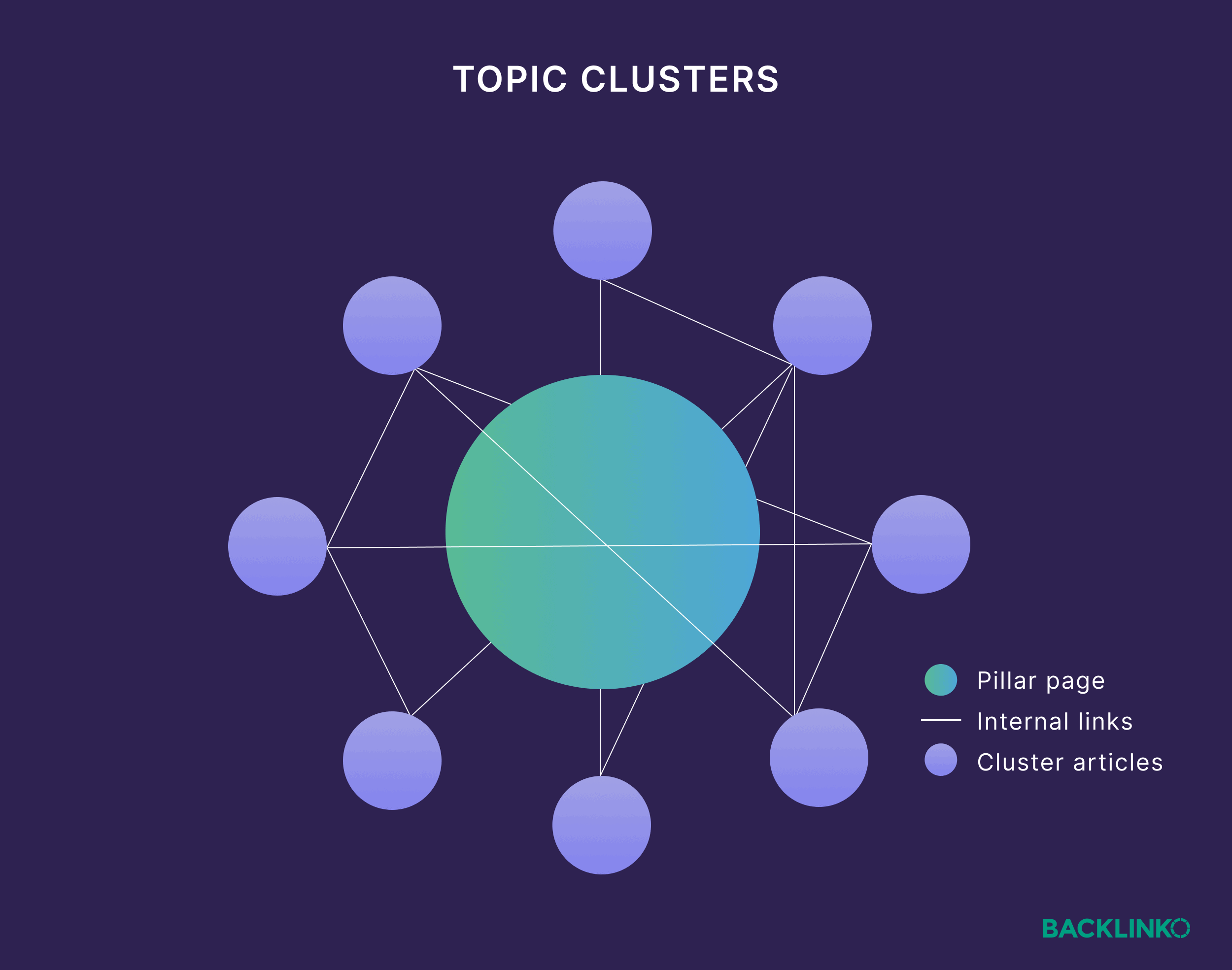
Because AI searches across the entirety of a topic to build its response, your brand needs to demonstrate depth. Topic clusters—where a central "pillar" page links to various sub-topic pages—allow you to capture the entire breadth of a subject, making it much easier for the AI to "fan out" and find your content for every sub-query.

The 6-Step Query Fan-Out Workflow
If you want to earn AI citations, you must transition from a reactive SEO approach to a proactive, fan-out-based strategy.
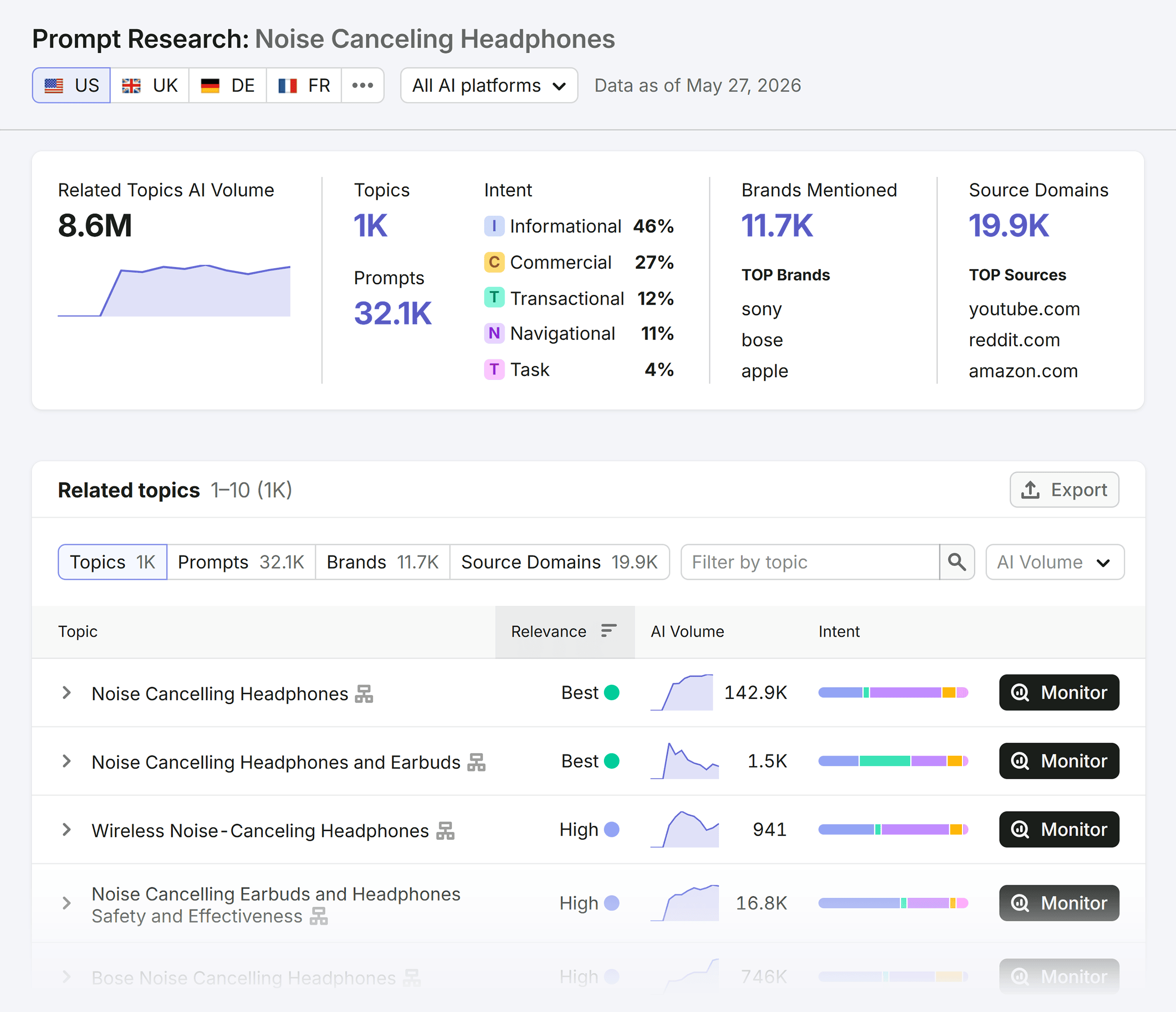
Step 1: Identify Your "Money Prompts"
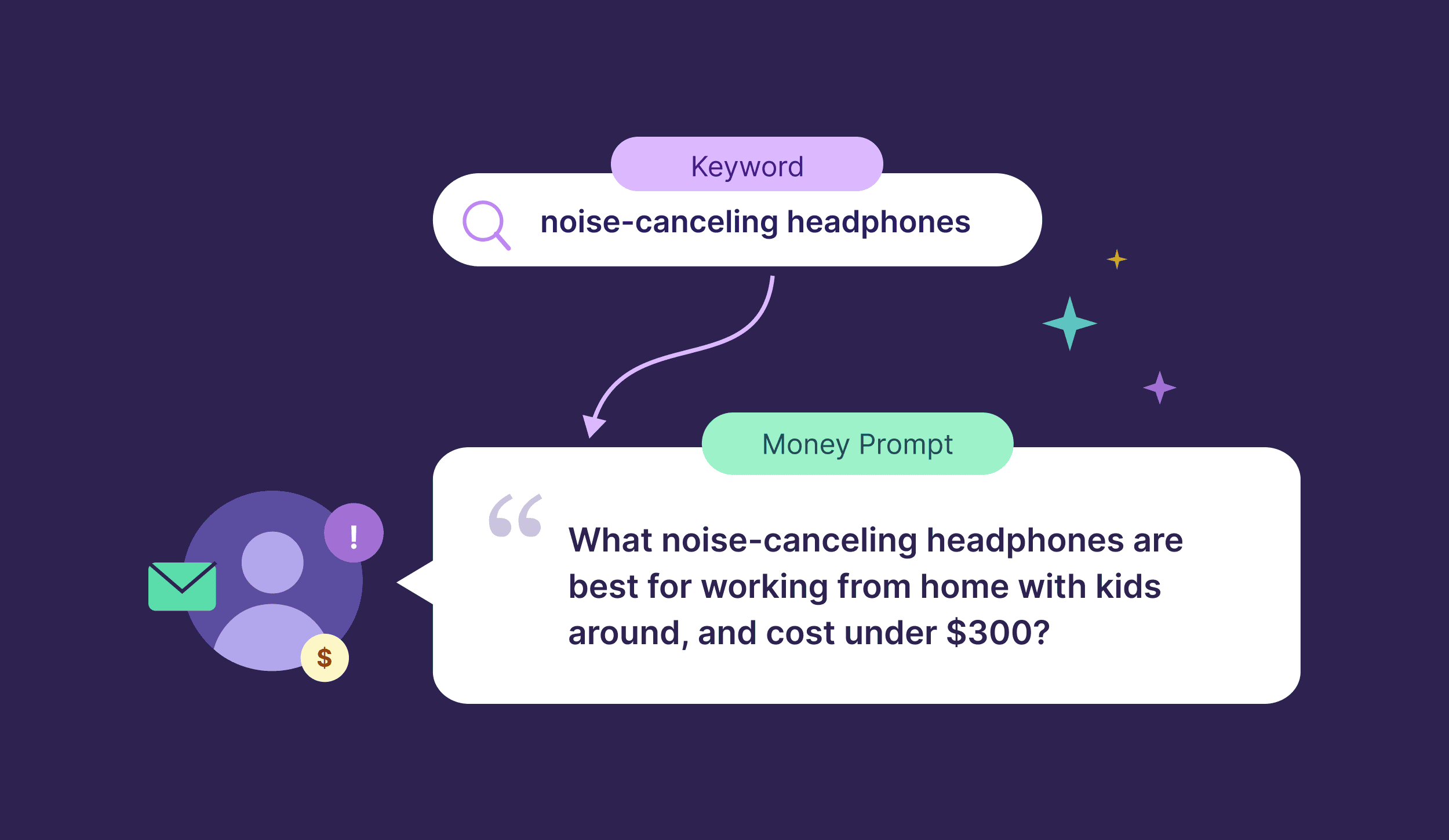
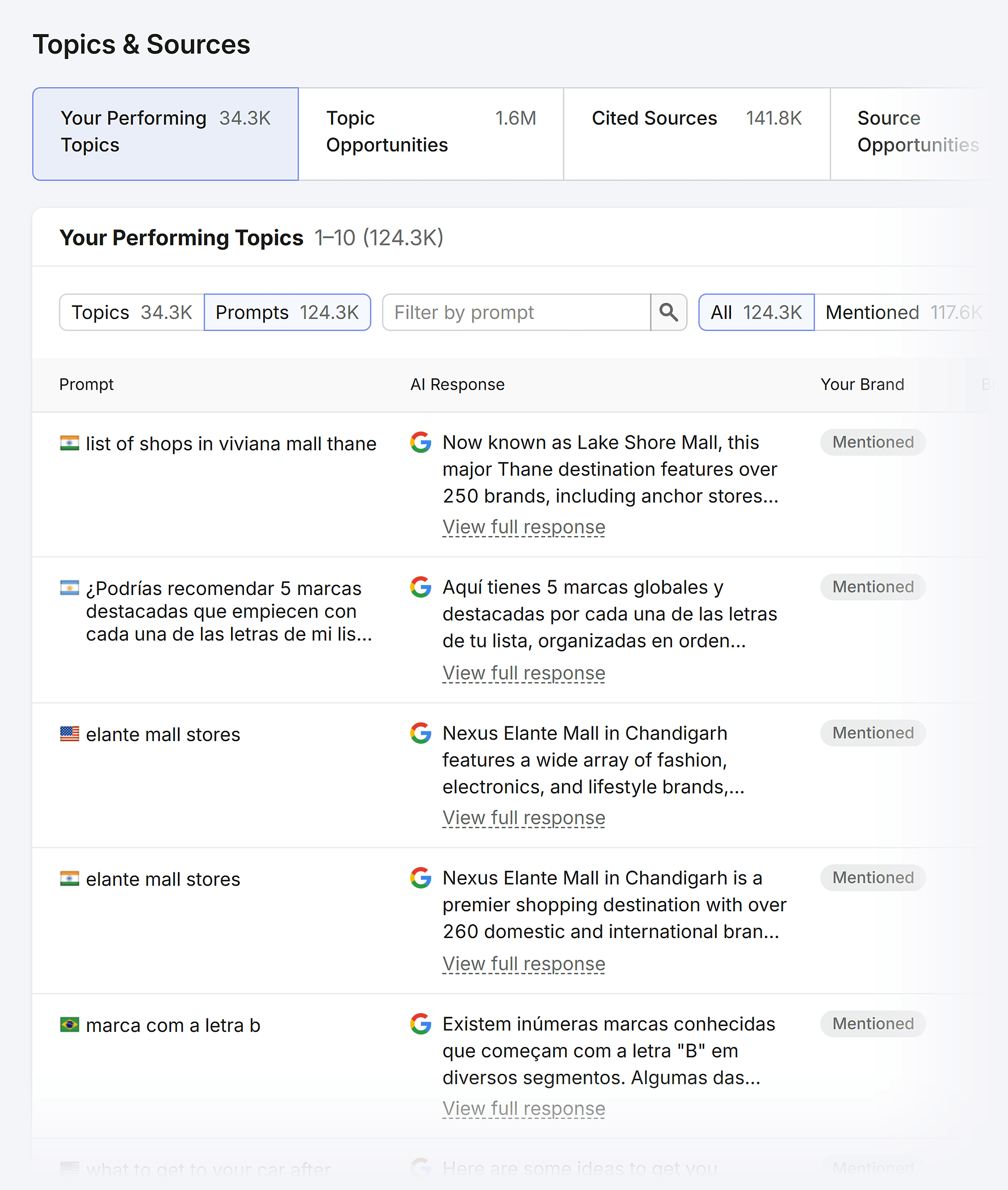
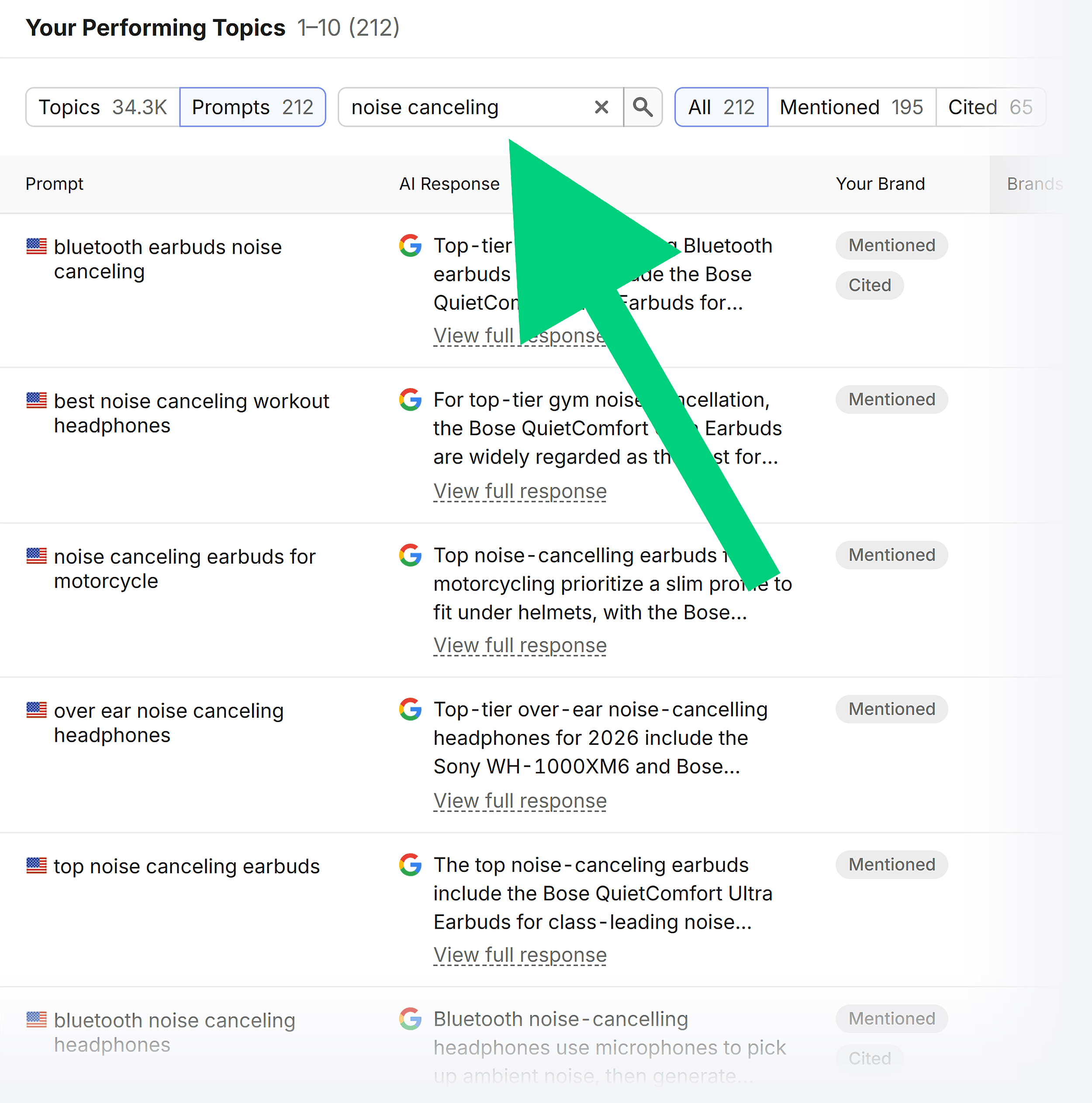
Unlike "money keywords," which are transactional search terms, "money prompts" are the complex, conversational questions your audience asks AI. Use tools like the Semrush AI Visibility Toolkit to see what users are actually asking LLMs in your industry.
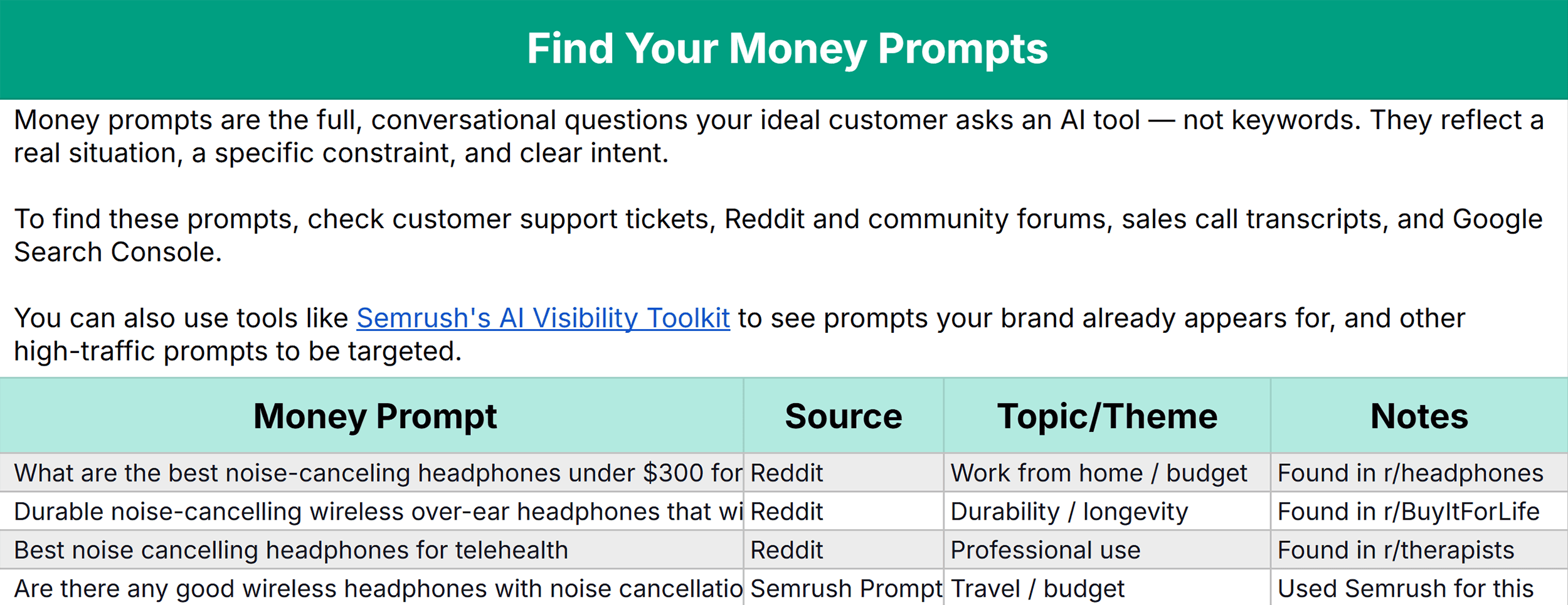
Step 2: Generate Your Fan-Out Set
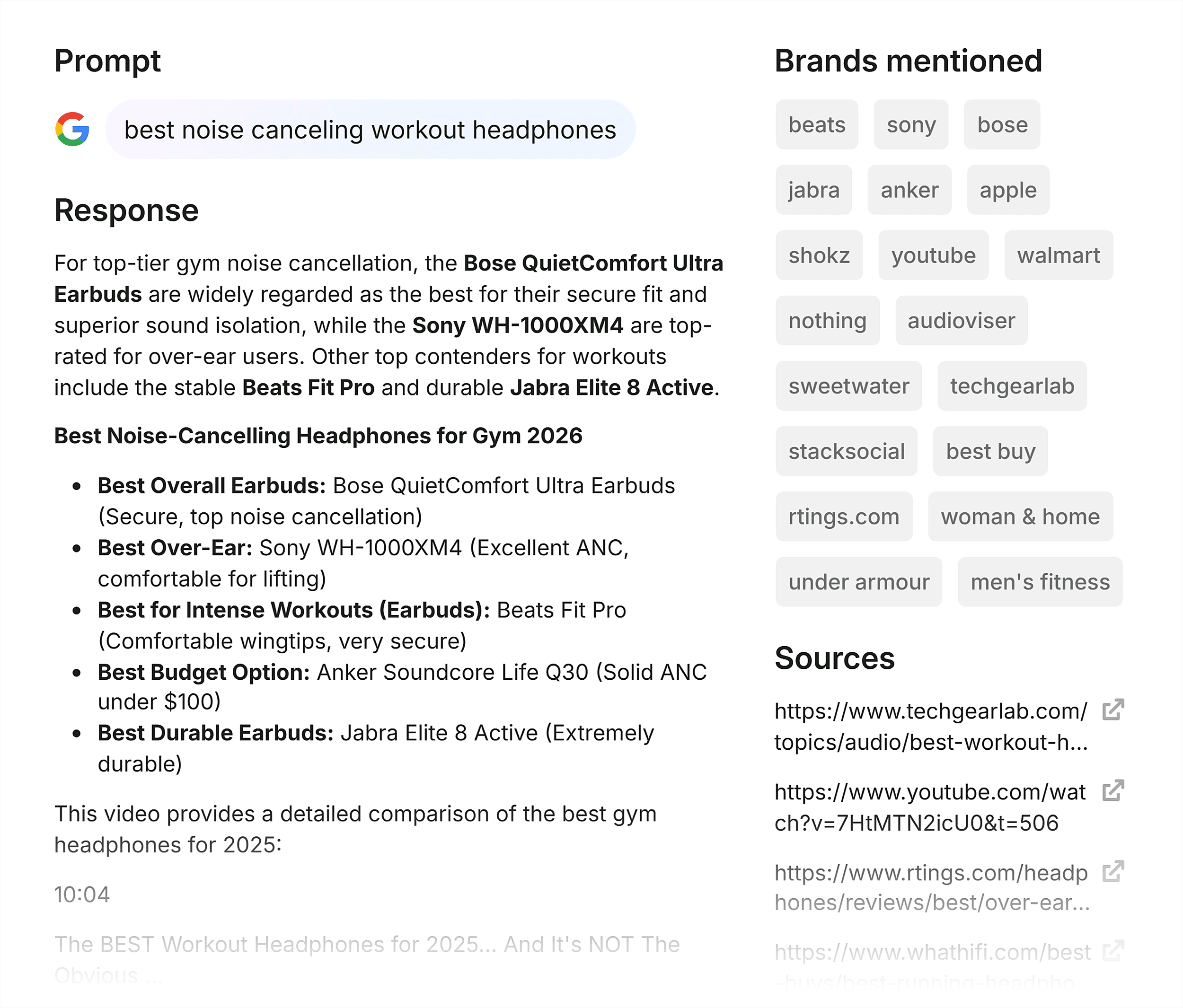
Use an AI tool or the Chrome DevTools method to see what sub-queries an AI runs when it processes your core money prompt. This list is your new content roadmap.
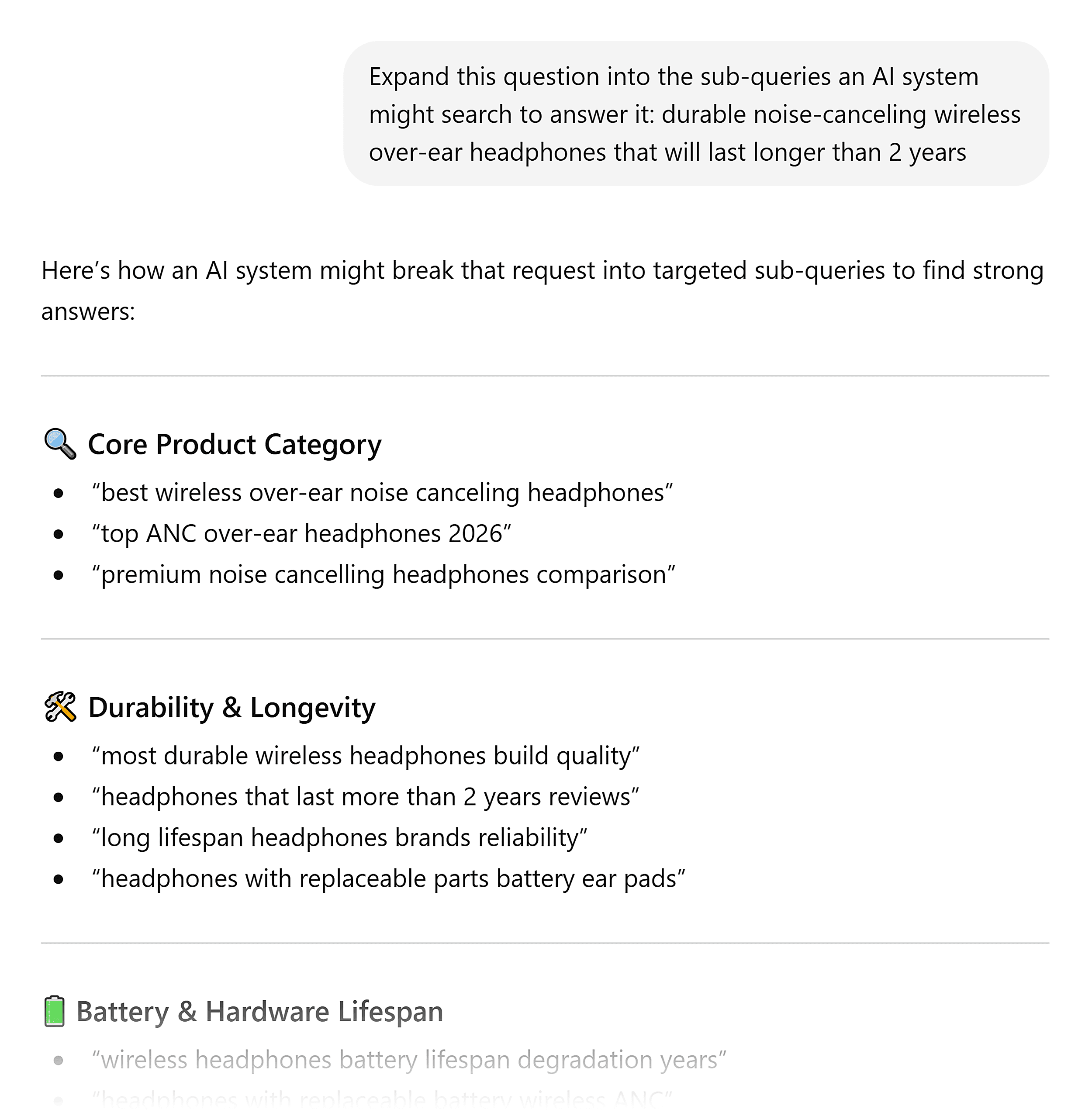
Step 3: Bucket by Intent
Categorize your sub-queries into buckets: Definitions, Comparisons, Recommendations, Troubleshooting, Pricing, and Social Proof. This dictates the format of the content you need to create.
Step 4: Conduct a Gap Audit
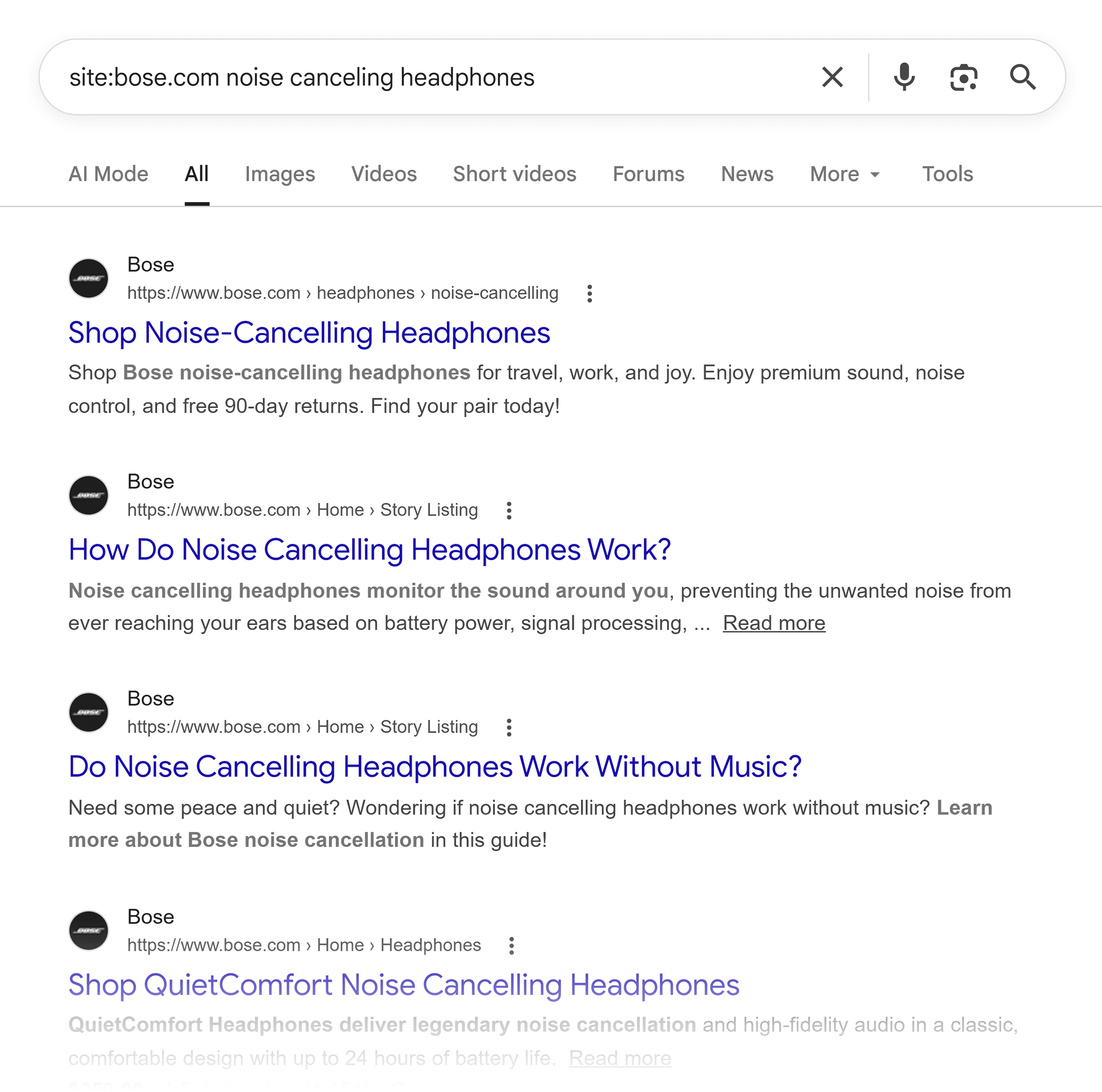
Search site:yourdomain.com [sub-query] to see if you have content that addresses the sub-query. If you don’t, you have a content gap that needs to be filled immediately.
Step 5: Structure for Extraction
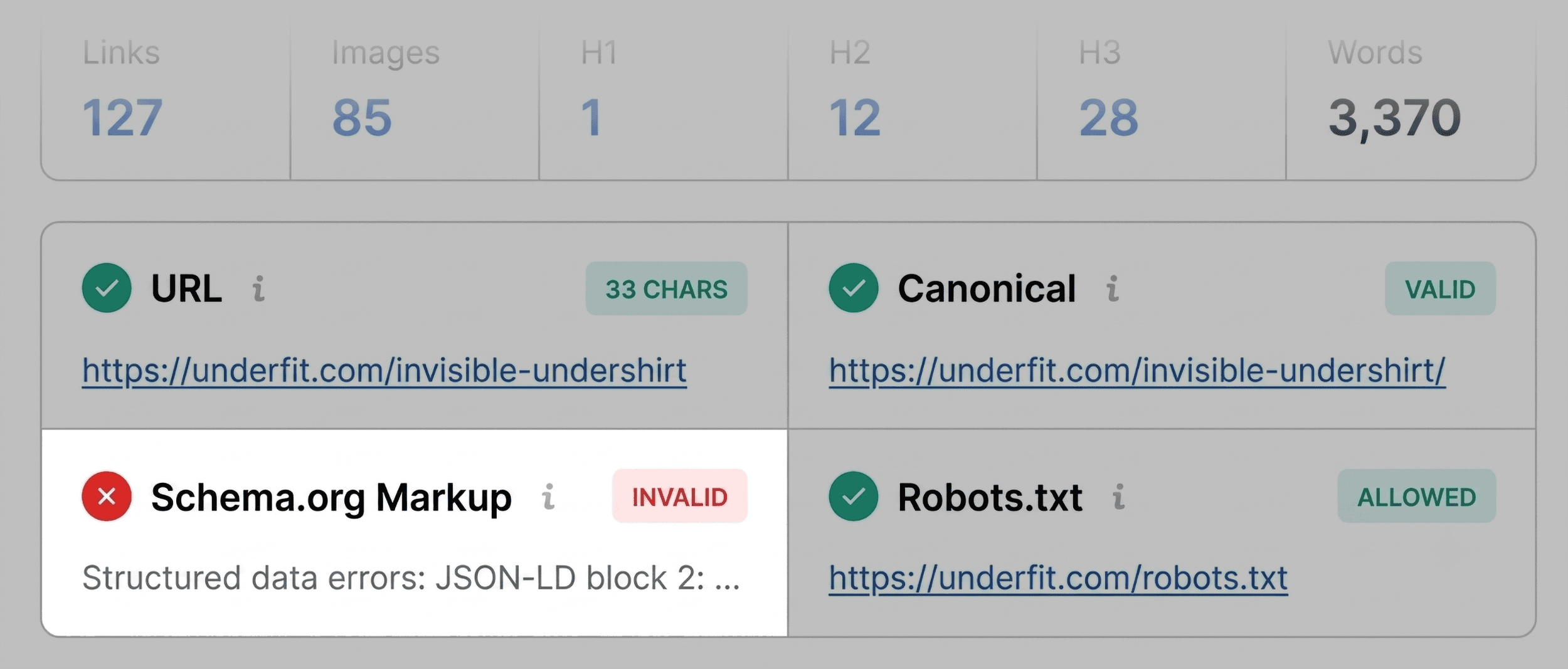
Ensure your pages are built for AI. Use structured data (schema markup), clear H2 and H3 tags that act as questions, and front-loaded answers that resolve the user’s intent within the first few hundred words.
Step 6: Monitor and Measure
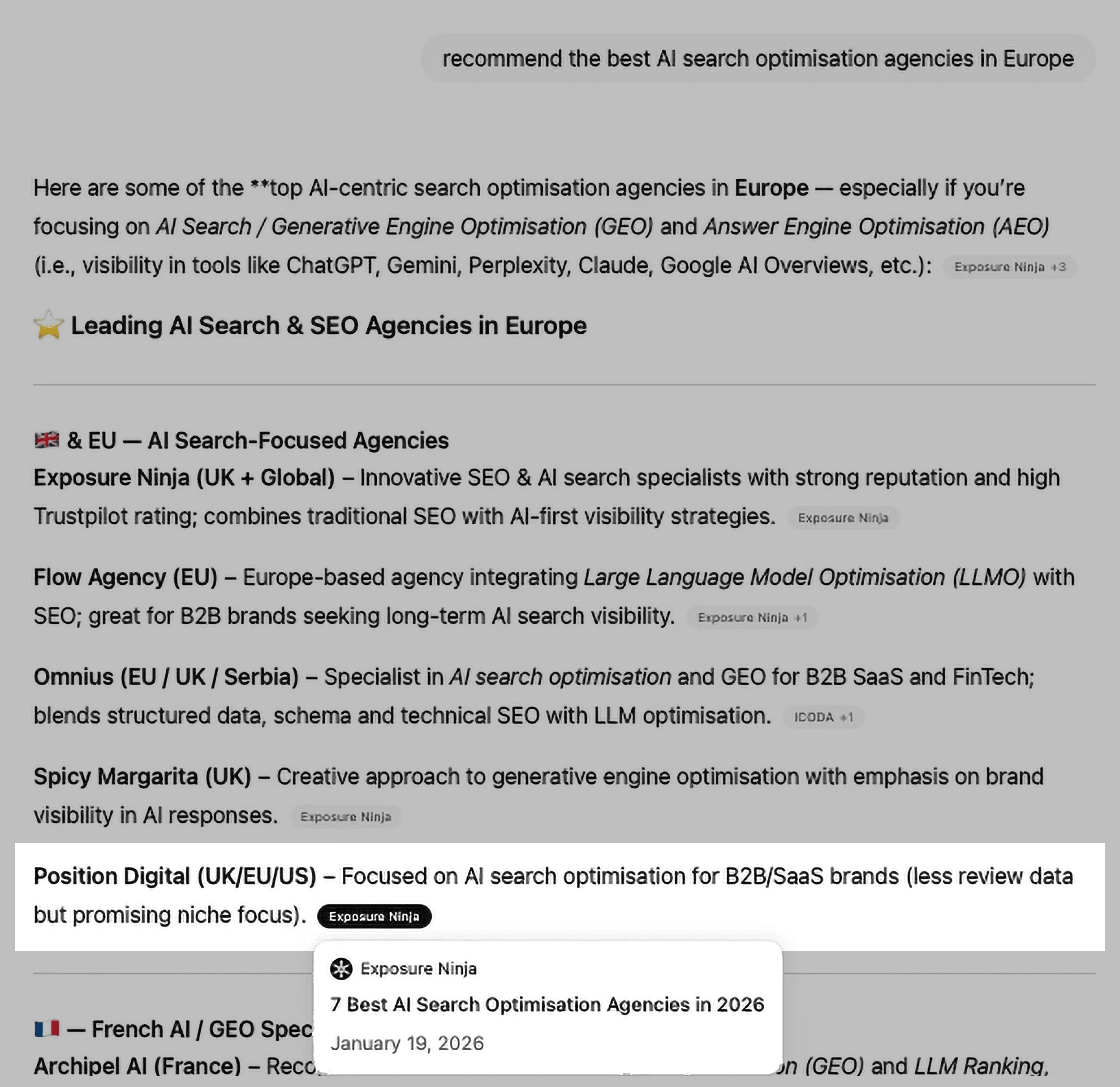
Use prompt trackers to see if your brand is being mentioned in AI answers. If you aren’t appearing, analyze the sources that are being cited and adjust your content to be more comprehensive or authoritative.
Conclusion: The New Standard of Authority
The era of AI search is not an end to SEO; it is an evolution. The systems that power our modern information search are becoming more demanding, requiring higher-quality, more structured, and more comprehensive content. By mastering query fan-out, you move your brand from being a competitor for a "rank" to being a trusted authority for an "answer."
In the AI age, the most visible brands will not necessarily be the ones with the most backlinks—they will be the ones that provide the most helpful, extractable, and thorough information across the entire topic cluster.